What is the most famous Russian literature?
Discover the most famous works of Russian literature, including iconic novels and poems that shaped a nation's literary landscape.
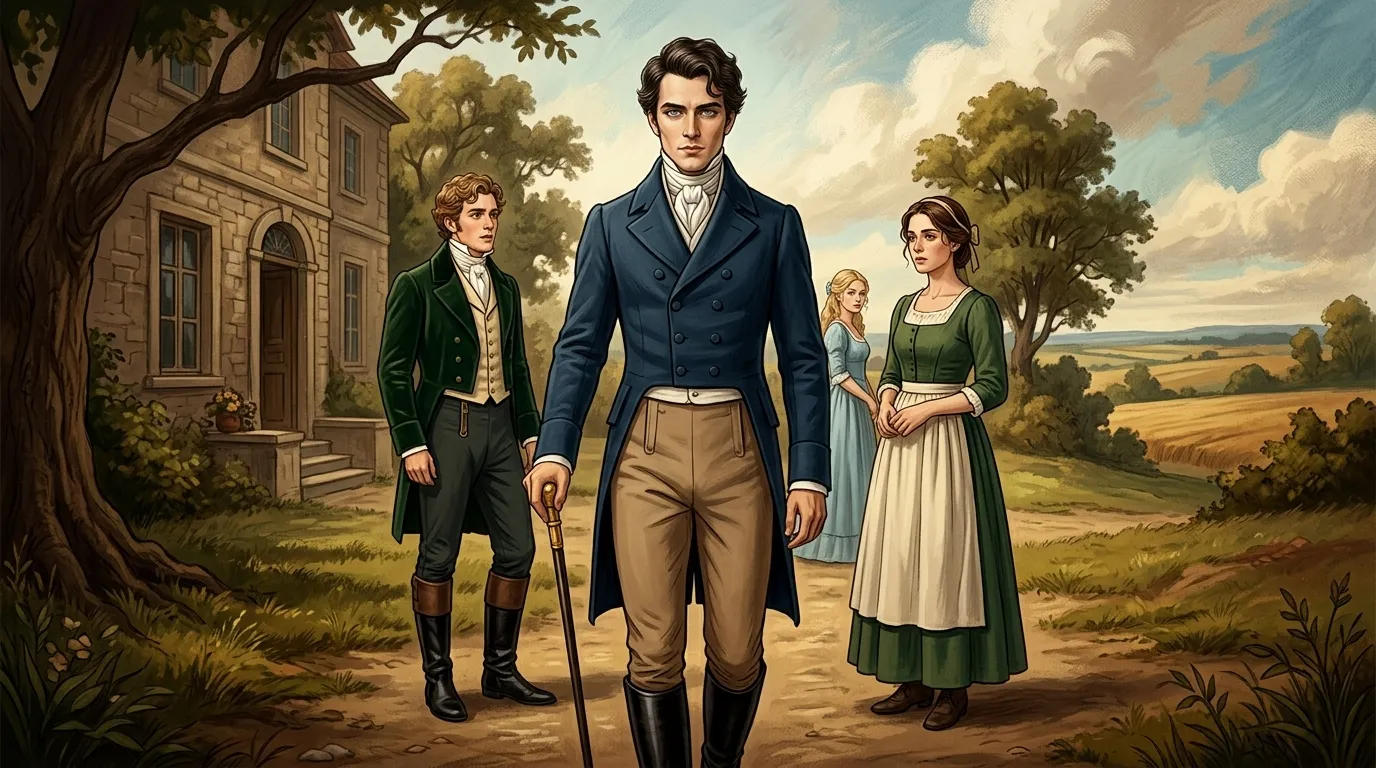
The most famous Russian literature is generally considered to include works by authors such as Leo Tolstoy, Fyodor Dostoevsky, and Alexander Pushkin, with their epic novels and foundational poetry often topping lists of influence and recognition. These literary giants, alongside others like Ivan Turgenev and Mikhail Lermontov, created stories that resonated deeply within Russia and across the globe, exploring universal themes of human nature, society, and destiny.
- These selections are based on enduring global recognition, critical acclaim, and significant cultural impact.
- They represent the pinnacle of Russian literary achievement from the 19th century, a period often called the 'Golden Age' of Russian literature.
- While many other brilliant works exist, these titles consistently appear in discussions of the most famous and influential.
Eugene Onegin — Alexander Pushkin
Alexander Pushkin’s Eugene Onegin, published in serial form between 1825 and 1832, is a cornerstone of Russian literature, often hailed as the first great Russian novel. Written in verse, it tells the story of a jaded aristocrat and his tragic encounters with love and society. Its innovative narrative structure and psychological depth laid much of the groundwork for subsequent Russian realists. Pushkin himself is considered the founder of modern Russian literature and the architect of the modern Russian literary language. The novel's influence is so profound that it inspired Tchaikovsky's famous opera of the same name, ensuring its place in the broader cultural consciousness. For many, to understand Russian literature is to begin with Pushkin.
Demons (The Possessed) — Fyodor Dostoevsky
Fyodor Dostoevsky’s Demons, also known as The Possessed, published in 1872, is a powerful and unsettling exploration of political nihilism and its destructive consequences. This complex novel delves into the minds of a group of revolutionaries in a provincial Russian town, exposing the moral vacuum and intellectual arrogance that can lead to chaos and violence. Dostoevsky, a master of psychological realism, uses this story to critique the radical ideologies gaining traction in 19th-century Russia. Its enduring fame comes from its prophetic insights into the dangers of extremism and its profound examination of faith, reason, and human morality. Readers seeking to understand the darker currents of human thought will find Demons (The Possessed) a compelling and challenging read, a true classic among Wonder Novels.

A Hero of Our Time — Mikhail Lermontov
Mikhail Lermontov’s A Hero of Our Time, published in 1840, is a landmark work that introduces one of literature's most compelling anti-heroes, Pechorin. This novel, a collection of interconnected short stories, is a seminal work of Russian Romanticism, showcasing a cynical, restless, and ultimately destructive protagonist who embodies the disillusionment of his generation. Its innovative structure, with different narrators offering fragmented perspectives on Pechorin, was revolutionary for its time. The book's exploration of alienation and existential angst has cemented its place as one of the most famous and influential Russian novels, often seen as a precursor to the psychological depth found in later works by Tolstoy and Dostoevsky. Lermontov’s sharp prose and vivid descriptions of the Caucasus mountains make A Hero of Our Time a timeless classic, a must-read for anyone interested in the development of the novel. Though this list focuses on the most famous, it’s worth noting that works like Ivan Turgenev’s Fathers and Sons and First Love, while perhaps not as universally recognized as the absolute top tier, are also celebrated for their contributions to Russian realism and their poignant character studies, offering different facets of the era's literary brilliance. Similarly, Tolstoy's Childhood, Boyhood, Youth provides intimate autobiographical insight, and Turgenev's A Sportsman's Sketches beautifully captures rural life, both contributing significantly to the rich tapestry of Russian literature.

Frequently Asked Questions
What themes are common in Russian literature?
Russian literature frequently explores profound philosophical and moral questions, such as the meaning of life, the nature of good and evil, and the individual's struggle against societal forces. Themes of suffering, redemption, faith, and the search for truth are also prevalent, often set against the backdrop of Russia's vast landscapes and complex social structures.
When was the 'Golden Age' of Russian literature?
The 'Golden Age' of Russian literature is generally considered to be the 19th century, particularly from the 1820s to the 1880s. This period saw the emergence of literary giants like Alexander Pushkin, Nikolai Gogol, Ivan Turgenev, Fyodor Dostoevsky, and Leo Tolstoy, whose works defined Russian literary identity and left an indelible mark on world literature.
Are there famous Russian playwrights?
Yes, Russian literature also boasts highly famous playwrights, most notably Anton Chekhov. His plays like The Seagull, Uncle Vanya, Three Sisters, and The Cherry Orchard are cornerstones of modern drama, known for their subtle character development, psychological realism, and exploration of the mundane yet profound aspects of human existence.