What are the top 100 classic fairy tales for adults?
Discovering the top 100 classic fairy tales for adults means delving into their rich history and enduring themes, far beyond childhood retellings.
There isn't a definitive, universally agreed-upon list of "top 100 classic fairy tales for adults." The very idea of a "classic fairy tale" is complex, encompassing centuries of oral tradition, diverse cultures, and countless written adaptations. However, we can explore the most influential collections and individual tales that continue to resonate with adult readers, offering profound insights into human nature and society. These stories often grapple with themes of morality, loss, love, and transformation in ways that are far more nuanced than their simplified children's versions, with Cinderella being a prime example of a tale with a surprisingly dark and varied history.
The Brothers Grimm: Jacob and Wilhelm Grimm (Early 19th Century)
The work of the Brothers Grimm stands as a cornerstone of fairy tale scholarship and popular culture. Their meticulous collection and publication of German folk tales, starting with Children's and Household Tales in 1812, codified many stories that were previously regional or oral traditions. What set their work apart was their dedication to preserving the perceived authenticity of these narratives, often including the darker, more unsettling elements that later editors would soften. Their tales often explore themes of justice, punishment, and the dangers of the world, making them deeply resonant for adult reflection. For instance, The Brave Little Tailor showcases cleverness over brute force, a theme with universal appeal.
Hans Christian Andersen (Mid-19th Century)
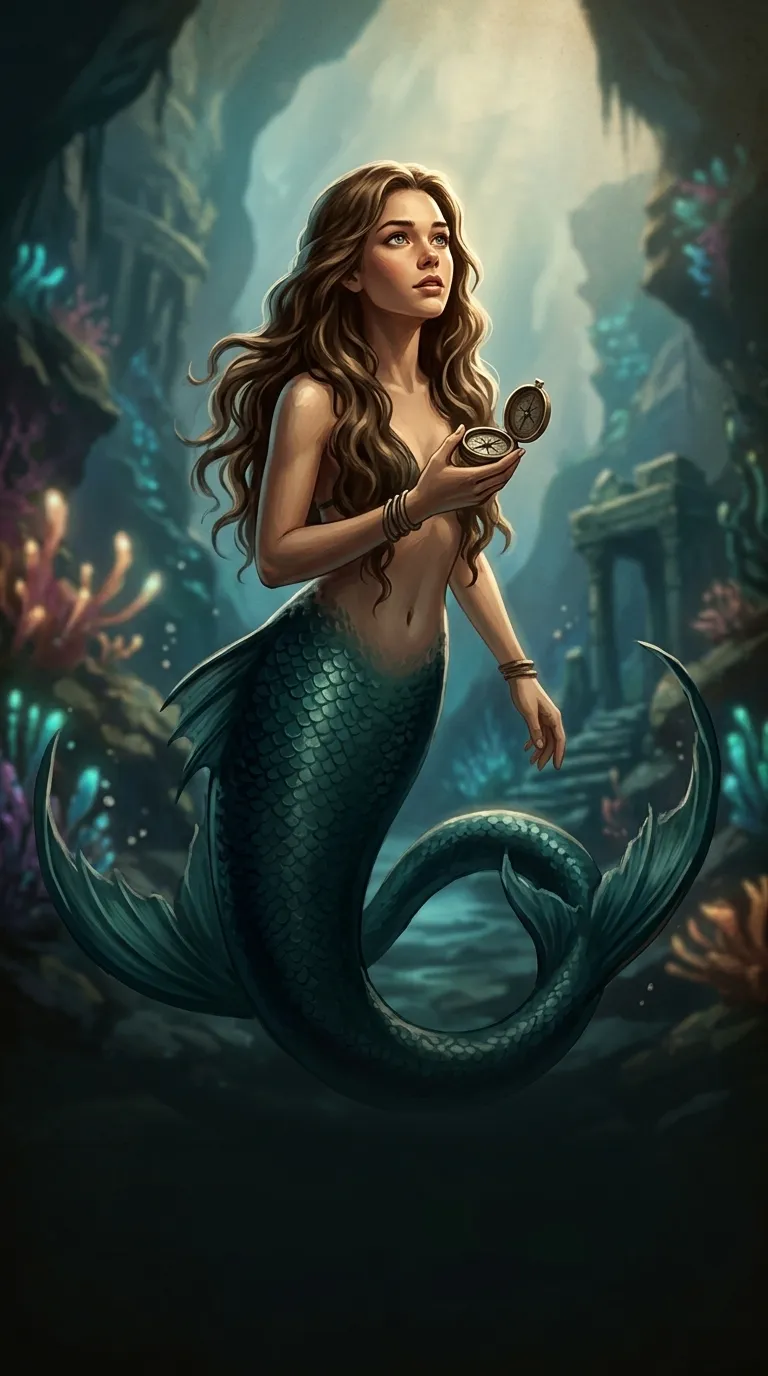
While the Grimms collected existing folklore, Hans Christian Andersen largely created his own literary fairy tales, infusing them with deep psychological insight and often melancholic, philosophical undertones. His stories are not just morality plays but explorations of identity, sacrifice, and the bittersweet nature of life. Unlike the often stark endings of traditional folk tales, Andersen's conclusions frequently carry a profound emotional weight. His tale, The Little Mermaid, with its themes of unrequited love and the pain of transformation, speaks directly to adult experiences of longing and self-discovery. Another, The Happy Family, offers a subtle critique of domestic complacency that is easily missed by younger audiences.
Arabic and Middle Eastern Traditions: One Thousand and One Nights (8th-13th Century)
Long before European collections, the vast compilation of One Thousand and One Nights, also known as The Arabian Nights, offered a rich tapestry of tales. These stories, framed by the ingenious Scheherazade, are renowned for their intricate plots, exotic settings, and often mature themes of power, betrayal, love, and magic. They are not merely children's stories but complex narratives designed to entertain and instruct an adult audience, making them essential for any comprehensive list of classic fairy tales. Some of the most famous tales from this collection include Aladdin and the Wonderful Lamp and Ali Baba and the Forty Thieves, both of which remain popular globally. The enduring appeal of these narratives lies in their sophisticated storytelling and exploration of human cunning and fate. You can discover more about these tales in Wonder Tales.
British and Celtic Folklore: Andrew Lang (Late 19th Century)
Andrew Lang's multi-volume Fairy Books (beginning with The Blue Fairy Book in 1889) were instrumental in popularizing a vast array of international fairy tales for English-speaking audiences. While often presented for children, Lang's collections preserved many of the original complexities and sometimes darker elements of these stories, making them equally compelling for adults. His work showcased the incredible diversity of global folklore, from European to Asian and African traditions. Tales like Kate Crackernuts and The Black Bull of Norroway from British and Celtic traditions, for example, feature strong female protagonists and intricate magical elements that challenge simple interpretations, making them engaging for adult readers seeking depth and historical context in their fairy tale exploration. Other notable examples include The Well of the World's End and The Cauld Lad of Hylton, which delve into themes of perseverance and supernatural encounters. Exploring these narratives can reveal fascinating cultural insights and narrative structures, providing a richer understanding of storytelling traditions across the globe. For a deeper dive into such classic narratives, consider exploring resources like WonderBooks articles.
Fairy tales are more than true: not because they tell us that dragons exist, but because they tell us that dragons can be beaten.
The Evolving Canon: What Constitutes a "Classic"
Identifying a fixed "top 100" is challenging because the canon of fairy tales is constantly evolving. What one culture considers a classic, another might not know. Furthermore, many tales exist in countless variants across different regions and time periods, making a single definitive version elusive. The criteria for "adult" tales often involve their capacity for complex interpretation, their reflection of societal anxieties, or their exploration of mature psychological states. Many tales, like The Nixie of the Mill-Pond or The Marsh King’s Daughter, carry deep symbolic weight that unfolds with adult understanding. Ultimately, the "top" tales are those that continue to speak to us, regardless of age, offering timeless wisdom and a mirror to the human condition. For instance, the story of Cinderella itself has hundreds of variants worldwide, each reflecting different cultural values and often containing elements far more complex than the popular animated versions. Examining these older versions reveals the story's true depth and its capacity to engage adult contemplation.
Frequently Asked Questions
Are all fairy tales originally for children?
No, many classic fairy tales were not originally intended for children. They often contained darker themes, violence, and complex moral dilemmas that were meant to entertain and instruct adult audiences, reflecting the harsh realities of their times.
How do modern fairy tale adaptations differ from the originals?
Modern adaptations, especially those for children, often soften or remove the more violent or morally ambiguous elements of the original tales. They tend to emphasize clear good-versus-evil narratives and provide more explicit happy endings, sometimes losing the nuanced psychological depth found in older versions.
Where can I find academic analysis of fairy tales?
Academic analysis of fairy tales can be found in university libraries, scholarly journals focusing on folklore, literature, and cultural studies, and books by prominent folklorists and literary critics. These resources often delve into the historical, psychological, and sociological aspects of these stories.