What are the top 5 most famous paintings?
Discover the five most iconic and recognizable paintings in the world, from the Mona Lisa to The Starry Night.
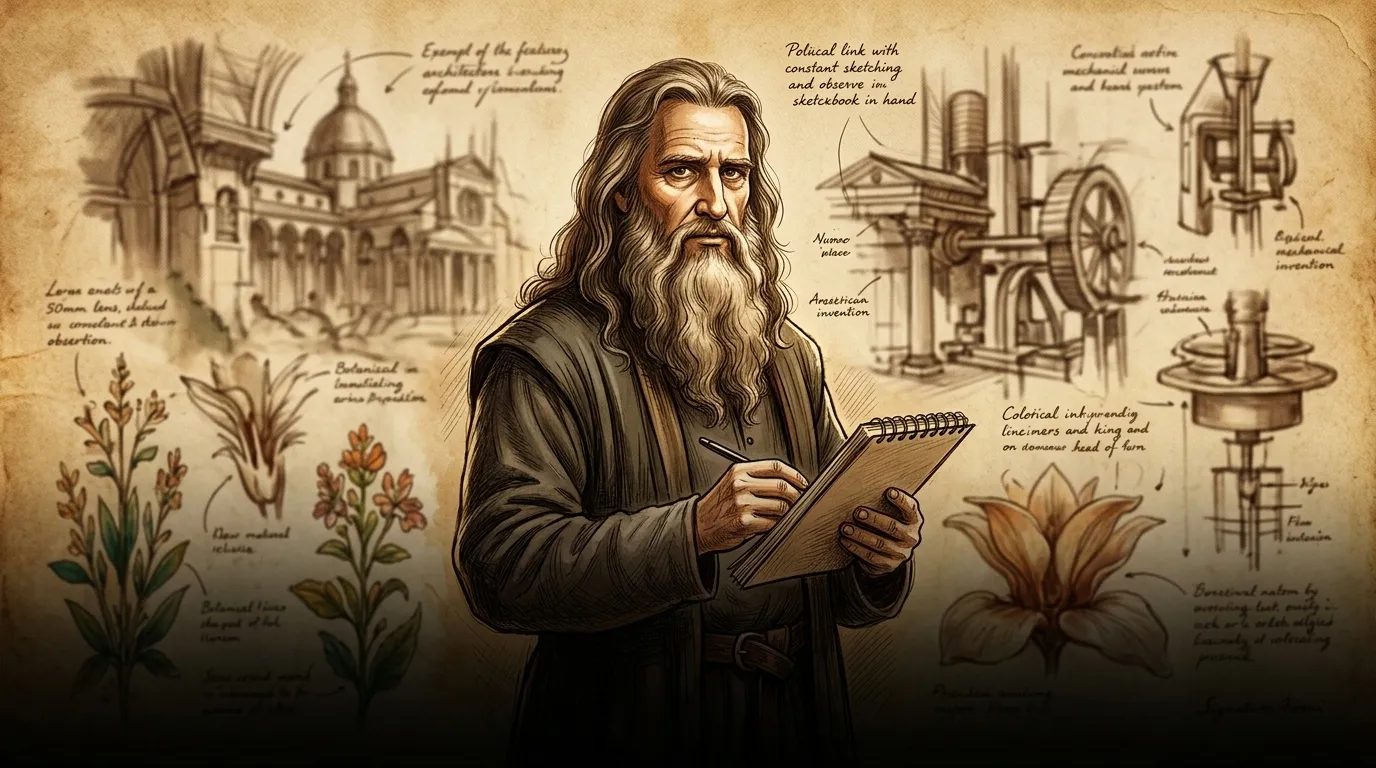
The five most famous paintings in the world are widely considered to be Leonardo da Vinci's Mona Lisa, Vincent van Gogh's The Starry Night, Edvard Munch's The Scream, Johannes Vermeer's Girl with a Pearl Earring, and Sandro Botticelli's The Birth of Venus. These works have captured global imagination due to their artistry, historical significance, and enduring cultural impact.
- These paintings are ranked by their widespread recognition, frequent reproduction, and significant cultural impact.
- While artistic merit is subjective, fame often comes from a combination of groundbreaking technique, captivating subject matter, and historical context.
- Many other masterpieces exist, but these five consistently appear at the top of 'most famous' lists.
Art washes away from the soul the dust of everyday life.
1. Mona Lisa by Leonardo da Vinci (c. 1503–1519)
The Mona Lisa is arguably the most famous painting in the world, celebrated for its enigmatic smile and the artist's innovative use of sfumato, a technique of subtly blending colors or tones so that they melt into one another without perceptible transitions. Housed in the Louvre Museum in Paris, this portrait of Lisa Gherardini, the wife of a Florentine merchant, has been the subject of countless analyses and interpretations. Its fame was cemented by its theft in 1911, which made headlines globally and further solidified its iconic status.

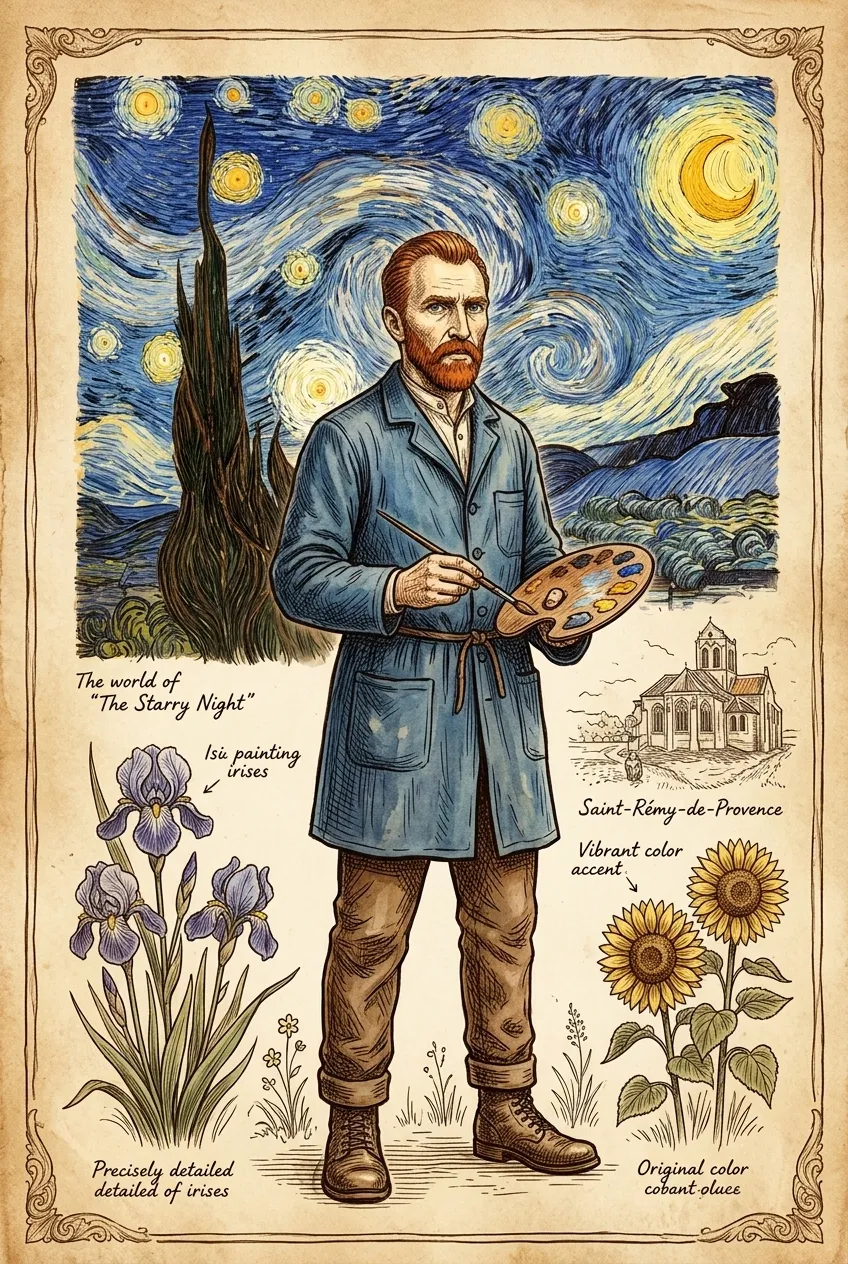
2. The Starry Night by Vincent van Gogh (1889)
Van Gogh's The Starry Night is a powerful expression of emotion and a hallmark of Post-Impressionism. Depicting the view from his asylum room window at Saint-Paul-de-Mausole in Saint-Rémy-de-Provence, France, just before sunrise, with an idealized village, its swirling sky and vibrant colors convey a profound sense of movement and feeling. It is a testament to the artist's unique vision and remains one of the most recognizable and beloved artworks globally, housed at the Museum of Modern Art in New York City.
3. The Scream by Edvard Munch (1893)
The Scream is a striking and unsettling work that has become an icon of modern art and a symbol of universal anxiety. Munch created several versions of the piece, depicting a figure with an agonized expression against a swirling, blood-red sky. It is widely interpreted as representing the anguish of the human condition and the internal struggles of the artist himself. The most famous pastel version is located at the National Gallery in Oslo, Norway.
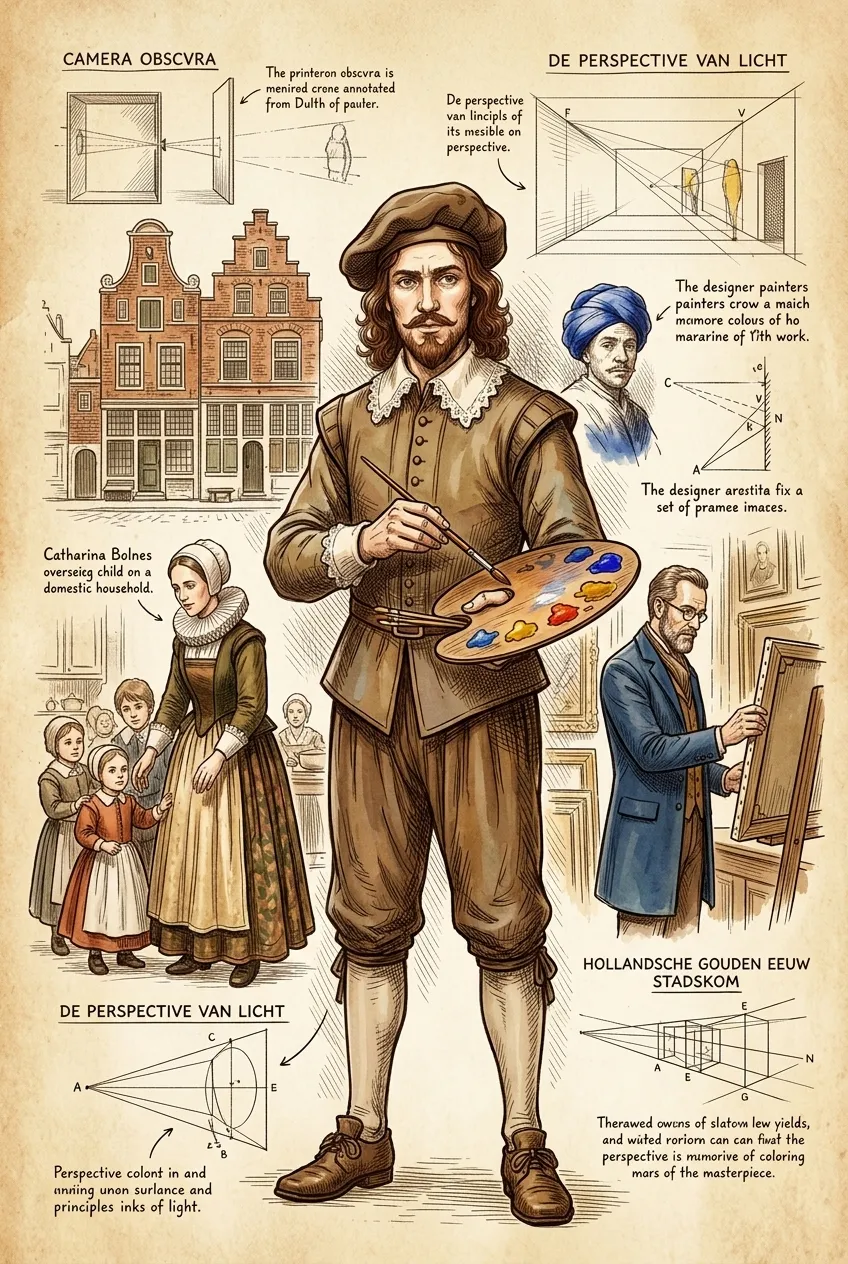
4. Girl with a Pearl Earring by Johannes Vermeer (c. 1665)
Often referred to as the 'Mona Lisa of the North,' Vermeer's Girl with a Pearl Earring is renowned for its masterful use of light and the captivating gaze of its subject. This tronie, a type of painting that focuses on a particular facial expression or type, showcases Vermeer's extraordinary skill in capturing texture and the play of light, especially on the pearl earring. The identity of the girl remains a mystery, adding to the painting's allure. You can learn more about the master of light in our collection, including his work The Concert by Johannes Vermeer (Boston, USA — 1664), available in Wonder Arts.
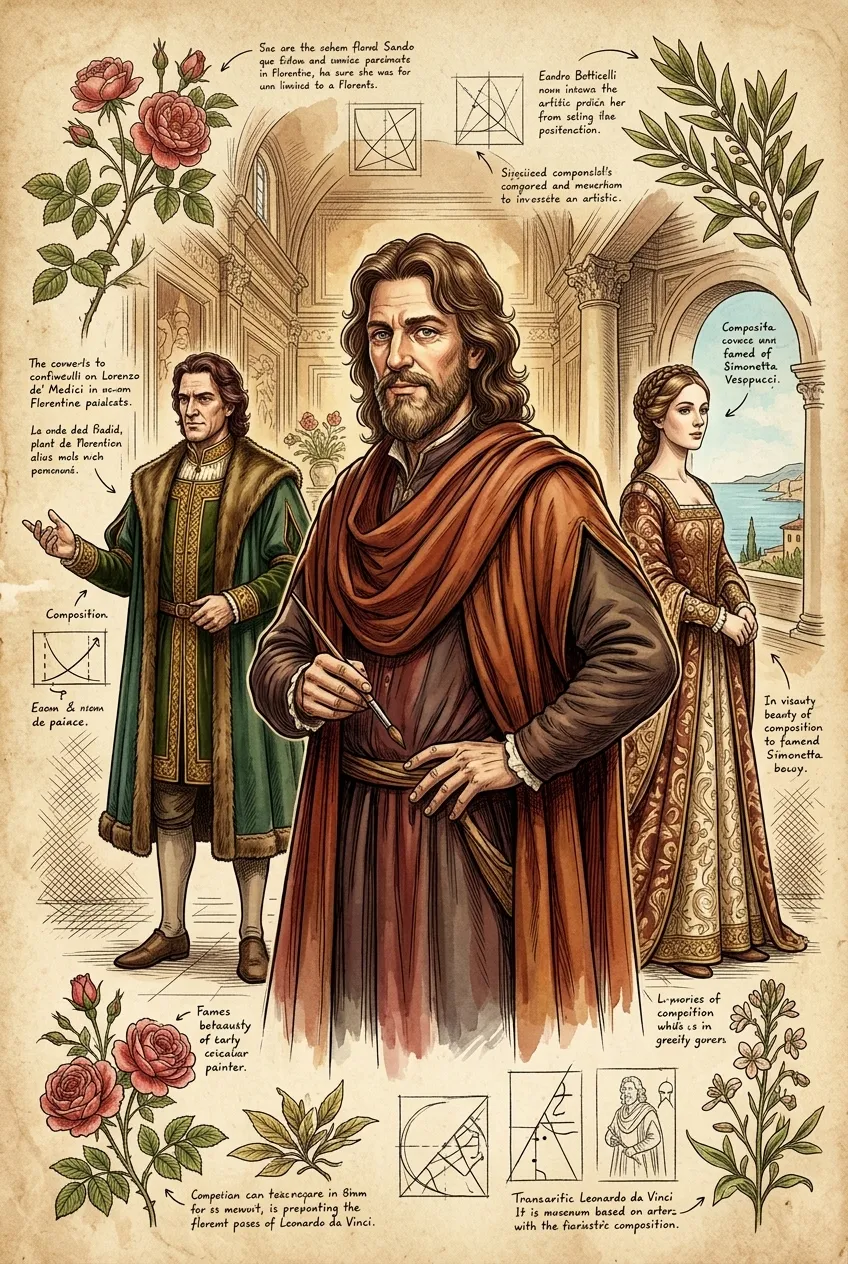
5. The Birth of Venus by Sandro Botticelli (c. 1485)
Botticelli's The Birth of Venus is a masterpiece of the early Italian Renaissance, depicting the goddess Venus emerging from the sea, fully grown. It was revolutionary for its time, not only for its large scale and use of tempera on canvas but also for its overt mythological subject matter, which was unusual for the period. The painting's ethereal beauty, delicate lines, and symbolic richness have made it a timeless icon of classical art and a cornerstone of the Uffizi Gallery in Florence, Italy, which is itself a subject in our collection: Uffizi Gallery (Florence, Italy — 1581). The Uffizi holds many treasures, reflecting the artistic innovations of its time, similar to the groundbreaking ideas seen in the First Impressionist Exhibition by Monet and peers (Paris, France — 1874).
Frequently Asked Questions
What makes a painting 'famous'?
Fame in painting often stems from a combination of factors: the artist's innovation, the painting's historical context, its emotional impact, its widespread reproduction, and sometimes, even dramatic events like theft or controversy. Enduring appeal and cultural significance also play a crucial role.
Are there other important paintings not on this list?
Absolutely. This list focuses on global recognition. Many other masterpieces, such as Leonardo da Vinci's The Last Supper, Pablo Picasso's Guernica, or Diego Velázquez's Las Meninas, are incredibly important and influential but perhaps not as universally recognized across all demographics as the five listed here.
Where can I learn more about famous paintings?
Museums around the world house countless famous paintings, offering the chance to see them in person. Books, documentaries, and online resources also provide extensive information. WonderBooks, through its Wonder Arts subject library, offers illustrated stories about many significant artworks and artists, like Abbey in the Oakwood by Caspar David Friedrich (Germany — 1810) or The Stone Breakers by Gustave Courbet (France — 1849).