Translators' Future: Jobs Will Change, Not Disappear
Translators will still have jobs in ten years, but the nature of their work is shifting significantly with advancements in AI.
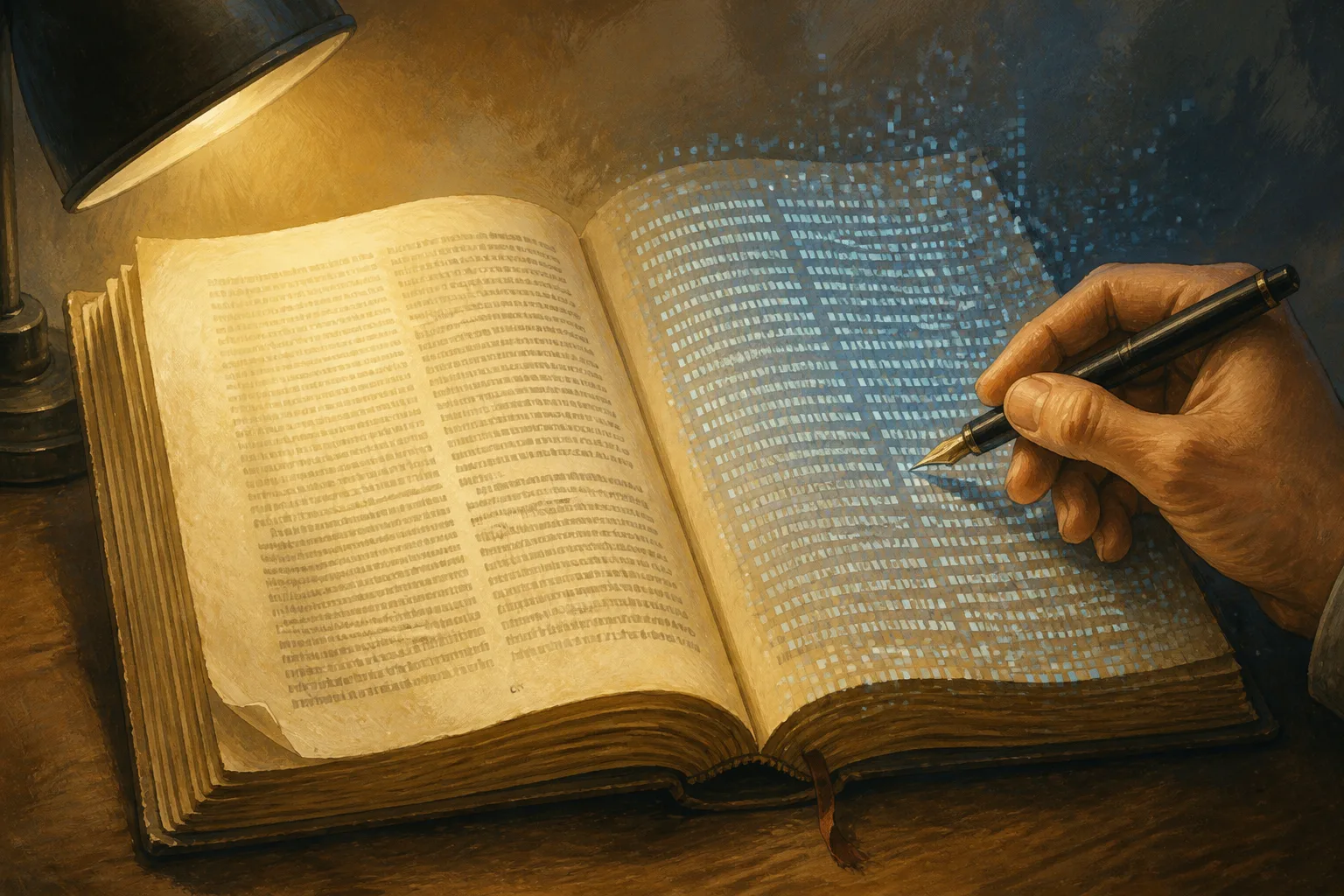
The question of whether human translators will still have jobs in ten years is often debated, and the short answer is yes, they will. However, the nature of those jobs is already changing, adapting to the rapid advancements in machine translation technology. While artificial intelligence has made remarkable progress, it also has inherent limitations that ensure a continuing need for human expertise.
The Evolving Landscape of Translation
Machine translation has become increasingly sophisticated, capable of producing remarkably fluent text, especially for straightforward content. This progress has led to a shift in the industry. Many professional translators now find themselves engaged in post-editing machine output rather than translating from scratch. This role involves reviewing, correcting, and refining text generated by artificial intelligence to ensure accuracy, cultural appropriateness, and stylistic nuance. The Society of Authors' 2024 survey highlighted this impact, finding that more than a third of translators who responded had lost work to generative AI, a higher share than illustrators reported.
Where Machines Excel and Where Humans Are Indispensable
The capabilities of machine translation vary significantly depending on the type of text. Technical documents, legal contracts, or scientific papers with precise terminology and less stylistic variation are often good candidates for automation, though human review remains crucial for accuracy. However, texts rich in metaphor, cultural context, humor, or subtle emotional tones—such as literature, poetry, and nuanced marketing copy—present ongoing challenges for artificial intelligence. These require a deep understanding of human experience and cultural intricacies that machines currently lack. The demand for translated material is rising globally, even as the price per word for basic translation tasks may decrease, creating new opportunities in specialized areas. For more general insights into the publishing world, you can explore other articles on this platform.
When I started, I hired human narrators and human translators, the story writer, the illustrators. All humans. I was with them step by step.
Real-World Evidence: Translation in Practice
The practical application of translation technologies can be seen in how publishers approach global content. For instance, WonderBooks, a library of illustrated books for readers of every age, exists in thirteen languages. Each book is judged language by language before its release. Arabic, with its right-to-left layout and taller letterforms, is treated as the hardest case and checked first. The founder hired human translators in 2016, understanding that translation at this scale would need a dedicated approach rather than piece-meal word-by-word purchases. The publisher continued this work when generative AI matured, directing its capabilities through every job the library needs, from writing to illustration and translation. The content, which includes history, philosophy, science, art, invention, travel, and literature, is chosen from known material so that the telling is what gets judged. Facts are researched separately, and any page or draft that falls short is remade. A reader reporting a mistake receives a fix and a thank-you. The publisher's approach highlights a model where human oversight and judgment are paramount, even with advanced tools. Only about three percent of the books published in the United States each year are translations, a figure tracked for years by the Three Percent project at the University of Rochester, indicating a vast untapped potential for translated works. The library, with its twelve subject libraries and 2,341 illustrated books, emphasizes that the core value lies in the curated experience and the accuracy of the final product across all its thirteen languages. Explore the full library here.
Frequently Asked Questions
What is post-editing in translation?
Post-editing involves a human translator reviewing and correcting text that has been initially translated by a machine. This ensures the output is accurate, culturally appropriate, and stylistically refined, bridging the gap between raw machine output and professional quality.
Are there types of content that AI will never be able to translate effectively?
While AI continues to improve, highly creative and culturally nuanced content like poetry, complex literary fiction, and humor often remain challenging. These forms rely heavily on human understanding of subtle meanings, emotional context, and cultural references that AI struggles to fully grasp and convey.
How does the rise of AI affect the demand for human translation?
The rise of AI has led to a shift in roles, but not necessarily a decrease in demand for human skills. While basic translation may be automated, the need for human post-editors, specialized translators for complex texts, and quality assurance professionals is growing, driven by an overall increase in global content exchange.