What Makes a Children's Narrator Good? The Craft Behind the Voice
A flat, competent reading and a genuinely well-narrated one aren't the same experience for a child. The difference comes down to a specific, learnable craft.
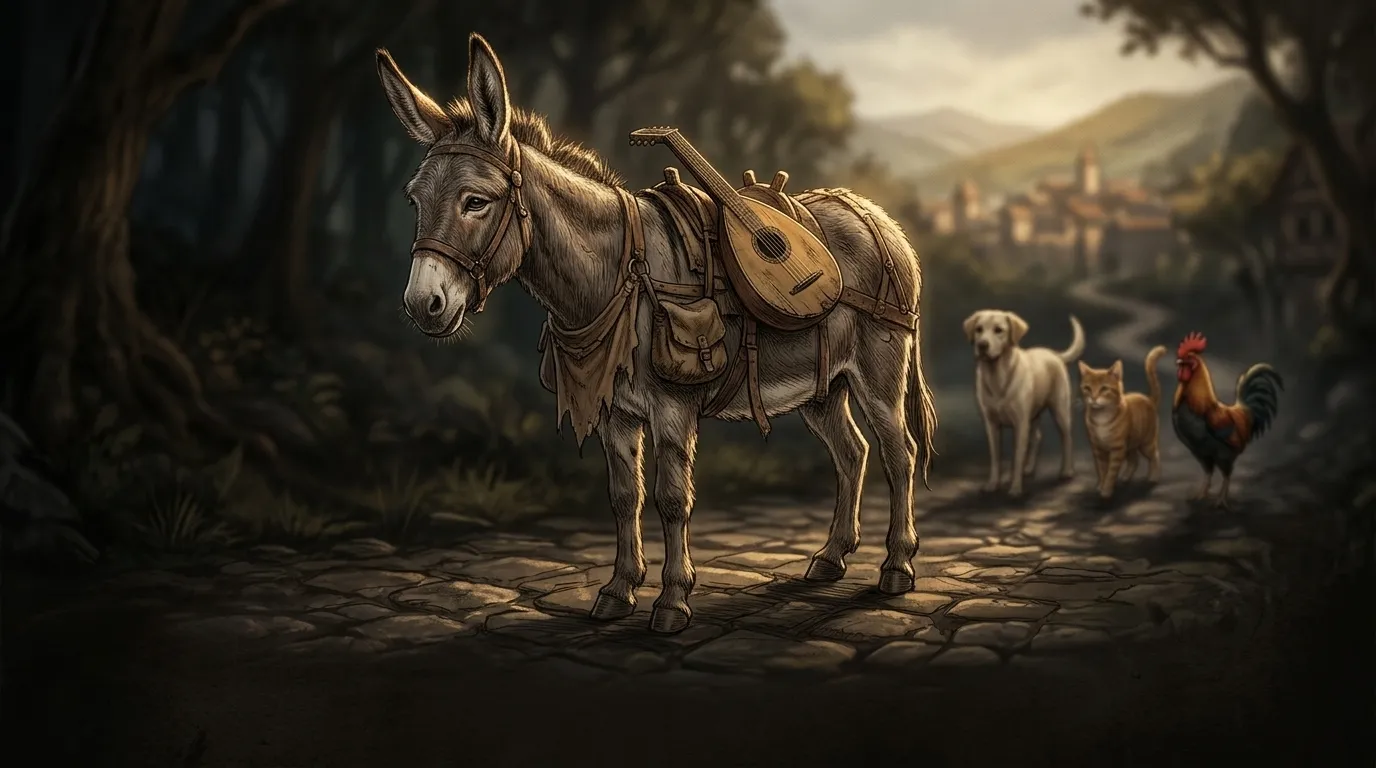
Hand the same picture book to two different narrators and record them both, and a child will not have the same experience. One reading can pass by unremembered five minutes later; the other can get requested again at bedtime for a week straight. The words on the page are identical. What changes is a craft that has almost nothing to do with reading and almost everything to do with performance.
That craft has a name in the industry — narration is treated as its own specialty, distinct from both stage acting and simply reading text aloud, even though it borrows from both. A narrator has to keep a character's voice consistent scene after scene, shift smoothly between narration and dialogue without confusing the listener about who is speaking, and — critically — never let the performance itself get in the way of the story being understood.
A Craft Built From Specific, Practiced Choices
Professional narrators talk about their work in terms of pacing, cadence and inflection — the speed of delivery, the rhythm between sentences, and the rise and fall of pitch that signals emphasis, surprise or humor. None of this is improvised in the moment. Narrators preparing for children's material specifically study how tone and pacing shift by age group: material for very young children calls for a gentler, more nurturing tone and a noticeably slower pace than material aimed at older kids, who can follow faster, more varied delivery. Voice actors working in this space also describe children's narration as a rare chance to play multiple distinct characters inside one recording — accents, ages and physical mannerisms all rendered through voice alone — which is a large part of what separates an engaging narrator from a merely accurate one.
Why an Exaggerated Voice Actually Works on Young Listeners
There is real developmental science behind why a more expressive, more musical reading voice grips a child's attention better than a flat one. Researchers studying how adults naturally speak to infants and young children have found a strikingly consistent pattern across many unrelated languages — English, German, Dutch, Mandarin, Thai and others: speech aimed at small children uses a higher pitch, a wider pitch range and a slower speaking rate than ordinary adult conversation. This isn't just a stylistic habit. Studies have found that infants reliably prefer this exaggerated style of speech over flat adult-directed speech, that it captures and holds their attention more effectively, and that the heightened attention it produces appears to help language processing tasks like picking words out of a stream of sound and learning what those words mean. A good children's narrator, whether they think of it this way or not, is using a professional version of exactly the pattern a parent falls into instinctively when reading aloud to a toddler.
Where a Story App Can Get This Wrong — and Get It Right
A lot of story apps treat narration as an afterthought: a flat, single-take reading, or worse, a synthetic voice with none of the pacing and inflection that research shows actually holds a child's attention. WonderBooks pairs each illustrated story with a professionally recorded narration rather than a generic text-to-speech pass, built with the same pacing and expressiveness principles described above — the goal is a voice a child wants to keep listening to, not just one that technically reads the words correctly.
Frequently Asked Questions
What actually separates a good children's narrator from an average one?
Craft rather than raw talent alone. Professional narrators deliberately control pacing, rhythm and inflection, keep each character's voice distinct and consistent, and calibrate tone to the listener's age — gentler and slower for very young children, more varied and energetic for older ones. The goal throughout is a performance that never gets in the way of the listener understanding the story.
Why do children respond so strongly to an expressive, sing-song reading voice?
It matches a pattern researchers have found across many unrelated languages: speech aimed at young children naturally uses higher pitch, a wider pitch range and a slower pace than ordinary adult speech. Studies show infants and young children prefer this style, pay closer attention to it, and process language more easily while hearing it — which is part of why a genuinely expressive narrator holds attention better than a flat one.
Is a professionally narrated story really that different from a synthetic, computer-generated voice?
For now, yes, in the qualities that matter most to engagement. Research comparing listener preferences has generally found people favor human narration over synthetic voices, largely because a human narrator brings deliberate variation in pitch, timbre and pacing that shapes emotional engagement and comprehension in ways flat, evenly-paced synthetic speech does not yet consistently replicate.