Why Kids Remember a Story They Hear Better Than One They Only Read
Narration isn't audio wallpaper for a story a child could just as easily read silently. Research on reading comprehension keeps finding it does real, separate work.
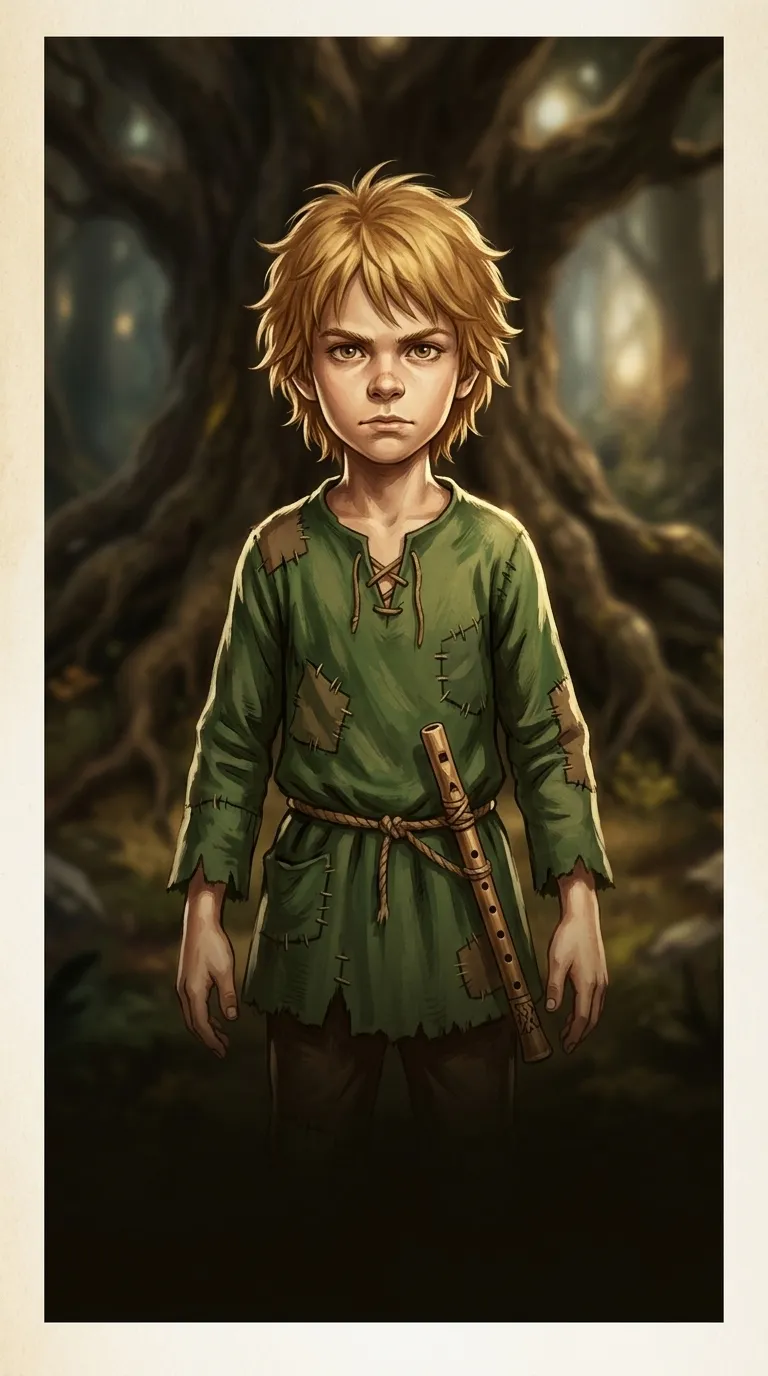
A study published in the Journal of Educational Psychology found that bringing audiobooks into a classroom measurably improved students' word recognition, comprehension and overall reading achievement — not as a replacement for print, but as a genuine addition to it. Separately, brain-imaging research published in the Journal of Neuroscience found that written and spoken language activate largely the same comprehension regions of the brain, which is part of why the skills built through listening carry over to reading rather than competing with it.
Narration itself is doing more than a flat delivery of the words. A trained narrator uses pacing, tone and inflection to signal what a sentence on a page leaves to inference — when something is a threat, a joke, a lie. That is a meaningful part of comprehension that a child reading silently, still building fluency, often has to work much harder to supply for themselves. It is also why audiobooks are consistently identified as one of the more effective ways to reach reluctant readers: a child who struggles to decode text on the page can still follow, and enjoy, a story at full narrative speed.
There is a social layer too. Listening to a story together — as a family, in a car, at bedtime — creates a shared moment that solitary silent reading doesn't, and that shared attention is repeatedly cited in literacy research as part of what builds a lasting, positive relationship with reading, not just short-term comprehension gains.
What changes when a story arrives through two channels at once
The psychologist Allan Paivio described this as dual coding: the brain has two separate but connected systems for processing information, one built for language and one for imagery, and the two work together rather than competing for the same resources. A story that arrives as narration plus illustration is using both systems at once, where silent text on its own is asking one system to do the whole job. The effect isn't identical at every age — researchers have found five-year-olds get the most benefit from hearing and seeing a story together, while ten-year-olds start to lean more on the audio alone as their listening skills mature — but across the studies, dual-modality presentation is the condition that most reliably helps the readers who are struggling the most, holding their comprehension steady when a purely visual or purely audio version of the same story would let it slip.
A technology much older than the printed page
Narrated storytelling is not a modern convenience layered on top of reading — it is closer to the original form. Spoken narrative long predates writing by tens of thousands of years, and forager societies studied by anthropologists still devote a striking share of their evening conversation to telling and retelling stories, using rhythm, repetition and stock phrases specifically because those techniques make a story easier to remember and pass on. Some of the oldest surviving texts in world literature — the Epic of Gilgamesh, Homer's Odyssey, the Mahabharata — were composed and performed aloud, sometimes for centuries, before anyone wrote them down. Reading silently off a printed page, by comparison, is the recent technology; a child listening to a narrated story is doing something close to what humans have always done with stories, only with a page of illustration in front of them as well.
Illustrated and narrated, on the same page
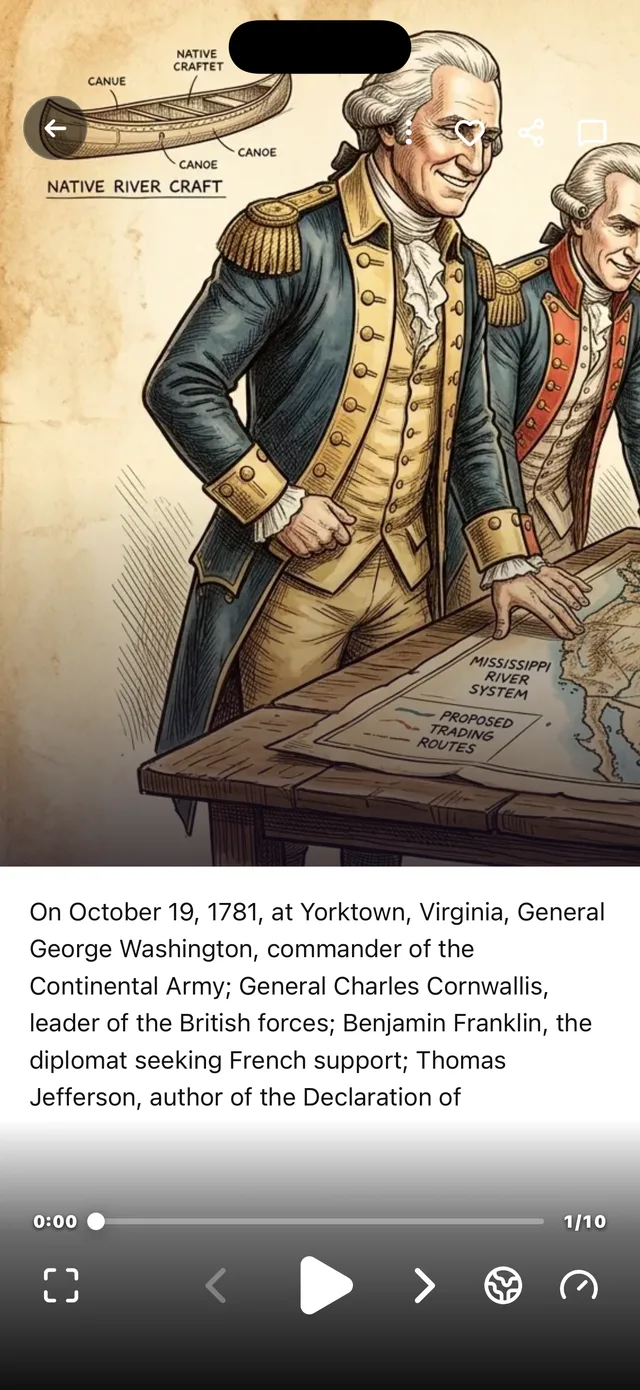
WonderBooks pairs professional narration with the illustrated page it belongs to, rather than treating audio as a separate track bolted onto a plain ebook — the narration plays alongside the artwork the child is already looking at, page by page.
Frequently Asked Questions
Is listening to a narrated story "cheating" compared to reading it silently?
No — research on dual coding and on classroom audiobook use finds narration builds real, measurable comprehension and word-recognition skills, not a shortcut around them. It works differently from silent reading, not worse, and the two skills reinforce each other rather than compete.
At what age does narration help a child the most?
Studies find the specific benefit shifts with age: younger children (around five) gain the most from hearing and seeing a story together, while older children increasingly process the narration itself with less need for the accompanying image. Across ages, struggling and reluctant readers consistently show the largest gains from narrated formats.
Can audiobooks and narrated stories really help a reluctant reader?
Yes. A child who finds decoding text slow or frustrating can still follow a narrated story at full narrative speed, understand it, and enjoy it — which is part of why narration is one of the more consistently recommended tools for reaching reluctant readers in literacy research.