Battle of Tsushima (1905, Tsushima Strait)
Explore the Battle of Tsushima, a pivotal naval clash where Japan decisively defeated Russia, reshaping global power dynamics. This book examines the strategies, technologies, and consequences of this historic battle.
Page 1
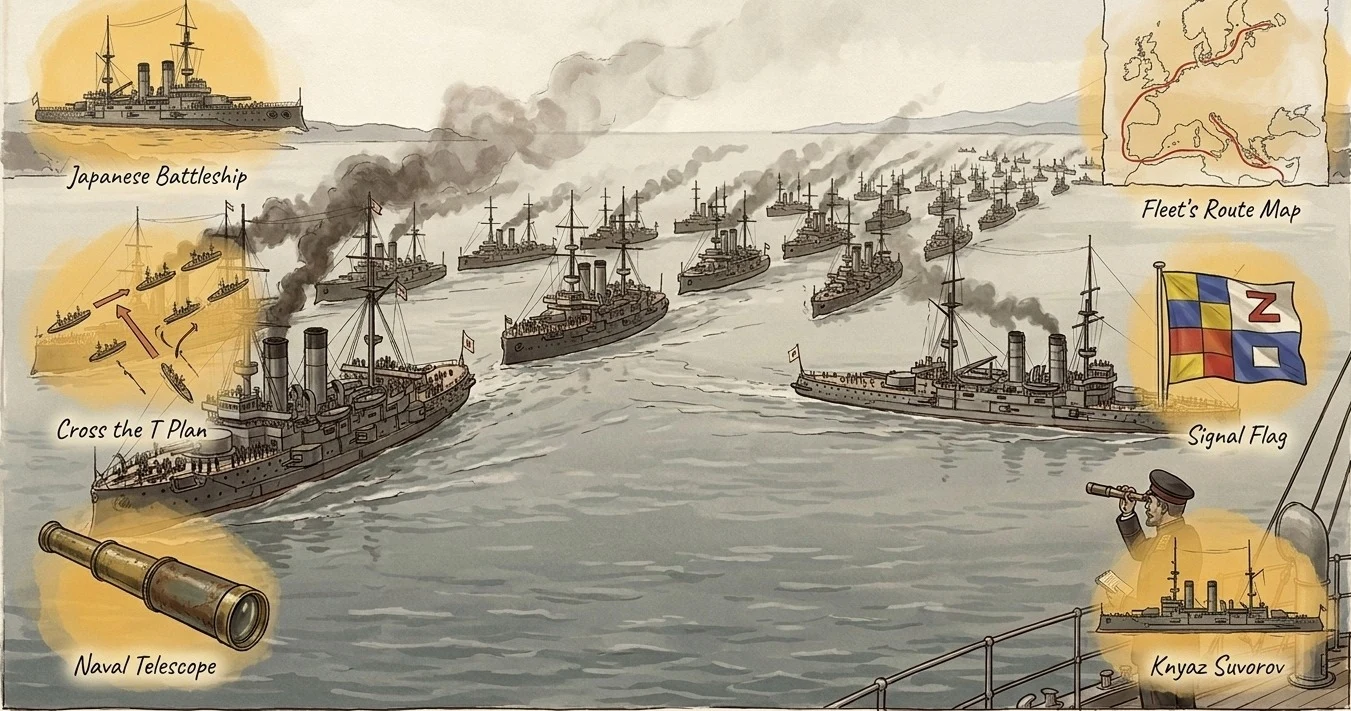
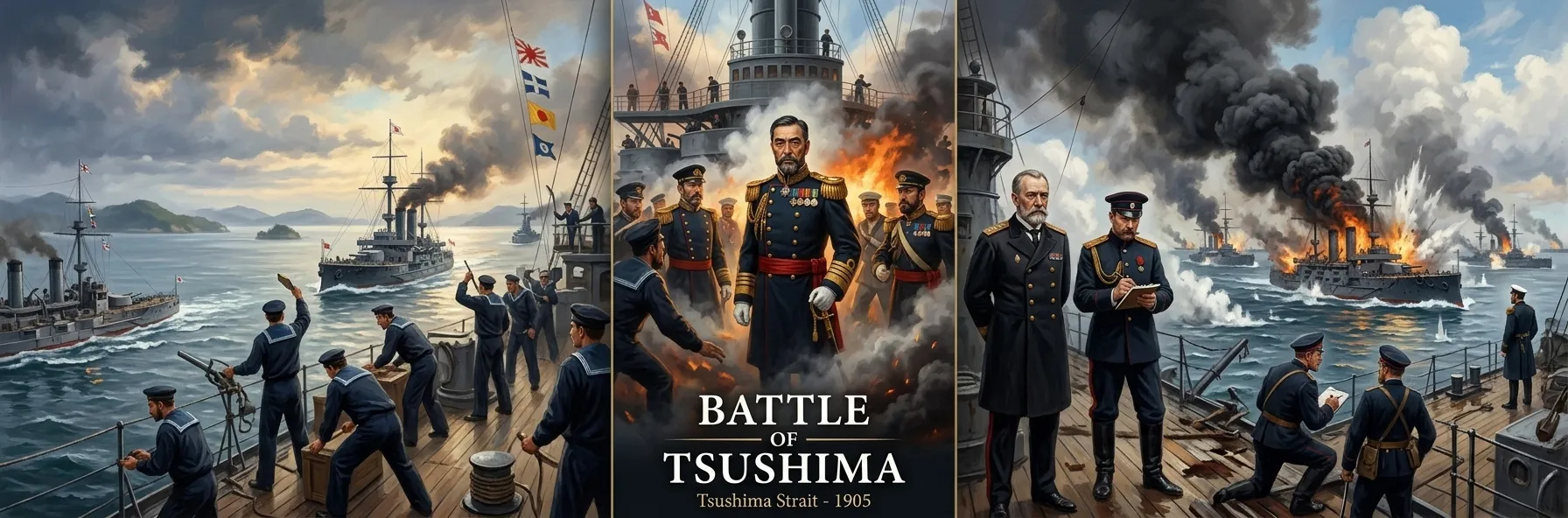
May 27, 1905. The Tsushima Strait, between Korea and Japan. Admiral Tōgō Heihachirō, commander of the Japanese Combined Fleet; Vice Admiral Zinovy Rozhestvensky, leading the Russian Second Pacific Squadron; and Captain Vladimir Semenoff, a Russian staff officer documenting the voyage – their fates converged in a storm of steel. The Japanese fleet, numbering over 30 ships, decimated the lumbering Russian squadron of 38 vessels, which had travelled 18,000 nautical miles from the Baltic Sea. The battle, lasting just over a day, resulted in the sinking or capture of most of the Russian fleet, a catastrophic defeat. The iconic image of the Mikasa, Tōgō's flagship, leading the Japanese line into battle, symbolized Japan's ascendance as a major naval power. How did this David-and-Goliath showdown unfold?
Historical Fact: Over 4,000 Russian sailors lost their lives; Japan's losses were minimal, fewer than 700.
Page 2
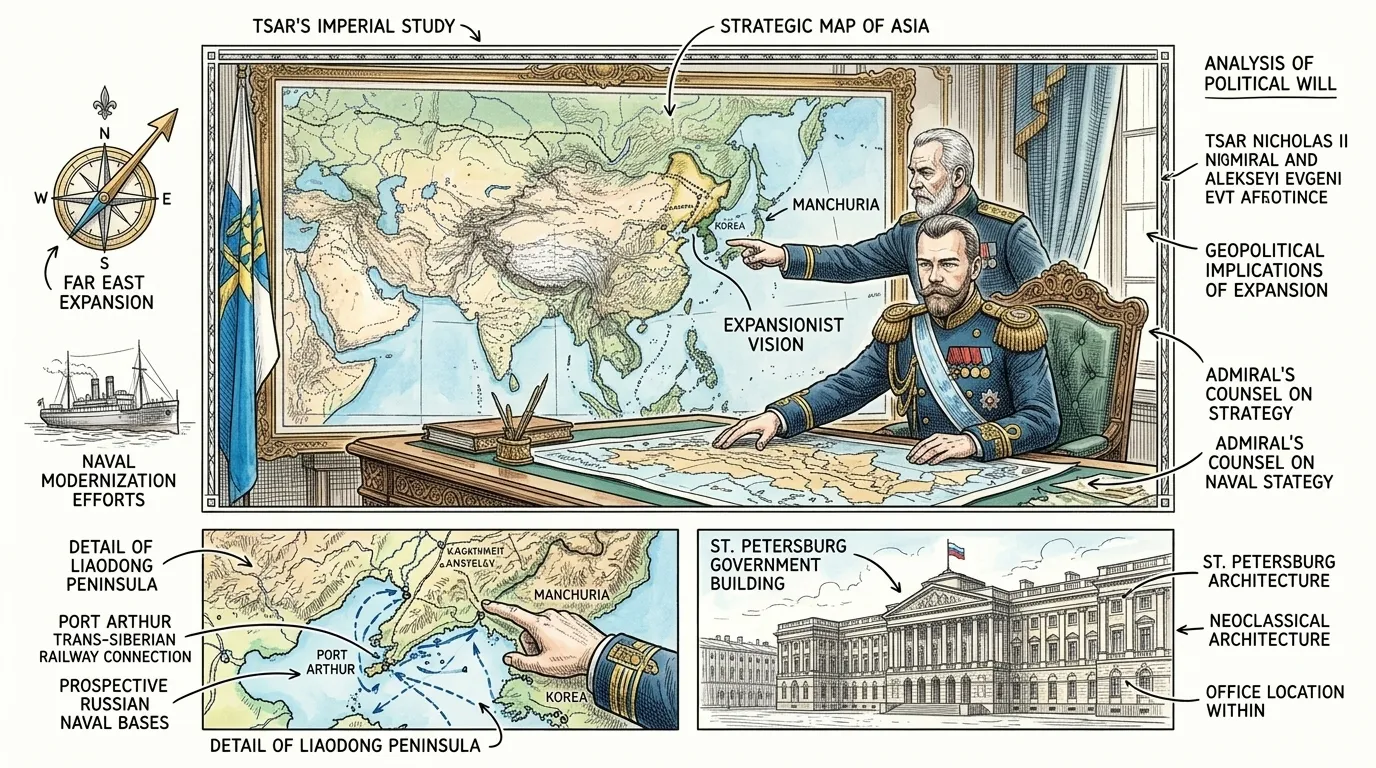
The seeds of Tsushima were sown in St. Petersburg. Tsar Nicholas II, autocrat of all the Russias, envisioned a vast empire stretching across Asia. Russia's expansionist ambitions in Manchuria and Korea brought it into direct conflict with Japan, a rapidly modernizing island nation eager to assert its own dominance in the region. The Tsar, advised by his ministers, including the hawkish Admiral Evgeni Ivanovich Alekseyev, underestimated the Japanese military and believed a swift victory would solidify Russia's position in the Far East. Japan's alliance with Great Britain further complicated the situation, leaving Russia isolated and vulnerable.
Historical Fact: Tsar Nicholas II personally approved the deployment of the Second Pacific Squadron.
Page 3
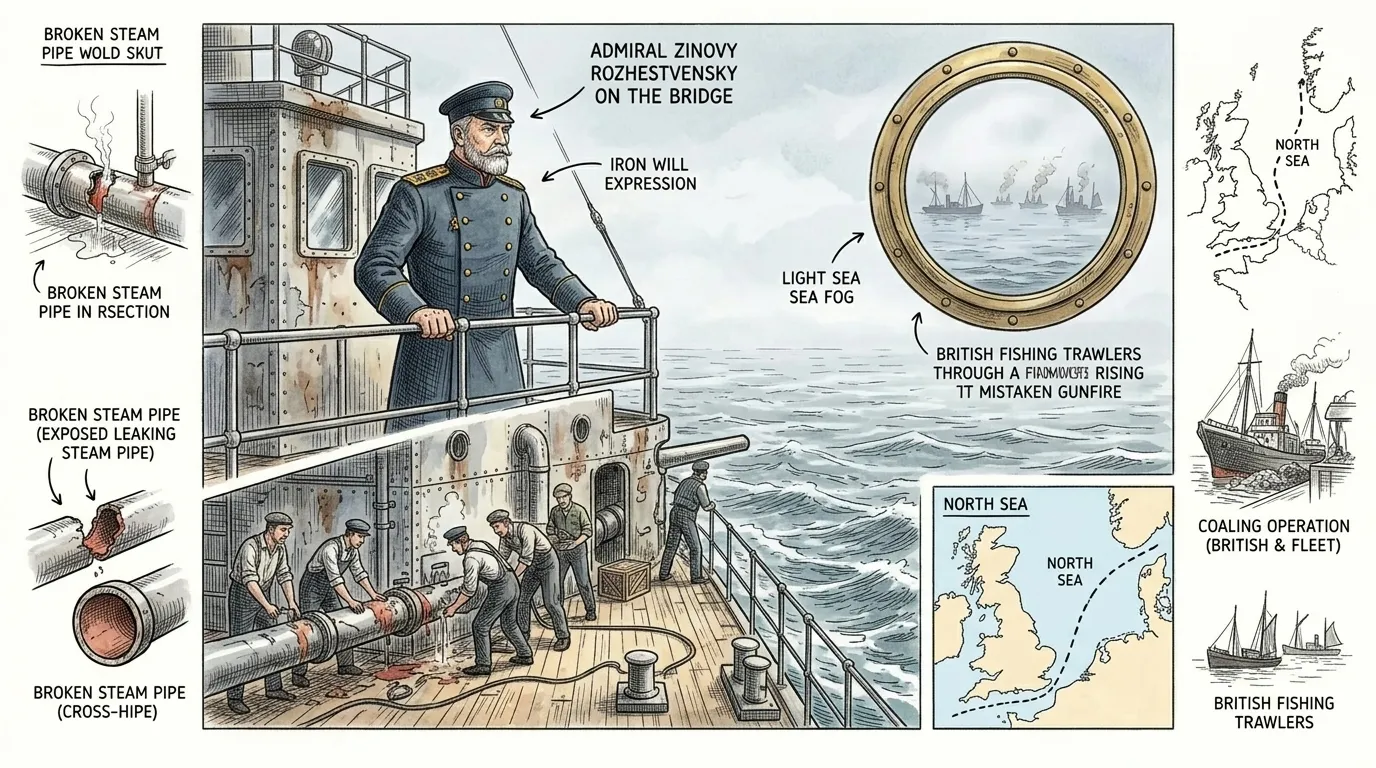
The Russian Second Pacific Squadron, a motley collection of battleships, cruisers, and support vessels, embarked on an arduous journey from the Baltic Sea to the Far East. Admiral Zinovy Rozhestvensky, known for his iron will and demanding leadership, faced immense challenges. The fleet was plagued by mechanical failures, logistical nightmares, and low morale. The Dogger Bank incident, where Russian ships mistakenly fired on British fishing trawlers, further strained relations with Britain and forced the squadron to take a circuitous route around Africa. This voyage tested the limits of both men and machines.
Historical Fact: The Second Pacific Squadron's voyage covered over 18,000 nautical miles.
Page 4
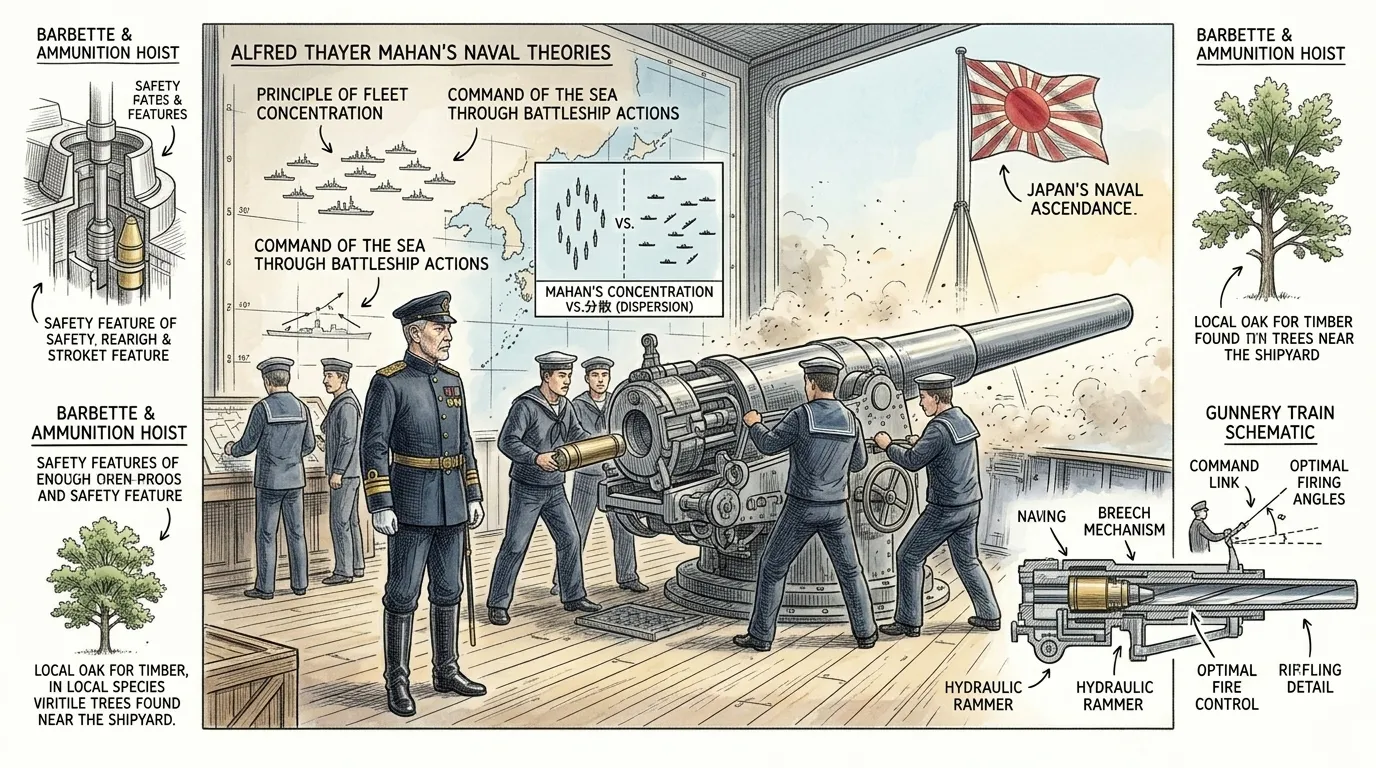
In contrast to the aging Russian fleet, the Japanese Combined Fleet was a modern fighting force. Admiral Tōgō Heihachirō, a brilliant strategist and disciple of naval warfare theorist Alfred Thayer Mahan, had meticulously trained his crews and equipped his ships with the latest technology, including advanced British-built battleships. Japan's victory in the First Sino-Japanese War (1894-1895) had provided valuable experience, and the country had invested heavily in its navy, recognizing its vital role in securing Japan's future. Tōgō understood the importance of speed, maneuverability, and accurate gunnery.
Historical Fact: Admiral Tōgō Heihachirō studied naval strategy extensively in Great Britain.
Page 5
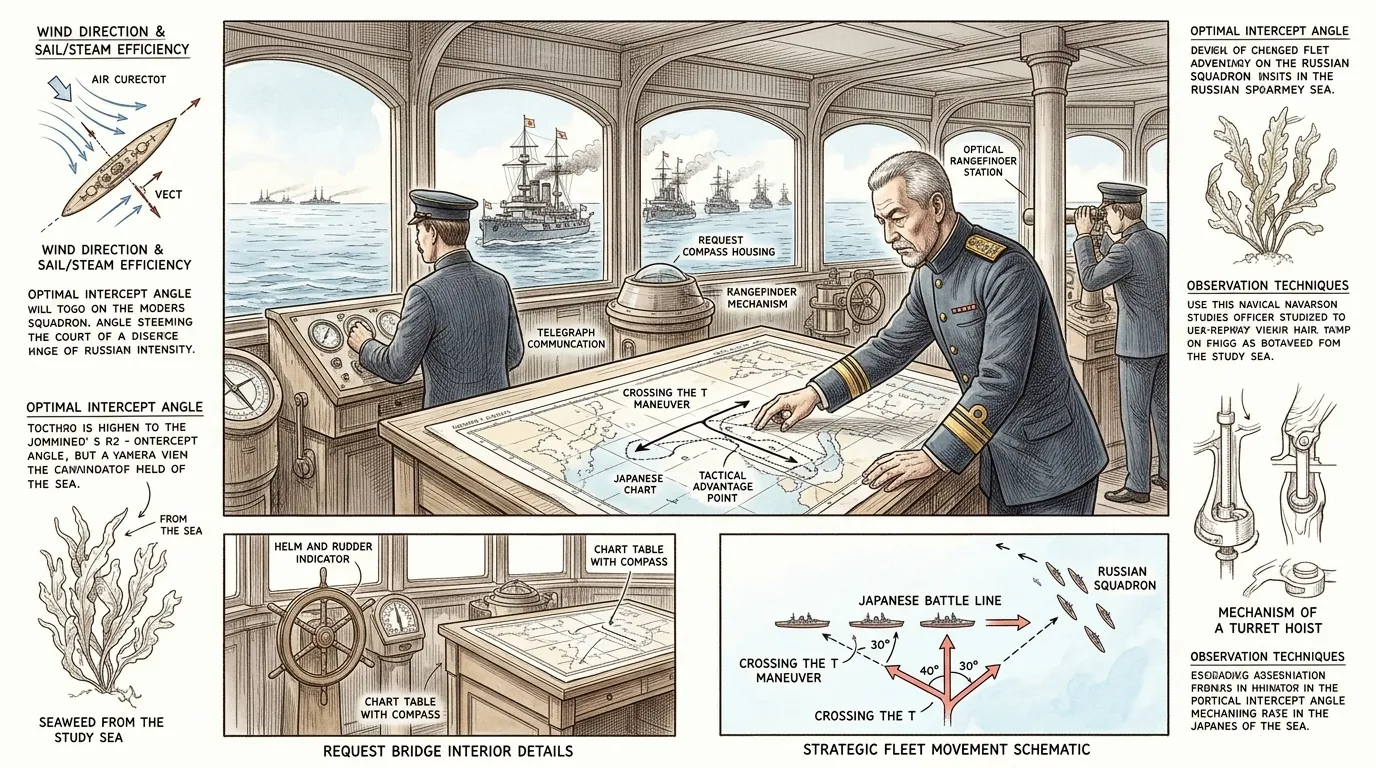
As the Russian fleet approached the Tsushima Strait, Tōgō positioned his ships to intercept them. He anticipated Rozhestvensky's likely route and chose a strategic location that would allow him to maximize his fleet's advantages. Tōgō's plan was simple: cross the T, concentrating his firepower on the leading Russian ships while minimizing his own exposure. He drilled his crews relentlessly, preparing them for the decisive encounter. The stage was set for a naval showdown that would change the course of history.
Historical Fact: Tōgō's battle plan was based on the principles of Alfred Thayer Mahan's naval theories.
Page 6
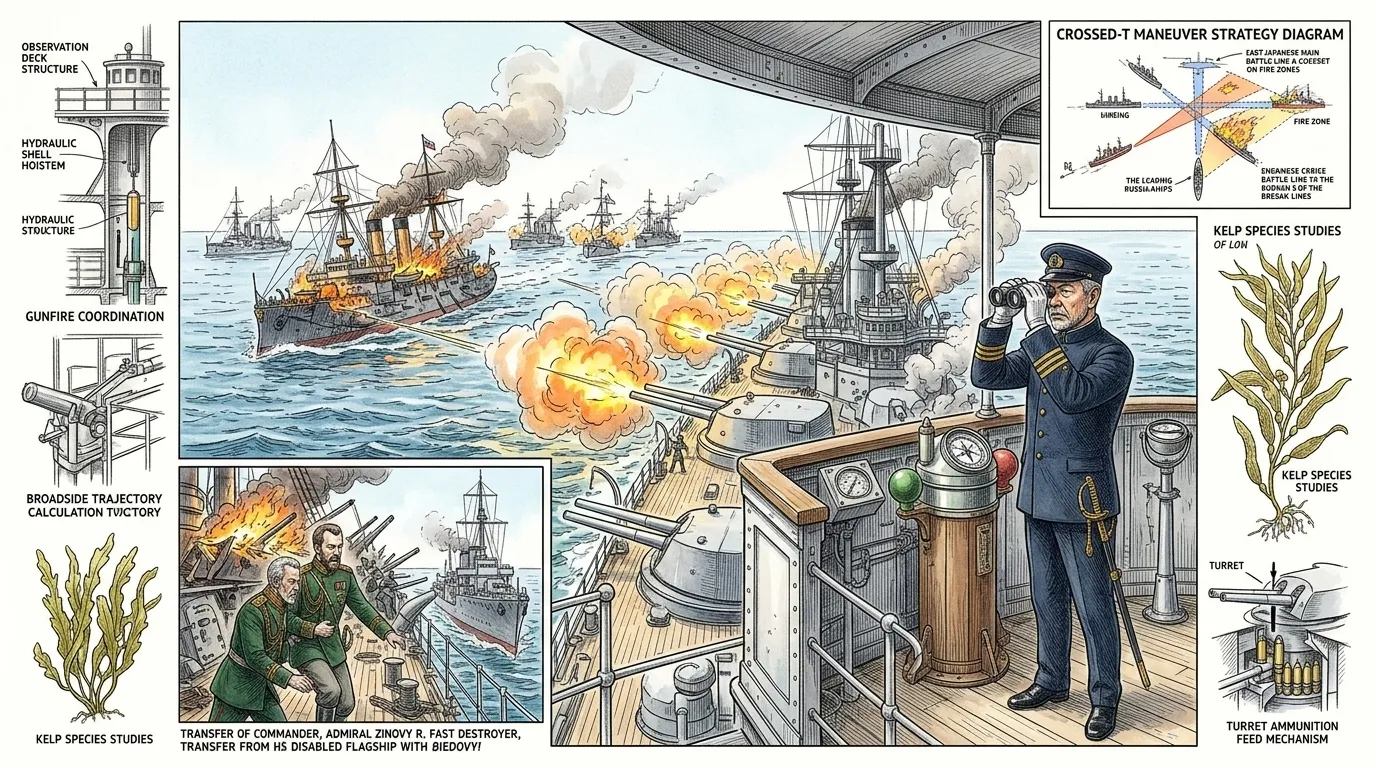
Tōgō's masterful execution of the 'crossing the T' maneuver proved decisive. The Japanese fleet, steaming in a single line, cut across the path of the advancing Russian column, allowing them to unleash broadsides on the leading Russian battleships. The Russian ships, unable to effectively return fire, were pounded into submission. The Knyaz Suvorov, Rozhestvensky's flagship, was quickly disabled, forcing the admiral to transfer to a destroyer. The battle turned into a rout, with Japanese shells raining down on the hapless Russian vessels.
Historical Fact: The 'crossing the T' maneuver allowed the Japanese to bring maximum firepower to bear on the Russian fleet.
Page 7
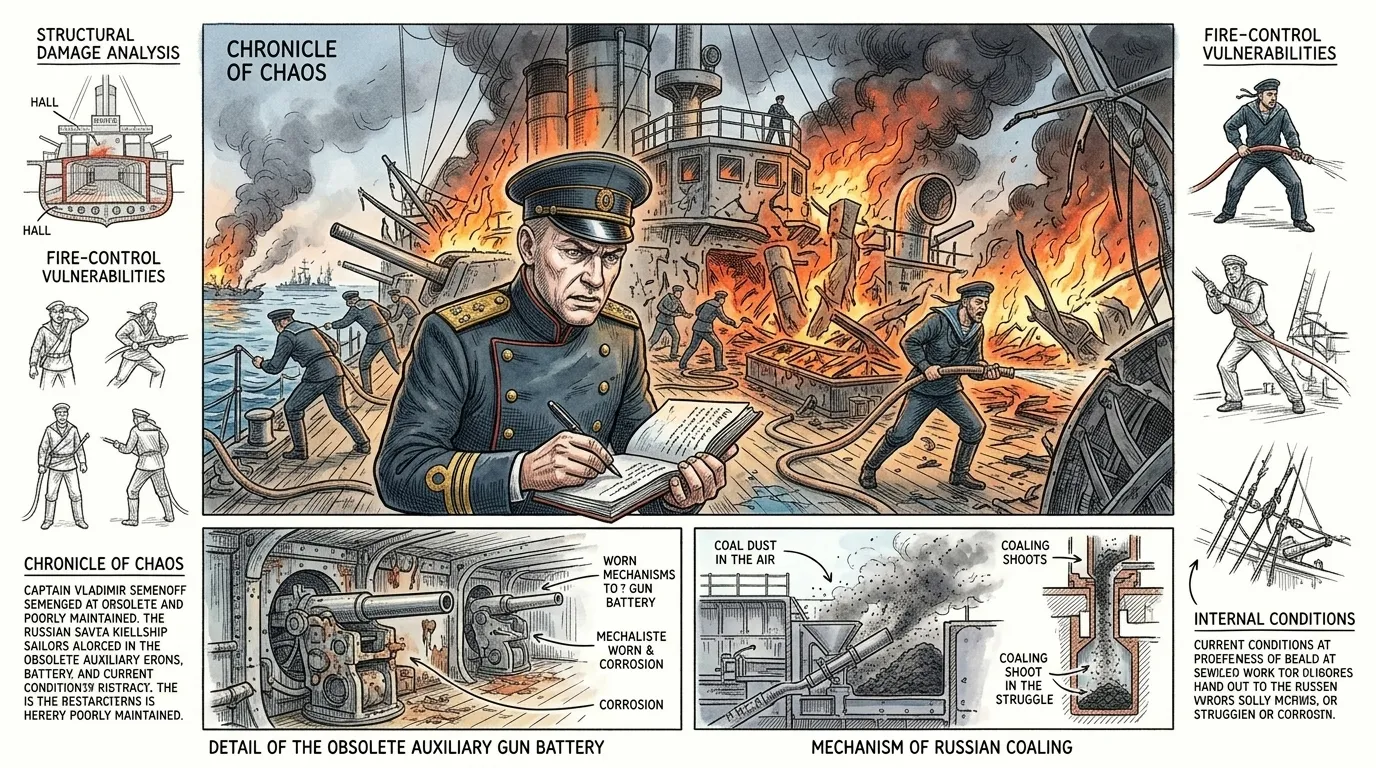
The Battle of Tsushima descended into a brutal spectacle of destruction. Russian ships, many of them obsolete and poorly maintained, were no match for the Japanese firepower. Fires raged aboard the Russian vessels, illuminating the smoke-filled sky. Sailors desperately tried to extinguish the flames and repair the damage, but the relentless barrage of shells took its toll. Captain Vladimir Semenoff, a staff officer aboard the Knyaz Suvorov, documented the horrific scenes in his diary, providing a firsthand account of the battle's intensity.
""It seemed impossible that anyone could remain alive for long in that hell of fire and iron..." - Captain Vladimir Semenoff, Russian Navy."
Historical Fact: Russian battleships like the Oslyabya sank quickly due to critical hits below the waterline.
Page 8
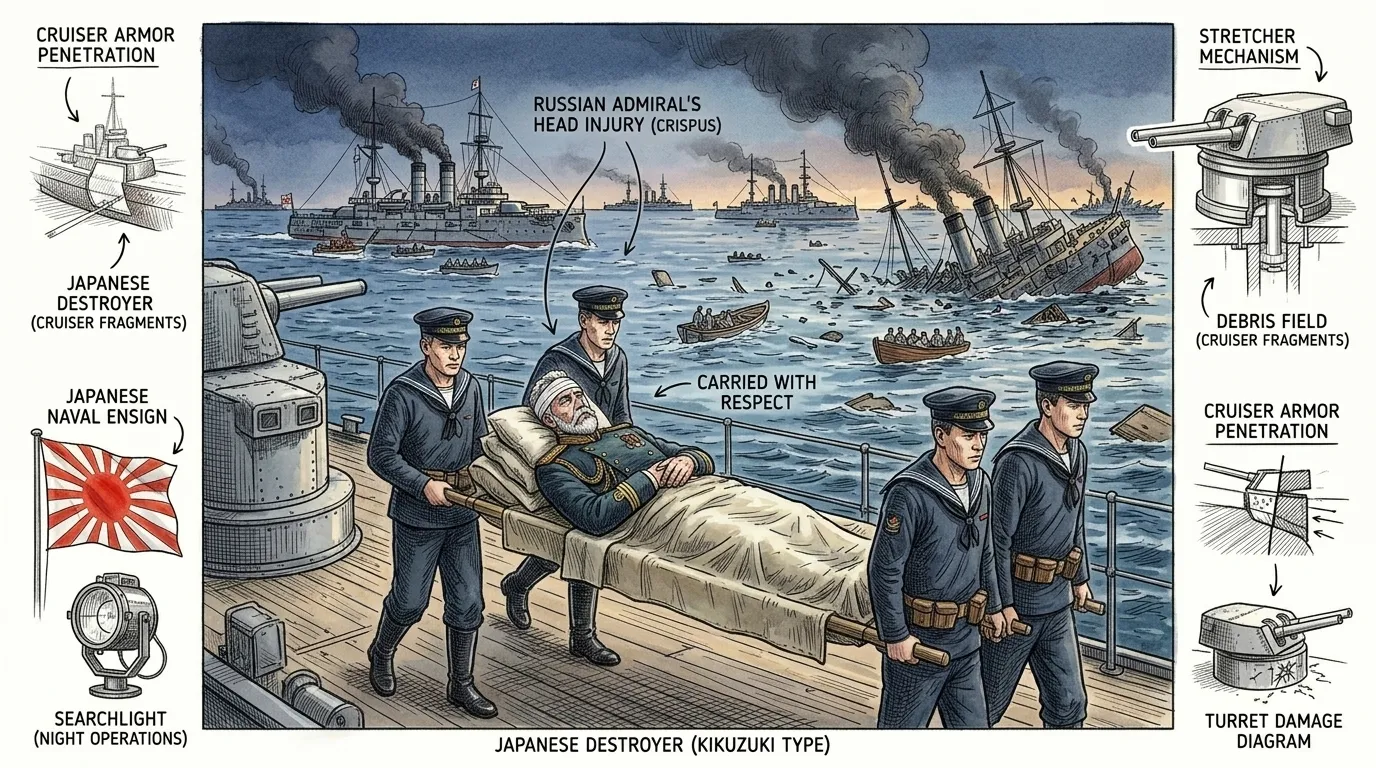
As darkness fell, the battle drew to a close. The Japanese fleet had achieved a decisive victory. Most of the Russian ships were sunk or captured, and thousands of Russian sailors lay dead or wounded. Admiral Rozhestvensky, wounded and unconscious, was captured along with his surviving crew. The few Russian ships that managed to escape were pursued and sunk or interned in neutral ports. The Battle of Tsushima was a complete triumph for Japan and a devastating blow to Russia.
Historical Fact: Admiral Rozhestvensky was treated with respect by the Japanese after his capture.
Page 9
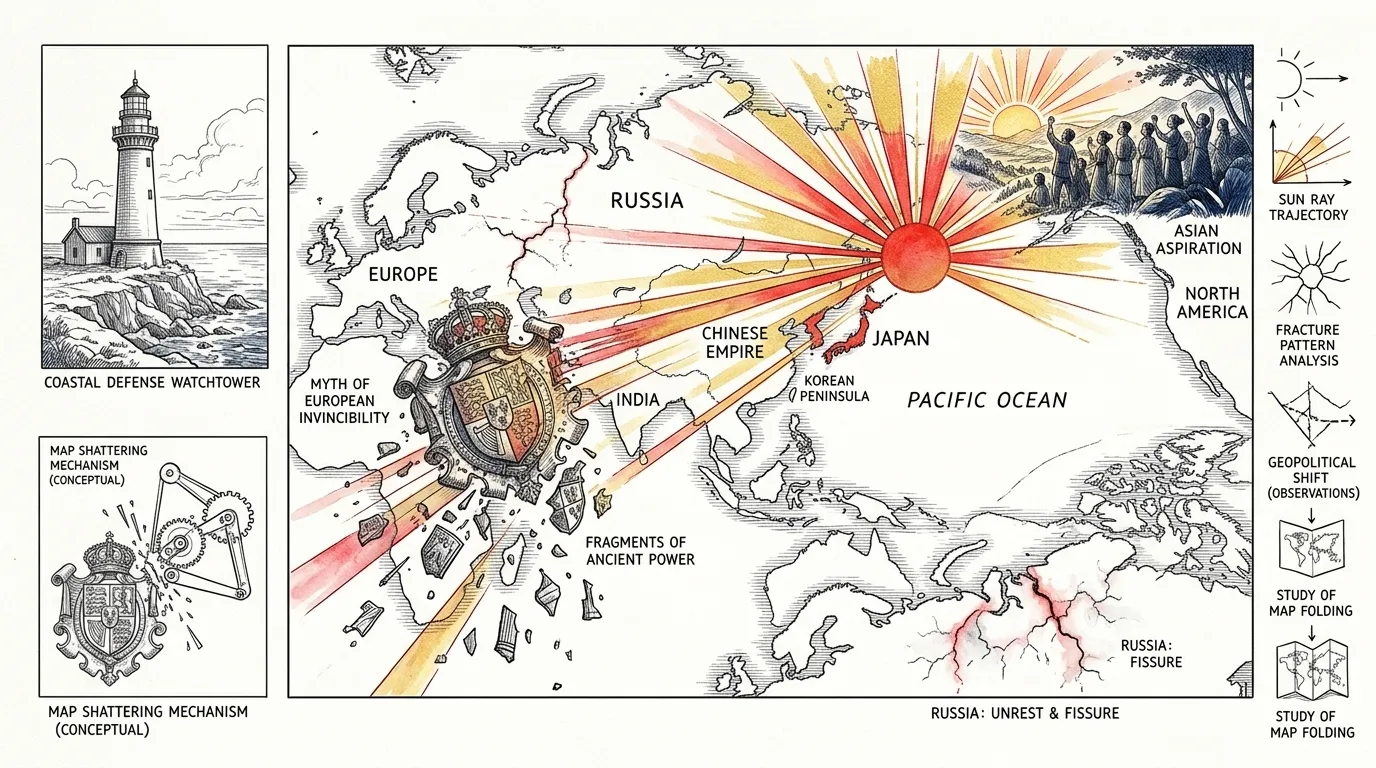
The Battle of Tsushima had profound global implications. It marked the first time a major European power had been defeated by an Asian nation in modern naval warfare. Japan's victory shattered the myth of European invincibility and signaled the rise of Japan as a major world power. The defeat exposed the weaknesses of the Tsarist regime and contributed to the growing unrest that would eventually lead to the Russian Revolution. The victory emboldened other Asian nations seeking to challenge Western imperialism.
Historical Fact: The battle significantly contributed to the end of the Russo-Japanese War, with negotiations mediated by U.S. President Theodore Roosevelt.
Page 10
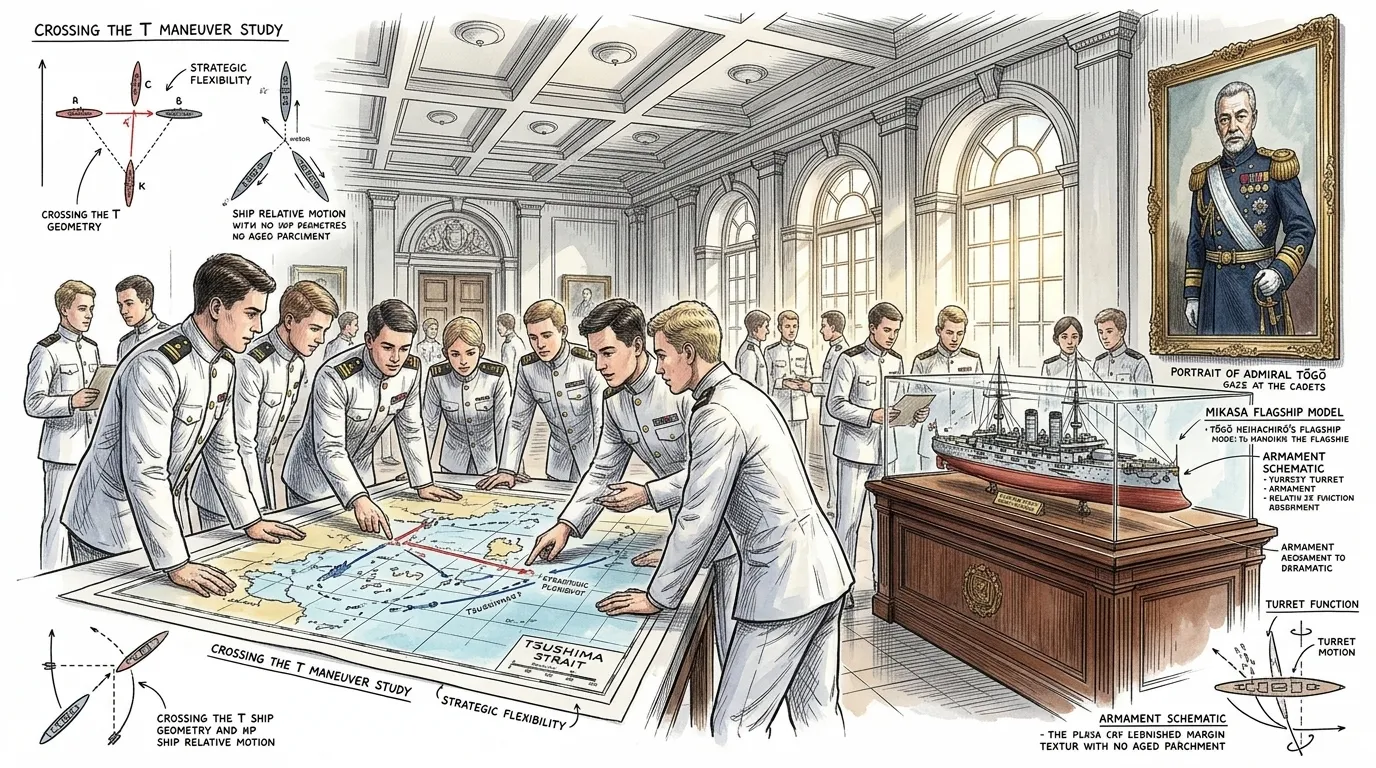
The Battle of Tsushima remains a pivotal event in naval history. It demonstrated the importance of modern technology, superior training, and strategic planning. Tōgō Heihachirō's victory solidified his place as one of the greatest naval commanders of all time. The battle served as a cautionary tale for other nations, highlighting the vulnerability of outdated navies and the growing power of Japan. Historians continue to study Tsushima for its insights into naval strategy, geopolitical dynamics, and the rise of a new world order. It showcases how a decisive naval engagement can reshape the balance of power and alter the course of history.
Historical Fact: The Battle of Tsushima is still studied in naval academies around the world as a case study in strategy and tactics.
About this story
- Historical figures: Togo Heihachiro, Zinovy Rozhestvensky, Nicholas II
- Location: Tsushima Strait
- Period: Modern
- Audience: general readers
Questions and answers
Questions and answers about Battle of Tsushima (1905, Tsushima Strait)
Read Wonder History on your phone
Wonder History is available on Android. Get Wonder History on Google Play.
More Wonder History stories
- Christopher Columbus’ First Voyage — Caribbean (1492, Caribbean)
- Commodore Perry’s Expedition — Japan (1853, Japan)
- How Gold from Africa Built European Kingdoms (1400, Mediterranean)
- How Homes Changed from Caves to Castles (30000 BC, Chauvet Cave)
- How Music Was Made Before Recordings (1750, Vienna)
- How People Told Time Before Clocks (1550, USA)