How Music Was Made Before Recordings (1750, Vienna)

How Music Was Made Before Recordings (1750, Vienna) — an illustrated history story, featuring Musicians of the Classical Era, Amadi, Teodoro, set in Vienna. 10 illustrated pages, free to read on Wonder History.
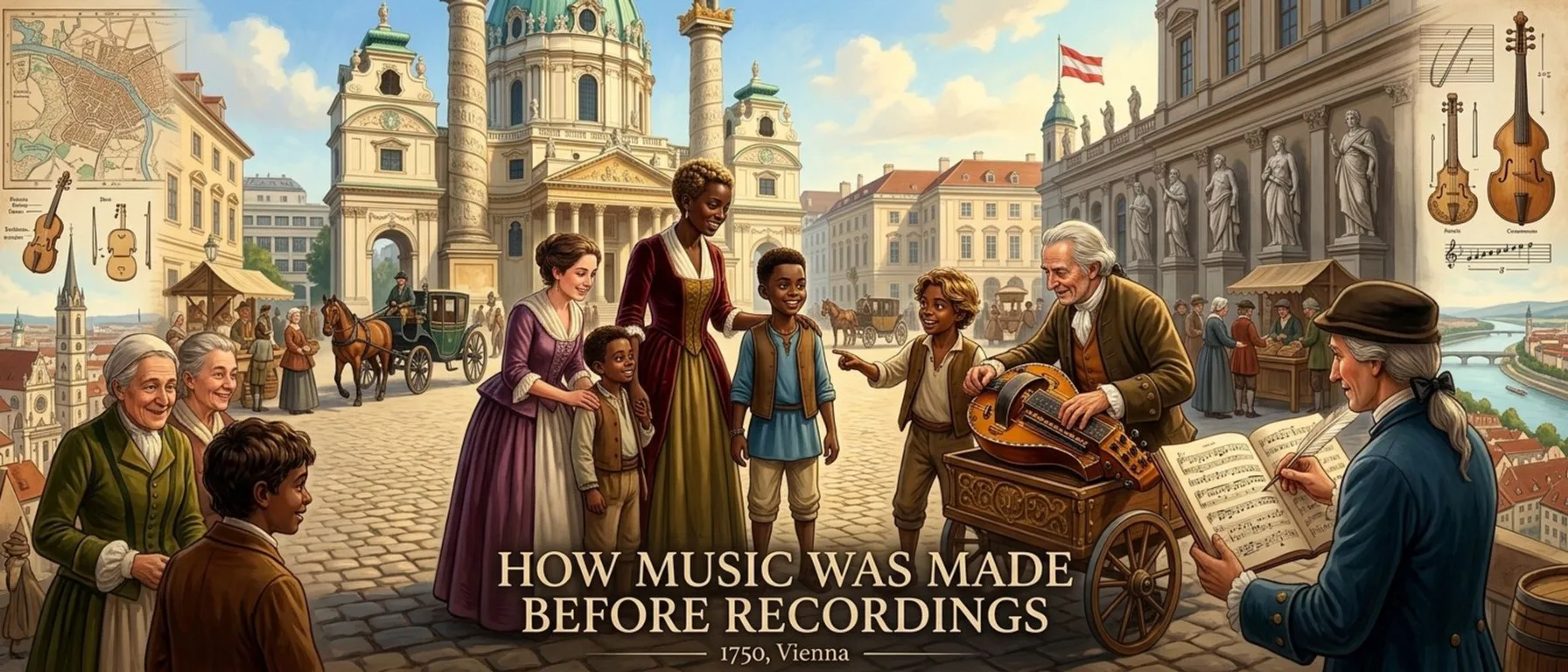
How Music Was Made Before Recordings (1750, Vienna) — book cover — Wonder History
How Music Was Made Before Recordings (1750, Vienna) — an illustrated history story, featuring Musicians of the Classical Era, Amadi, Teodoro, set in Vienna. 10 illustrated pages, free to read on Wonder History.

Page 1 — The Sounds of Vienna
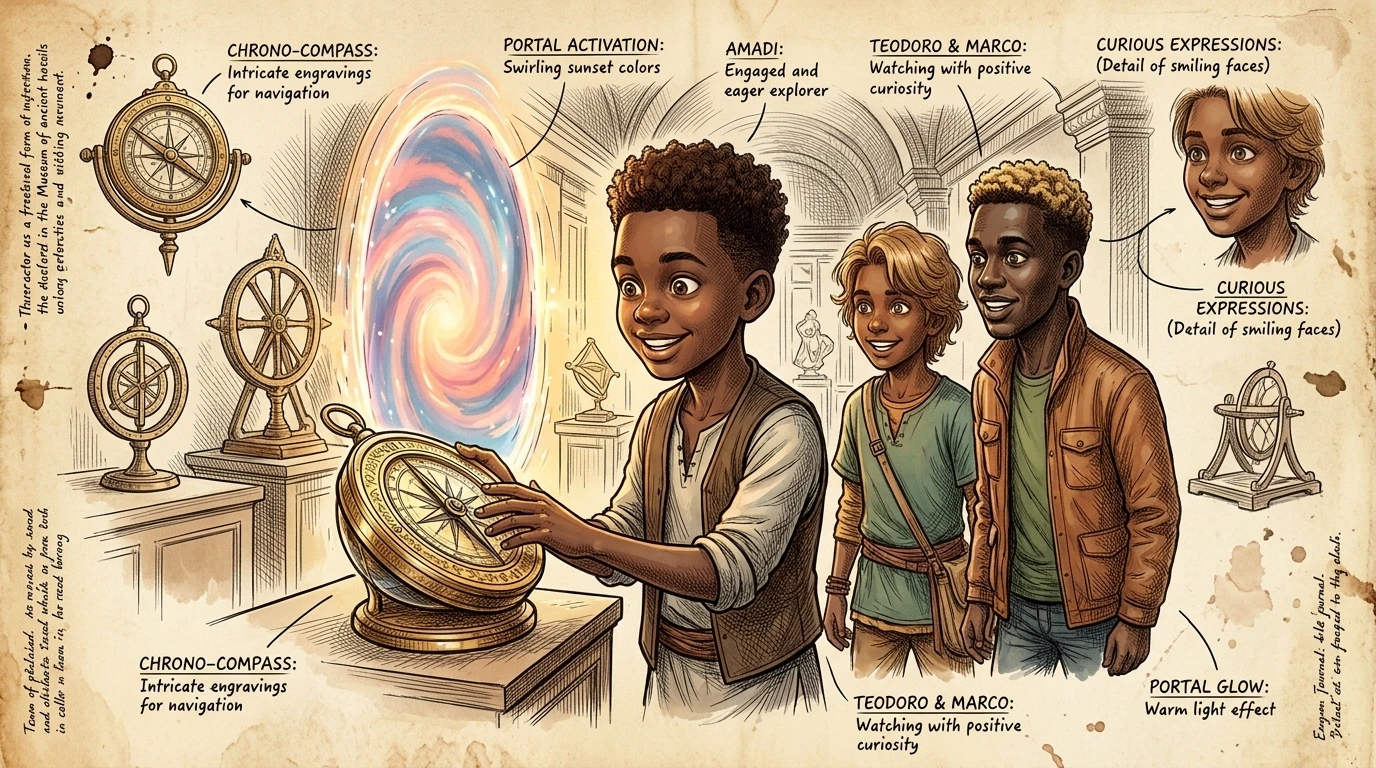
Imagine Vienna in 1750! No phones, no radios, no TVs. But the city was filled with music! Composers like Joseph Haydn and young Wolfgang Amadeus Mozart were…
Imagine Vienna in 1750! No phones, no radios, no TVs. But the city was filled with music! Composers like Joseph Haydn and young Wolfgang Amadeus Mozart were writing beautiful pieces. But how did people listen to music before recordings? Well, they had to make it themselves! Music was a live experience, shared in homes, churches, and grand concert halls. It was a special event, not something you could just play whenever you wanted.

Imagine Vienna in 1750! No phones, no radios, no TVs. But the city was filled with music! Composers like Joseph Haydn and young Wolfgang Amadeus Mozart were writing beautiful pieces. But how did people listen to music before recordings? Well, they had to make it themselves! Music was a live experience, shared in homes, churches, and grand concert halls. It was a special event, not something you could just play whenever you wanted.

Page 2 — The Composer's Quill
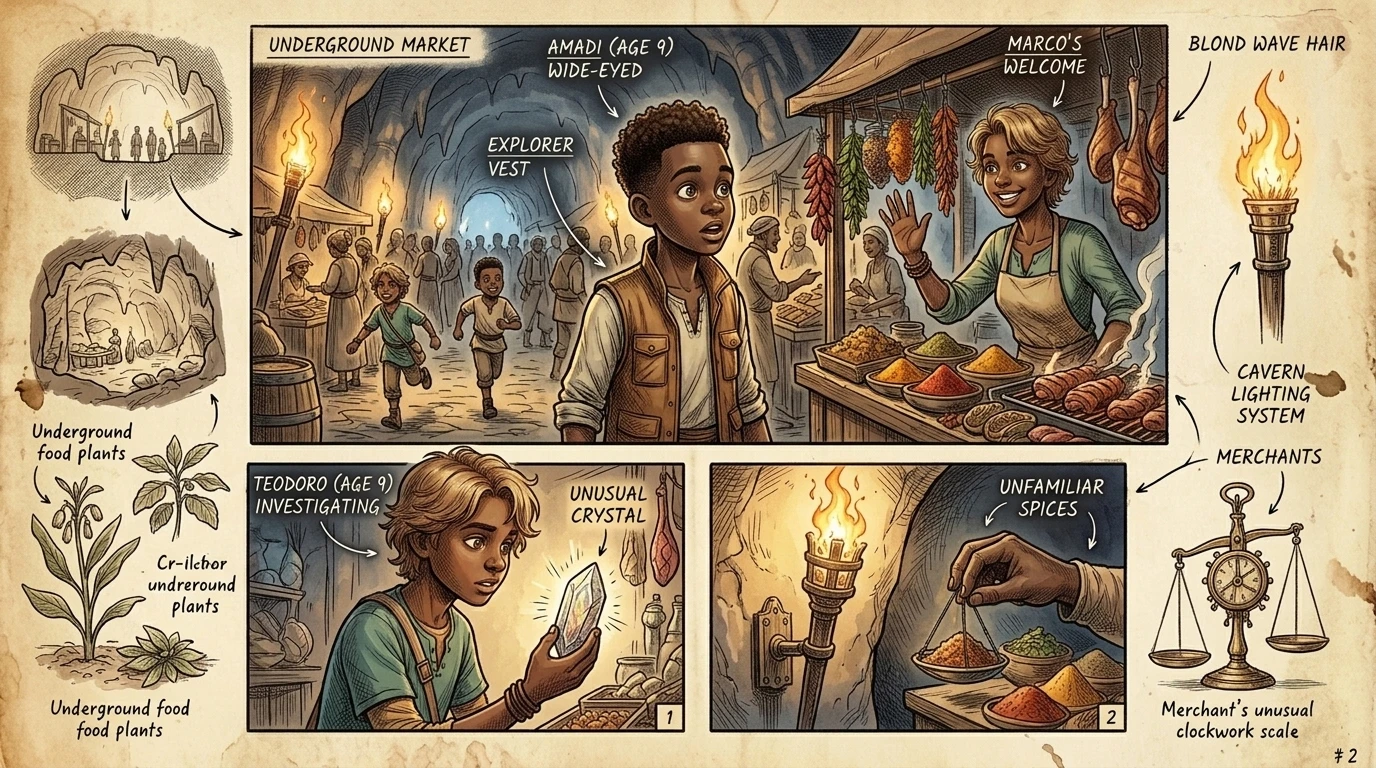
Composers wrote music by hand, using quills and ink. They carefully wrote each note on parchment paper. It took a long time to write out a whole symphony!
Composers wrote music by hand, using quills and ink. They carefully wrote each note on parchment paper. It took a long time to write out a whole symphony! Once the music was written, it had to be copied by hand, too. This meant that only wealthy people or institutions could afford to have copies of the music. Imagine writing out your favorite song over and over again!

Composers wrote music by hand, using quills and ink. They carefully wrote each note on parchment paper. It took a long time to write out a whole symphony! Once the music was written, it had to be copied by hand, too. This meant that only wealthy people or institutions could afford to have copies of the music. Imagine writing out your favorite song over and over again!

Page 3 — Gathering to Play
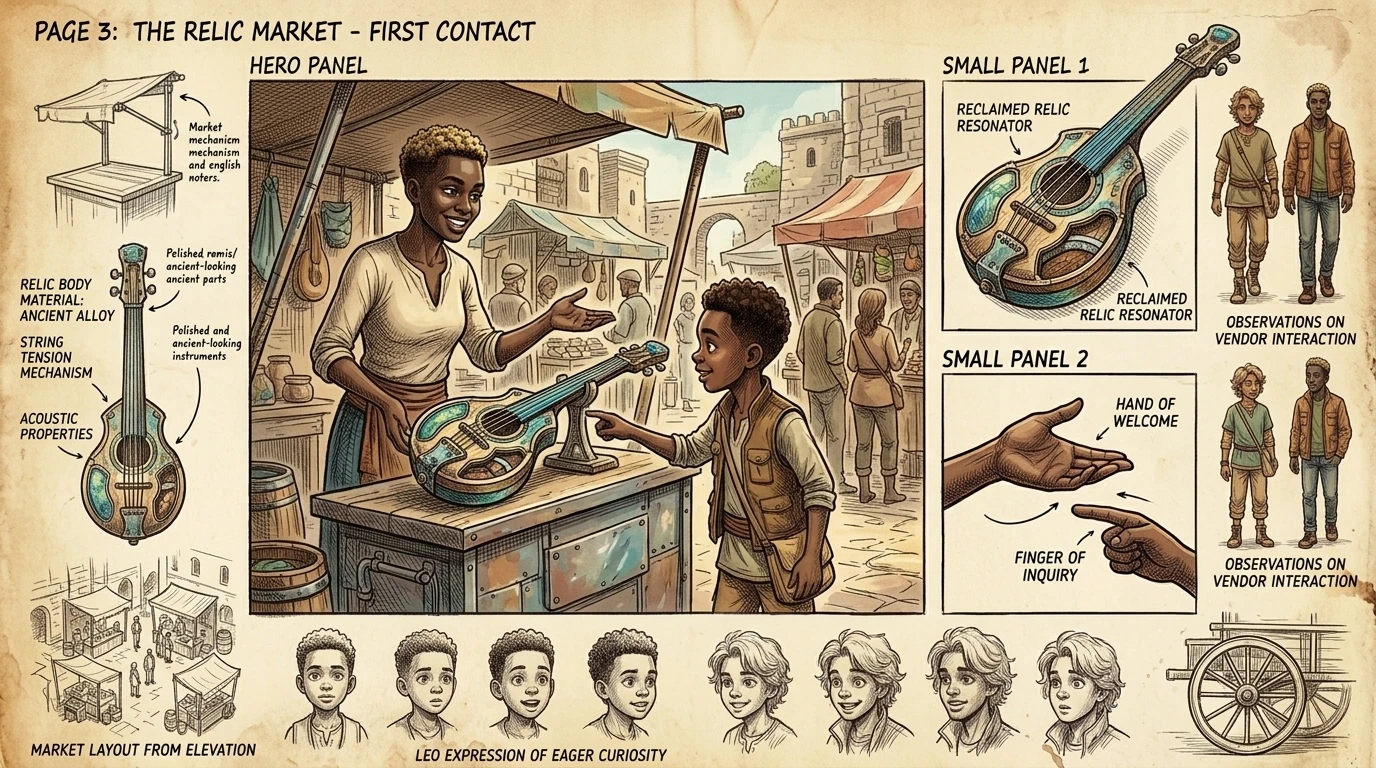
To hear music, people gathered together. Families often played music at home, with someone playing the harpsichord or singing.
To hear music, people gathered together. Families often played music at home, with someone playing the harpsichord or singing. Wealthy families hired musicians to perform for them. There were also public concerts in theaters and halls. These concerts were exciting events, where people dressed up in their finest clothes to listen to the latest music.

To hear music, people gathered together. Families often played music at home, with someone playing the harpsichord or singing. Wealthy families hired musicians to perform for them. There were also public concerts in theaters and halls. These concerts were exciting events, where people dressed up in their finest clothes to listen to the latest music.

Page 4 — The Orchestra's Sound
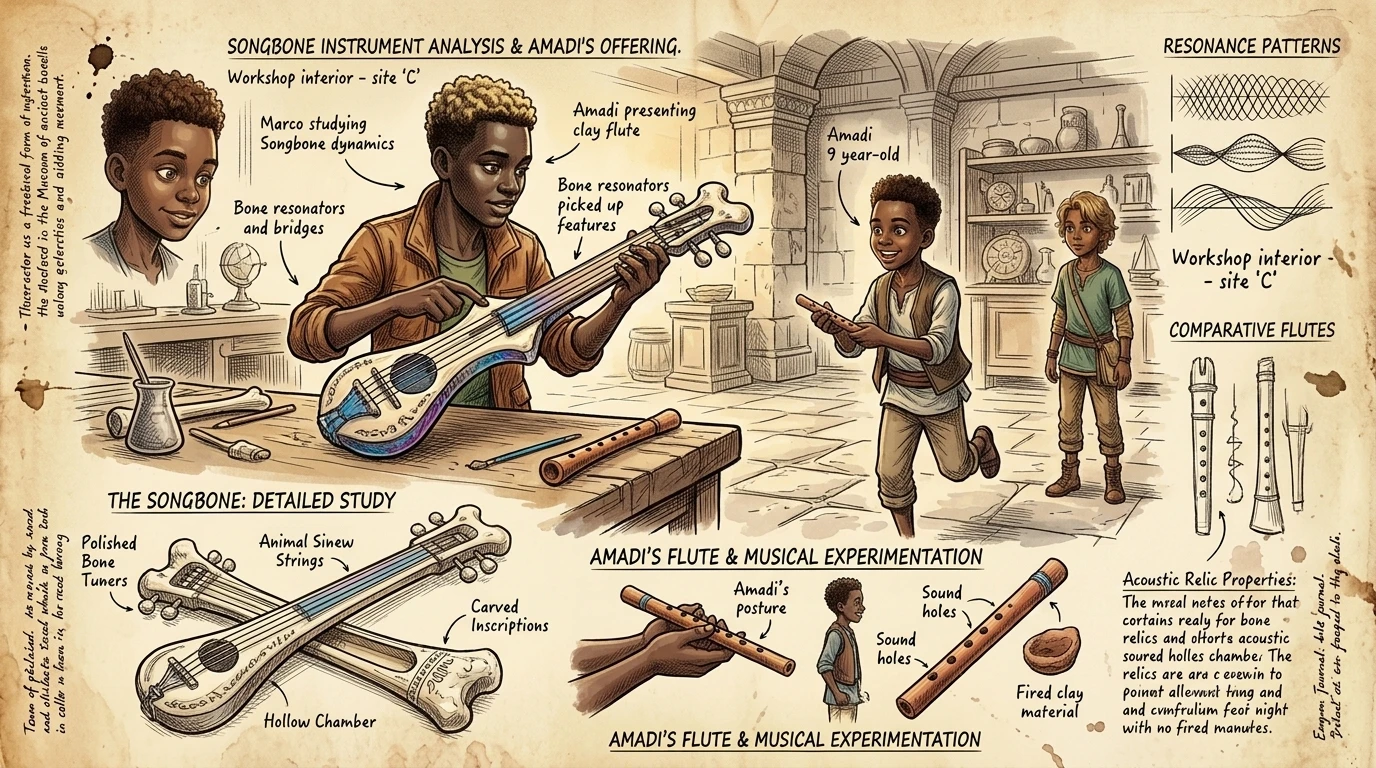
Orchestras were smaller than they are today. They included instruments like violins, violas, cellos, oboes, flutes, and horns.
Orchestras were smaller than they are today. They included instruments like violins, violas, cellos, oboes, flutes, and horns. The musicians had to be very skilled, because there was no way to fix mistakes later! They practiced together for many hours to make sure they played perfectly. The conductor led the orchestra, helping them to stay together and play with feeling.

Orchestras were smaller than they are today. They included instruments like violins, violas, cellos, oboes, flutes, and horns. The musicians had to be very skilled, because there was no way to fix mistakes later! They practiced together for many hours to make sure they played perfectly. The conductor led the orchestra, helping them to stay together and play with feeling.

Page 5 — Opera's Grand Stage
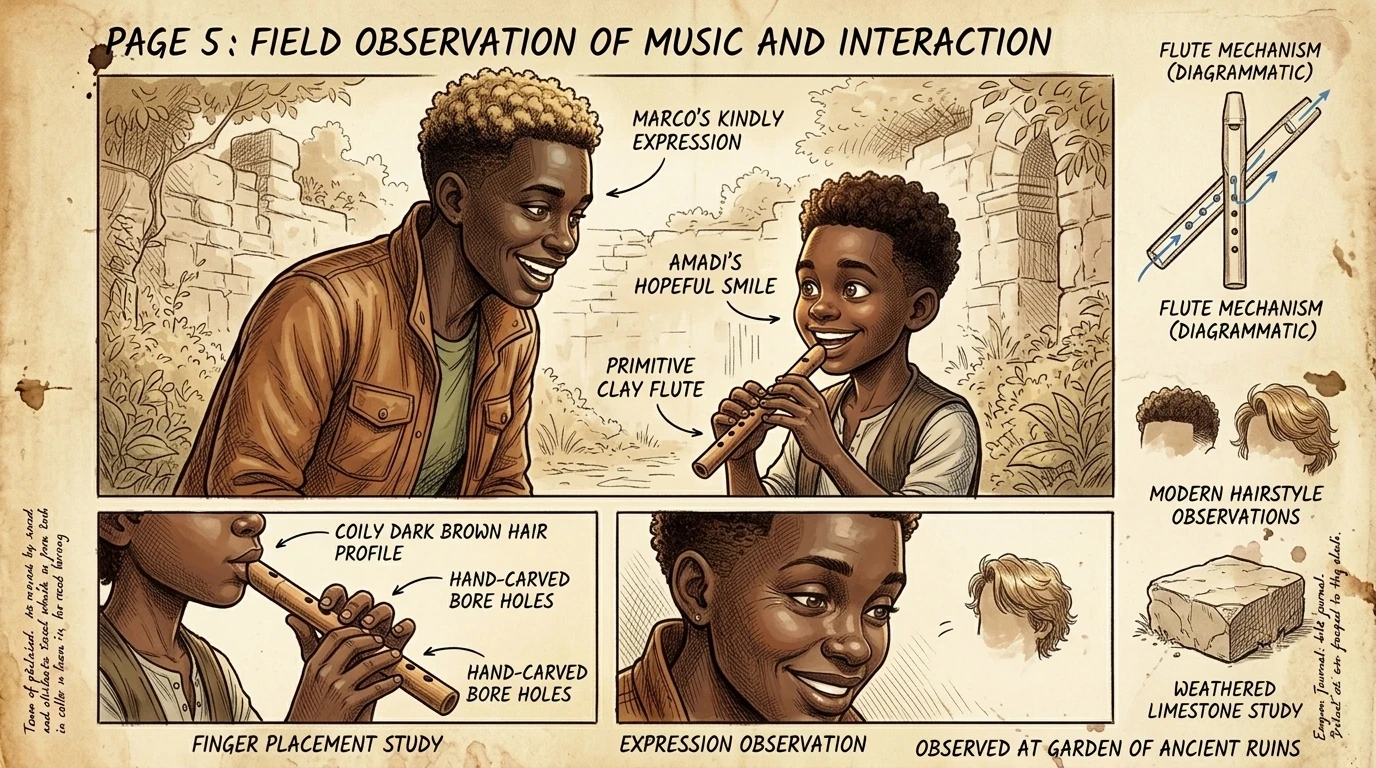
Opera was a very popular form of entertainment. Operas told stories through music and singing. Singers wore elaborate costumes and acted out the story on a…
Opera was a very popular form of entertainment. Operas told stories through music and singing. Singers wore elaborate costumes and acted out the story on a grand stage. The music was often very dramatic and emotional. Going to the opera was a special occasion, and people talked about it for days afterwards.

Opera was a very popular form of entertainment. Operas told stories through music and singing. Singers wore elaborate costumes and acted out the story on a grand stage. The music was often very dramatic and emotional. Going to the opera was a special occasion, and people talked about it for days afterwards.

Page 6 — The Church's Choir
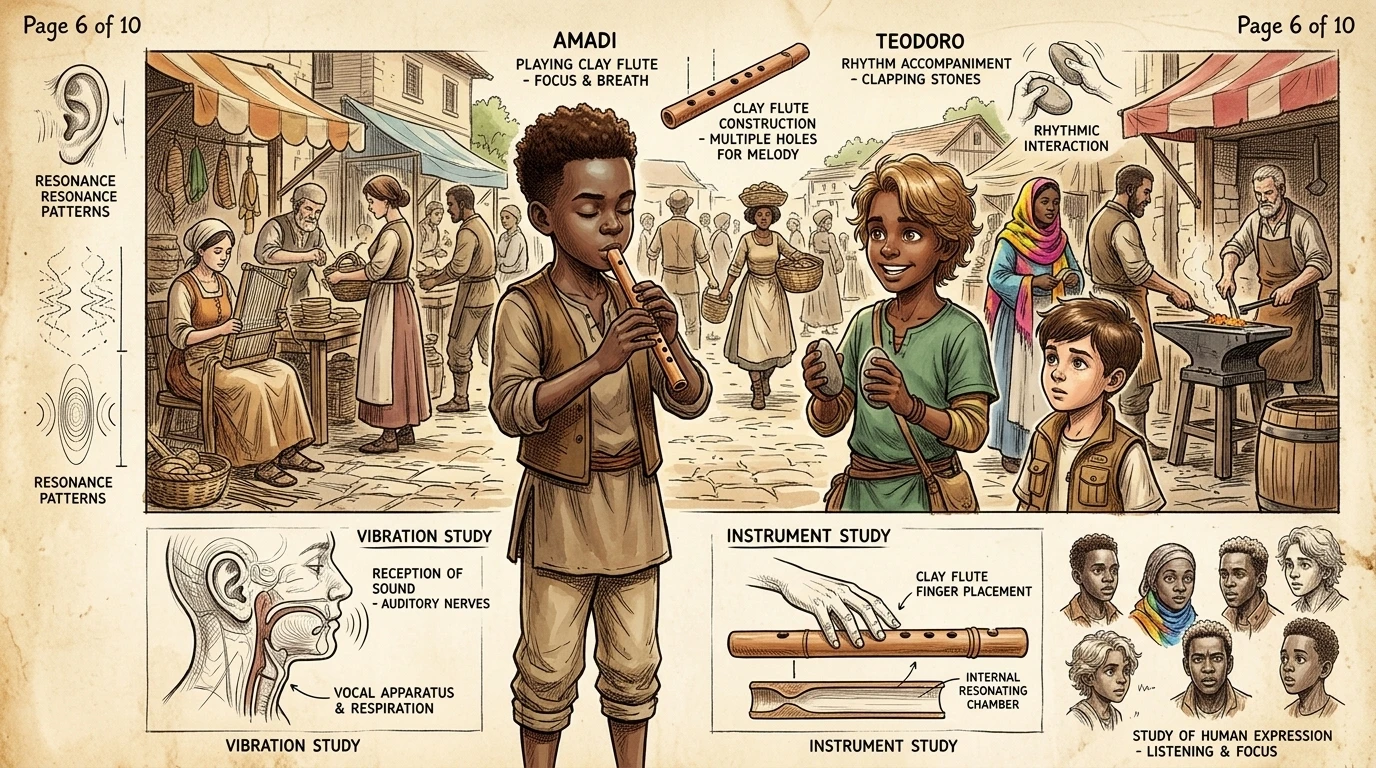
Music was also very important in churches. Choirs sang beautiful hymns and sacred music. The organ was a key instrument in church music, filling the space with…
Music was also very important in churches. Choirs sang beautiful hymns and sacred music. The organ was a key instrument in church music, filling the space with its powerful sound. Composers wrote special music for church services, to help people feel closer to God. The music added to the solemnity and beauty of the religious experience.

Music was also very important in churches. Choirs sang beautiful hymns and sacred music. The organ was a key instrument in church music, filling the space with its powerful sound. Composers wrote special music for church services, to help people feel closer to God. The music added to the solemnity and beauty of the religious experience.

Page 7 — Learning to Play
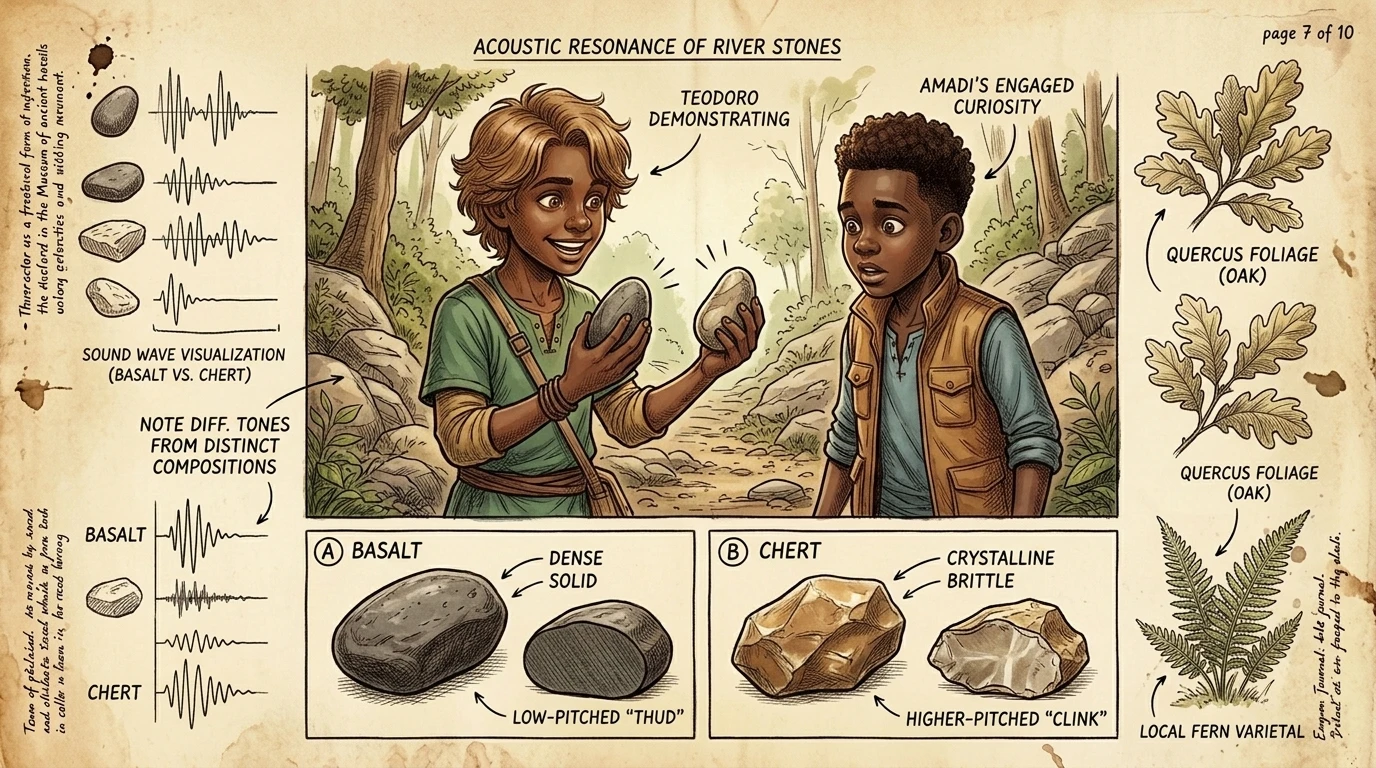
If you wanted to learn to play music, you had to find a teacher. Music lessons were expensive, so only wealthy families could afford them.
If you wanted to learn to play music, you had to find a teacher. Music lessons were expensive, so only wealthy families could afford them. Students practiced for hours every day, learning to read music and play their instruments. It took a lot of hard work and dedication to become a skilled musician. But the reward was the joy of making beautiful music.

If you wanted to learn to play music, you had to find a teacher. Music lessons were expensive, so only wealthy families could afford them. Students practiced for hours every day, learning to read music and play their instruments. It took a lot of hard work and dedication to become a skilled musician. But the reward was the joy of making beautiful music.

Page 8 — Sharing the Music
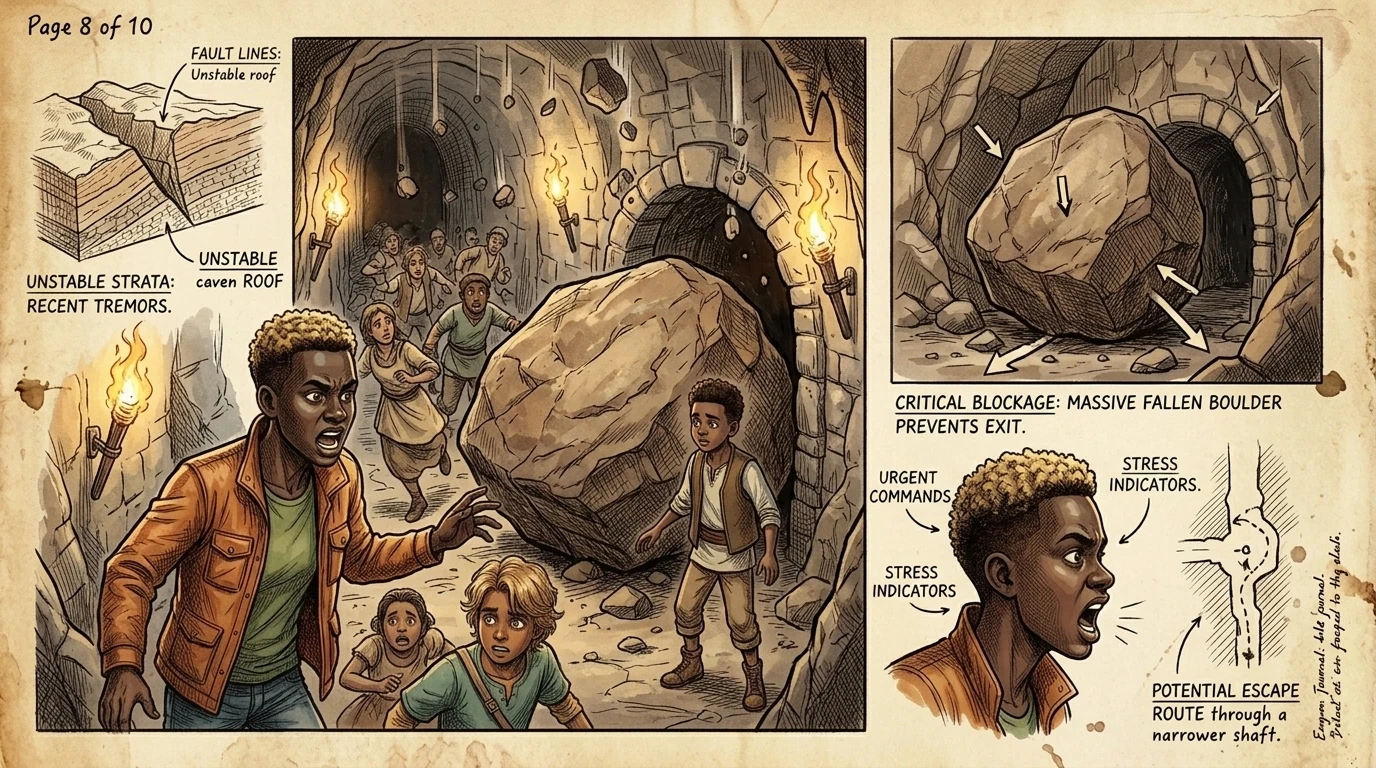
Traveling musicians went from town to town, sharing their music with different audiences. They played in taverns, at fairs, and in people's homes.
Traveling musicians went from town to town, sharing their music with different audiences. They played in taverns, at fairs, and in people's homes. These musicians helped to spread new music and ideas. They also brought joy and entertainment to people who might not otherwise have had the chance to hear live music. They were like the traveling DJs of their time!

Traveling musicians went from town to town, sharing their music with different audiences. They played in taverns, at fairs, and in people's homes. These musicians helped to spread new music and ideas. They also brought joy and entertainment to people who might not otherwise have had the chance to hear live music. They were like the traveling DJs of their time!

Page 9 — The Power of Memory
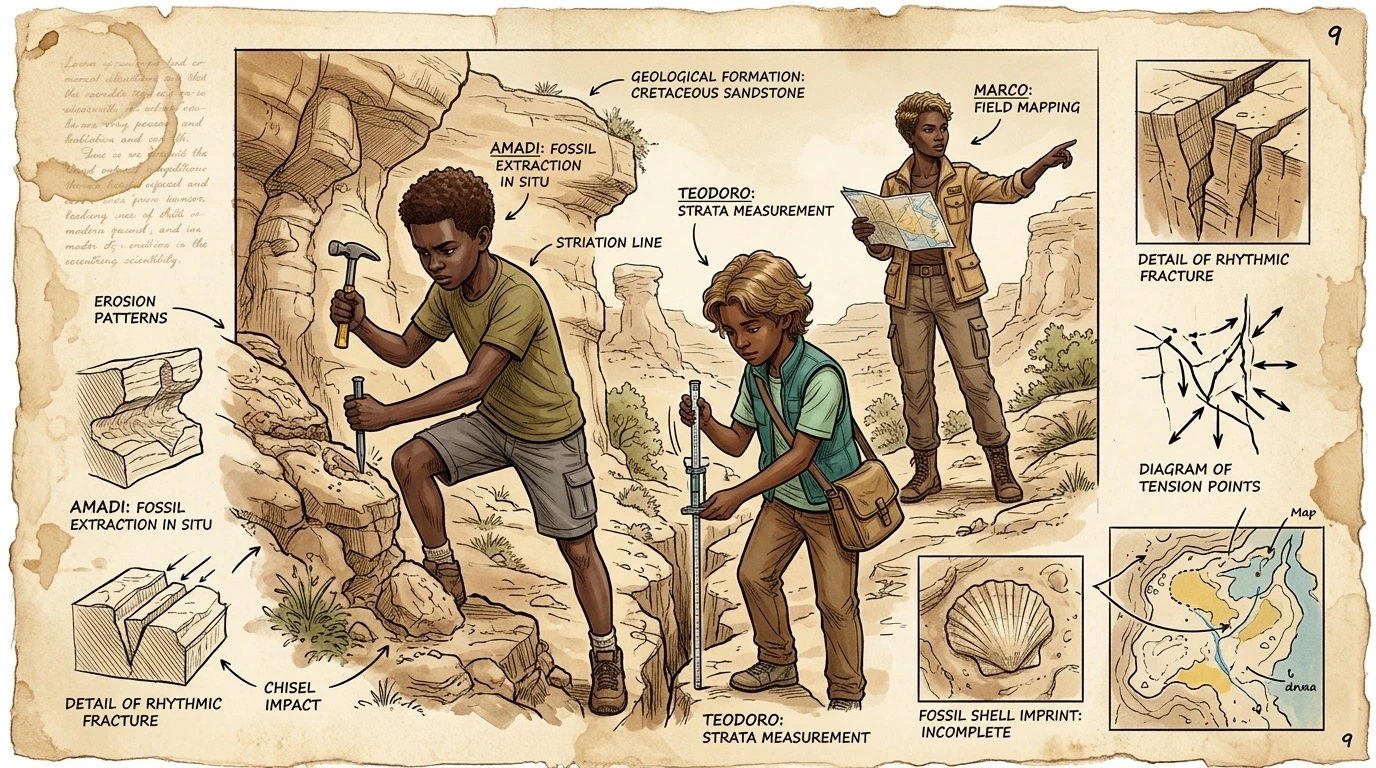
Since there were no recordings, people had to rely on their memories to remember music. If you liked a song, you had to try to remember the melody and lyrics.
Since there were no recordings, people had to rely on their memories to remember music. If you liked a song, you had to try to remember the melody and lyrics. People often sang songs together, passing them down from generation to generation. Music became a part of their culture and identity. It was a way to connect with the past and share stories.

Since there were no recordings, people had to rely on their memories to remember music. If you liked a song, you had to try to remember the melody and lyrics. People often sang songs together, passing them down from generation to generation. Music became a part of their culture and identity. It was a way to connect with the past and share stories.

Page 10 — A World of Live Music
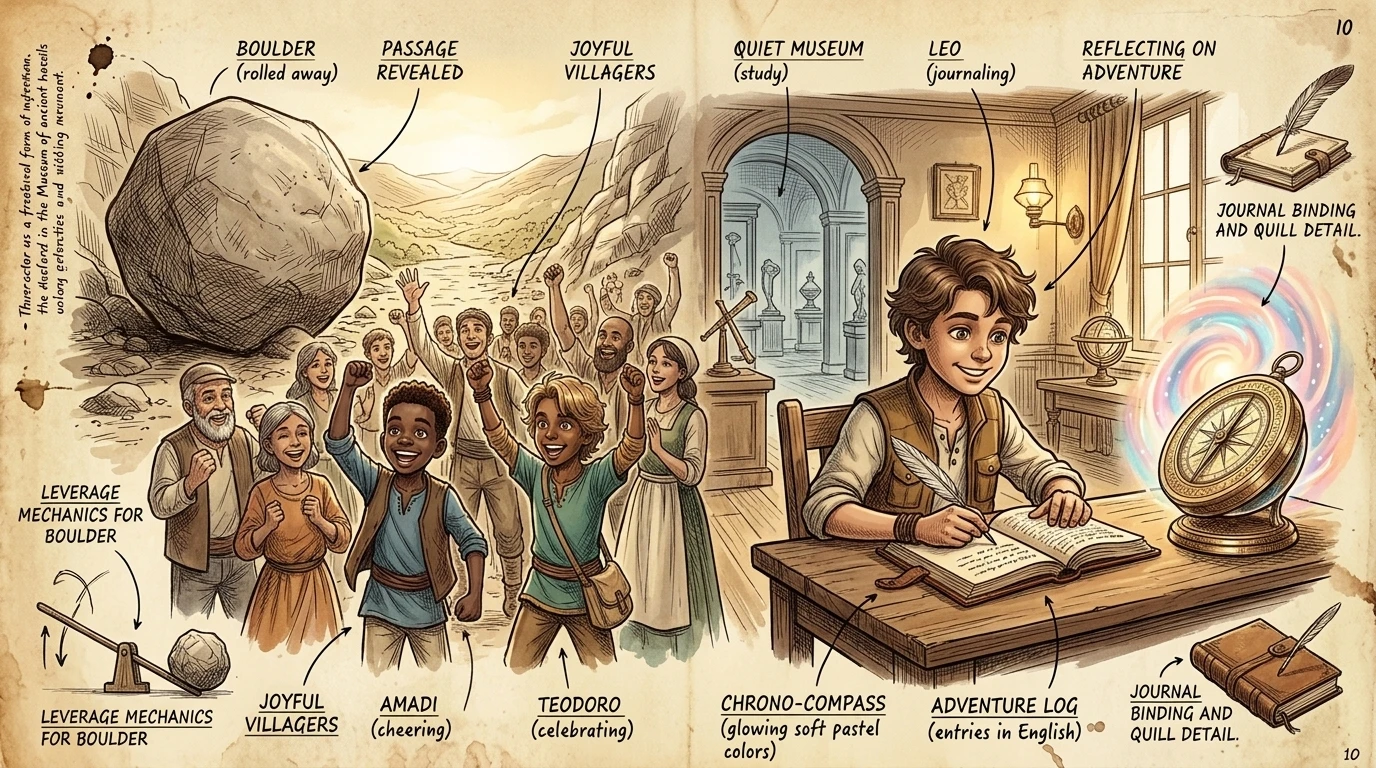
So, before recordings, music was a live and shared experience. It took hard work and dedication to create and perform music.
So, before recordings, music was a live and shared experience. It took hard work and dedication to create and perform music. But the joy of making and listening to music brought people together. It was a special part of everyday life in Vienna and all over the world. Next time you listen to a recording, remember the time when all music was made live!

So, before recordings, music was a live and shared experience. It took hard work and dedication to create and perform music. But the joy of making and listening to music brought people together. It was a special part of everyday life in Vienna and all over the world. Next time you listen to a recording, remember the time when all music was made live!

About this story

  • Historical figures: Musicians of the Classical Era, Amadi, Teodoro
  • Location: Vienna
  • Period: Early Modern
  • Audience: kids (ages 6–12)

Questions and answers

Questions and answers about How Music Was Made Before Recordings (1750, Vienna)

Read Wonder History on your phone

Wonder History is available on Android. Get Wonder History on Google Play.

More Wonder History stories

All Wonder History stories · Open the library