The Defeat of the Swedish Empire (1700, Russia)

The Defeat of the Swedish Empire (1700, Russia) — an illustrated history story, featuring Peter the Great, Charles XII, General Rehnskiöld, set in Russia. 10 illustrated pages, free to read on Wonder History.
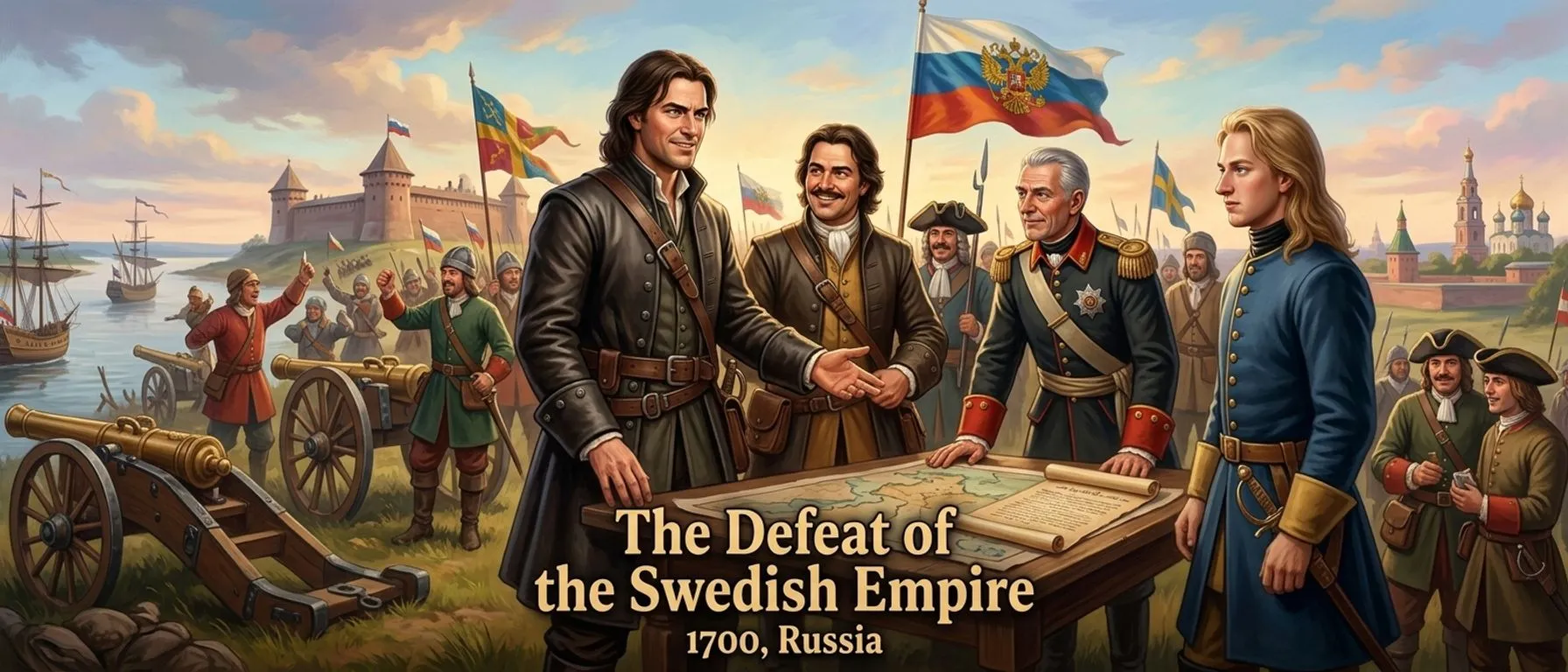
The Defeat of the Swedish Empire (1700, Russia) — book cover — Wonder History
The Defeat of the Swedish Empire (1700, Russia) — an illustrated history story, featuring Peter the Great, Charles XII, General Rehnskiöld, set in Russia. 10 illustrated pages, free to read on Wonder History.

Page 1
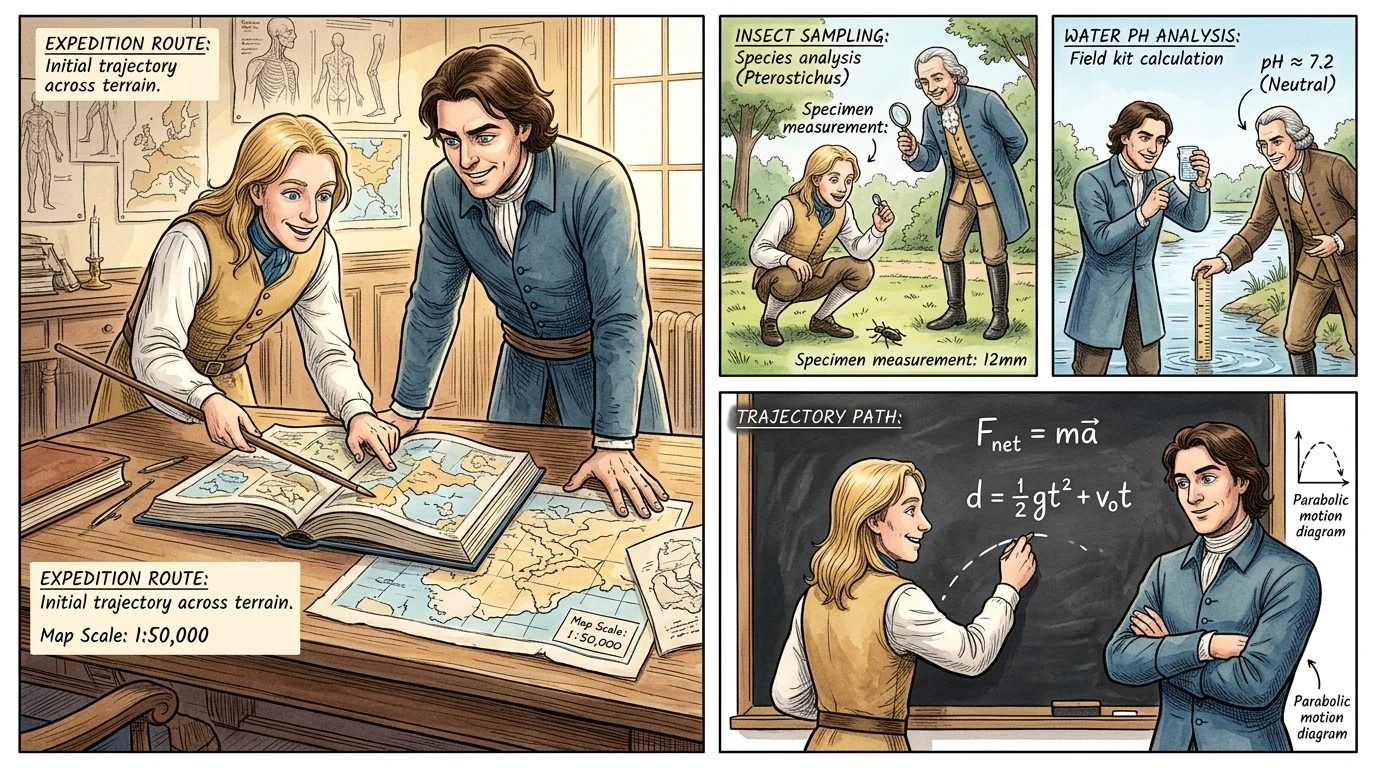
Smoke billowed from the Swedish cannons as they bombarded the Russian lines. Charles XII, barely thirty, pointed his sword towards the enemy, his blue eyes…
Smoke billowed from the Swedish cannons as they bombarded the Russian lines. Charles XII, barely thirty, pointed his sword towards the enemy, his blue eyes blazing with a youthful fire. But amidst the chaos, Peter the Great remained calm, observing the battlefield with a knowing gaze. What had led these two ambitious rulers to this bitter clash in Poltava?

Smoke billowed from the Swedish cannons as they bombarded the Russian lines. Charles XII, barely thirty, pointed his sword towards the enemy, his blue eyes blazing with a youthful fire. But amidst the chaos, Peter the Great remained calm, observing the battlefield with a knowing gaze. What had led these two ambitious rulers to this bitter clash in Poltava?

Page 2
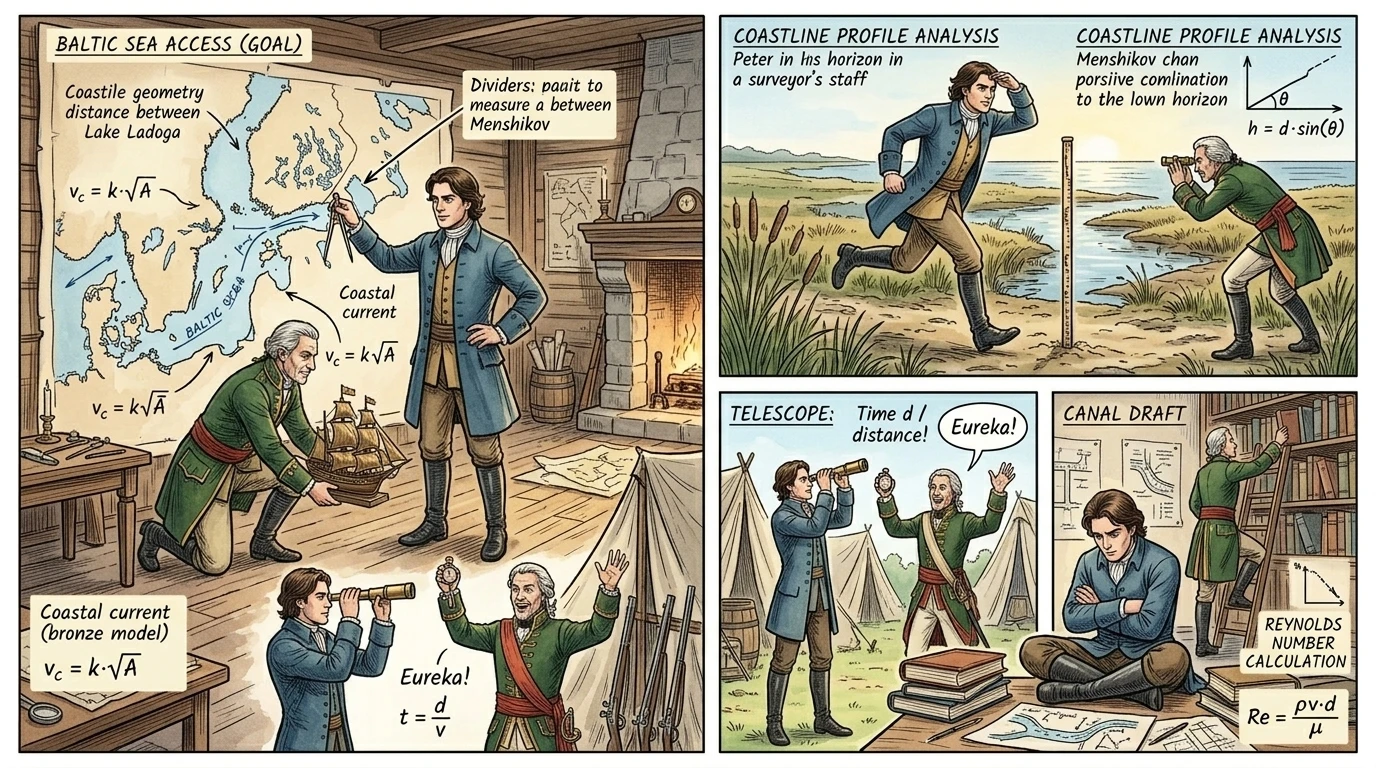
A generation earlier, Sweden held dominion over much of the Baltic region. Charles XI, Charles XII's father, had consolidated power and left his son a…
A generation earlier, Sweden held dominion over much of the Baltic region. Charles XI, Charles XII's father, had consolidated power and left his son a formidable empire. Yet, Peter, a young Tsar with a vision for a modern Russia, saw an opportunity to challenge Swedish supremacy. He needed access to the Baltic Sea.

A generation earlier, Sweden held dominion over much of the Baltic region. Charles XI, Charles XII's father, had consolidated power and left his son a formidable empire. Yet, Peter, a young Tsar with a vision for a modern Russia, saw an opportunity to challenge Swedish supremacy. He needed access to the Baltic Sea.

Page 3
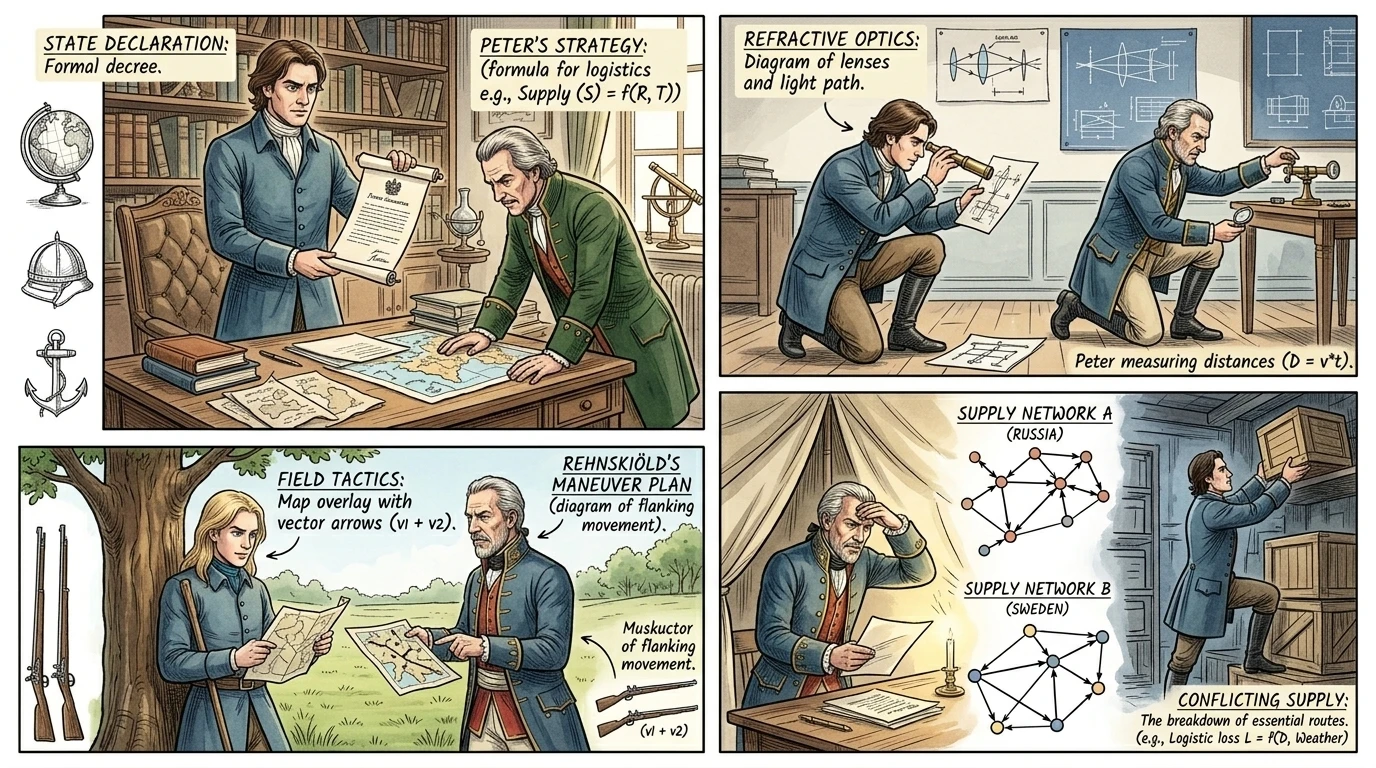
Peter declared war on Sweden in 1700, beginning what would be known as the Great Northern War. Charles, confident in his military prowess, swiftly responded.
Peter declared war on Sweden in 1700, beginning what would be known as the Great Northern War. Charles, confident in his military prowess, swiftly responded. "I have resolved never to start an unjust war, but never to end a legitimate one except by defeating my enemies," Charles proclaimed to his generals.

Peter declared war on Sweden in 1700, beginning what would be known as the Great Northern War. Charles, confident in his military prowess, swiftly responded. "I have resolved never to start an unjust war, but never to end a legitimate one except by defeating my enemies," Charles proclaimed to his generals.

Page 4
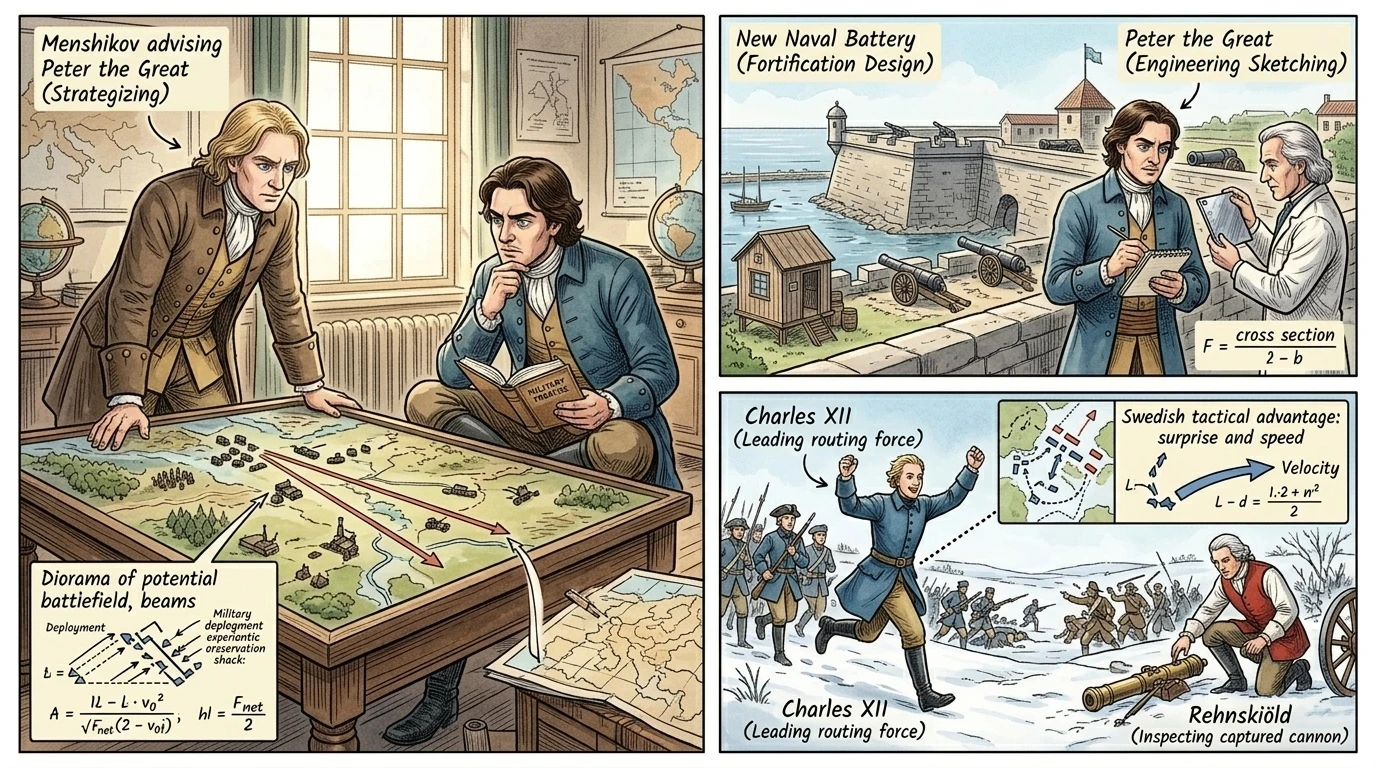
Early victories belonged to Charles. At the Battle of Narva in 1700, a much smaller Swedish force routed a larger Russian army.
Early victories belonged to Charles. At the Battle of Narva in 1700, a much smaller Swedish force routed a larger Russian army. Menshikov, a trusted advisor to Peter, urged caution. "We must learn from our defeats," he advised. "The Swedes are skilled, but they are not invincible."

Early victories belonged to Charles. At the Battle of Narva in 1700, a much smaller Swedish force routed a larger Russian army. Menshikov, a trusted advisor to Peter, urged caution. "We must learn from our defeats," he advised. "The Swedes are skilled, but they are not invincible."

Page 5
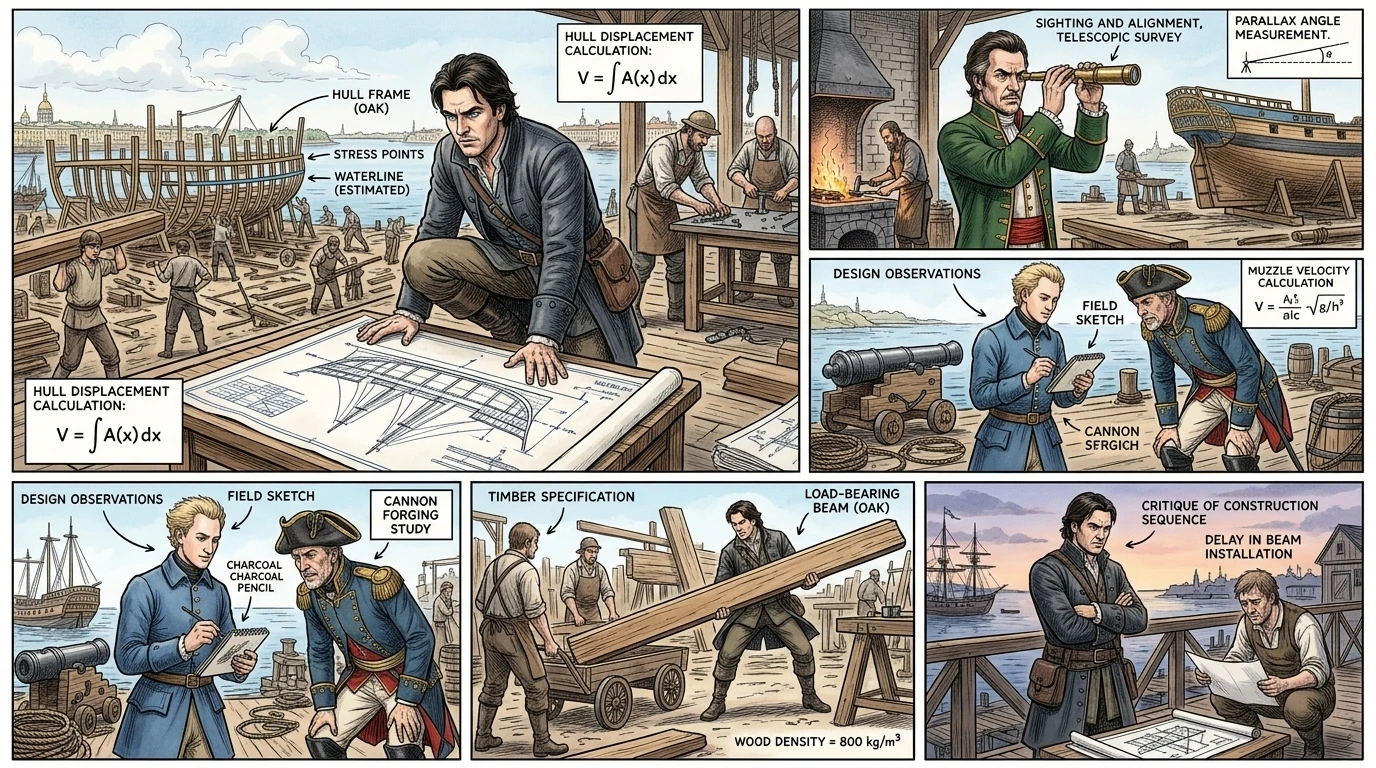
Undeterred by initial setbacks, Peter focused on reforming his army, adopting new tactics and weaponry. He knew that patience and perseverance were essential to…
Undeterred by initial setbacks, Peter focused on reforming his army, adopting new tactics and weaponry. He knew that patience and perseverance were essential to overcoming Sweden's initial advantage. He established shipyards along the Neva River, laying the foundation for a powerful Russian navy.

Undeterred by initial setbacks, Peter focused on reforming his army, adopting new tactics and weaponry. He knew that patience and perseverance were essential to overcoming Sweden's initial advantage. He established shipyards along the Neva River, laying the foundation for a powerful Russian navy.

Page 6
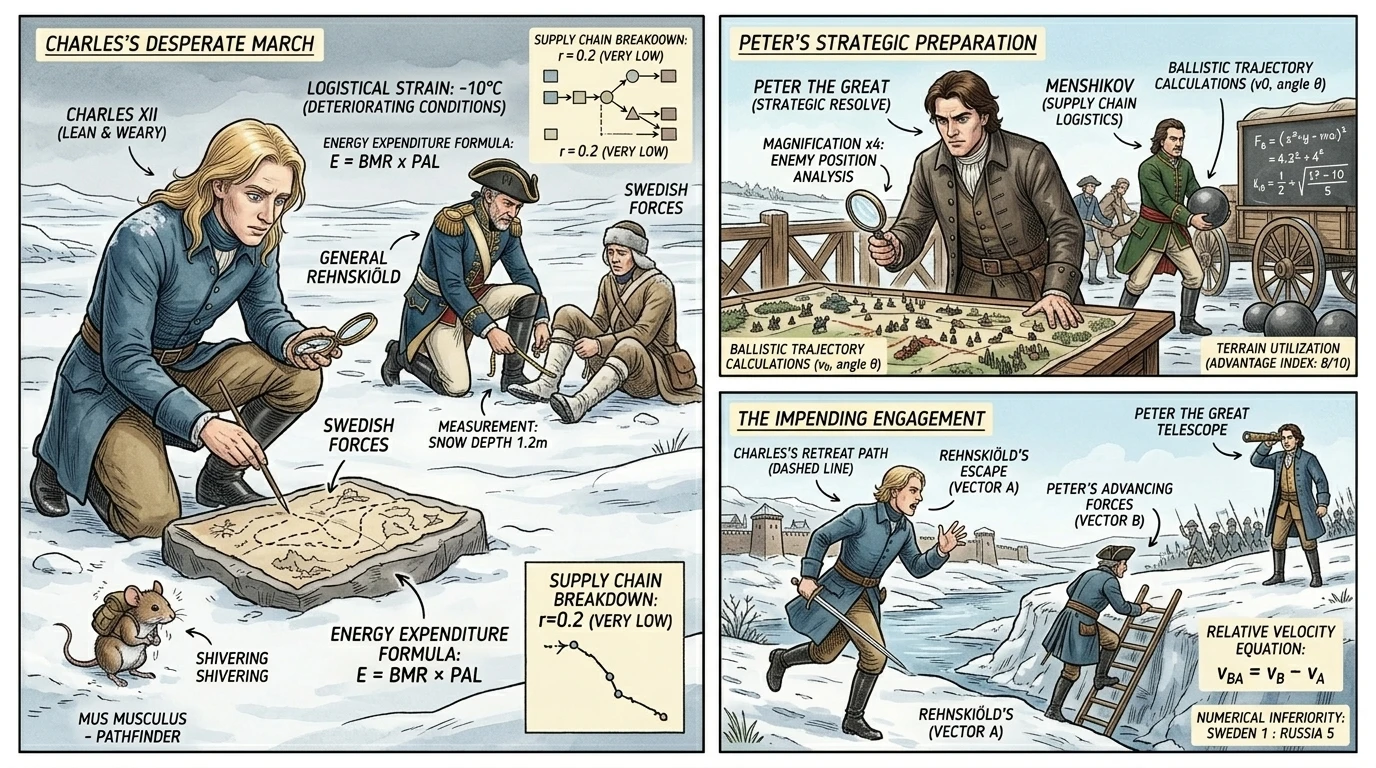
As Charles pressed deeper into Eastern Europe, Peter employed a scorched-earth policy, depriving the Swedish army of supplies.
As Charles pressed deeper into Eastern Europe, Peter employed a scorched-earth policy, depriving the Swedish army of supplies. The harsh winter of 1708-1709 further weakened Charles's forces. Exhausted and depleted, Charles's army finally met Peter's reformed Russian army at Poltava on June 28, 1709.

As Charles pressed deeper into Eastern Europe, Peter employed a scorched-earth policy, depriving the Swedish army of supplies. The harsh winter of 1708-1709 further weakened Charles's forces. Exhausted and depleted, Charles's army finally met Peter's reformed Russian army at Poltava on June 28, 1709.

Page 7
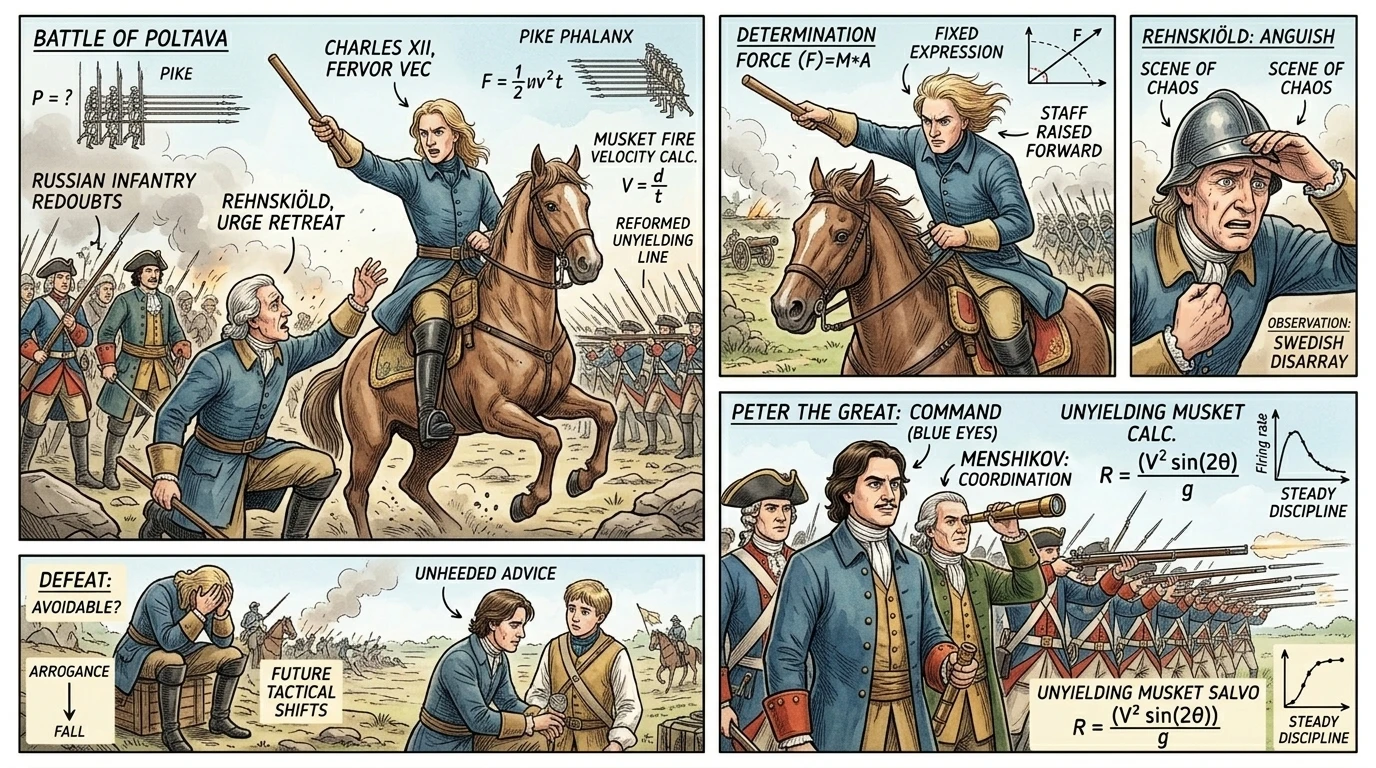
The battle raged for hours. General Rehnskiöld pleaded with Charles to retreat, but Charles refused to yield. "'Knowing is not enough; we must apply.
The battle raged for hours. General Rehnskiöld pleaded with Charles to retreat, but Charles refused to yield. "'Knowing is not enough; we must apply. Willing is not enough; we must do,'" Charles declared, quoting Johann Wolfgang von Goethe, before charging into the thick of the fight. But Peter's reforms had worked. The Russian army stood firm.

The battle raged for hours. General Rehnskiöld pleaded with Charles to retreat, but Charles refused to yield. "'Knowing is not enough; we must apply. Willing is not enough; we must do,'" Charles declared, quoting Johann Wolfgang von Goethe, before charging into the thick of the fight. But Peter's reforms had worked. The Russian army stood firm.

Page 8
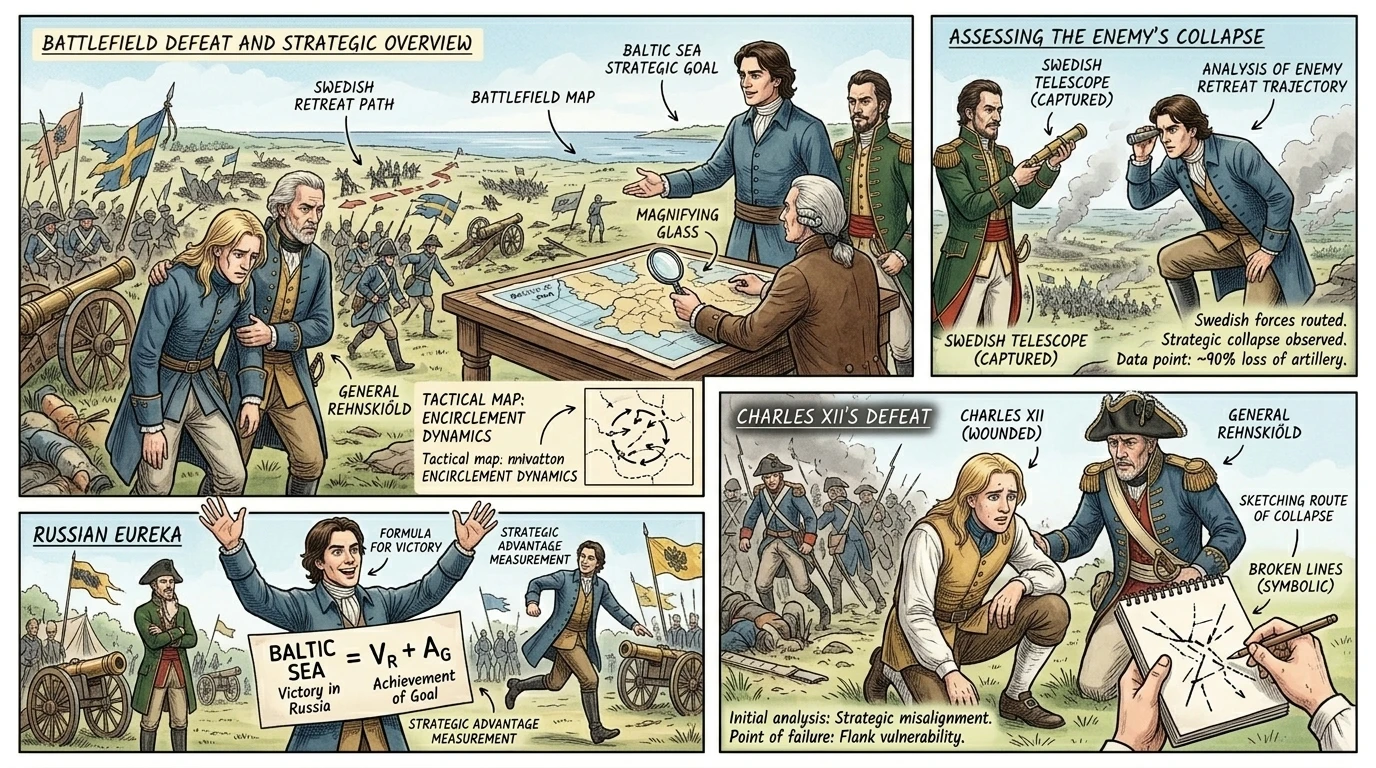
The Swedish lines broke. Charles, shaken and defeated, was forced to flee south into the Ottoman Empire. The Battle of Poltava was a decisive victory for…
The Swedish lines broke. Charles, shaken and defeated, was forced to flee south into the Ottoman Empire. The Battle of Poltava was a decisive victory for Russia, marking the beginning of the end for the Swedish Empire. Peter had achieved his goal: access to the Baltic Sea.

The Swedish lines broke. Charles, shaken and defeated, was forced to flee south into the Ottoman Empire. The Battle of Poltava was a decisive victory for Russia, marking the beginning of the end for the Swedish Empire. Peter had achieved his goal: access to the Baltic Sea.

Page 9
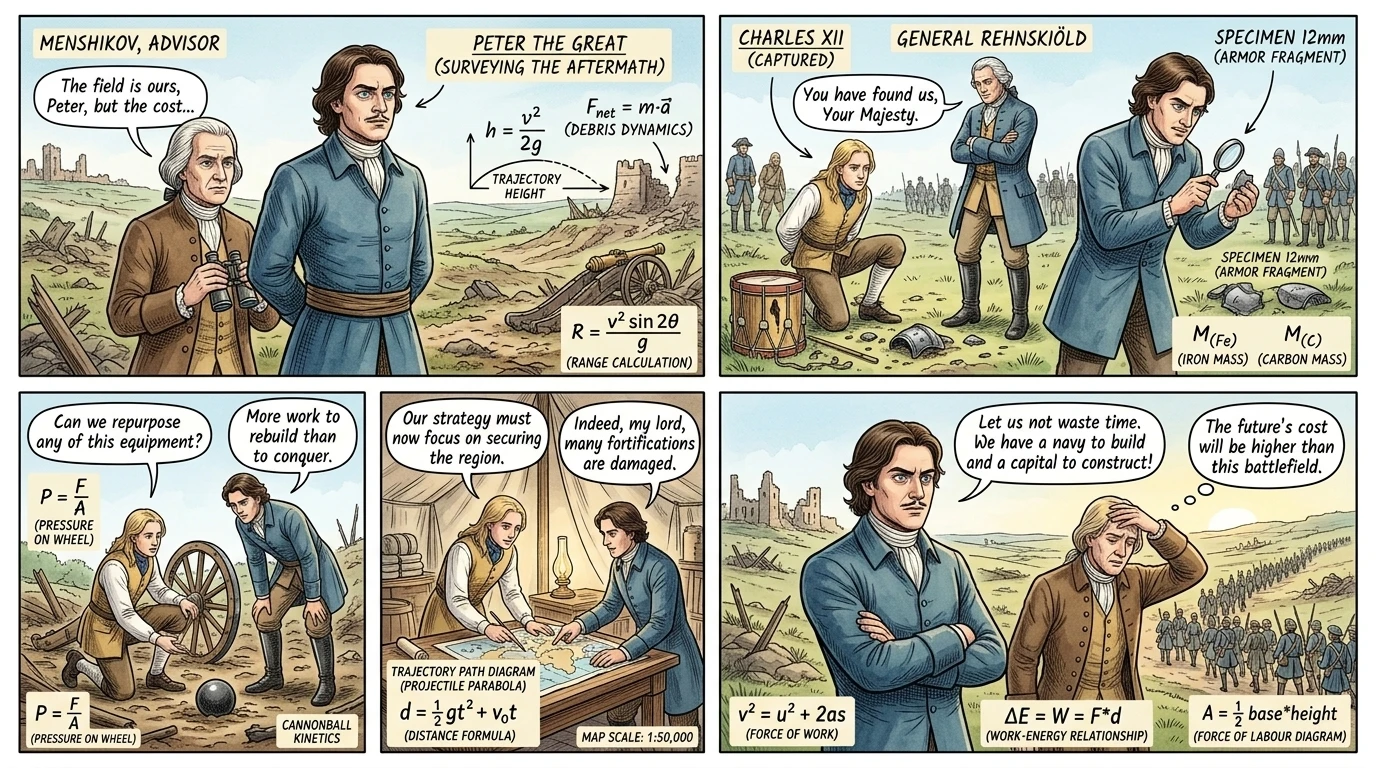
Menshikov stood beside Peter, surveying the carnage. The victory was complete. Sweden's dominance was broken, and Russia had risen as a major European power.
Menshikov stood beside Peter, surveying the carnage. The victory was complete. Sweden's dominance was broken, and Russia had risen as a major European power. But Peter knew that peace was still a long way off. Years of fighting remained.

Menshikov stood beside Peter, surveying the carnage. The victory was complete. Sweden's dominance was broken, and Russia had risen as a major European power. But Peter knew that peace was still a long way off. Years of fighting remained.

Page 10
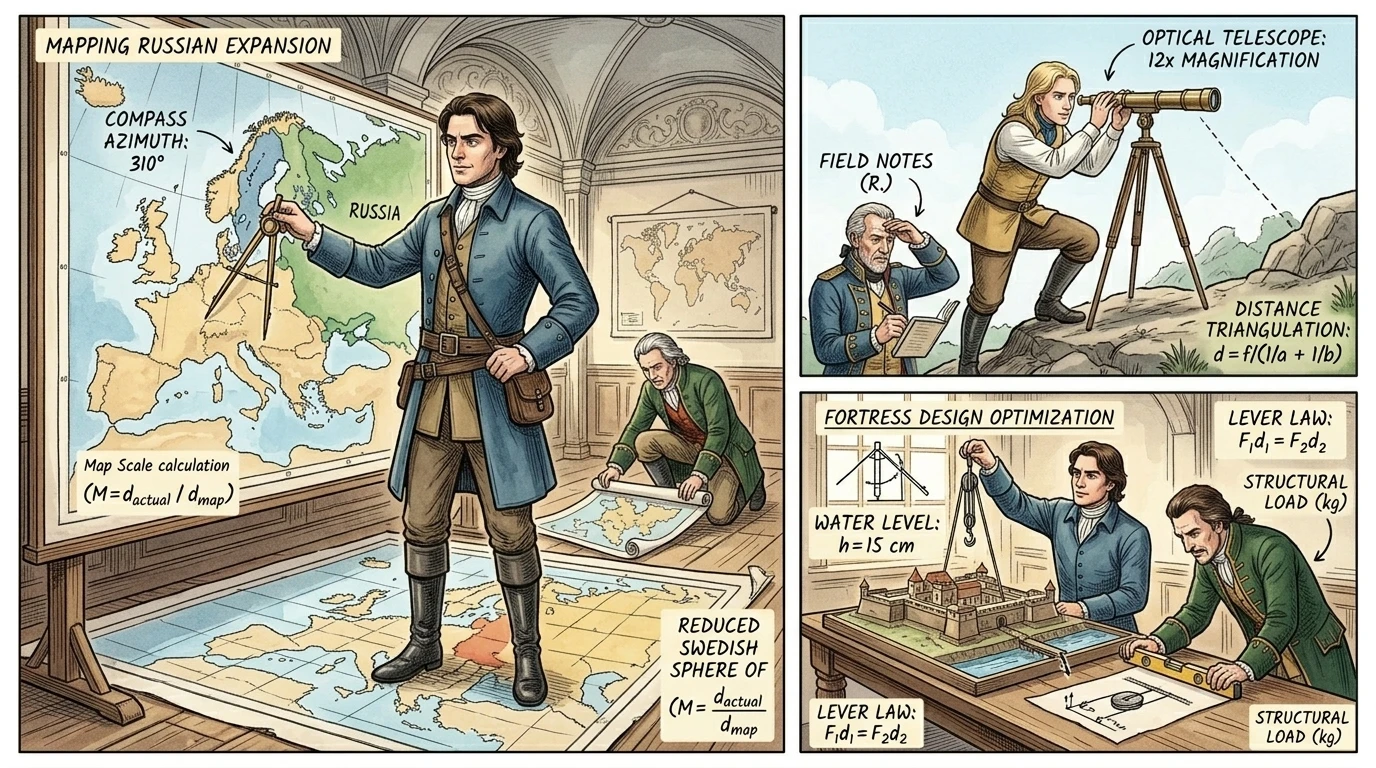
The Battle of Poltava reshaped the balance of power in Europe. Sweden's empire crumbled, and Russia ascended, its influence expanding westward.
The Battle of Poltava reshaped the balance of power in Europe. Sweden's empire crumbled, and Russia ascended, its influence expanding westward. Peter the Great's victory paved the way for Russia's transformation into a modern, European nation, forever altering the course of history.

The Battle of Poltava reshaped the balance of power in Europe. Sweden's empire crumbled, and Russia ascended, its influence expanding westward. Peter the Great's victory paved the way for Russia's transformation into a modern, European nation, forever altering the course of history.

About this story

  • Historical figures: Peter the Great, Charles XII, General Rehnskiöld
  • Location: Russia
  • Period: Early Modern
  • Audience: kids (ages 6–12)

Questions and answers

Questions and answers about The Defeat of the Swedish Empire (1700, Russia)

Read Wonder History on your phone

Wonder History is available on Android and iPhone and iPad. Get Wonder History on Google Play · Get Wonder History on the App Store.

More Wonder History stories

All Wonder History stories · Open the library