The End of the Atlantic Slave Trade (1829, USA)

The End of the Atlantic Slave Trade (1829, USA) — an illustrated history story, featuring Granville Sharp, William Wilberforce, John Newton, set in USA. 10 illustrated pages, free to read on Wonder History.

The End of the Atlantic Slave Trade (1829, USA) — book cover — Wonder History
The End of the Atlantic Slave Trade (1829, USA) — an illustrated history story, featuring Granville Sharp, William Wilberforce, John Newton, set in USA. 10 illustrated pages, free to read on Wonder History.

Page 1
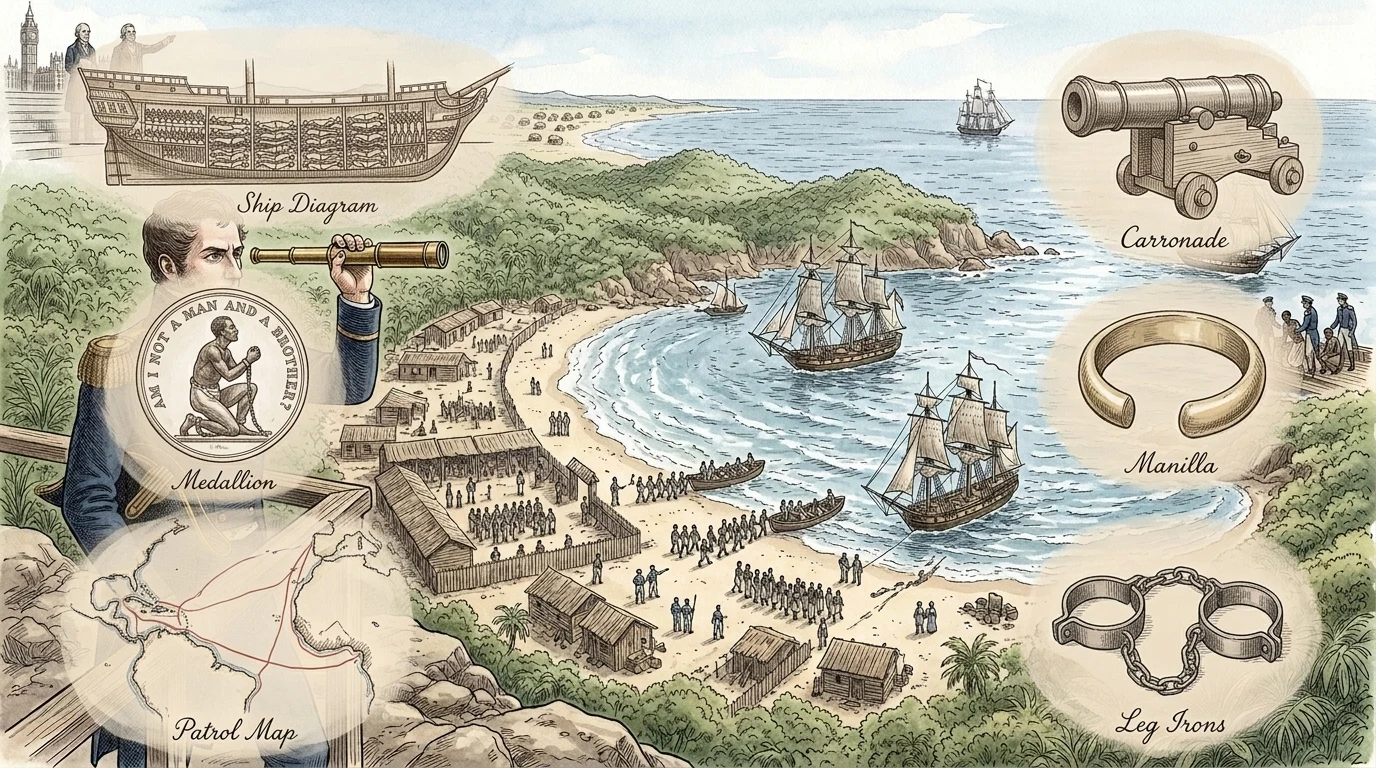
Aboard the HMS Black Joke, Lieutenant Thomas Fremantle gripped the railing as the British warship bore down on the slaver.
Aboard the HMS Black Joke, Lieutenant Thomas Fremantle gripped the railing as the British warship bore down on the slaver. Cannon fire roared across the water, sending splinters of wood flying. Fremantle knew this was more than just a naval battle; it was a fight for the soul of an empire. The year was 1829, and the fight to end the Atlantic slave trade was reaching its brutal climax.

Aboard the HMS Black Joke, Lieutenant Thomas Fremantle gripped the railing as the British warship bore down on the slaver. Cannon fire roared across the water, sending splinters of wood flying. Fremantle knew this was more than just a naval battle; it was a fight for the soul of an empire. The year was 1829, and the fight to end the Atlantic slave trade was reaching its brutal climax.

Page 2
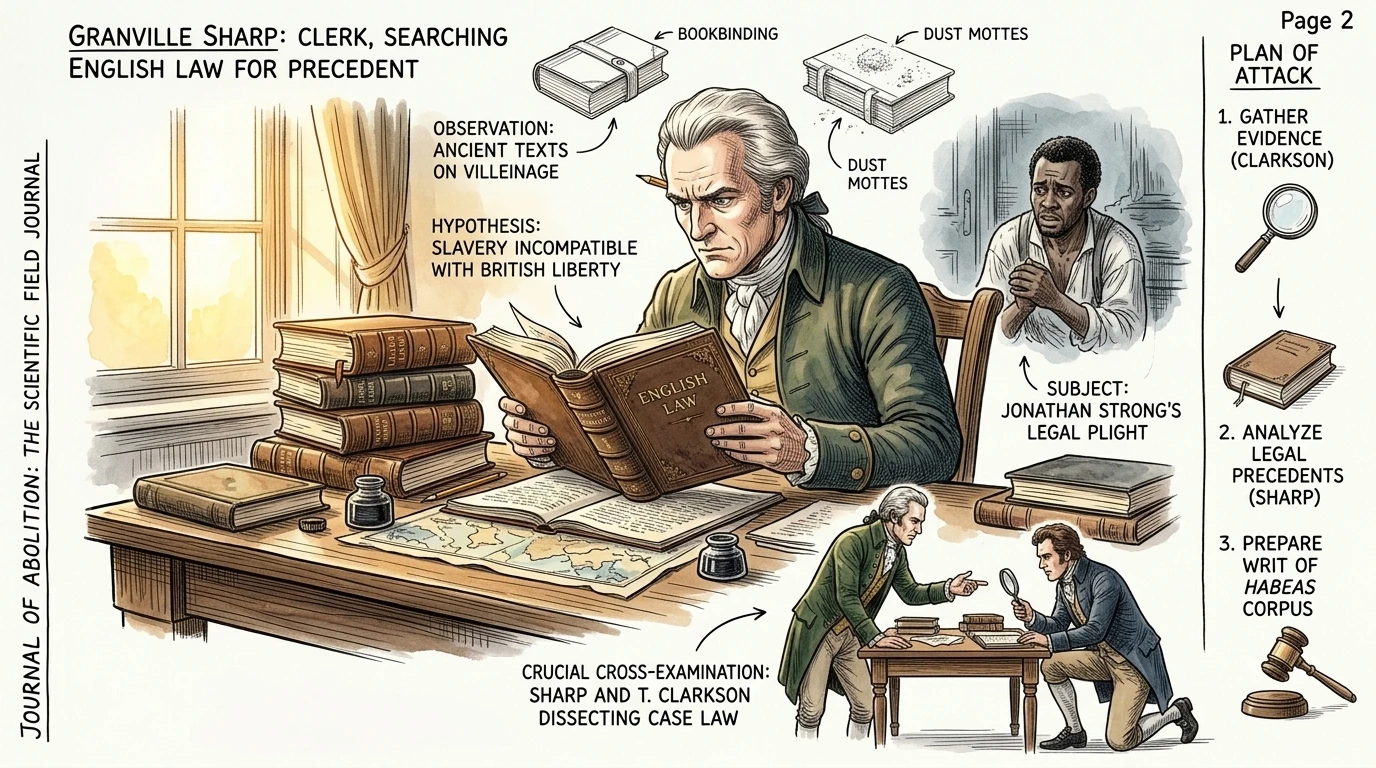
Granville Sharp, a clerk in London, first questioned the legality of slavery in 1767 after encountering Jonathan Strong, an enslaved man brutally beaten by his…
Granville Sharp, a clerk in London, first questioned the legality of slavery in 1767 after encountering Jonathan Strong, an enslaved man brutally beaten by his owner. "Is this justice?" Sharp demanded of anyone who would listen. The case of Jonathan Strong ignited Sharp's lifelong commitment to abolition. He began to meticulously study English law, searching for a legal basis to challenge the slave trade.

Granville Sharp, a clerk in London, first questioned the legality of slavery in 1767 after encountering Jonathan Strong, an enslaved man brutally beaten by his owner. "Is this justice?" Sharp demanded of anyone who would listen. The case of Jonathan Strong ignited Sharp's lifelong commitment to abolition. He began to meticulously study English law, searching for a legal basis to challenge the slave trade.

Page 3
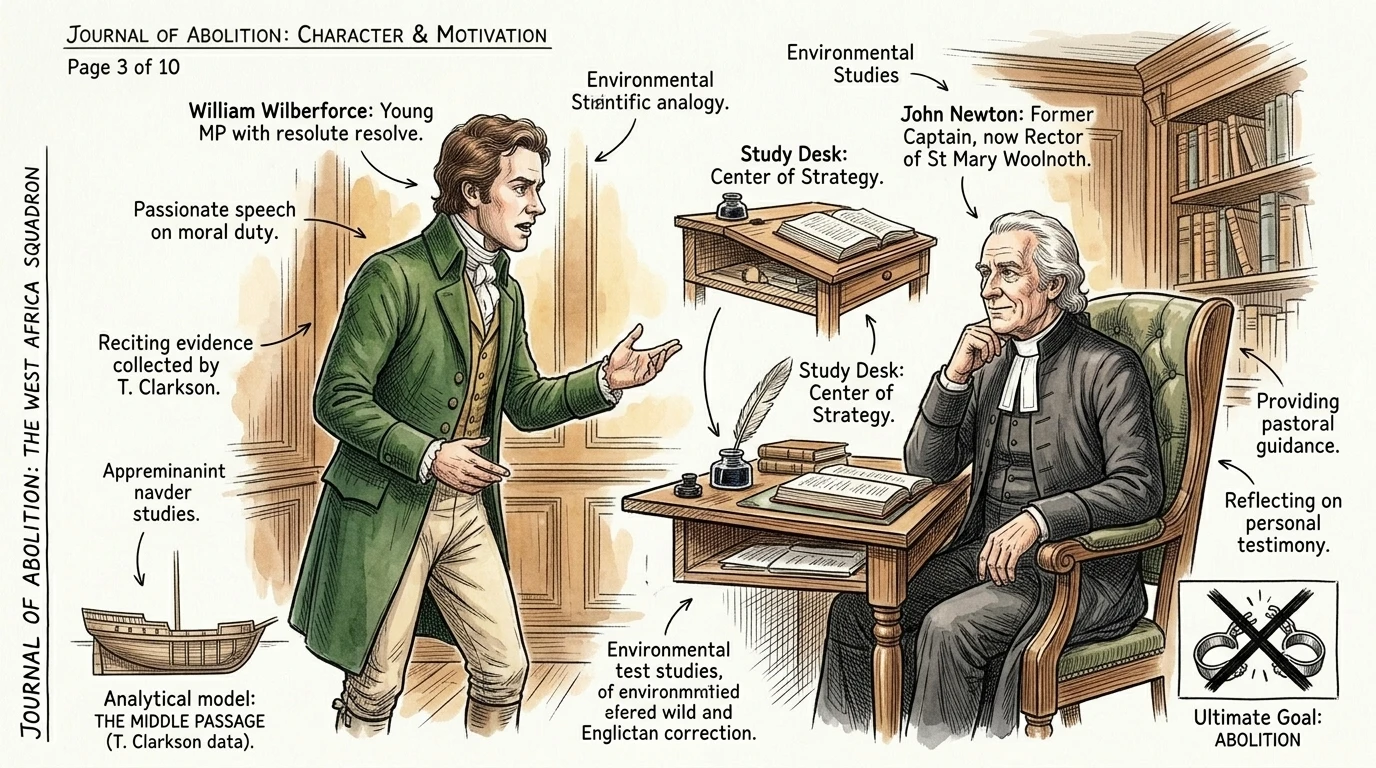
Inspired by Sharp's legal battles, William Wilberforce, a young Member of Parliament, took up the cause in 1787. "I am resolved, even at the hazard of my life…
Inspired by Sharp's legal battles, William Wilberforce, a young Member of Parliament, took up the cause in 1787. "I am resolved, even at the hazard of my life, to prosecute this business to the end," Wilberforce declared to his friend, John Newton. Newton, a former slave ship captain who had converted to Christianity and become an Anglican priest, became Wilberforce's spiritual mentor. The weight of thousands rested on his shoulders.

Inspired by Sharp's legal battles, William Wilberforce, a young Member of Parliament, took up the cause in 1787. "I am resolved, even at the hazard of my life, to prosecute this business to the end," Wilberforce declared to his friend, John Newton. Newton, a former slave ship captain who had converted to Christianity and become an Anglican priest, became Wilberforce's spiritual mentor. The weight of thousands rested on his shoulders.

Page 4
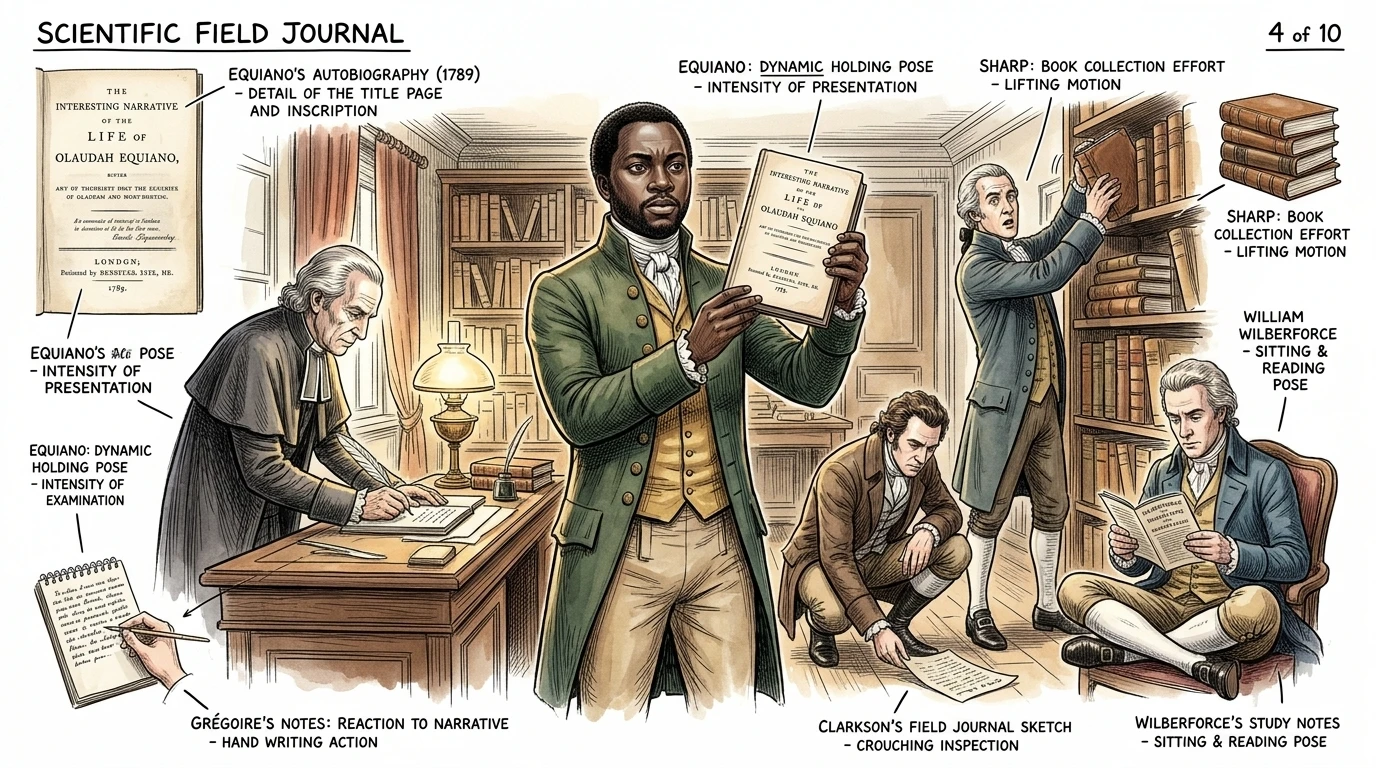
The End of the Atlantic Slave Trade (1829, USA) — page 4 illustration — Wonder History

Olaudah Equiano, a formerly enslaved man who purchased his freedom, published his autobiography in 1789. "Can anyone reasonably doubt," he wrote, "whether such a system could be supported, if its enormities were truly known?" Equiano's harrowing account exposed the brutality of the Middle Passage and the dehumanizing conditions of slavery to a wide audience. His personal story became a powerful weapon in the abolitionist arsenal.

Page 5
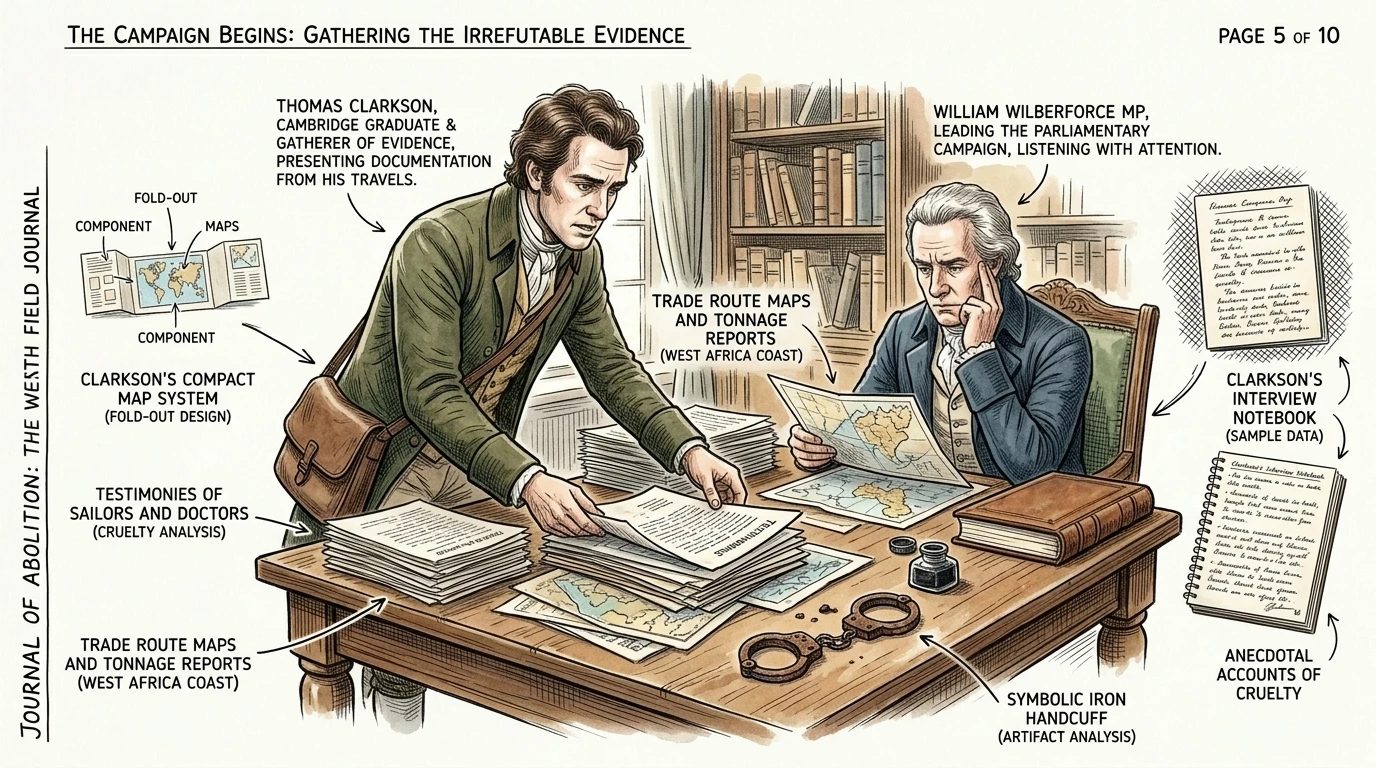
Thomas Clarkson, a Cambridge graduate, traveled across England, gathering evidence of the horrors of the slave trade. He interviewed sailors, doctors, and…
Thomas Clarkson, a Cambridge graduate, traveled across England, gathering evidence of the horrors of the slave trade. He interviewed sailors, doctors, and former slaves, compiling a mountain of testimony. Clarkson presented his findings to Parliament, providing Wilberforce with irrefutable proof of the trade's cruelty. "The evidence is overwhelming," Clarkson told Wilberforce, "we must not rest until it is abolished."

Thomas Clarkson, a Cambridge graduate, traveled across England, gathering evidence of the horrors of the slave trade. He interviewed sailors, doctors, and former slaves, compiling a mountain of testimony. Clarkson presented his findings to Parliament, providing Wilberforce with irrefutable proof of the trade's cruelty. "The evidence is overwhelming," Clarkson told Wilberforce, "we must not rest until it is abolished."

Page 6
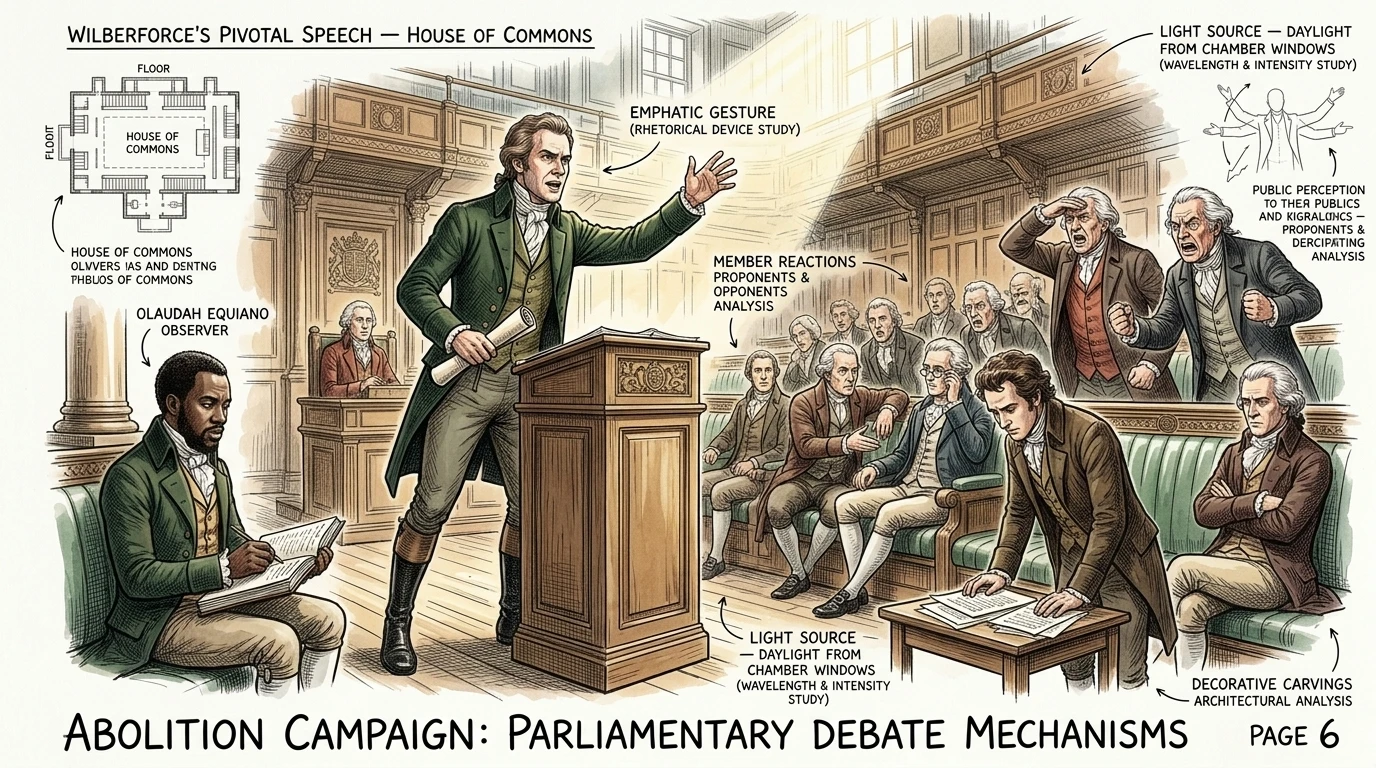
Wilberforce faced fierce opposition in Parliament from powerful merchants who profited from the slave trade. Year after year, his abolition bills were defeated.
Wilberforce faced fierce opposition in Parliament from powerful merchants who profited from the slave trade. Year after year, his abolition bills were defeated. "We are told," Wilberforce argued in 1791, "that the trade is necessary; but is any trade necessary that cannot be carried on but by means of injustice, violence, and cruelty?" Despite the setbacks, Wilberforce persevered, driven by his unwavering faith and the support of his allies.

Wilberforce faced fierce opposition in Parliament from powerful merchants who profited from the slave trade. Year after year, his abolition bills were defeated. "We are told," Wilberforce argued in 1791, "that the trade is necessary; but is any trade necessary that cannot be carried on but by means of injustice, violence, and cruelty?" Despite the setbacks, Wilberforce persevered, driven by his unwavering faith and the support of his allies.

Page 7
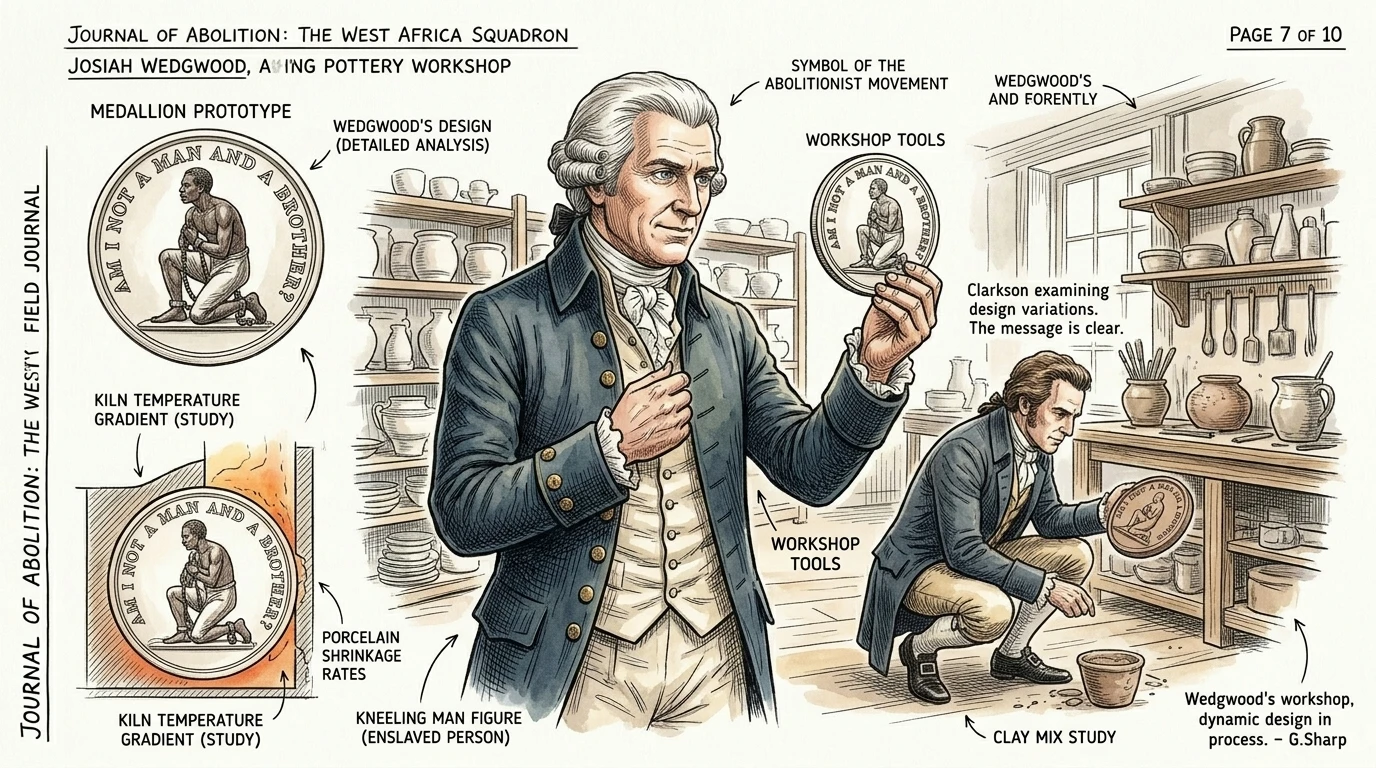
Josiah Wedgwood, a pottery magnate, designed an anti-slavery medallion featuring an enslaved man in chains with the inscription: "Am I Not a Man and a Brother?"…
Josiah Wedgwood, a pottery magnate, designed an anti-slavery medallion featuring an enslaved man in chains with the inscription: "Am I Not a Man and a Brother?" These medallions became a powerful symbol of the abolitionist movement, worn by supporters across the country. Wedgwood understood the power of visual persuasion. He saw "patience" as the ultimate tool of persuasion. "A steady drip," he said, "will wear away the stone."

Josiah Wedgwood, a pottery magnate, designed an anti-slavery medallion featuring an enslaved man in chains with the inscription: "Am I Not a Man and a Brother?" These medallions became a powerful symbol of the abolitionist movement, worn by supporters across the country. Wedgwood understood the power of visual persuasion. He saw "patience" as the ultimate tool of persuasion. "A steady drip," he said, "will wear away the stone."

Page 8
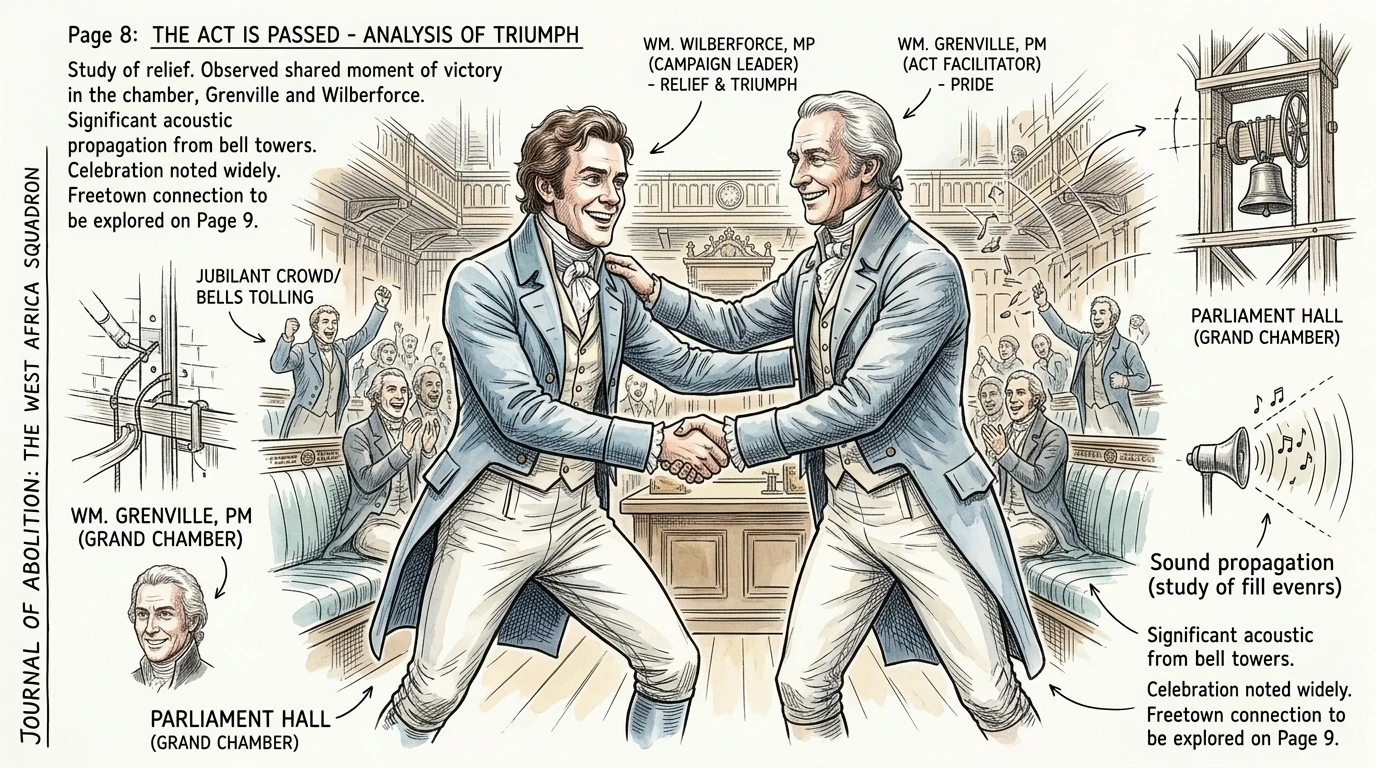
Finally, in 1807, after decades of tireless campaigning, Wilberforce's Abolition Bill passed both houses of Parliament. Prime Minister William Grenville guided…
Finally, in 1807, after decades of tireless campaigning, Wilberforce's Abolition Bill passed both houses of Parliament. Prime Minister William Grenville guided the bill through the final stages, securing its passage. The slave trade was officially outlawed in the British Empire. Bells rang throughout the country, celebrating a victory for humanity.

Finally, in 1807, after decades of tireless campaigning, Wilberforce's Abolition Bill passed both houses of Parliament. Prime Minister William Grenville guided the bill through the final stages, securing its passage. The slave trade was officially outlawed in the British Empire. Bells rang throughout the country, celebrating a victory for humanity.

Page 9
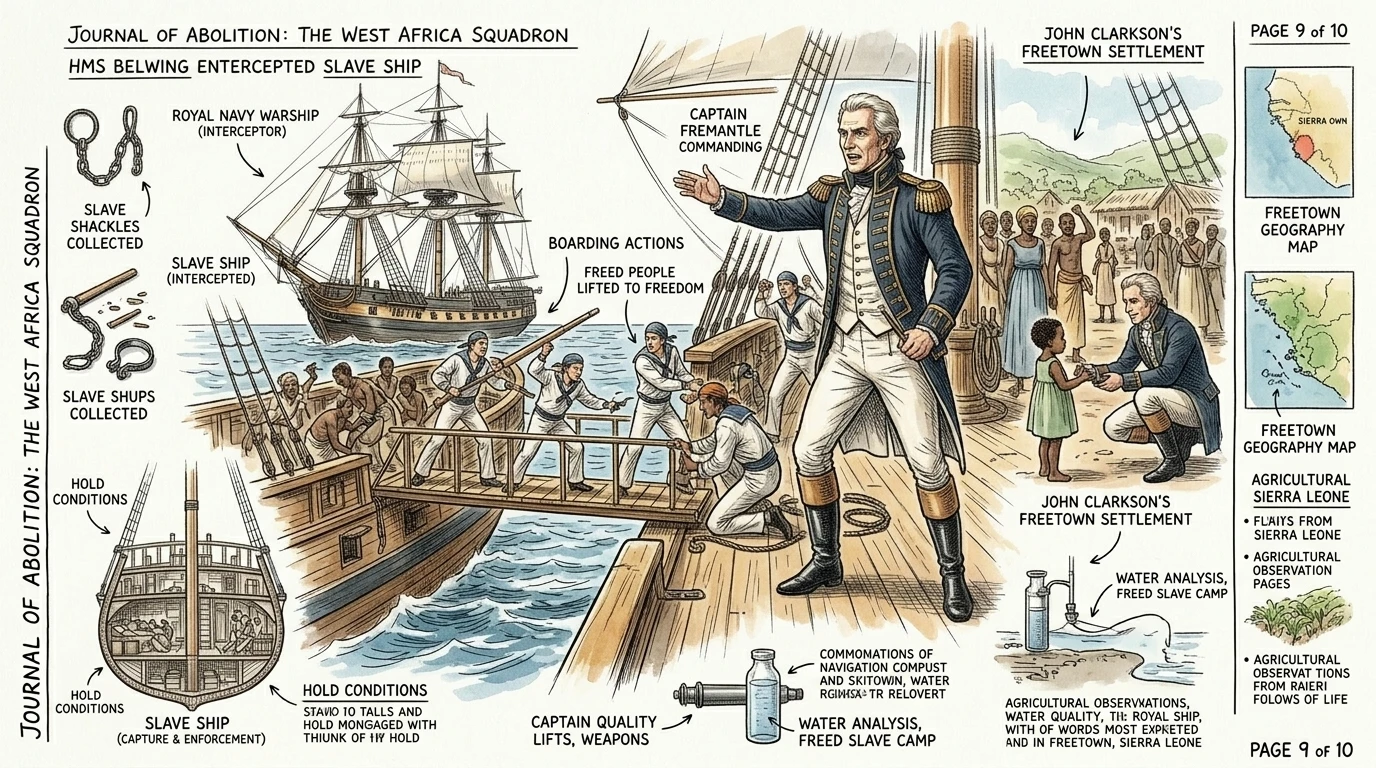
Despite the Abolition Act, the fight was far from over. Captain Thomas Fremantle and the Royal Navy's West Africa Squadron patrolled the Atlantic, intercepting…
Despite the Abolition Act, the fight was far from over. Captain Thomas Fremantle and the Royal Navy's West Africa Squadron patrolled the Atlantic, intercepting slave ships and freeing enslaved people. John Clarkson, brother of Thomas, helped establish Freetown in Sierra Leone as a colony for freed slaves. The navy became the harpoon to sink the star that had vanished from the constellation.

Despite the Abolition Act, the fight was far from over. Captain Thomas Fremantle and the Royal Navy's West Africa Squadron patrolled the Atlantic, intercepting slave ships and freeing enslaved people. John Clarkson, brother of Thomas, helped establish Freetown in Sierra Leone as a colony for freed slaves. The navy became the harpoon to sink the star that had vanished from the constellation.

Page 10

The abolition of the British slave trade paved the way for international treaties to end the practice worldwide. Richard Wellesley negotiated treaties with…
The abolition of the British slave trade paved the way for international treaties to end the practice worldwide. Richard Wellesley negotiated treaties with other European powers to suppress the trade. As Abbé Grégoire, a French priest and staunch abolitionist, proclaimed, "Slavery is an outrage to humanity!" The struggle for full emancipation continued for decades, but the end of the Atlantic slave trade marked a decisive victory for justice and human rights.

The abolition of the British slave trade paved the way for international treaties to end the practice worldwide. Richard Wellesley negotiated treaties with other European powers to suppress the trade. As Abbé Grégoire, a French priest and staunch abolitionist, proclaimed, "Slavery is an outrage to humanity!" The struggle for full emancipation continued for decades, but the end of the Atlantic slave trade marked a decisive victory for justice and human rights.

About this story

  • Historical figures: Granville Sharp, William Wilberforce, John Newton
  • Location: USA
  • Period: Modern
  • Audience: general readers

Questions and answers

Questions and answers about The End of the Atlantic Slave Trade (1829, USA)

Read Wonder History on your phone

Wonder History is available on Android. Get Wonder History on Google Play.

More Wonder History stories

All Wonder History stories · Open the library