The Signing of the Declaration of Independence (1776) - United States
The Signing of the Declaration of Independence (1776) - United States — an illustrated history story, featuring John Hancock, Thomas Jefferson, John Adams, set in United States. 10 illustrated pages, free to read on Wonder History.
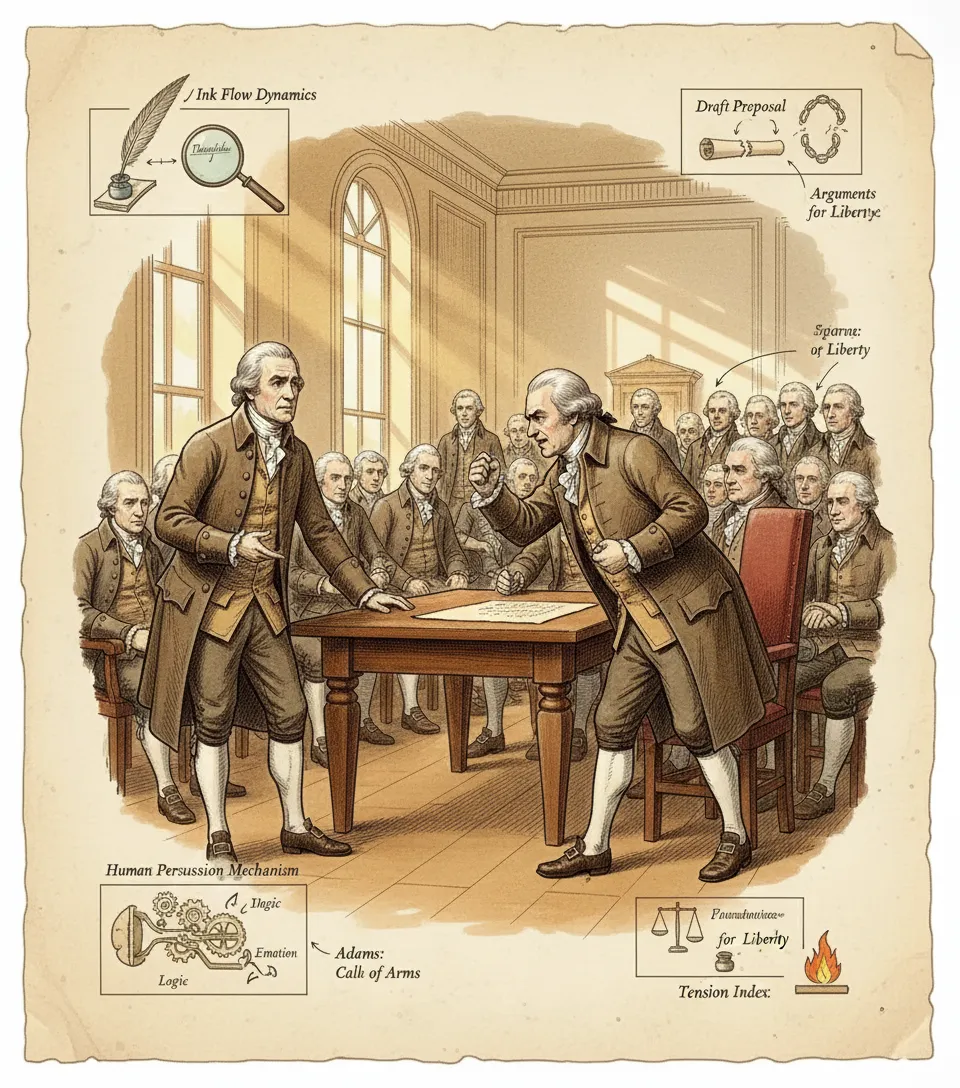
Page 1
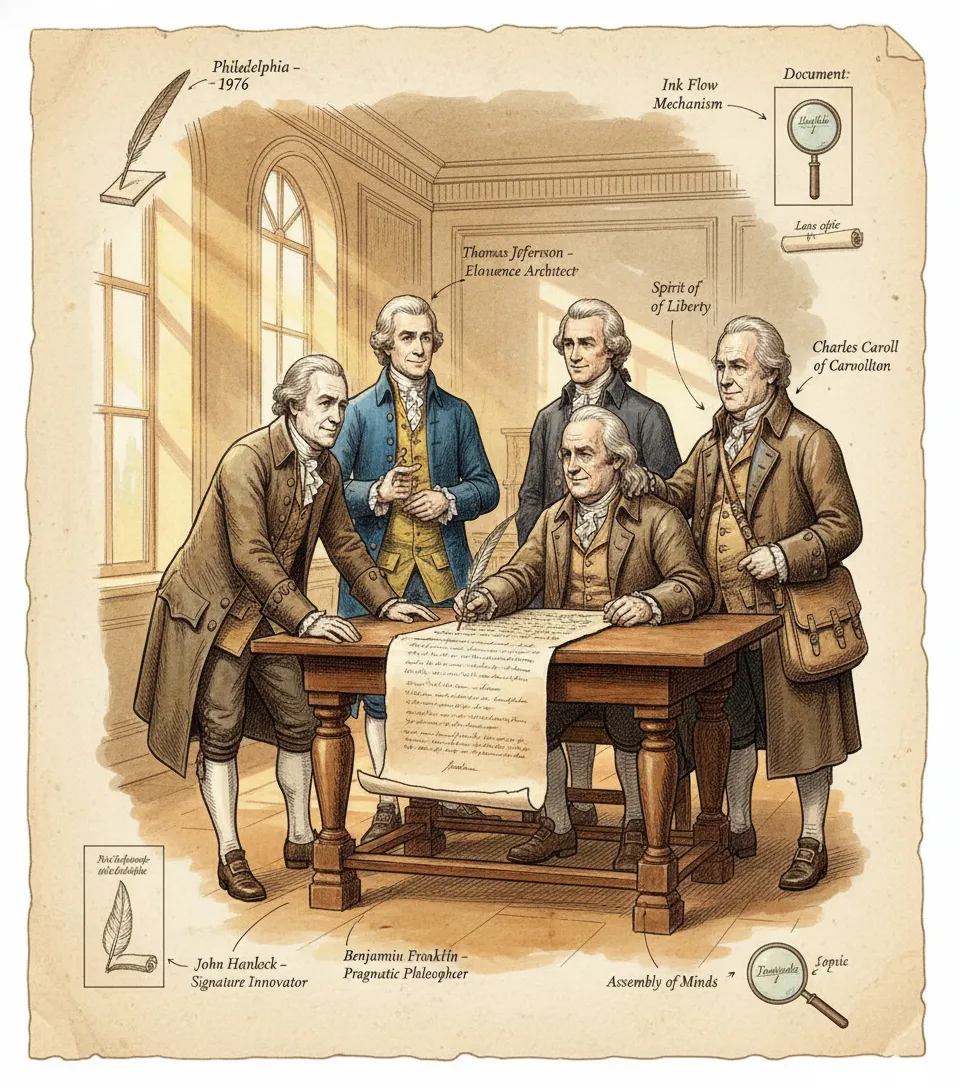
On August 2, 1776, in Philadelphia, John Hancock, President of the Continental Congress; Thomas Jefferson, the primary author; John Adams, a leading advocate for independence; Benjamin Franklin, a respected statesman; and Charles Carroll of Carrollton, a wealthy landowner, found themselves in the midst of a pivotal moment. How did these men come to declare a new nation's independence?
Historical Fact: The Declaration of Independence was signed by 56 delegates representing the 13 American colonies. August 2nd is when most delegates signed, but some signed later.
Page 2
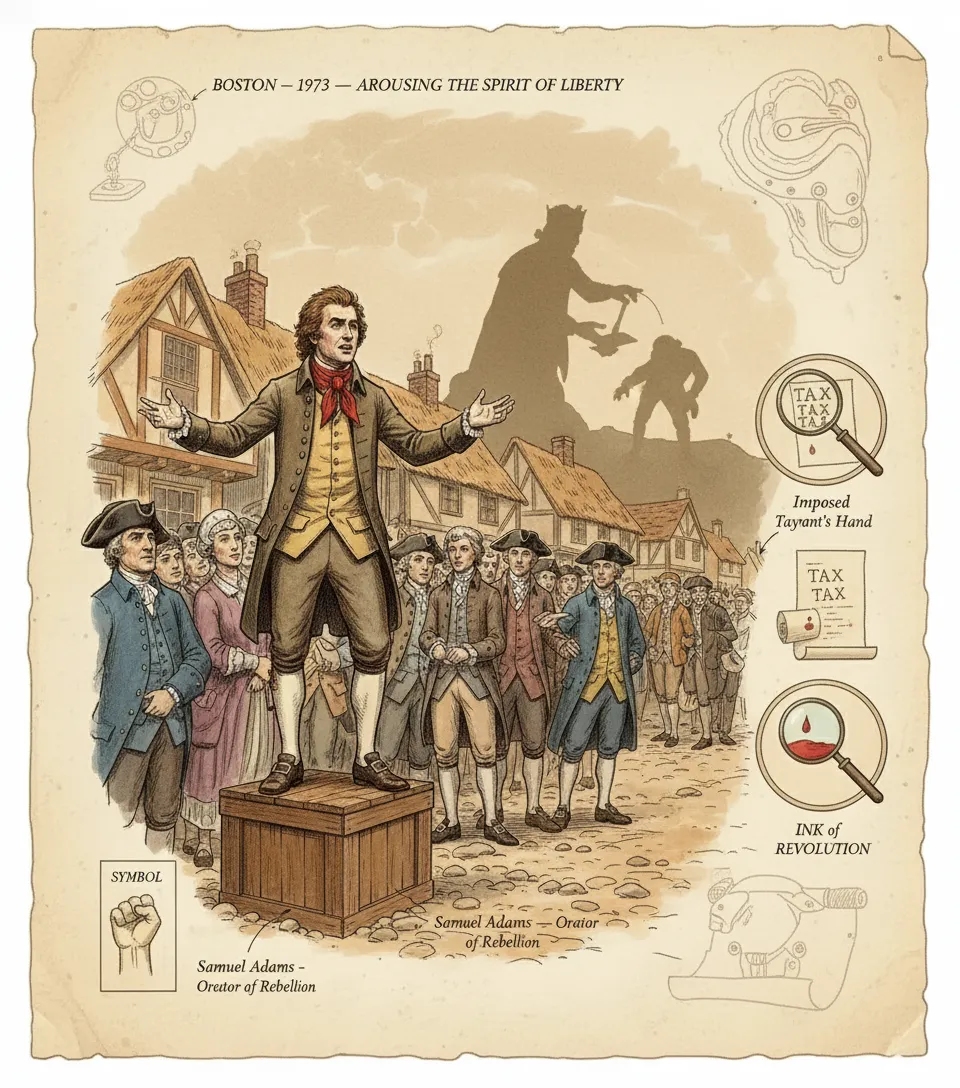
Years before the signing, tensions simmered between Great Britain and its American colonies. King George III, believing in the divine right of kings, asserted control over the colonies, imposing taxes without colonial representation in Parliament. Samuel Adams, a fiery political activist in Boston, Massachusetts, saw these acts as tyranny and began stirring rebellion.
Historical Fact: The cry of 'No taxation without representation' became a rallying cry for the colonists.
Page 3
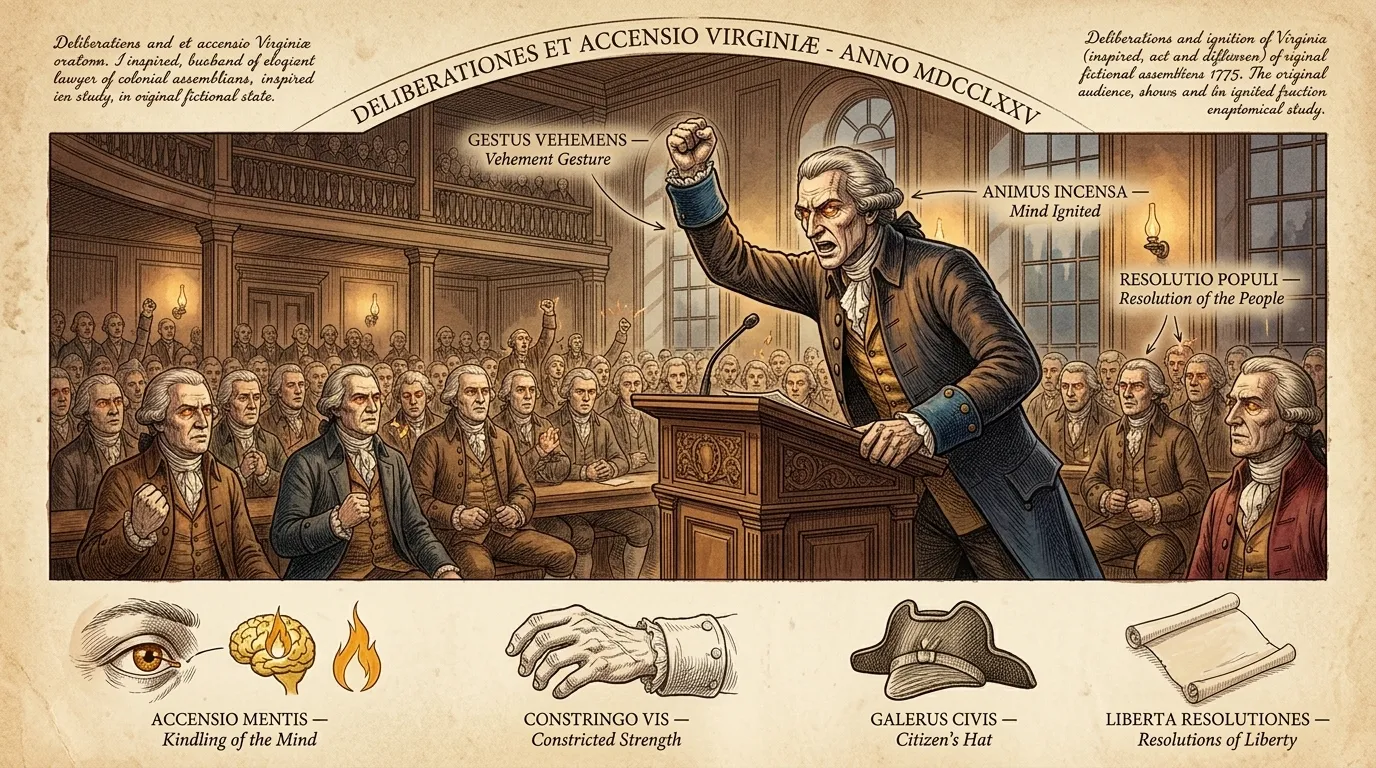
Patrick Henry, a lawyer and orator from Virginia, delivered a stirring speech in 1775, urging the colonists to take up arms. "I know not what course others may take," he declared, "but as for me, give me liberty, or give me death!" His words ignited a fire in the hearts of many.
Historical Fact: Patrick Henry's speech is one of the most famous calls to action in American history.
Page 4
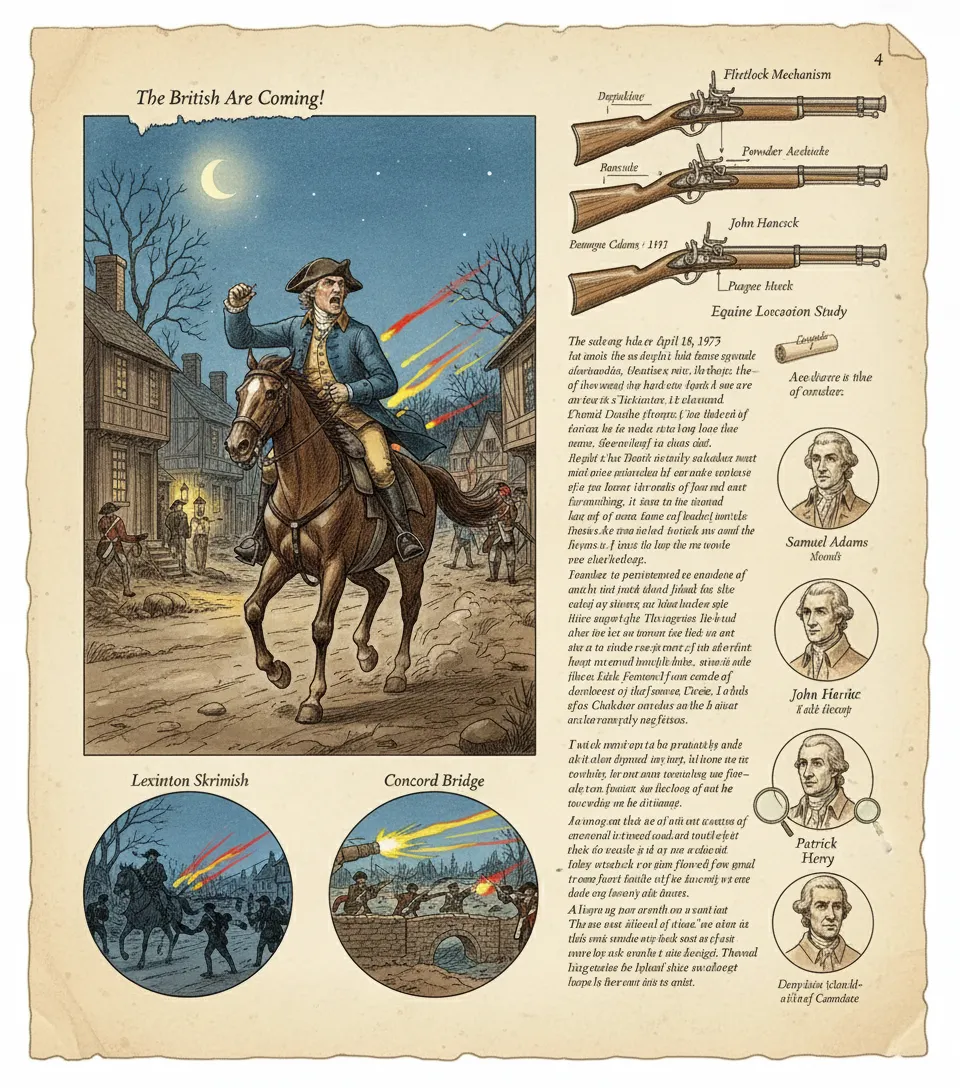
On April 19, 1775, British soldiers and Massachusetts militiamen clashed at Lexington and Concord, marking the start of the Revolutionary War. Paul Revere, a silversmith and patriot, famously rode through the night to warn the colonists of the approaching British troops.
Historical Fact: The battles of Lexington and Concord are considered the first military engagements of the American Revolutionary War.
Page 5
As the war escalated, the Continental Congress debated whether to declare independence. John Dickinson, a delegate from Pennsylvania, argued for reconciliation with Great Britain, fearing the consequences of war. Yet, figures like John Adams pressed for a complete break.
Historical Fact: The decision to declare independence was not unanimous, and many colonists remained loyal to the British crown.
Page 6
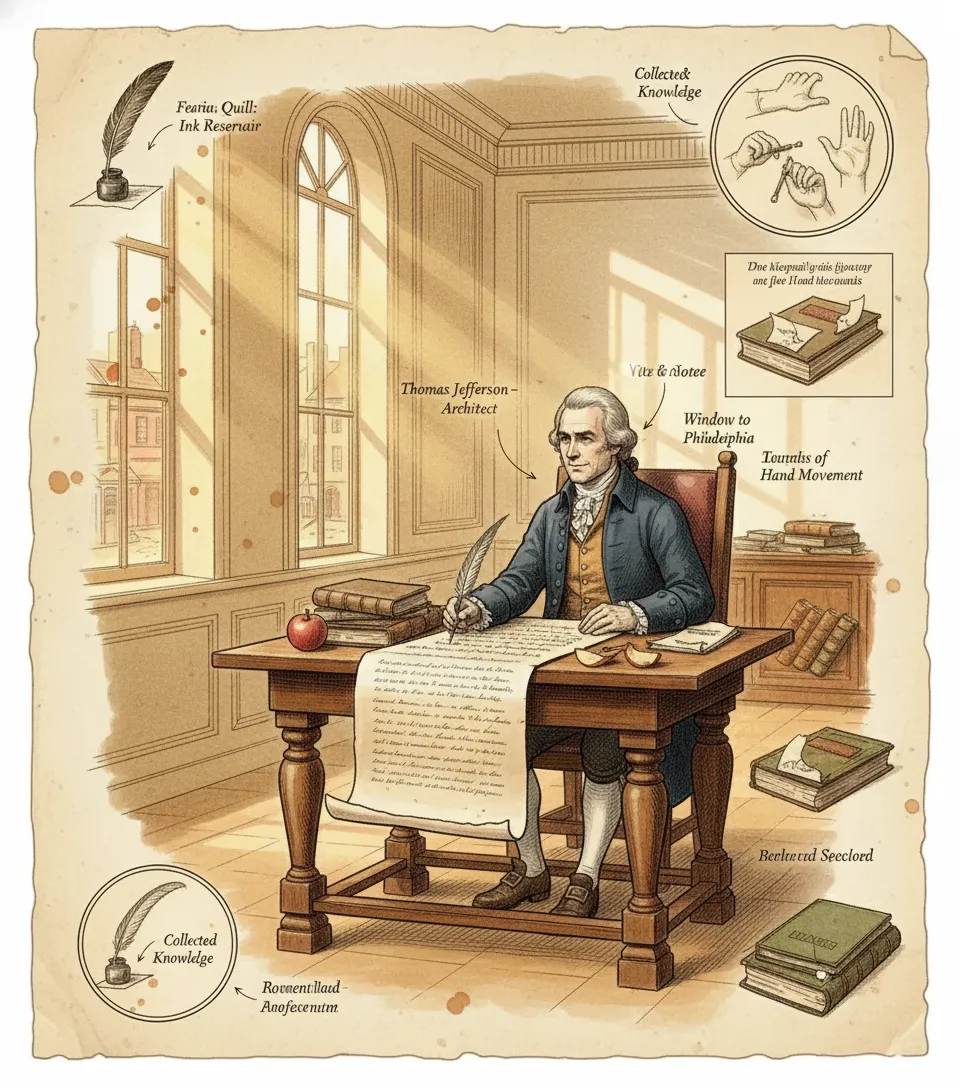
The Continental Congress appointed a committee to draft a declaration of independence. Thomas Jefferson, known for his eloquent writing, was tasked with the primary responsibility. Working in Philadelphia, he crafted a document that laid out the colonists' grievances and asserted their right to self-governance.
Historical Fact: Jefferson drew upon Enlightenment ideas from thinkers like John Locke in crafting the Declaration.
Page 7
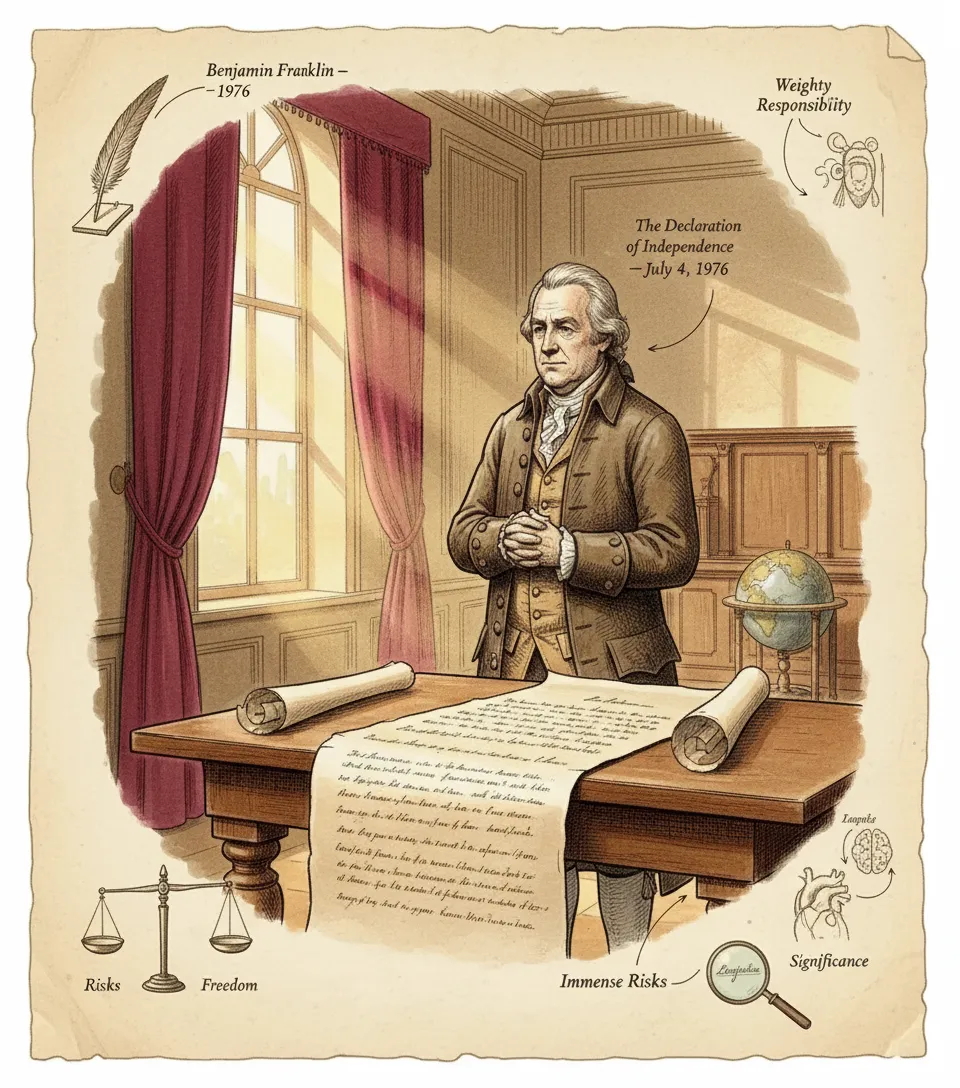
The Declaration of Independence, adopted on July 4, 1776, proclaimed that all men are created equal and endowed with certain unalienable rights, including life, liberty, and the pursuit of happiness. Benjamin Franklin, ever the pragmatist, famously remarked, "We must all hang together, or assuredly we shall all hang separately." He knew the risks.
Historical Fact: The Declaration of Independence is a cornerstone document of American democracy and has inspired movements for freedom around the world.
Page 8
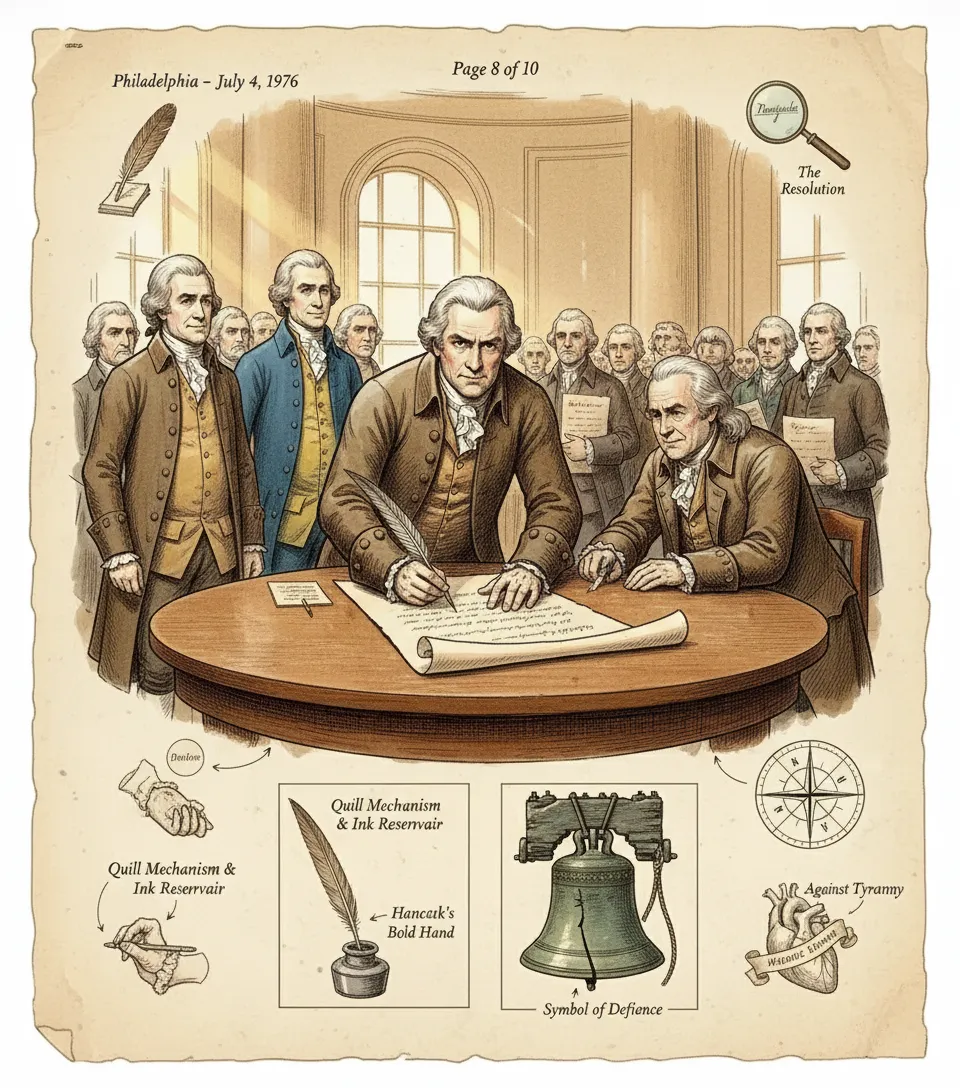
On August 2, 1776, members of the Continental Congress began to sign the Declaration of Independence, a bold act of defiance against British rule. John Hancock, as President of the Congress, famously signed his name large enough for King George to see without his spectacles.
Historical Fact: The act of signing the Declaration was an act of treason, punishable by death.
Page 9
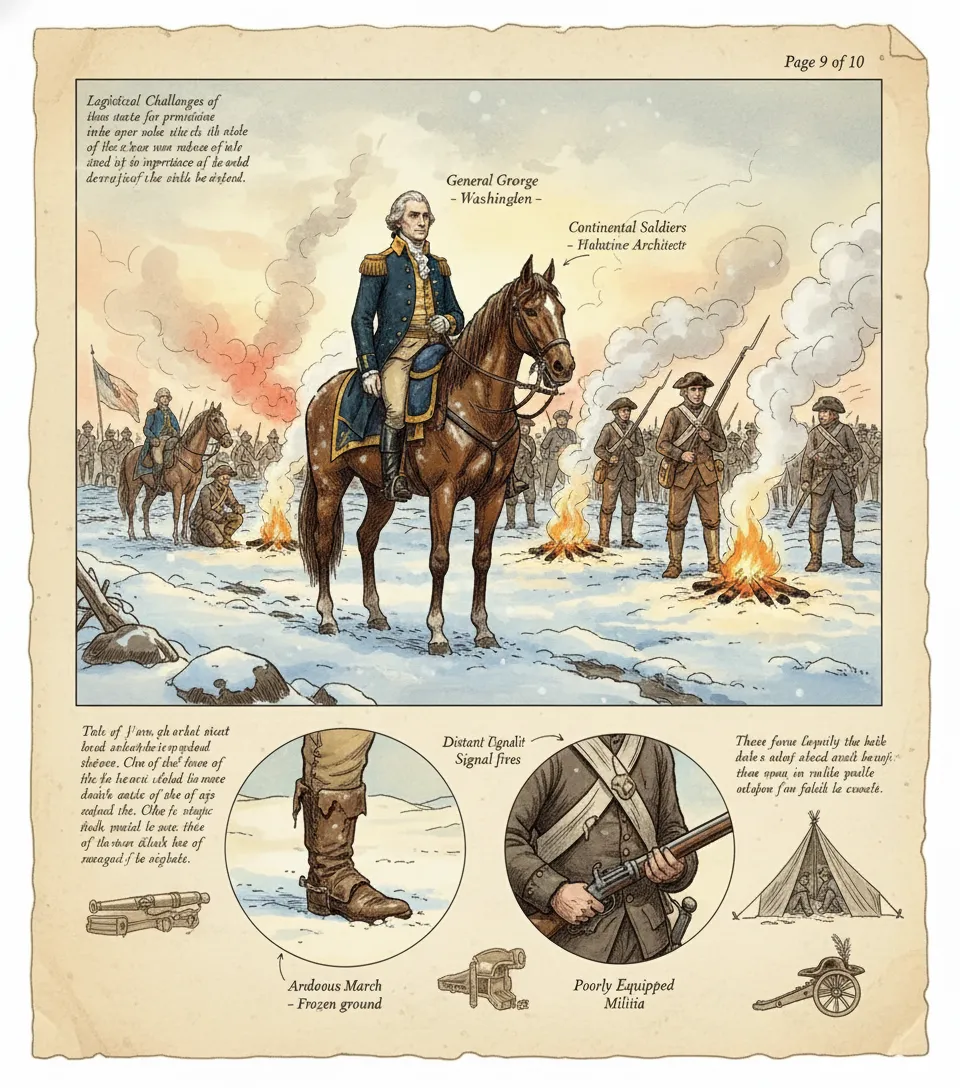
The signing of the Declaration triggered a long and arduous war. General George Washington, commander of the Continental Army, faced numerous challenges, including a poorly equipped and often demoralized army. Yet, his leadership and perseverance were crucial to the American victory.
Historical Fact: The Revolutionary War lasted for eight years and cost the lives of thousands.
Page 10
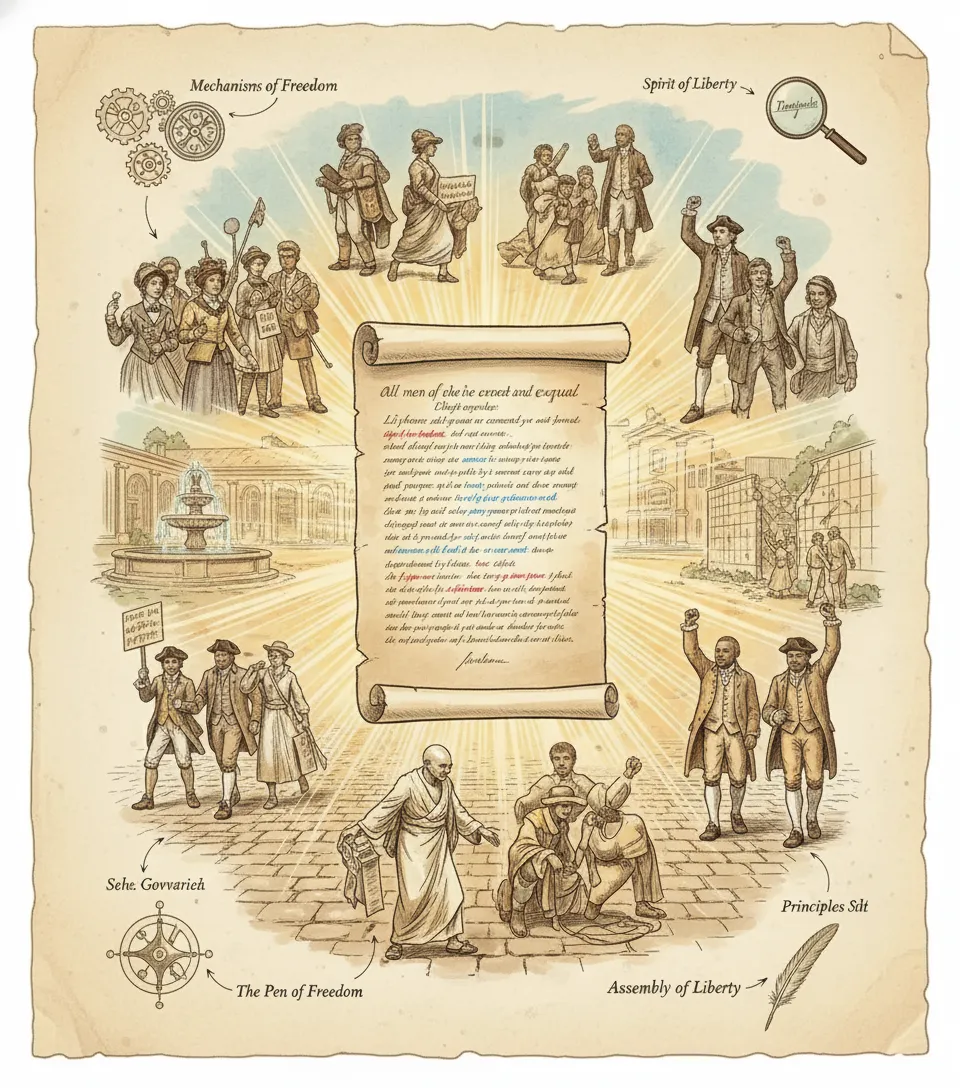
The Declaration of Independence laid the foundation for a new nation founded on the principles of liberty, equality, and self-government. Even today, the document serves as an inspiration for people seeking freedom around the world. As Maya Angelou said, 'History, despite its wrenching pain, cannot be unlived, but if faced with courage, need not be lived again.' The signing changed everything.
Historical Fact: The United States Constitution, adopted in 1788, further enshrined the principles of the Declaration of Independence.
About this story
- Historical figures: John Hancock, Thomas Jefferson, John Adams
- Location: United States
- Period: Early Modern
- Audience: general readers
Questions and answers
Questions and answers about The Signing of the Declaration of Independence (1776) - United States
Read Wonder History on your phone
Wonder History is available on Android and iPhone and iPad. Get Wonder History on Google Play · Get Wonder History on the App Store.
More Wonder History stories
- The Signing of the Magna Carta (1215, United Kingdom)
- The Singing Revolution (1988, USA)
- The Sinking of the Lusitania (1907, United Kingdom)
- The Sinking of the Spanish Armada (1588, United Kingdom)
- The Spanish Armada — United Kingdom & Spain (1588)
- The Spanish Conquest of the Aztec Empire — Mexico (1519)