The Spartacus Slave Rebellion (73–71 BC, Italy)
The Spartacus Slave Rebellion (73–71 BC, Italy) — an illustrated history story, featuring Spartacus, Crixus, Oenomaus, set in Italy. 10 illustrated pages, free to read on Wonder History.
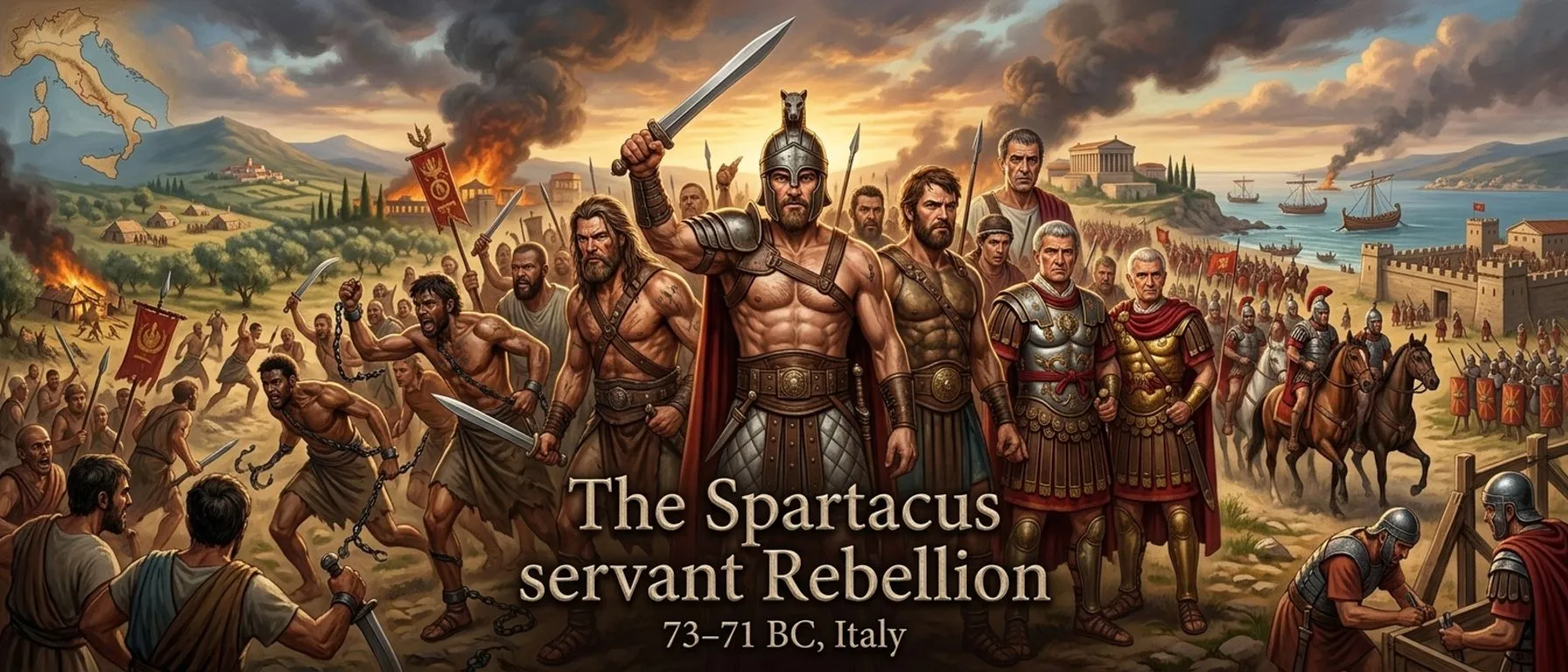
Page 1
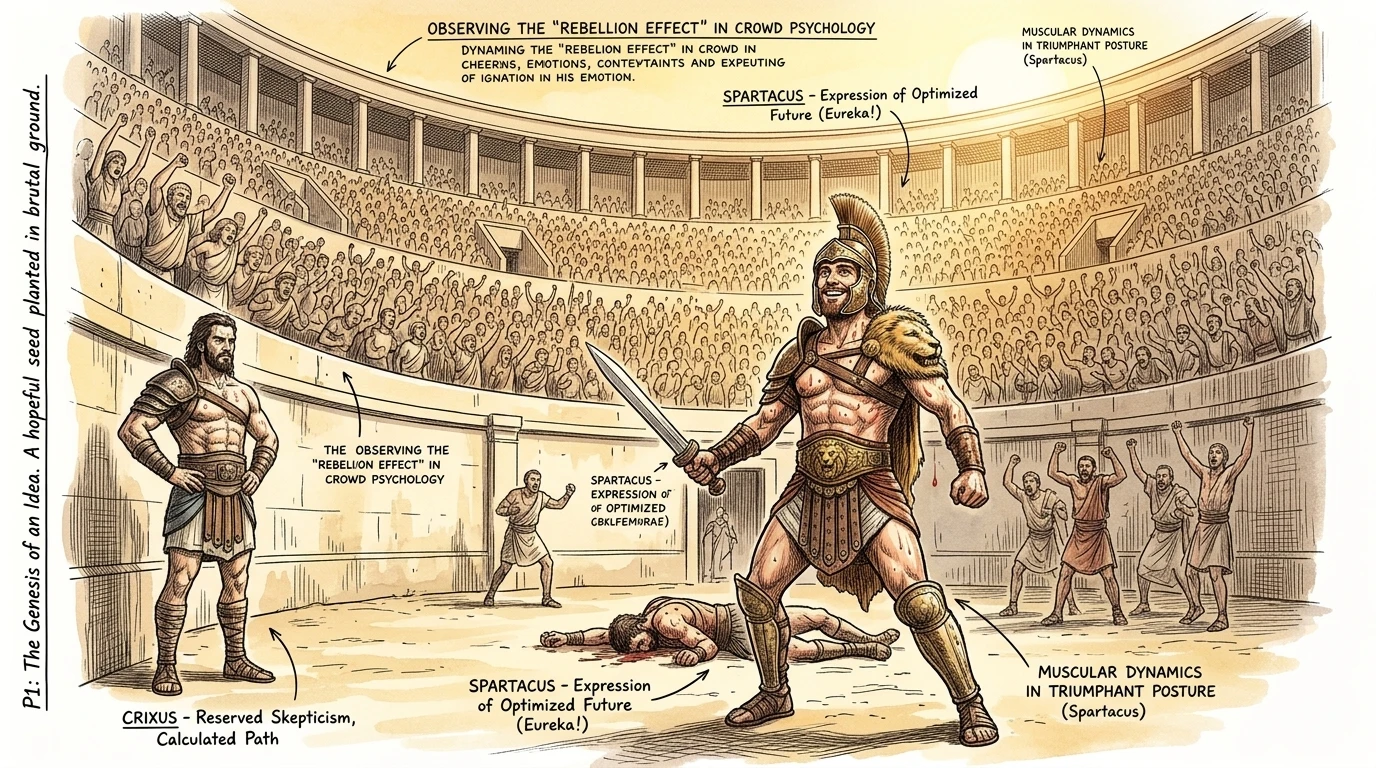
The year is 73 B.C. and the arena roars. Spartacus, covered in sweat and blood, stands over his fallen opponent, a Roman gladiator. Crixus, another gladiator, watches from the sidelines, his face a mask of grim determination. How did a Thracian slave become the leader of a rebellion that shook the Roman Republic to its core?"
Page 2
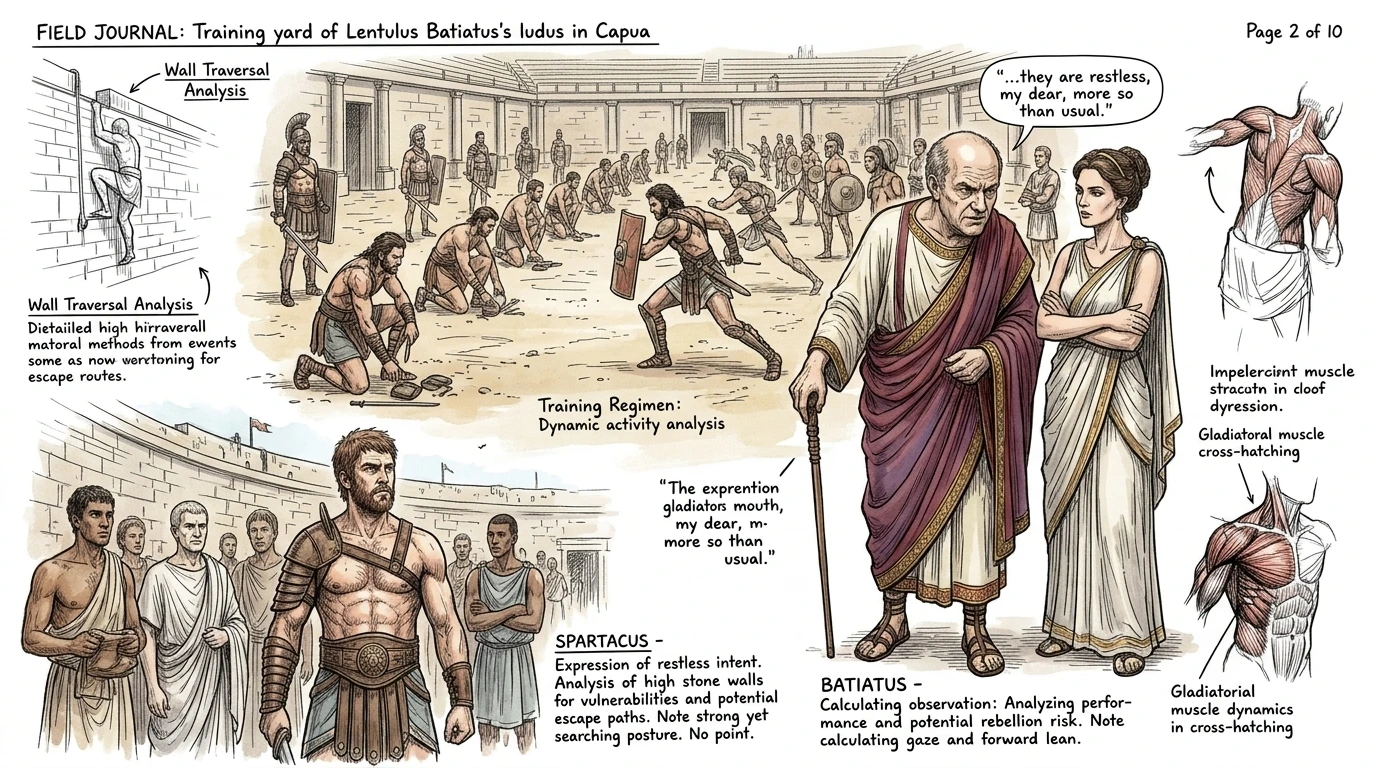
Lentulus Batiatus, owner of the gladiatorial school in Capua, surveyed his slaves with a calculating gaze. 'They are tools, nothing more,' he muttered to his wife. Spartacus, despite his physical strength, was restless, his eyes always searching for an escape. Little did Batiatus know, Spartacus was not just a slave, but a man yearning for freedom.
Page 3
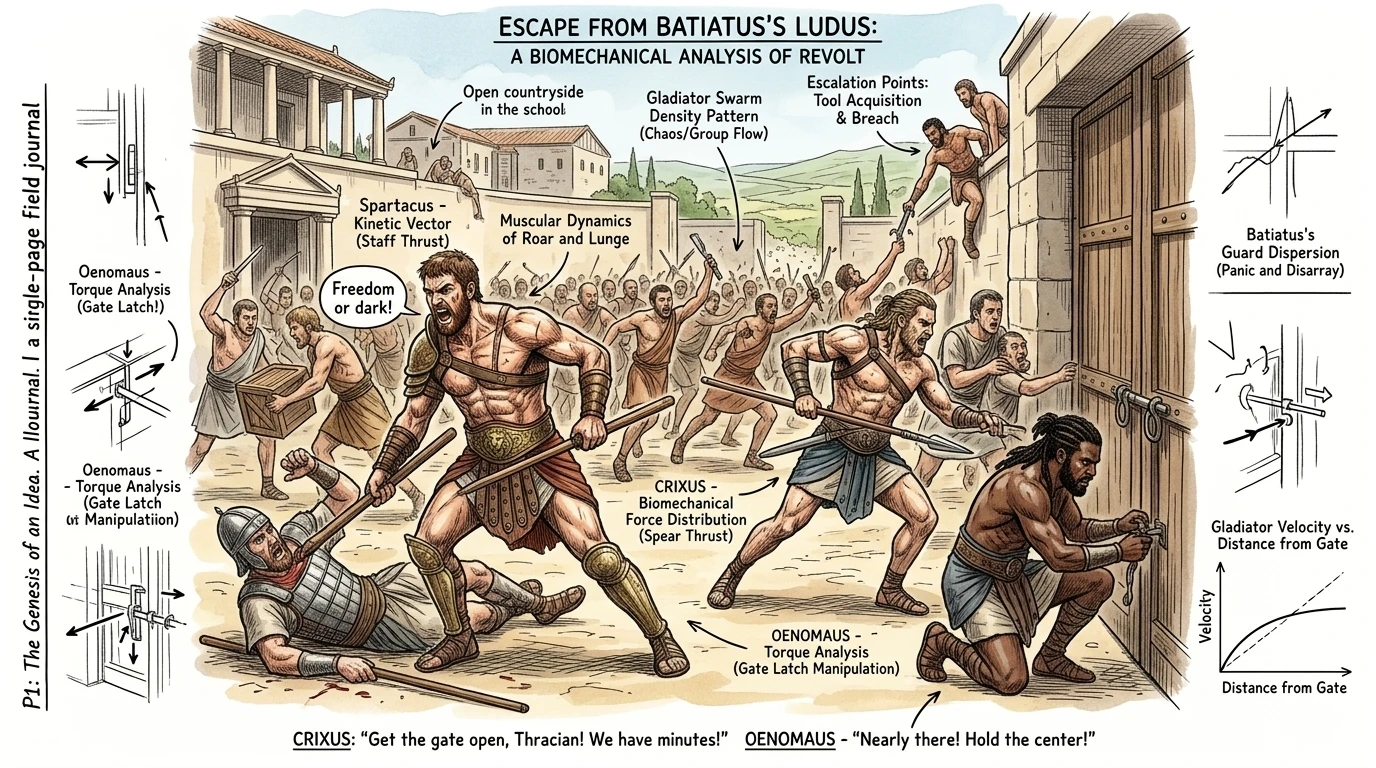
Seventy gladiators, led by Spartacus, Crixus and Oenomaus, overpowered their guards. 'Freedom or death!' Spartacus roared, his voice echoing through the school. They seized weapons, and escaped into the countryside. Their rebellion had begun.
Page 4
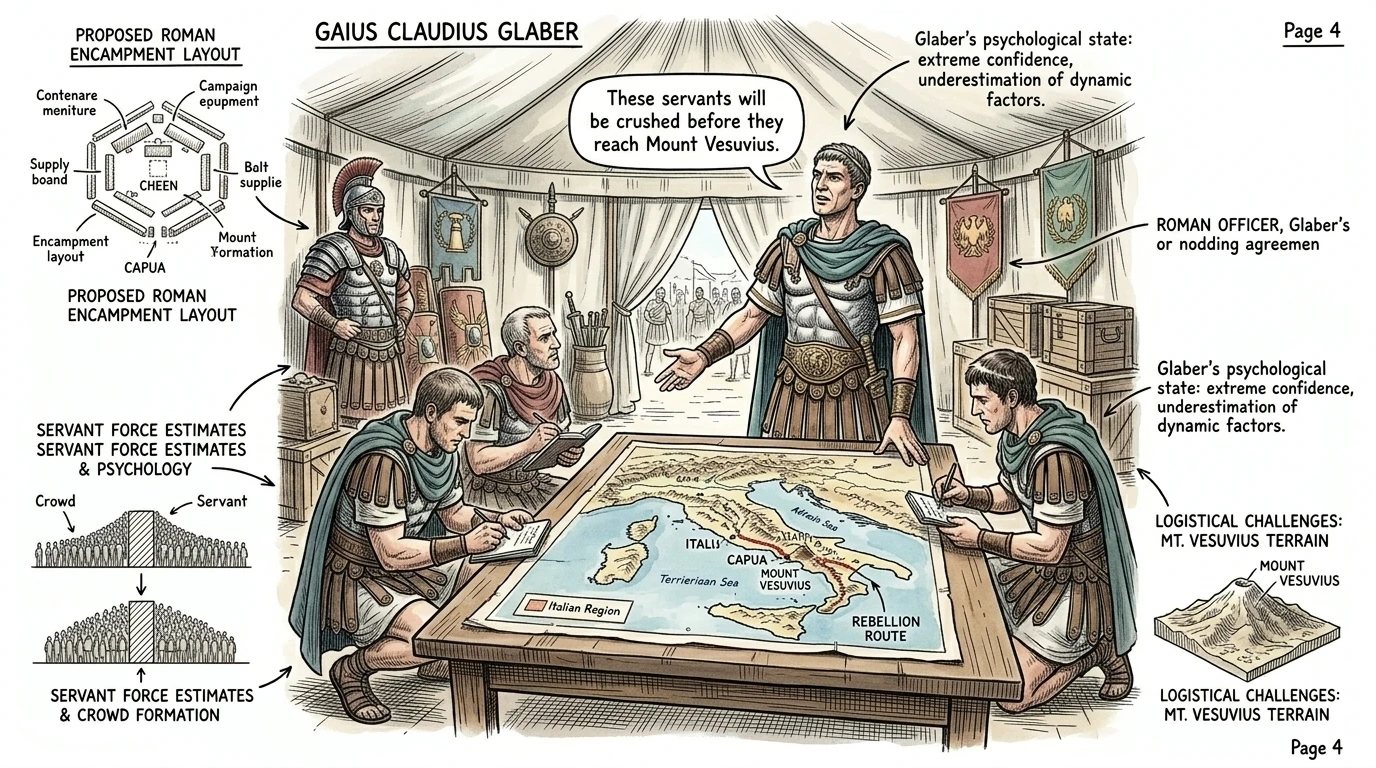
Gaius Claudius Glaber, a Roman praetor, was dispatched to suppress the rebellion. He saw it as a minor inconvenience. 'These slaves will be crushed before they reach Mount Vesuvius,' he declared to his officers. He underestimated Spartacus's strategic brilliance and the growing number of slaves flocking to his banner.
Page 5

Spartacus, using his knowledge of the terrain, outmaneuvered Glaber's forces on the slopes of Mount Vesuvius. He launched a surprise attack from above. 'Let them taste freedom's fury!' Spartacus cried. The Romans were routed, their arrogance shattered.
Page 6
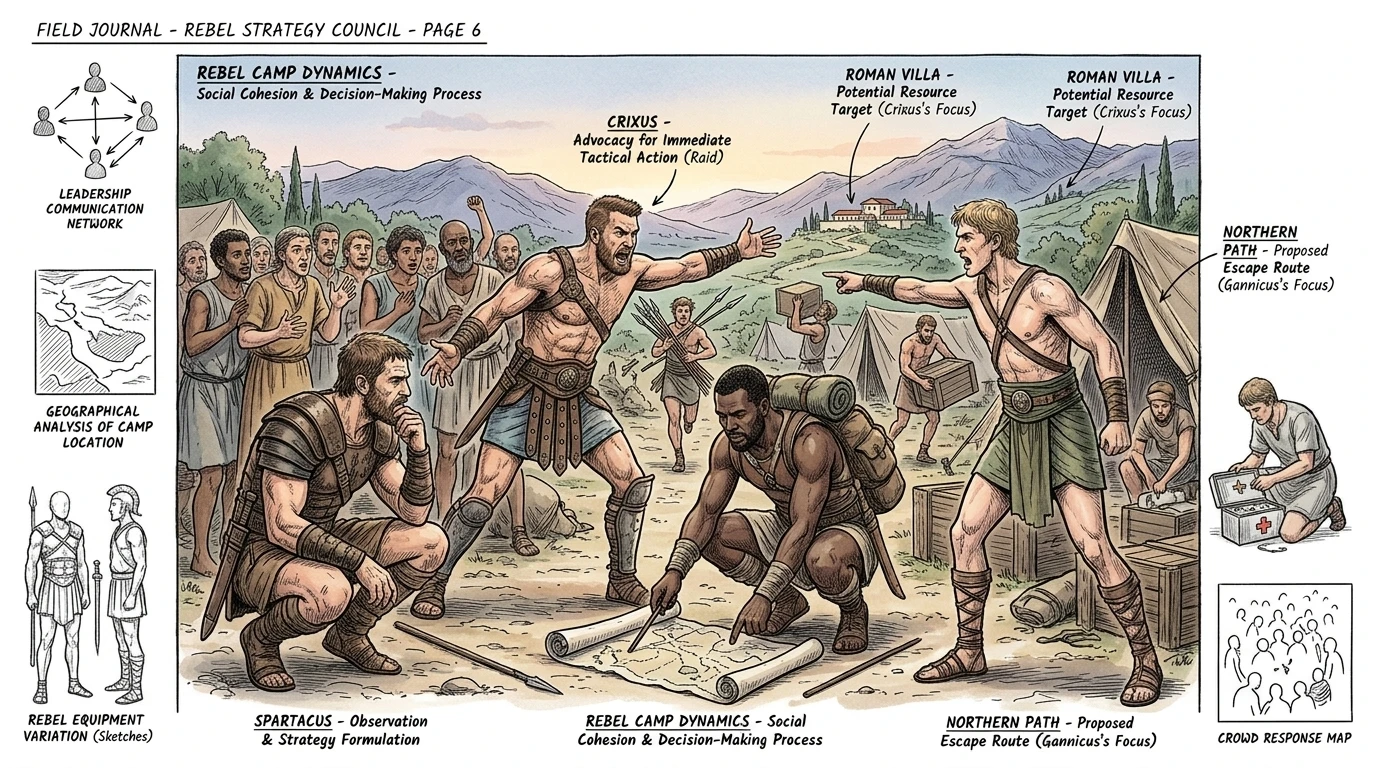
The rebellion swelled as more slaves joined Spartacus. Crixus, his loyal lieutenant, argued for raiding Roman villas. Gannicus, the Celtic gladiator, wanted to head north. Spartacus listened, knowing he needed to forge a unified strategy from their diverse desires.
Page 7
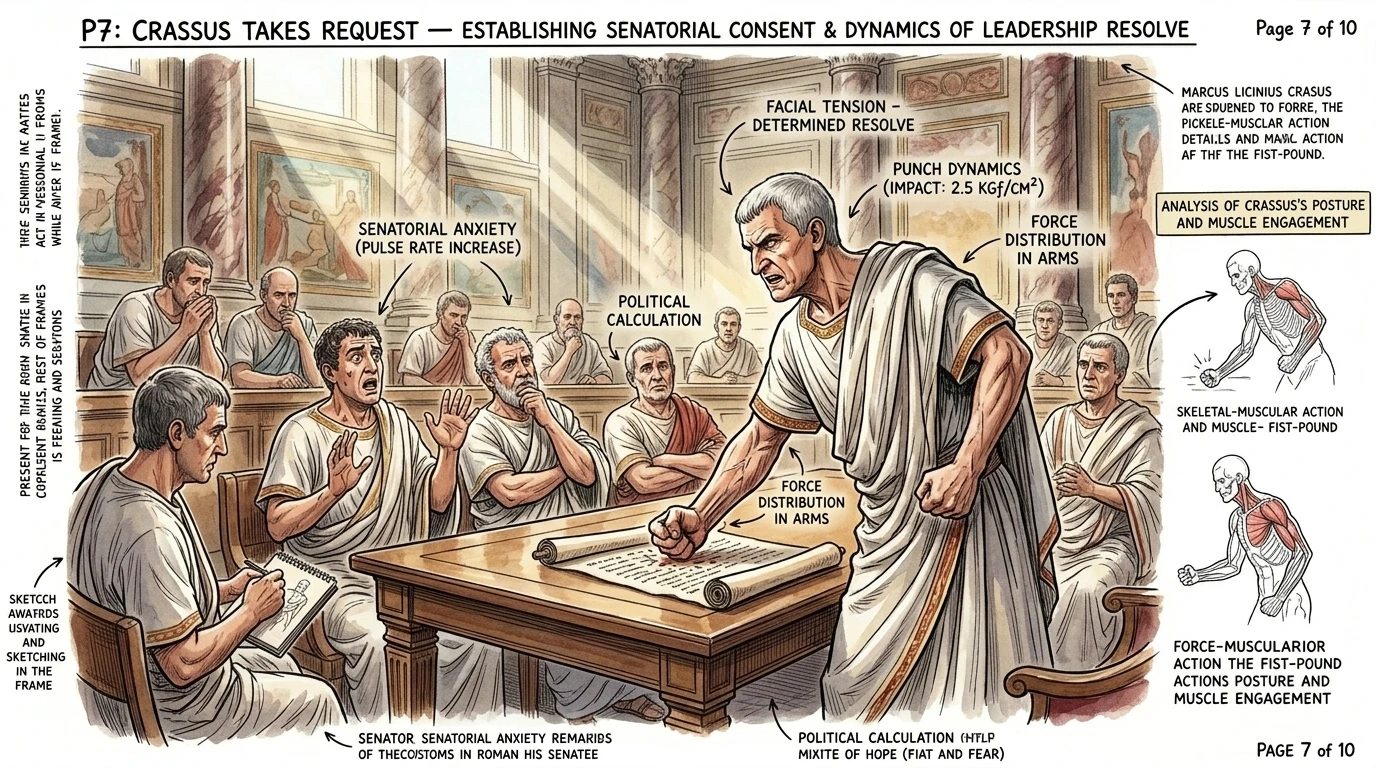
The Roman Senate, finally recognizing the severity of the threat, appointed Marcus Licinius Crassus, one of Rome's wealthiest men, to crush the rebellion. Crassus was determined to restore Roman honor. 'I will not return to Rome until this slave revolt is extinguished,' he vowed.
Page 8

Crassus cornered Spartacus's army in Bruttium. The final battle was inevitable. Spartacus knew the odds were stacked against them, but he refused to surrender. He told his men that, as Seneca said, 'It is not living that matters, but living rightly.'
Page 9
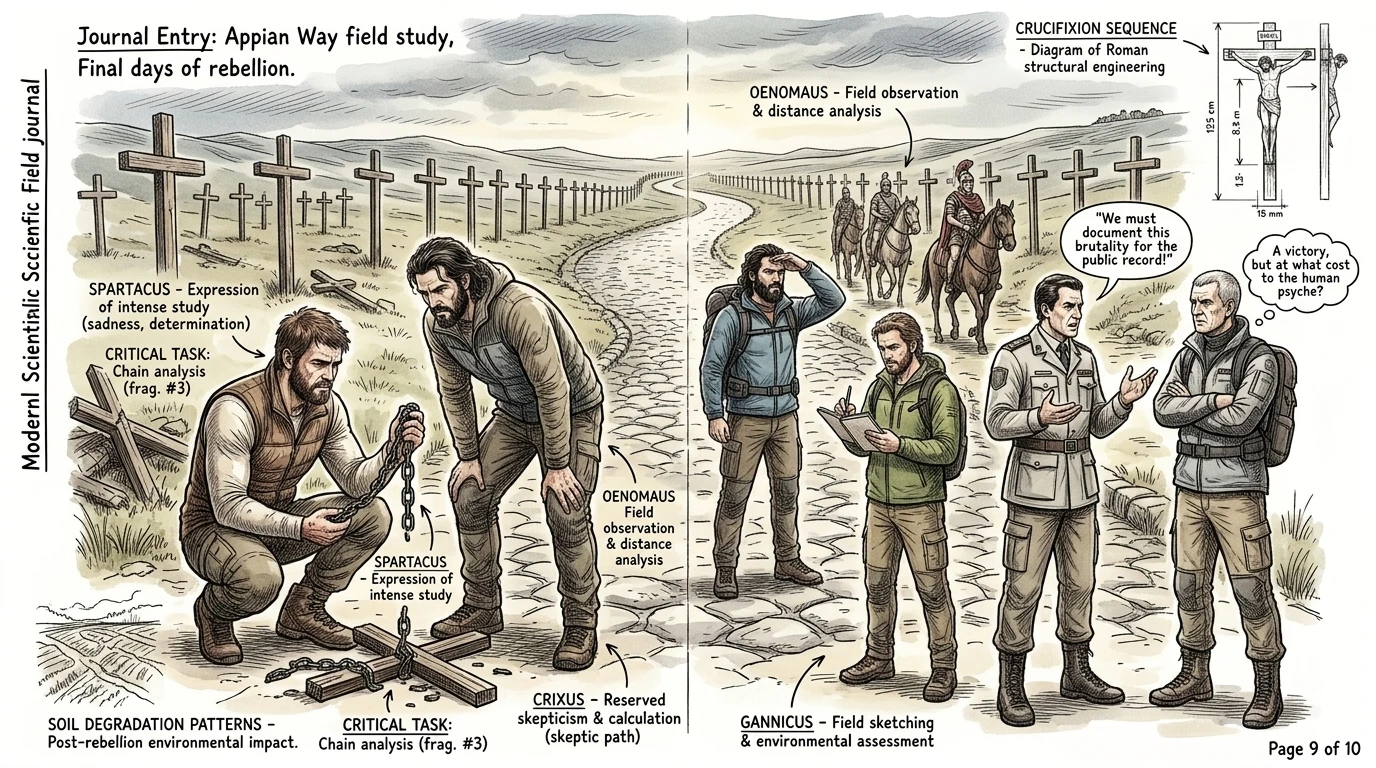
Spartacus fell in battle, but his rebellion left an indelible mark on Roman society. Crixus had died earlier in a separate engagement. Thousands of slaves were crucified along the Appian Way as a warning. Yet, the fear of slave revolts haunted Rome for generations.
Page 10
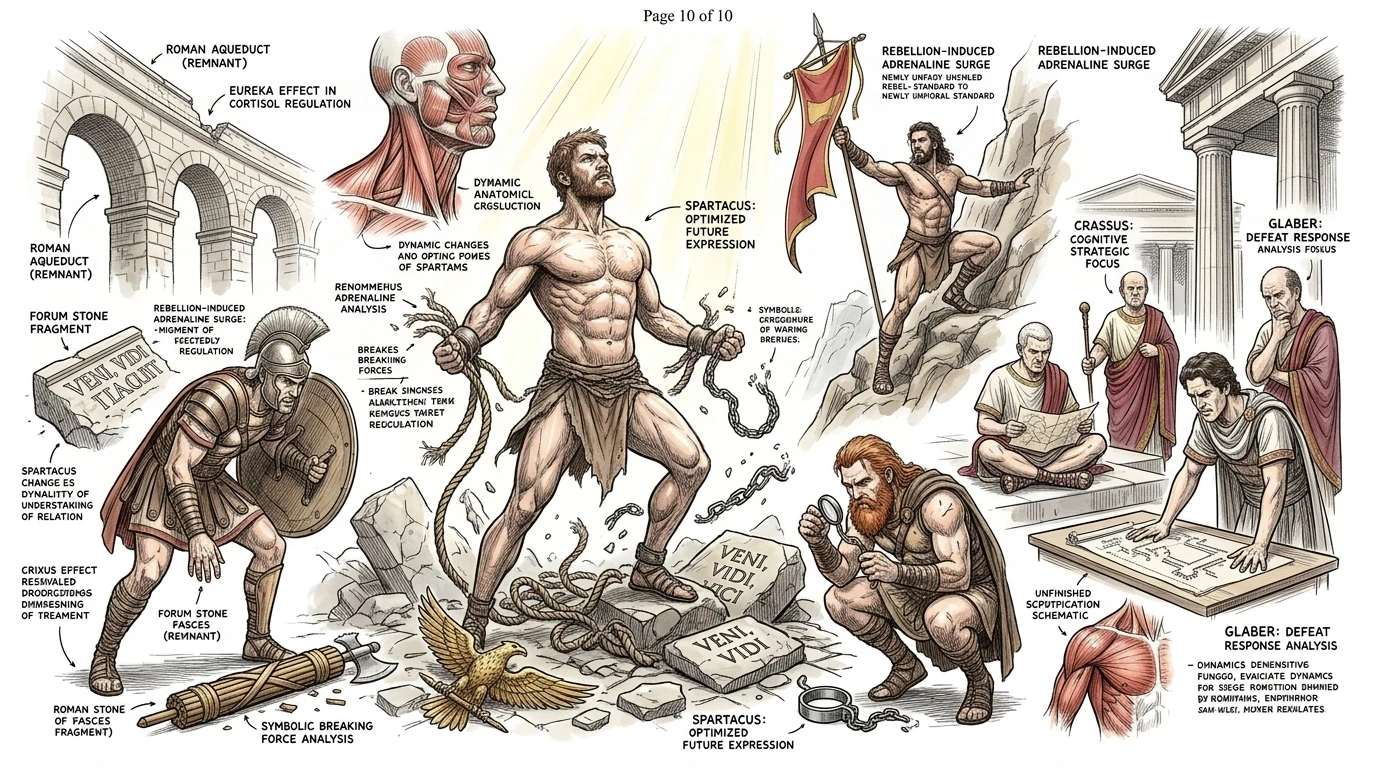
Though Spartacus's rebellion was ultimately crushed, it exposed the deep social inequalities within the Roman Republic. It revealed the cruelty upon which Roman power was built. The name of Spartacus became synonymous with resistance and the fight for freedom.
About this story
- Historical figures: Spartacus, Crixus, Oenomaus
- Location: Italy
- Period: Ancient
- Audience: general readers
Questions and answers
Questions and answers about The Spartacus Slave Rebellion (73–71 BC, Italy)
Read Wonder History on your phone
Wonder History is available on Android. Get Wonder History on Google Play.