Thus Spoke Zarathustra
A prophet descends from his mountain to teach humanity how to overcome itself.
Page 1

For ten years, Zarathustra lived in solitude on his mountain. He grew in wisdom until, like a bee that has gathered too much honey, he felt he must go down to mankind and share what he had learned. One morning, he stood at the entrance to his cave and spoke to the rising sun. "You great star! What would your happiness be if you did not have those for whom you shine?" he said. "For ten years you have come up to my cave, and you would have grown weary of your light if not for me, my eagle, and my serpent." He told the sun that he was overflowing and must give his wisdom away. "Like you, I must go down among men," he declared. "Bless me, you calm eye that can look without envy upon an overflowing happiness. I am going down."
Page 2
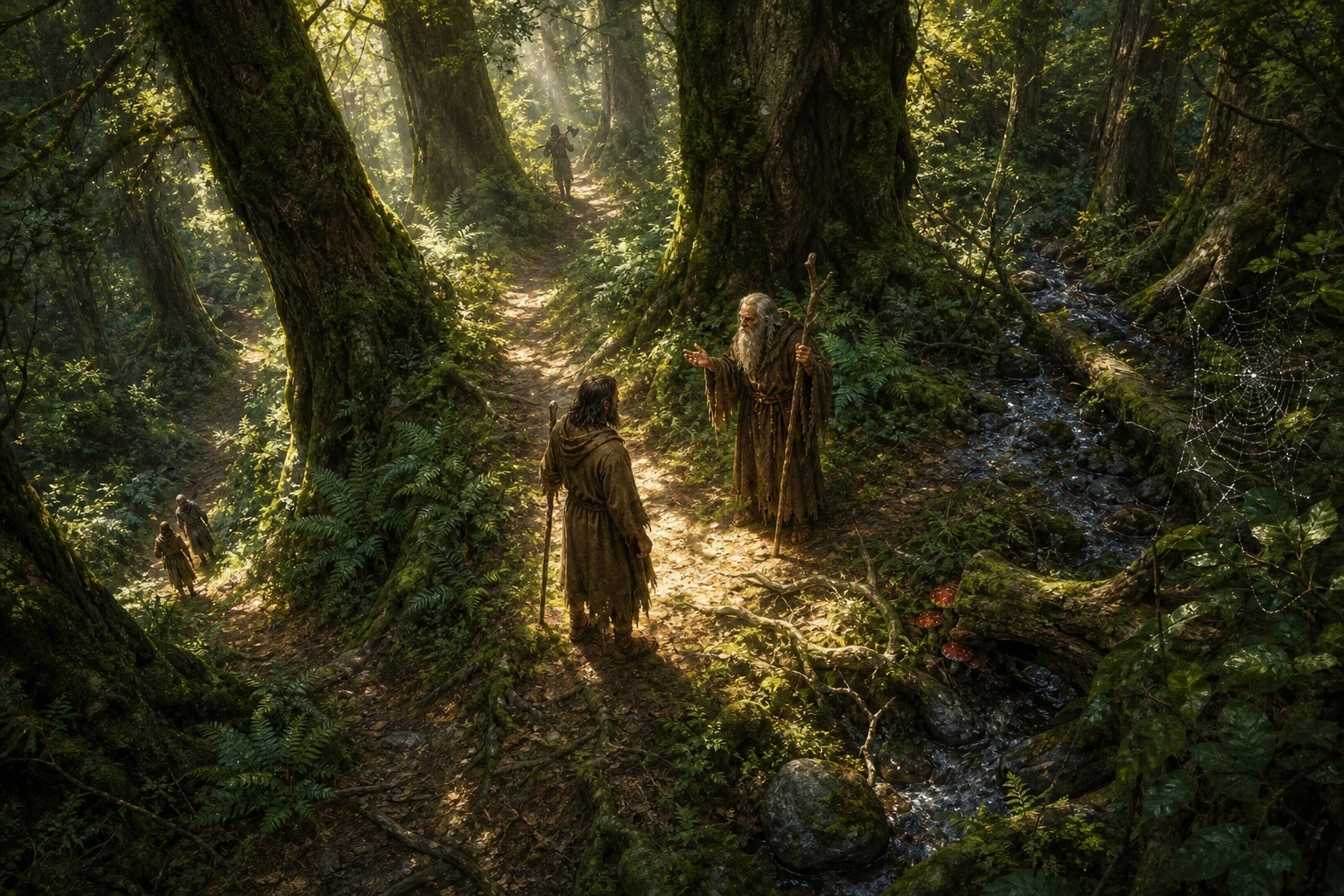
As Zarathustra descended through the forest, he came upon an old saint who had left the cities of men to praise God in the wilderness. The old man recognized Zarathustra. "You carry your ashes to the valley," the saint said. "Will you now try to carry your fire?" Zarathustra explained he was bringing a gift to mankind. "Give them nothing," the saint warned, leaning on his staff. "Better to take something from them and bear it with them. Or give them alms, but make them beg for it." "I give no alms," Zarathustra replied firmly. "I am not poor enough for that." They parted ways, the saint laughing. Once he was alone, Zarathustra wondered at the old man's words. "Is it possible?" he said to his heart. "This old saint in his forest has not yet heard that God is dead!"
Page 3
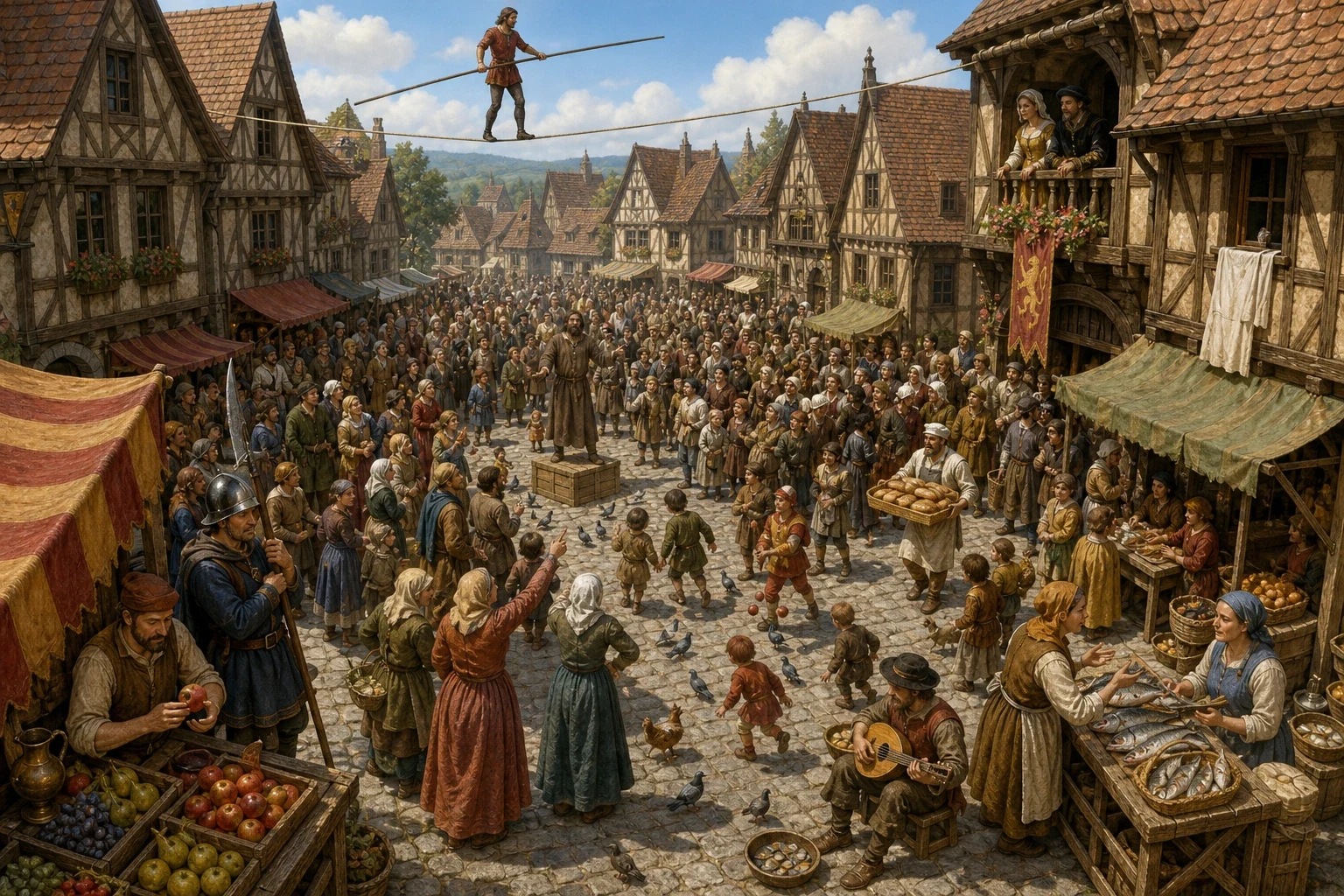
"I teach you the Übermensch!" Zarathustra cried out to the crowd in the marketplace. "Man is something that shall be overcome. What have you done to overcome him?" He stood on a crate to be seen, his voice ringing out over the babble. He told them that the Übermensch is the meaning of the earth, the lightning from the dark cloud of man. "Man is a rope, tied between beast and Übermensch—a rope over an abyss." But the people, who had gathered to watch a tightrope walker, did not understand. They laughed and mocked him, thinking he was part of the performance. "Let us see the tightrope walker!" they shouted, pointing up at the rope stretched between the roofs. "Enough talk from this fool!" Disheartened, Zarathustra saw that their hearts were closed. They wanted entertainment, not wisdom.
Page 4
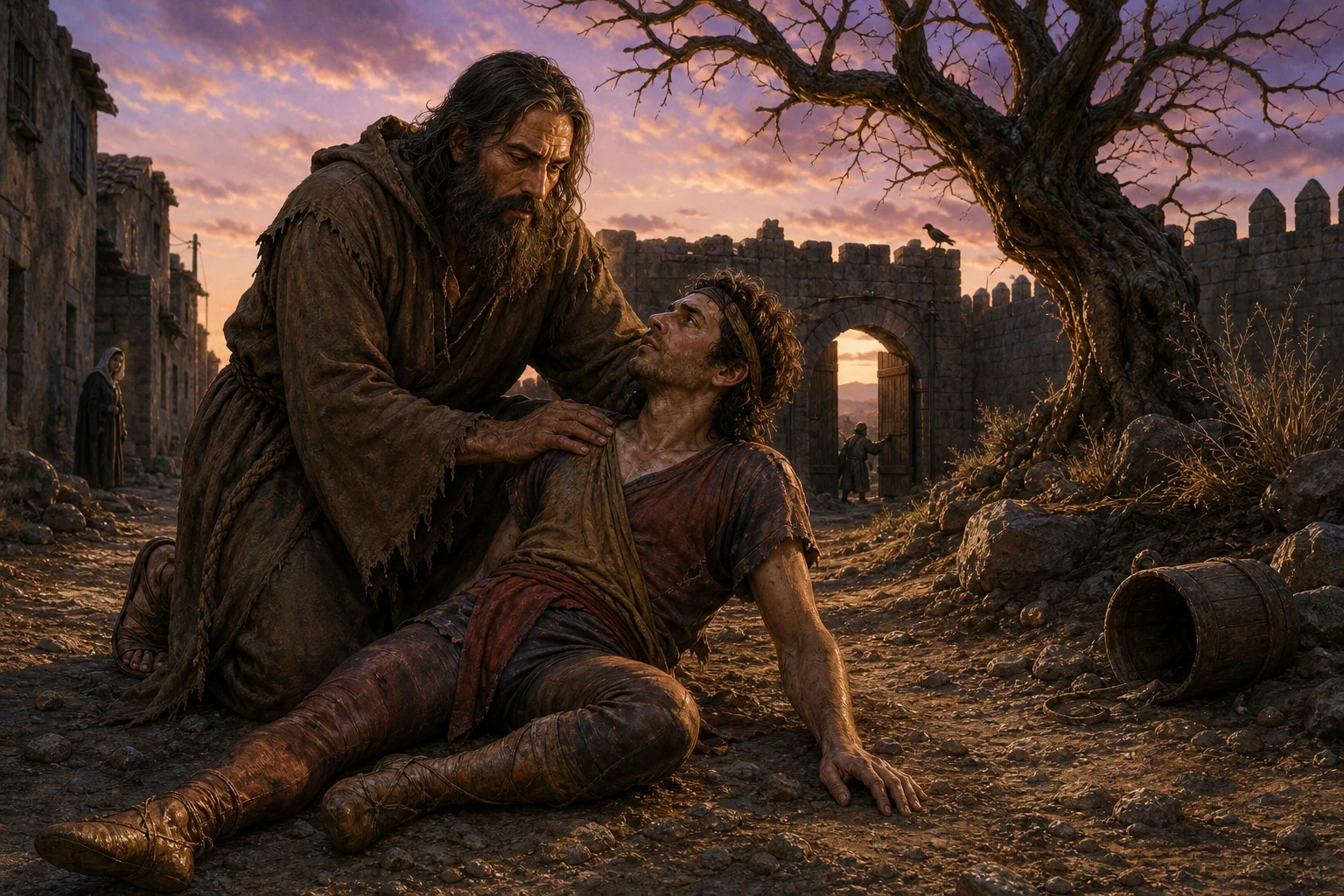
Startled by a rival, the tightrope walker fell from the rope. The crowd scattered in terror, and Zarathustra alone went to the dying man. "I always knew the devil would trip me up," the acrobat gasped. "No," said Zarathustra gently, kneeling beside him. "There is no devil and no hell. Your soul will be dead even before your body. Fear nothing more." The man looked at him with suspicion. "If you speak the truth," he said, "then I lose nothing when I lose my life. I am not much more than a beast." "You have made danger your calling," Zarathustra replied, his voice calm and firm. "There is nothing in that to despise. For that, I will bury you with my own hands." The man died, and Zarathustra lifted the body to carry it into the night, seeking a place to bury his first and only companion.
Page 5
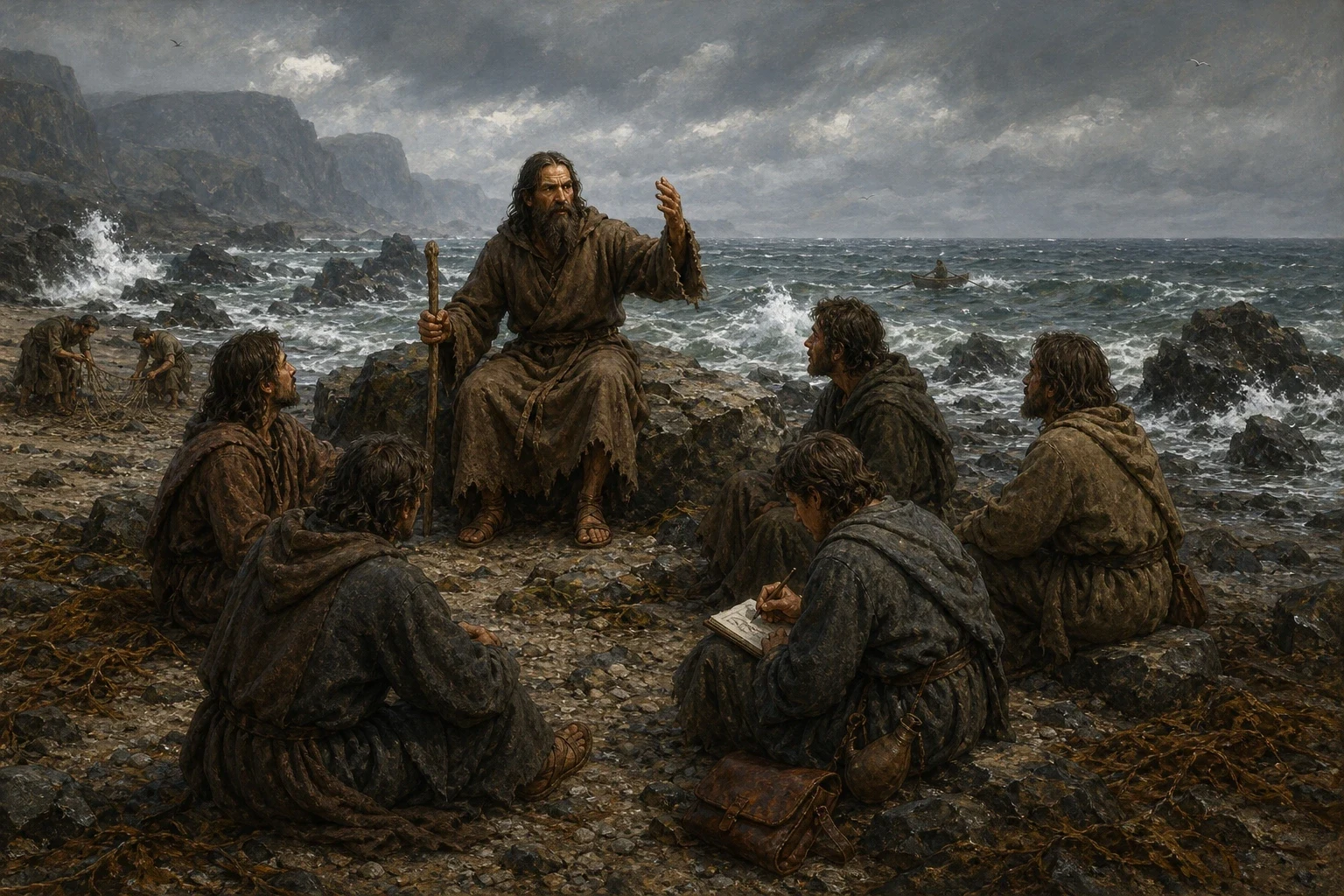
Zarathustra now had companions, and he would often speak with them in quiet places. One day, sitting by the sea, he warned them of those he called 'tarantulas'. "They are preachers of equality," he said, looking out at the churning water. "In their hearts, they are spiders of vengeance. They say, 'What man can do, all may do,' and this seems like justice. But it is a poison." He told his disciples that life is a will to power, always seeking to overcome itself. "Life told me this secret: 'Behold,' it said, 'I am that which must always overcome itself.' To create new values, to rise above the comfortable herd—that is the goal. Do not believe the tarantulas who spin webs of spiteful equality. Be creators!"
Page 6
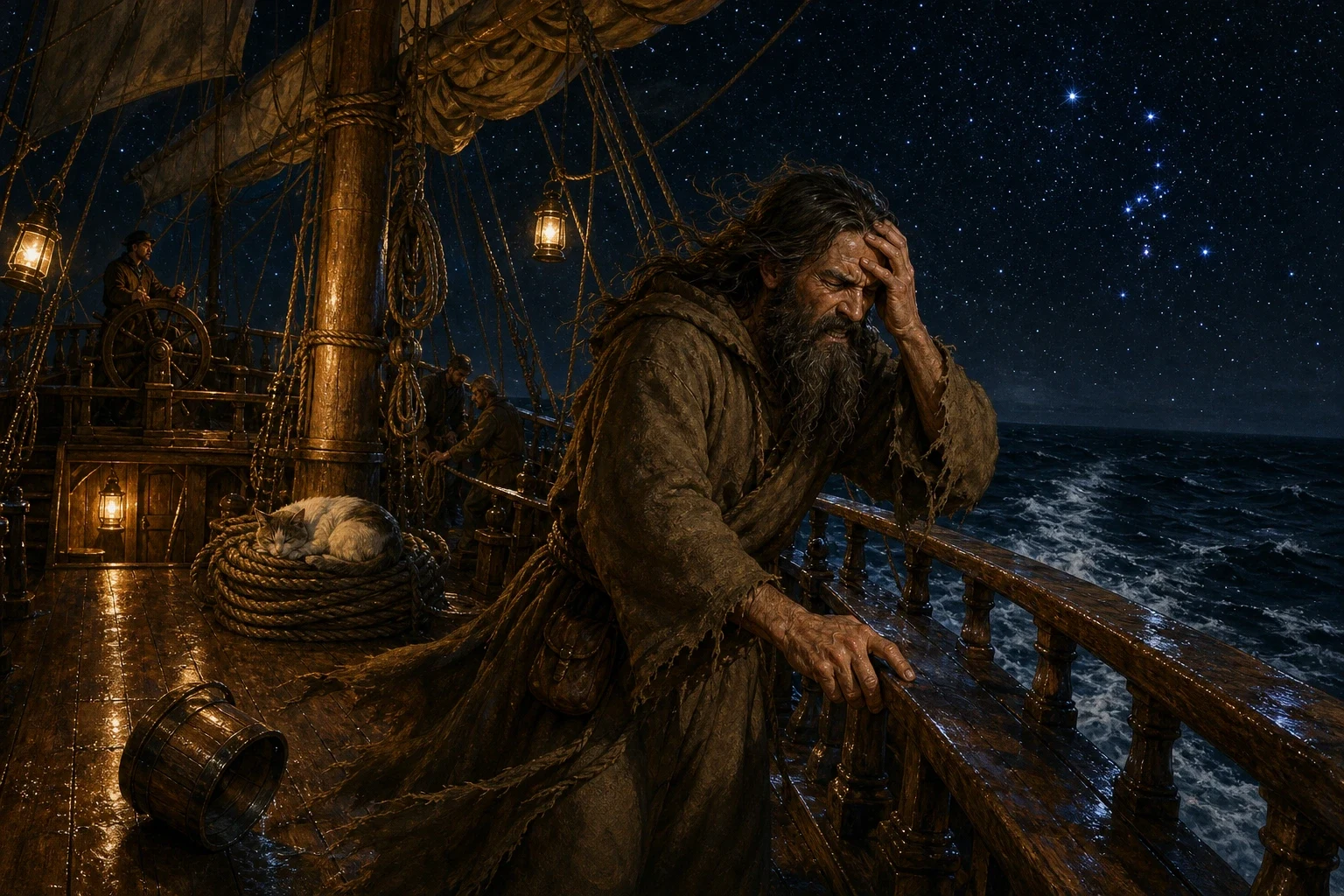
Zarathustra left his disciples to seek deeper solitude, boarding a ship to cross the sea. But on the journey, he was overcome by a great sickness, a profound disgust for humanity. He saw the smallness of man, his petty virtues and contented misery. "Everything is small!" he cried in his heart. "The best are too small! The worst are too small! This is my disgust with man!" He felt he might drown in his own despair, clinging to the ship's rail under the cold stars. "This great sickness must be overcome," he told himself, his knuckles white on the railing. "My pride must conquer this loathing. It is a trial, or it will destroy my purpose entirely."
Page 7
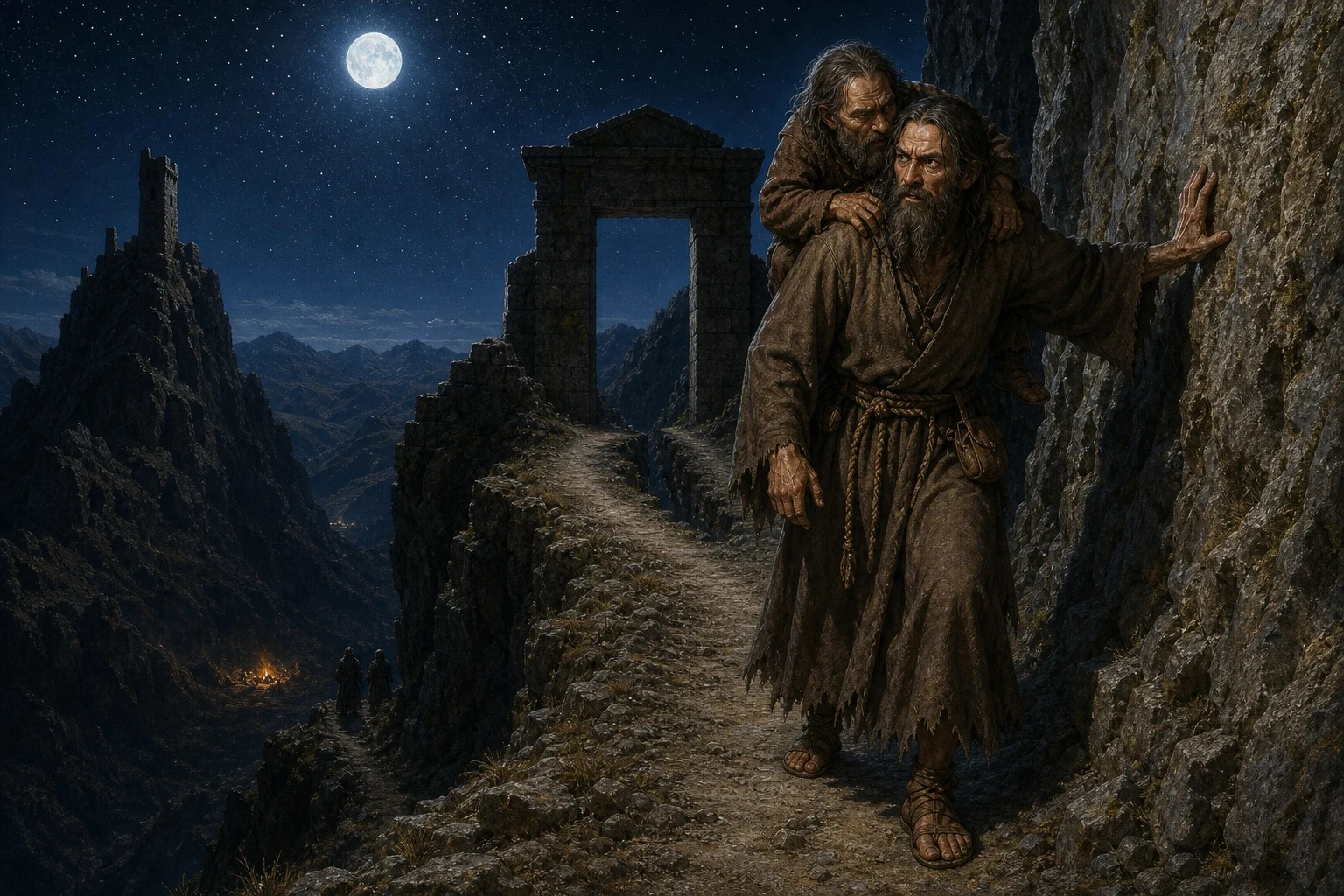
Climbing a steep path, Zarathustra felt a dwarf, the spirit of gravity, leap onto his back. "O Zarathustra," the dwarf whispered, weighing him down, "you stone of wisdom! You throw yourself high, but every thrown stone must fall!" They came to a gateway where two paths stretched on forever. "These paths contradict each other," the dwarf sneered. "And at this gateway, this moment, they meet. Must not all things that can run have already run along this lane? Must not whatever can happen have already happened, been done, run past?" The dwarf spoke of the eternal recurrence, hissing the words into Zarathustra's ear. "Everything will return," he said, "even this spider, and this moonlight, and you and I whispering together, eternally." The thought struck Zarathustra with a horror he had to fight to overcome.
Page 8
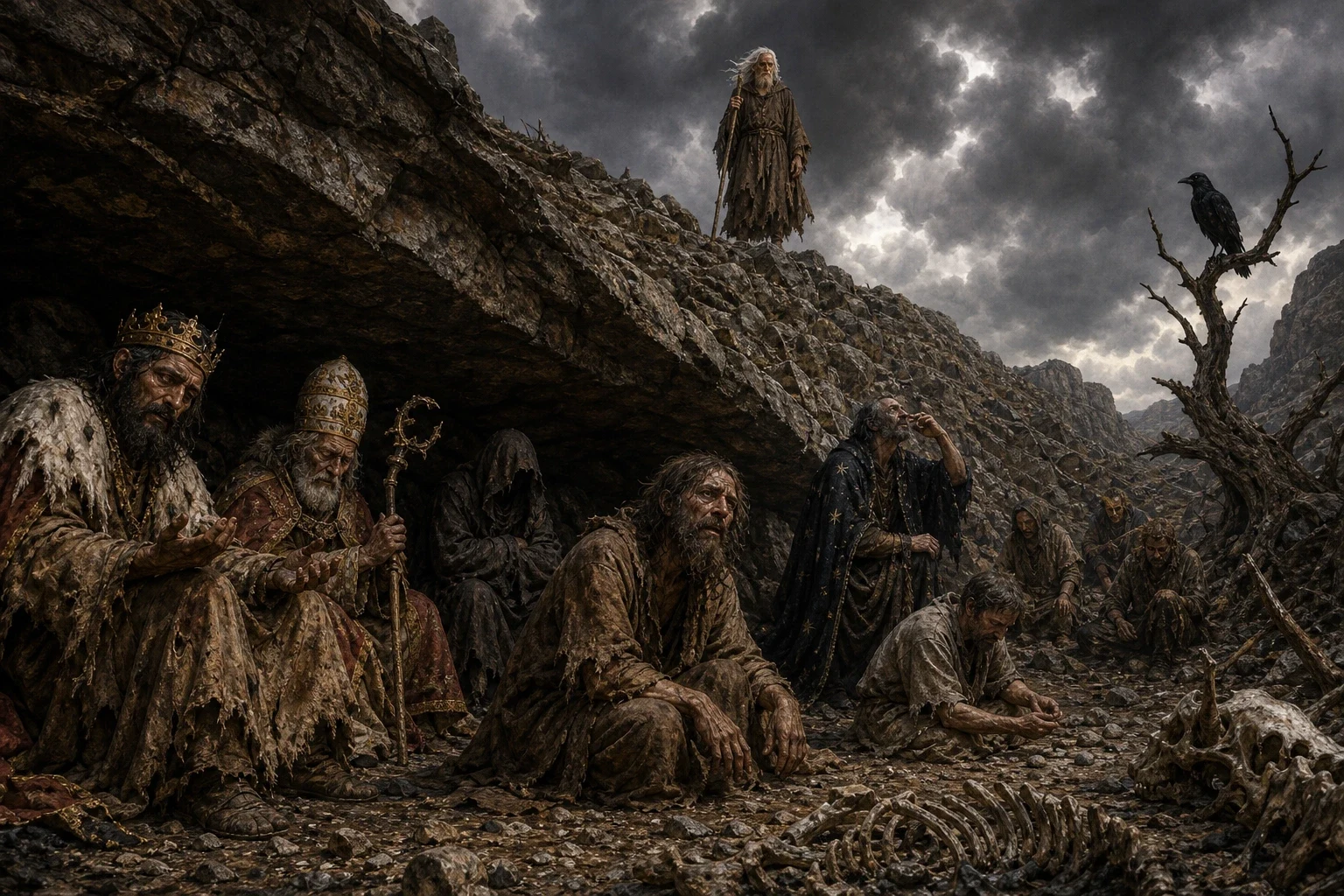
Years passed, and Zarathustra's hair turned white. One day, a cry of distress echoed up to his cave, and he descended one last time. In a desolate valley, he found them: the 'Higher Men'. There were kings without thrones, a pope without faith, a sorcerer, and others. The Ugliest Man, who called himself the murderer of God, cried out, "The God who saw everything—even man: that God had to die! Man could not endure that such a witness should live." The old pope looked up as Zarathustra approached. "I sought the last pious man," he said, his voice hollow, "but I found him no more. Now I seek the most impious man, Zarathustra." Zarathustra felt a great pity for them all, a temptation he knew he must overcome. He resolved to act. "Come," he said, his voice gentle but firm. "My cave is a harbor for you."
Page 9
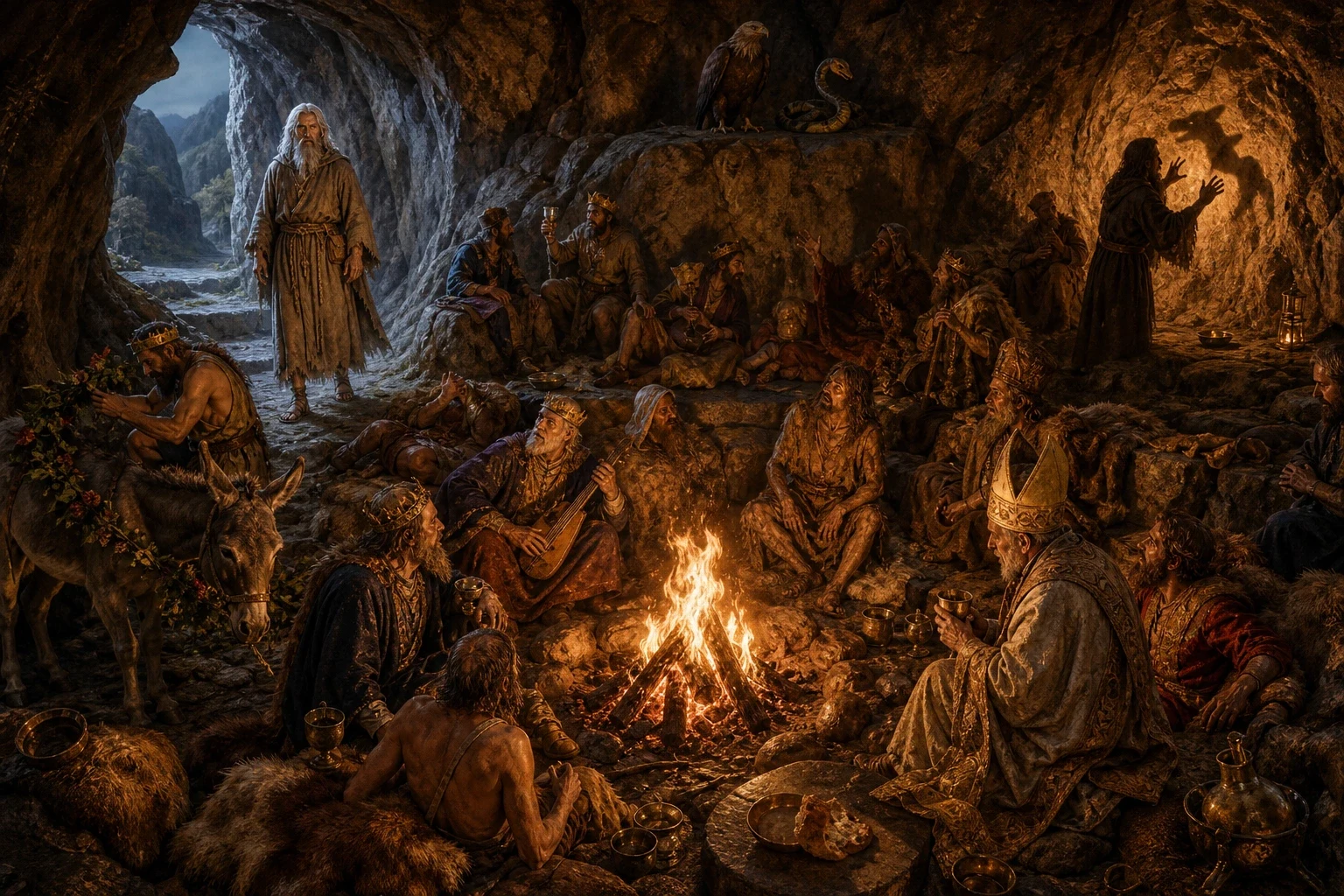
Zarathustra led the Higher Men to his cave. They held a strange feast, singing with desperate gaiety. "For the first time today, I feel happy," one of the kings declared, raising a cup. Zarathustra watched them, feeling his final temptation: pity. His heart ached for these broken men. He stepped away from the firelight into the darkness for a moment. "My suffering and my pity—what do they matter?" he asked himself. "I am striving for my work!" He hardened his heart, and when he stepped back into the light, his pity was gone. He looked at them all calmly. "You are only bridges," he told them, his voice clear and without sorrow. "May higher men than you step across upon you!"
Page 10
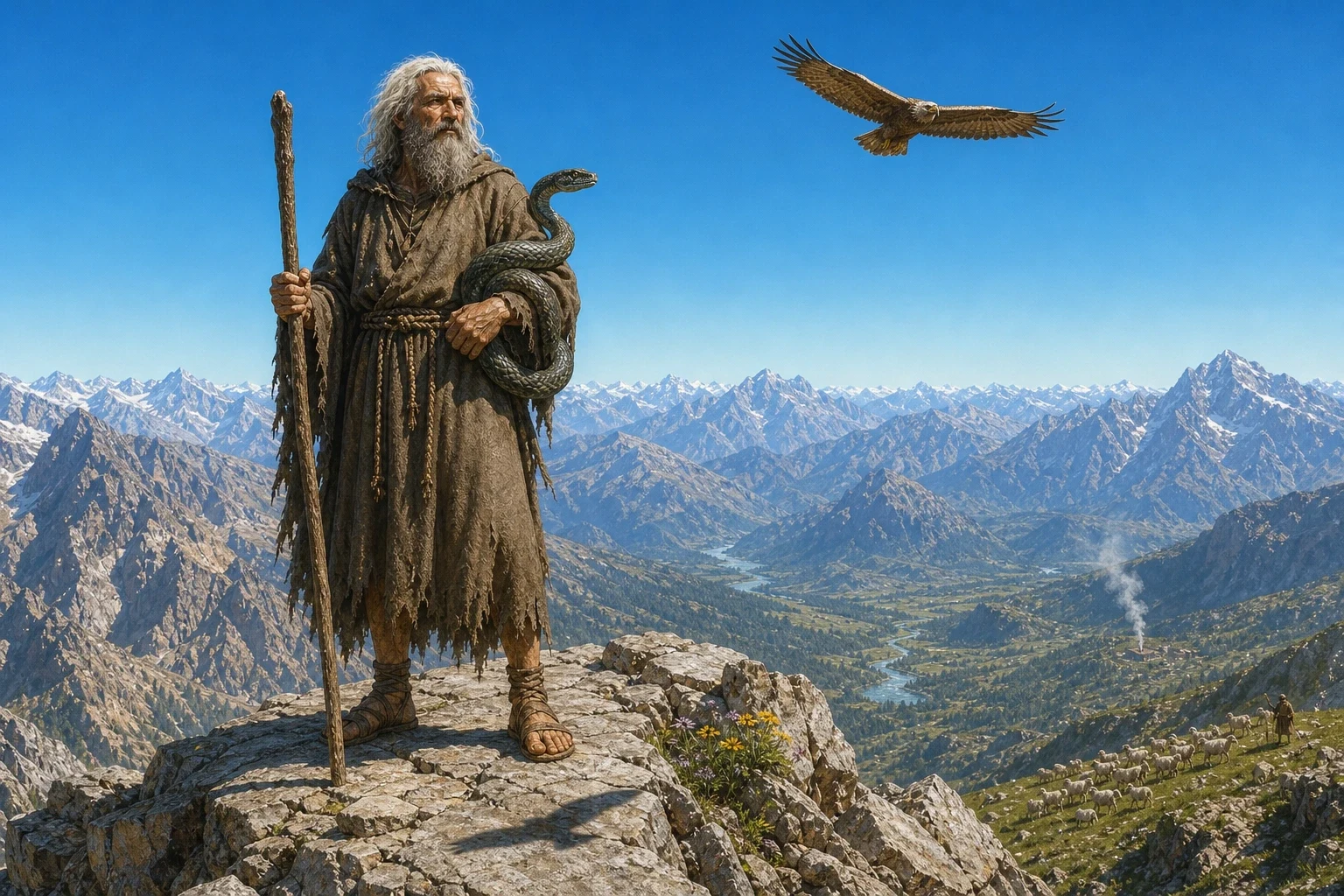
At dawn, Zarathustra left the Higher Men sleeping. He stepped out into the morning, his heart strong and light. His long trial was over. He had overcome disgust, affirmed eternal recurrence, and conquered pity. As the sun climbed to its highest point, he stood on the summit. "Well then!" cried Zarathustra, his voice joyful and strong. "The lion has come. My children are near." He was no longer a sower waiting for a harvest; he was ready for his own great noon, his own purpose. He raised his face to the sun. "This is my morning, my day begins," he proclaimed to the sky. "Arise now, arise, you great noon!"
About this story
- Audience: general readers
Read Wonder Novels on your phone
Wonder Novels is available on Android. Get Wonder Novels on Google Play.