War and Peace
A prince, a wandering heir, and the woman they both loved, carried through the drawing rooms of Petersburg and the battlefields of Napoleon's Russia
Page 1
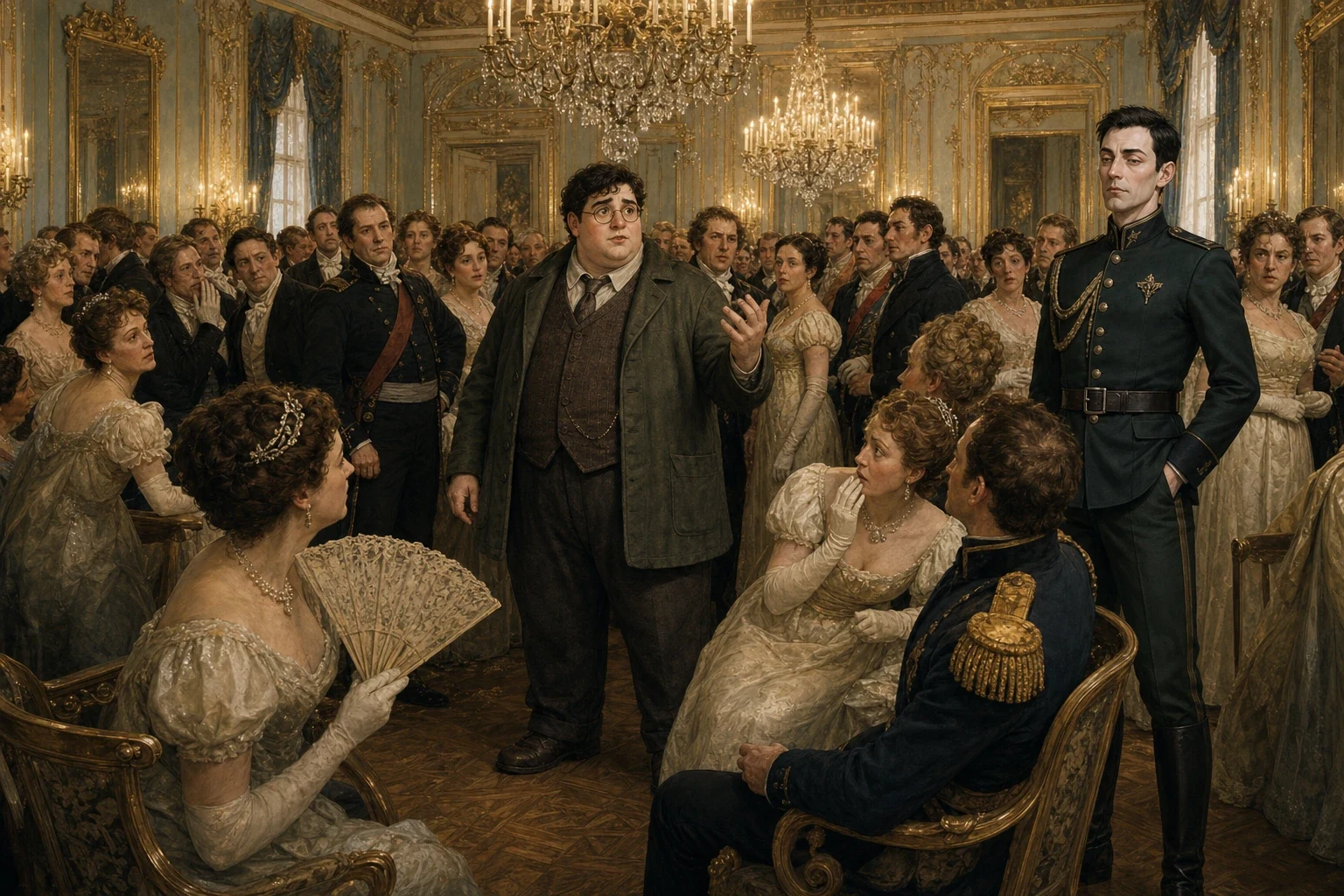
In the summer of 1805, the drawing rooms of Petersburg were full of talk of one man: Napoleon Bonaparte, who had crowned himself Emperor of the French and now threatened all of Europe. At the house of the fashionable Anna Pavlovna Scherer, the cream of Russian society gathered to gossip and take sides, speaking French because it was the polite language of the day even as they worried about a French army. Into this glittering, anxious room came two very different young men. Pierre Bezukhov was large, clumsy and kind, newly back from abroad, and he said exactly what he thought, which startled everyone. Prince Andrei Bolkonsky, elegant and cold-eyed, found the whole room tiresome and false, and he alone was glad to see Pierre arrive. The two men were old friends, and as the evening wore on they drew apart from the crowd to talk honestly, while around them the empty talk went on and on.
Page 2
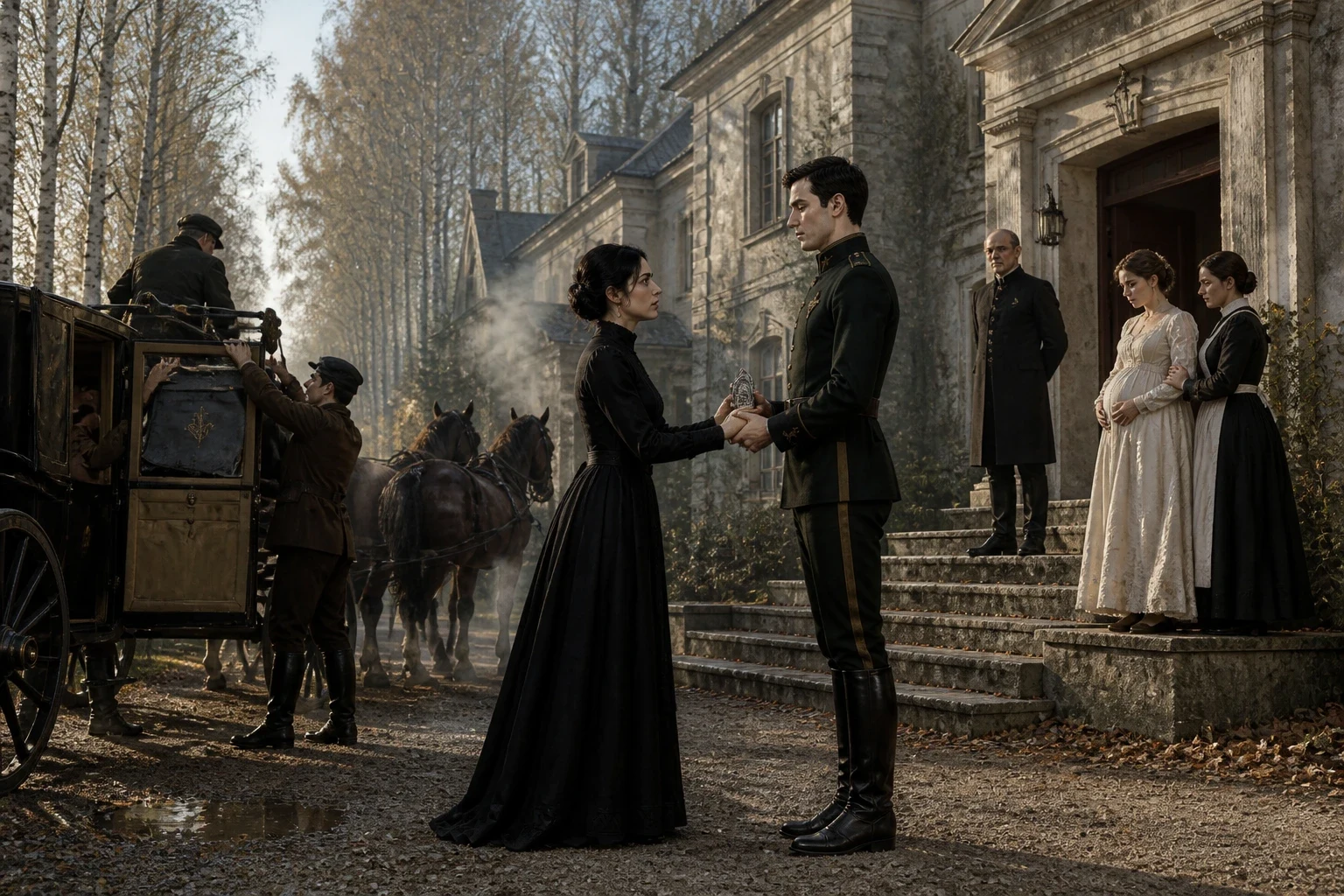
Prince Andrei's family lived far from Petersburg, on an old estate called Bald Hills, ruled over by his father, a strict, clever, difficult old man. Before Andrei left to join the army, he came home to say goodbye. He left his young wife, Lise, in his father's house, to be cared for through her coming confinement — though it was not a tender parting, for Andrei had grown cold toward his marriage and was glad, in a quiet, guilty way, to be going. His sister, Princess Marya, deeply religious and plain and kind, walked with him out to the carriage. She begged him to wear a small icon she pressed into his hands, and to write to her often. Andrei, who did not share her faith, took it anyway, to please her. He climbed into the carriage without looking back at the house, and Marya stood alone on the steps long after the sound of wheels had faded down the long avenue of birch trees.
Page 3
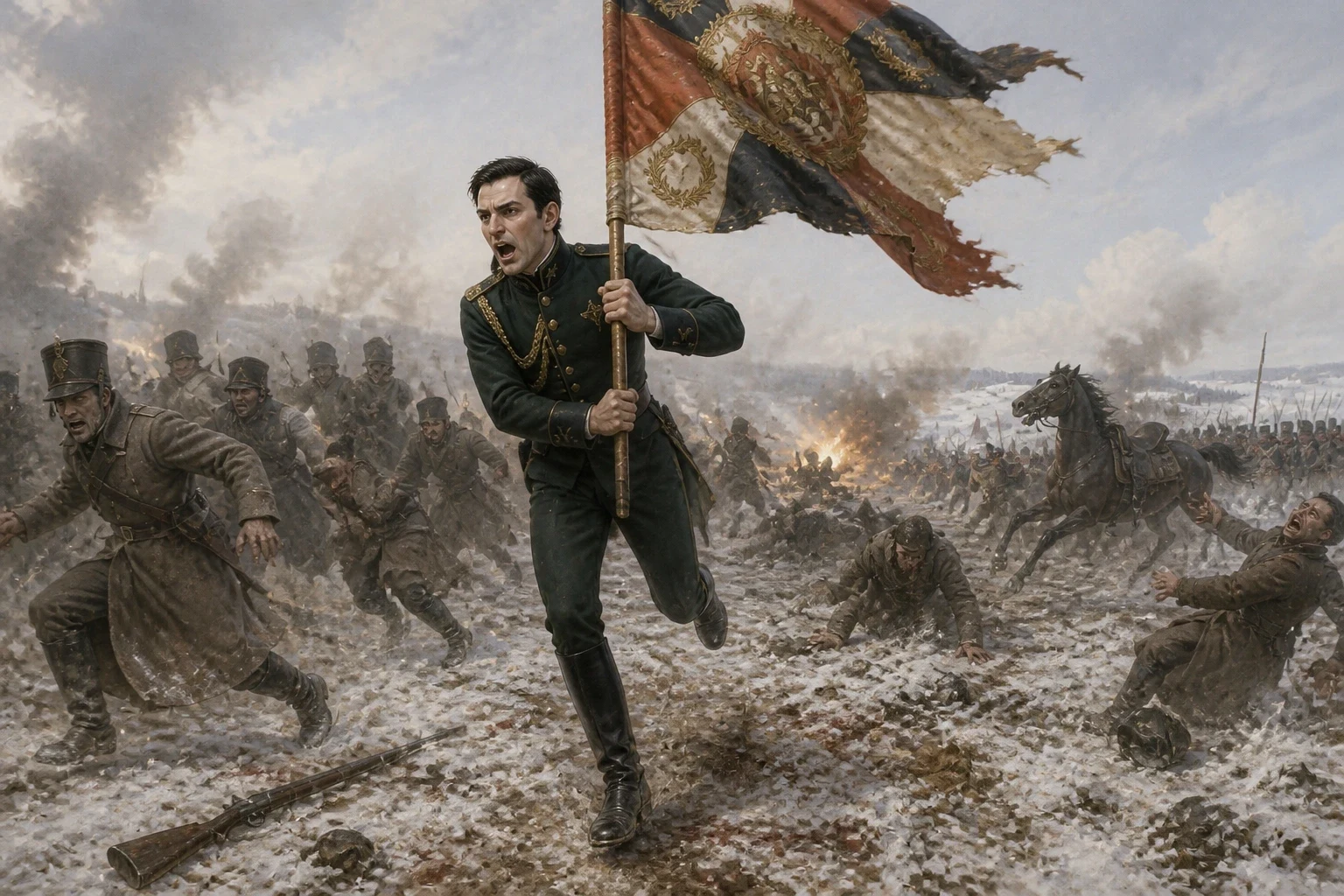
In December, Andrei got his wish for battle, at a place called Austerlitz. When the Russian lines broke and began to run, Andrei seized the regiment's fallen standard himself and ran forward, shouting for the men to follow him. Something struck him down before he had gone far, and he fell onto his back in the trampled snow. The noise of the battle seemed to grow very far away. Above him, instead, he saw only the sky — a huge, pale, quiet, endless sky, with soft grey clouds moving slowly across it, and he thought that he had never truly looked at the sky before, and that everything else he had cared about, ambition, glory, even Napoleon himself, was small and empty beside it. Later, Napoleon himself rode across the field among the wounded and stopped his horse near where Andrei lay, looking down at him for a moment before riding on, remarking only that it was a beautiful death to die.
Page 4
Back in Moscow, Pierre's life had changed overnight. His father, the old Count Bezukhov, died and left Pierre, his illegitimate son, the greatest fortune in Russia. Suddenly everyone who had ignored Pierre now courted him, none more skillfully than the Kuragin family, whose beautiful, cold daughter was soon steered into his company at every turn. Pierre knew, in some dim way, that he was being managed, that he did not love her and could not imagine that she loved him, but he was weak where he needed to be strong, flattered by her beauty and afraid to give offense, and step by step he let himself be married to her almost before he understood it had happened. In his own grand new house, surrounded now by servants and fine furniture he had not chosen, Pierre felt no happier than before — only more alone, and newly aware that money and a great name had bought him nothing that mattered at all.
Page 5
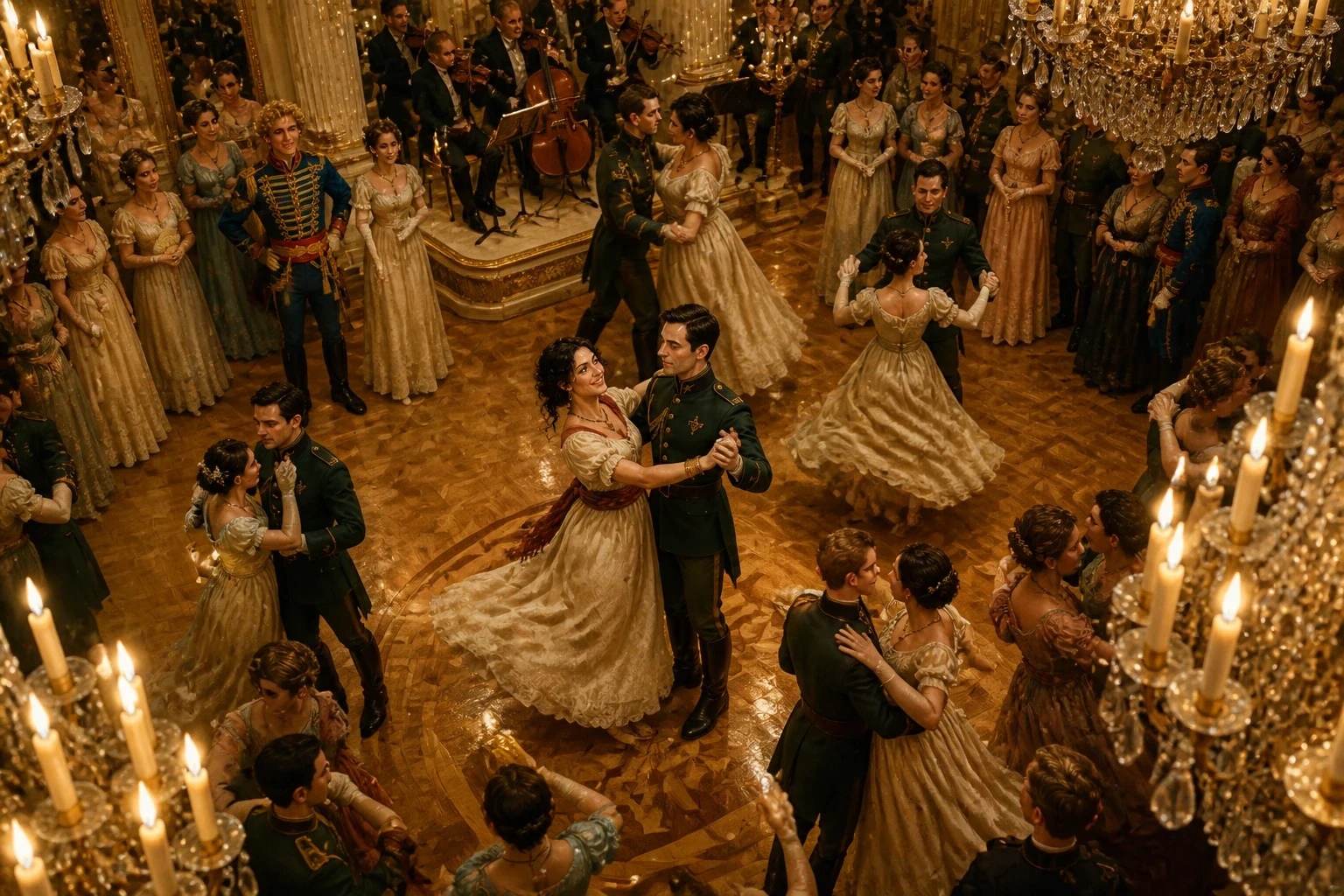
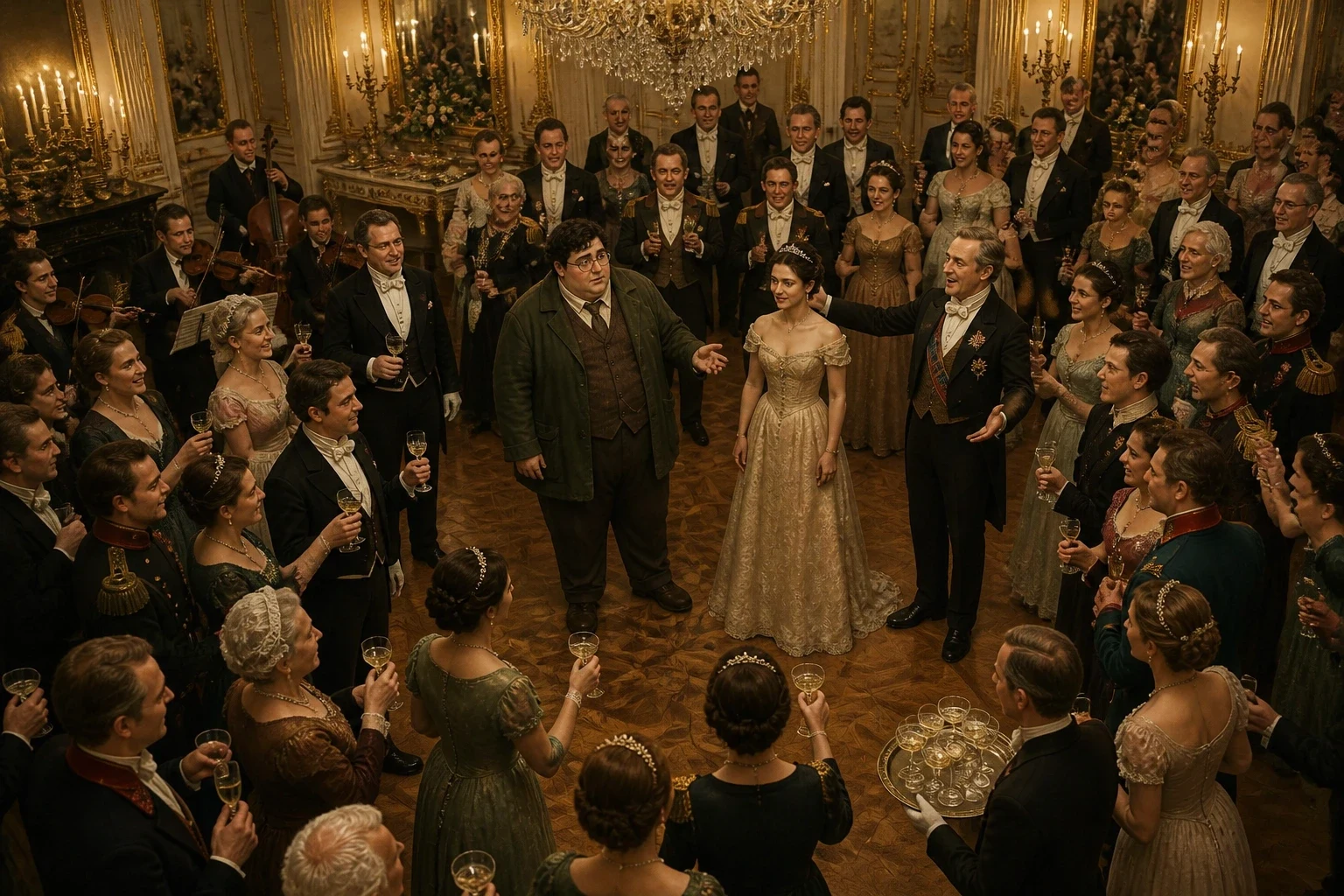
Some years had passed, and Andrei, now a widower since Lise had died giving birth to their son, was a changed and sadder man. One evening he was persuaded to a ball at the Rostov house in Moscow, where he saw, for the first time, Natasha Rostova. She was not, people said, a great beauty — her mouth was too wide, she was too thin — but when she danced, the whole room seemed to come alive around her. Andrei, who had thought himself finished with feeling anything new, asked her to dance, and found himself, for the first time in years, simply happy. Natasha's older brother Nikolai, home from the cavalry, watched his sister dance with unmistakable pleasure, glad to see her so admired. Before the evening was over, Andrei knew that he loved her, and in the weeks that followed he asked for her hand. Natasha, dazzled and overjoyed, accepted him at once, though his father insisted the wedding wait a full year.
Page 6
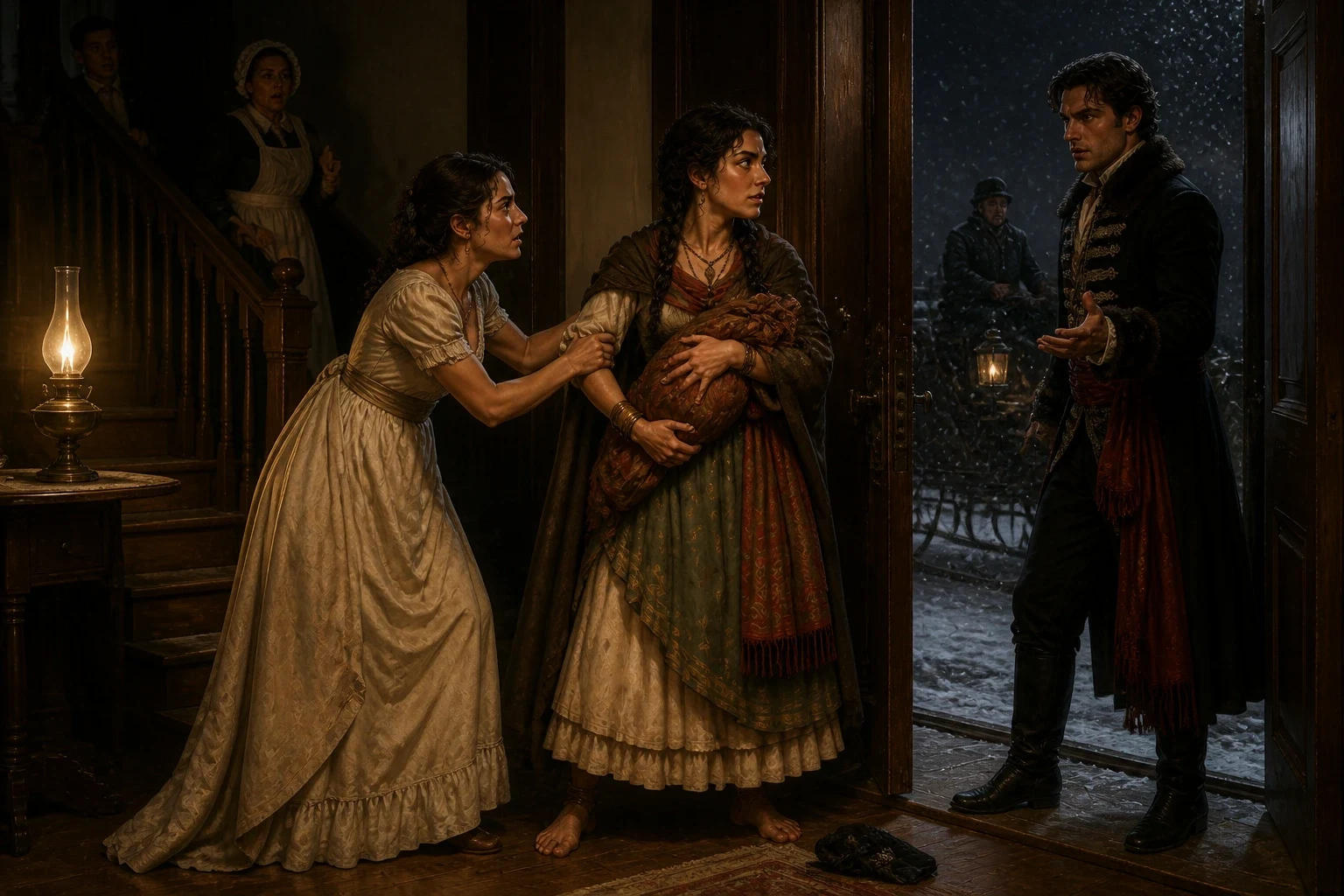
While Andrei was abroad and their wedding still many months away, Natasha was taken to stay in Moscow at the house of a family friend, Marya Dmitrievna. There she met a handsome, charming young nobleman named Anatole Kuragin, who paid her such flattering attention that the lonely, restless Natasha, missing Andrei and unused to waiting, found herself swept into believing she loved him instead. Anatole, already secretly married though almost no one knew it, persuaded her to agree to run away with him that very night. Only at the last moment, through the alarm of a friend who discovered the plan, was the elopement stopped before Natasha left the house. She was saved from the worst of it, but not from the shame; when the truth reached Andrei abroad, he broke the engagement at once and would not see her. Natasha fell gravely ill with grief and self-reproach, and for a long time afterward she believed her life, and any chance of real happiness, was over.
Page 7
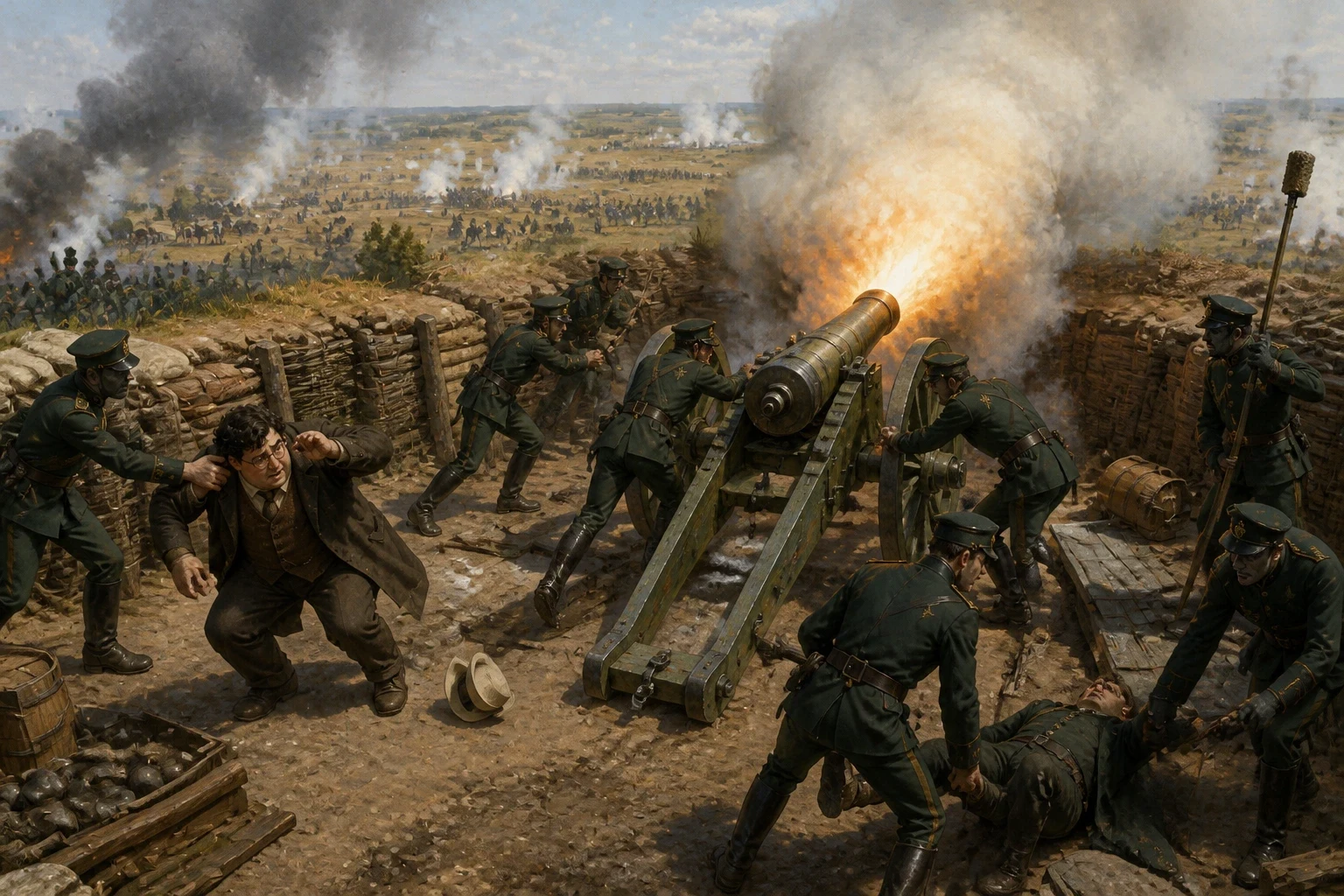
Three years after Austerlitz, Napoleon invaded Russia itself, and in September 1812 his army met the Russian army at a village called Borodino, outside Moscow. It was the single bloodiest day either army would ever fight. Pierre, who had no military role at all, went out to the battlefield anyway in his ordinary civilian coat and top hat, drawn by something he could not explain, and stood among the soldiers watching the battle unfold around him in disbelief at its scale and noise. Not far off, Andrei commanded a regiment that had been ordered simply to stand in reserve under heavy artillery fire, doing nothing but holding their ground while shells fell among them — the hardest kind of courage, he thought, braver than any charge. A shell burst near his position, and Andrei was thrown down, badly wounded, and carried from the field by his own men as the battle roared on without him.
Page 8
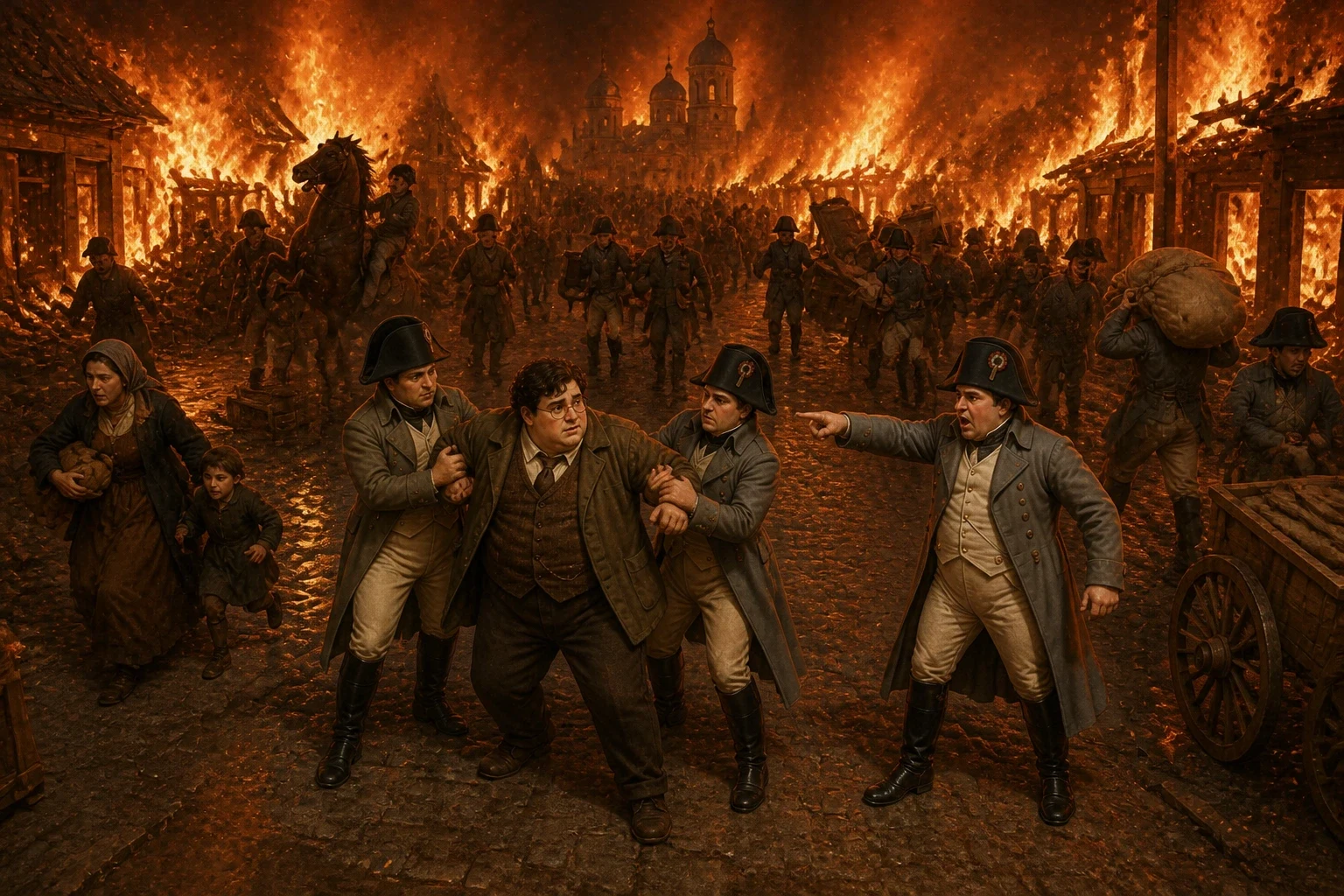
When the Russian army could not hold Moscow, it was abandoned, and most of its people fled with it. Napoleon's army marched into an almost empty city, and soon fires broke out across it, set some say by accident and some say on purpose, until whole districts of wooden Moscow were burning. Pierre, alone among the wealthy, had stayed behind, half out of curiosity and half because a strange idea had taken hold of him: that he, Pierre Bezukhov, might somehow kill Napoleon himself and save Russia by his own hand. He wandered the burning, looted streets in a rough peasant coat, trying to get near enough to the French headquarters to attempt it, and was seized instead by French soldiers who suspected him, correctly, of being no ordinary civilian. He was marched off under guard as a prisoner, while behind him the sky over the city glowed a deep and terrible orange long into the night.
Page 9
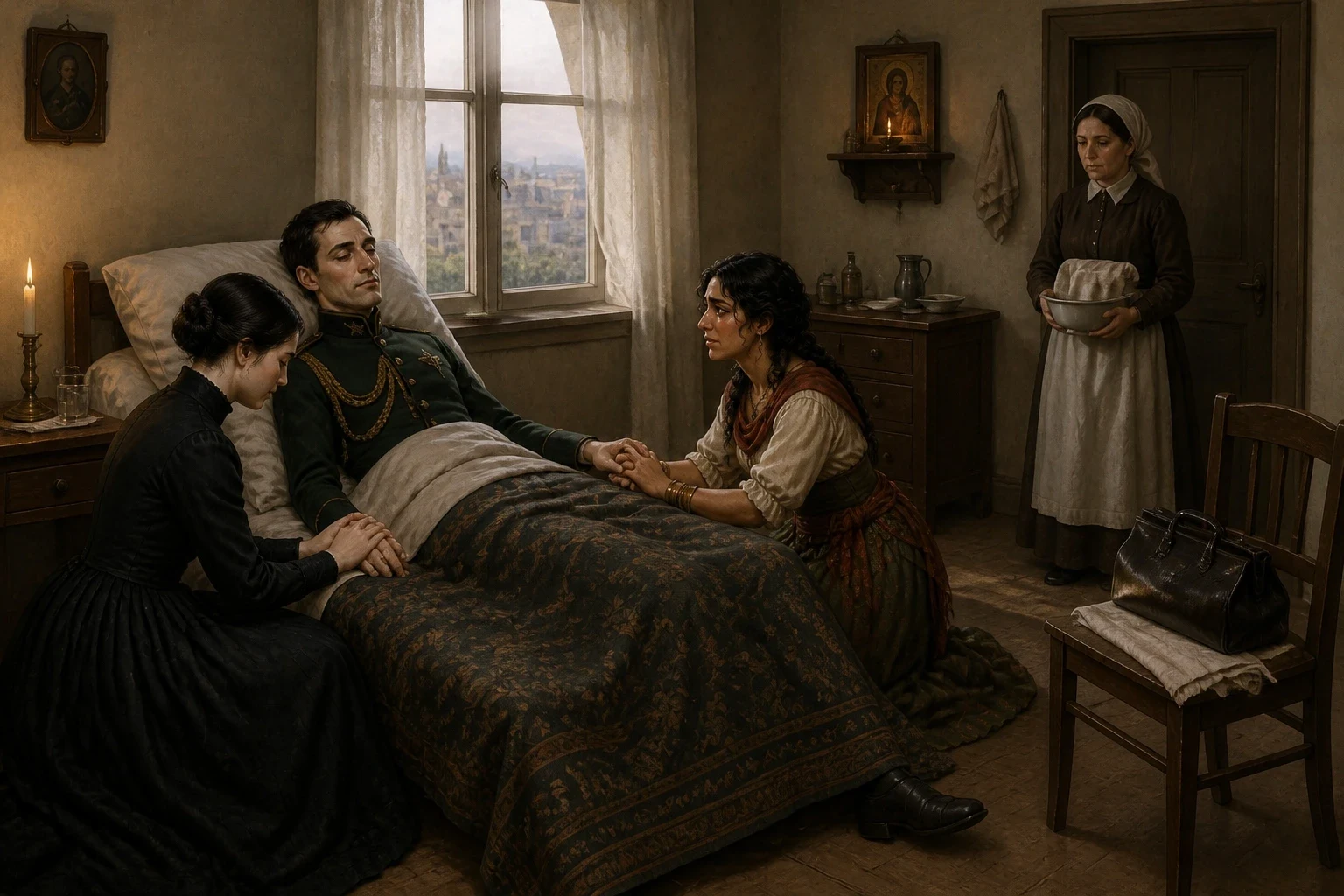
The wounded Andrei was carried slowly away from the fighting with the retreating army, and by chance, in the town of Yaroslavl, his path crossed that of the Rostov family, who had fled there from burning Moscow with their wounded in long trains of carts. Natasha learned that Andrei was among the wounded in the town and went to him at once, unasked, though two years had passed since he had broken with her. She nursed him herself through his final days, and Andrei, gentler now than he had ever let himself be, forgave her completely and told her so. His sister Marya arrived soon after and sat with them both. There was no bitterness left in the room, only a quiet, deep tenderness between them, the two griefs of the broken engagement finally put down. Andrei did not recover. He died quietly, with Natasha holding one of his hands and Marya the other, at peace in a way he had never quite managed to be in all his life before.
Page 10
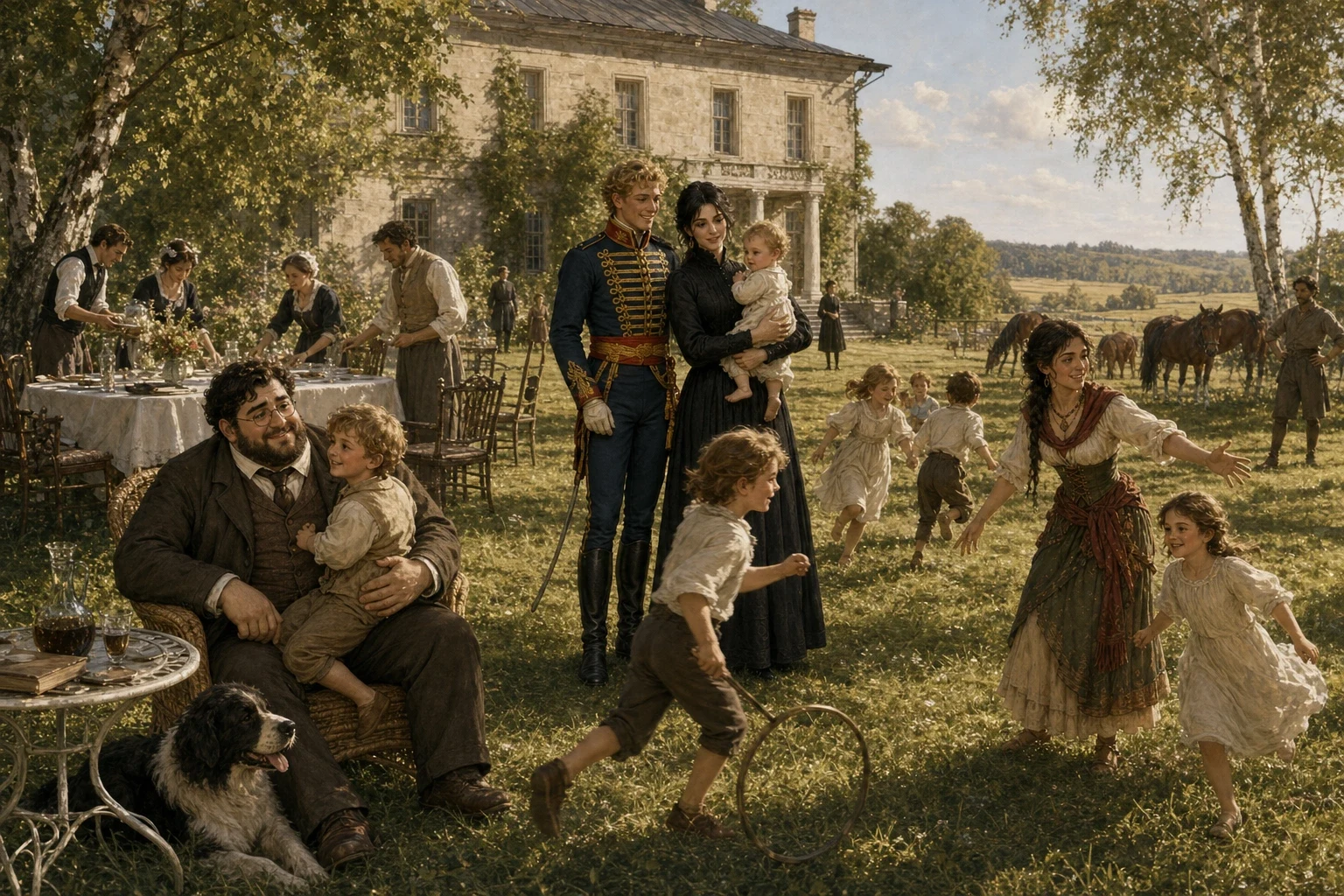
Years passed, and the war ended, and Napoleon's great army that had marched into Russia did not march out of it again. Pierre, freed when the French retreated and their prisoners were abandoned along the road, came back to Moscow a changed man — quieter, steadier, no longer searching so desperately for some grand meaning to his life. He found Natasha again, both of them marked by all they had lost, and in time they married and had children together, and Pierre discovered, almost to his own surprise, that an ordinary domestic happiness was the very thing he had been looking for all along. Natasha's brother Nikolai, meanwhile, had married Andrei's sister Marya, and the two families now lived close together at Bald Hills, the same estate Andrei had once ridden away from. On a warm afternoon there, the whole household gathered outside together, children running on the lawn, with no war anywhere near them anymore.
About this story
- Audience: general readers
Read Wonder Novels on your phone
Wonder Novels is available on Android. Get Wonder Novels on Google Play.