What are the 10 most important battles in history?
These ten battles fundamentally altered the course of human civilization, shaping nations, cultures, and political landscapes.
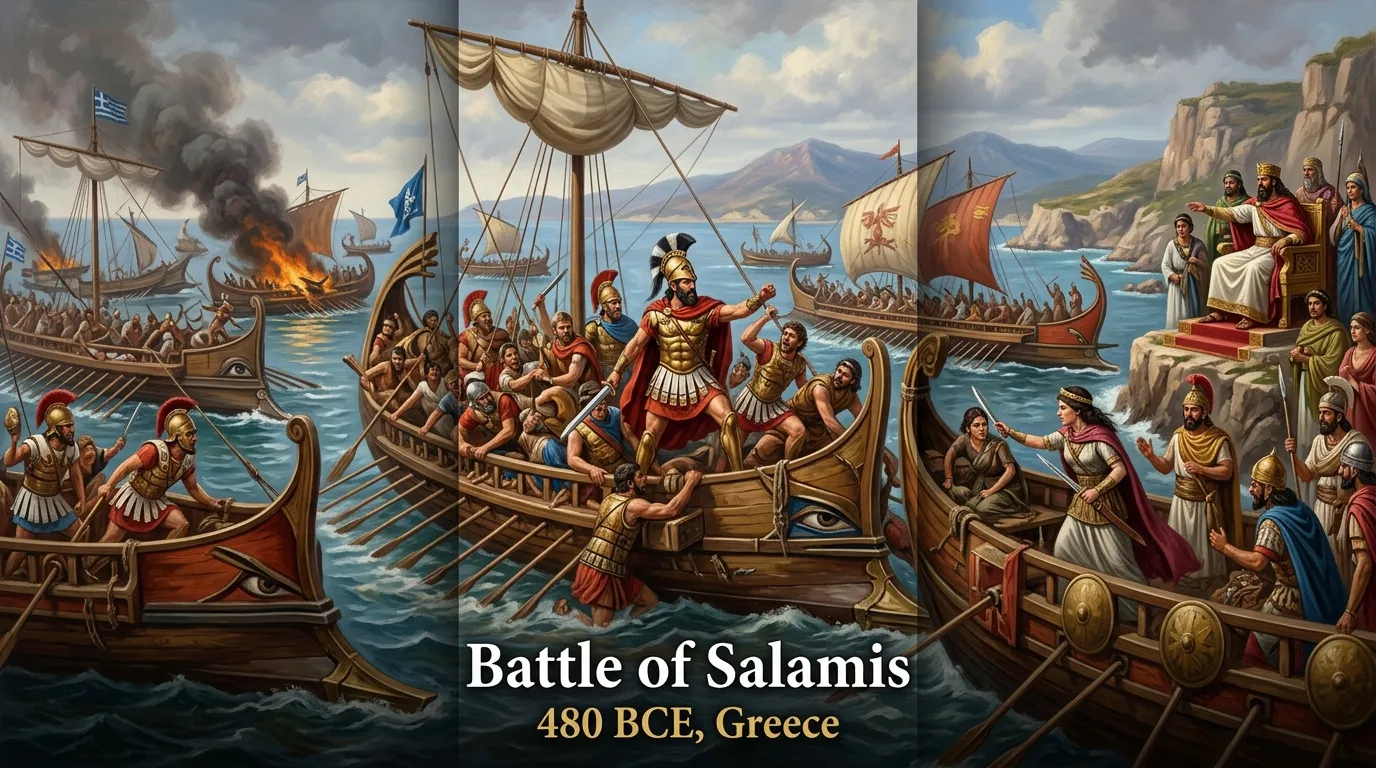
The ten most important battles in history, based on their lasting impact on civilizations, political structures, and cultural development, include the Battle of Marathon, the Battle of Salamis, the Battle of Tours, the Battle of Hastings, the Battle of Vienna, the Battle of Waterloo, the Battle of Gettysburg, the Battle of Stalingrad, the D-Day landings, and the Tet Offensive. These engagements did more than just decide immediate conflicts; they set new directions for entire regions and even the world.
History is not a burden on the memory but an illumination of the soul.
1. The Battle of Marathon (490 BC)
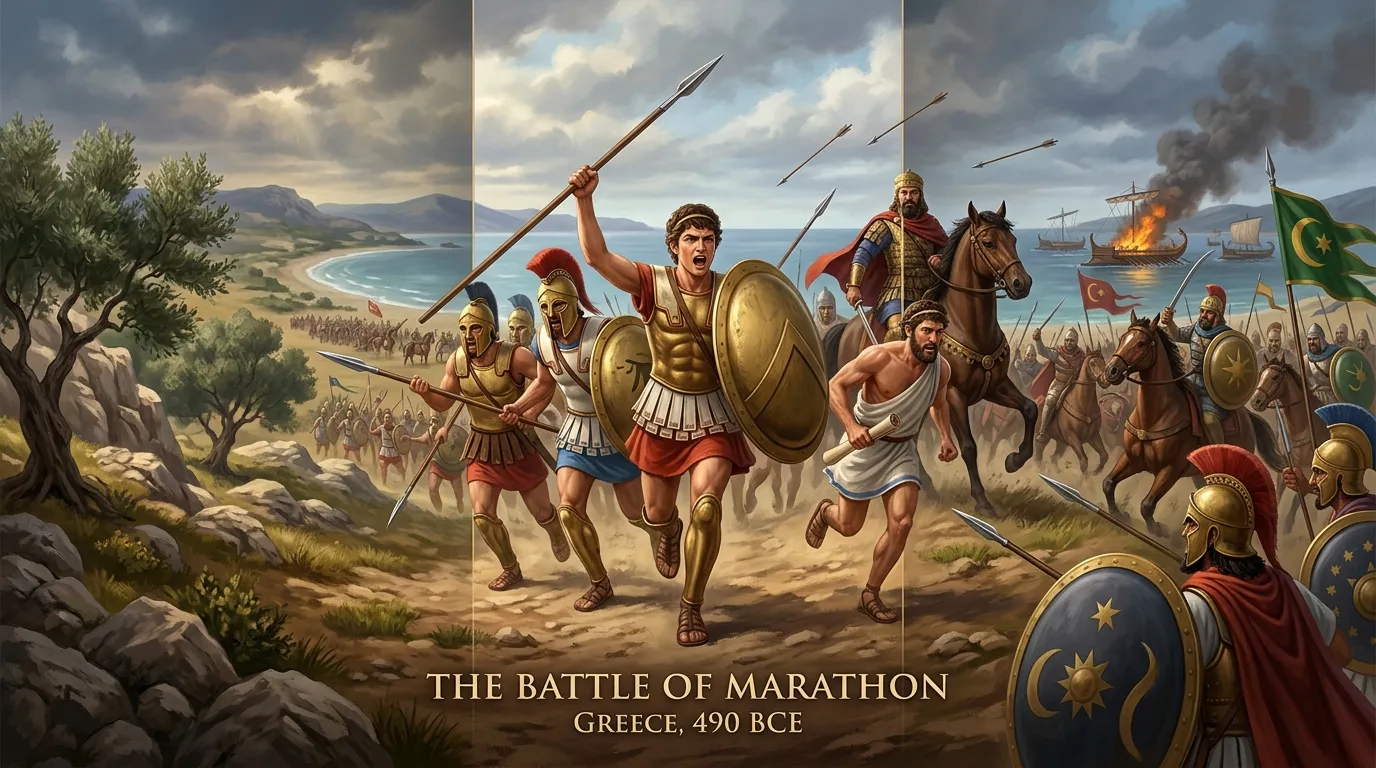
The Battle of Marathon was a pivotal moment in ancient history, where a smaller Athenian force decisively defeated the invading Persian army. This victory is credited with preserving Greek independence and, by extension, the nascent Athenian democracy and Western civilization as we know it. Had the Persians won, the cultural and political landscape of Europe might have been irrevocably changed, potentially stifling the philosophical and artistic advancements that emerged from ancient Greece.
2. Battle of Salamis (480 BC, Greece)
Following their victory at Marathon, the Greeks faced another Persian invasion a decade later. The naval Battle of Salamis saw the Greek fleet, primarily Athenian, ambush and destroy a much larger Persian armada in the narrow straits. This battle cemented Greek naval supremacy and effectively ended the Persian ambition to conquer Greece, ensuring the continued flourishing of Greek culture and its eventual influence on Rome and the modern West. You can explore this critical naval engagement in Battle of Salamis (480 BC, Greece).
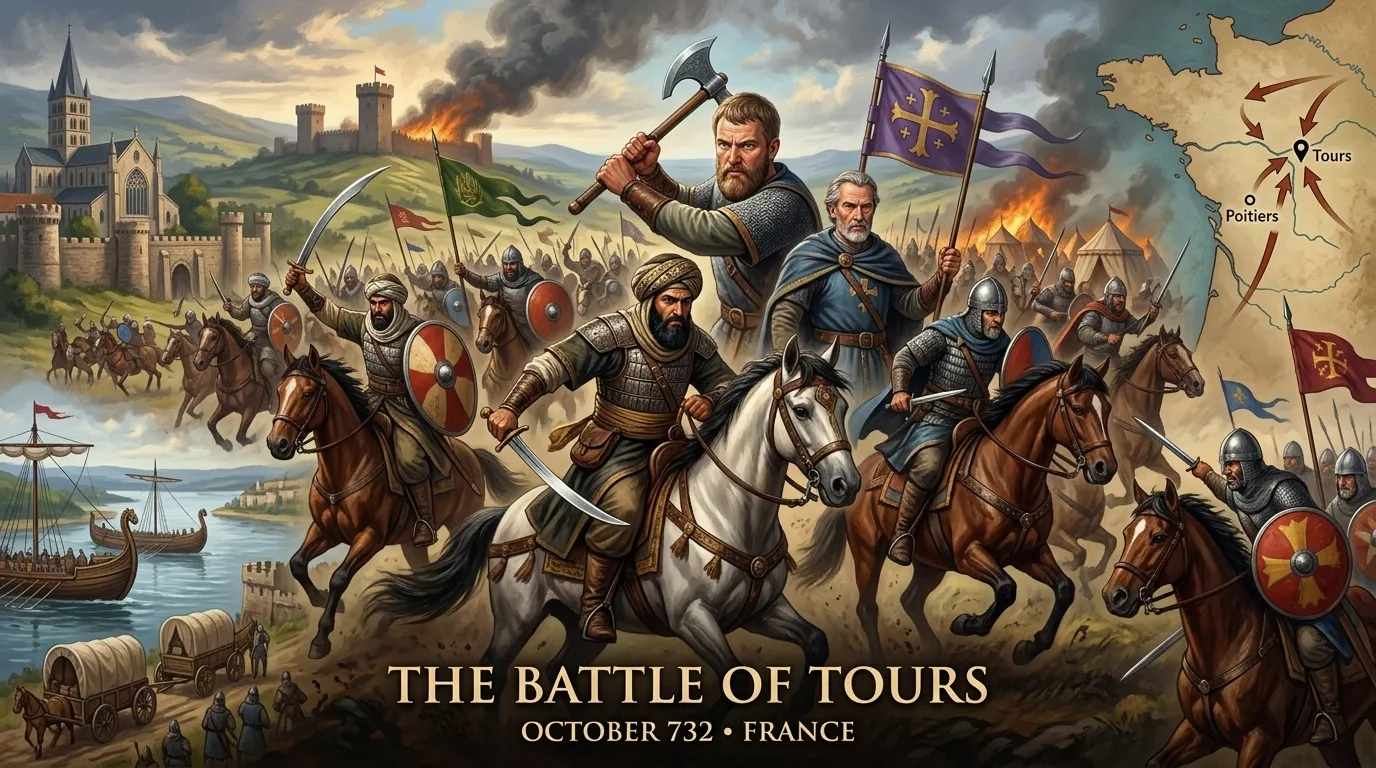
3. The Battle of Tours (732 AD, France)
In 732 AD, Frankish and Aquitainian forces, led by Charles Martel, halted the advance of the Umayyad Caliphate into Western Europe at the Battle of Tours. This battle is widely seen as a turning point, preventing the further spread of Islam into Europe from the Iberian Peninsula and preserving the dominance of Christianity in the region. Its long-term impact on the cultural and religious identity of Europe is immense. The Battle of Tours (732 AD, France) details this clash that shaped continents.
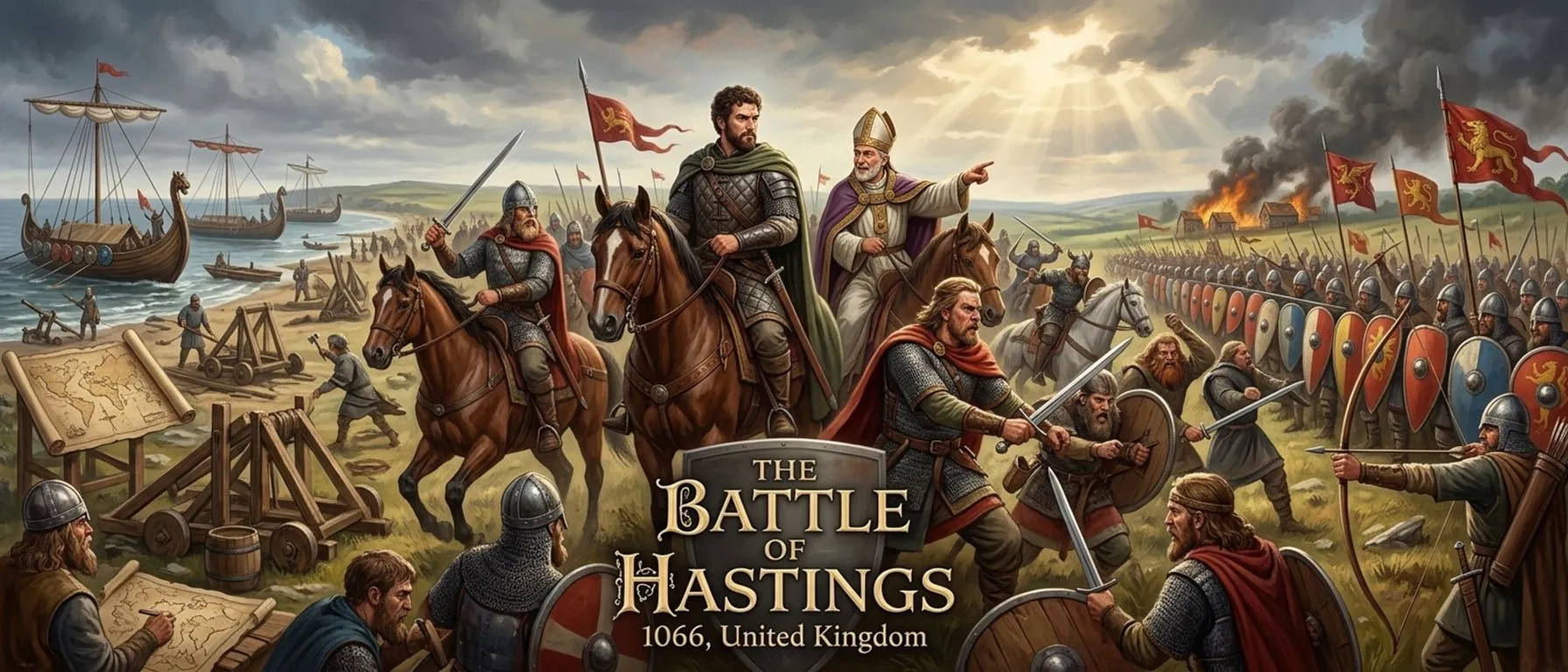
4. The Battle of Hastings (1066)
The Battle of Hastings profoundly altered English history and, by extension, the future of the British Isles and its global influence. William the Conqueror's victory over King Harold Godwinson led to the Norman Conquest, introducing a new ruling class, a new language (Norman French, which heavily influenced modern English), and a new feudal system. This event laid the foundations for the English monarchy and state that would eventually become a global power.
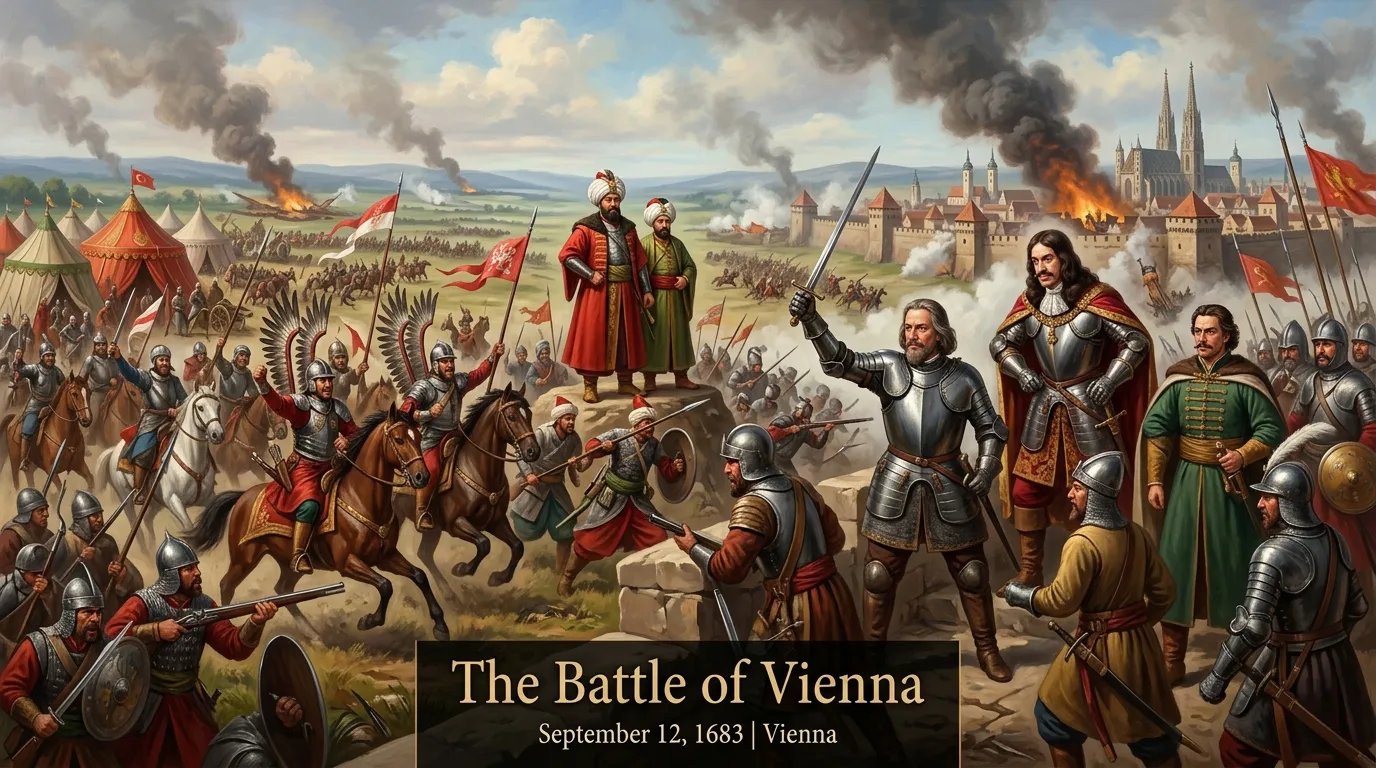
5. The Battle of Vienna (1683, Vienna)
In 1683, a Holy League army, primarily Polish and Austrian, lifted the Ottoman siege of Vienna. This battle marked the beginning of the end of Ottoman expansion into Central Europe and signaled a shift in the balance of power, with European states increasingly gaining the upper hand. The victory at Vienna was a critical moment for European identity and sovereignty. Discover more about this turning point in The Battle of Vienna (1683, Vienna). Other important battles, such as the Battle of Mohács, also shaped the conflicts between the Ottoman Empire and European powers, but Vienna’s decisive outcome had a more profound long-term impact on the trajectory of European history. You can learn more about these historical clashes through Wonder History.
Frequently Asked Questions
What makes a battle 'important' in history?
A battle's importance is judged by its long-term consequences, such as altering political boundaries, shifting cultural dominance, changing religious landscapes, or fundamentally influencing the development of societies and future conflicts. It's not just about the number of casualties or the size of the armies involved.
Are there other battles that could be considered for this list?
Absolutely. Many battles, like the Battle of Gaugamela, the Battle of Alesia, or the Battle of Stalingrad (which is included here), were incredibly significant. This list focuses on those with the broadest and most lasting impact on global historical trajectories, often setting the stage for centuries of development.
How do these battles relate to broader historical trends?
Each of these battles is a microcosm of larger historical trends, reflecting ongoing struggles for power, cultural dominance, and ideological supremacy. They often serve as catalysts, accelerating changes that were already underway or diverting the course of history into entirely new directions, shaping the world we know today.