How Rivers Shape the Land
How Rivers Shape the Land — an illustrated stories story. 10 illustrated pages, free to read on Wonder Books.
Page 1
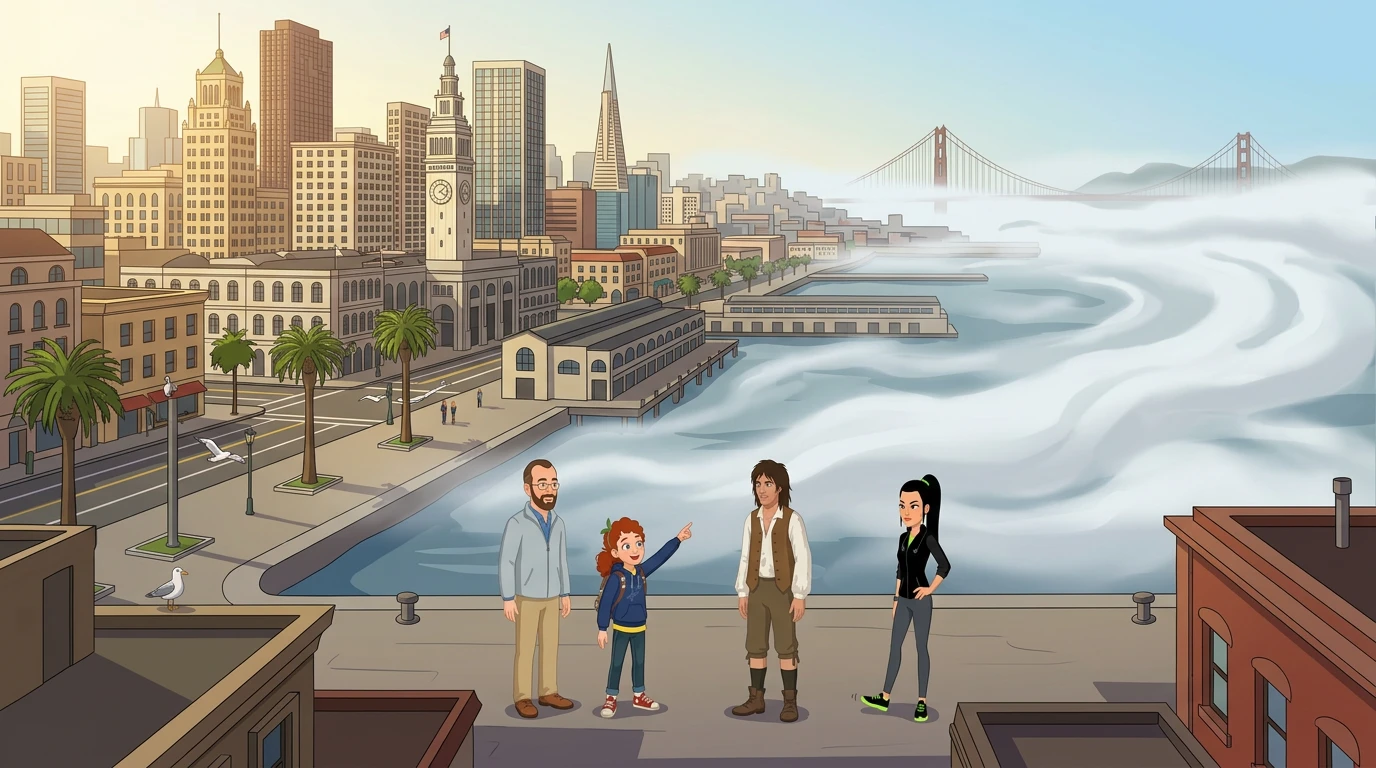
Layla and her dad, David, were walking along the Embarcadero in San Francisco. A thick fog was rolling in, softening the sounds of the city. "Look at that river of fog, Dad!" Layla exclaimed, pointing toward the Golden Gate Bridge, barely visible through the mist. "How does so much water end up in the sky?"
Page 2
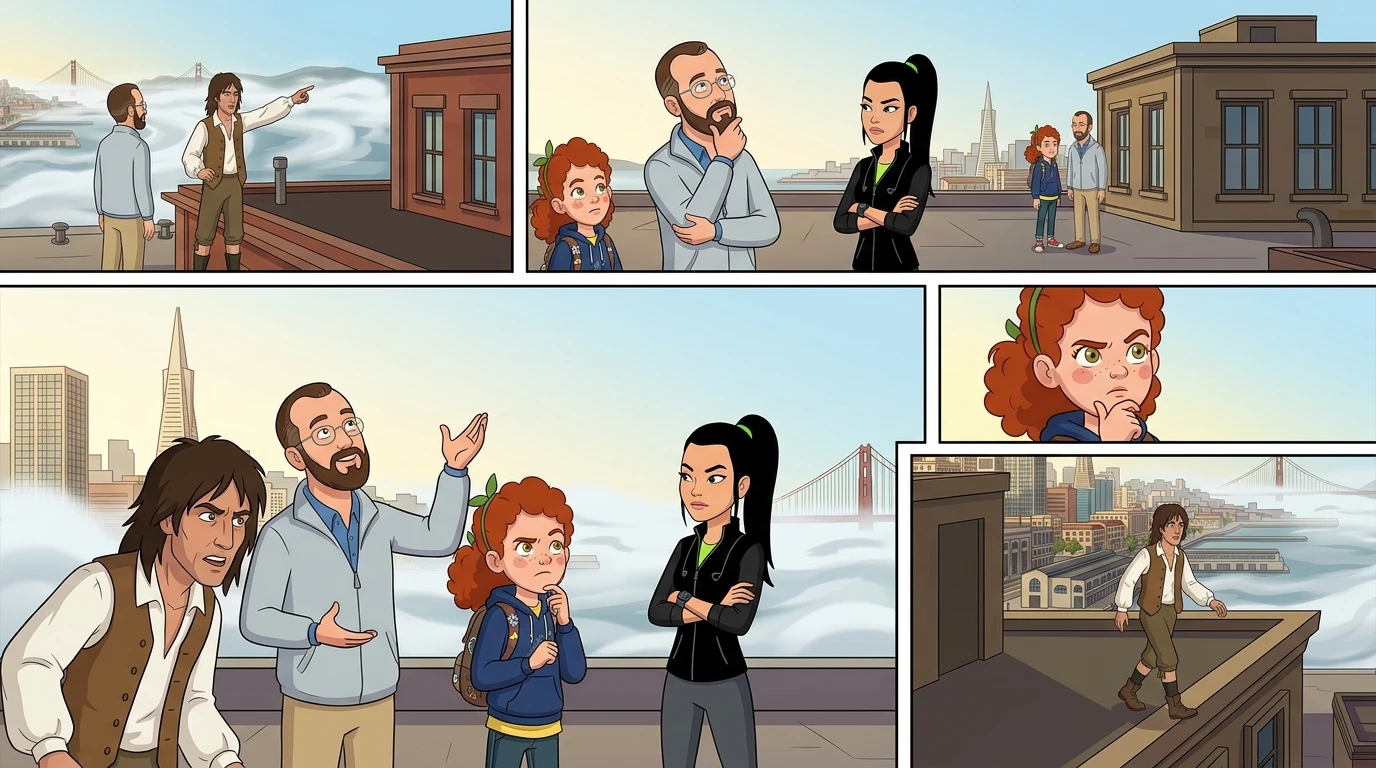
David chuckled. "That's a great question, Layla. It makes me wonder where all the water goes when it rains. I mean, think about it: San Francisco gets a lot of rain, but we aren't underwater!" Jess, walking with them, chimed in. "Yeah, and where does the water start before it rains?" Layla nodded, her brow furrowed. "How do rivers even form?"
Page 3
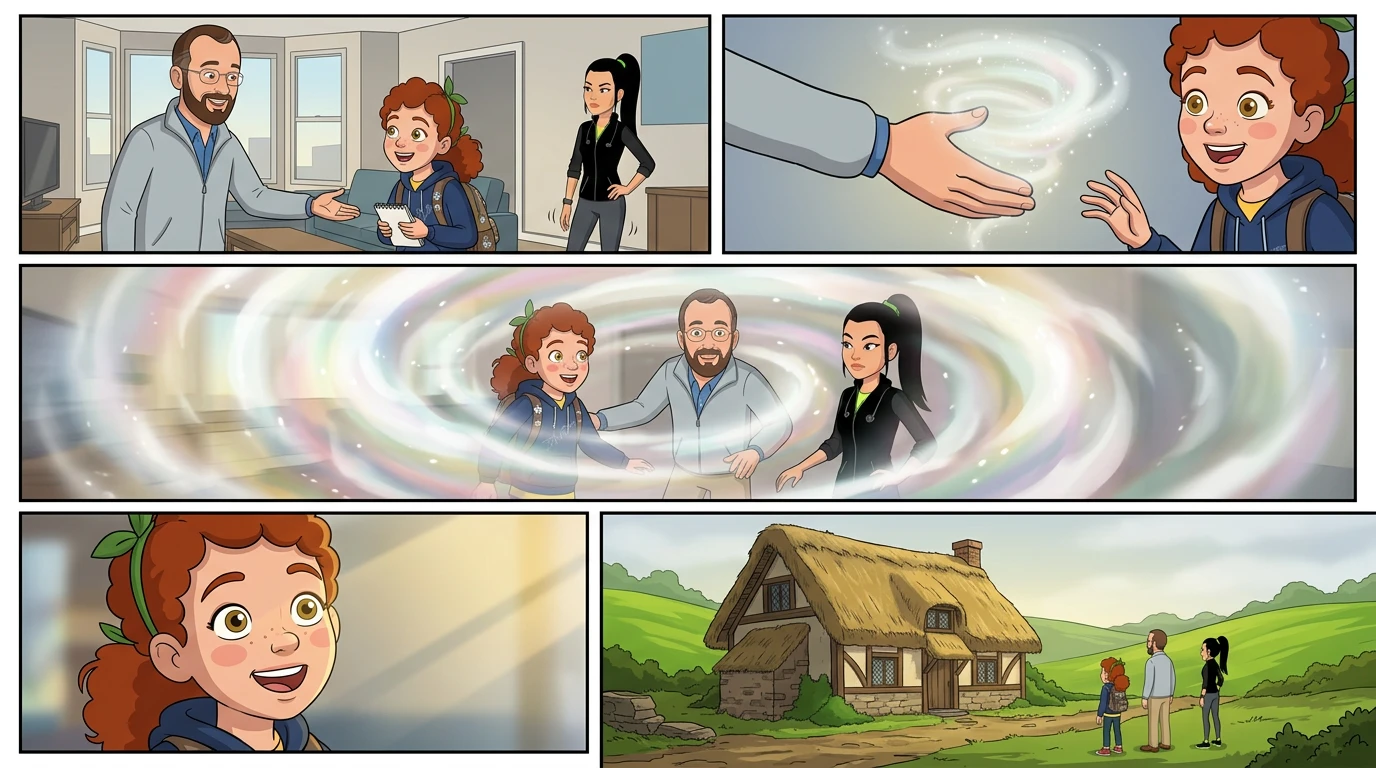
"Rivers are really powerful shapers of the land," David mused. He paused, thinking, then continued. "You know, it reminds me of something the Greek philosopher Heraclitus said: 'The only constant is change.' Rivers are always changing, carving, and reshaping the landscape." He smiled at Layla. "Want to see where these ever-changing rivers start?" A swirl of fog enveloped them, and suddenly they stood somewhere very different. "England, 17th century. A small cottage sits near a hillside."
Page 4
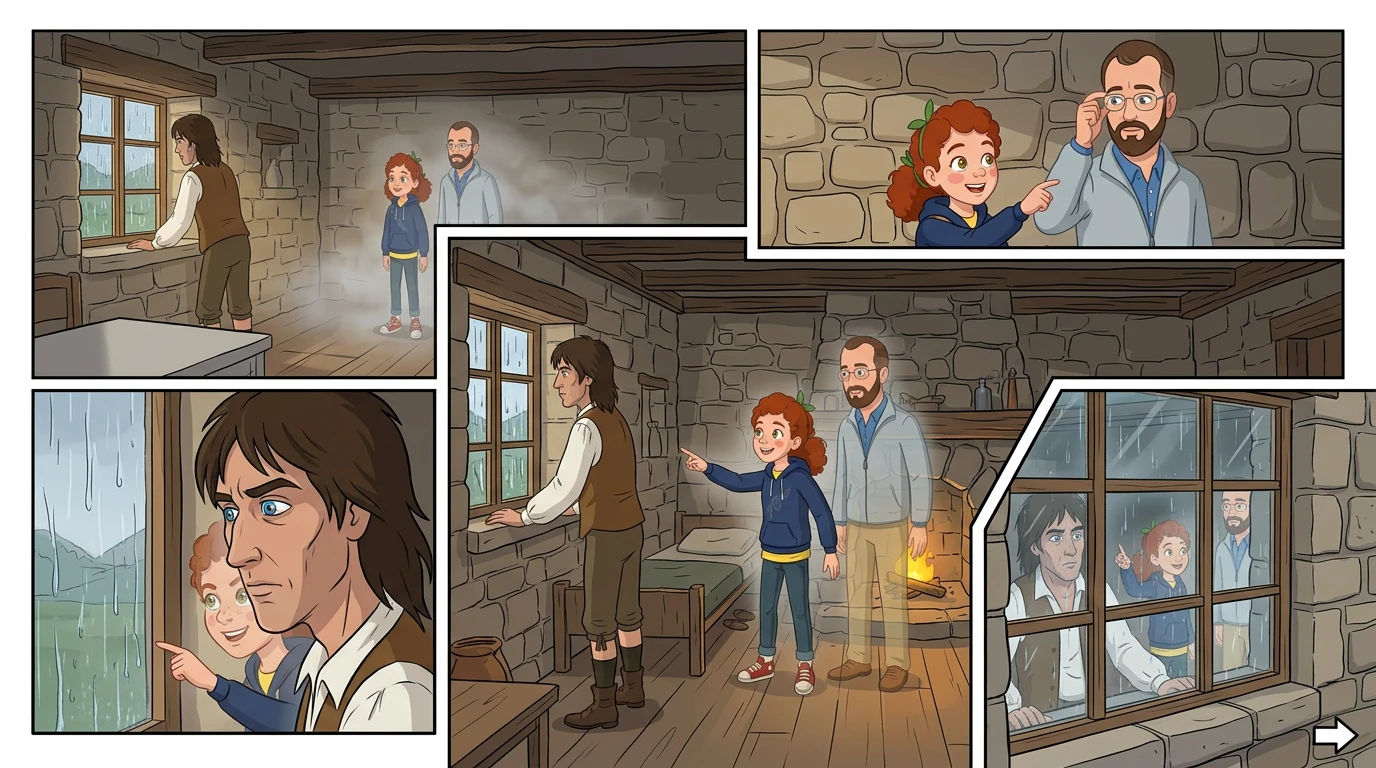
A young man with long brown hair and intense eyes stared out the window. "That's John Hutton," David whispered to Layla. "He was a Scottish geologist in the 1700s. Hutton was fascinated by how the land changed over time. He wasn't just interested in rocks; he saw the Earth as a dynamic system. He even once said, 'I consider the Earth to be as a body subject to gradual decay...'"
Page 5
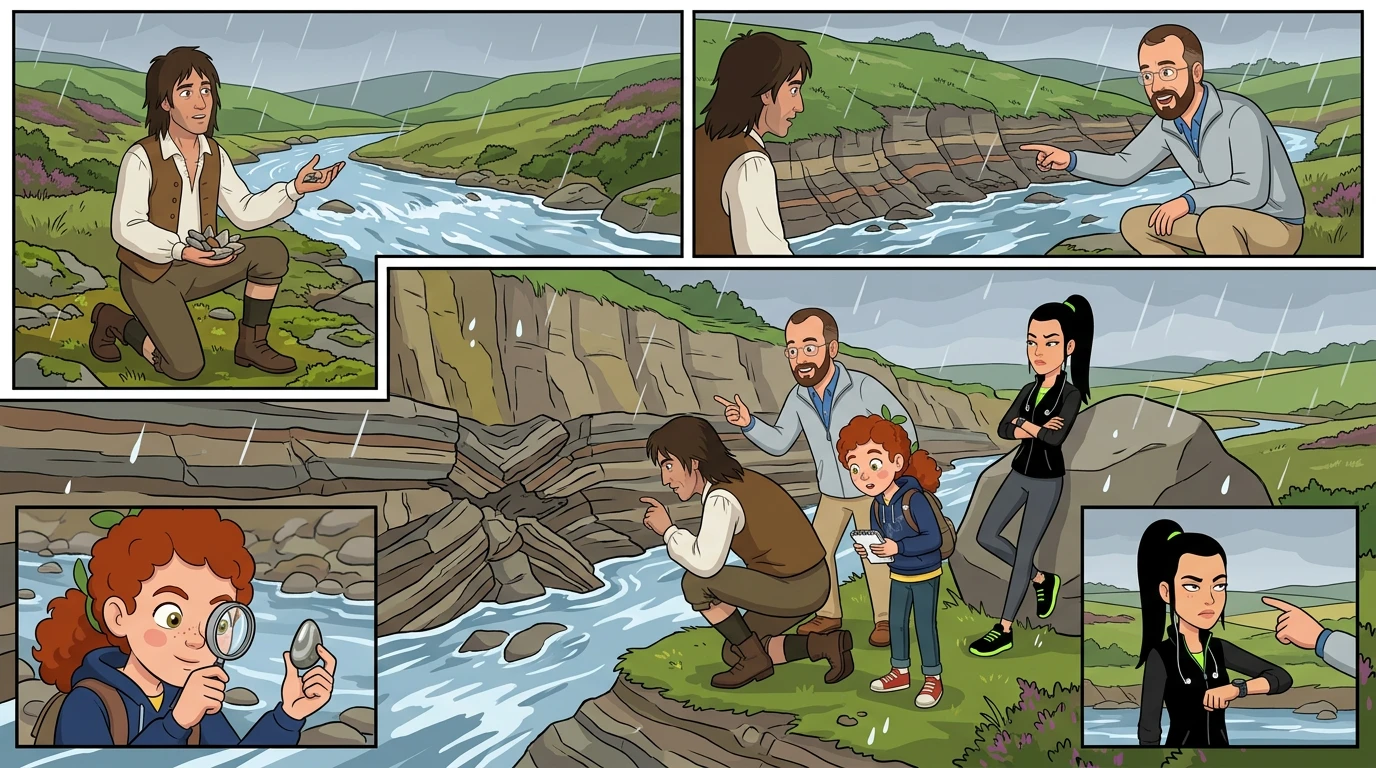
One rainy afternoon, Hutton wandered along a stream near his home. He watched the water rushing over pebbles and swirling around larger rocks. Jess, impatient, asked, "So, was he just watching water? That sounds boring!" David chuckled. "Patience, Jess! It's about listening. Hutton saw something others missed, something about erosion and the creation of valleys. Imagine the power of water over thousands of years, Layla."
Page 6
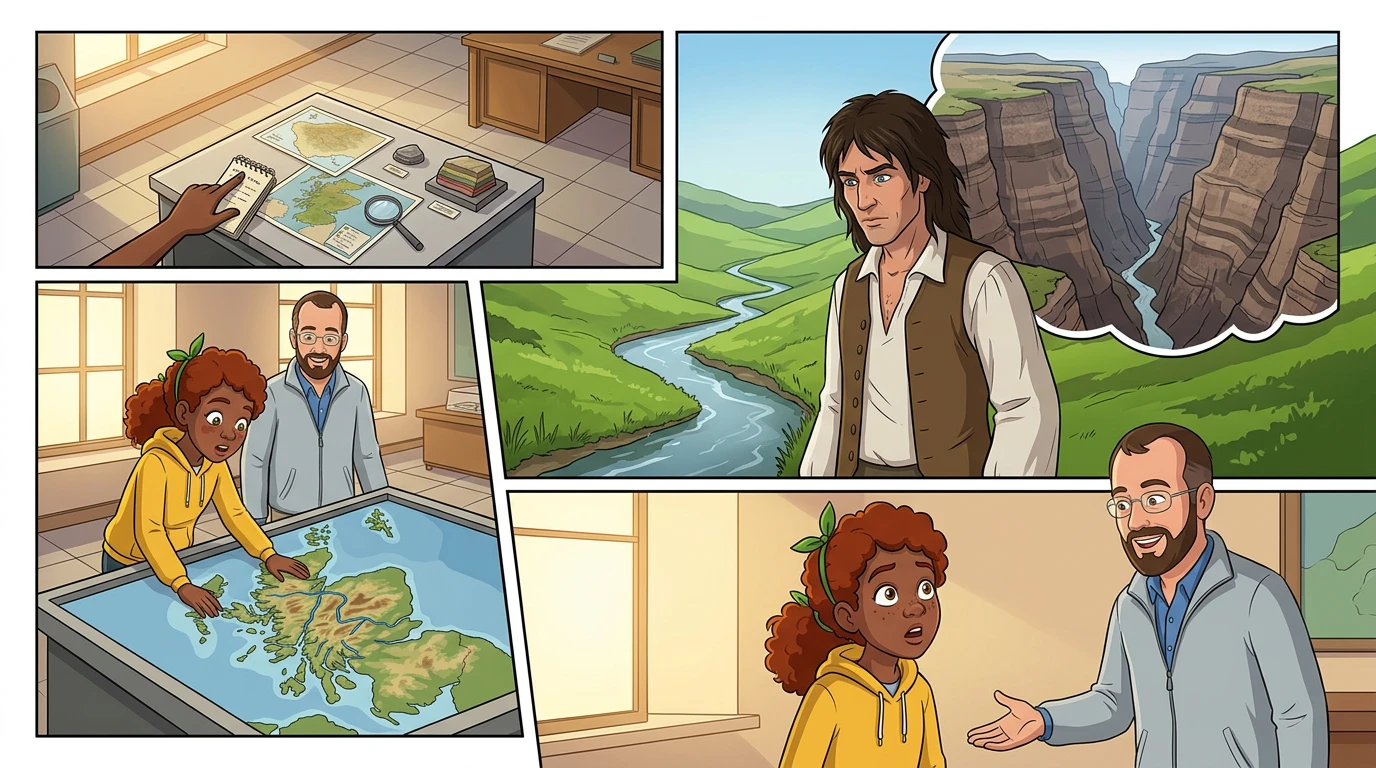
Hutton realized that small streams could carve massive valleys over vast stretches of time. The tiny movements of sediment added up. "He called it 'deep time,'" David explained. "The idea that the Earth was far older than anyone imagined." Layla's eyes widened. "So, the little stream made the big valley?" That seemed impossible.
Page 7
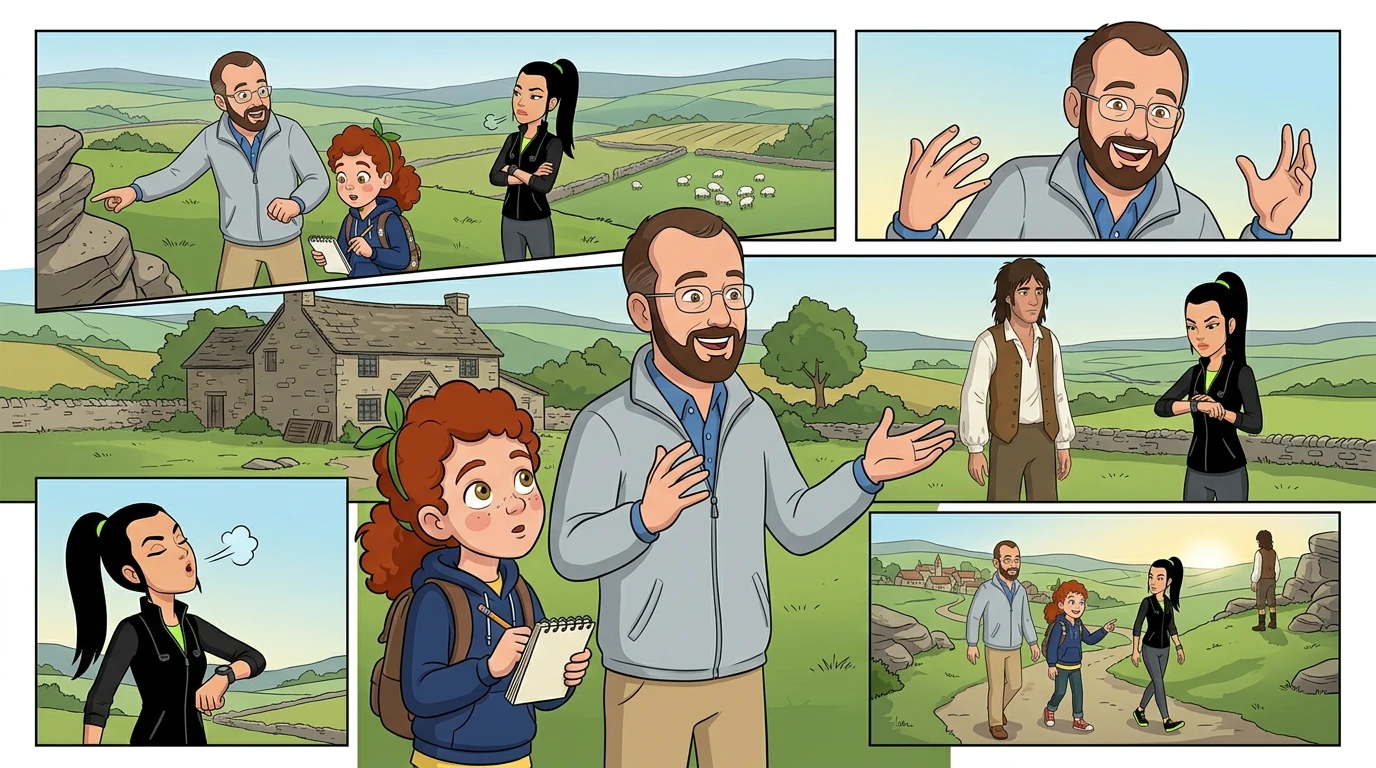
David nodded. "Exactly! His ideas changed how people thought about the Earth and its history. Without understanding how rivers shape the land, we wouldn't understand geological formations, erosion, or even how fertile land is created for farming." Jess tapped her foot impatiently. "Okay, rivers make valleys. Got it. Can we go back to San Francisco now?"
Page 8
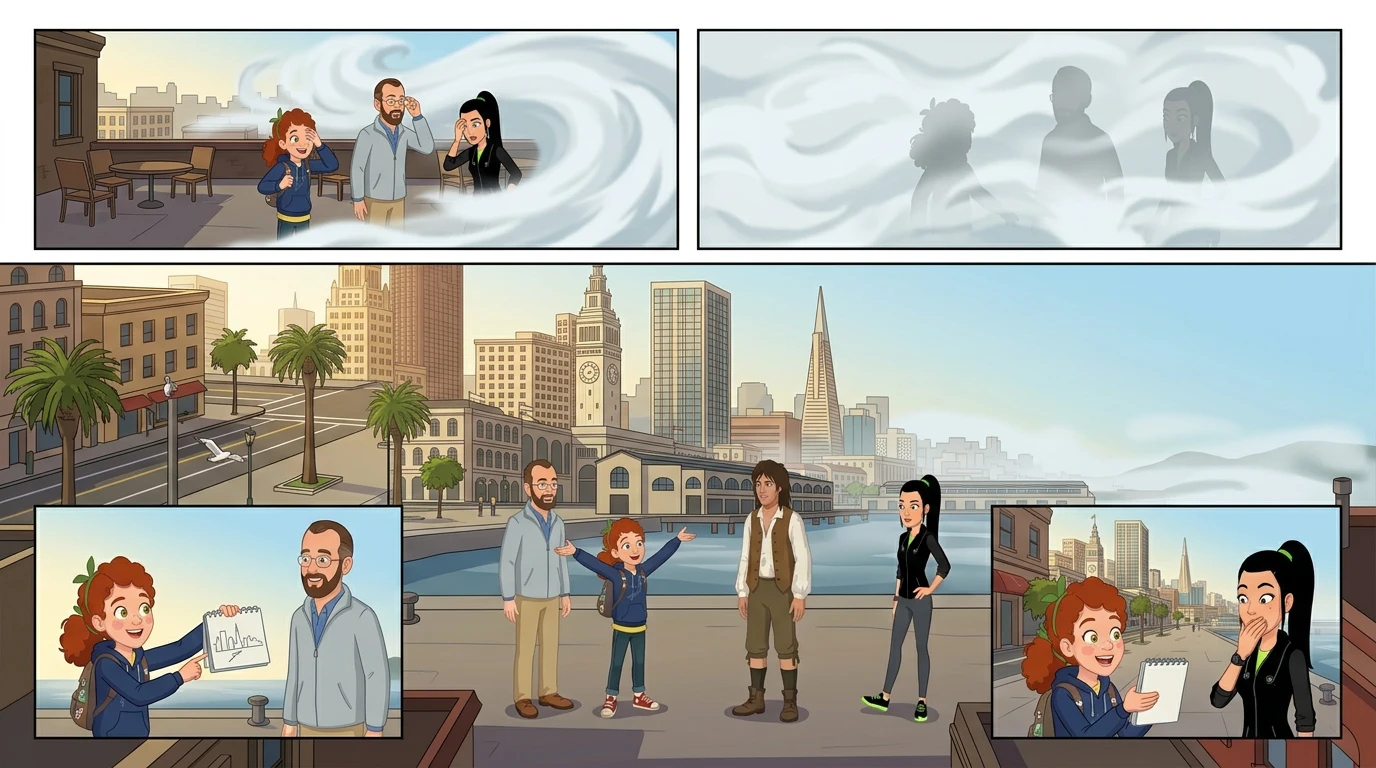
Suddenly, the fog swirled again, and they were back on the Embarcadero in San Francisco. The foghorns echoed through the air. Layla grinned. "Oh! So, all that water that erodes rock also carries it away to new places! That's why the Nile delta is so fertile! It's all the soil from upriver!" Jess exclaimed. "Oh! So that's why my coach says to not swim against the current because of erosion."
Page 9
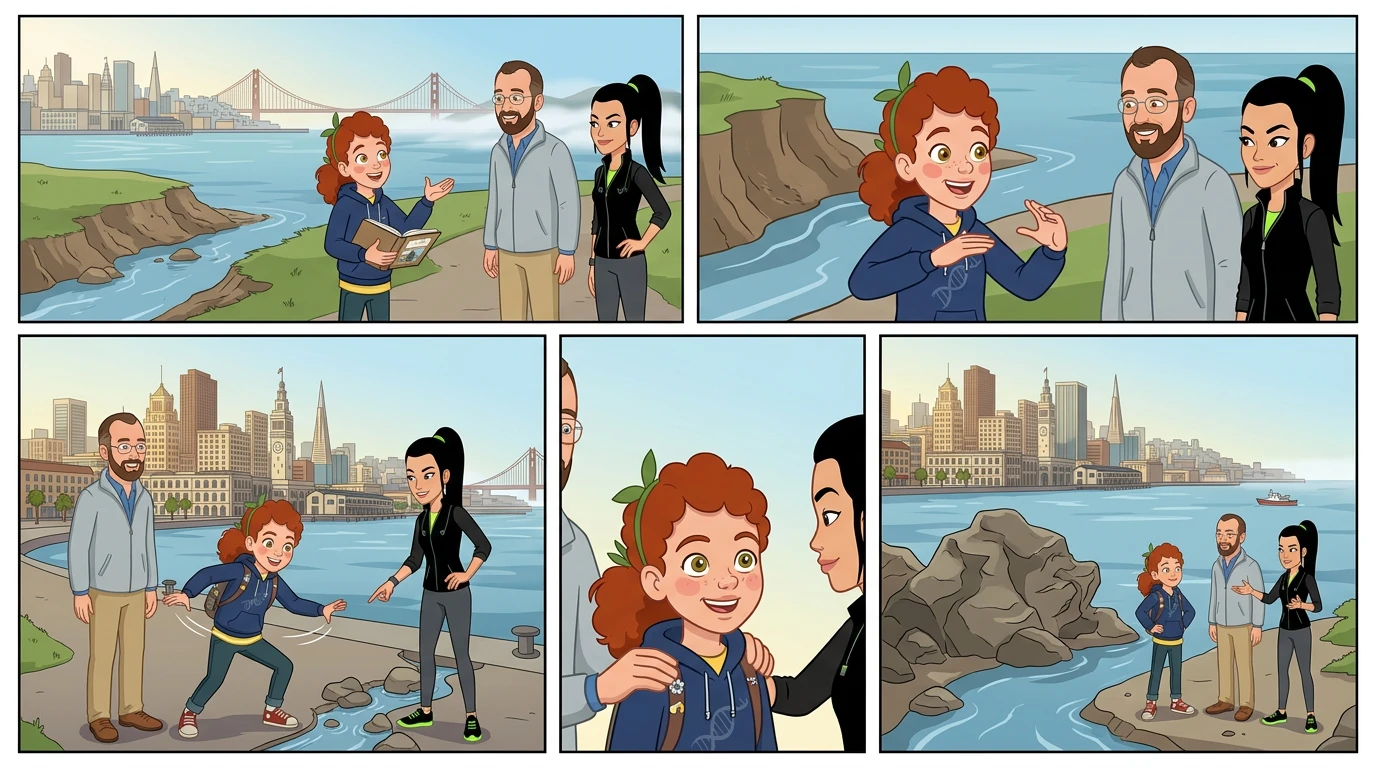
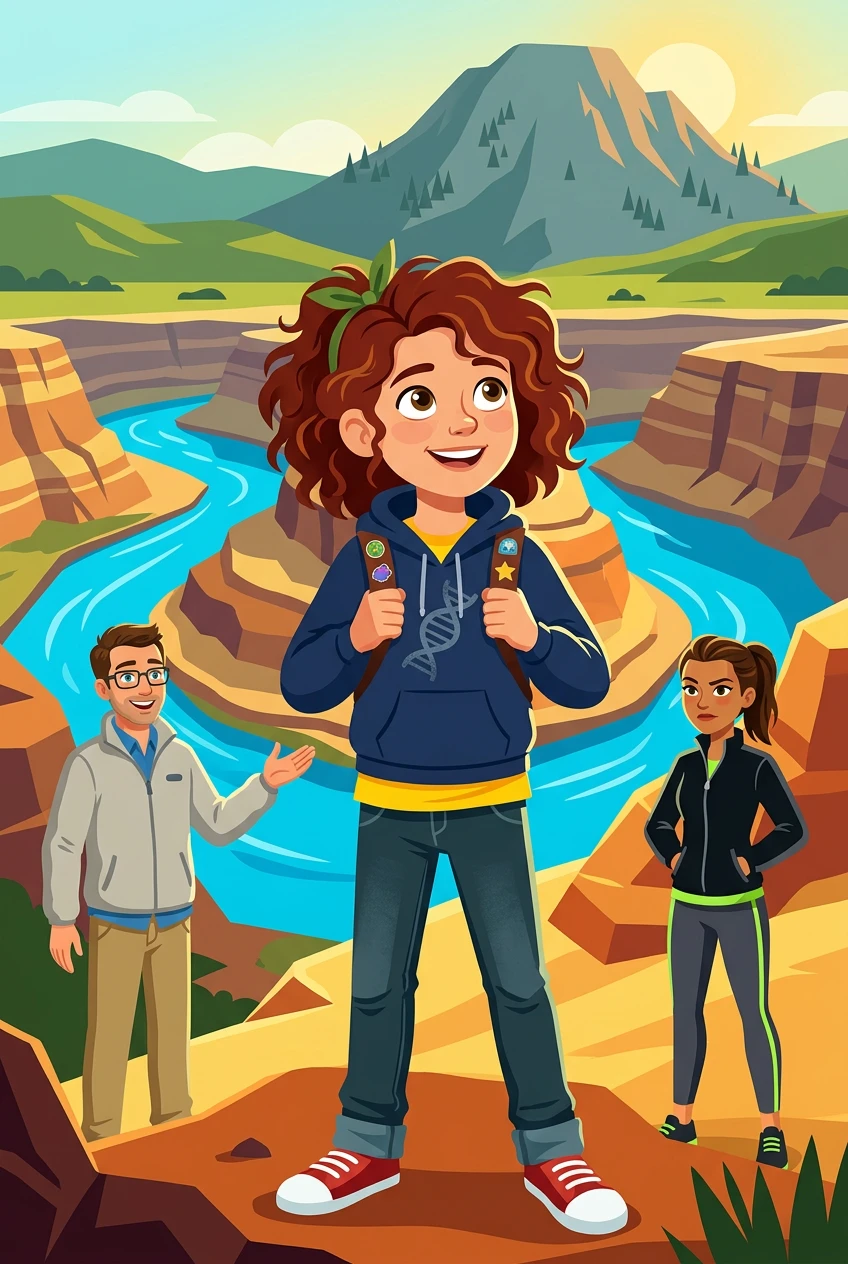
Layla started listing examples. "And the Grand Canyon! Carved by the Colorado River over millions of years!" David added, "And the Mississippi Delta, constantly being reshaped by the river's flow." Jess, thinking about swimming, added, "Even the wake from a boat erodes the shoreline a little bit!" David smiled. "Exactly! It all adds up."
Page 10
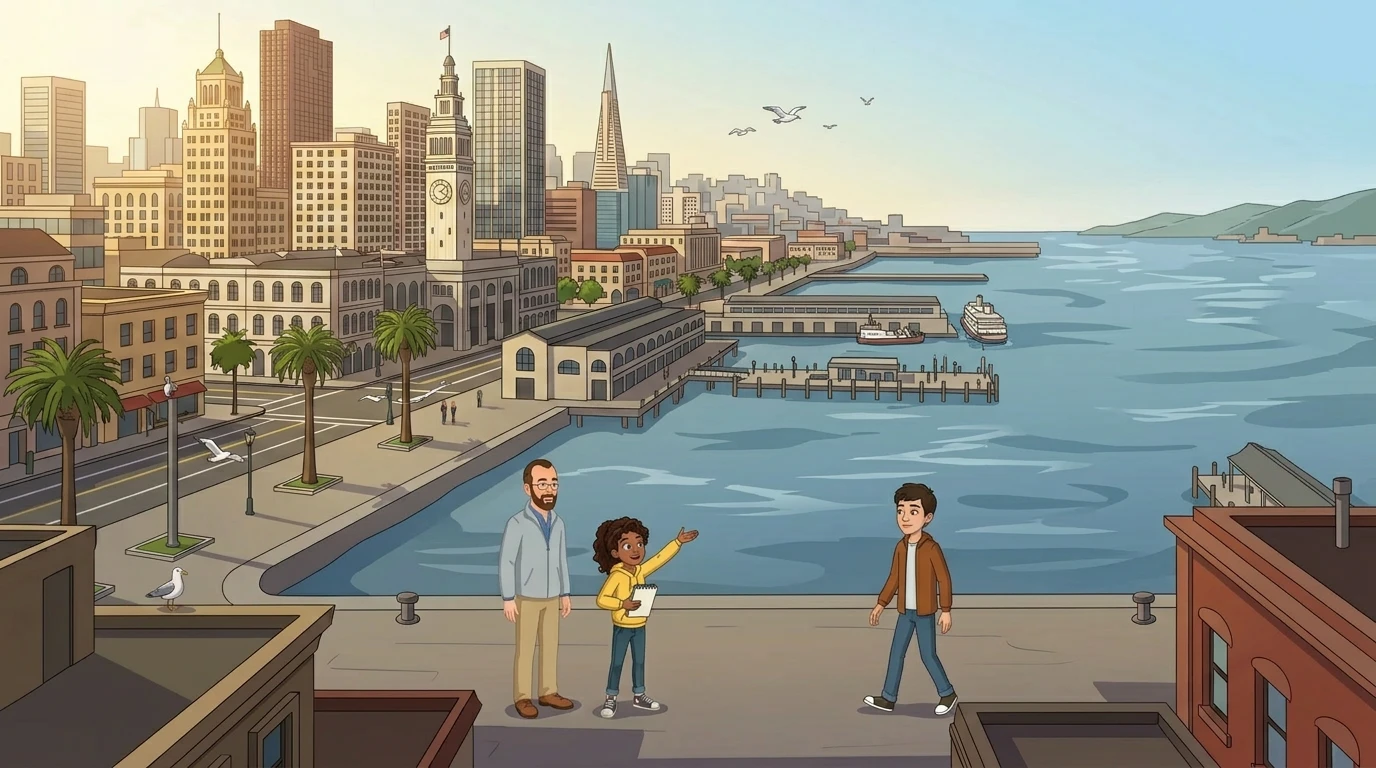
Layla nodded. "So rivers are really powerful shapers of the land, creating everything from fertile deltas to massive canyons!" Just then, Marcus walked up. "Hey guys! What are you talking about?" He looked at Layla. "If rivers shape the land... what shapes the ocean floor?" David smiled. "That's exactly what we'll explore next time, Marcus!"
About this story
- Audience: kids (ages 6–12)
Questions and answers
Read Wonder Books on your phone
Wonder Books is available on Android and iPhone and iPad. Get Wonder Books on Google Play · Get Wonder Books on the App Store.