The American Declaration of Independence — USA (1776, USA)
The American Declaration of Independence — USA (1776, USA) — an illustrated history story, featuring Thomas Jefferson, John Adams, Benjamin Franklin, set in USA. 10 illustrated pages, free to read on Wonder History.
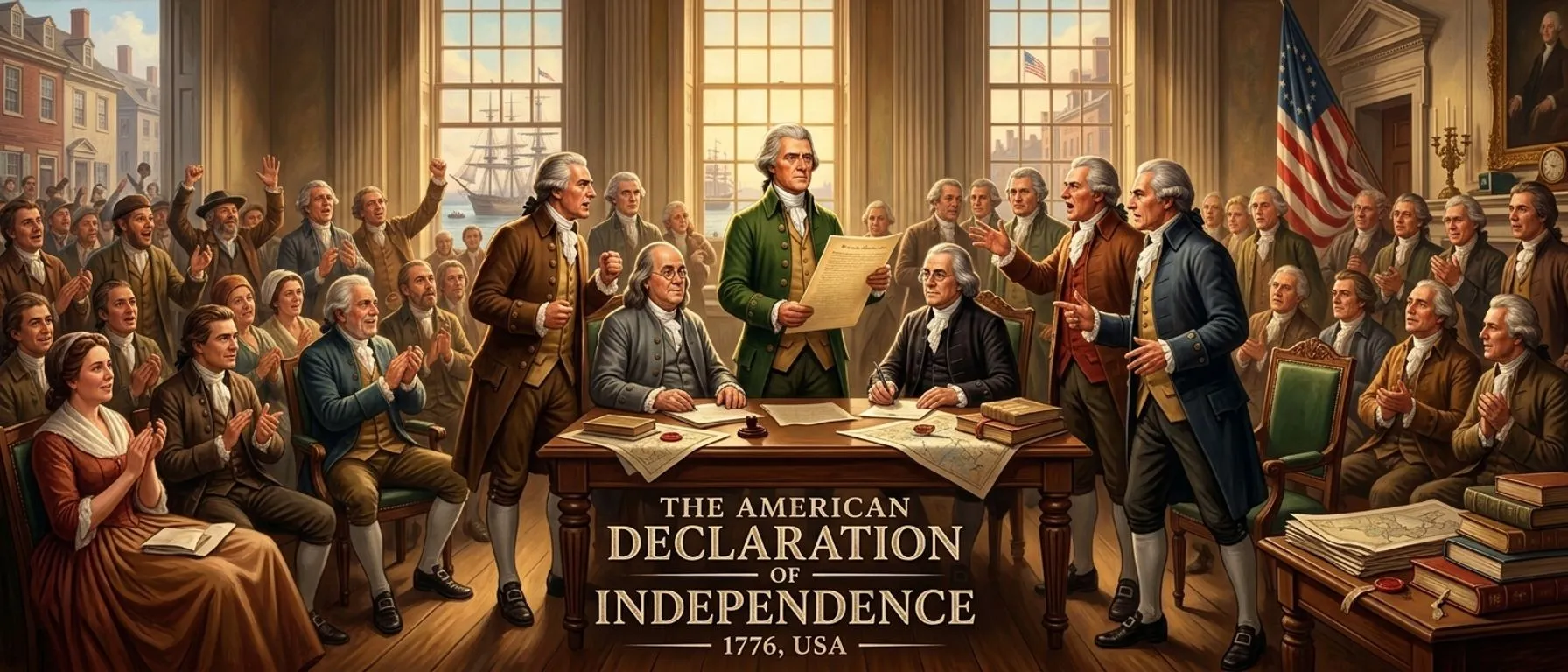
Page 1
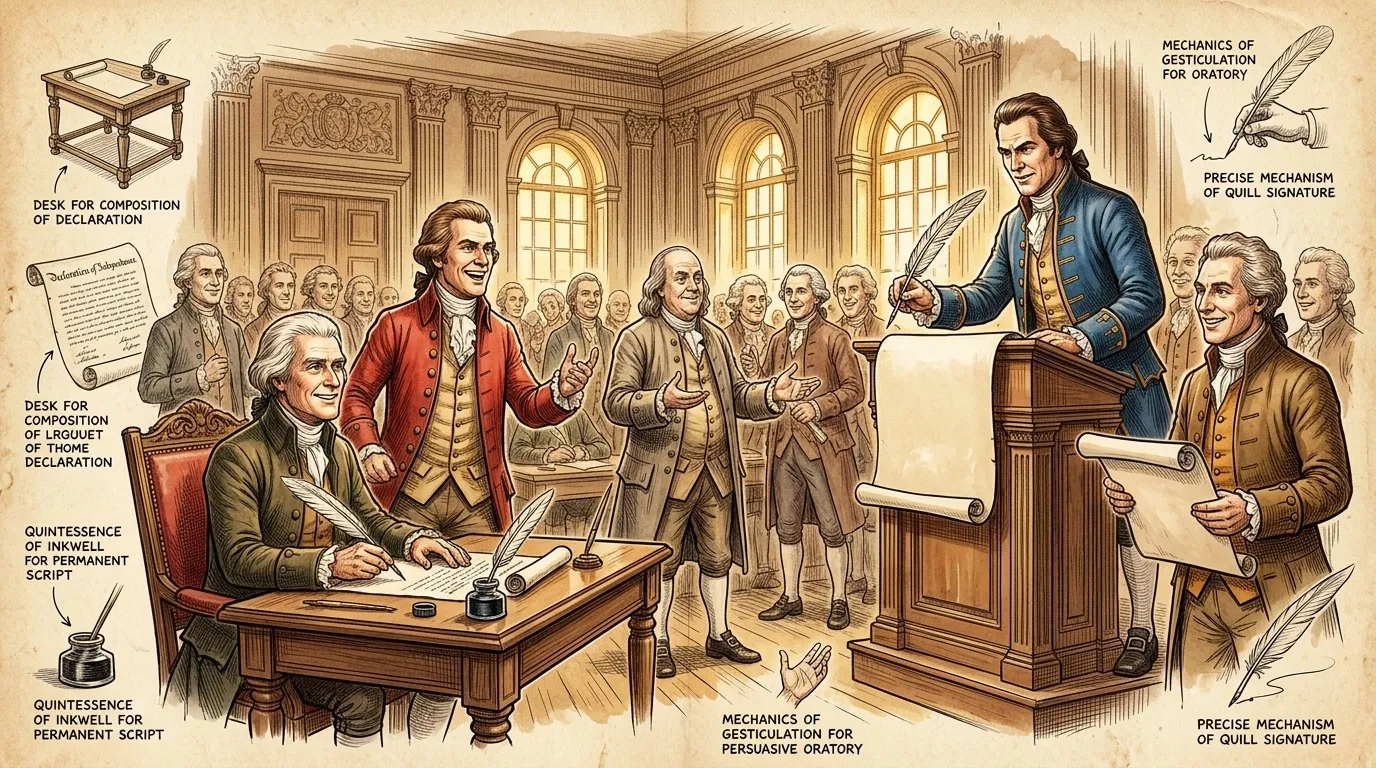
On July 4, 1776, the fate of thirteen colonies hung in the balance. Thomas Jefferson, the eloquent Virginian, penned the words. John Adams, the determined advocate, championed the cause. Benjamin Franklin, the wise diplomat, sought unity. John Hancock, the bold leader, prepared to sign. Richard Henry Lee's resolution echoed in the halls. But where did this daring act of defiance begin?
Historical Fact: The Declaration of Independence was signed on July 4, 1776, marking a pivotal moment in American history and leading to the Revolutionary War.
Page 2
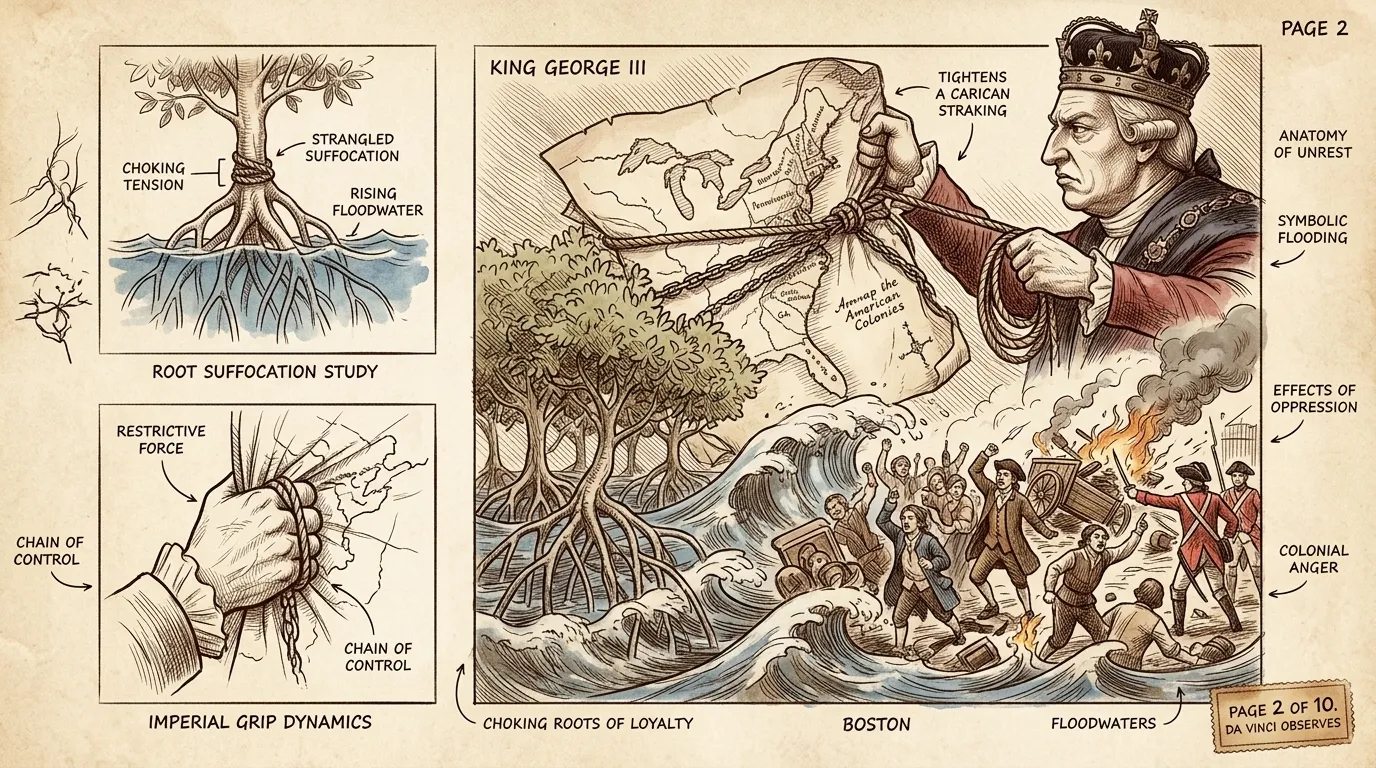
Decades of escalating tensions between Great Britain and its American colonies preceded the declaration. Taxation without representation fueled resentment. The distant, uncaring King George III tightened his grip. News from Boston spoke of protest and violence. Tensions rose like floodwaters in a mangrove swamp, choking the roots of loyalty.
Historical Fact: The Boston Massacre on March 5, 1770, inflamed anti-British sentiment and became a symbol of colonial grievances.
Page 3
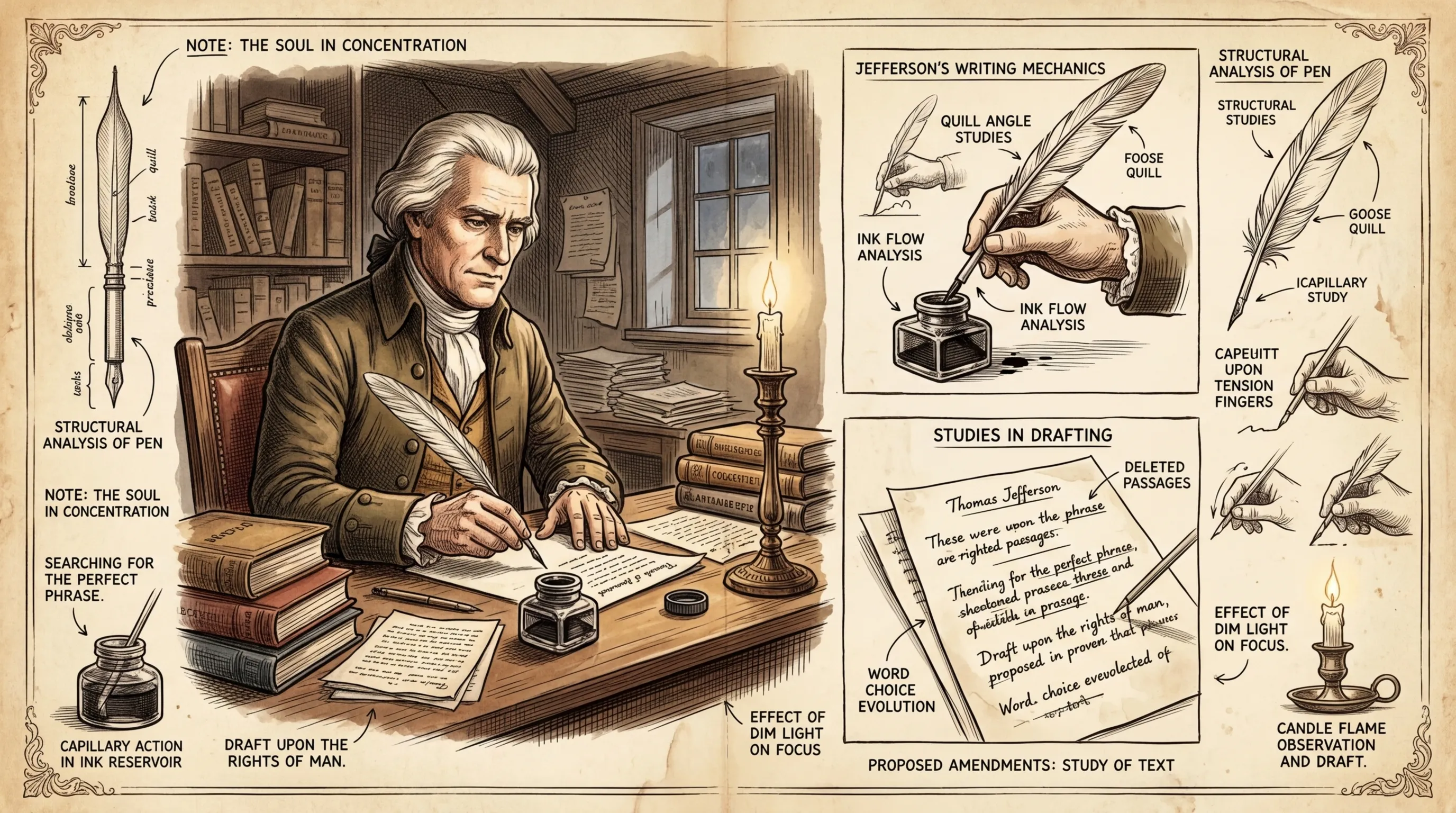
Thomas Jefferson, a shy thinker who observed everything, was chosen to draft the declaration. He sat alone in his rented rooms, surrounded by books and papers. The weight of history pressed upon him. He dipped his quill into the ink, ready to write.
Historical Fact: Thomas Jefferson, influenced by Enlightenment thinkers, articulated the core principles of the Declaration, including natural rights and self-governance.
Page 4
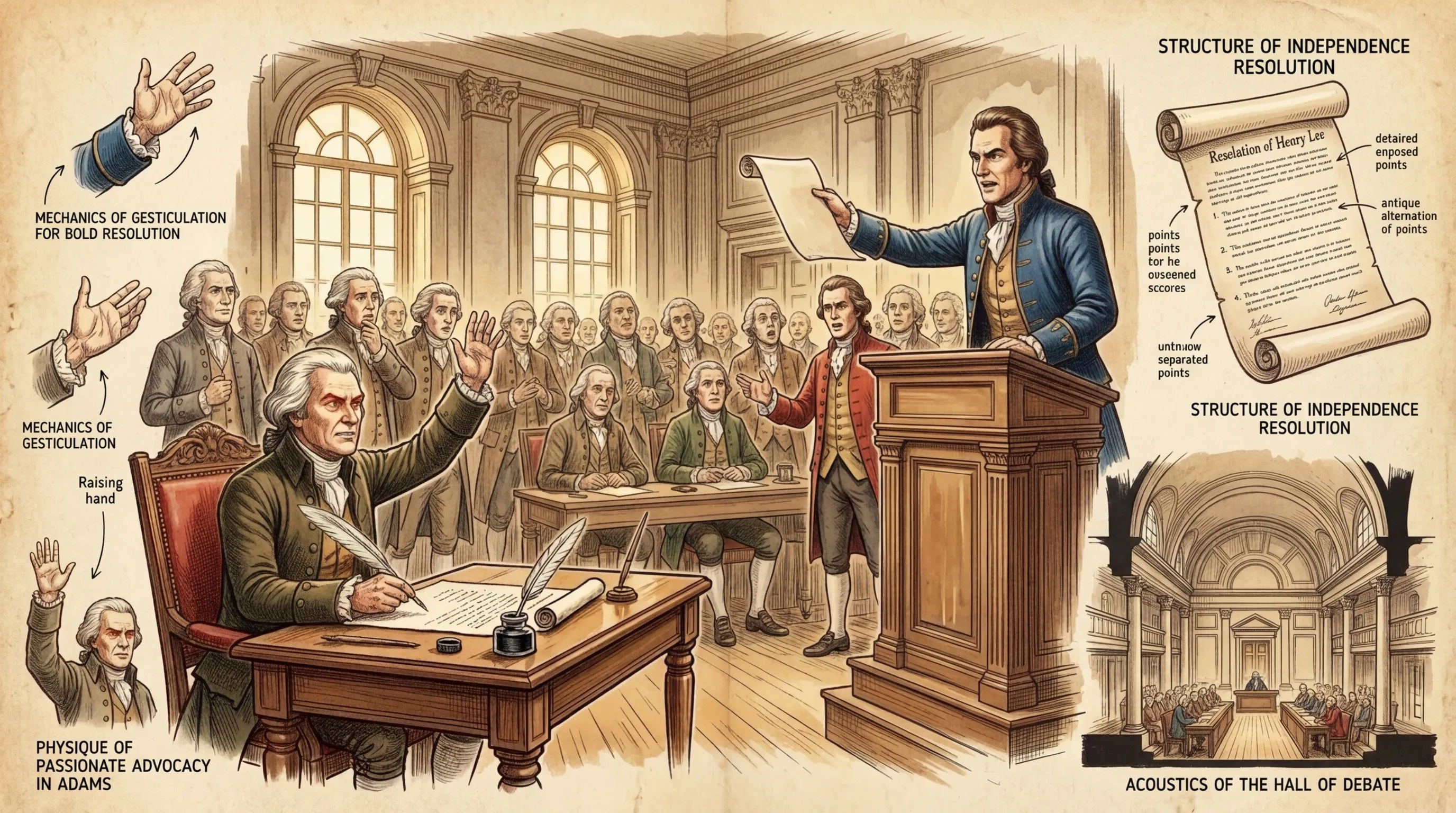
Richard Henry Lee rose in the Continental Congress. He proposed a daring resolution: "That these United Colonies are, and of right ought to be, free and independent States." John Adams seconded the motion with fiery passion. The debate began.
Historical Fact: Richard Henry Lee's resolution on June 7, 1776, formally proposed independence, setting the stage for the Declaration of Independence.
Page 5

Benjamin Franklin, the wise diplomat, urged unity. He knew the colonies must stand together or fall separately. He reminded the delegates of the power of compromise. "We must all hang together," he quipped, "or assuredly we shall all hang separately."
Historical Fact: Benjamin Franklin, a respected statesman and diplomat, played a crucial role in uniting the colonies and securing support for independence.
Page 6
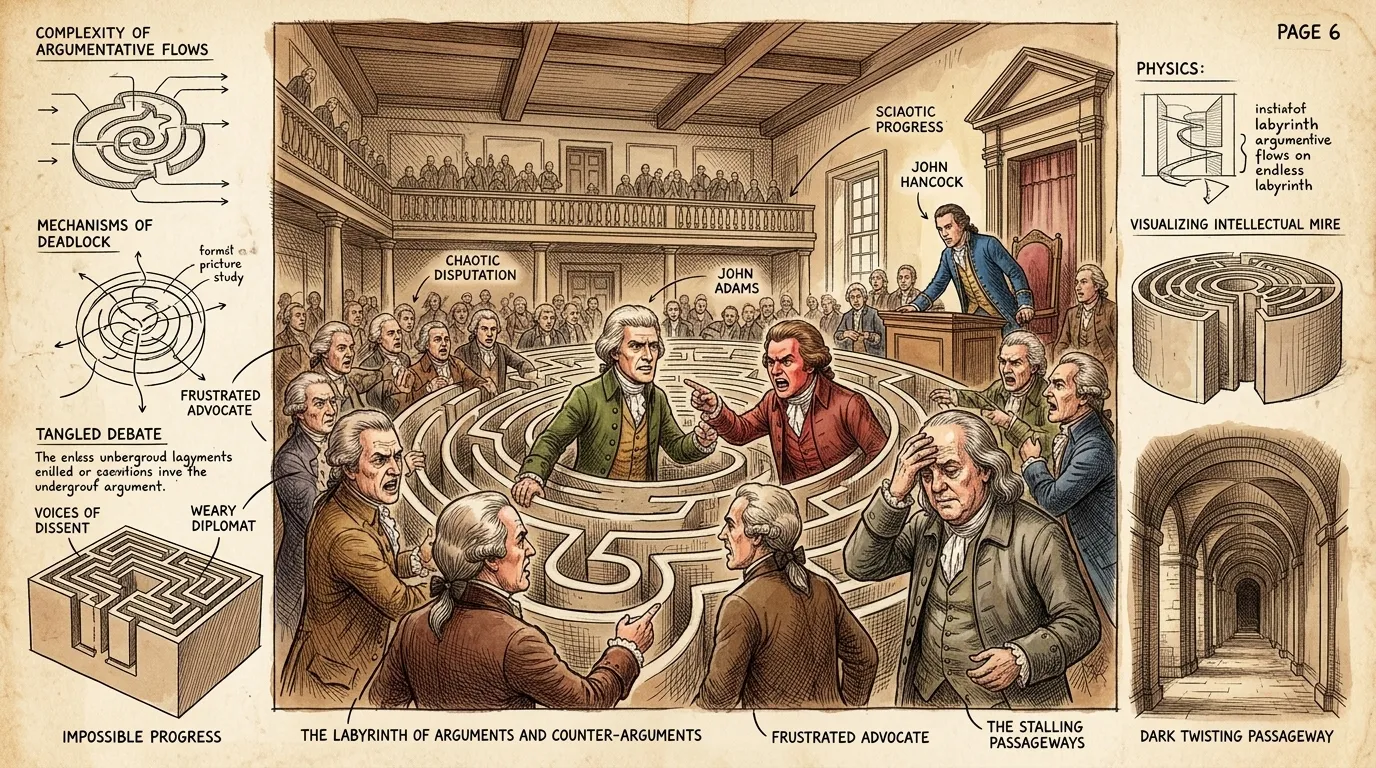
The debate raged for days. Some delegates feared the consequences of independence. Others saw it as the only path to liberty. The Congress was lost in a labyrinth of arguments and counter-arguments. Progress seemed impossible, an underground passage that seemed endless.
Historical Fact: The debates surrounding independence were intense and divisive, reflecting the diverse interests and concerns of the thirteen colonies.
Page 7

John Hancock, the bold leader, stepped forward. He seized the quill and signed his name in large, bold letters. "There, I guess King George will be able to read that," he declared. His action galvanized the others.
""There, I guess King George will be able to read that," "
Historical Fact: John Hancock, as President of the Continental Congress, was the first to sign the Declaration, making a bold statement of defiance against British authority.
Page 8
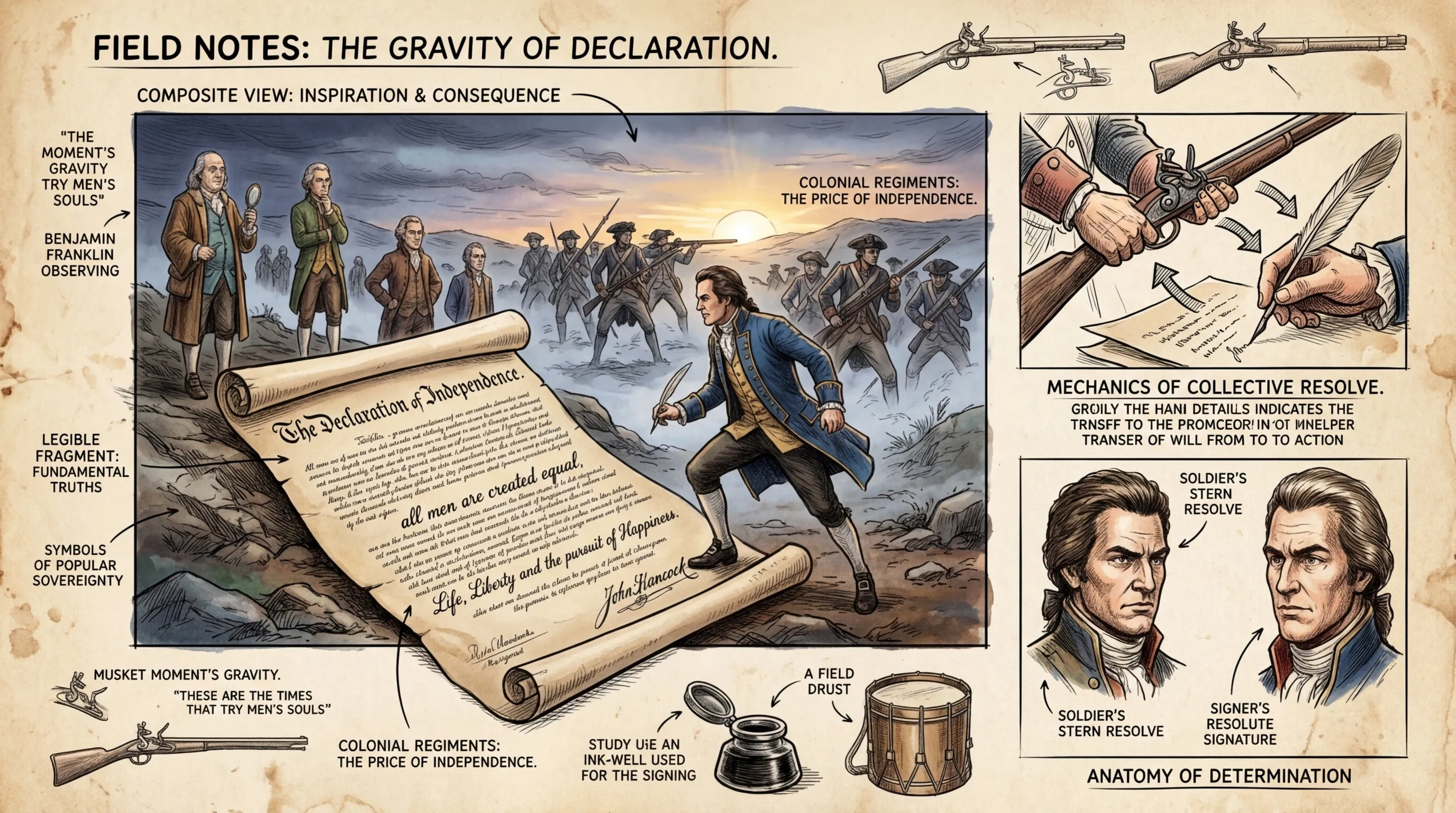
With the Declaration signed, the colonies had committed to a path from which there was no return. The document proclaimed the self-evident truths: that all men are created equal, that they are endowed by their Creator with certain unalienable Rights, that among these are Life, Liberty and the pursuit of Happiness. Now, they faced the formidable task of defending their declaration on the battlefield. Years earlier, Thomas Paine wrote in Common Sense that 'These are the times that try men's souls.' It was time to prove it.
Historical Fact: The Declaration of Independence justified the American Revolution by asserting the colonies' right to self-government and listing grievances against King George III.
Page 9
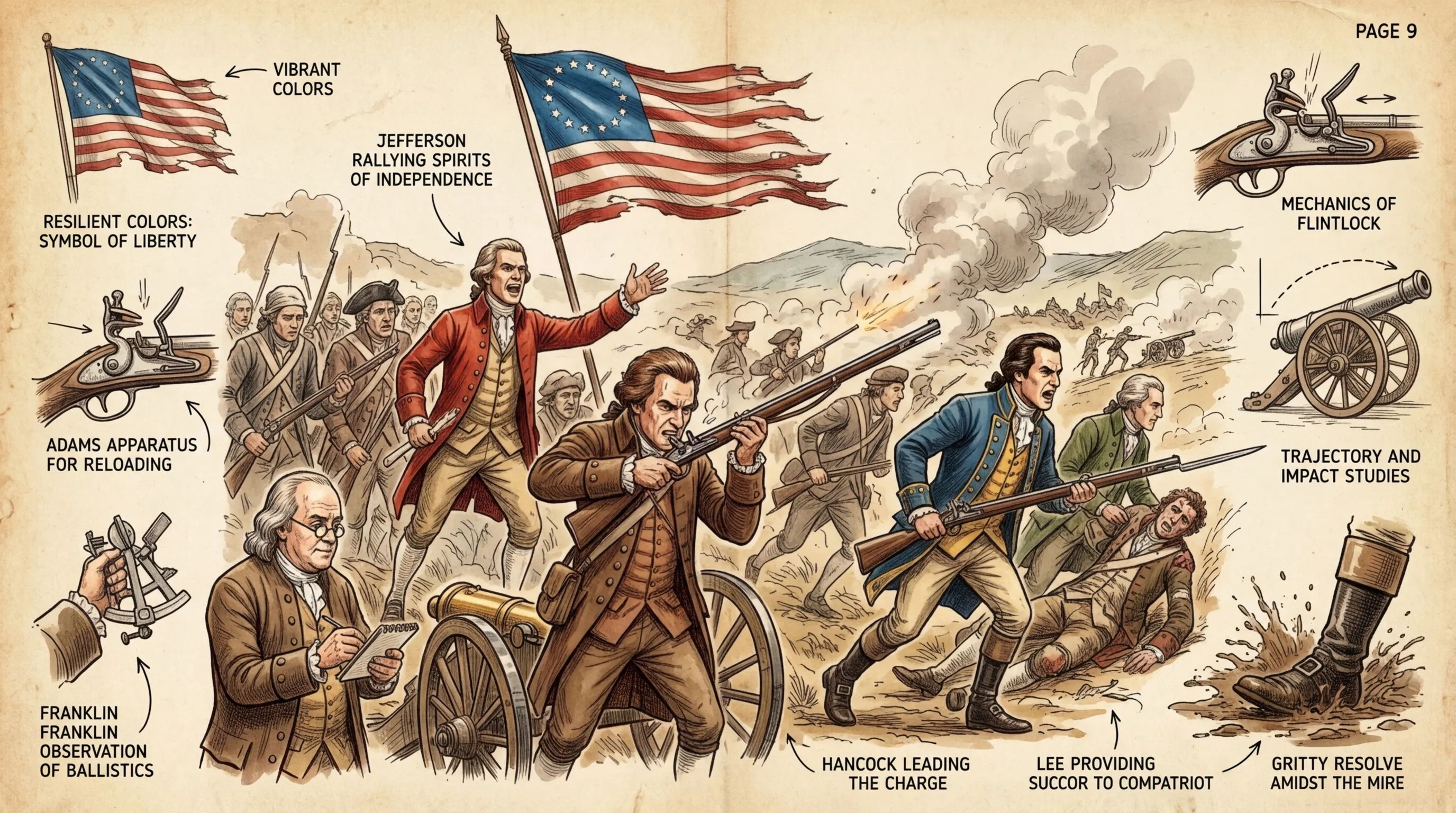
Years of war followed. Battles were won and lost. Lives were sacrificed. The American Revolution tested the limits of endurance. Freedom was bought with blood and sacrifice.
Historical Fact: The American Revolutionary War, lasting from 1775 to 1783, tested the resolve of the colonists and ultimately secured their independence.
Page 10
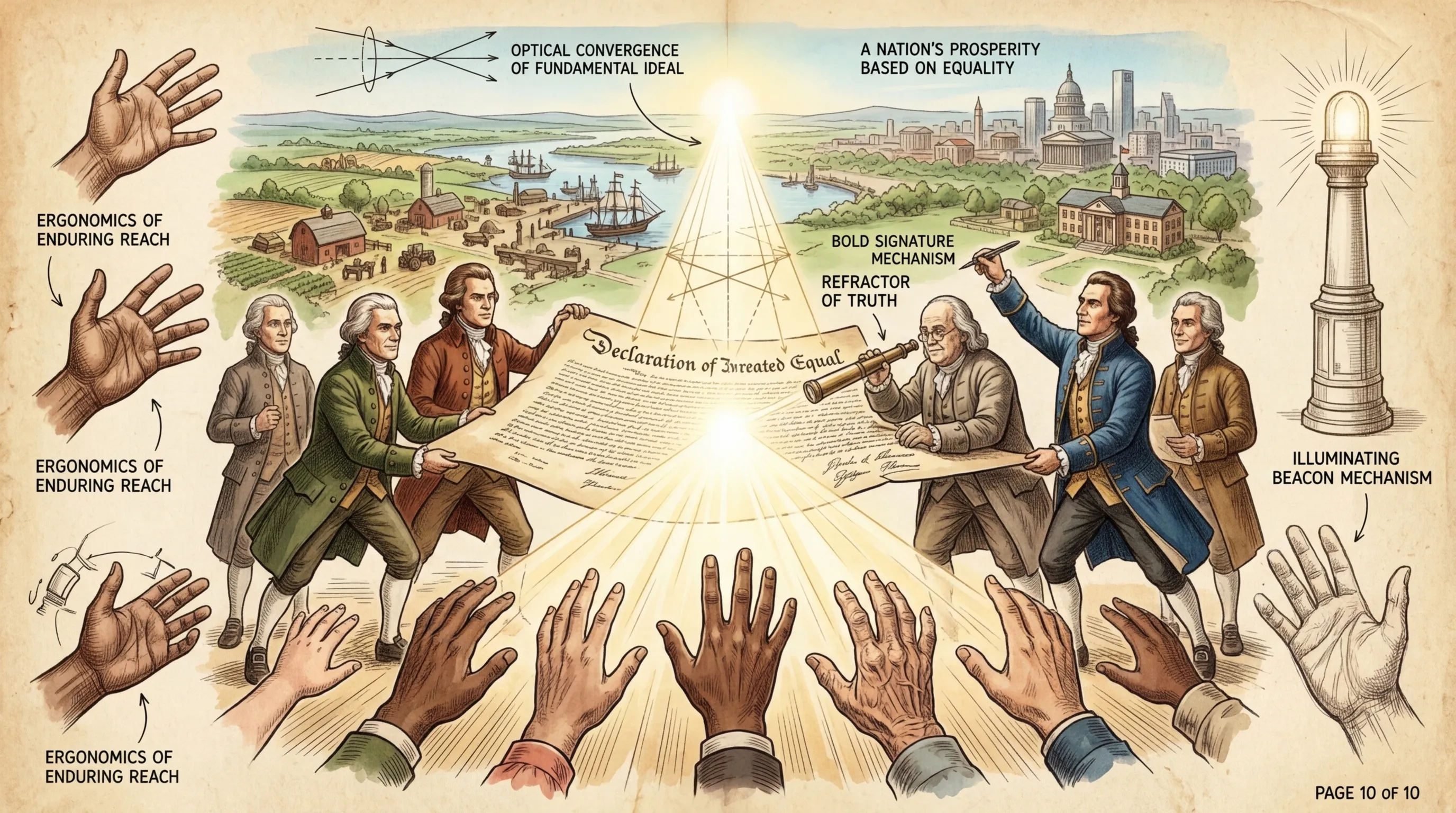
Generations later, the ideals of the Declaration continue to inspire. The United States of America, a nation founded on liberty and equality, stands as a beacon of hope. The words of Jefferson echo through time, a testament to the power of an idea.
Historical Fact: The Declaration of Independence continues to shape American identity and inspire movements for freedom and equality around the world.
About this story
- Historical figures: Thomas Jefferson, John Adams, Benjamin Franklin
- Location: USA
- Period: Early Modern
- Audience: general readers
Questions and answers
Questions and answers about The American Declaration of Independence — USA (1776, USA)
Read Wonder History on your phone
Wonder History is available on Android. Get Wonder History on Google Play.
More Wonder History stories
- The American Revolution (1775–1783, North America)
- The Assassination of Archduke Franz Ferdinand (1914, Hungary)
- The Assassination of Julius Caesar (44 BC) - Italy (44 BC, Italy)
- The Battle of Agincourt (1415, France)
- The Battle of Cannae (216 BC, Italy)
- The Battle of Gaugamela — Persia (Iraq) (331 BC, Persia)