The Salt March of India (1930, India)
The Salt March of India (1930, India) — an illustrated history story, featuring Mahatma Gandhi, Jawaharlal Nehru, Sarojini Naidu, set in India. 10 illustrated pages, free to read on Wonder History.

Page 1

On April 6, 1930, Mahatma Gandhi raised a fistful of salt at Dandi, defying the British Salt Laws. Hundreds surged forward, their faces alight with defiance. But what events led to this moment of open rebellion?
Page 2
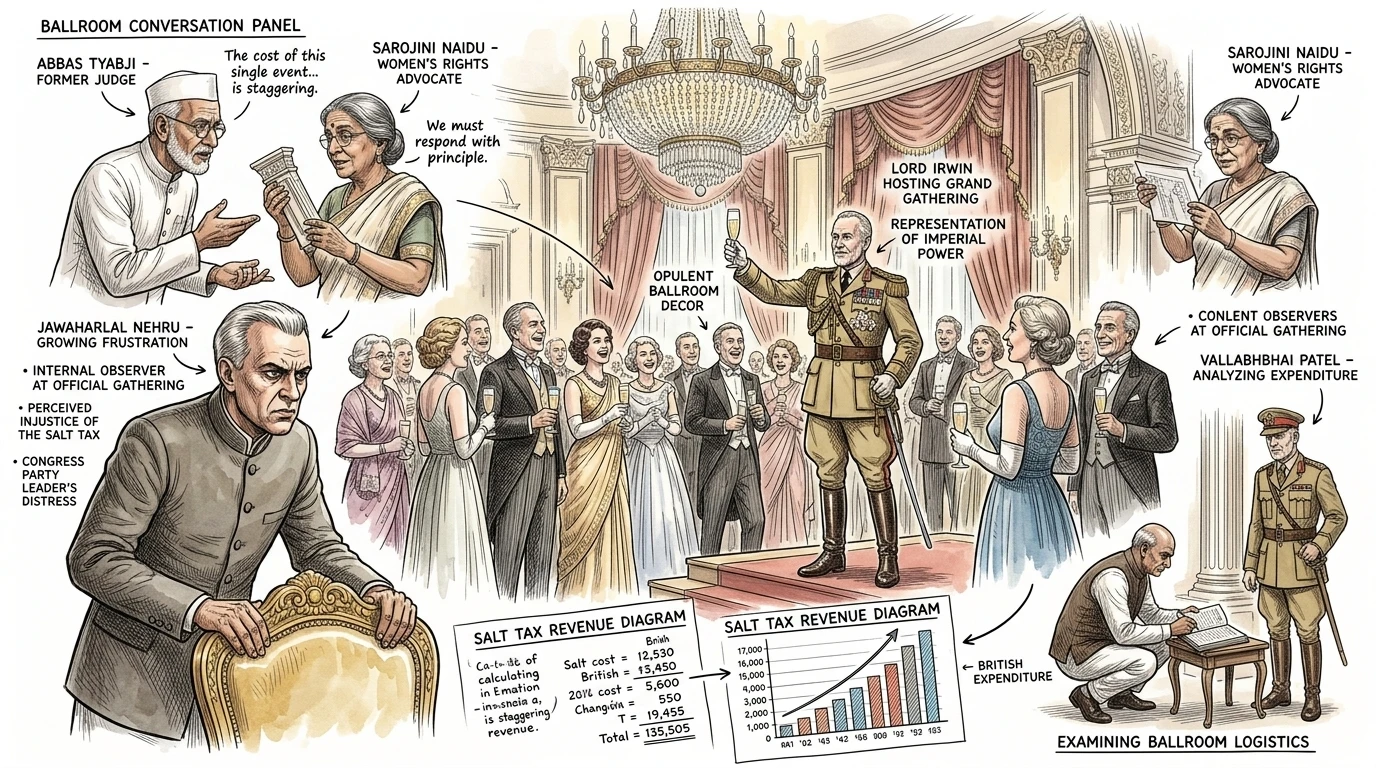
The year is 1930. Lord Irwin, the British Viceroy of India, presides over a lavish gathering in Delhi. Jawaharlal Nehru fumes at the audacity of the British to profit from a necessity like salt. The salt tax oppressed all Indians, rich or poor.
Page 3

"The time has come for action, not words!" Vallabhbhai Patel declared to a crowd in Ahmedabad. "The British think they can bleed us dry with their salt tax. Mahatma Gandhi will soon lead the way!" The crowd roared its approval. "Swaraj is within our grasp!"
Page 4

Mahatma Gandhi gathered his followers at Sabarmati Ashram. "We shall march to Dandi," he announced. "We will make salt from the sea, defying the unjust British laws!" Sarojini Naidu stepped forward, her eyes blazing with determination. "I will march with you, Mahatmaji!"
Page 5
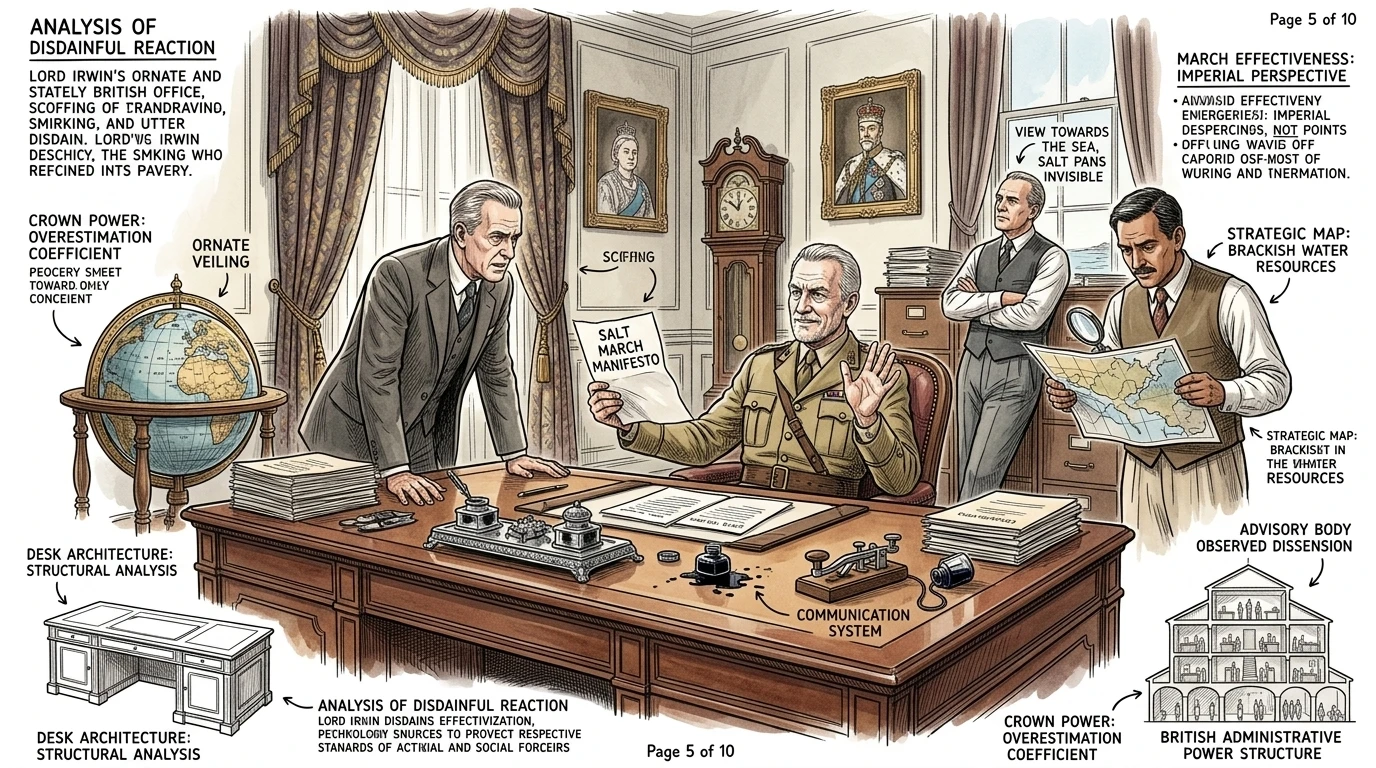
Lord Irwin received the news of the planned march with disdain. "Gandhi's actions are nothing more than a symbolic gesture," he scoffed to his advisors. "The British Empire will not be shaken by a handful of salt!" He dismissed the threat, confident in the power of the Crown.
Page 6
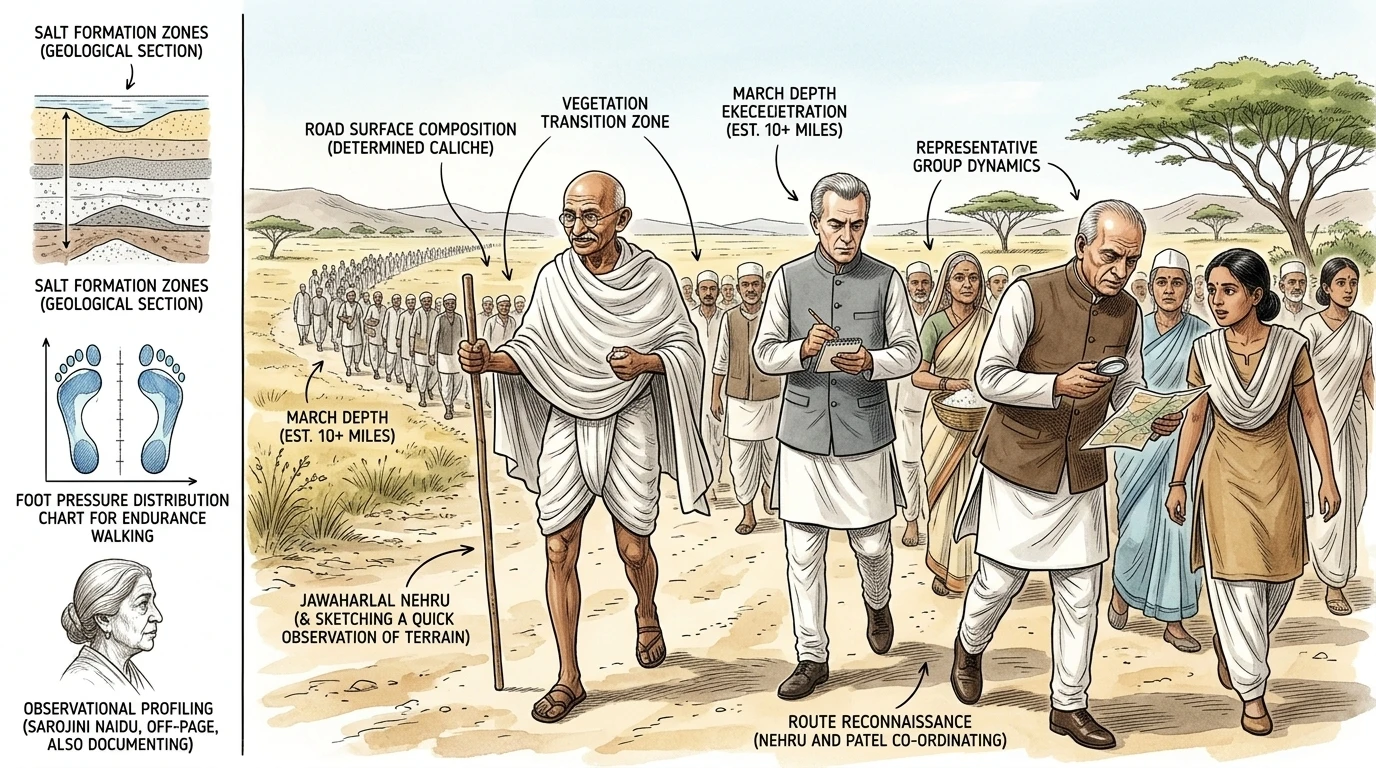
The Salt March began on March 12, 1930. Gandhi, leading the way, walked with unwavering resolve. Jawaharlal Nehru, alongside other leaders like Vallabhbhai Patel, marched alongside him. The world watched as the marchers progressed, one step at a time.
Page 7
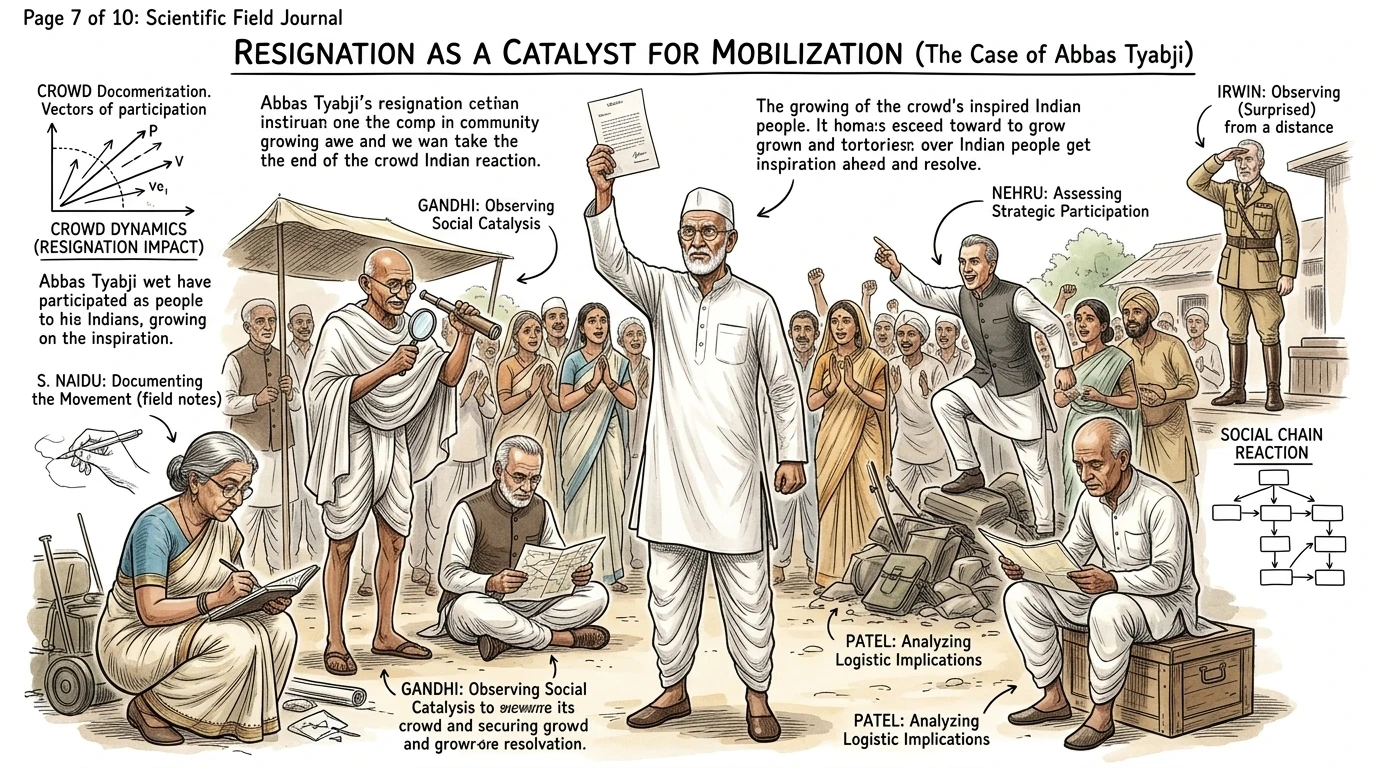
Abbas Tyabji, a respected judge, resigned his post and joined the march. "Gandhi is right," he declared. "It is our duty to defy unjust laws!" The act inspired countless others to join, swelling the ranks of the marchers.
Page 8
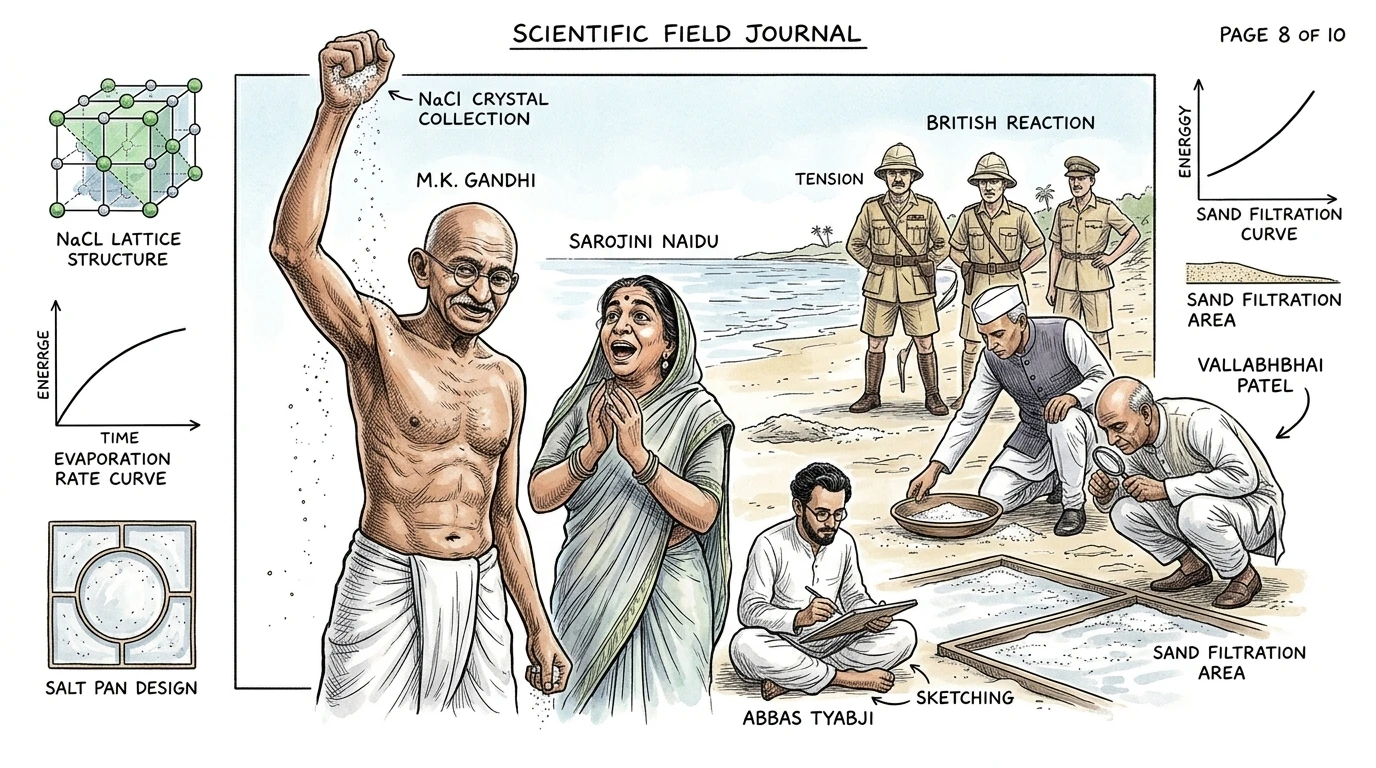
As Gandhi raised the salt, defying the British Salt Laws, Sarojini Naidu exclaimed, "Gandhi, you have shaken the foundations of the Empire!" She knew the British would not stand for such open rebellion. Mass arrests followed, but the movement had taken root.
Page 9
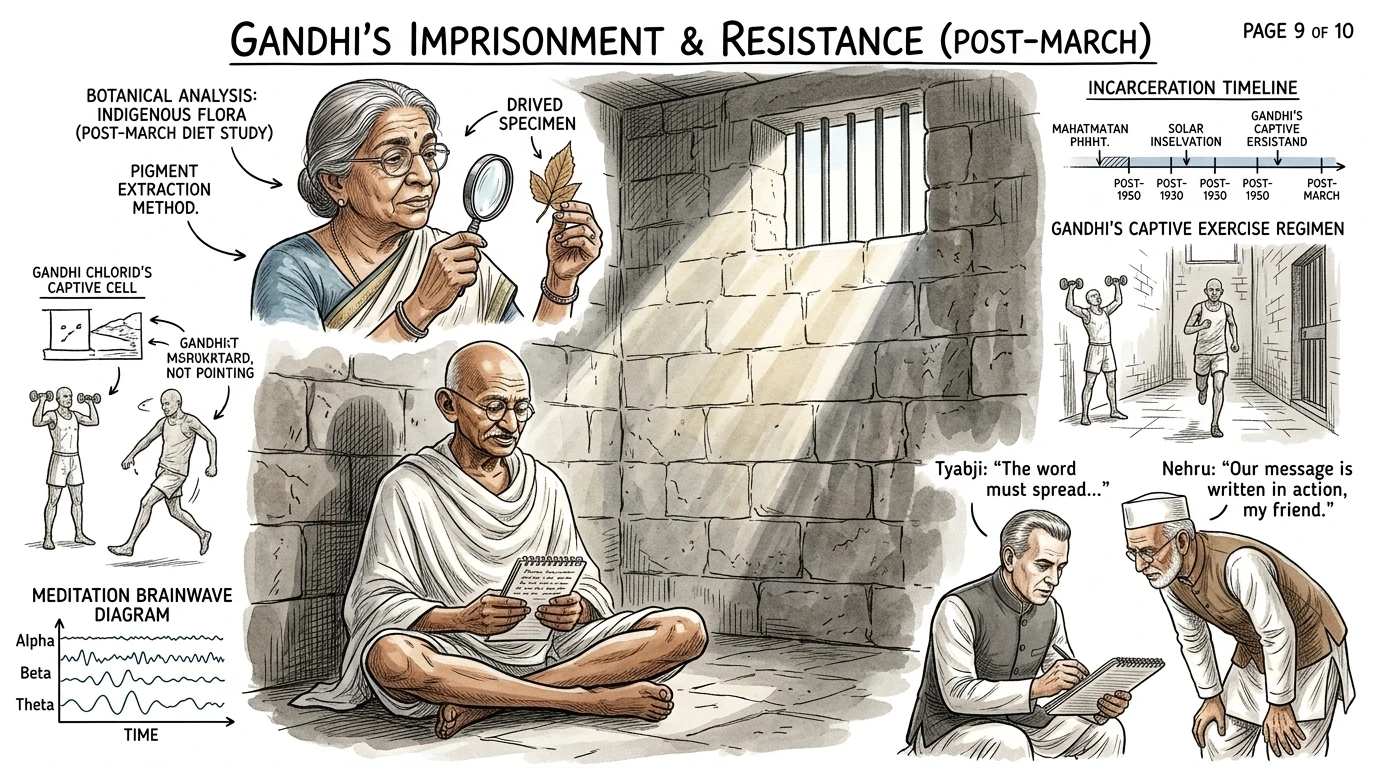
Imprisoned, Gandhi remained defiant. He recalled Aristotle's words, "'The ultimate value of life depends upon awareness and the power of contemplation rather than upon mere survival.' We must stand firm on our principles, no matter the cost!" The Salt March had sparked a flame that would not be extinguished.
Page 10
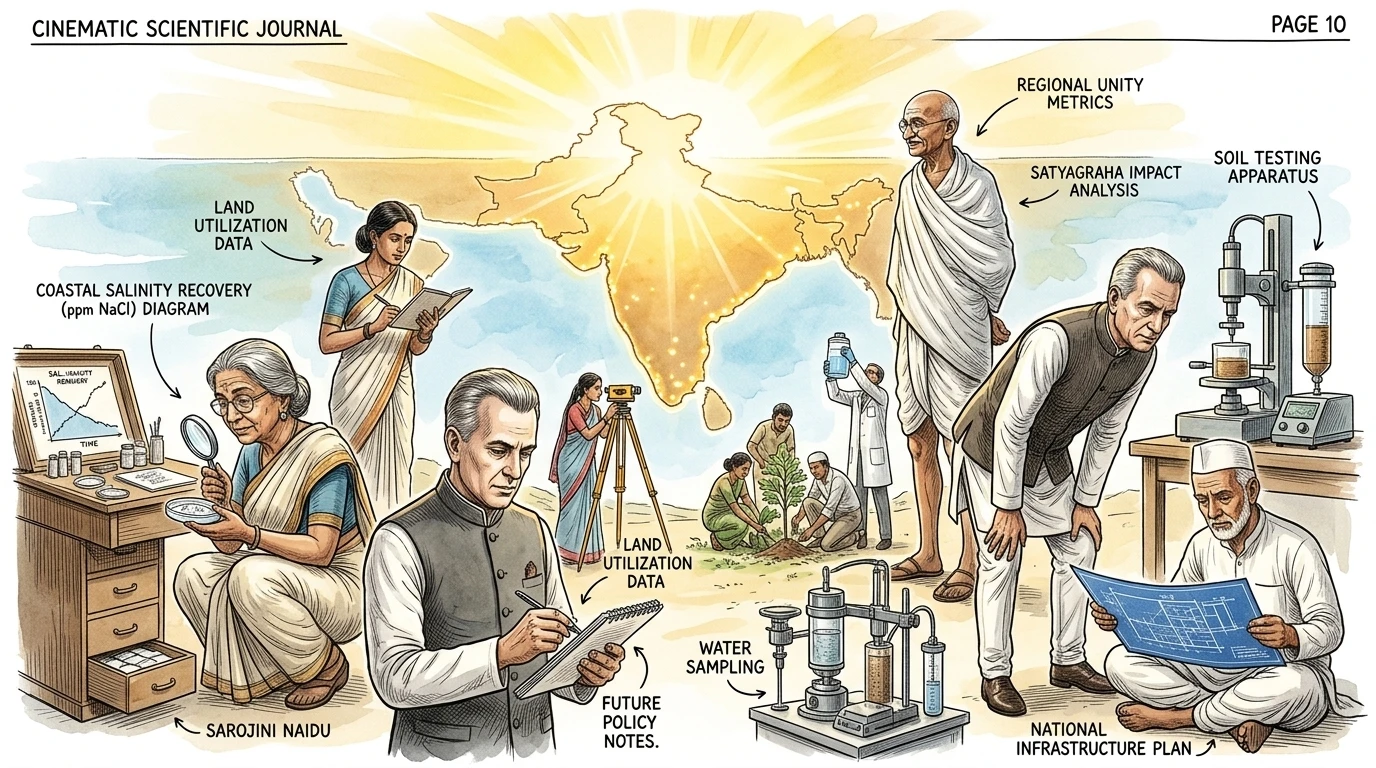
The Salt March galvanized the Indian independence movement. Though it did not immediately end British rule, it demonstrated the power of nonviolent resistance. India would eventually achieve independence, a testament to Gandhi's unwavering commitment to Satyagraha.
About this story
- Historical figures: Mahatma Gandhi, Jawaharlal Nehru, Sarojini Naidu
- Location: India
- Period: Modern
- Audience: general readers
Questions and answers
Questions and answers about The Salt March of India (1930, India)
Read Wonder History on your phone
Wonder History is available on Android. Get Wonder History on Google Play.