A Portrait of the Artist as a Young Man
A faithfully compressed classic novel for adult readers.
Page 1
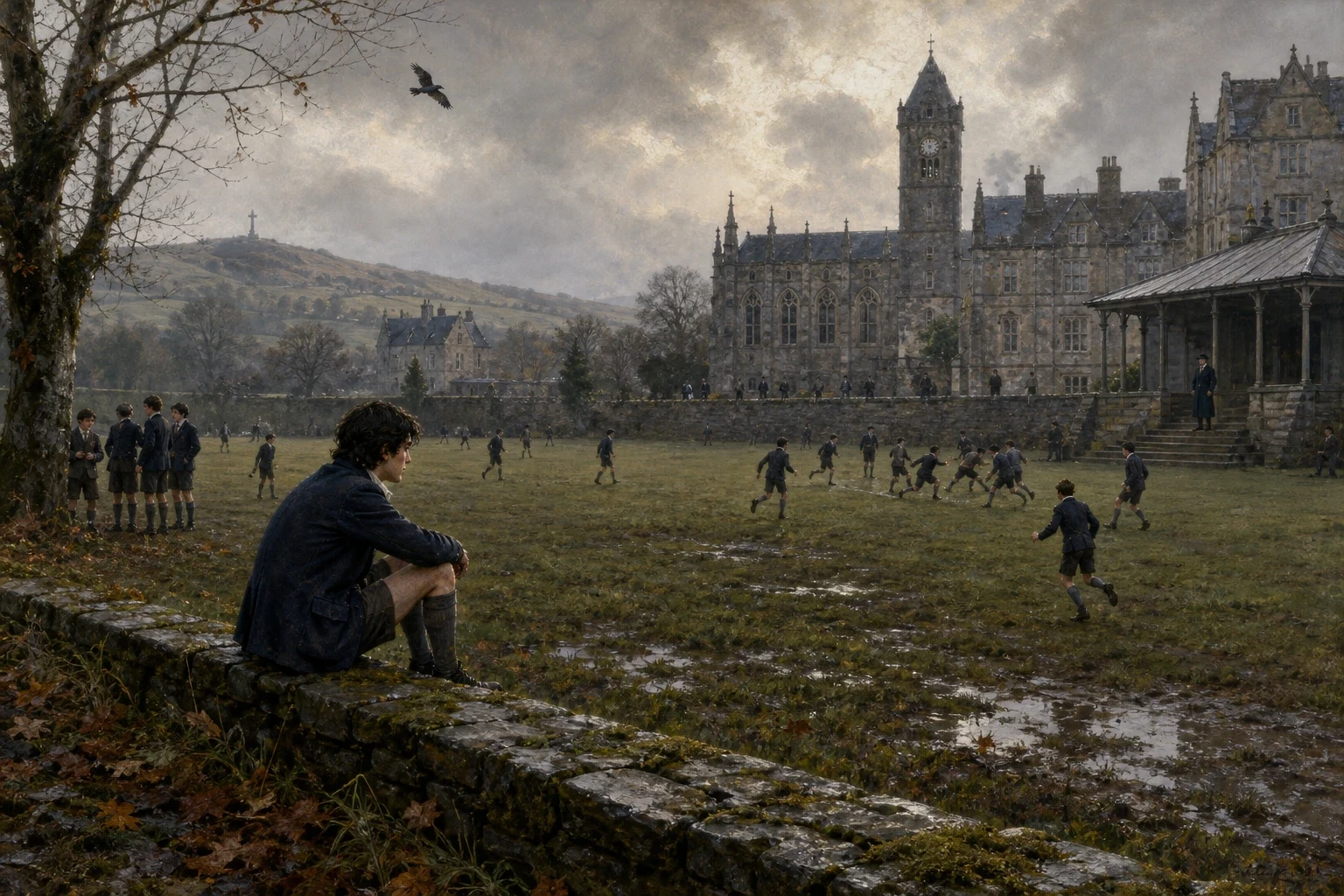
Once upon a time, and a very good time it was, Stephen Dedalus was a little boy at Clongowes Wood College. Everything felt vast and cold here: the huge, echoing corridors, the chilly dormitories, and the rough games on the damp playing fields. He was small and often ill, sitting on the cold turf, watching the other boys play. He thought of his home, the comforting smell of his mother, and the familiar warmth of his father’s voice. Here, he learned about strange new things: how to be a 'clongowes' and the meaning of different names. The world seemed to stretch out, full of bewildering rules and harsh sounds, far from the soft voices of home. He felt a deep sense of being adrift, a small boat on a wide, dark sea, trying to understand the currents around him. The distant shouts of the boys echoed his own small voice inside him, lost and longing.
Page 2
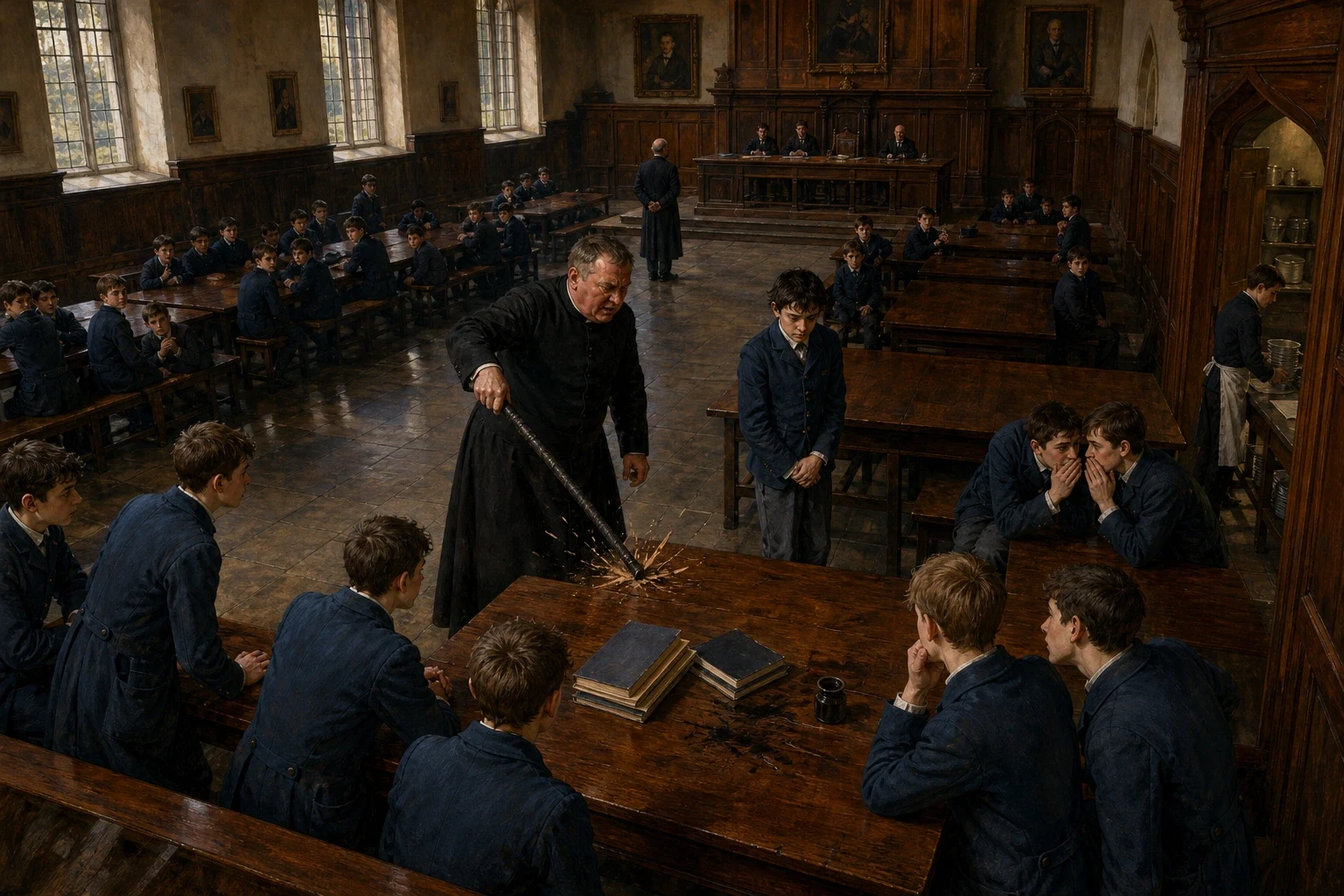
The coldness of Clongowes was often matched by its stern discipline. One day, during a lesson, Stephen's glasses broke, and he was accused by Father Dolan, the Prefect of Studies, of 'idling'. Father Dolan, with his red face and heavy movements, called Stephen out before the class. The other boys watched, silent and uneasy. Stephen tried to explain, but his voice was small and unheard. Father Dolan, in a fit of temper, raised his pandybat. He brought it down with a sharp crack on the desk, the sound echoing through the room, making Stephen flinch back in terror. The injustice burned in Stephen's heart. He felt a profound sense of humiliation and helplessness, his spirit wounded more deeply than any physical blow could have achieved. The world, it seemed, was not just confusing, but also cruel and unfair.
Page 3
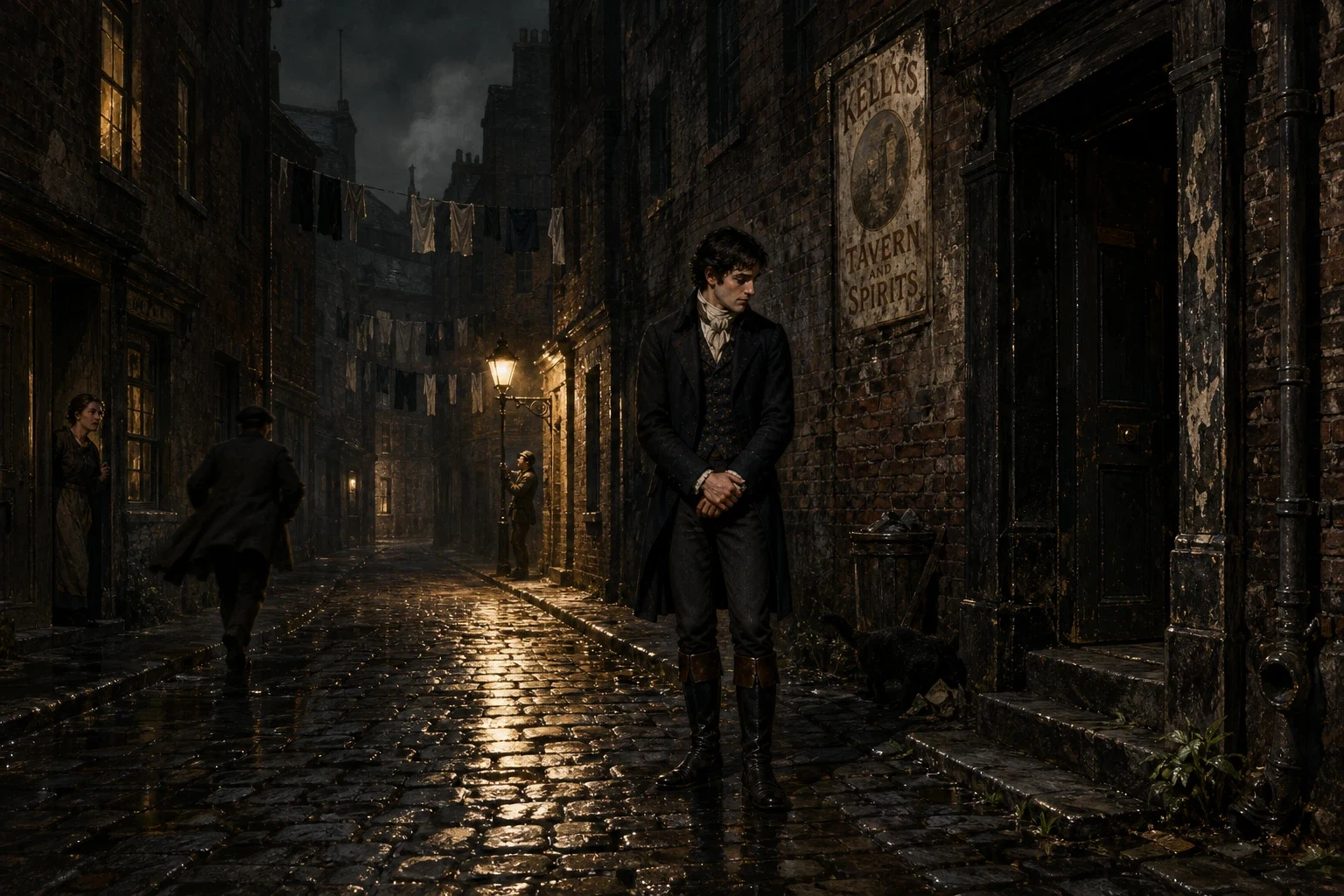
As Stephen grew older, the confines of school and family felt increasingly suffocating. He began to wander the darker, less respectable parts of Dublin, seeking an escape from his own rigid conscience and the constant debates of his home. He felt a profound sense of loneliness, a yearning for connection and understanding that he could not find in his structured life. One evening, in a dimly lit, narrow lane, he found a fleeting moment of warmth and belonging in the arms of a woman. For a brief time, the world outside, with its judgements and expectations, faded away, replaced by a momentary solace. But as quickly as the warmth came, it was replaced by a crushing wave of guilt and shame, leaving him feeling dirtier and more lost than before. His soul felt heavy, tainted by the secret knowledge he now carried.
Page 4
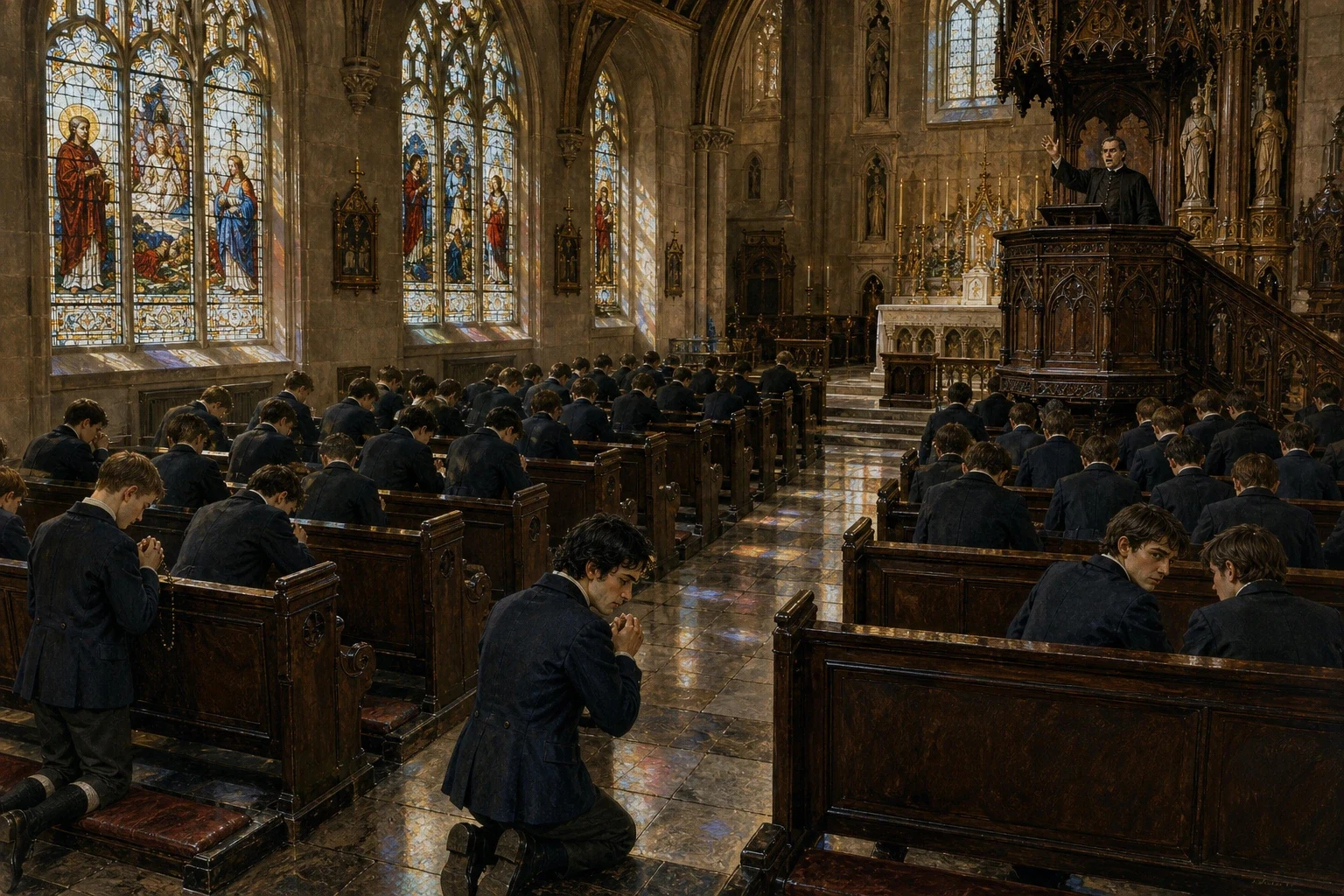
During a spiritual retreat at Belvedere College, Stephen was subjected to a series of powerful hellfire sermons. The preacher spoke of eternal damnation, of the soul's torment and the absolute finality of God's wrath. Stephen sat among his classmates, his heart pounding in his chest, gripped by a profound and absolute terror. Every word seemed directed at his own sinful soul, revealing the abyss he felt he stood on the brink of. He imagined the vast, suffocating darkness, the endless suffering, and the complete separation from all goodness. He trembled, sweat breaking out on his brow, convinced of his own damnation. The sermons did not inspire repentance as much as a paralyzing dread, driving him to the depths of despair and a desperate need for salvation.
Page 5
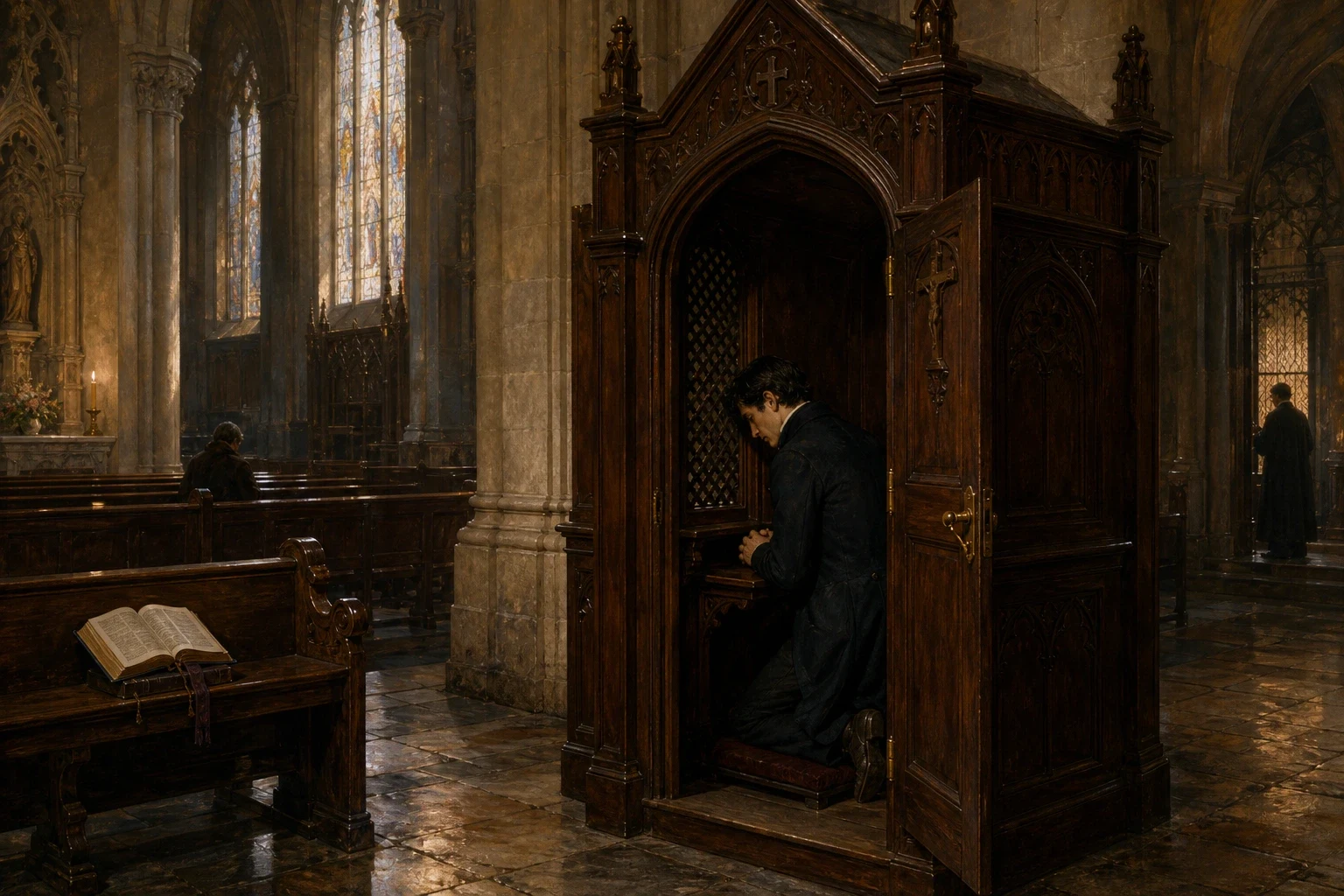
Overwhelmed by his spiritual terror, Stephen finally sought out a confessional. He entered the dark, enclosed space, the air thick with the scent of old wood and incense, and began to unburden his soul. He confessed every sin, every dark thought, every transgression that had tormented him, his voice trembling at first, then flowing out in a torrent of words. He spoke of his secret wanderings, his impure desires, his rejection of God. When he finally finished, a profound silence filled the small box. The priest's voice, calm and reassuring, offered absolution. A great weight lifted from Stephen's shoulders, leaving him feeling utterly drained but also profoundly cleansed. He emerged from the confessional into the muted light of the church, weak but free, his spirit temporarily at peace.
Page 6
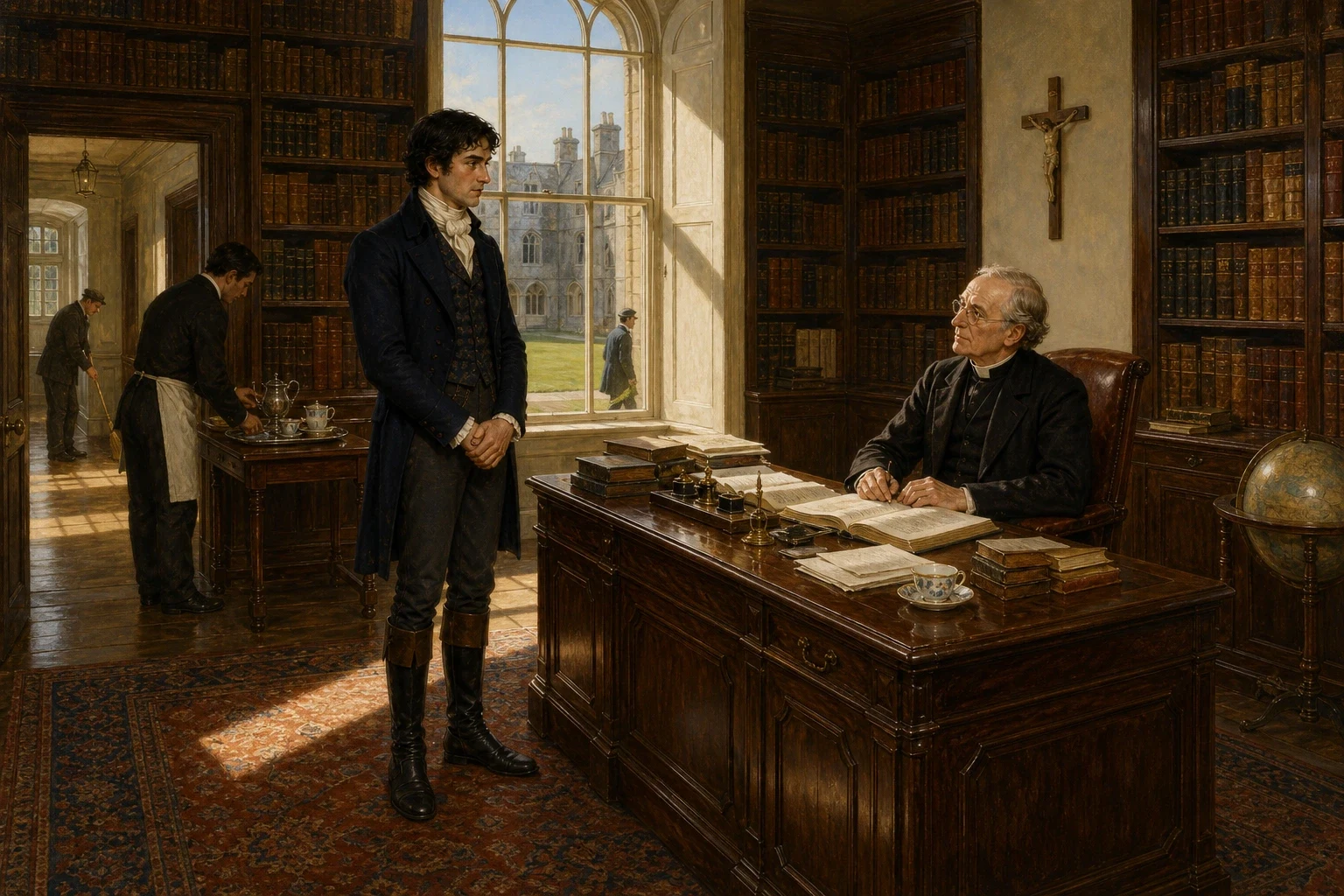
After his period of intense religious devotion, Stephen began to question the path of the priesthood. The intellectual life of university drew him, and his mind sought answers beyond dogma. He was called to speak with the Dean of Studies, a kindly, scholarly priest who gently probed Stephen's thoughts on his vocation. Stephen, though respectful, articulated his growing doubts and his burgeoning artistic inclinations. He felt a profound sense of honesty as he explained his inability to commit to a life within the church, recognizing that his true calling lay elsewhere. The Dean listened patiently, understanding perhaps the deeper currents at play in the young man's soul. In that quiet room, Stephen consciously made the decision to reject the path of spiritual leadership, choosing instead the uncertain, challenging road of art.
Page 7
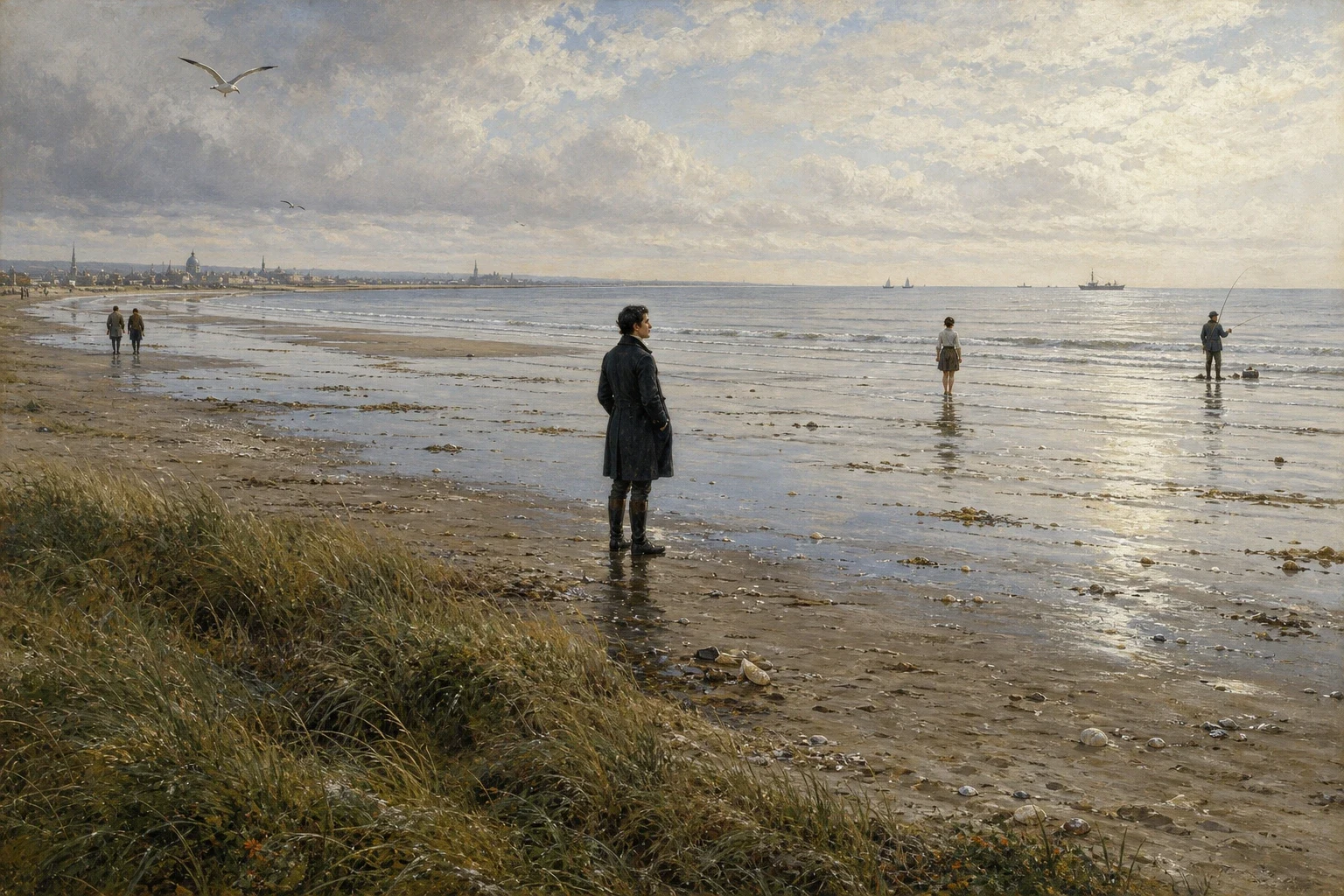
One day, walking along Sandymount Strand, Stephen experienced a profound epiphany. The vast, open expanse of the beach, where the Liffey met the sea, seemed to strip away all his previous confusion and doubt. He saw a young girl, standing in the shallows, her skirts gathered up, her delicate legs wading in the water. Her beauty, simple and natural, struck him with the force of a revelation. She seemed to him an angelic messenger, a creature of earth and sea, embodying the very essence of beauty and freedom. In that moment, all his vague yearnings coalesced into a clear purpose: to be an artist, to forge in the smithy of his soul the uncreated conscience of his race. The vision of her, graceful and pure, ignited an unshakeable resolve within him, sealing his artistic vocation.
Page 8
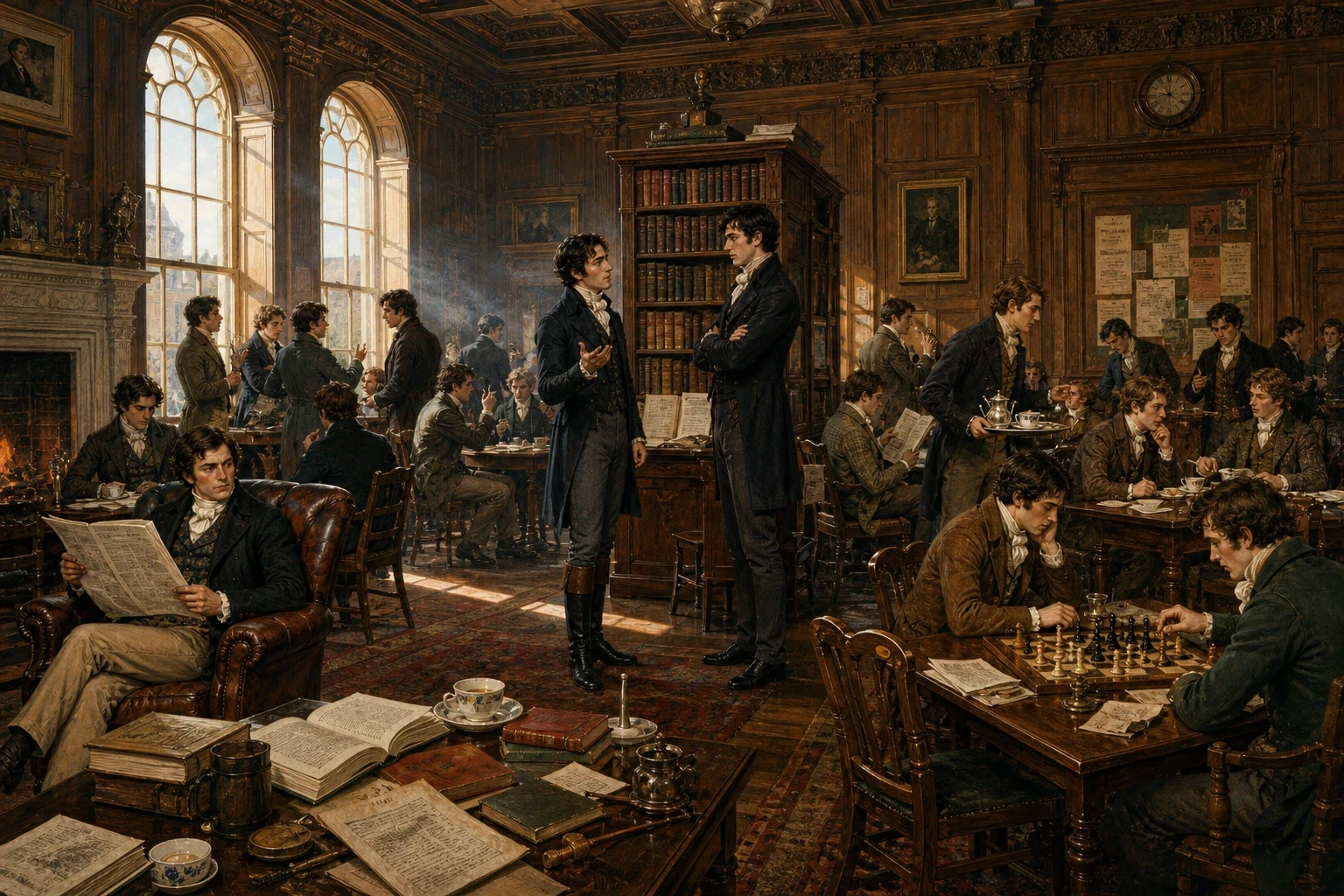
Now firmly committed to his artistic path, Stephen spent his days at University College Dublin engaged in intense intellectual debates with his fellow students. The common room, a bustling space filled with pipe smoke and passionate voices, became his arena. He argued fiercely about art, aesthetics, Irish politics, and the nature of national identity, often with his close friend, Cranly. Cranly, with his ascetic face and probing eyes, challenged Stephen's ideas, forcing him to articulate his beliefs with greater clarity. These conversations were not just academic exercises; they were the forging of Stephen's intellectual and artistic philosophy, a critical period of self-definition against the backdrop of his homeland's complex identity. He felt a fierce joy in the clash of ideas, even as he felt increasingly isolated in his radical artistic vision.
Page 9
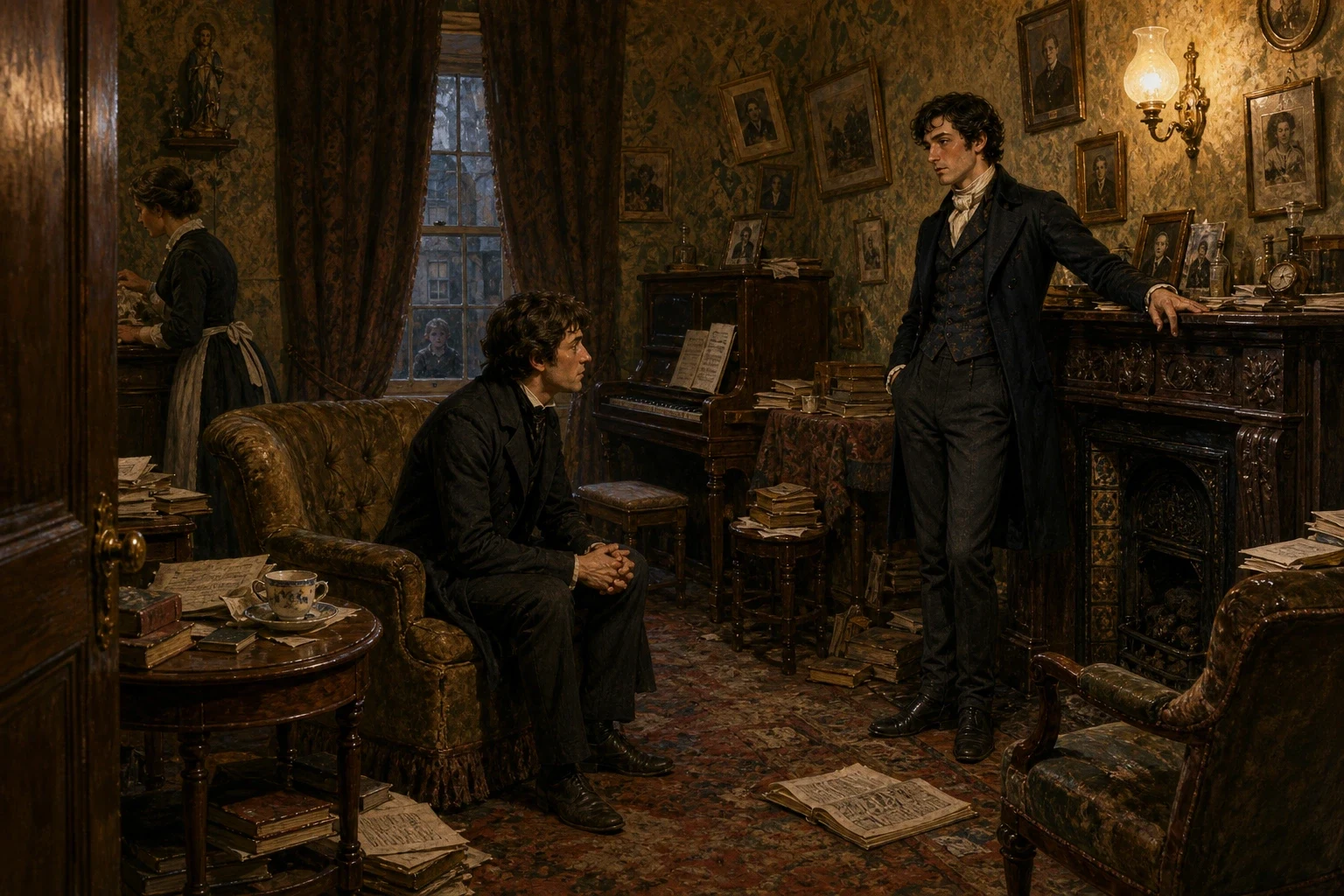
As Stephen's artistic vision matured, he realized he could no longer remain in Ireland. His homeland, his family, and his church felt like nets cast to hold him back from flight. In the cluttered, faded parlour of his family home, he had a final, intense conversation with Cranly. Cranly, ever the confessor, questioned Stephen's resolve, his willingness to abandon everything familiar. Stephen articulated his need for absolute freedom, his desire to create art unbound by the constraints of his upbringing and nationality. He understood the pain his departure would cause, but his artistic destiny called to him with an irresistible force. This conversation marked his final, conscious break with the ties that bound him to Ireland, a resolute step towards his self-imposed exile.
Page 10
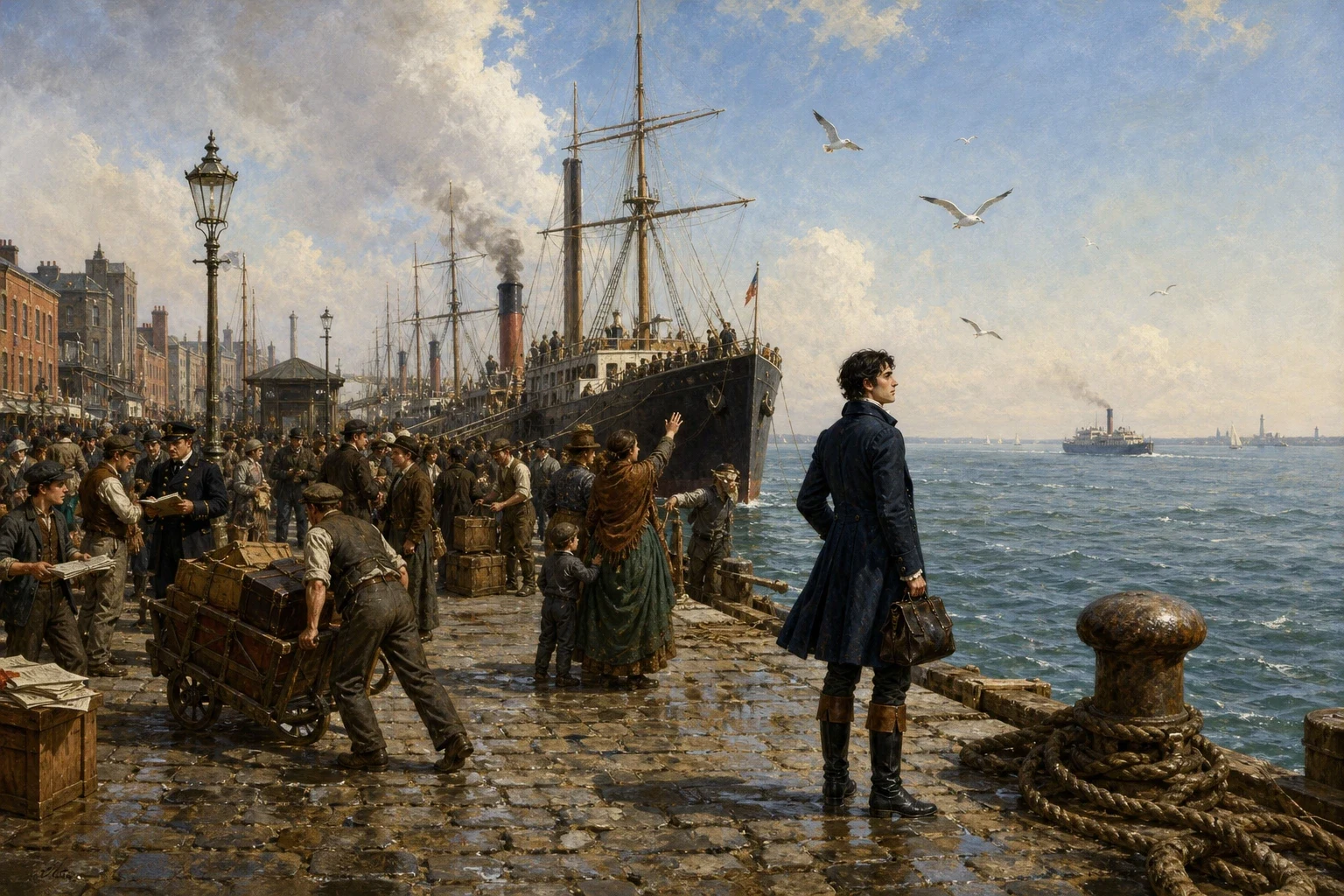
And so, Stephen Dedalus prepared to leave Ireland. He stood on the busy quay at Dublin Port, the cries of the gulls and the sounds of the ships filling the air. Before him lay the open sea, a vast, unknowable expanse leading to other lands, to Europe, where he hoped to find the freedom and inspiration to create. He was a young man, embarking on a journey not just across waters, but into the depths of his own artistic soul. With a prayer to the ancient artificer, Daedalus, his namesake, he stepped forward, ready to forge his own destiny, to confront life and experience for the sake of his art, and to live, to err, to fall, to triumph, to recreate life out of life. He would fly by those nets of nationality, language, and religion, and would not serve that in which he no longer believed. He departed, ready to encounter for the millionth time the reality of experience and to forge in the smithy of his soul the uncreated conscience of his race.
About this story
- Audience: general readers
Read Wonder Novels on your phone
Wonder Novels is available on Android. Get Wonder Novels on Google Play.