The Mayor of Casterbridge
A hay-trusser who sold his wife for five guineas, and everything he built and lost trying to live it down
Page 1
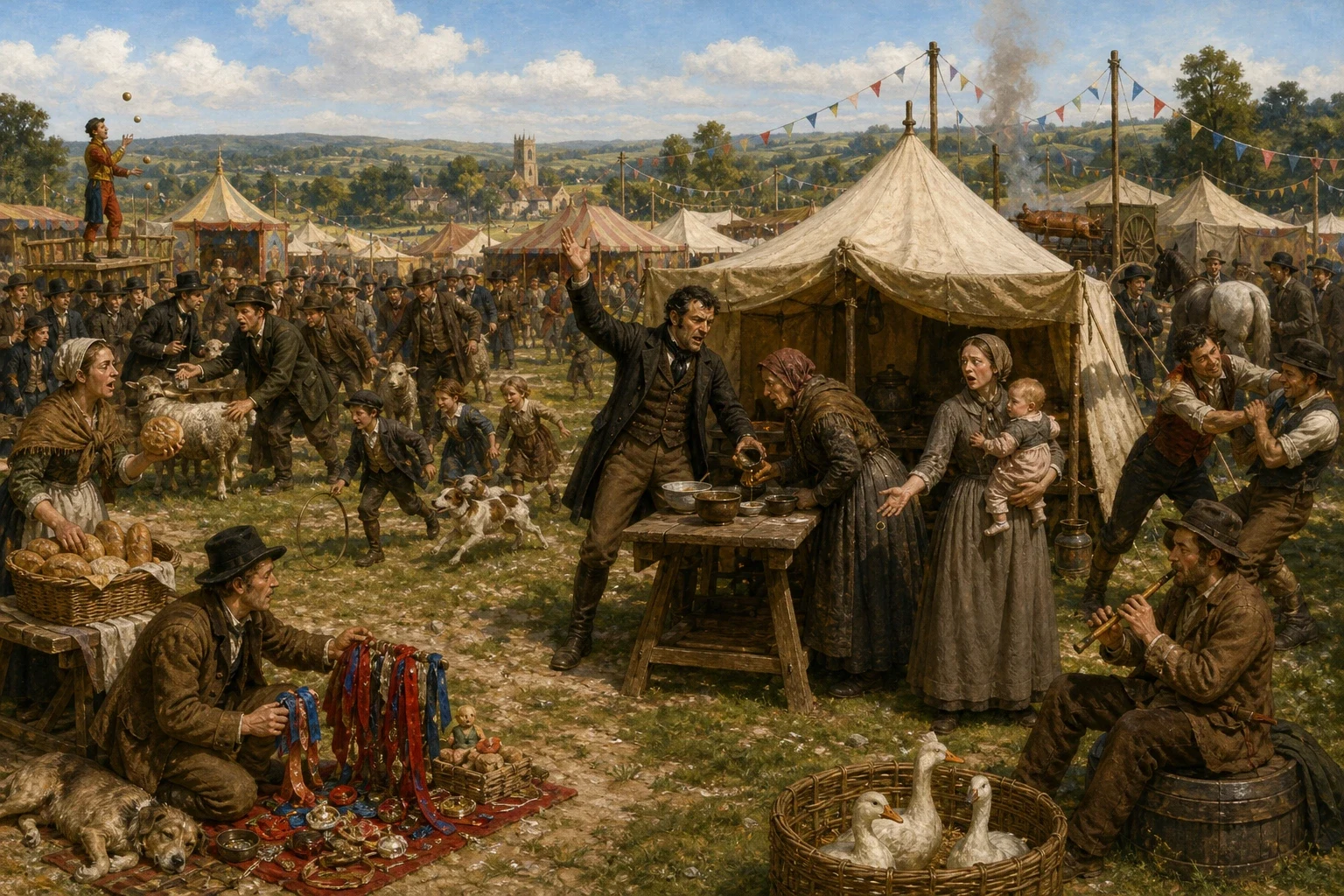
At the great sheep fair at Weydon-Priors, a young hay-trusser named Michael Henchard walks the lanes of tents with his wife Susan and their baby daughter Elizabeth-Jane. Out of work and sour-tempered, he turns in at the furmity-woman's tent and has his bowl laced, secretly and then openly, with rum, bowl after bowl, until he is wild with drink and bitterness. He begins to complain, loudly and half in jest, that a man tied young to the wrong wife might as well be rid of her as a farmer sells a horse he cannot use, and he offers Susan for sale to any man in the tent who will pay for her and treat her well. A sailor named Newson, taking the offer half as a joke and half in earnest, lays five guineas on the table. Henchard takes the money. Susan, white with shame, pulls off her wedding ring, flings it at his feet, and walks out of the tent with Newson and the child, while the fair goes on outside as if nothing at all had happened.
Page 2
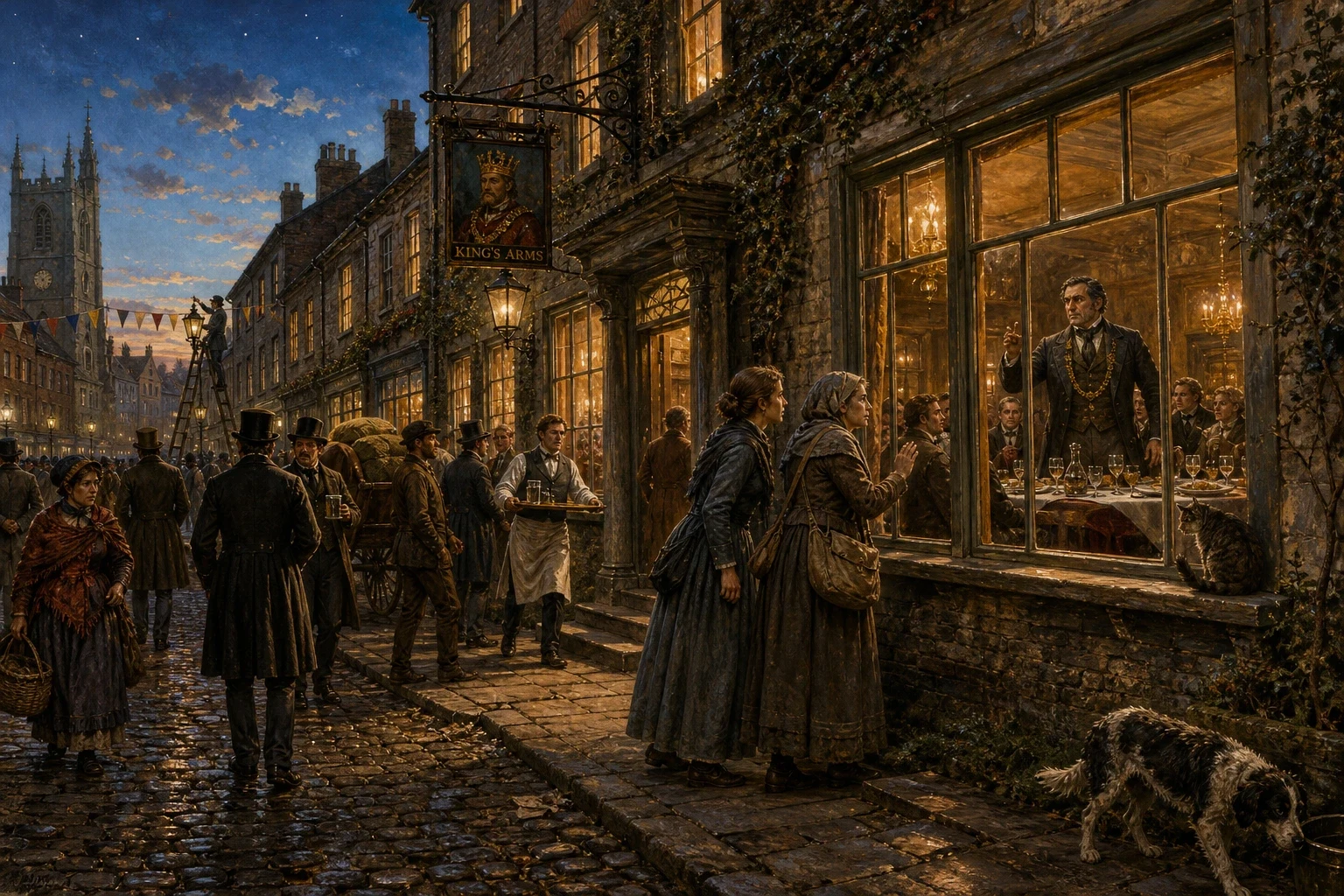
Eighteen years pass. Susan, believing Newson has been lost at sea and her old bond with him never quite proper, walks with her grown daughter Elizabeth-Jane along the road into Casterbridge, looking for Michael Henchard. In the town they learn, to their astonishment, that he has become a rich corn merchant and the Mayor. That very evening a public dinner is being held in his honour at the King's Arms, and Susan and Elizabeth-Jane stand with the townsfolk outside the lit windows, looking in. Inside, Henchard sits at the head of the table, heavier and greyer than Susan remembers him, but unmistakably the same man. He is on his feet, troubled, explaining to the company that some of the wheat he sold the town this year grew out wrong in the ear, and that he does not know how it happened, though he has tried hard enough for good seed; he says he will make it right with anyone who was wronged by it. Susan watches him, hardly able to believe it is truly Michael, after all these years.
Page 3
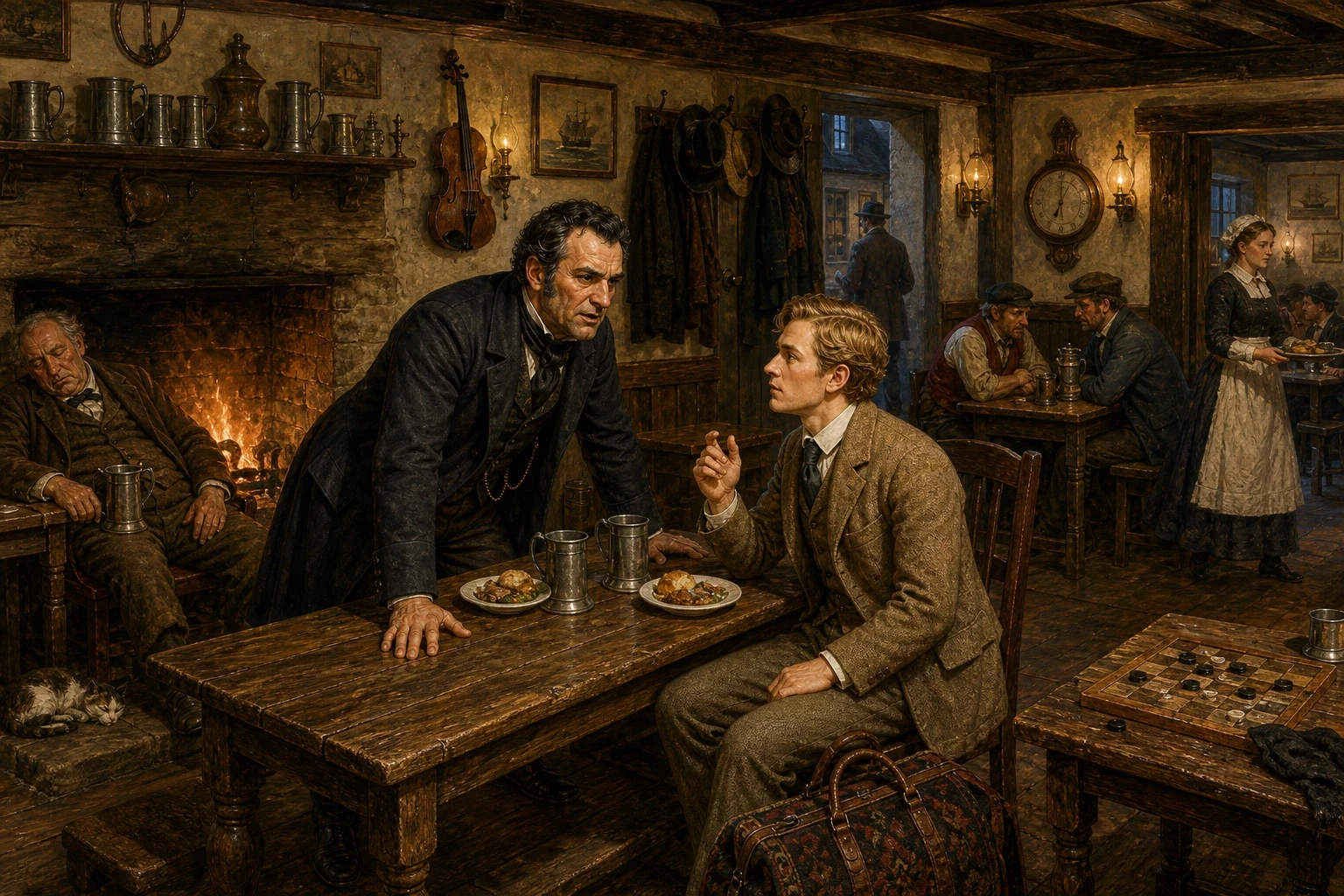
That same night, Henchard goes to the Three Mariners Inn, troubled over his wheat. There he meets a young Scottish traveller, Donald Farfrae, who happens to know a method of treating grown wheat that will make it sweet and sound again for bread. Henchard, delighted and relieved, presses him for the secret, and Farfrae, asking nothing for it, gives it to him freely. Over supper by the fire, Henchard learns that Farfrae is on his way to America to make his fortune, and finds himself, almost before he knows why, unwilling to let such a clever, open-hearted young man go. He offers him, there and then, the post of corn-factor's manager in his own business, at good wages, and keeps pressing until Farfrae, moved by the warmth of the offer, agrees to stay in Casterbridge instead of sailing on. It is the beginning of a friendship neither man yet understands the danger of.
Page 4
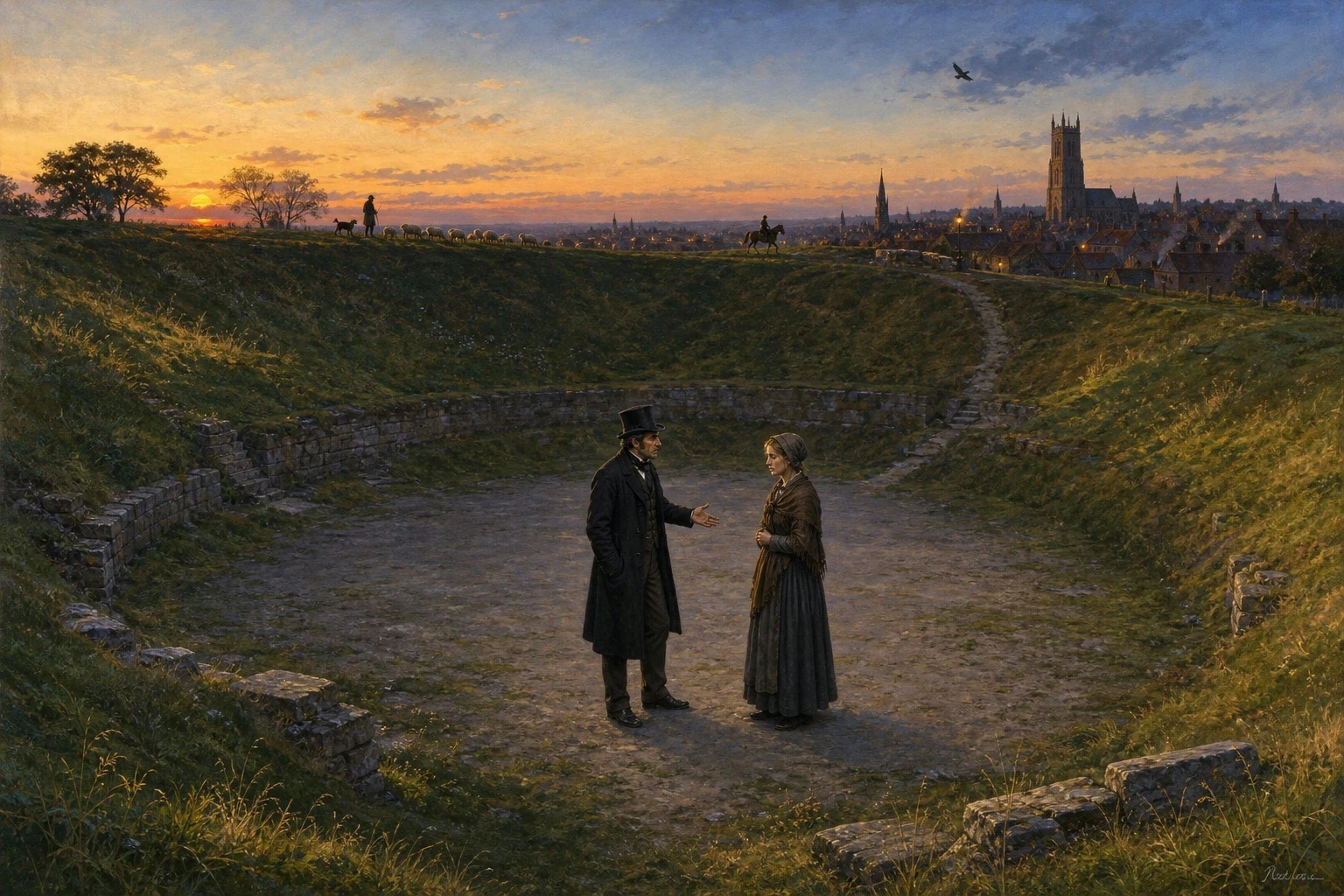
Some time later, wanting to set things right quietly, Henchard arranges to meet Susan where no one in the town will see them together — inside the Ring, the old grass-grown Roman amphitheatre on the edge of Casterbridge, a lonely place people avoid after dark. There, standing alone on the empty arena floor as the light fails, he tells her his plan: since the world believes her a widow new come to town, he will court her again as though they were strangers, and marry her properly a second time, so that her name is never touched by the shame of what happened at Weydon-Priors all those years before. Susan, grateful and still a little afraid of him, agrees. Neither of them means to tell Elizabeth-Jane the truth of her mother's first marriage, or of the bargain at the fair; she is to believe only that her mother has found an old friend willing to give them a home.
Page 5
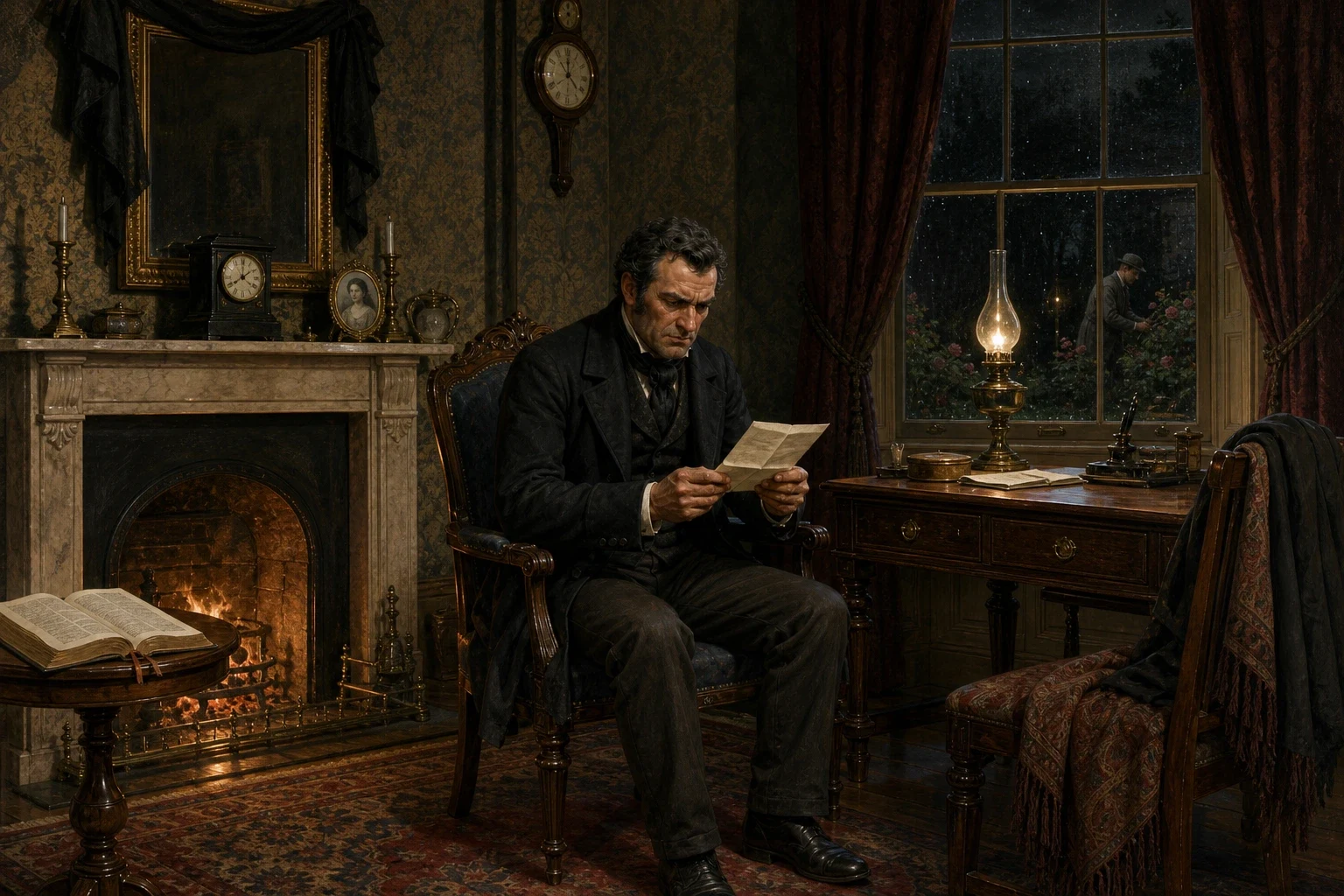
Henchard and Susan are quietly remarried, and for a time there is a kind of peace in the household, though Elizabeth-Jane is never told the truth of her mother's past, or of her own. But Susan's health fails, and before another year is out she dies in the house, leaving behind a letter addressed to Henchard, marked not to be opened until Elizabeth-Jane's wedding day. Henchard, grieving and restless, cannot wait. Alone in his parlour one evening, he breaks the seal early and reads what Susan could never bring herself to say aloud: that the baby sold at Weydon-Priors, his own true daughter, had died as an infant years ago, and that this Elizabeth-Jane, the young woman living under his roof, calling him father, is in fact Newson's child, not his. Henchard sits a long while with the letter in his hand, and something in his face toward the girl changes from that hour on.
Page 6
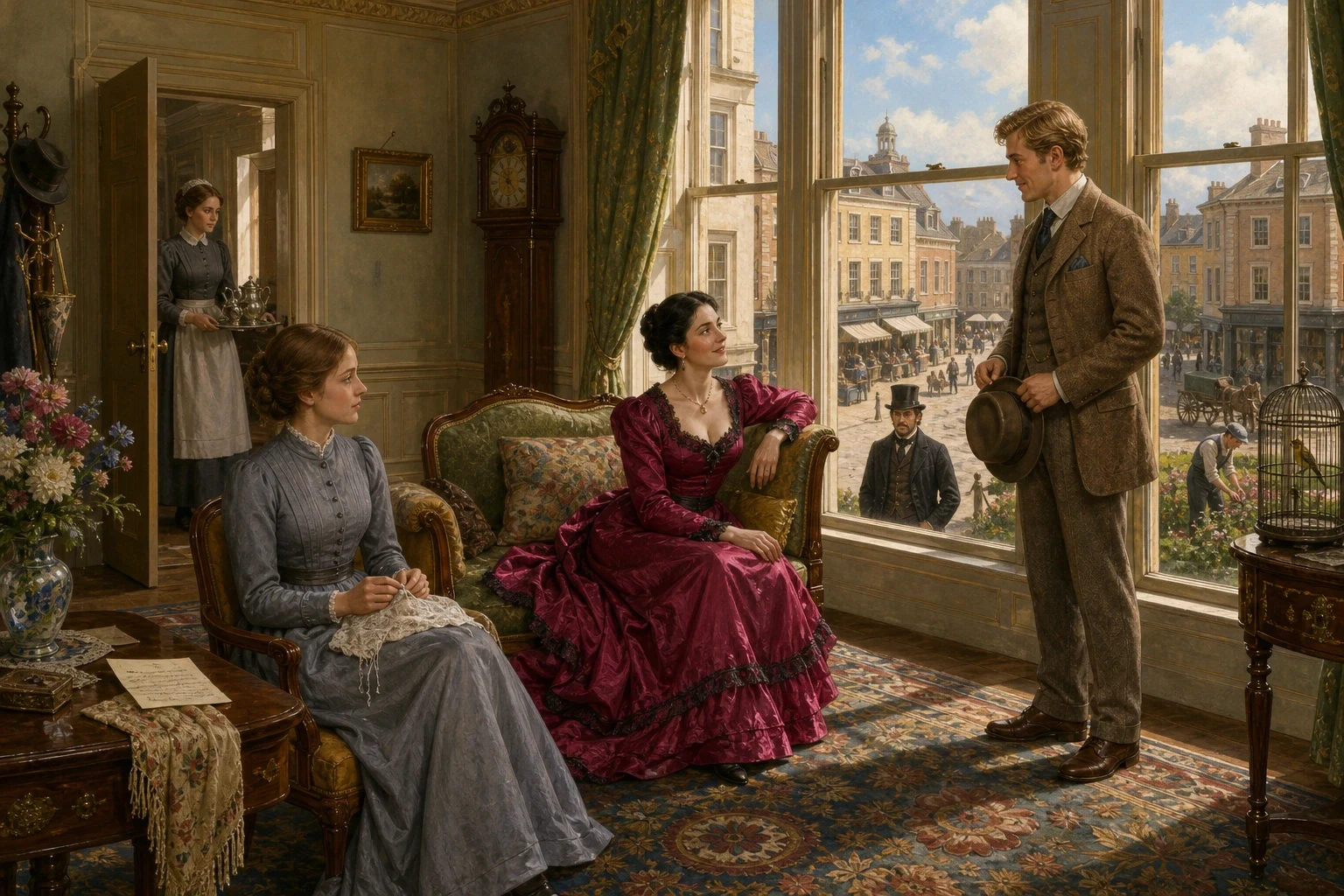
Into this cooling household comes Lucetta Templeman, a dark, lively woman Henchard once knew in Jersey, now come into money and settled at High-Place Hall, a tall old house looking down over the market place. She takes the lonely Elizabeth-Jane in as her companion, partly out of kindness and partly to keep near to Henchard, whom she still hopes to marry and so make an honest woman of herself again. Henchard begins to court her, meaning to put right an old wrong. But it is Donald Farfrae, calling often on business and growing bolder in his visits, who truly wins Lucetta's heart, while his corn business, built on fairer dealing and a sharper eye for the weather, quietly outgrows Henchard's own. Henchard watches Farfrae's rise and Lucetta's warmth toward him with a jealousy that grows harder and darker by the week, and his trade, neglected and ill-managed in his bitterness, begins to slip away beneath him.
Page 7
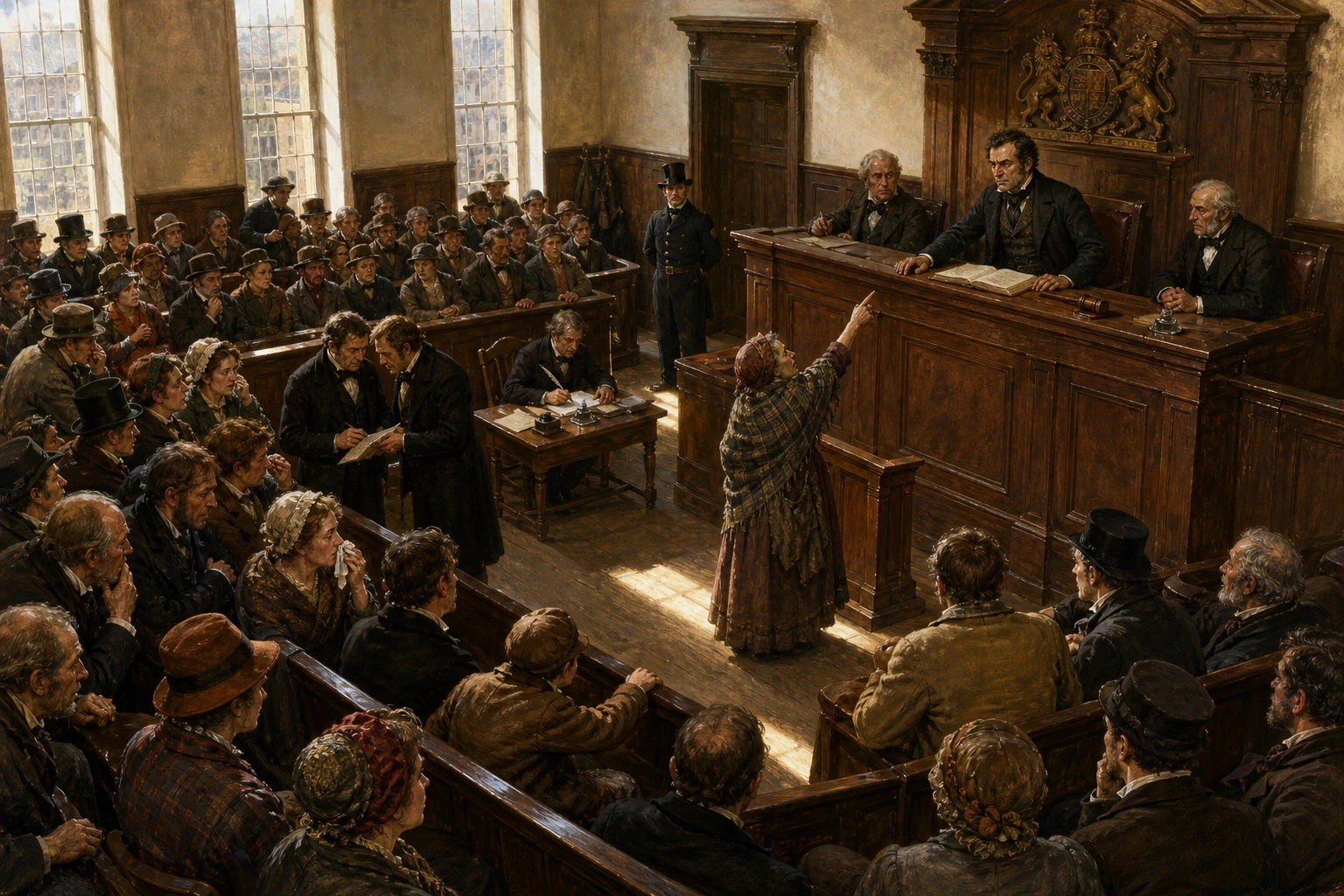
Henchard's fortunes, never properly tended since his jealousy over Lucetta began, slide steadily downhill, while careless speculation in grain, wagered against the weather, finishes what neglect began; before long he is facing ruin and the loss of his business and his house. In the middle of this, sitting as magistrate at the town hall one morning, he must try a ragged old woman charged with a small public disturbance. She is the same furmity-woman from the fair at Weydon-Priors, and she knows him at once. Before the whole court she tells, in rambling detail, how she once saw a young hay-trusser sell his own wife and child for five guineas in a tent for the price of a bowl of furmity laced with rum, and names Henchard the man. The room goes very quiet. Henchard neither denies it nor sits down again at that bench; his standing as magistrate, and soon his credit as a merchant, are gone within days.
Page 8
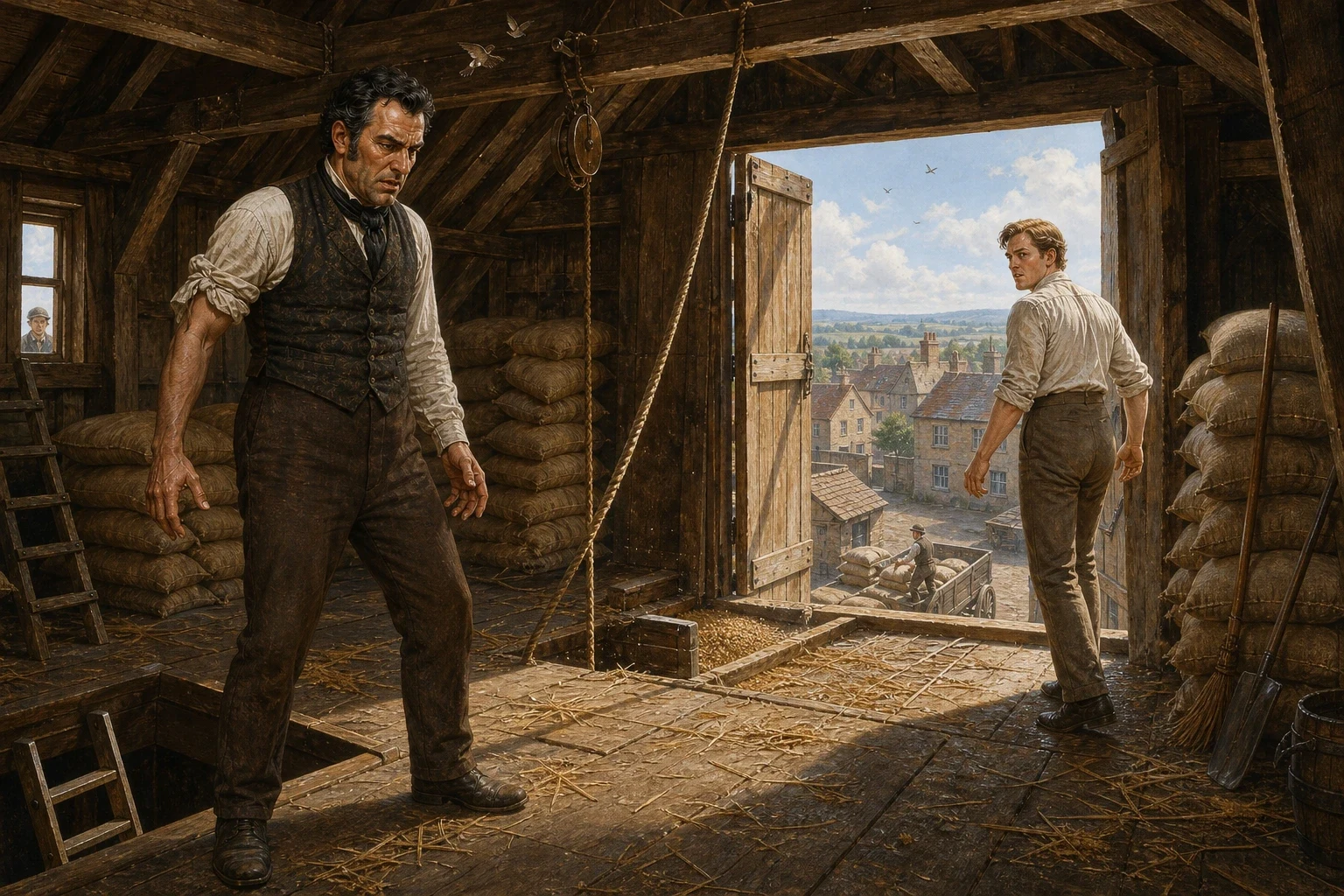
Ruined, stripped of his business, his house, and most of his old standing, Henchard is consumed by one last jealous fury against the man who has taken all of it from him. He challenges Farfrae to fight him, man to man, in the loft of his old granary, and to make the contest fair against his own greater strength, ties one of his arms behind him before they close. The two men grapple above the open loading door, high over the yard below, Henchard forcing Farfrae back toward the drop with a strength no longer checked by friendship or reason. For one long moment he has Farfrae helpless at the very edge, and the fall beneath them is enough to kill a man. Then something in Henchard breaks instead — not his hold, but his will to finish it. He lets Farfrae go, steps back from the edge, and sinks down against the granary wall, shaking, more frightened of what he nearly did than Farfrae himself appears to be.
Page 9
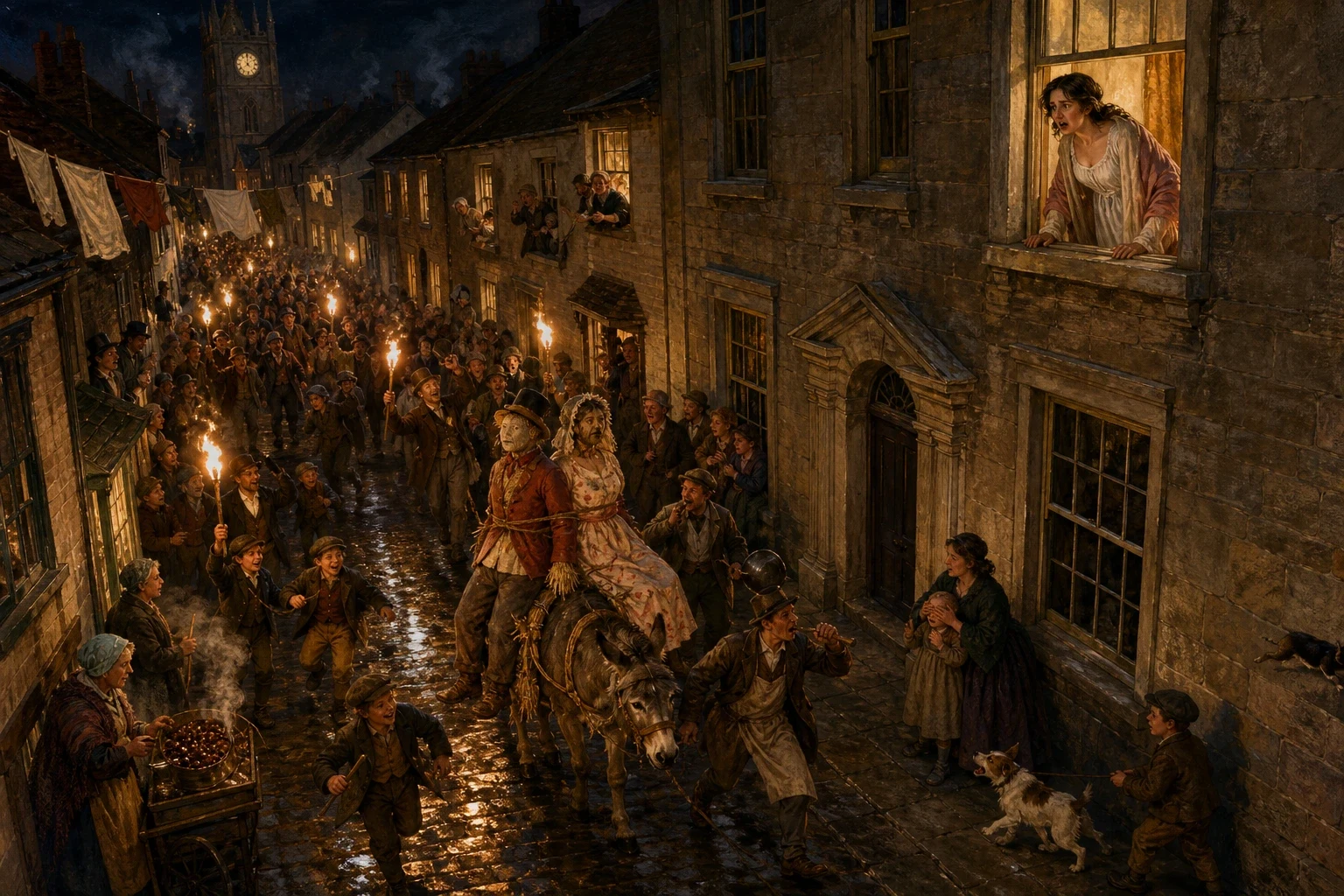
Down in Mixen Lane, among the roughest houses of the town, a resentful former employee of Henchard's gets hold of Lucetta's own old love letters to him from their time in Jersey, and reads them aloud one night at a low tavern to a delighted crowd. Out of spite and mischief, the crowd gets up a skimmington ride — a mocking procession with stuffed effigies of Henchard and Lucetta bound back to back on a donkey, paraded through the streets at night with pots, horns, and rough music, for the whole town to laugh at. The procession comes past High-Place Hall itself, and Lucetta, already far along in an expectant pregnancy and already strained with fright and shame, looks down from her window and sees the mockery of herself and Henchard carried past in the torchlight below. The shock is too much for her. She is taken ill that same hour, and within days she is dead. The very night of her collapse, Richard Newson, long thought drowned at sea, arrives in Casterbridge asking after Susan and Elizabeth-Jane.
Page 10
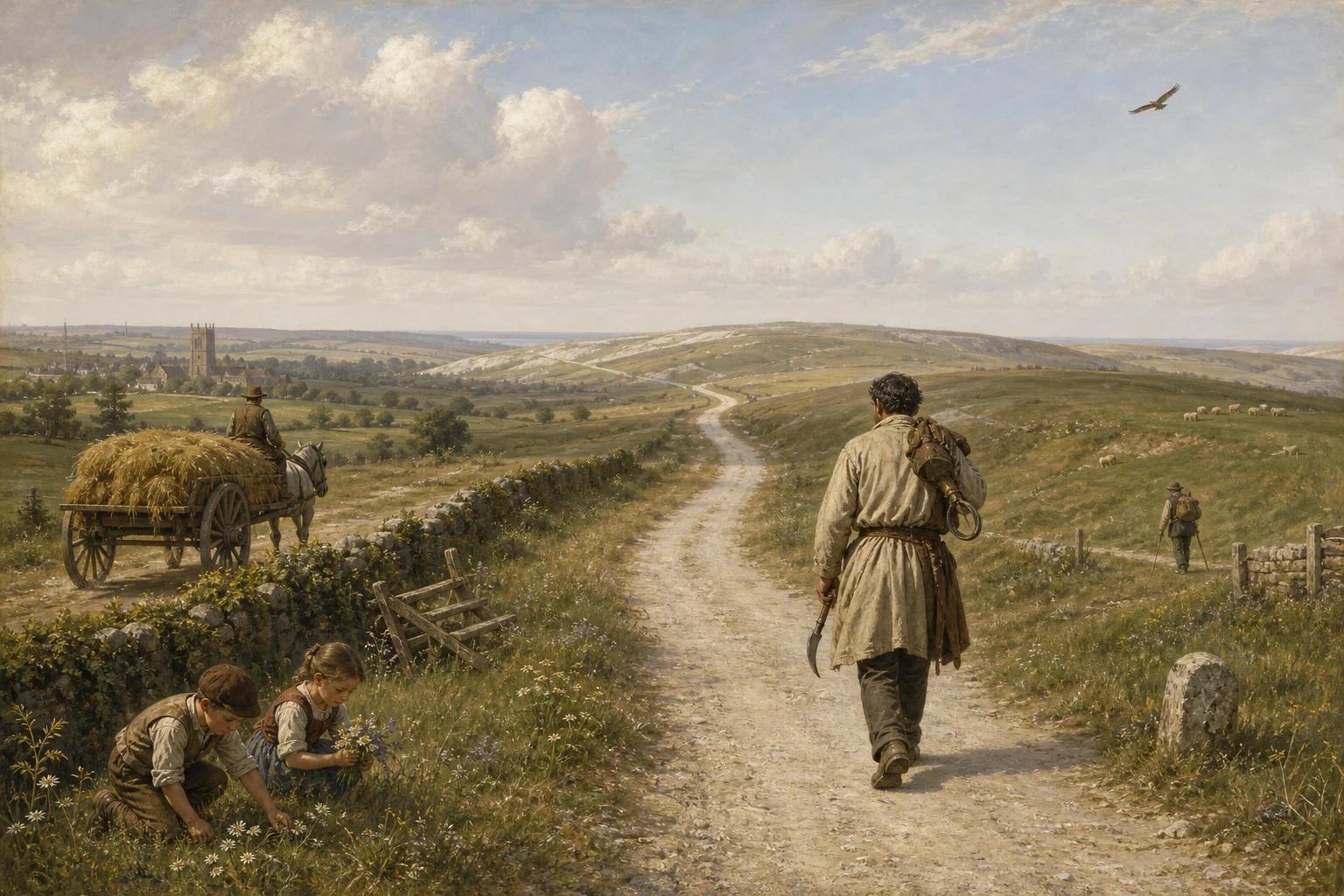
Newson comes back to Casterbridge a second time, no longer satisfied with Henchard's first cold lie that both Susan and Elizabeth-Jane were dead, and this time he finds his daughter alive and well. The truth of her real parentage comes out at last, and Elizabeth-Jane, learning how long and how coldly Henchard deceived her, turns from him toward the father who truly wants her; before long she marries Donald Farfrae, now risen to Mayor in Henchard's old place. Henchard, with no business, no house, and no one left who wants him near, takes up his old hay-trusser's tools again and walks out of Casterbridge the way he first came into the world's notice, an unregarded working man on the open road. On Elizabeth-Jane's wedding day he comes back once, carrying a small caged goldfinch as a gift, but seeing how little he is wanted, turns away again without going in. Not long after, word comes that he has died alone in a wayside cottage, leaving only a harsh request, in his own hand, that no one mourn him or remember that he ever lived.
About this story
- Audience: general readers
Read Wonder Novels on your phone
Wonder Novels is available on Android. Get Wonder Novels on Google Play.