Dian Fossey
Dian Fossey — an illustrated science story, set in Global. 10 illustrated pages, free to read on Wonder Science.
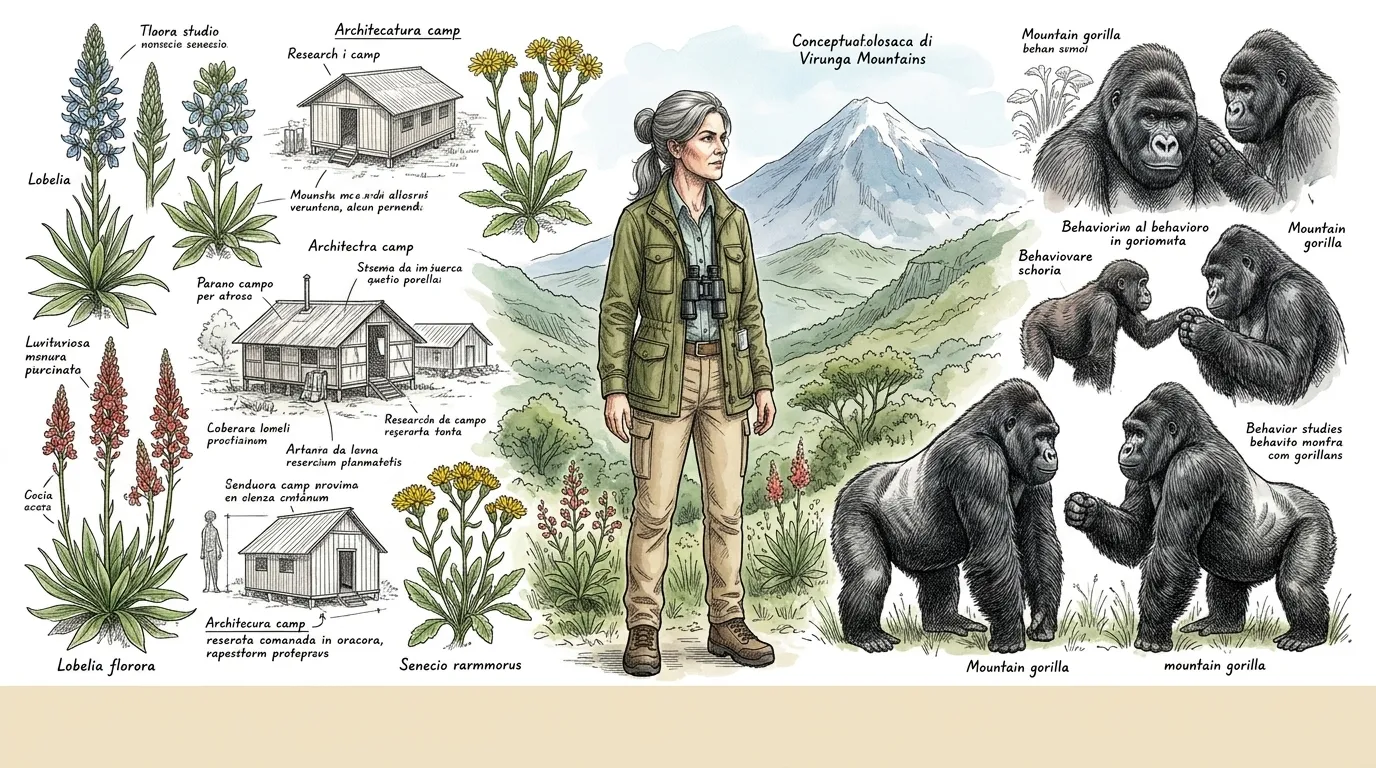
Page 1
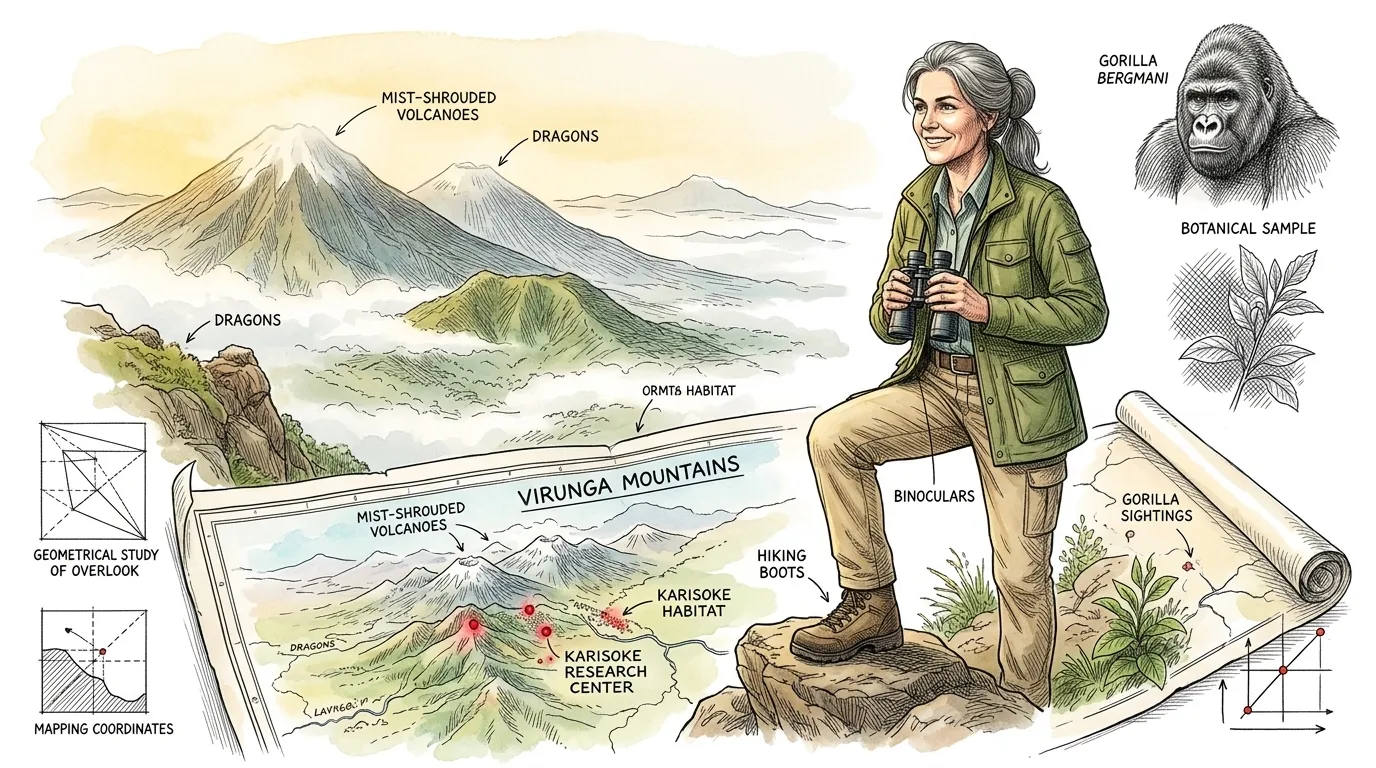
The Virunga Mountains of Rwanda, shrouded in perpetual mist, were more than just a landscape; they were Dian Fossey's sanctuary, her battleground, and ultimately, the site of her tragic end. On December 26, 1985, the world awoke to the shocking news of her brutal murder at the Karisoke Research Center. This single act of violence reverberated globally, transforming a solitary scientist's struggle into an international rallying cry for wildlife conservation.
Page 2
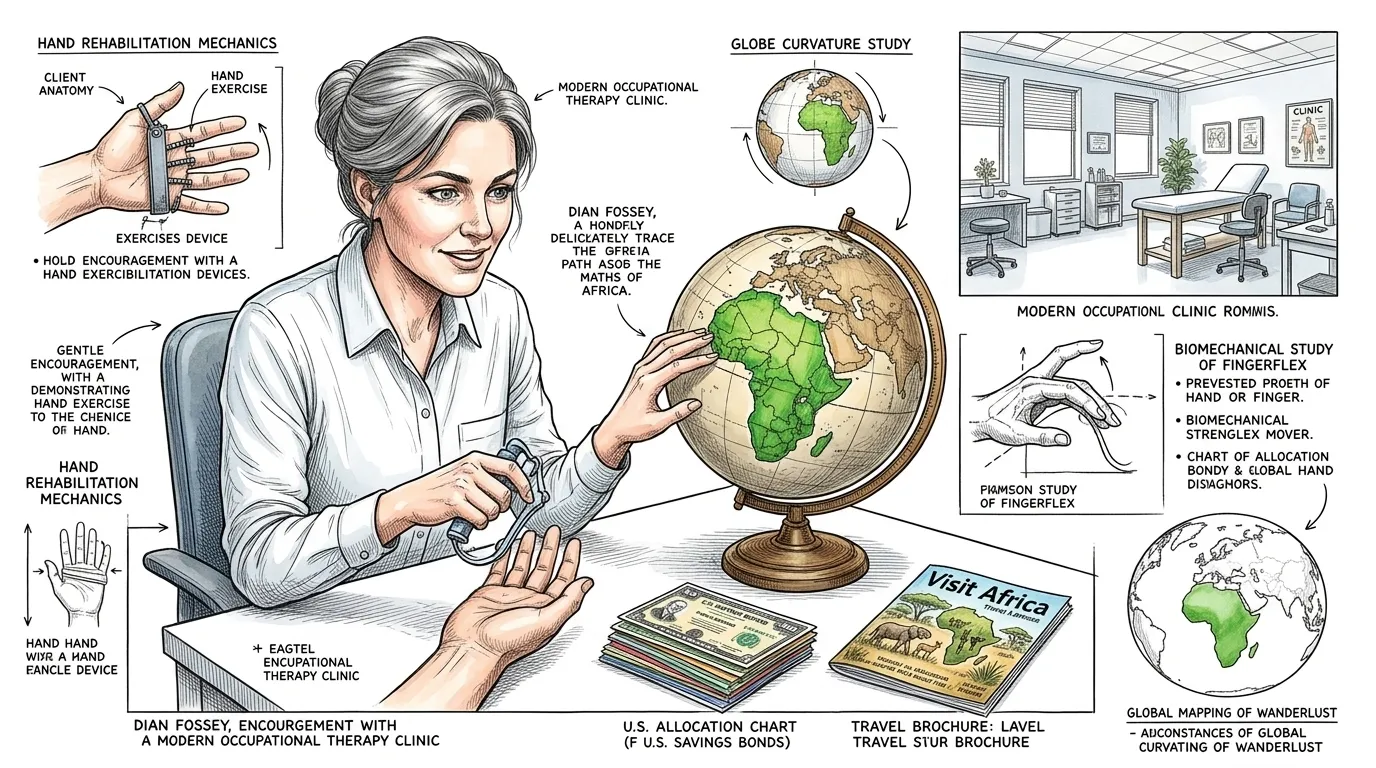
Born in 1932, Dian Fossey's early life offered no hint of the legendary primatologist she would become. Her initial career as an occupational therapist in Louisville, Kentucky, seemed a world apart from the remote African jungles. Yet, a deep-seated fascination with Africa and its wildlife compelled her to save and borrow enough money for a life-altering trip to the continent in 1963.
Page 3
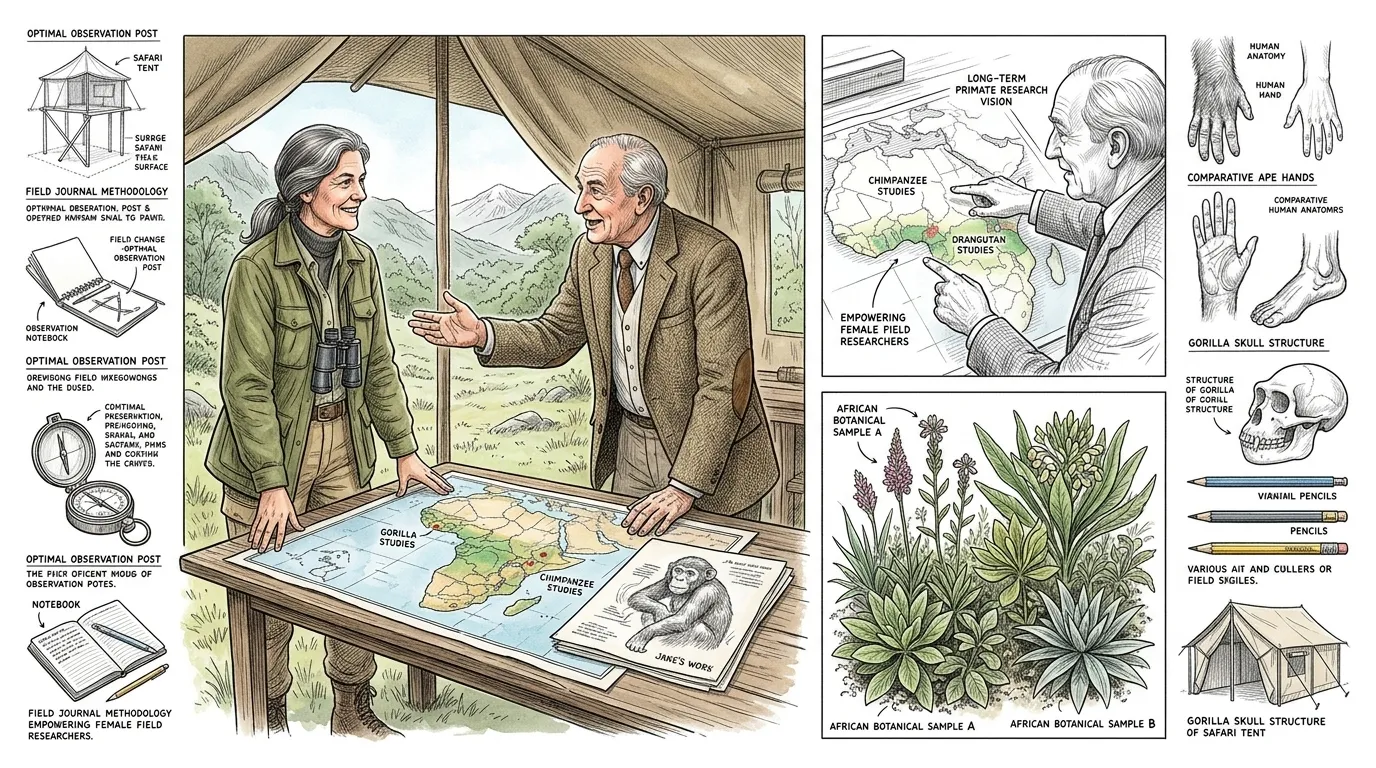
During her first African safari, Fossey serendipitously encountered Dr. Louis Leakey, the renowned paleoanthropologist. Leakey, who believed in long-term studies of great apes by female researchers, saw in Fossey the unwavering dedication required for such a monumental task. His vision, to study chimpanzees (Jane Goodall), orangutans (Biruté Galdikas), and gorillas, ultimately set Fossey on her path to the Virungas.
Page 4
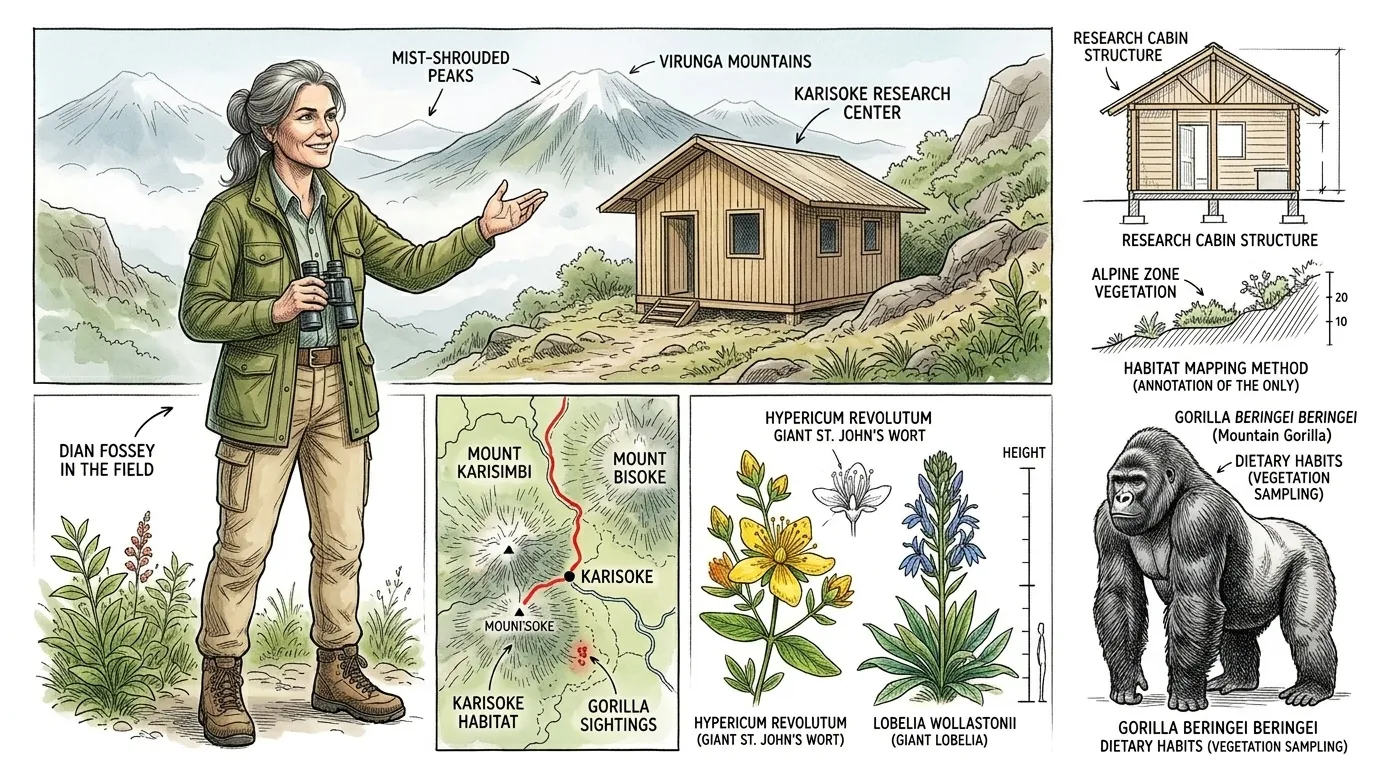
In 1967, Dian Fossey founded the Karisoke Research Center in the Virunga Mountains, between Mount Karisimbi and Mount Bisoke. It was an audacious undertaking: establishing a permanent research station at an altitude of over 3,000 meters, in a region where mountain gorillas faced dire threats from poaching and habitat encroachment. She named it 'Karisoke' by combining parts of the two mountain names, a testament to her deep connection to the land and its inhabitants.
Page 5
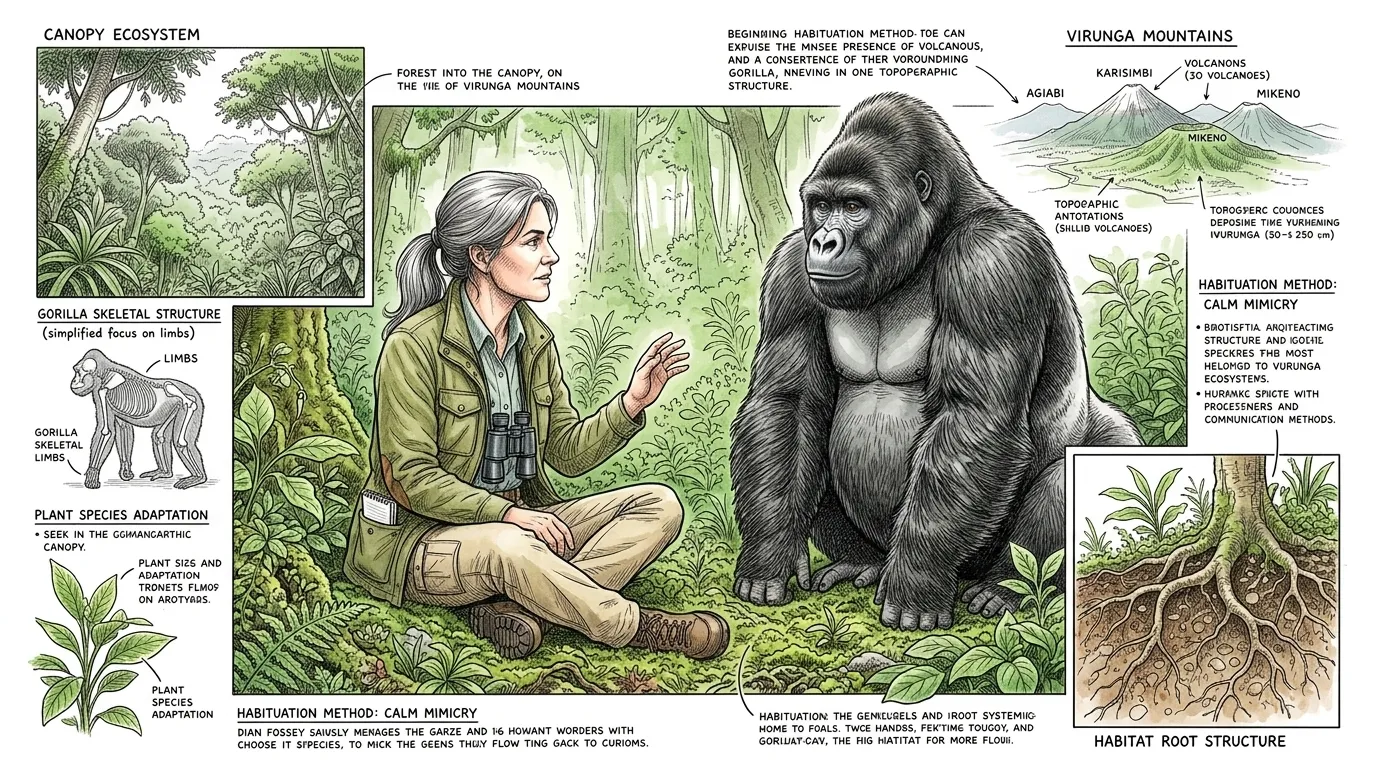
Fossey's most groundbreaking scientific contribution was her method of habituating mountain gorillas to human presence. She adopted their postures, mimicked their vocalizations, and moved slowly, often spending hours alone simply observing. This patient, immersive approach allowed her to earn their trust, leading to unprecedented insights into their complex social structures, communication, and individual behaviors, challenging previous notions of gorillas as aggressive beasts.
Page 6
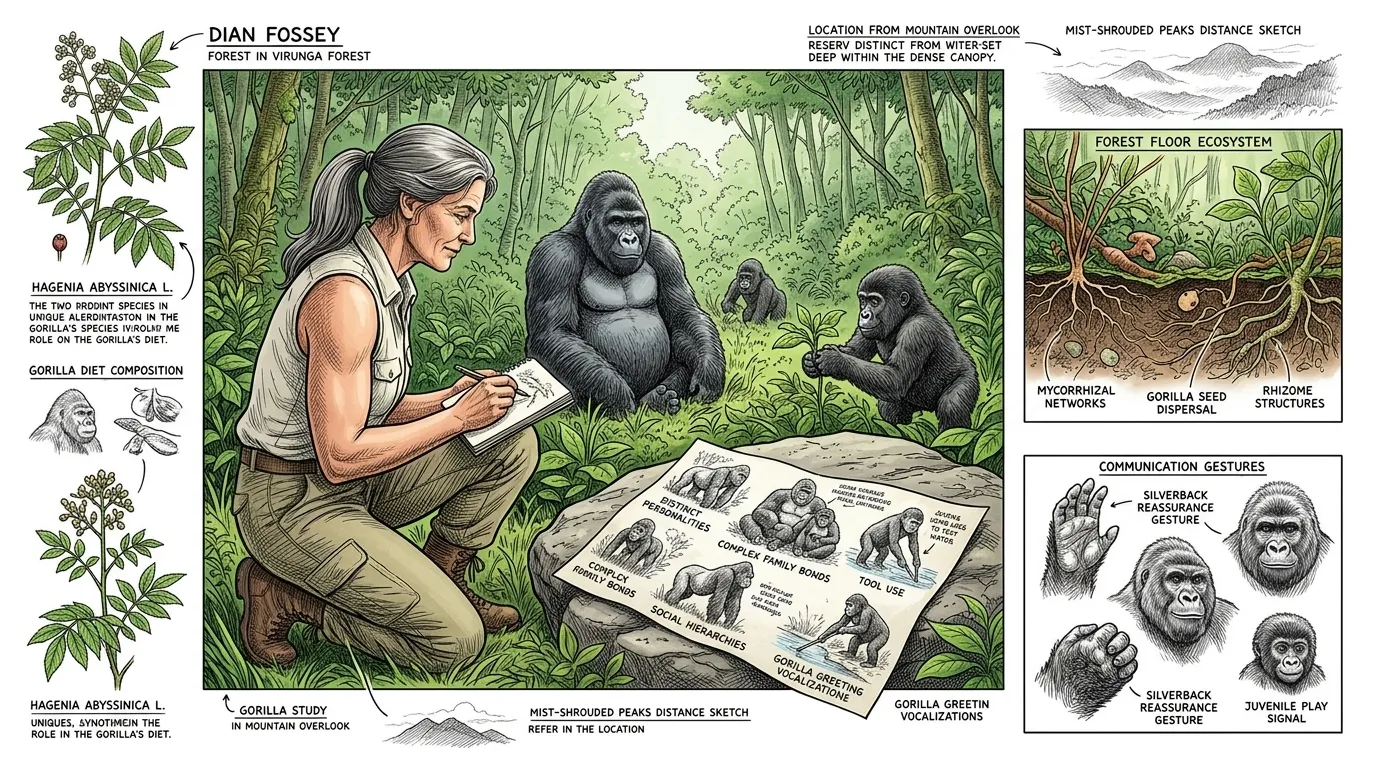
Through her meticulous long-term observations, Fossey shattered misconceptions about mountain gorillas. She documented distinct personalities within groups, complex family bonds, intricate social hierarchies, and even tool use. Her detailed ethograms revealed their gentle nature, their unique forms of communication, and the critical role of the silverback leader in group cohesion. This wealth of data profoundly shifted primatology and public perception.
Page 7
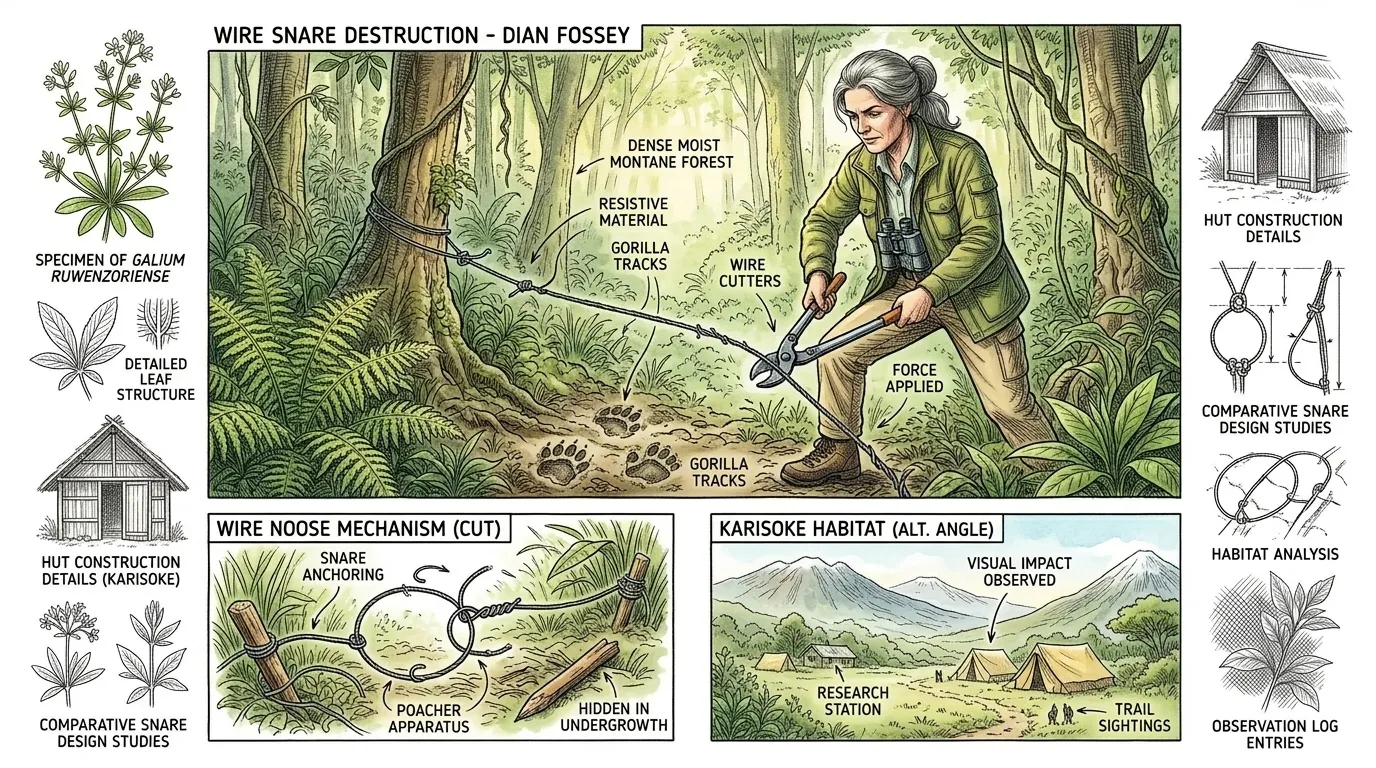
Fossey's dedication extended beyond observation to fierce advocacy. Witnessing the brutal impact of poaching—gorillas killed for their hands and heads, infants captured for illegal trade—she initiated direct and often controversial anti-poaching patrols. She confronted poachers directly, destroyed their snares, and campaigned relentlessly against the illegal trade, earning both admiration and fierce enmity in equal measure. This uncompromising stance was born from a profound love for her subjects.
Page 8
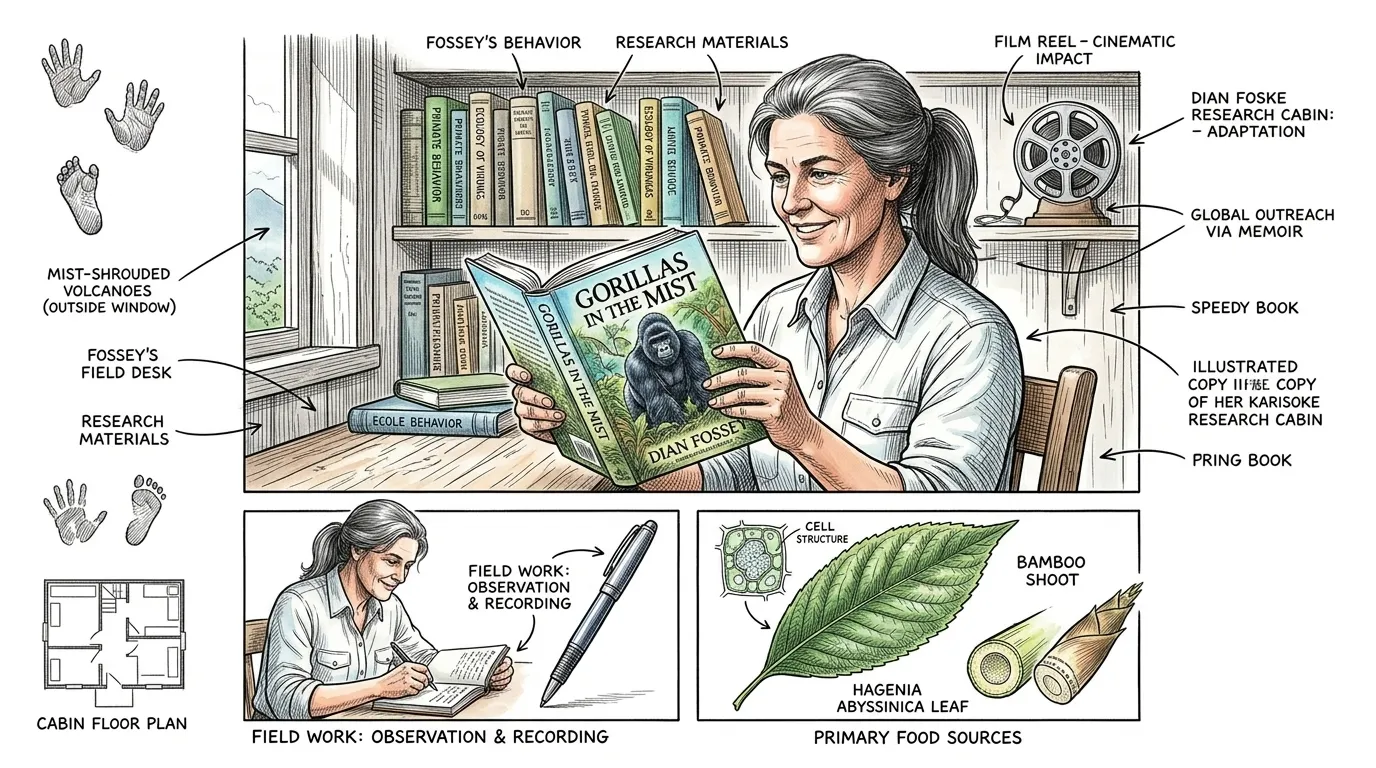
Fossey's memoir, 'Gorillas in the Mist,' published in 1983, brought her work and the plight of mountain gorillas to a global audience. The subsequent 1988 film adaptation, starring Sigourney Weaver, amplified this impact further, making Fossey and her gorillas household names. This powerful cultural penetration fundamentally shifted public perception, transforming gorillas from fearsome creatures into symbols of endangered wildlife deserving of protection.
Page 9
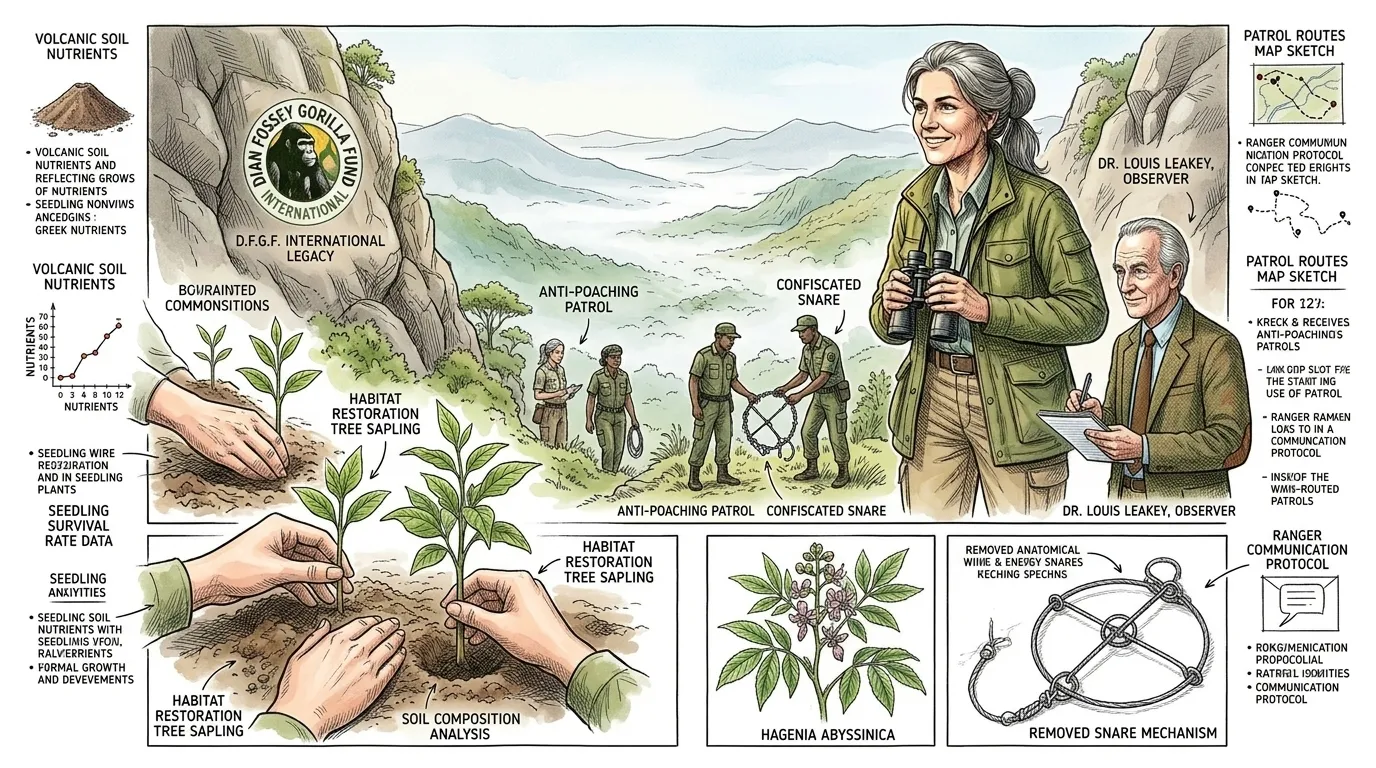
Despite her tragic death, Dian Fossey's legacy endures through the Dian Fossey Gorilla Fund International (formerly the Digit Fund), established in 1978. This organization continues her mission, combining active conservation efforts, anti-poaching patrols, and scientific research. Her pioneering work laid the foundation for modern gorilla conservation, demonstrating that sustained effort and deep scientific understanding can prevent species extinction.
Page 10
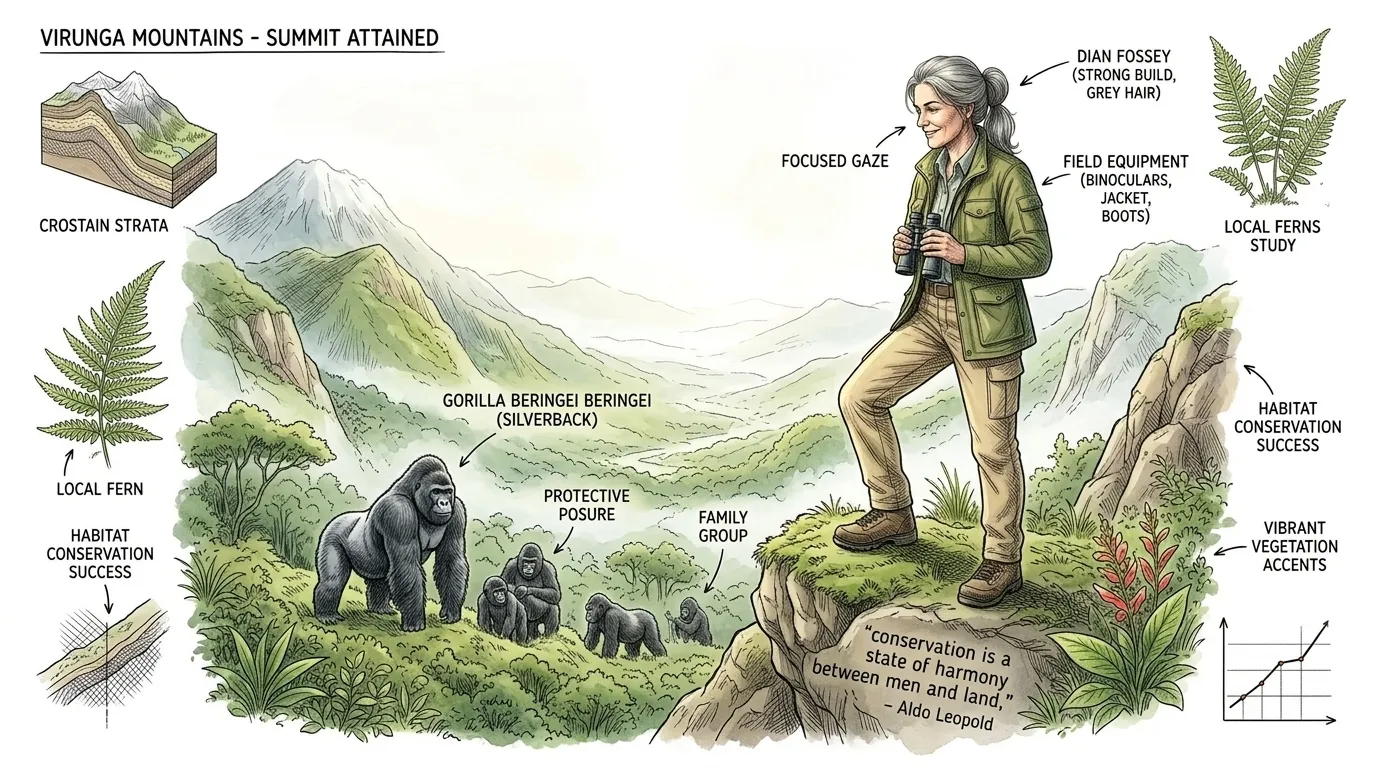
Dian Fossey's life and work represent an unparalleled testament to dedicated scientific inquiry and uncompromising conservation. She not only provided groundbreaking insights into the lives of mountain gorillas but also galvanized a global movement to protect them. Her legacy challenges us to consider the ethical imperative of coexisting with our planet's most vulnerable species, reminding us, as the great conservationist Aldo Leopold once wrote, that 'conservation is a state of harmony between men and land.' The struggle continues, but her work ensures that these magnificent primates still roam the mist-shrouded peaks of Africa, a living testament to her enduring passion.
About this story
- Location: Global
- Audience: general readers
Questions and answers
Read Wonder Science on your phone
Wonder Science is available on Android. Get Wonder Science on Google Play.