Dorothy Hodgkin
Dorothy Hodgkin — an illustrated science story, set in Global. 10 illustrated pages, free to read on Wonder Science.
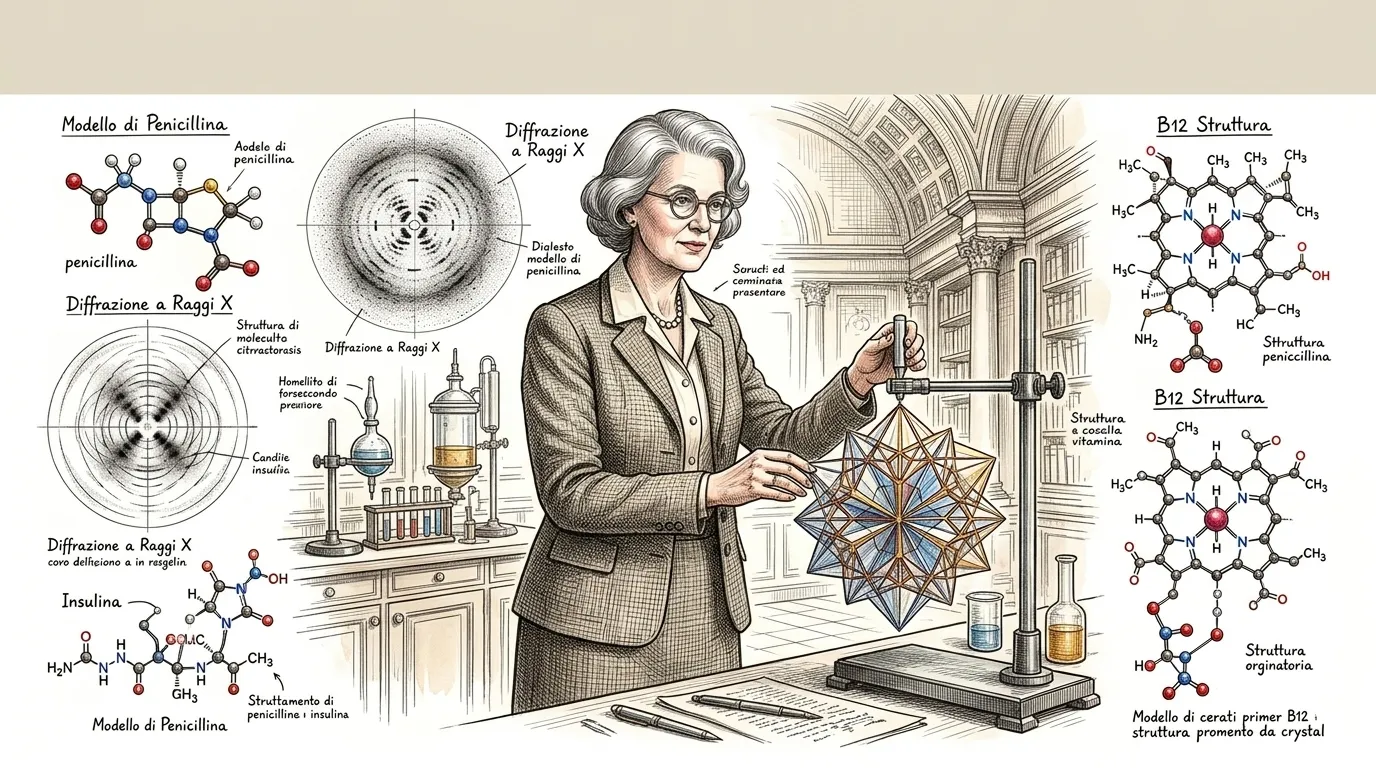
Page 1
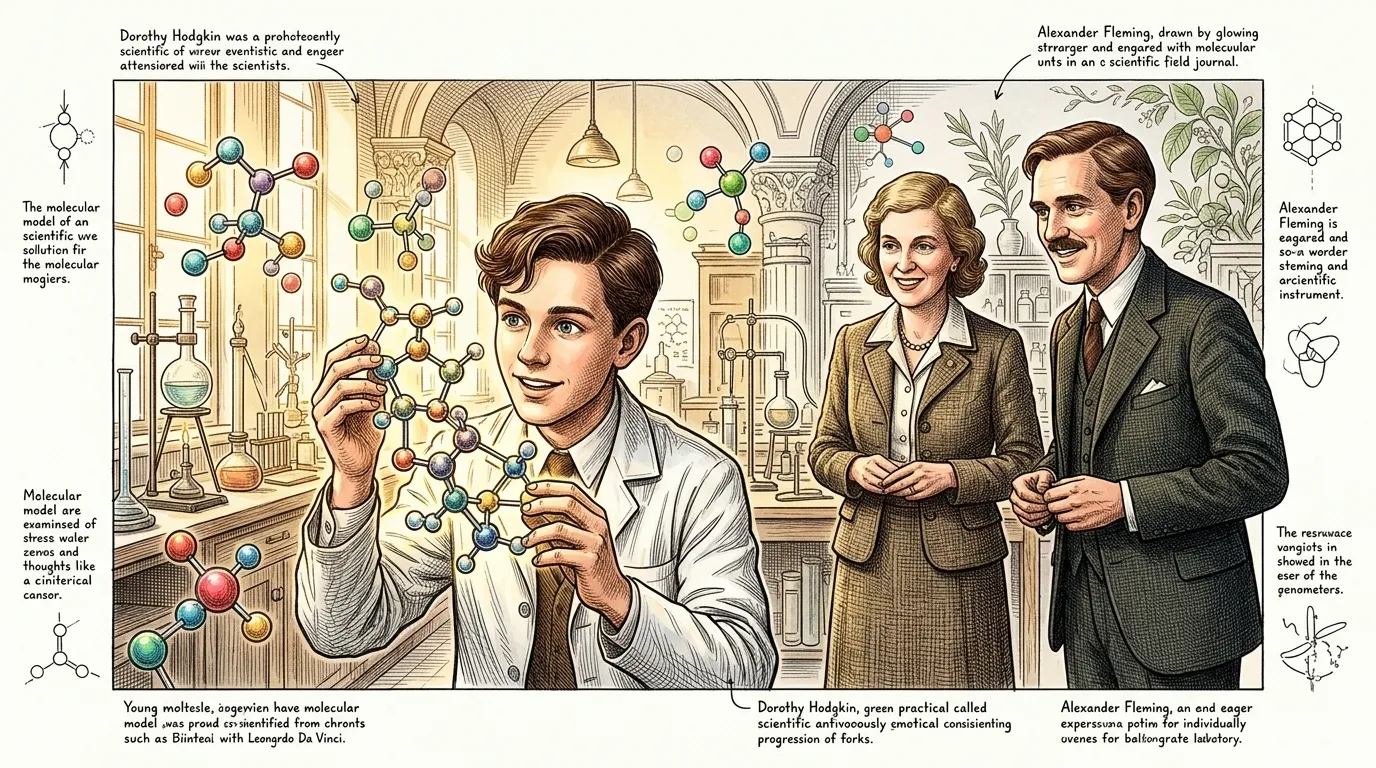
In the mid-20th century, a scientific revolution unfolded, not in the clash of atoms, but in their silent, ordered arrangement. Imagine trying to decipher the intricate blueprints of the most complex molecular machines, structures too small to be seen directly, yet dictating the very functions of life itself. This was the formidable challenge that faced pioneering scientists, a quest to reveal the hidden architecture that governs biology and medicine.
Page 2
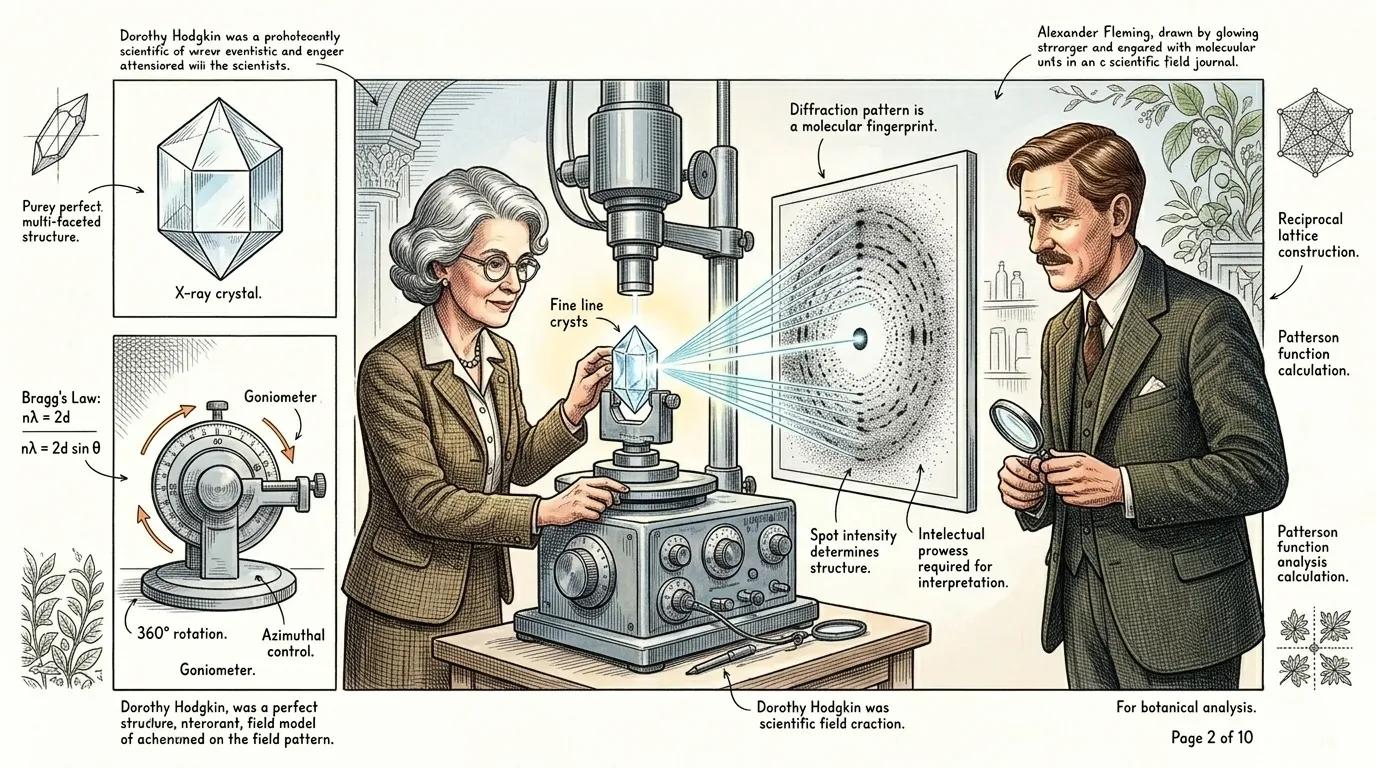
The key to unlocking these secrets lay in the crystalline state of matter. When molecules arrange themselves into a crystal, they do so in a highly ordered, repeating pattern, acting like a natural amplifier for their structural information. By firing X-rays at these crystals, scientists could record the way the rays diffracted, creating unique patterns—a kind of molecular fingerprint—on photographic film. Interpreting these intricate patterns, however, required not just experimental skill, but extraordinary intellectual prowess and perseverance.
Page 3
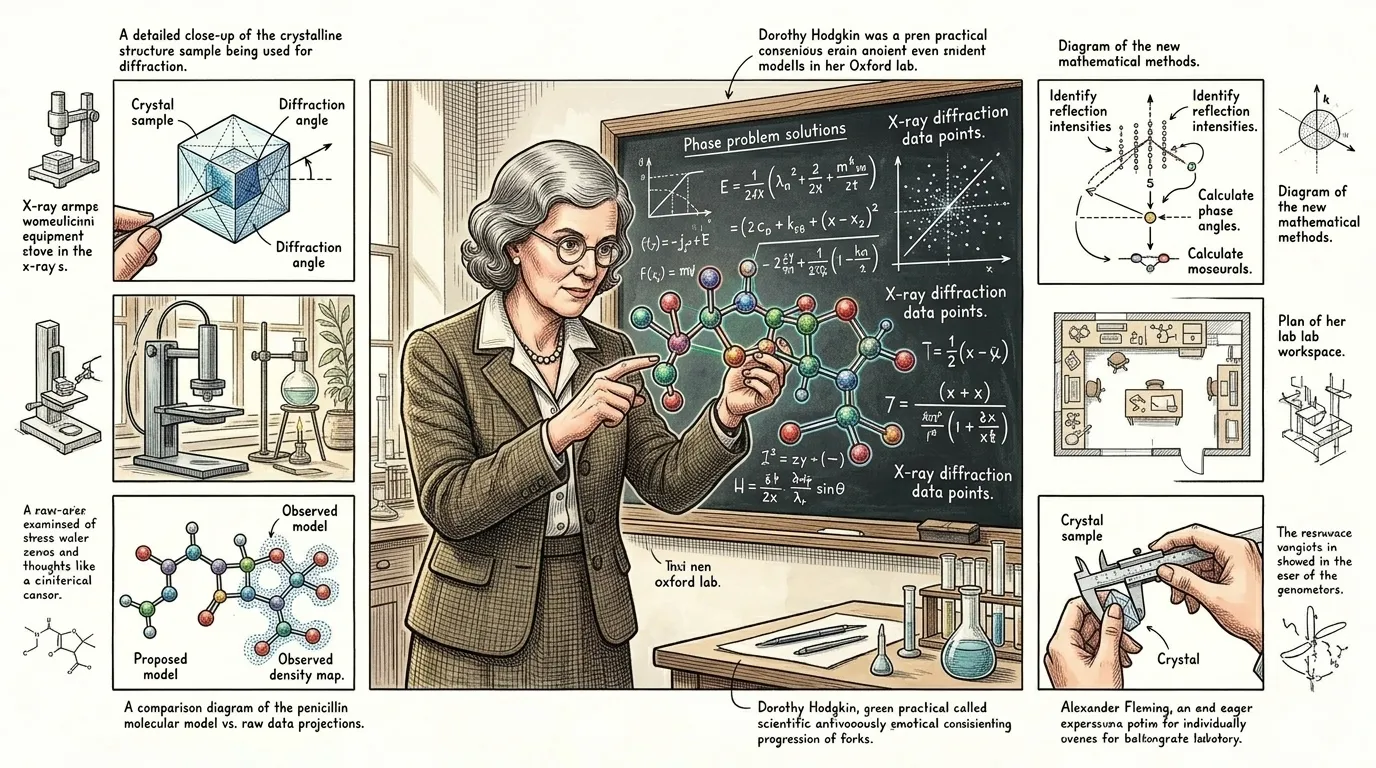
Emerging as a preeminent figure in this challenging field was Dorothy Hodgkin, a British chemist born in 1910. Her vision transcended the simple study of individual atoms; she sought to understand the colossal organic molecules essential to life, such as penicillin and insulin. This pursuit demanded not only groundbreaking experimental techniques but also the development of new mathematical methods to translate abstract X-ray data into tangible, three-dimensional molecular models. Her laboratory at Oxford became a crucible for this revolutionary work.
Page 4
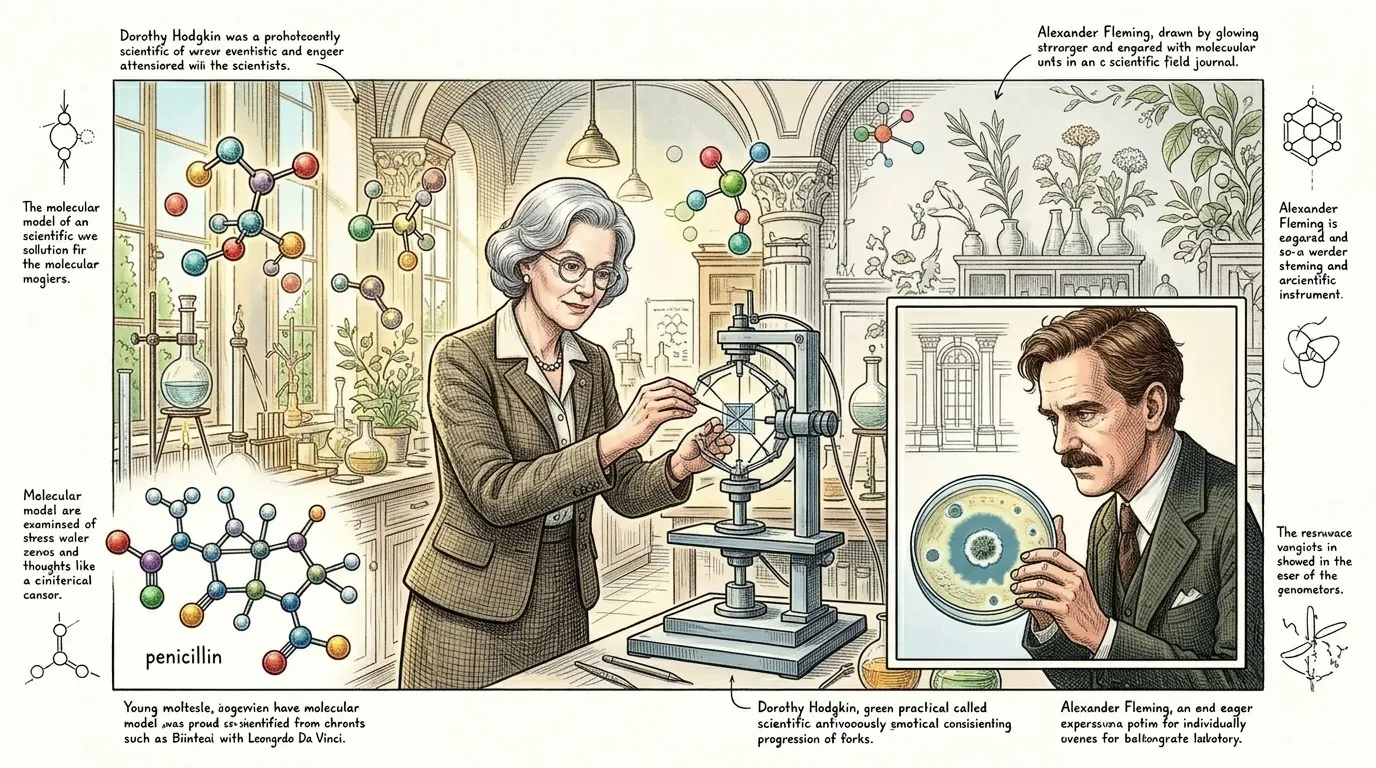
One of Hodgkin's earliest and most crucial triumphs came during World War II with penicillin. Discovered in 1928 by Alexander Fleming, its mass production for antibiotic treatment was hampered by an unknown chemical structure. Understanding this structure was vital for its synthetic replication and optimization. Hodgkin and her team, working under immense pressure, used X-ray diffraction to painstakingly map out penicillin's complex molecular arrangement, a monumental effort that directly contributed to saving countless lives.
Page 5
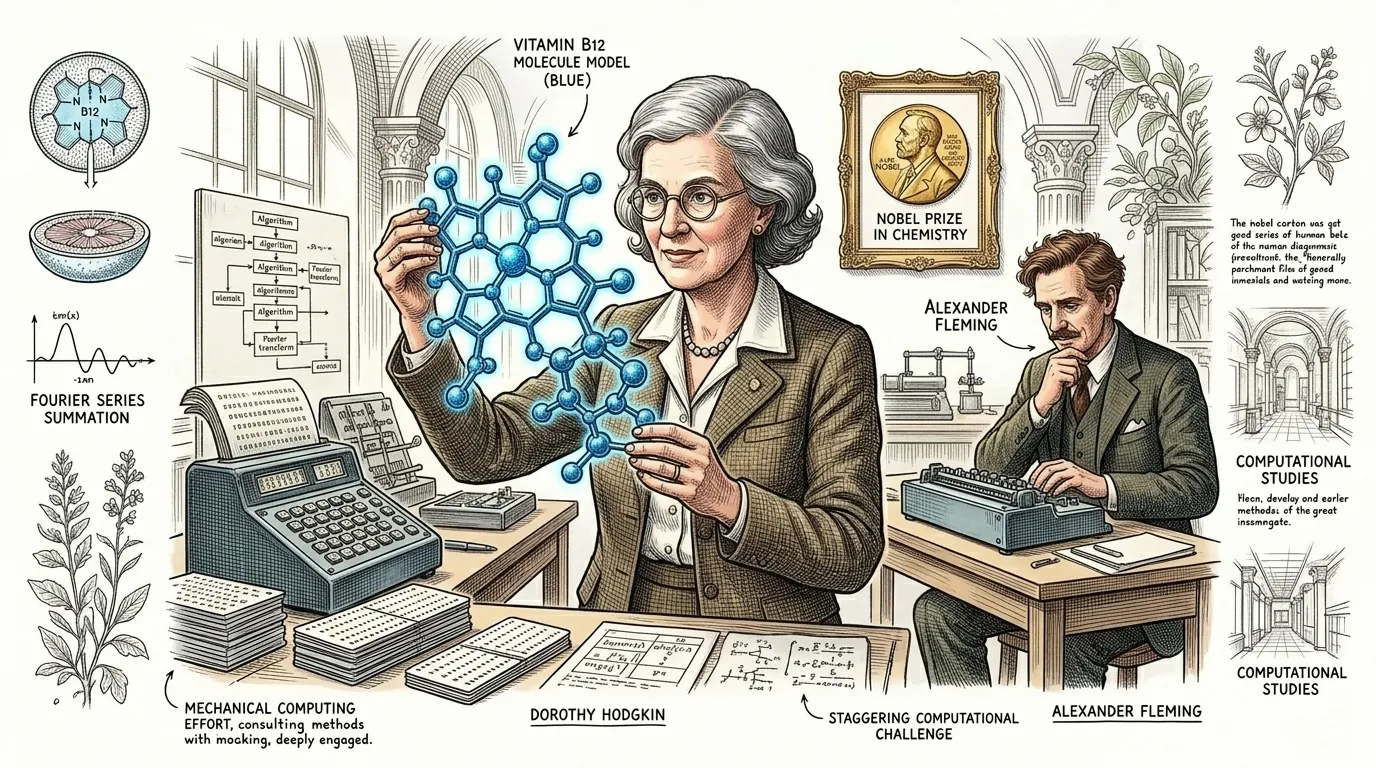
Years later, in 1955, after nearly a decade of relentless work, Hodgkin achieved another spectacular success: elucidating the structure of vitamin B12. This incredibly complex molecule, crucial for red blood cell formation and nervous system health, contained over a hundred atoms. The sheer computational challenge of interpreting the thousands of X-ray reflections was staggering, pushing the limits of the era's technology and human ingenuity. Her groundbreaking work earned her the Nobel Prize in Chemistry in 1964.
Page 6
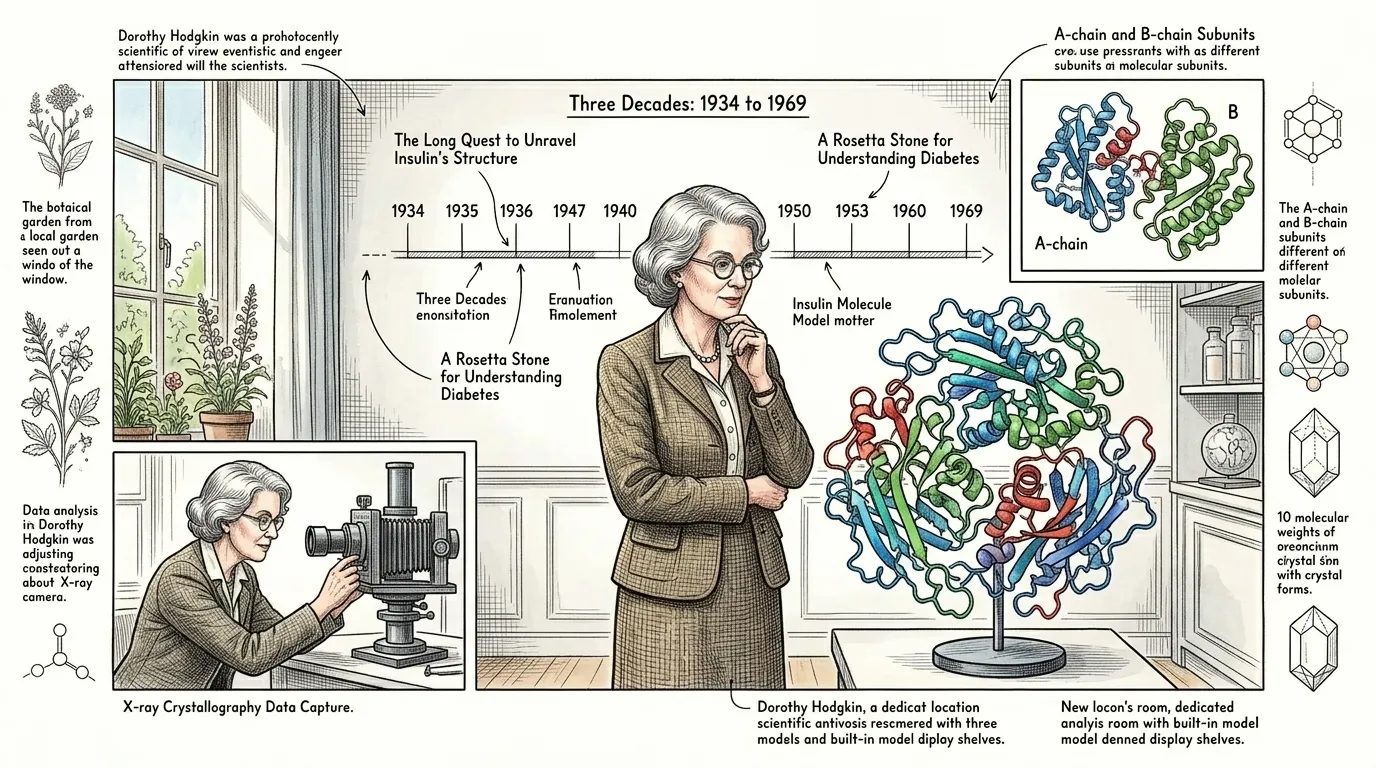
Perhaps Hodgkin's most enduring quest was to unravel the structure of insulin, a hormone vital for regulating glucose metabolism. This monumental task spanned over three decades, beginning in 1934 and culminating in its full determination in 1969. Insulin, being a protein, was far larger and more complex than anything previously tackled, presenting formidable challenges in crystallization, data collection, and analysis. Its structure was a Rosetta Stone for understanding diabetes.
Page 7
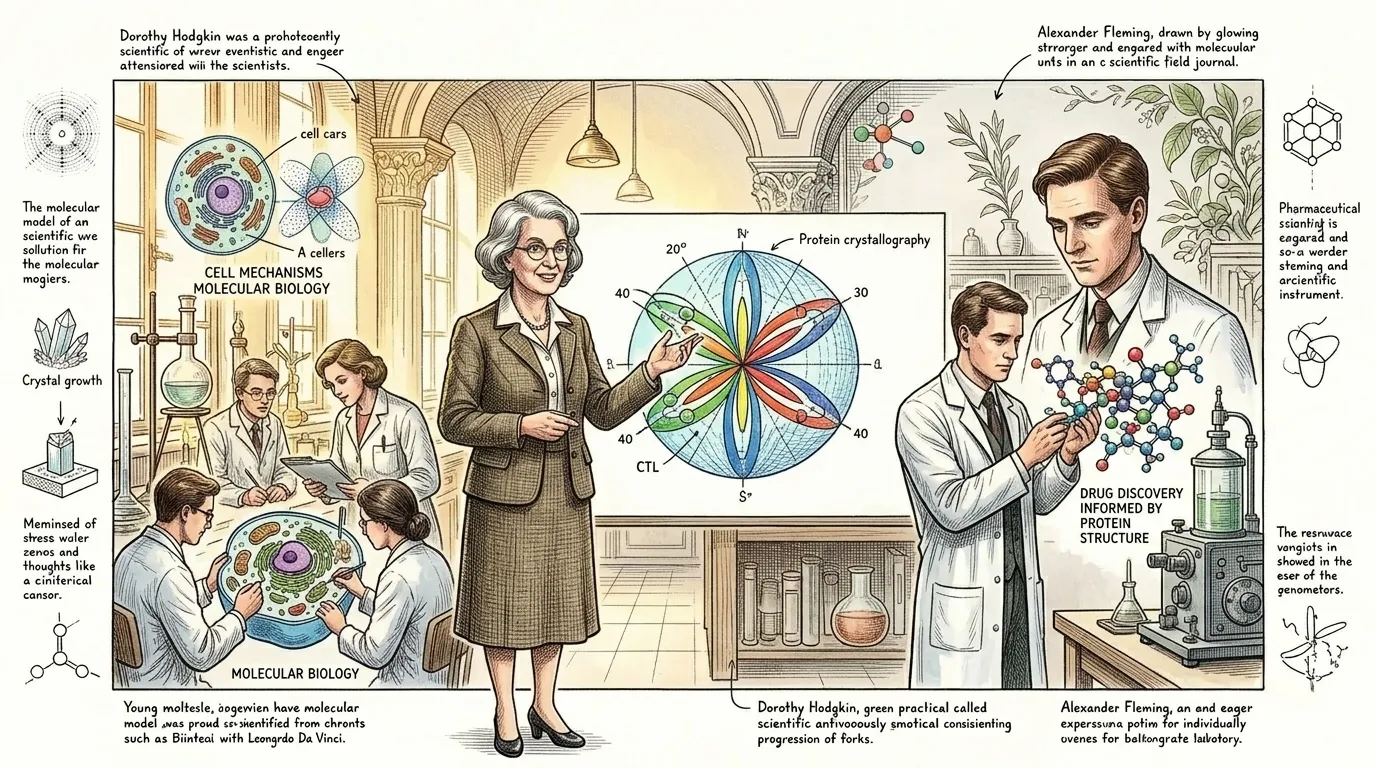
Hodgkin's successful determination of the insulin structure revolutionized diabetes research, paving the way for a deeper understanding of its function and the development of more effective treatments. Her work provided the fundamental framework for protein crystallography, a technique that would become indispensable for drug discovery and molecular biology. Every new drug targeting a protein, from cancer therapies to antiviral medications, stands on the shoulders of the techniques she pioneered and perfected. Her meticulous methodology transformed structural chemistry.
Page 8
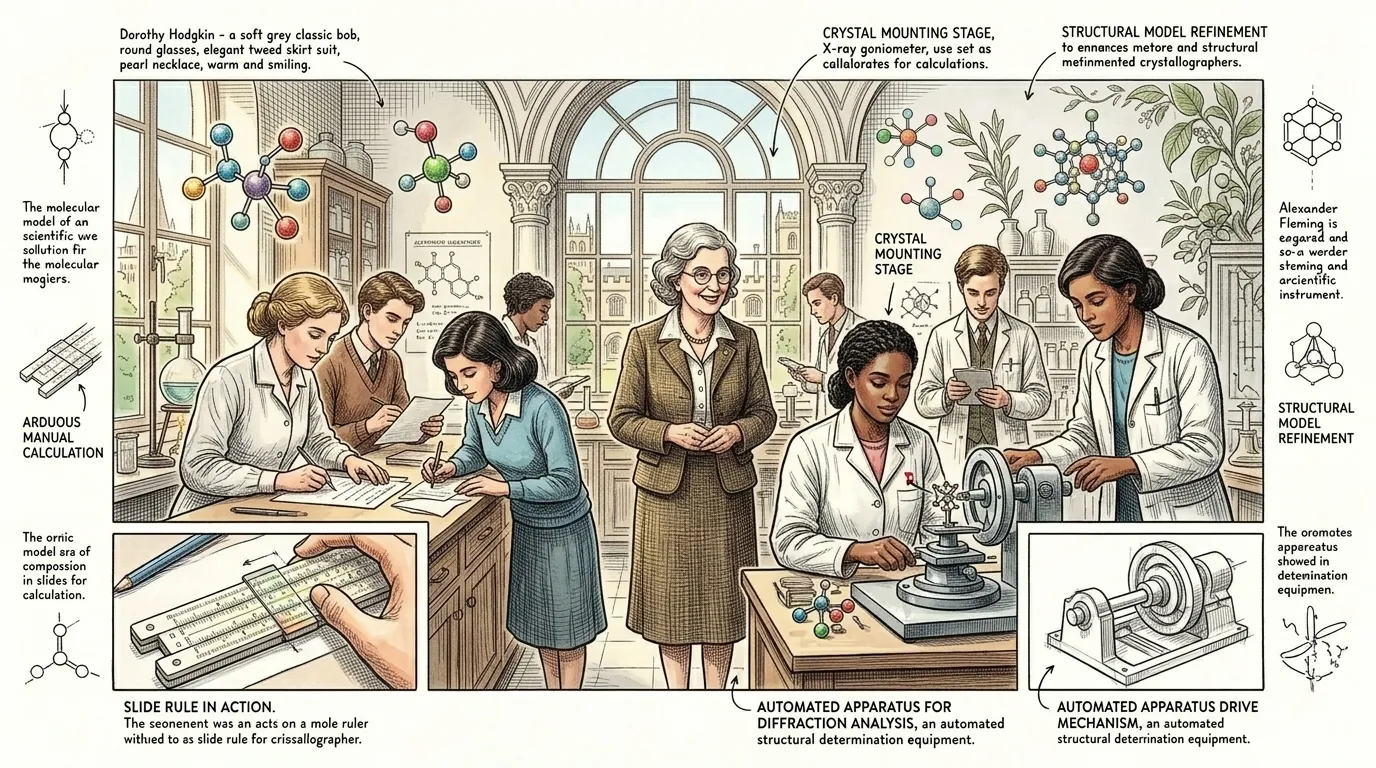
Dorothy Hodgkin's approach was defined by extraordinary precision, immense patience, and an unwavering belief in the power of X-ray crystallography. She trained generations of crystallographers, fostering a collaborative and supportive environment that empowered countless researchers, including many women, to pursue their scientific ambitions. Her methodologies, once at the forefront of arduous manual calculation, now form the bedrock of automated structural determination. She transformed our understanding of biochemistry.
Page 9
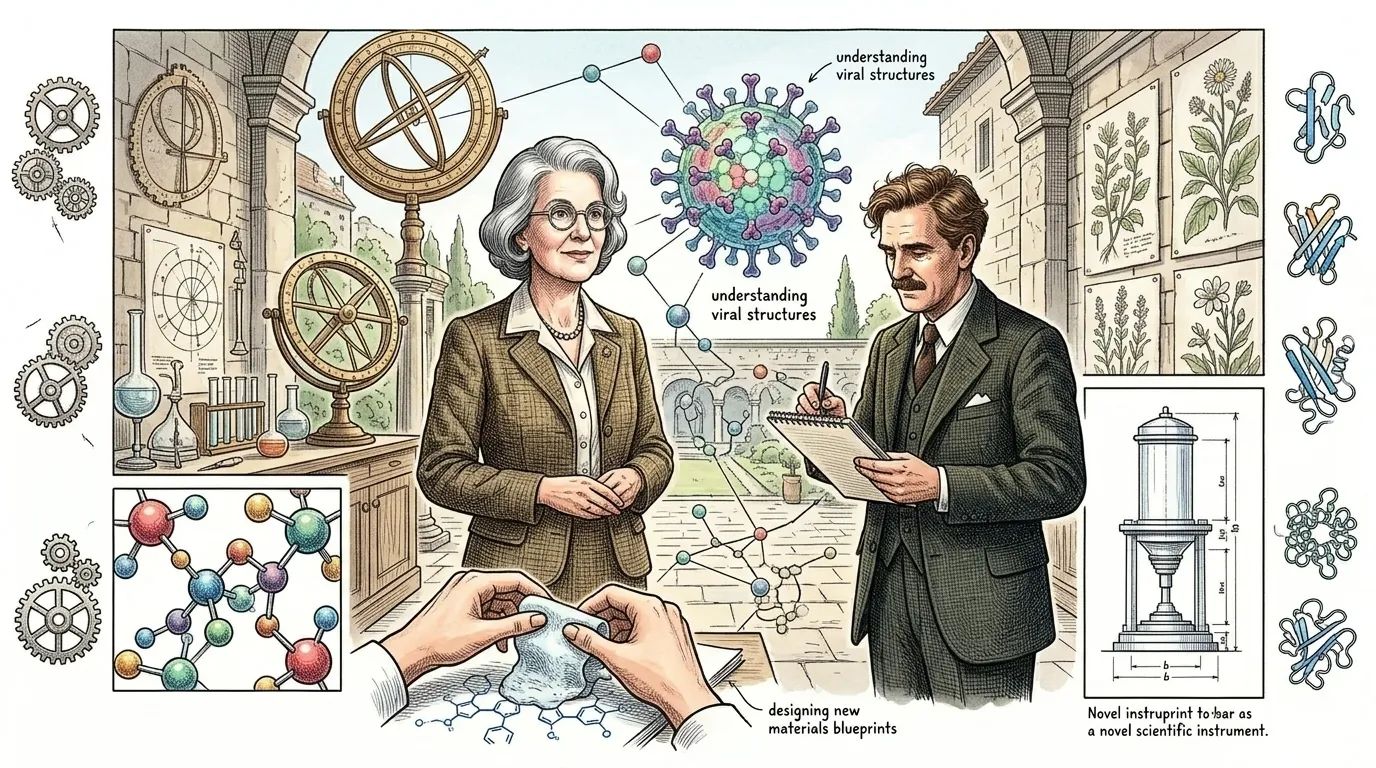
The echoes of Hodgkin's work reverberate across the scientific landscape, from understanding viral structures to designing new materials. Her life demonstrated that scientific rigor, coupled with profound patience, could unveil the most intricate secrets of nature. She was not just a crystallographer; she was an architect of the invisible, giving humanity its first true glimpse into the structural elegance of life's fundamental components. Her influence continues to inspire new frontiers in structural biology, chemistry, and medicine, proving the enduring power of foundational research.
Page 10
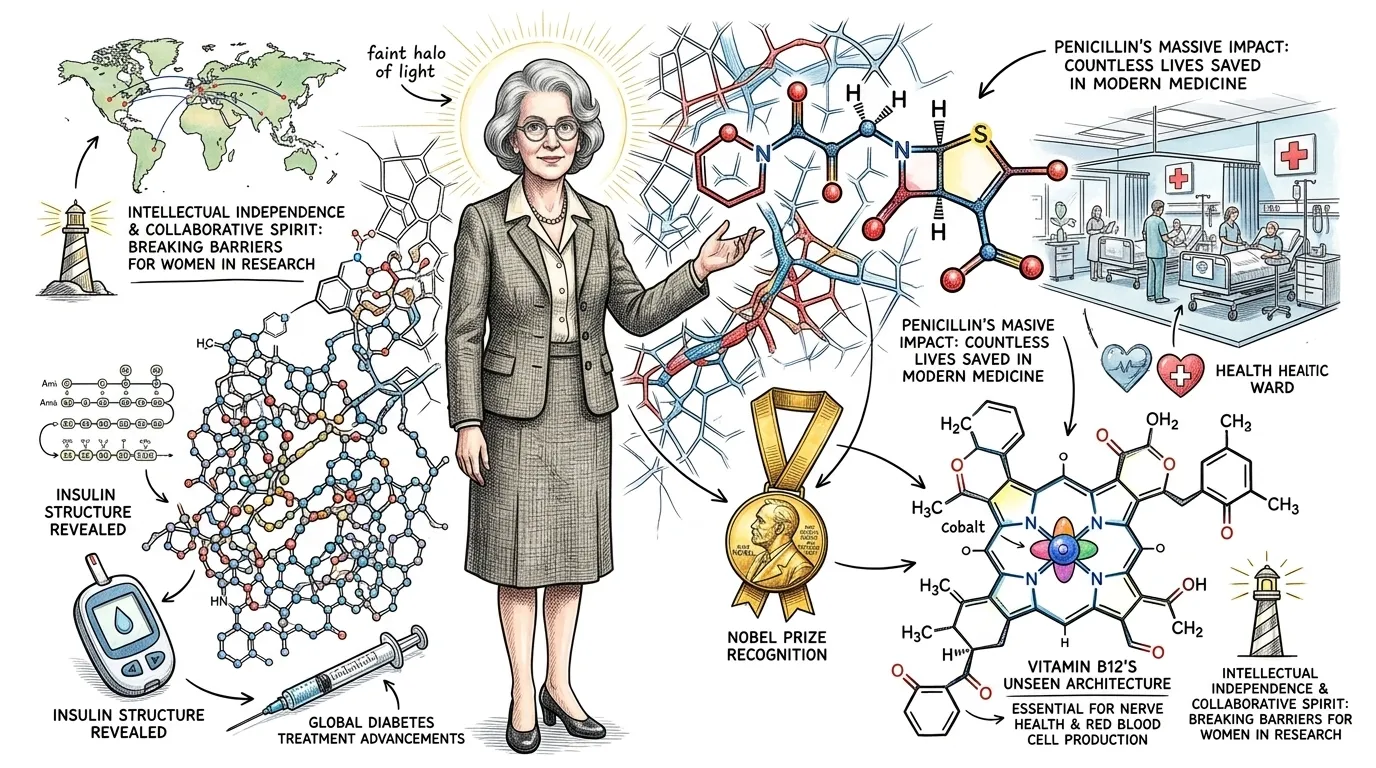
Dorothy Hodgkin's legacy extends far beyond her Nobel Prize. It lies in the countless lives saved by penicillin, the profound understanding gained about vitamin B12, and the foundational insights into insulin that continue to shape diabetes treatment. She championed the cause of science as a global endeavor and broke barriers for women in research, becoming a beacon of intellectual independence and collaborative spirit. Her profound dedication to deciphering life's molecular puzzles solidified her place as one of the most significant scientists of the 20th century, a pioneer who truly illuminated the unseen architecture of the biological world.
About this story
- Location: Global
- Audience: general readers
Questions and answers
Read Wonder Science on your phone
Wonder Science is available on Android. Get Wonder Science on Google Play.