Katalin Kariko
Katalin Kariko — an illustrated science story, set in Global. 10 illustrated pages, free to read on Wonder Science.
Page 1
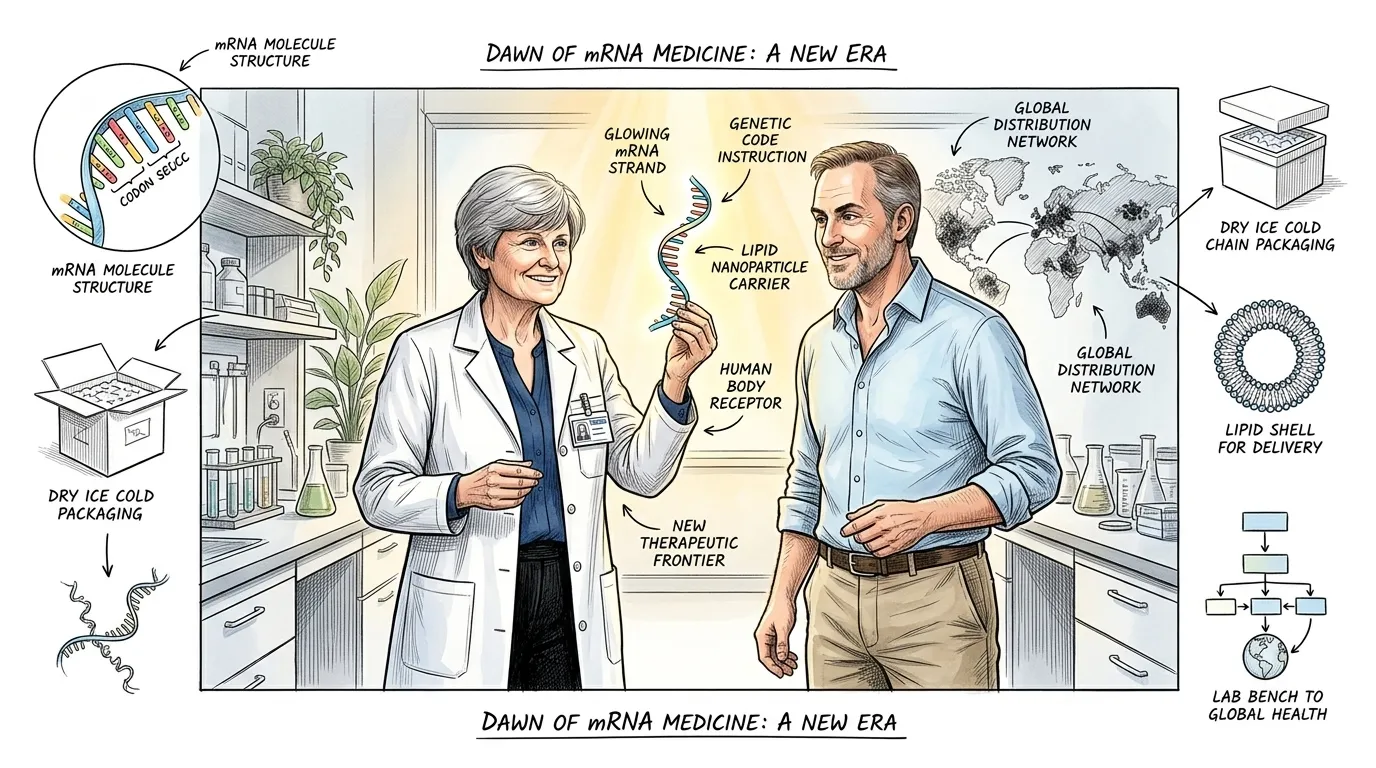
In early 2020, as a novel virus swept across the globe, humanity faced an unprecedented challenge. Traditional vaccine development, a process often spanning a decade, offered little hope for a rapid defense. Yet, within months, a new class of vaccines emerged, built upon decades of overlooked research: mRNA technology. At the heart of this swift scientific triumph lay the foundational work of Katalin Kariko, a biochemist whose relentless pursuit of an unconventional idea would ultimately redefine medical science and save countless lives.
Page 2
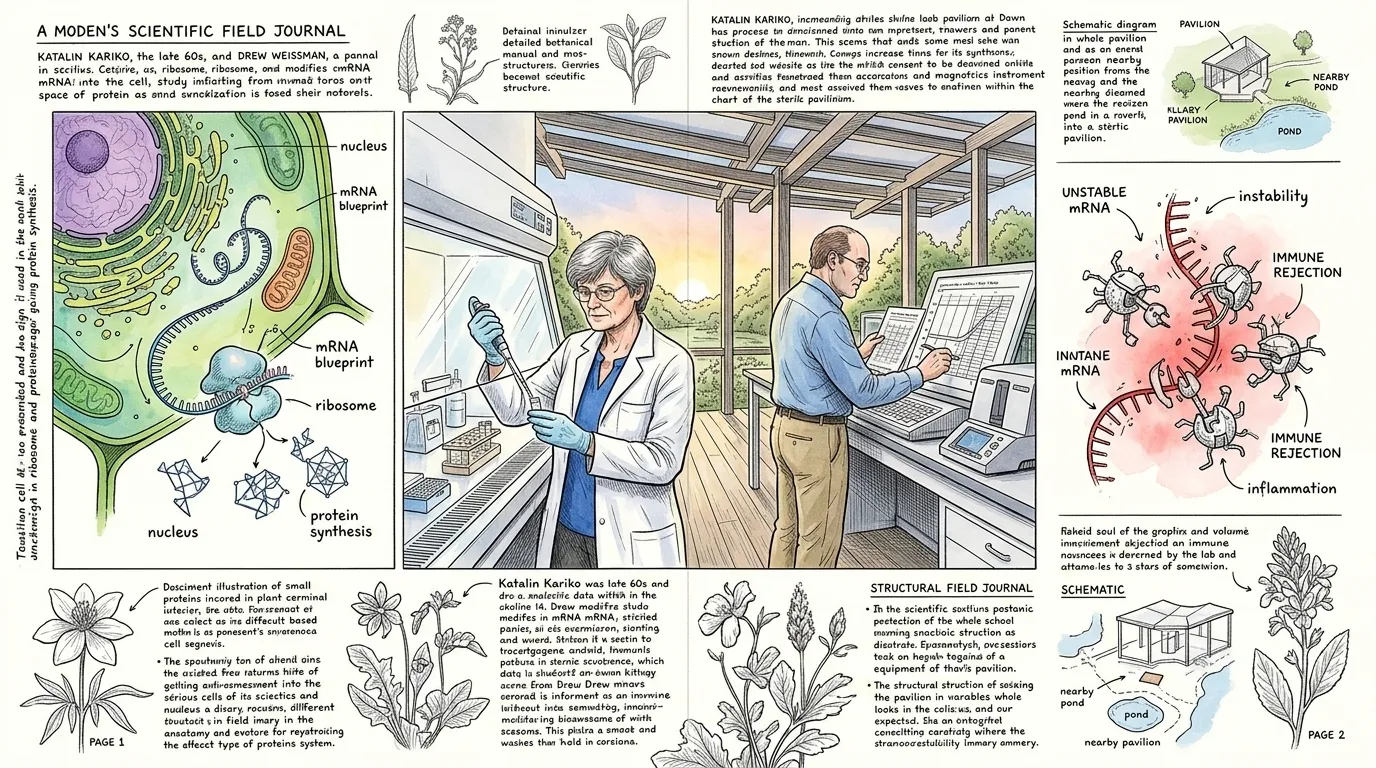
Messenger RNA, or mRNA, functions as a cellular instruction manual, carrying genetic blueprints from DNA to the ribosomes, where proteins are synthesized. The idea of using synthetic mRNA to direct cells to produce therapeutic proteins, such as antigens for vaccines, was compelling. However, initial attempts faced formidable obstacles. Unmodified, 'naked' mRNA proved highly unstable, rapidly degrading within the body. More critically, the immune system often perceived this foreign mRNA as a viral invader, triggering a potent inflammatory response that nullified any therapeutic benefit.
Page 3
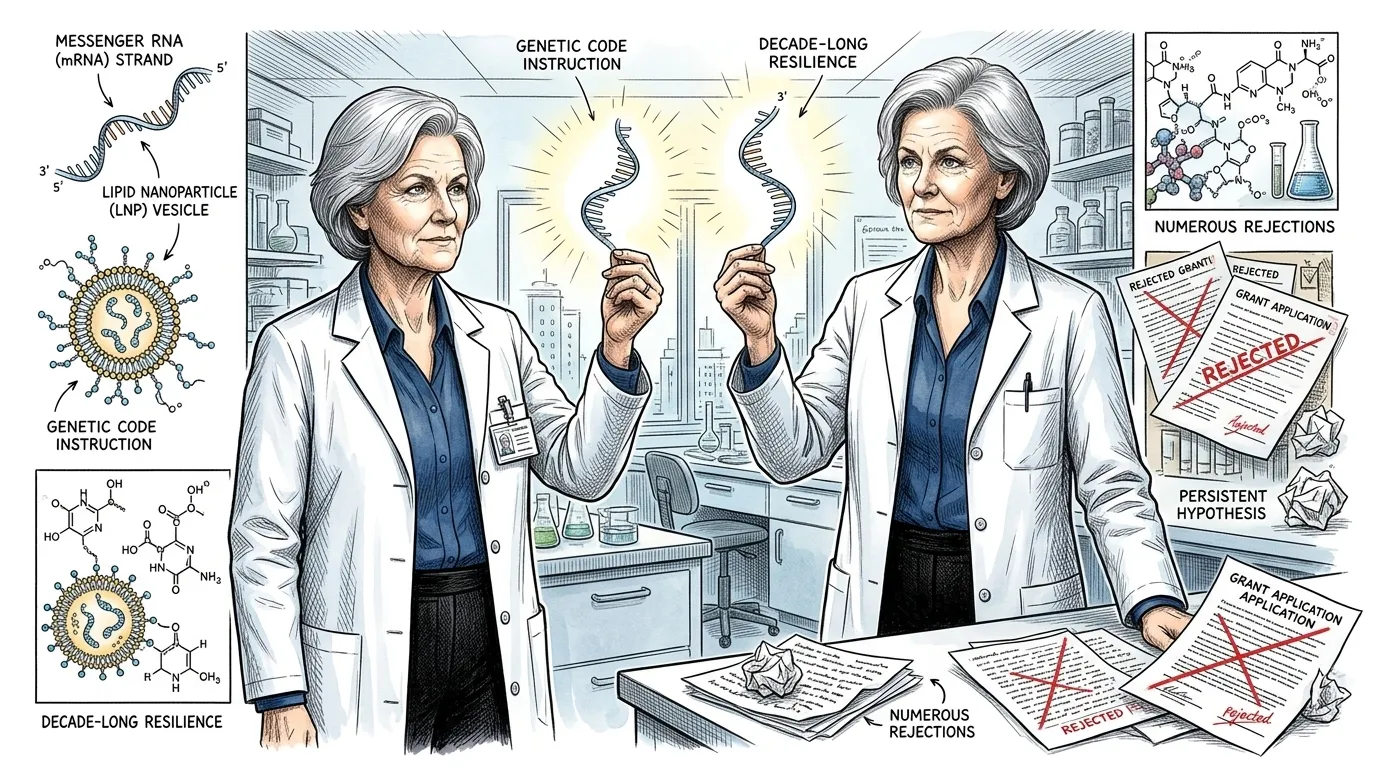
For decades, Katalin Kariko championed the therapeutic potential of mRNA, often against a tide of scientific skepticism and funding rejections. Her deep conviction stemmed from mRNA's inherent elegance: a transient molecule, instructing cells without altering the host genome, then vanishing. Despite facing demotions and a constant struggle for research grants in the 1990s and early 2000s, her belief in mRNA's future remained unshaken. It was a testament to extraordinary perseverance in the face of scientific doubt.
Page 4
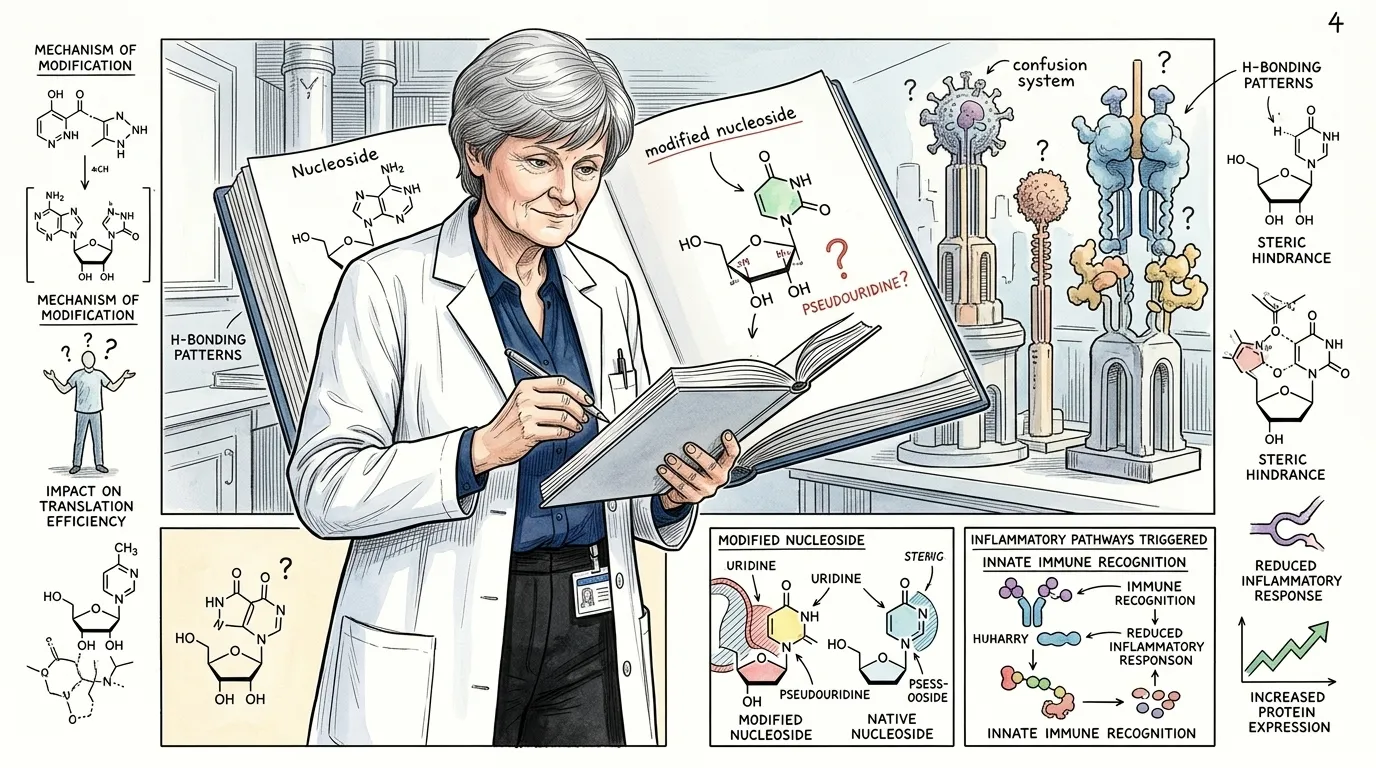
The central challenge remained: how to make synthetic mRNA 'invisible' to the immune system. Kariko hypothesized that if she could subtly alter the chemical structure of mRNA's building blocks—the nucleosides—it might mimic endogenous RNA more closely. Our cells contain natural modifications in their RNA, suggesting a pathway to trick the immune system into recognizing the synthetic mRNA as 'self' rather than 'foreign.' This radical idea required meticulous biochemical exploration.
Page 5
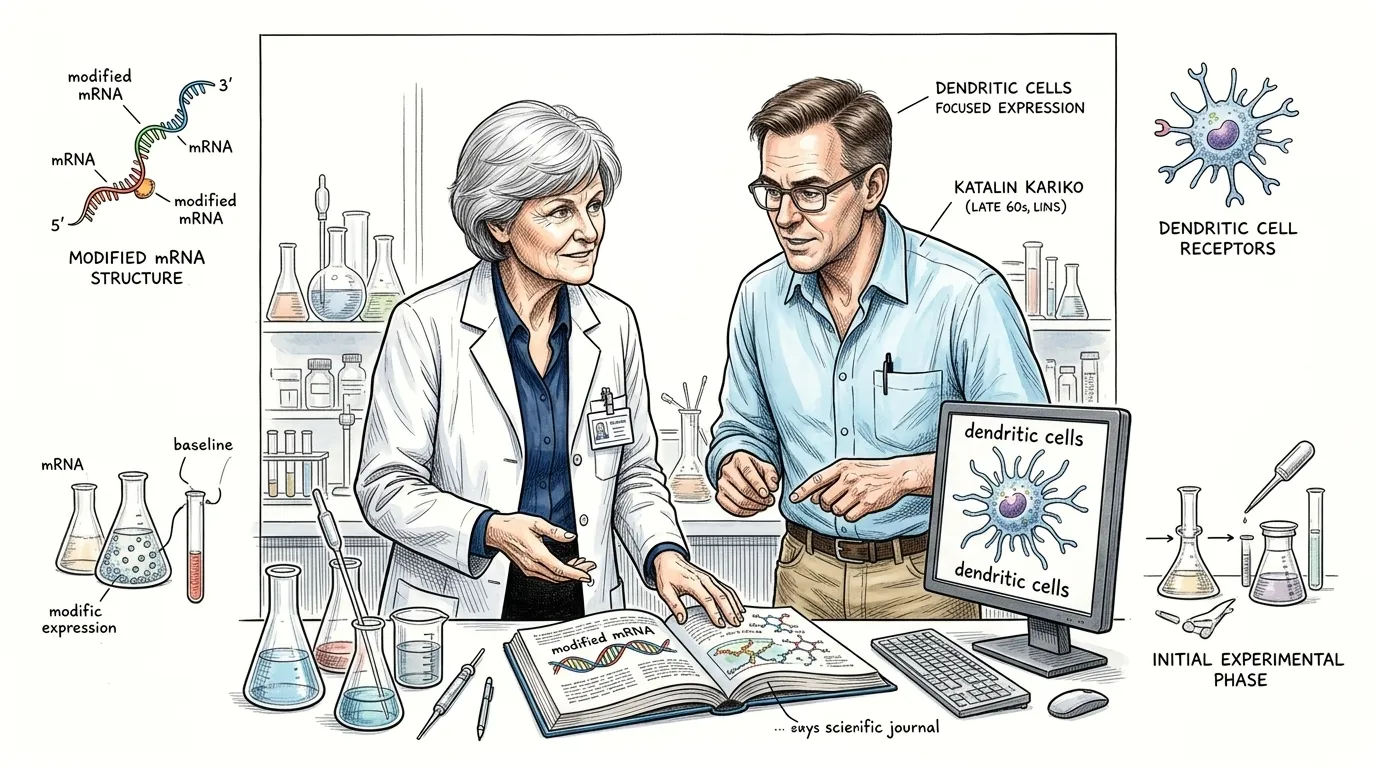
In the early 2000s, Kariko's tenacity led her to a pivotal collaboration with immunologist Drew Weissman at the University of Pennsylvania. Weissman was investigating dendritic cells, key immune sentinels. Their combined expertise created the perfect synergy: Kariko could synthesize modified mRNA, and Weissman could test its immunological impact directly on cells. This partnership ignited the experimental phase, meticulously synthesizing and testing numerous nucleoside analogues.
Page 6
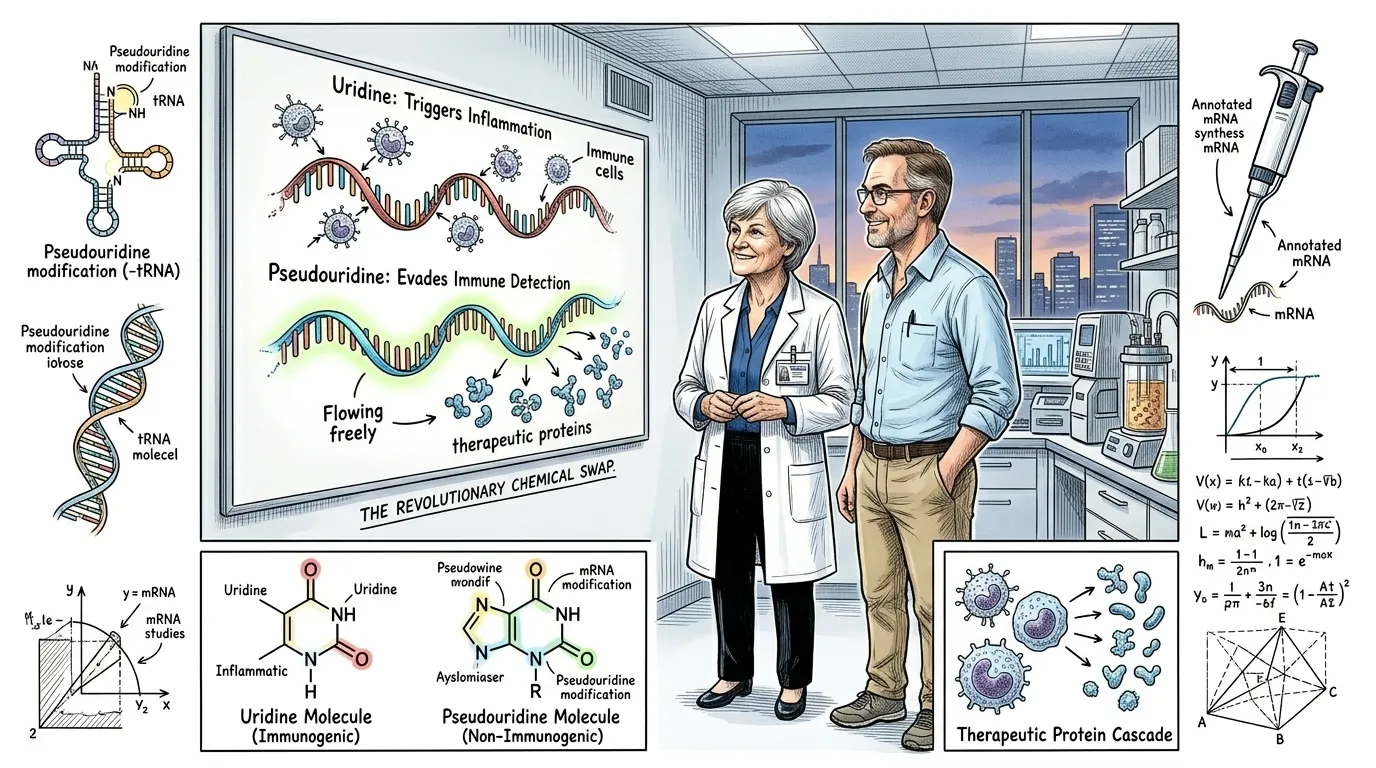
After countless experiments, a specific modification proved revolutionary: replacing uridine, one of mRNA's four standard nucleosides, with pseudouridine. Pseudouridine is not foreign; it's a naturally occurring modified nucleoside found in our own transfer RNA (tRNA) and ribosomal RNA (rRNA). When Kariko and Weissman incorporated pseudouridine into synthetic mRNA, the results were dramatic. The modified mRNA evaded immune detection, significantly reduced inflammation, and, crucially, produced vastly more therapeutic protein. This single chemical swap unlocked mRNA's potential.
Page 7
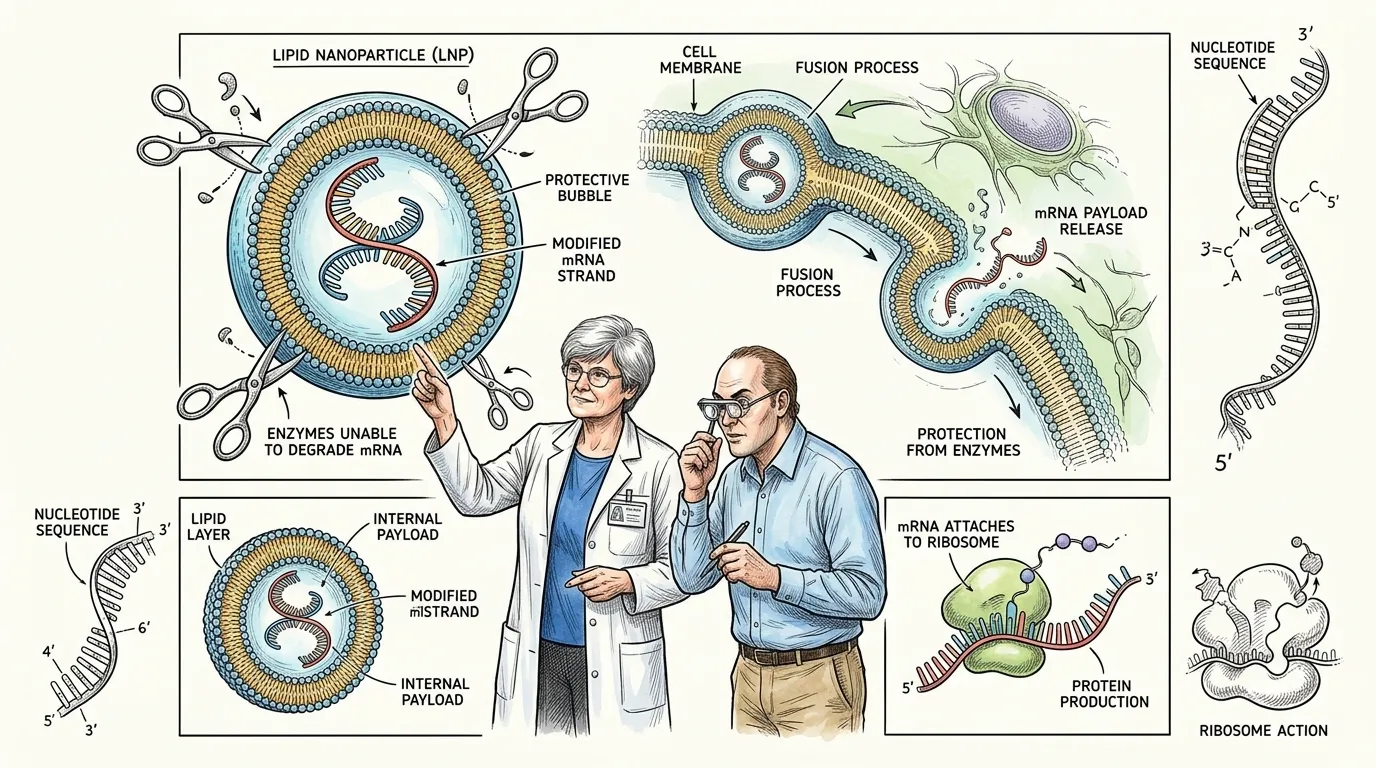
While nucleoside modification solved the immune response puzzle, efficient delivery of mRNA into cells remained a challenge. mRNA is still a fragile molecule, easily degraded by enzymes in the bloodstream. The solution came in the form of Lipid Nanoparticles (LNPs). These microscopic fat bubbles encapsulate the modified mRNA, protecting it from degradation and facilitating its entry into target cells. LNPs act as sophisticated delivery vehicles, fusing with cell membranes to release the mRNA payload precisely where it needs to work.
Page 8
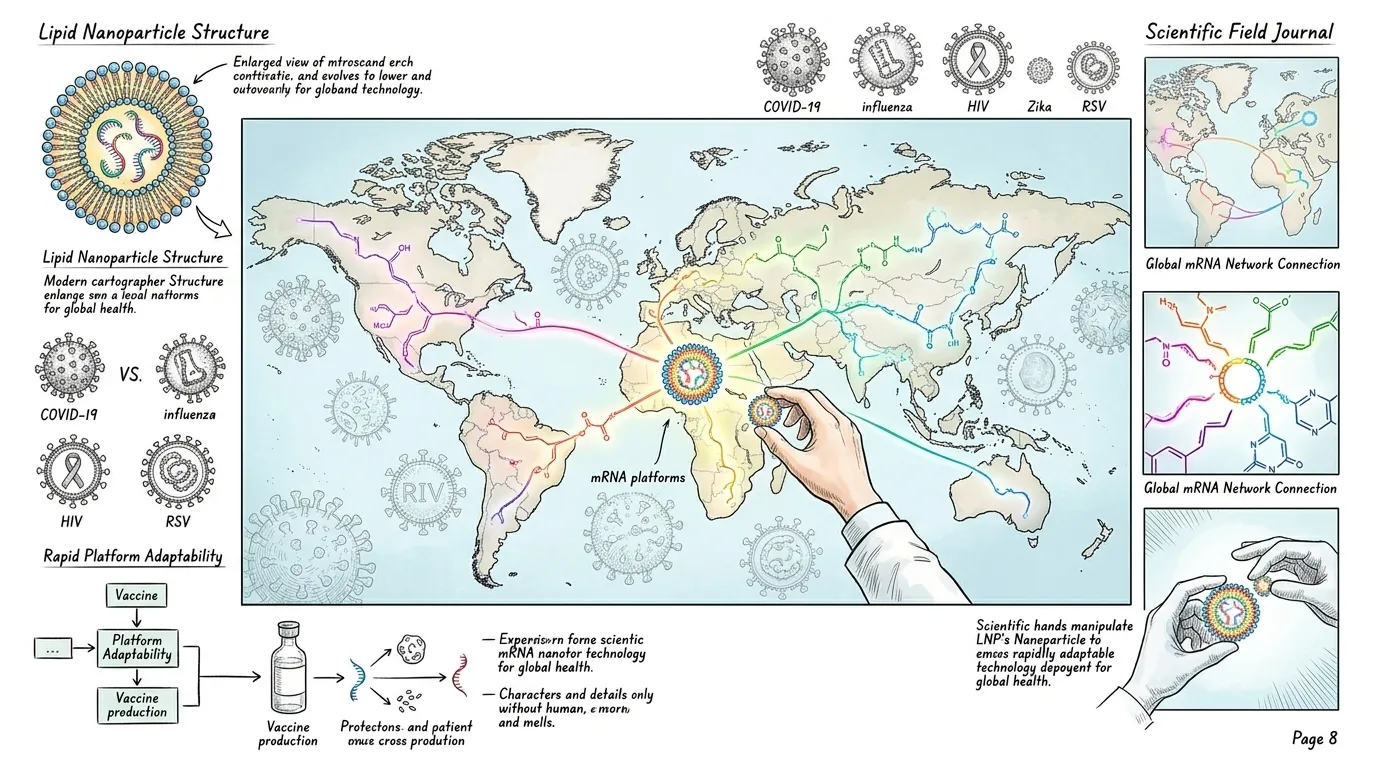
The triumph of mRNA vaccines against COVID-19 was just the beginning. The pseudouridine modification, combined with LNP delivery, established a rapid and flexible platform for vaccine development. Researchers are now deploying mRNA technology against a wide array of infectious diseases, including influenza, HIV, Zika, and respiratory syncytial virus (RSV). The speed and adaptability of mRNA allow for swift responses to emerging pathogens and the potential for universal vaccines, revolutionizing public health preparedness.
Page 9
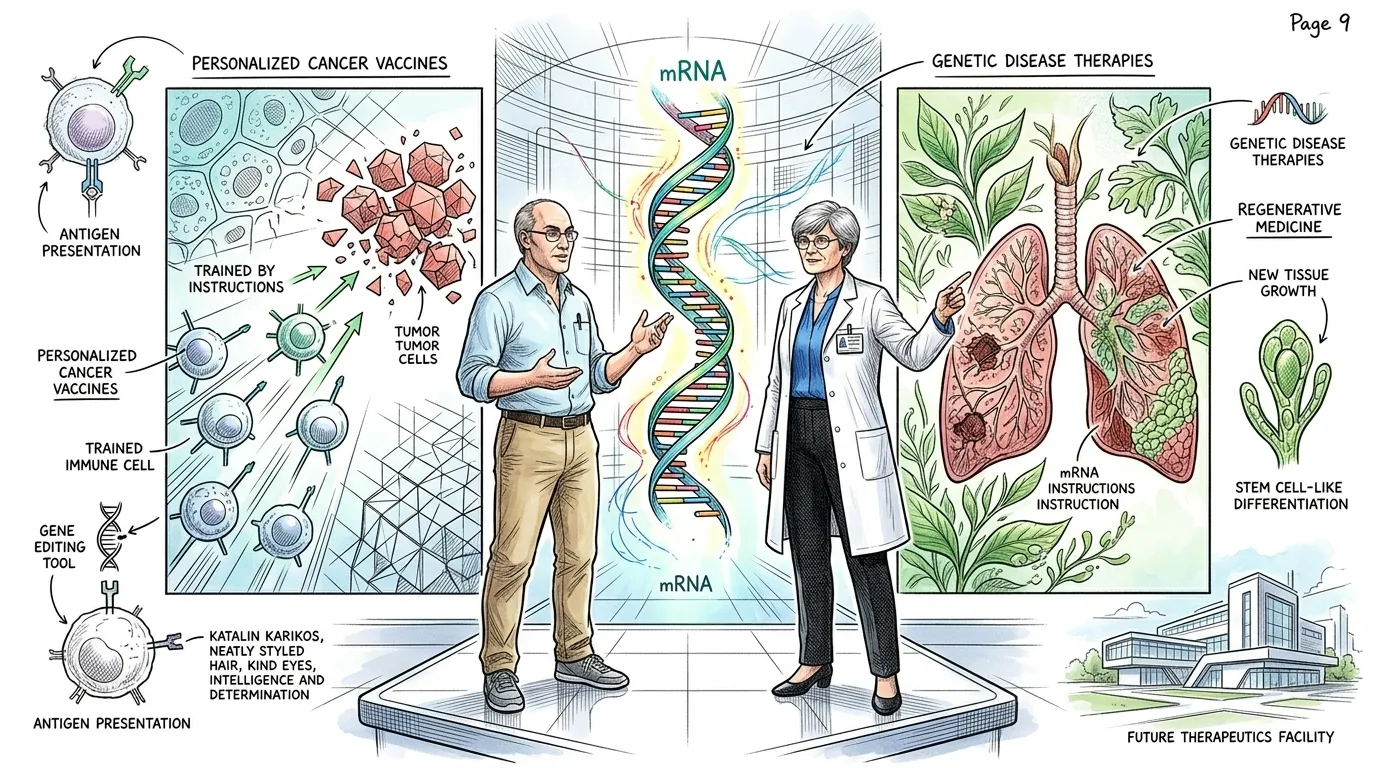
The applications of modified mRNA extend far beyond infectious diseases. Its ability to instruct cells to produce virtually any protein opens vast therapeutic avenues. Scientists are exploring mRNA for personalized cancer vaccines, training the body's immune system to target specific tumor cells. Furthermore, mRNA holds promise for protein replacement therapies in genetic diseases, such as cystic fibrosis, and for regenerative medicine, prompting cells to repair damaged tissues or grow new ones. This technology represents a paradigm shift in how we approach intractable medical conditions.
Page 10
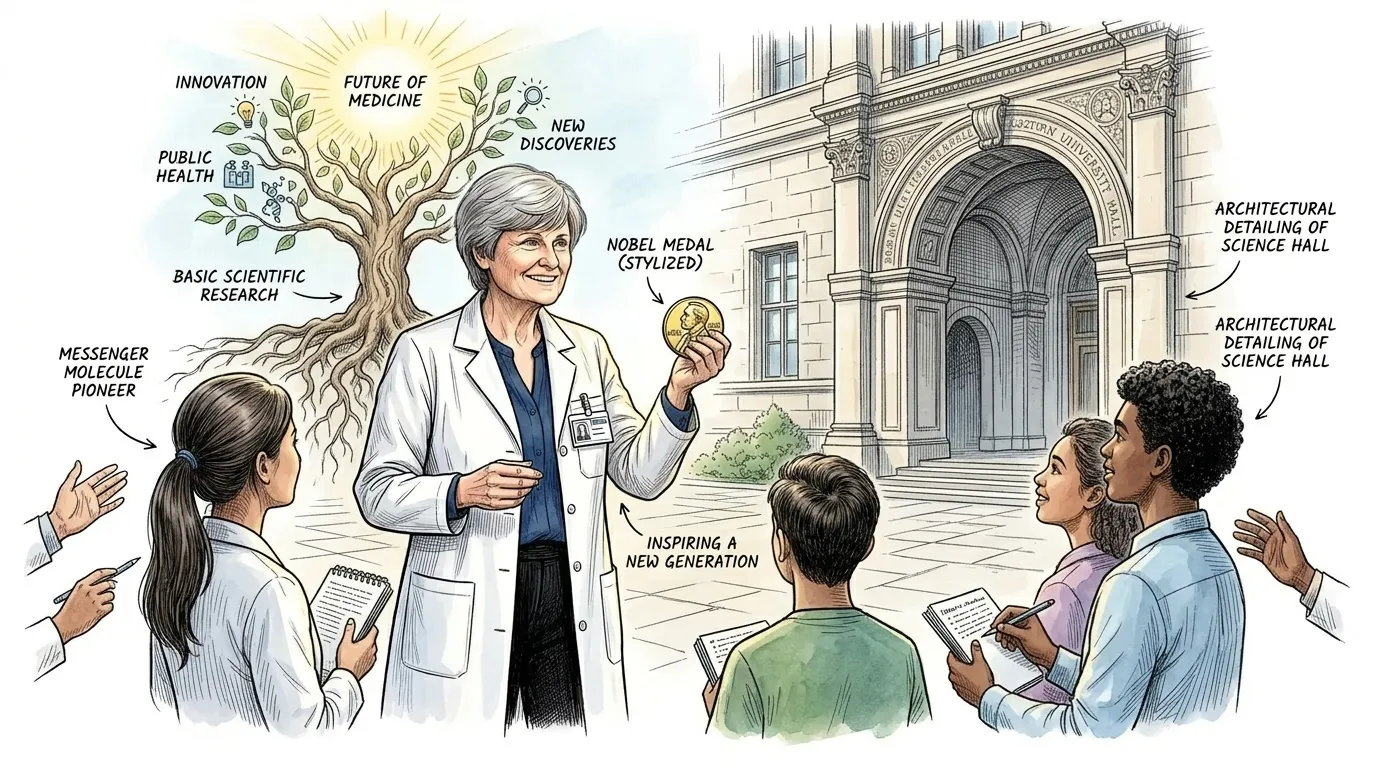
Katalin Kariko's journey is a powerful testament to the value of basic scientific research and unwavering perseverance. Her decades of work, often undertaken with minimal recognition and funding, laid the indispensable groundwork for one of the most significant medical breakthroughs of our time. Her profound impact on global health was recognized with the Nobel Prize in Physiology or Medicine in 2023. Kariko's legacy not only embodies the spirit of scientific inquiry but also inspires a new generation to pursue fundamental questions, reminding us that the most revolutionary discoveries often begin in the quiet persistence of a single, brilliant mind.
About this story
- Location: Global
- Audience: general readers
Questions and answers
Read Wonder Science on your phone
Wonder Science is available on Android. Get Wonder Science on Google Play.