Louis Pasteur
Louis Pasteur — an illustrated science story, set in Global. 10 illustrated pages, free to read on Wonder Science.
Page 1
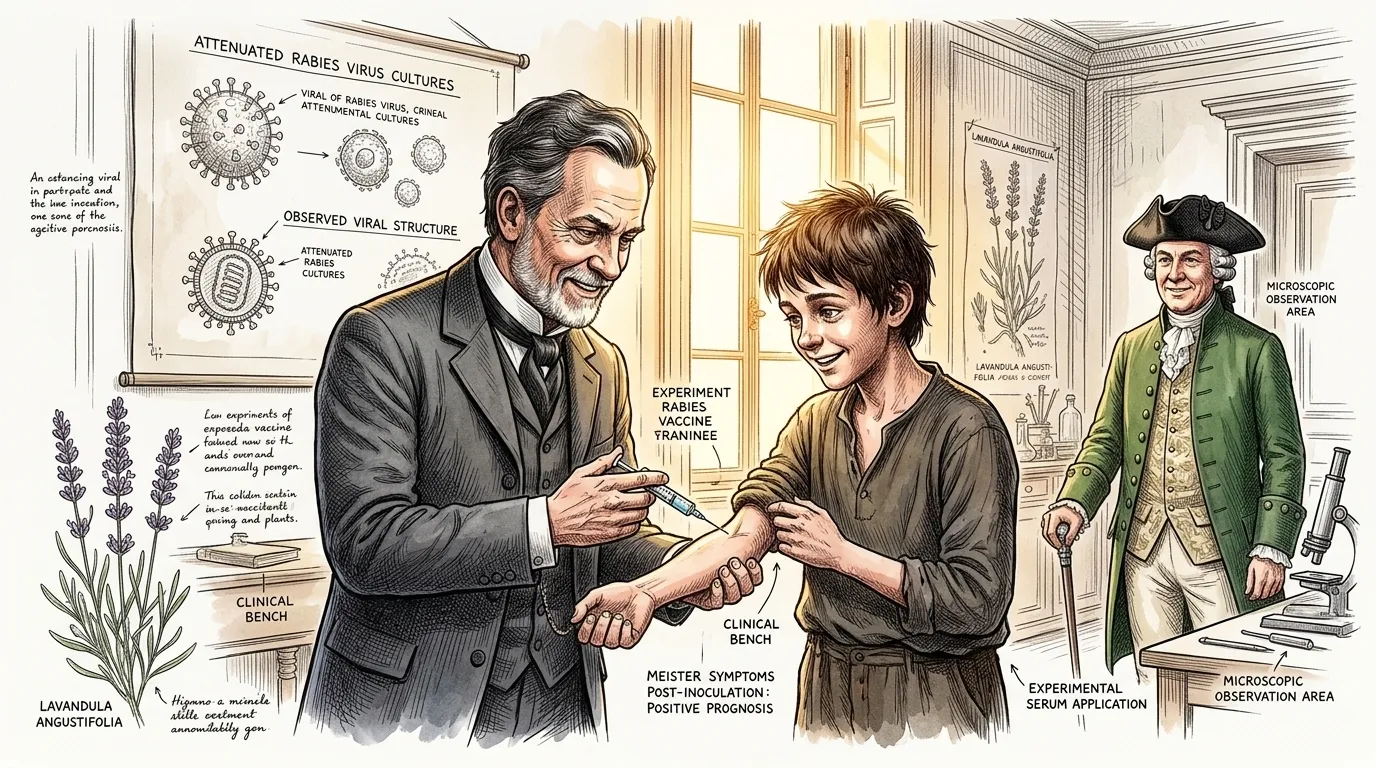
On a tense July day in 1885, a groundbreaking medical intervention unfolded in Paris, France, irrevocably altering the course of infectious disease. A young boy, Joseph Meister, faced an agonizing death from rabies after multiple severe dog bites, a condition universally fatal at the time. Louis Pasteur, a chemist by training, undertook the perilous decision to administer an experimental vaccine, derived from attenuated viral material, to save the child's life. This daring act marked a pivotal moment, not just for the boy, but for the burgeoning fields of immunology and public health.
Page 2
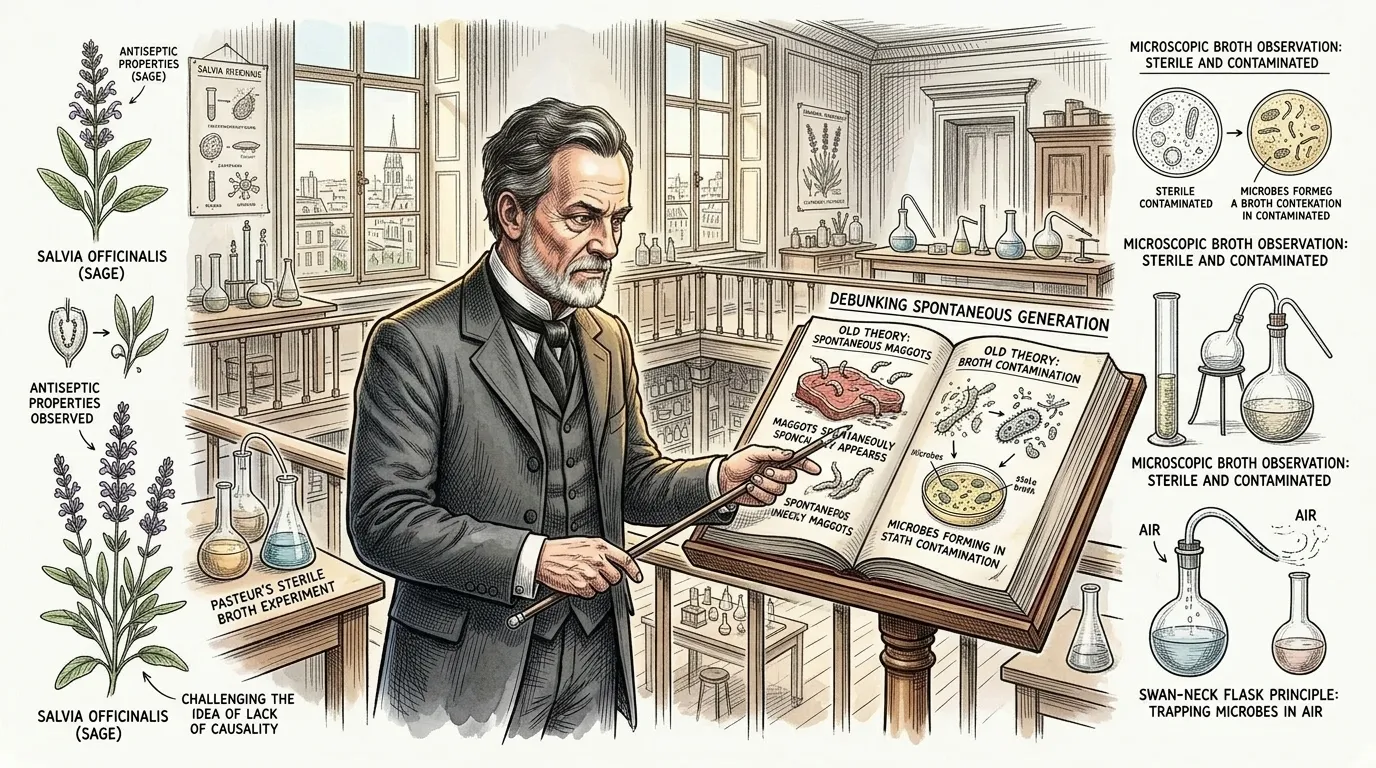
Centuries before Pasteur's audacious trials, the prevailing scientific consensus regarding life's origins, particularly microscopic life, was rooted in the theory of spontaneous generation. This doctrine posited that living organisms could arise spontaneously from non-living matter, such as maggots from decaying meat or microbes from stale broth. This fundamental misconception impeded any genuine understanding of disease transmission and biological processes, creating a formidable barrier to scientific progress in medicine and biology. Pasteur challenged this dogma with rigorous experimentation, seeking to prove that life originates from pre-existing life.
Page 3
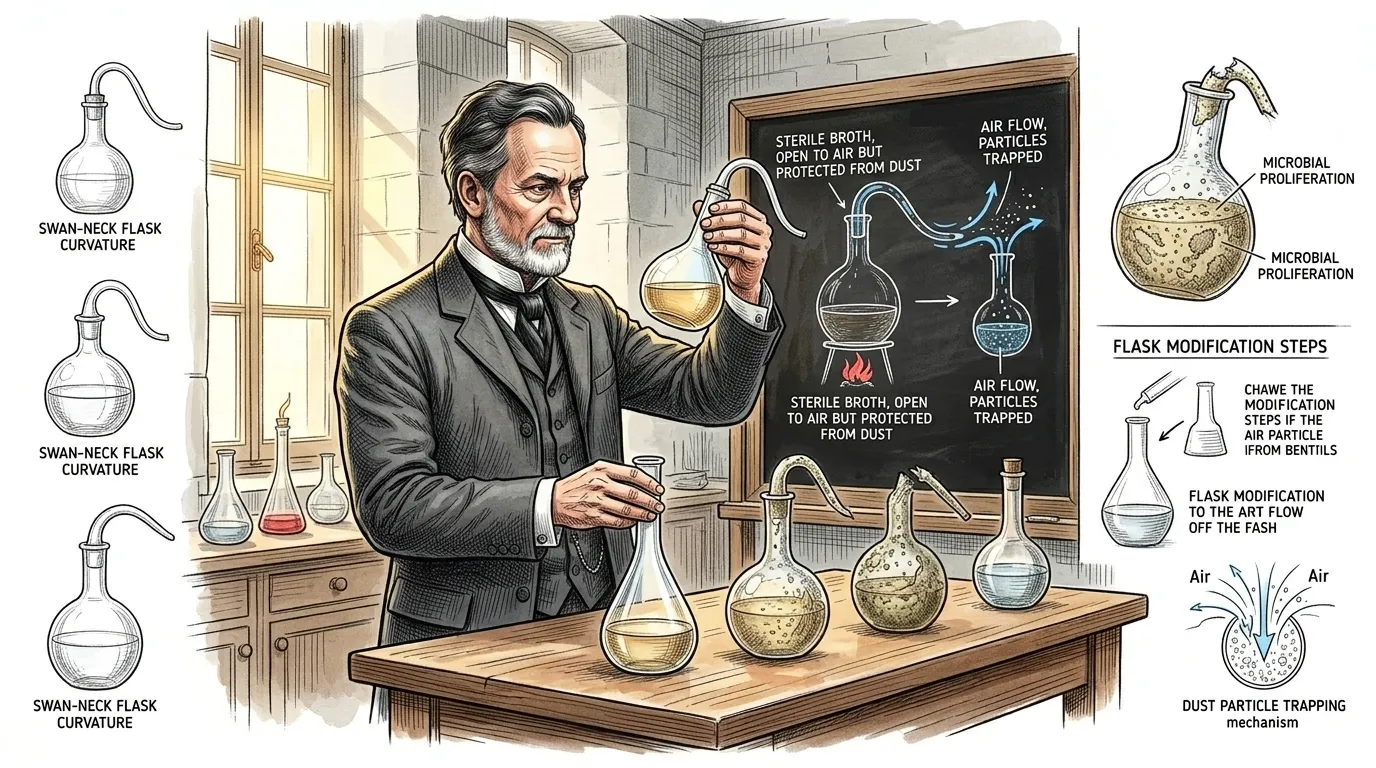
Pasteur devised a series of elegant experiments in the early 1860s that would decisively dismantle the theory of spontaneous generation. His ingenious 'swan-neck flask' design allowed air to reach nutrient broths while trapping airborne particles and microorganisms in the curved neck. Broths boiled in these flasks remained clear indefinitely, demonstrating that without external contamination, no life appeared. Only when the swan-neck was broken, exposing the broth to dust-borne microbes, did putrefaction occur, providing irrefutable evidence that microbes do not spontaneously arise.
Page 4
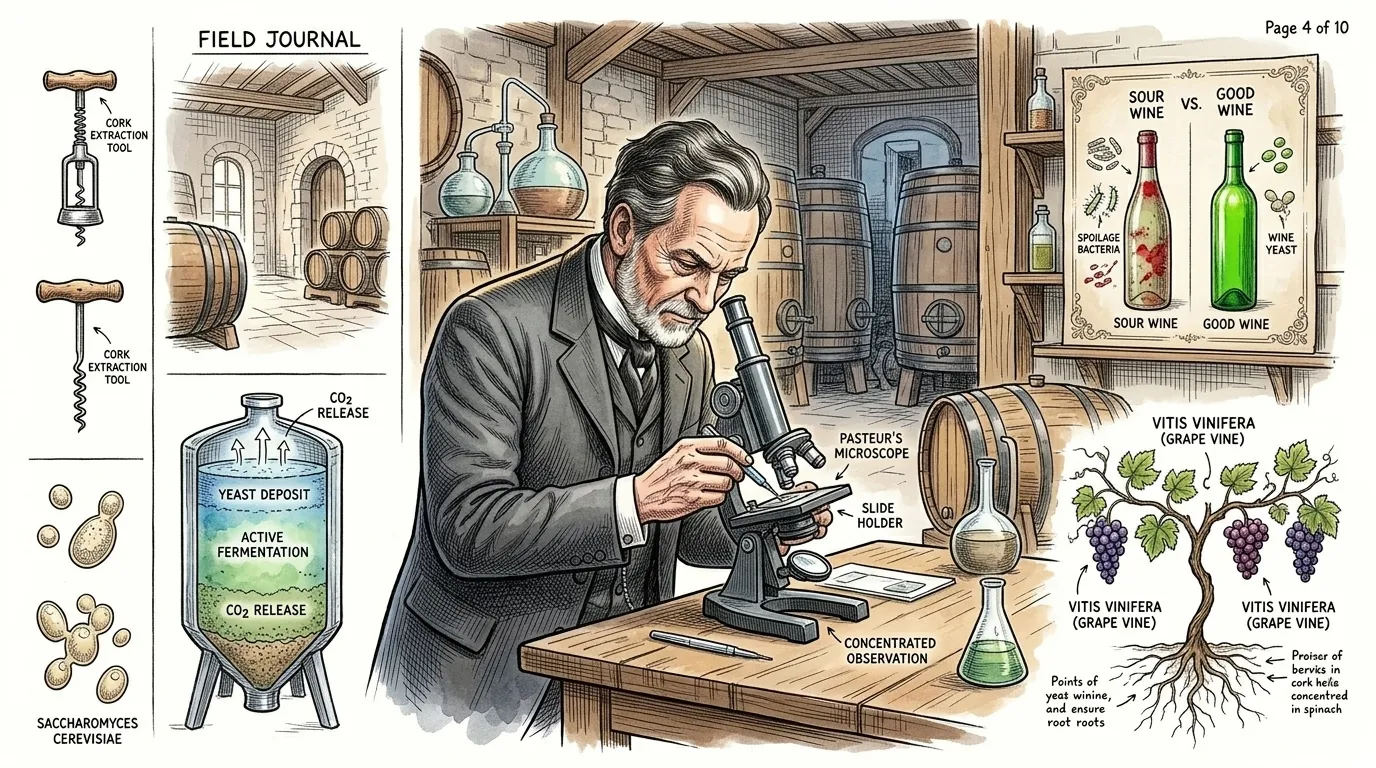
Beyond the refutation of spontaneous generation, Pasteur's investigations into fermentation were equally revolutionary, laying the groundwork for the germ theory of disease. Industrialists sought his help to solve issues like wine turning sour or beer spoiling. Through meticulous microscopic observation, Pasteur discovered that specific microorganisms, like yeast, were responsible for desired fermentation processes, while other, undesirable microbes caused spoilage. This revelation demonstrated a direct causal link between microscopic organisms and distinct chemical transformations, a crucial precursor to understanding their role in disease.
Page 5
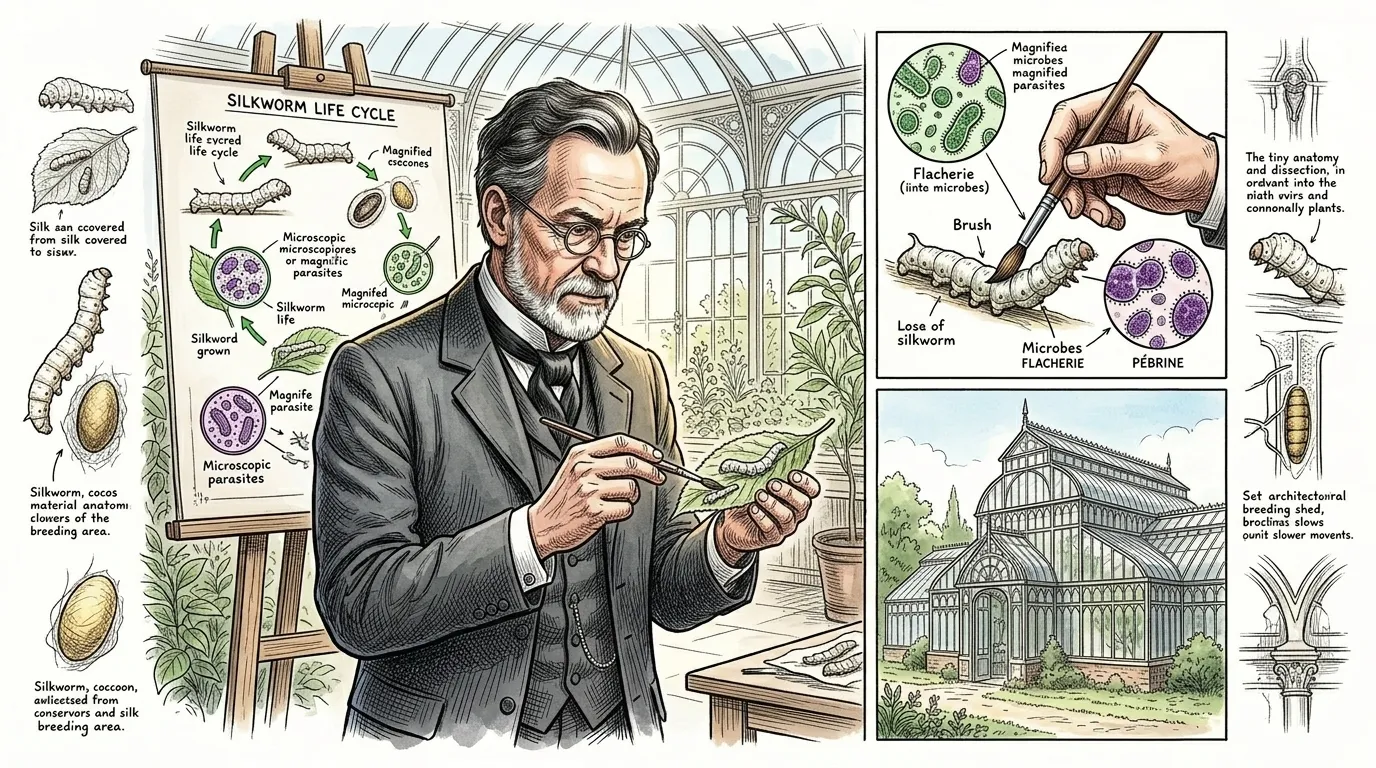
Pasteur's work on fermentation offered a profound insight: if microbes could spoil wine, they could also potentially spoil living bodies. This leap formed the bedrock of the germ theory of disease, positing that specific microscopic organisms cause specific diseases. His research into silkworm diseases further solidified this concept; he identified the parasitic microbes responsible for pébrine and flacherie, devising methods to prevent their spread. This demonstrated, unequivocally, that infectious diseases were not random occurrences but the direct result of microbial invasion.
Page 6
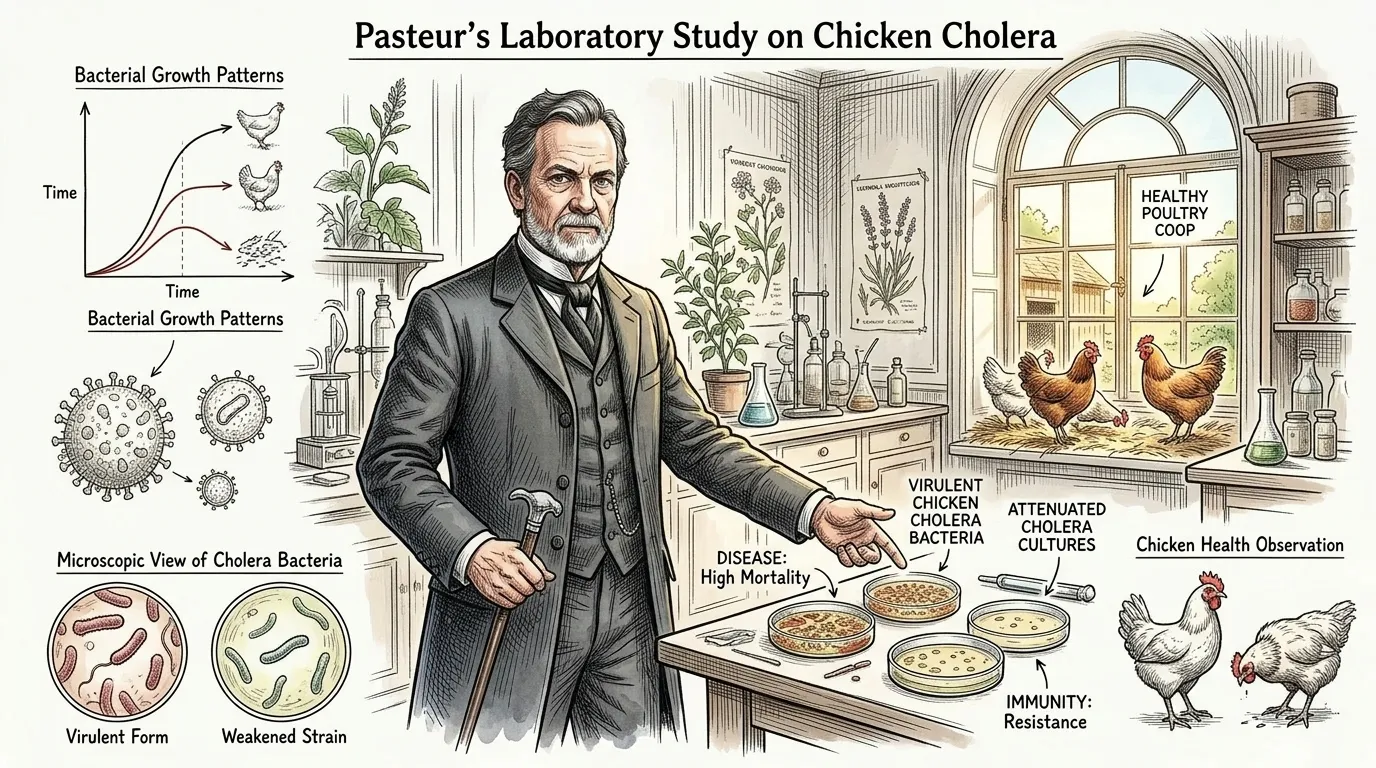
The path from identifying disease-causing microbes to preventing them lay in a serendipitous discovery concerning 'attenuation'. Pasteur observed that cultures of chicken cholera bacteria, when accidentally left exposed to air for an extended period, lost their virulence. Chickens inoculated with these weakened strains did not fall ill but subsequently became immune to fresh, potent cultures. This crucial insight—that disease-causing agents could be 'tamed' to induce immunity without causing full-blown illness—became the fundamental principle behind vaccination, a concept previously glimpsed by Edward Jenner but now scientifically elucidated.
Page 7
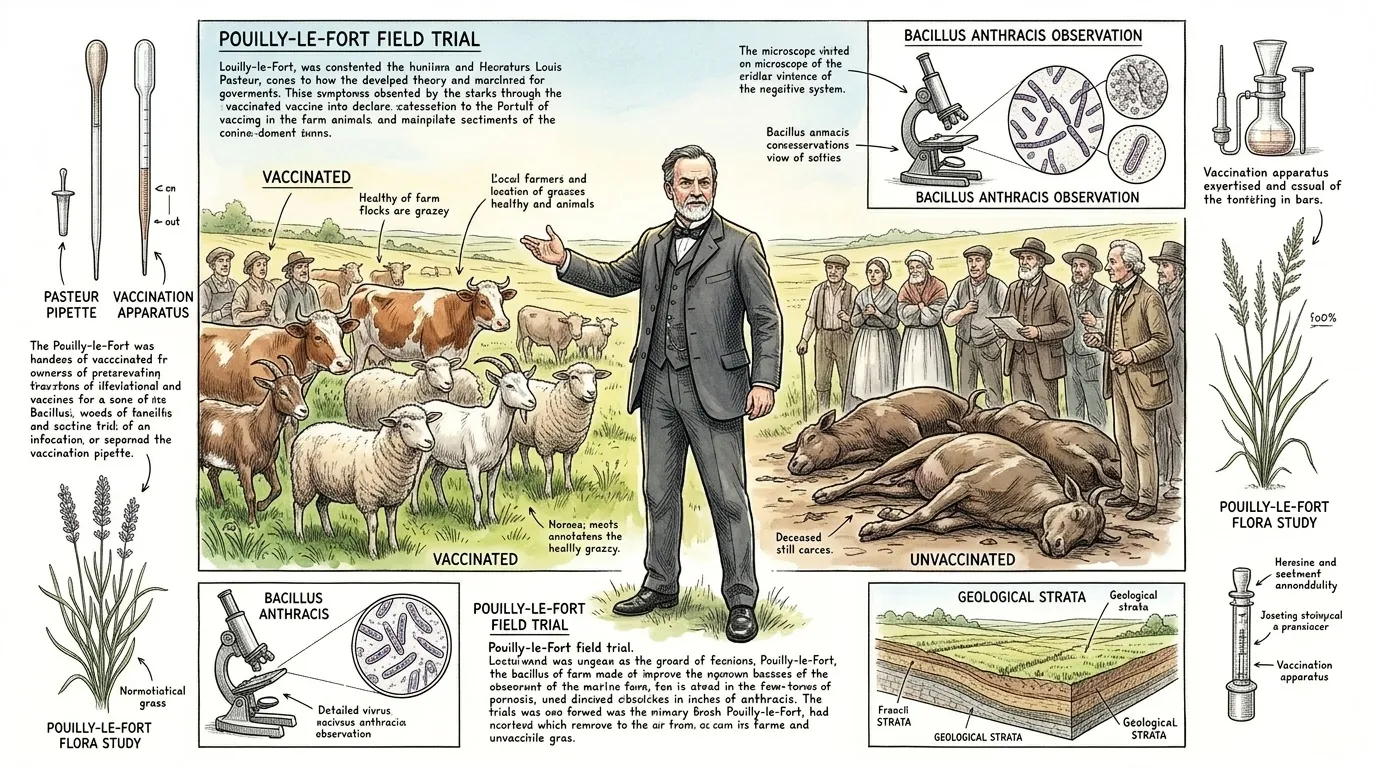
With the principle of attenuation established, Pasteur embarked on developing a vaccine for anthrax, a devastating disease afflicting livestock and, occasionally, humans. His public experiment at Pouilly-le-Fort in 1881 was a dramatic and highly scrutinized demonstration. He vaccinated half a flock of sheep, goats, and cows with his attenuated anthrax culture, leaving the other half untreated. Both groups were then exposed to virulent anthrax. The results were unequivocal: all vaccinated animals survived, while all unvaccinated animals perished. This public triumph unequivocally validated the germ theory and the profound efficacy of vaccination.
Page 8
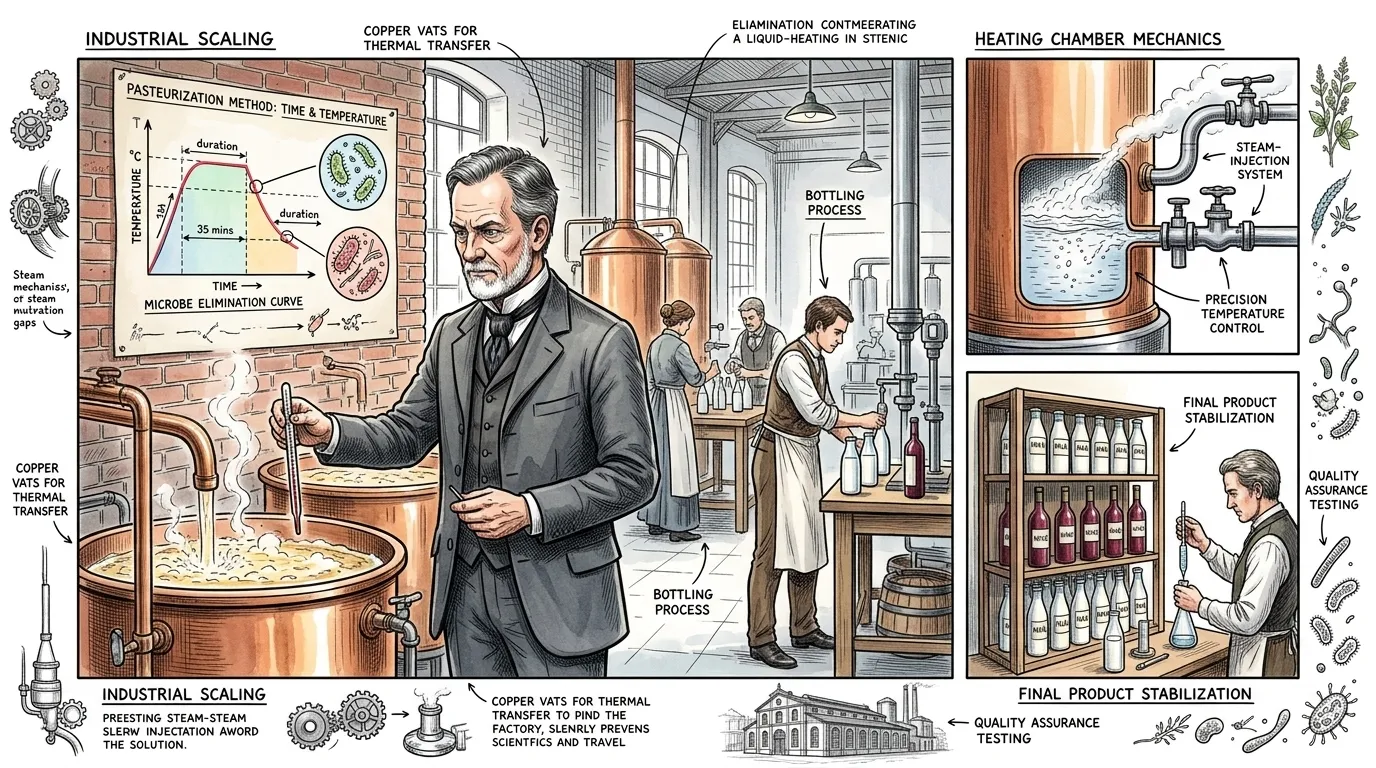
While vaccination garnered widespread fame, Pasteur's earlier work on fermentation also led to a profound public health innovation: pasteurization. Confronted with the problem of wine and beer spoilage, Pasteur discovered that heating these liquids to a specific temperature for a set period killed the undesirable microorganisms without significantly altering the product's quality. This simple yet revolutionary process, initially applied to beverages, soon extended to milk and other perishable foods. Pasteurization dramatically reduced foodborne illnesses, extended shelf life, and fundamentally transformed food safety practices worldwide.
Page 9
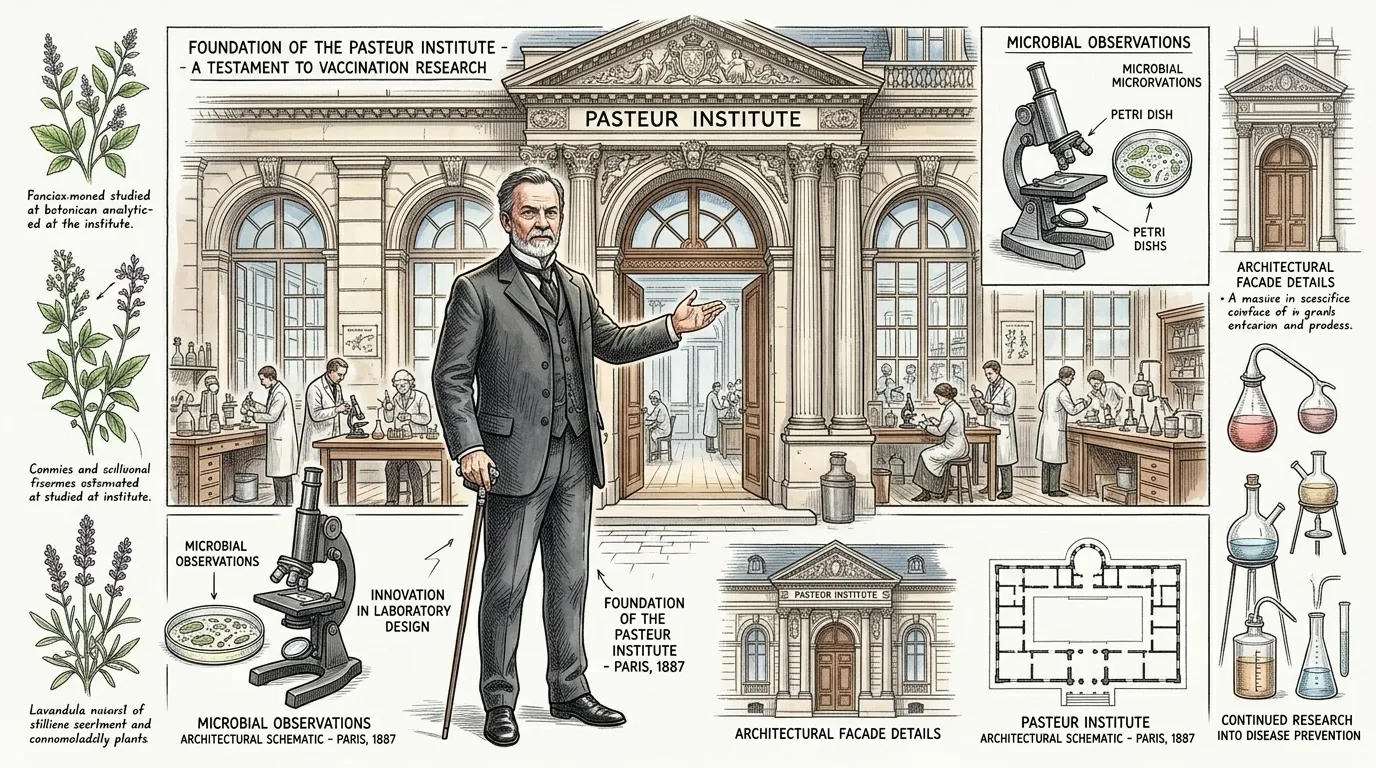
The overwhelming success of the rabies vaccine galvanized public support, leading to the establishment of the Pasteur Institute in Paris in 1887. This pioneering biomedical research center, founded by international subscription, became a beacon for scientific inquiry into infectious diseases. It served not only as a treatment center for rabies but also as a hub for training future scientists and advancing microbiology. The Institute's founding underscored the societal impact of Pasteur's work and created a lasting institutional framework for ongoing research, a model replicated globally.
Page 10
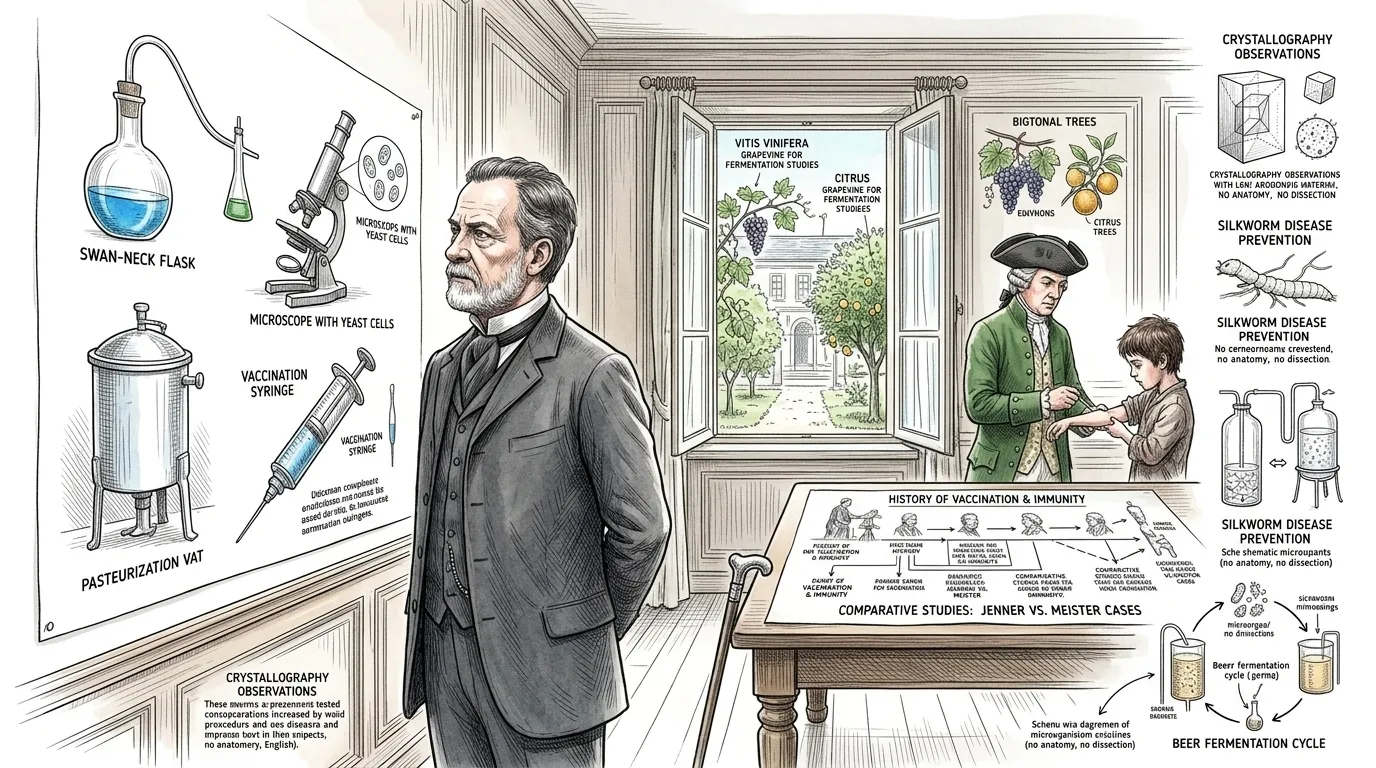
Louis Pasteur's relentless pursuit of evidence-based science transformed our understanding of life itself, moving biology from speculative theory to precise experimental investigation. His work, spanning crystallography, fermentation, pasteurization, and vaccination, established microbiology as a legitimate scientific discipline and irrevocably linked microbes to disease. The foundations he laid continue to underpin modern medicine, immunology, and public health, proving that meticulous scientific inquiry can indeed conquer humanity's deadliest foes. His legacy resonates in every vaccine administered and every sanitized food product consumed today.
About this story
- Location: Global
- Audience: kids (ages 6–12)
Questions and answers
Read Wonder Science on your phone
Wonder Science is available on Android. Get Wonder Science on Google Play.