Mae Jemison
Mae Jemison — an illustrated science story, set in Global. 10 illustrated pages, free to read on Wonder Science.
Page 1
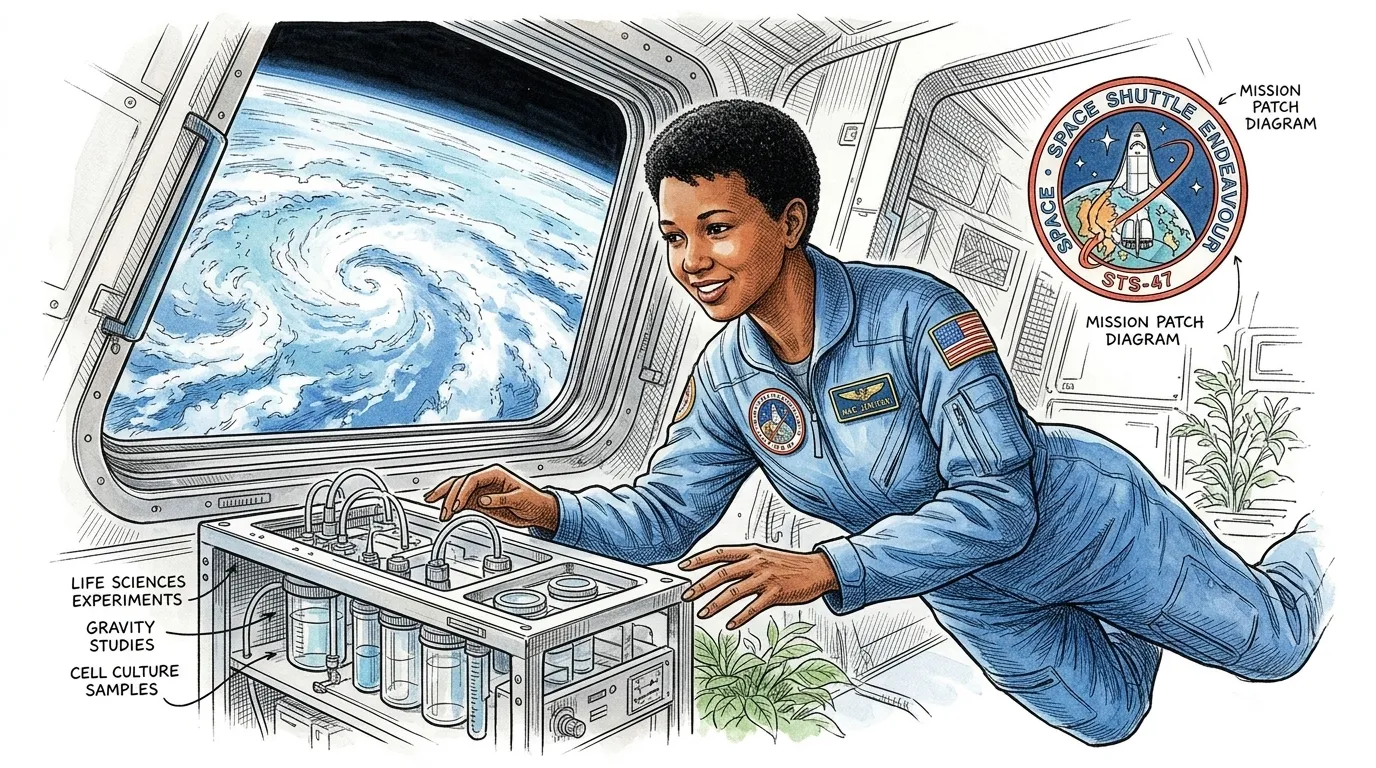
On September 12, 1992, aboard the Space Shuttle Endeavour mission STS-47, a new chapter in human exploration began. Dr. Mae Jemison, a physician, chemical engineer, and astronaut, ascended into orbit, becoming the first African American woman to travel to space. This pivotal moment not only pushed the boundaries of scientific endeavor but also reshaped the landscape of cultural representation in STEM. Her journey was more than a personal achievement; it was a beacon, demonstrating that the pursuit of knowledge and exploration belongs to all. The mission, a collaborative U.S.-Japanese Spacelab Jointly Operated Payload (JOP), focused on life sciences and material processing experiments. Jemison's role as a Mission Specialist involved direct participation in these critical investigations, including tests on motion sickness and bone loss in microgravity.
Page 2
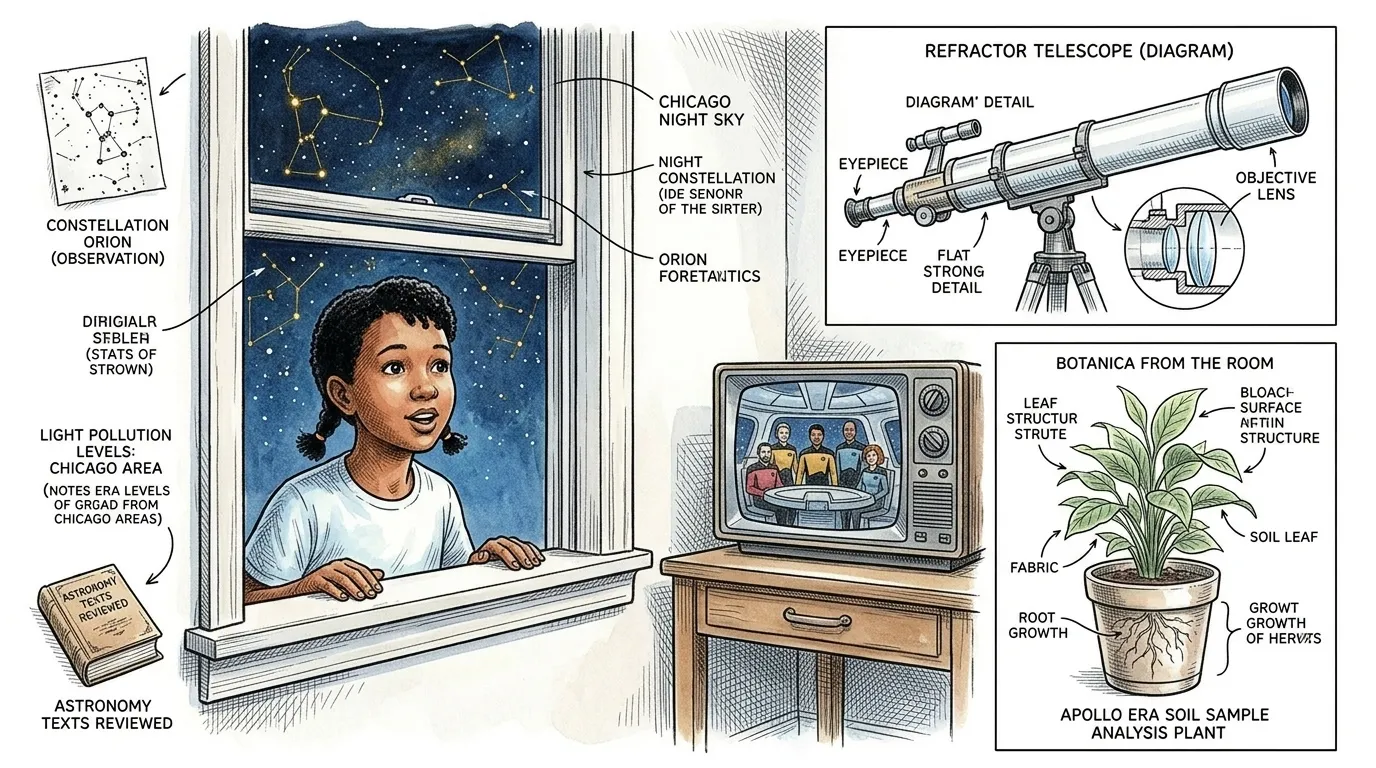
Mae Jemison's journey into the cosmos was forged long before her spaceflight, rooted in a childhood curiosity cultivated in Chicago. From an early age, she was captivated by the night sky, spending countless hours gazing upwards, imagining worlds beyond. Science fiction shows like Star Trek, with its diverse crew, profoundly influenced her, fostering a belief that space was a frontier for everyone. This early inspiration propelled her toward a multifaceted education, driven by an insatiable desire to understand both the intricacies of the human body and the vastness of the universe. She recognized the profound connection between scientific exploration and societal progress, understanding that true advancement requires looking beyond immediate horizons.
Page 3
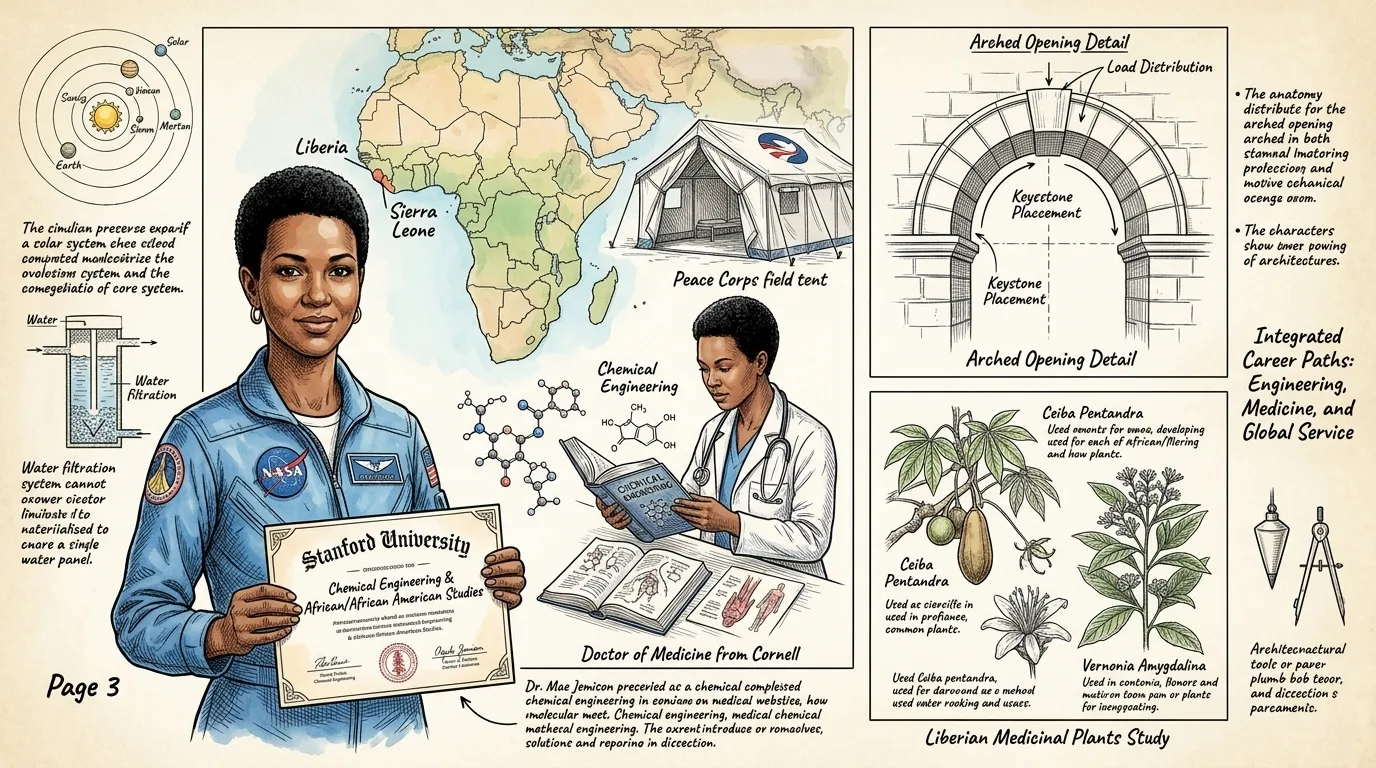
Jemison's intellectual appetite was truly extraordinary, diverging from a singular academic track to embrace a confluence of disciplines. She enrolled in Stanford University at just 16, earning a Bachelor of Science degree in Chemical Engineering and a Bachelor of Arts in African and African American Studies. This dual focus underscored her commitment to both rigorous scientific inquiry and understanding the human condition. Subsequently, she obtained her Doctor of Medicine degree from Cornell University, leading to a career as a general practitioner and later, a medical officer with the Peace Corps in Liberia and Sierra Leone. This diverse background, spanning engineering, medicine, and international service, provided her with an unparalleled skill set, ideally suited for the demands of spaceflight.
Page 4
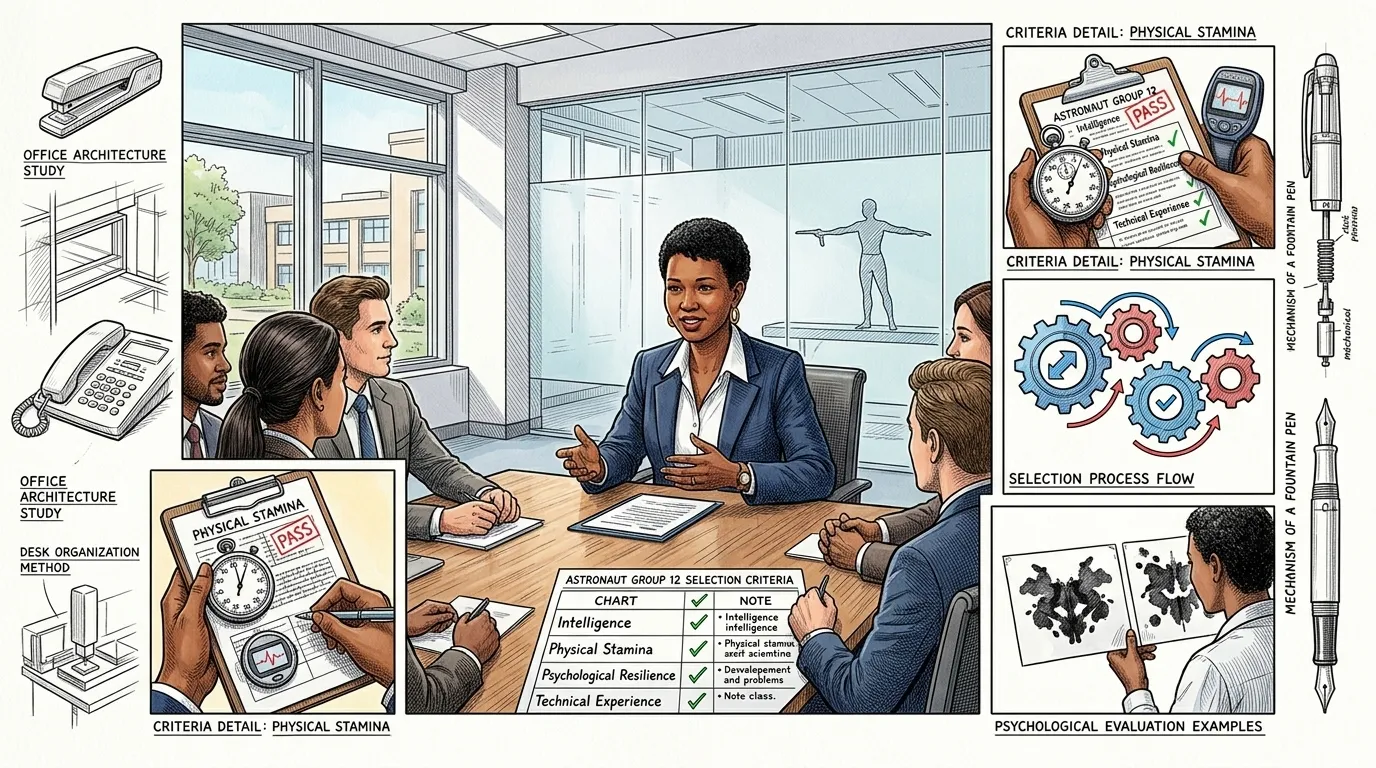
In 1987, Mae Jemison applied to NASA's astronaut program, a notoriously competitive process demanding exceptional intelligence, physical stamina, and psychological resilience. Out of over 2,000 applicants, only 15 were selected for Astronaut Group 12. Jemison's unique blend of medical expertise, engineering acumen, and international experience set her apart. The selection criteria were exhaustive, encompassing rigorous physical examinations, psychological evaluations, and interviews designed to assess problem-solving skills under extreme pressure. Her ability to articulate complex scientific concepts, coupled with her proven leadership in challenging environments, ultimately secured her a place in the elite ranks of NASA astronauts, paving the way for her historic mission.
Page 5
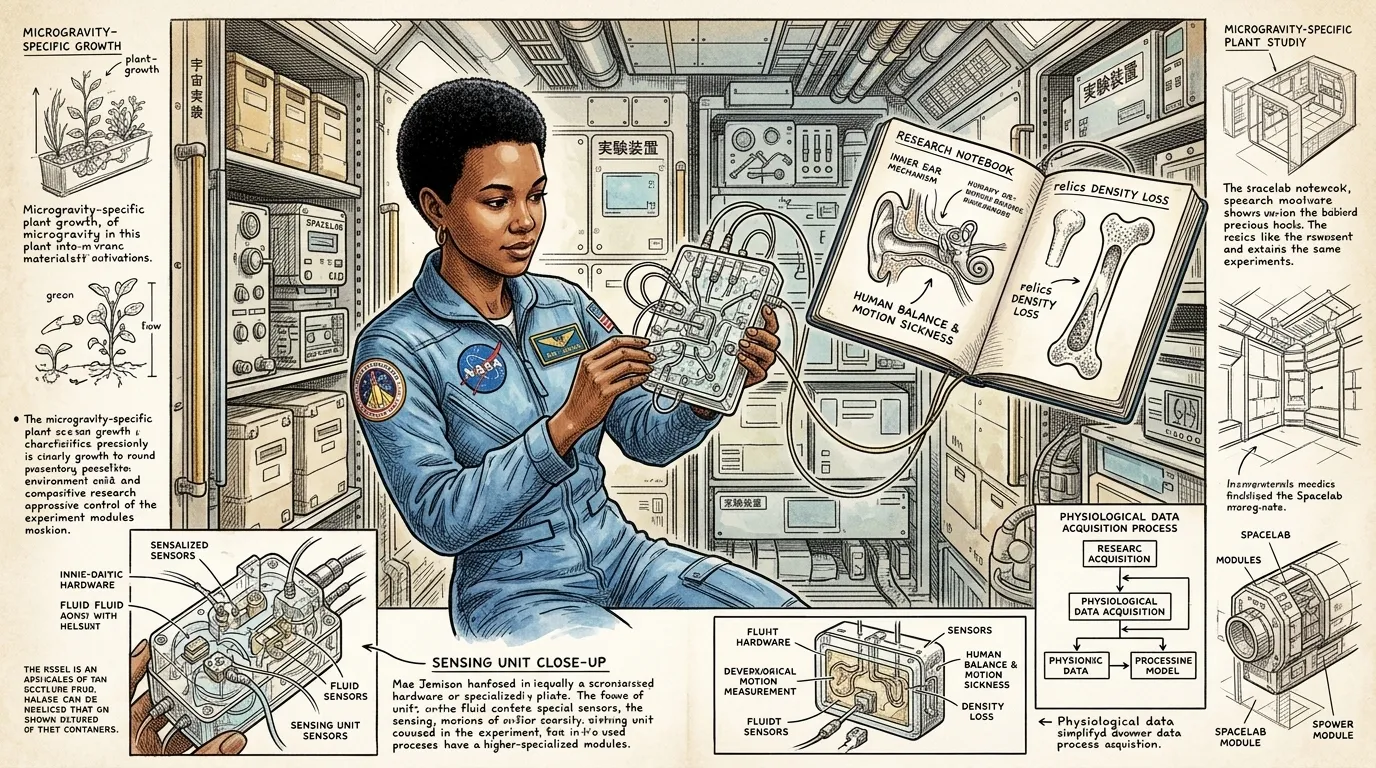
The STS-47 mission, also known as Spacelab-J, was a joint venture between NASA and the National Space Development Agency of Japan (NASDA), focusing on microgravity research. A primary objective was to investigate how the human body adapts to the absence of gravity. Jemison's role as a Mission Specialist involved executing experiments on bone density loss, a critical concern for long-duration spaceflight, and examining the effects of microgravity on human balance and motion sickness. These experiments utilized specialized hardware within the Spacelab module, requiring precise execution and careful data collection. Understanding these physiological changes is crucial for future human missions to the Moon, Mars, and beyond, addressing the very real biological challenges of extended extraterrestrial presence.
Page 6
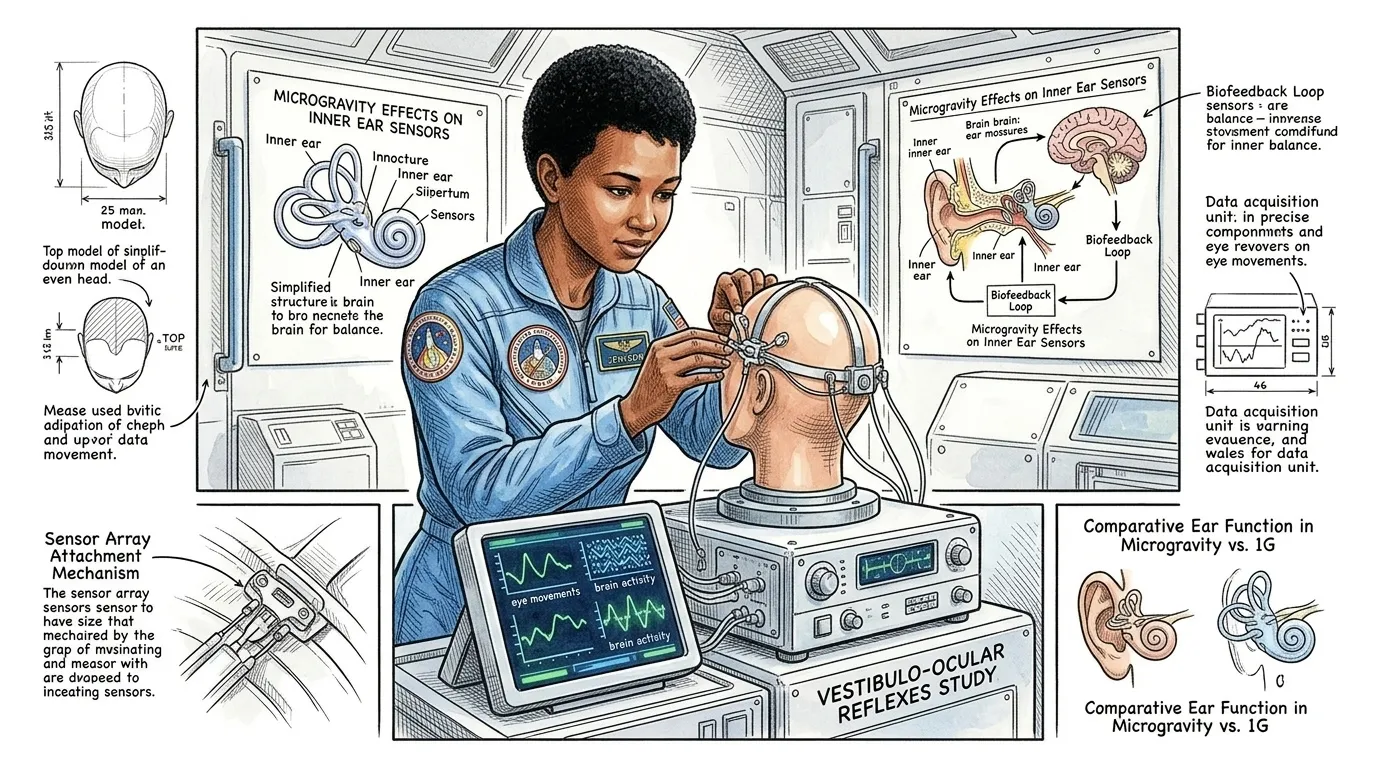
One of the most profound challenges of spaceflight is the human body's response to microgravity. Without the constant pull of Earth's gravity, astronauts experience bone demineralization, muscle atrophy, and cardiovascular changes. Jemison's experiments on STS-47 specifically examined vestibulo-ocular reflexes, crucial for maintaining balance, and the efficacy of biofeedback as a countermeasure for space adaptation syndrome (motion sickness). By precisely monitoring eye movements and brain activity, scientists could gather vital data on how the brain reorients itself in a weightless environment. These insights contribute directly to developing effective protocols and exercise regimes that can mitigate the debilitating effects of prolonged space missions.
Page 7
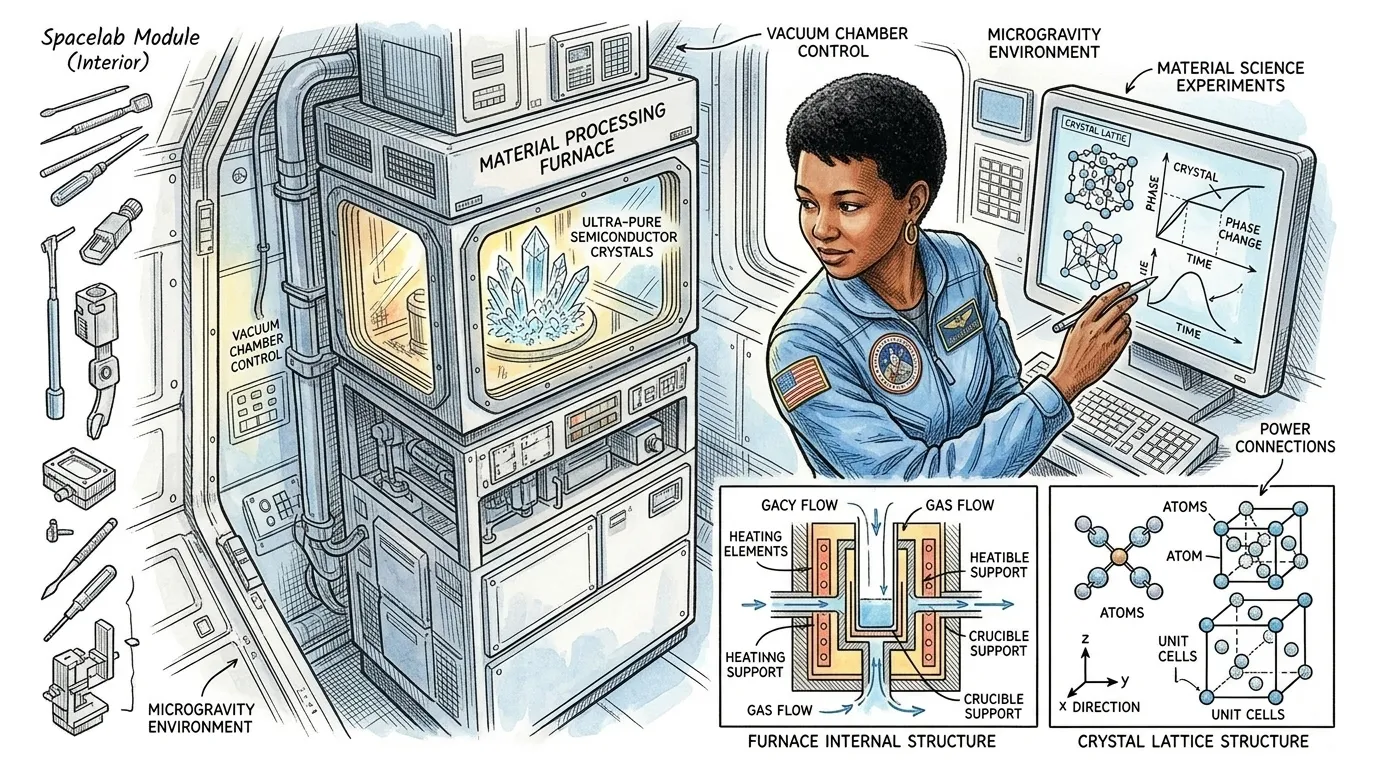
Beyond biological research, STS-47 also conducted experiments in material science, leveraging the unique microgravity environment to create new alloys and crystals. On Earth, gravity-induced convection and sedimentation can impede the uniform growth of crystals or the homogeneous mixing of materials. In space, these forces are minimized, allowing for cleaner, more precise crystal growth and the creation of novel compounds with potentially superior properties. Jemison assisted in managing these advanced material processing furnaces, overseeing experiments that sought to produce ultra-pure semiconductor crystals and explore the phase changes of various metals. This pioneering work laid foundations for understanding advanced manufacturing processes that could one day benefit industries ranging from electronics to aerospace.
Page 8
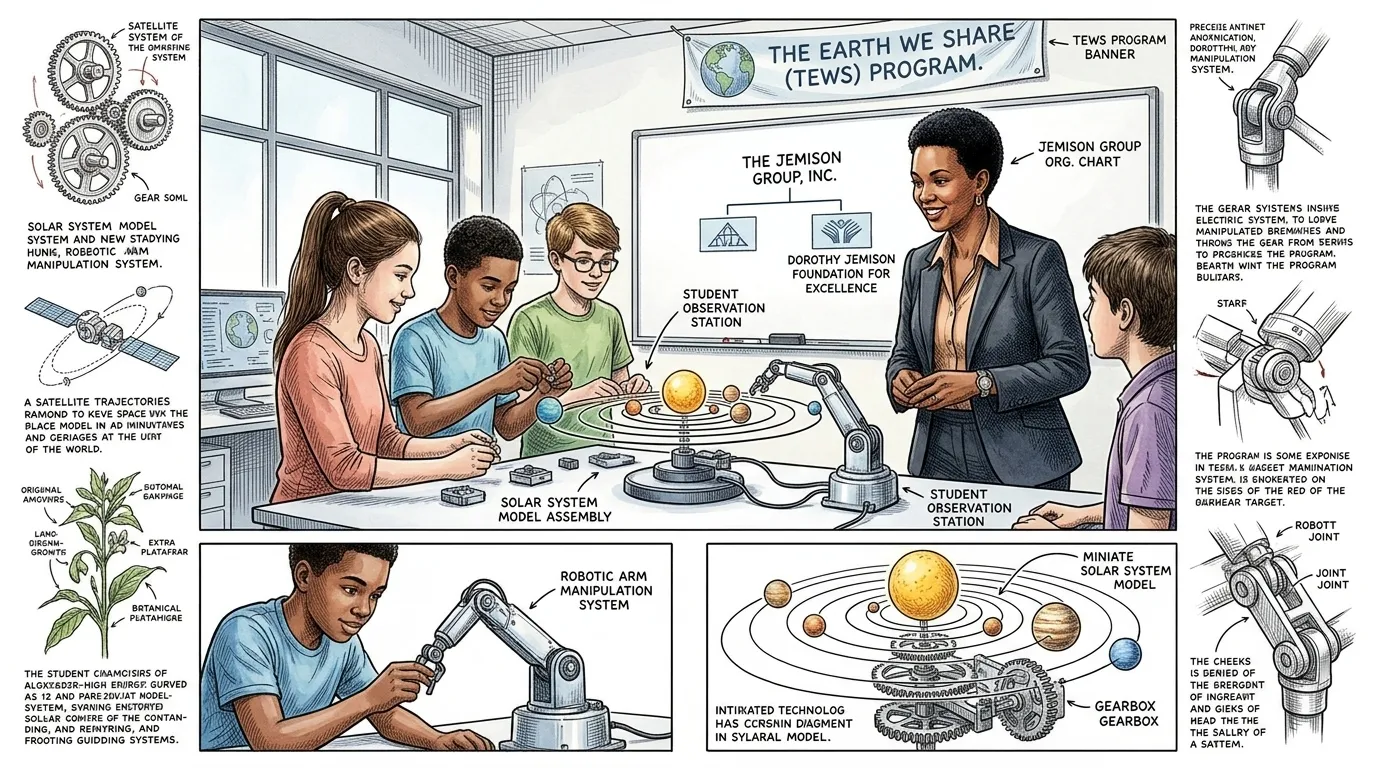
After her historic mission in 1992, Dr. Mae Jemison left NASA in 1993, but her contributions to science and society only expanded. She founded The Jemison Group, Inc., a technology consulting firm, and later the Dorothy Jemison Foundation for Excellence, named after her mother. Through this foundation, she launched 'The Earth We Share' (TEWS) program, an international science camp for students aged 12-16. TEWS aimed to foster critical thinking, problem-solving, and cross-cultural collaboration, inspiring a new generation to tackle global challenges in science and technology. Her work transitioned from active spaceflight to igniting the spark of discovery in countless young minds, bridging the gap between scientific frontier and educational outreach.
Page 9
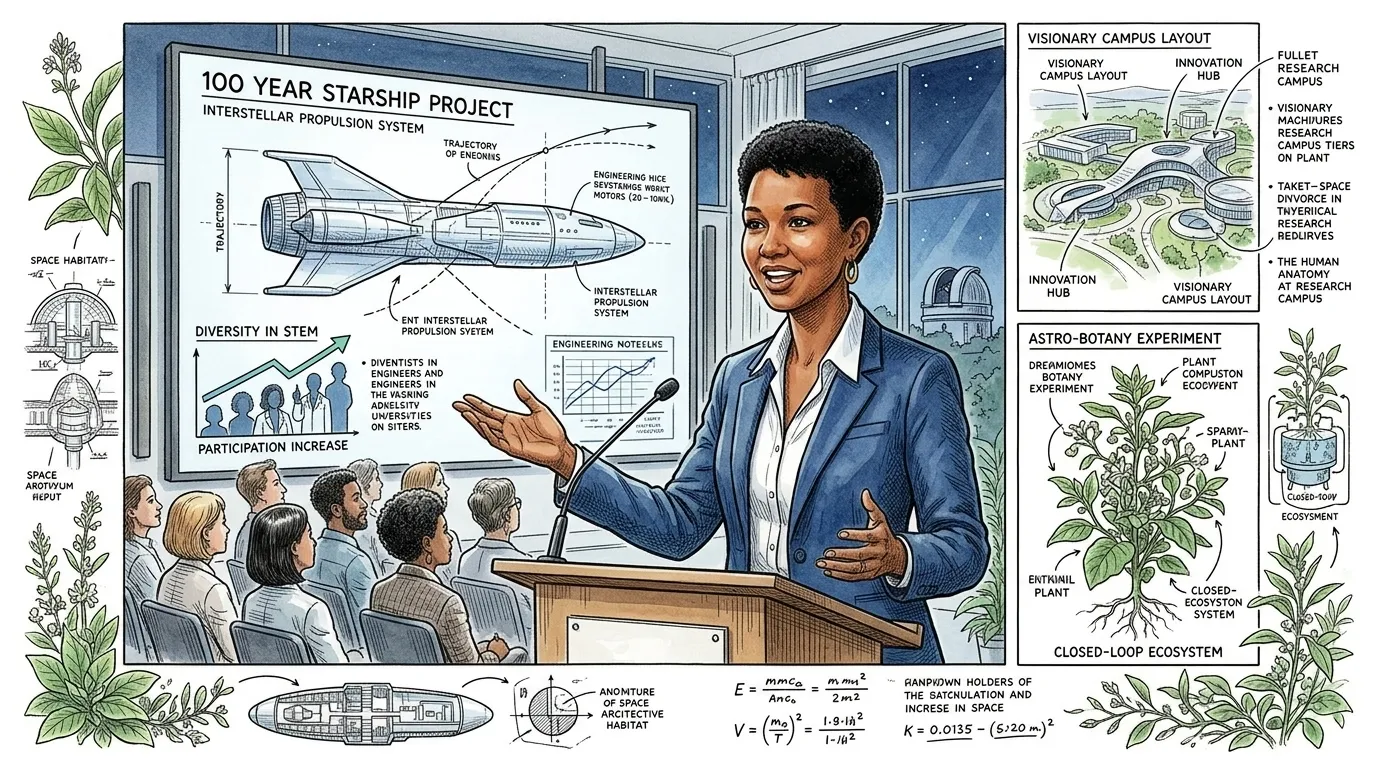
Jemison's commitment extended far beyond education. She became a vocal advocate for diversity in science, technology, engineering, and mathematics (STEM), challenging systemic barriers and promoting inclusion. Her insight was clear: innovation thrives when diverse perspectives are present at the table. She has served on numerous boards, including those for Kimberly-Clark and Scholastic, and advised governmental bodies on science policy. In 2012, she led the '100 Year Starship' project, an initiative seed-funded by DARPA, aiming to make human interstellar travel possible within the next century. This ambitious endeavor combined cutting-edge scientific research with a collaborative, interdisciplinary approach, epitomizing her belief in humanity's boundless potential.
Page 10
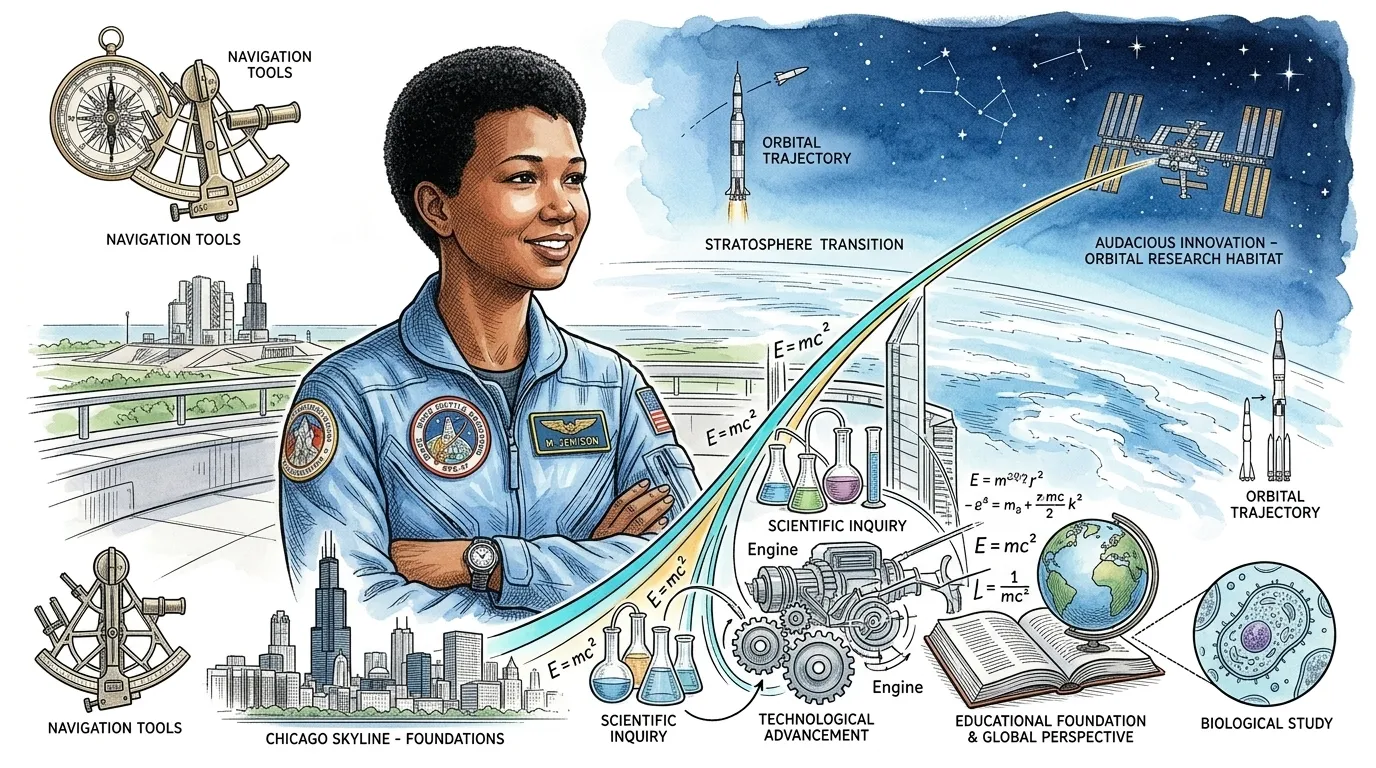
Dr. Mae Jemison's legacy is multifaceted. She is not only remembered as a pioneering astronaut but also as a tireless champion for scientific literacy, social equity, and audacious innovation. Her journey from the vibrant streets of Chicago to the silent expanse of Earth's orbit, and then to leading global initiatives, serves as a powerful testament to the impact of individual determination. Her work continues to underscore the vital importance of pursuing knowledge across disciplines, breaking down barriers, and envisioning futures that transcend current limitations. The challenges of space exploration, climate change, and global health demand the kind of interdisciplinary thinking and inclusive vision that Mae Jemison has embodied throughout her extraordinary life. Her message is clear: the most exciting discoveries often lie at the intersection of diverse fields and perspectives, inviting everyone to partake in the grand human endeavor of exploration.
About this story
- Location: Global
- Audience: general readers
Questions and answers
Read Wonder Science on your phone
Wonder Science is available on Android. Get Wonder Science on Google Play.