Margarita Salas
Margarita Salas — an illustrated science story, set in Global. 10 illustrated pages, free to read on Wonder Science.
Page 1
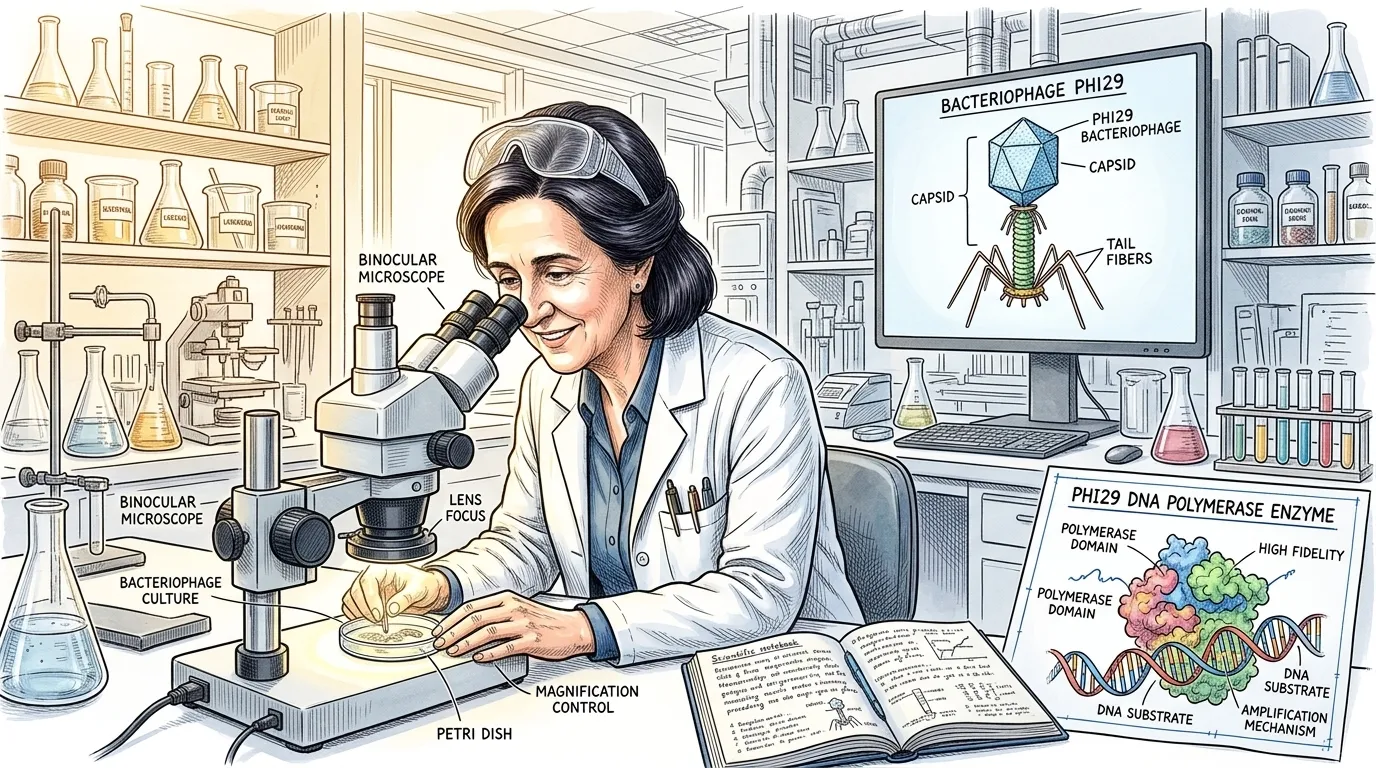
In a meticulously ordered laboratory in Madrid, Spain, a discovery of profound biological consequence was taking shape. Biochemist Margarita Salas, working with her team in the late 20th century, meticulously investigated the replication mechanism of a minuscule virus known as bacteriophage phi29. Their persistence would ultimately unveil an enzymatic marvel—a DNA polymerase exhibiting unprecedented fidelity and amplification capabilities—forever altering the landscape of molecular biology. This enzyme, later named phi29 DNA polymerase, provided a tool capable of copying DNA from even the most minute and degraded samples, empowering advancements across forensic science, clinical diagnostics, and genetic research.
Page 2
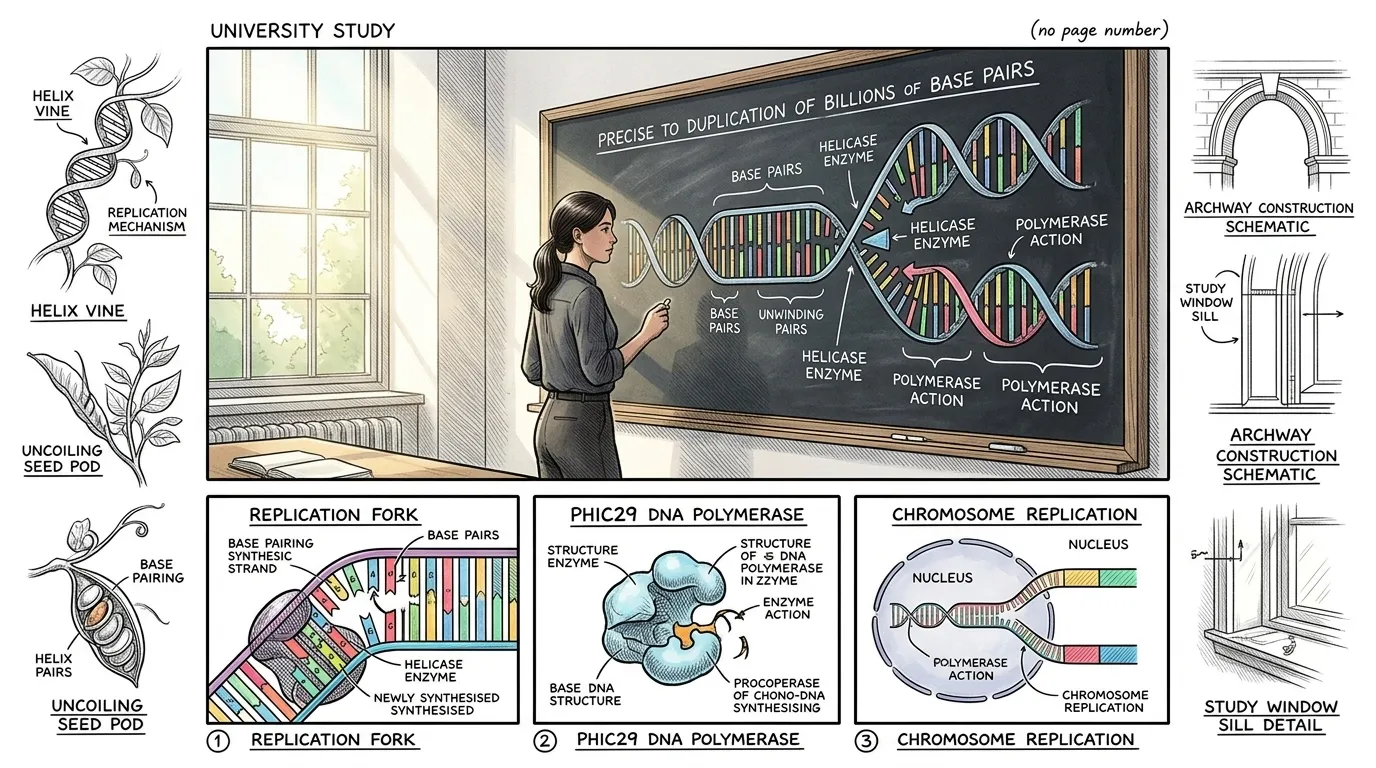
At the heart of life itself lies the astonishing challenge of DNA replication—the precise act of copying an organism's genetic blueprint. For decades, scientists had grappled with understanding how the intricate double helix could unwind and faithfully duplicate billions of base pairs without error, a process essential for cell division and heredity. The sheer scale and accuracy required for this feat posed one of biology's most fundamental puzzles, demanding specialized enzymes to navigate the complex molecular machinery. The discovery of these enzymes became a cornerstone for understanding both life's propagation and its vulnerabilities.
Page 3
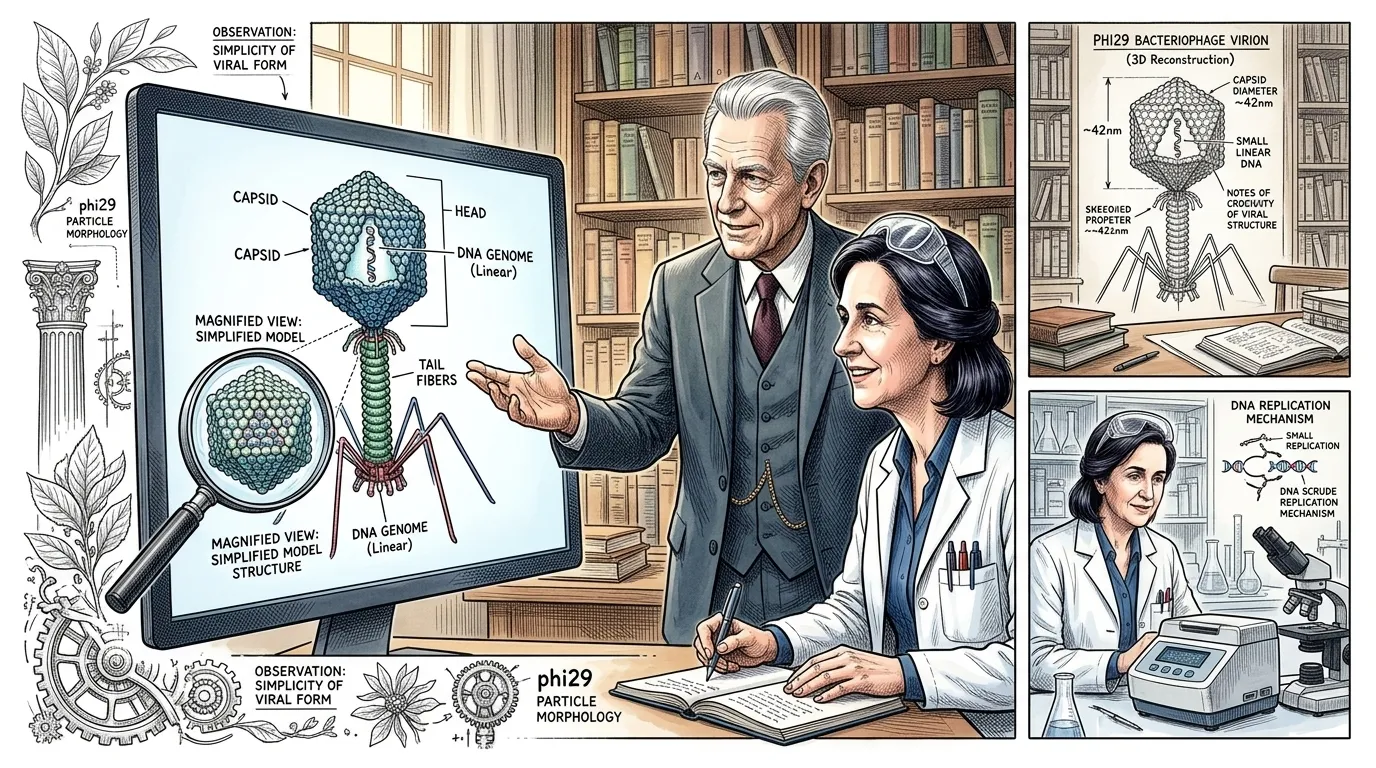
Margarita Salas's intellectual journey was profoundly shaped by her mentor, Nobel laureate Severo Ochoa, who championed her early research into molecular biology. It was under his guidance that Salas began exploring bacteriophages, viruses that infect bacteria, as simplified models to unravel fundamental biological processes. Among these, bacteriophage phi29, a tiny virus with a remarkably small, linear DNA genome, captured her attention. Its straightforward genetic structure promised a less complex system to dissect the intricate enzymatic mechanisms of DNA replication, offering a unique window into a universal biological challenge.
Page 4
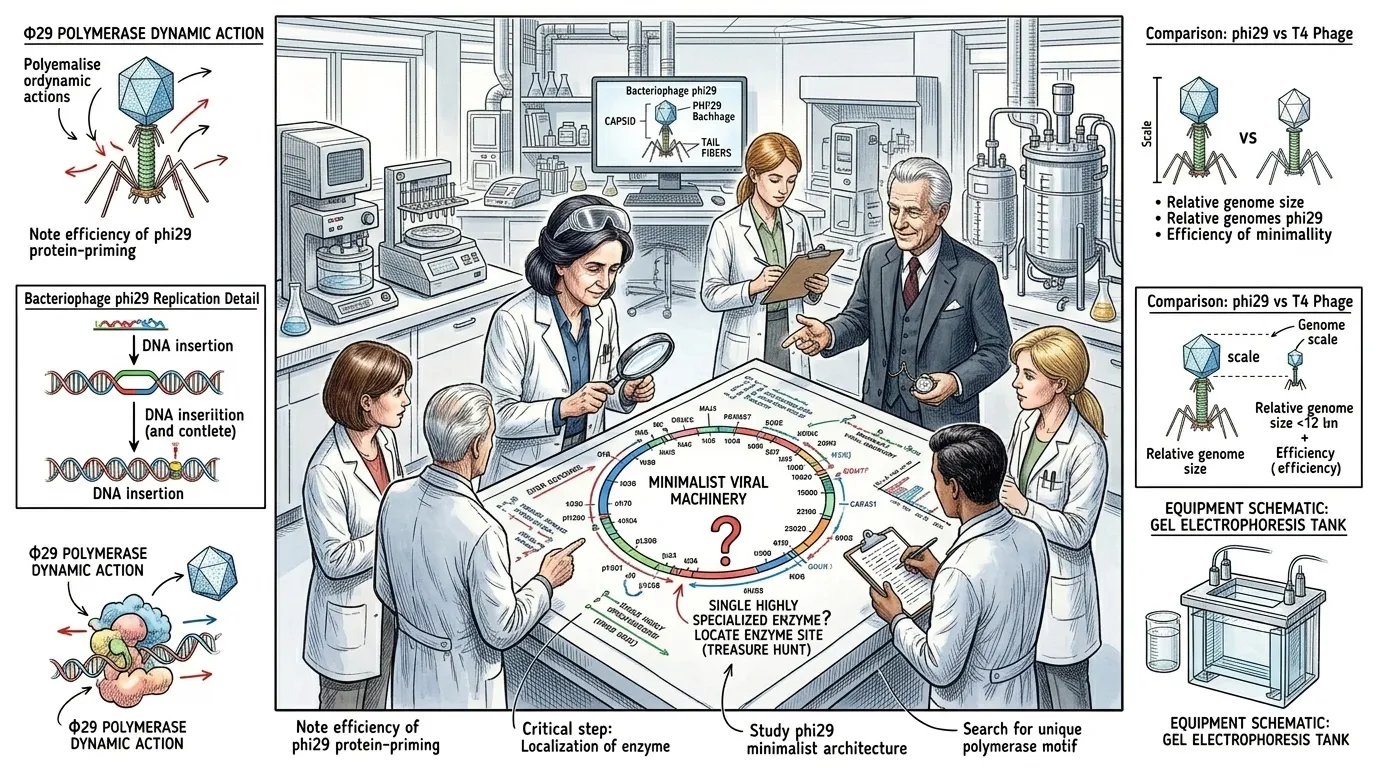
The central mystery of bacteriophage phi29 lay in its extraordinary ability to replicate its linear DNA genome with exceptional speed and accuracy, despite its minimalist viral machinery. Unlike more complex organisms, phi29 didn't rely on a host of auxiliary proteins often deemed essential for DNA synthesis. Salas and her team hypothesized that a single, highly specialized enzyme within the bacteriophage was responsible for this remarkable efficiency. Pinpointing and characterizing this enzyme became their primary objective, a biochemical treasure hunt to isolate the molecular engine driving phi29's successful proliferation.
Page 5
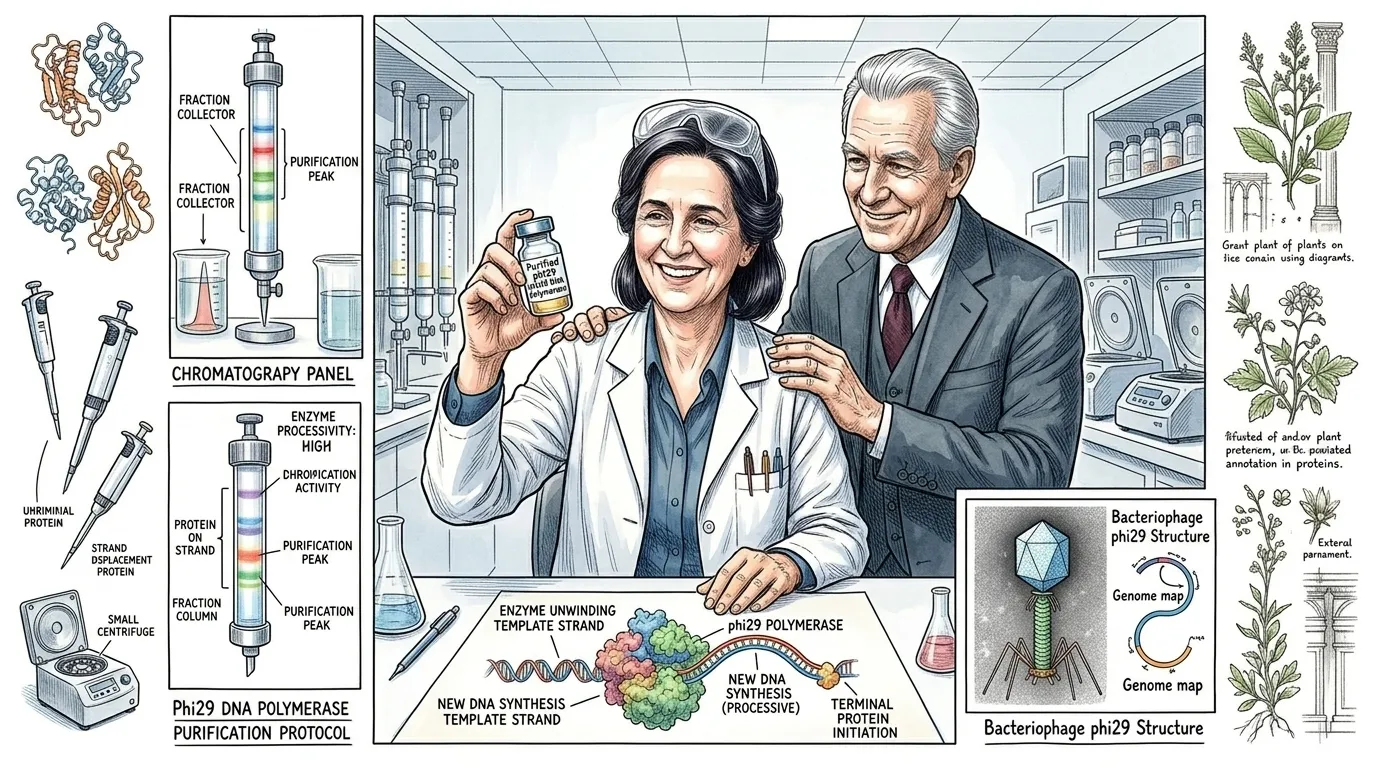
Through painstaking biochemical purification techniques, Margarita Salas and her team successfully isolated the key enzyme responsible for phi29's replication—the phi29 DNA polymerase. This enzyme proved to be a powerhouse, a single protein capable of initiating DNA synthesis from a terminal protein template and then extending the DNA strand with remarkable processivity. Unlike other known DNA polymerases, it possessed an inherent ability to 'displace' existing DNA strands as it synthesized new ones, a property that would later revolutionize molecular biology protocols. This isolation was a monumental achievement, opening the door to understanding its unique mechanism.
Page 6
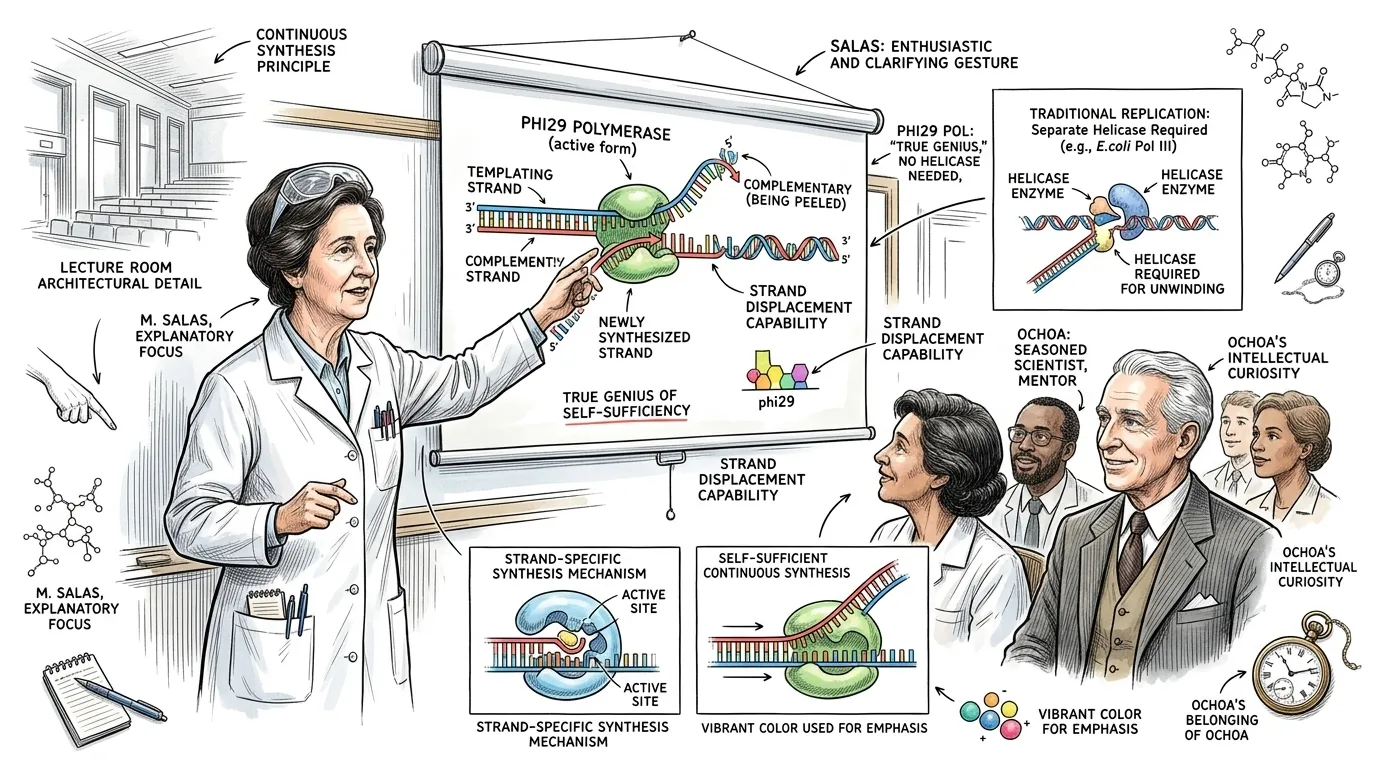
The true genius of phi29 DNA polymerase lies in its 'strand displacement' capability. While most DNA polymerases require accessory proteins to unwind the DNA double helix, phi29 polymerase can single-handedly synthesize a new DNA strand while simultaneously peeling away the existing, complementary strand. This eliminates the need for a separate helicase enzyme, making the replication process incredibly efficient and robust. This self-sufficient, continuous synthesis mechanism was a radical departure from previously understood DNA replication models, marking a significant advancement in biochemical understanding.
Page 7
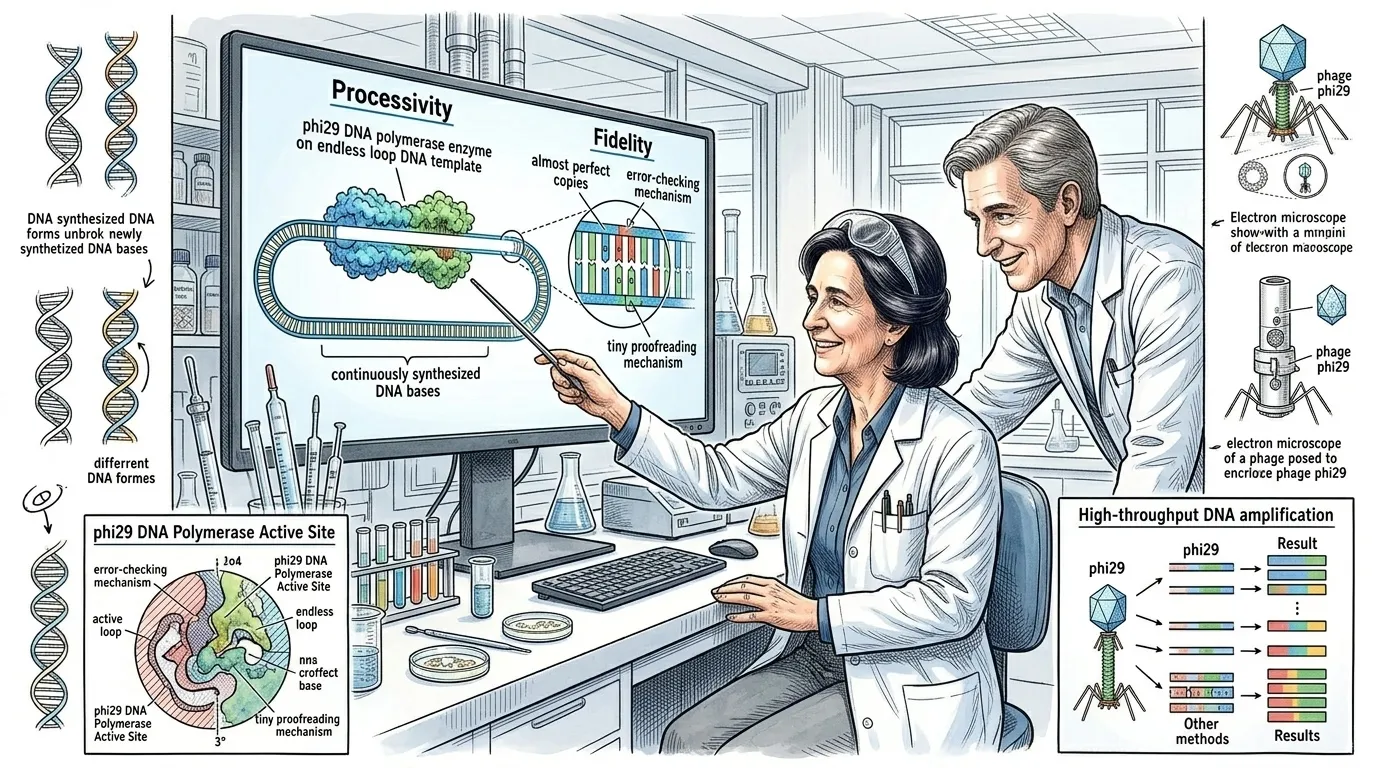
Beyond its strand displacement ability, phi29 DNA polymerase exhibited exceptional 'processivity' and 'fidelity.' Processivity refers to an enzyme's ability to remain attached to its template strand and synthesize a long stretch of DNA without detaching. Phi29 polymerase could copy thousands of bases in one continuous stretch. Fidelity, its error-checking mechanism, ensured that new DNA strands were almost perfect copies, minimizing mutations. This combination of robust displacement, high processivity, and remarkable accuracy made phi29 DNA polymerase an unparalleled tool, far surpassing other known polymerases in its utility for sensitive genetic applications.
Page 8
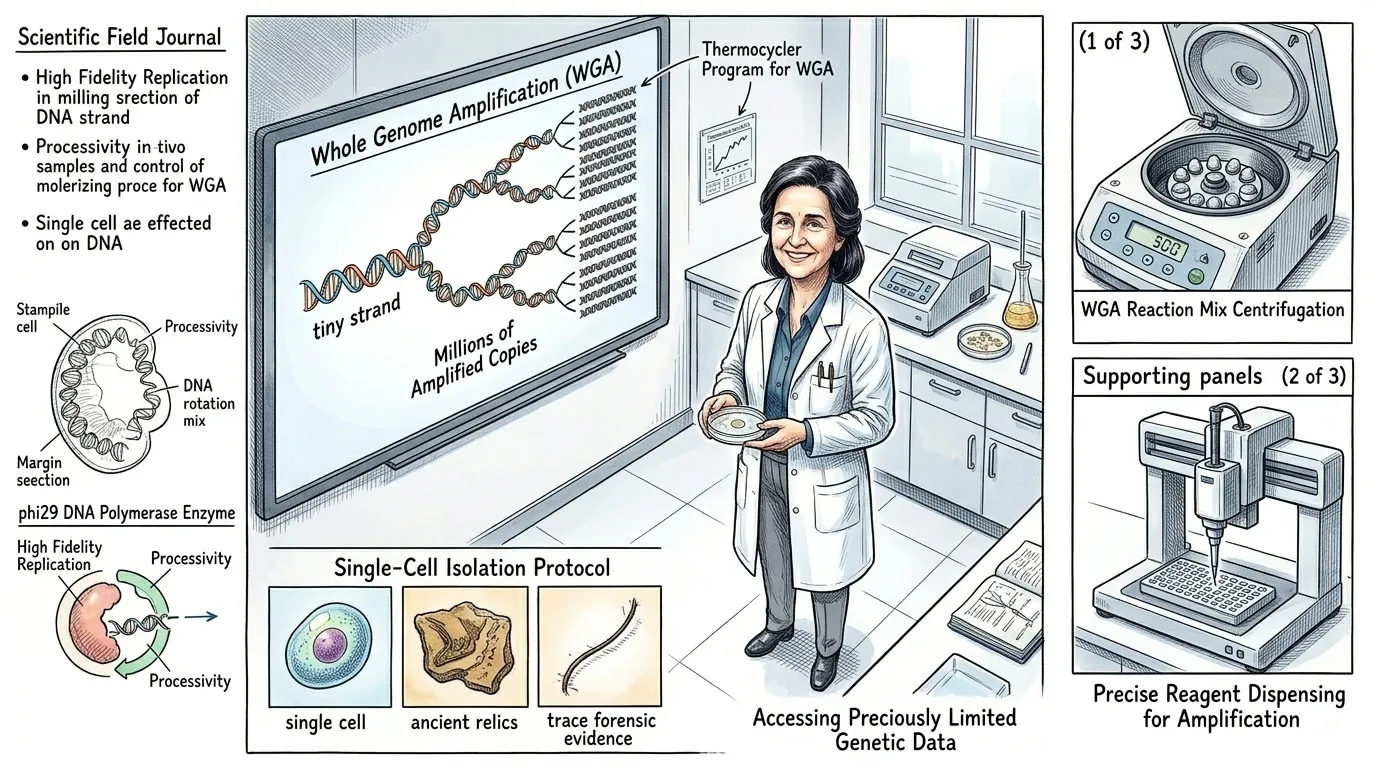
The unique properties of phi29 DNA polymerase, particularly its strand displacement and high processivity, led directly to the development of Whole Genome Amplification (WGA) techniques. Before WGA, obtaining sufficient DNA for genetic analysis from minute samples—such as a single cell, an ancient bone fragment, or trace forensic evidence—was nearly impossible. WGA allows for the amplification of an entire genome from incredibly small starting amounts, creating millions of copies without significant bias. This breakthrough democratized access to genetic information, enabling studies that were once unimaginable and pushing the boundaries of what could be analyzed.
Page 9
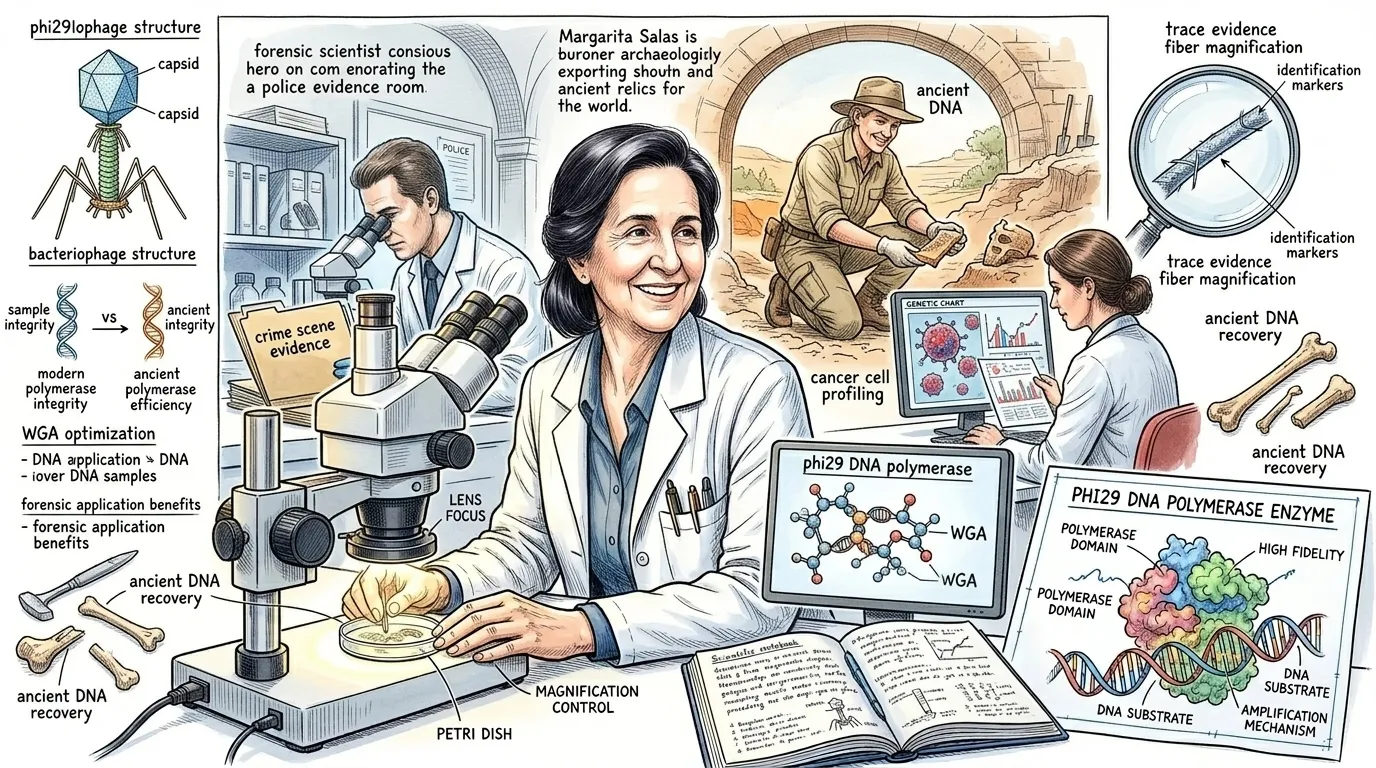
The applications of phi29 DNA polymerase and WGA rapidly expanded, transforming diverse fields. In forensics, it became a cornerstone for analyzing minute amounts of DNA from crime scenes, linking suspects to evidence with unprecedented certainty. In oncology, it enabled the genetic profiling of rare cancer cells. For archaeological and paleontological research, it unlocked the secrets of ancient DNA, allowing scientists to study extinct species or human migration patterns from fossilized remains. Its high fidelity was critical for pathogen detection, providing accurate viral or bacterial load assessments from patient samples, underscoring its broad and indispensable impact on human health and knowledge.
Page 10
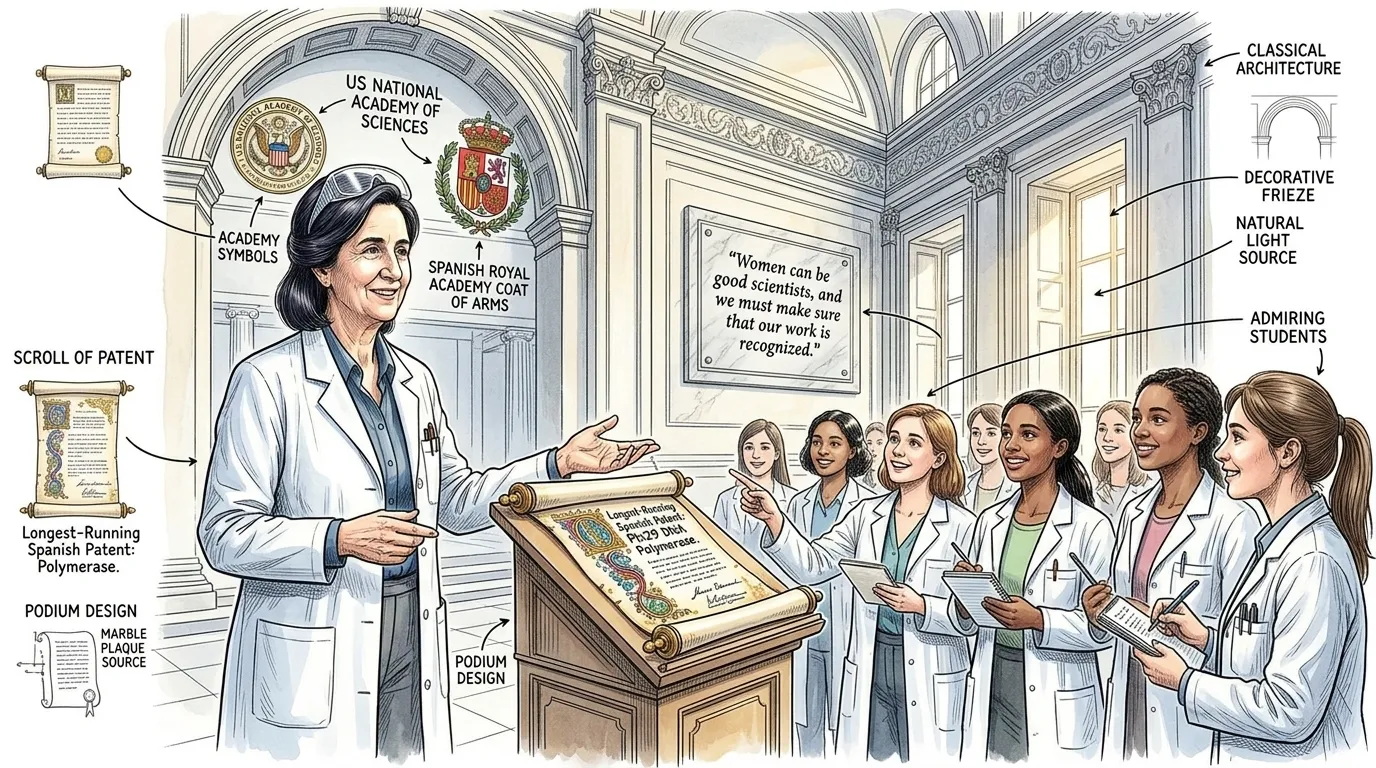
Margarita Salas's work on phi29 DNA polymerase not only provided a powerful new biotechnological tool but also carved an enduring legacy for women in science. Her patent on the enzyme held the record as the longest-running in Spanish history, generating significant revenue that she often redirected into scientific research. She became the first Spanish woman elected to the US National Academy of Sciences and directed the Royal Spanish Academy of Exact, Physical and Natural Sciences, breaking barriers and inspiring generations. Her life's work stands as a testament to rigorous scientific inquiry, the profound impact of fundamental research, and the transformative power of perseverance in the pursuit of knowledge. As she once stated, 'Women can be good scientists, and we must make sure that our work is recognized.'
About this story
- Location: Global
- Audience: general readers
Questions and answers
Read Wonder Science on your phone
Wonder Science is available on Android. Get Wonder Science on Google Play.