Mario Capecchi
Mario Capecchi — an illustrated science story, set in Global. 10 illustrated pages, free to read on Wonder Science.
Page 1
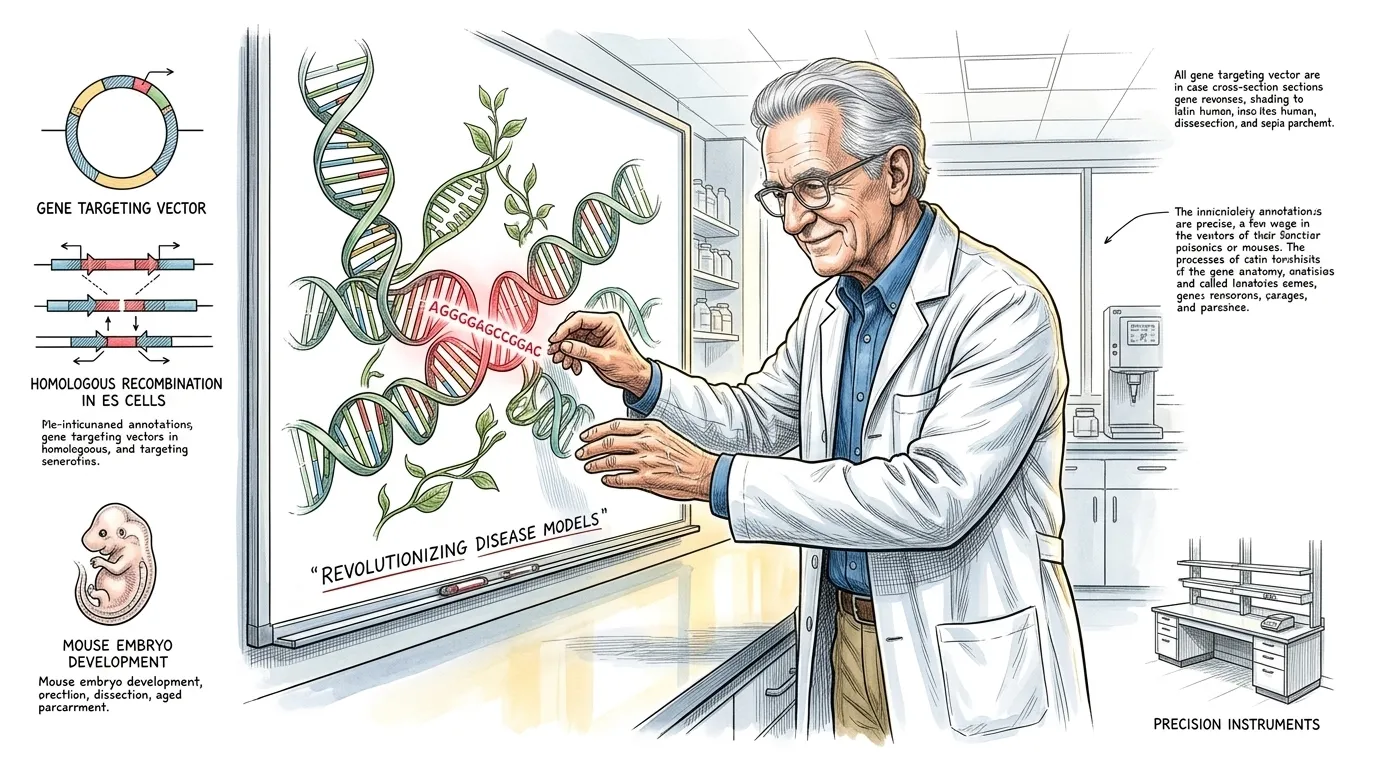
In the late 20th century, a profound shift in biological inquiry began, moving from merely observing life to actively rewriting its genetic code. At the heart of this revolution was the groundbreaking work of Mario Capecchi, whose innovative techniques enabled scientists to precisely manipulate the mammalian genome. His method of 'gene targeting' offered an unprecedented ability to deactivate specific genes, creating animal models that would unlock the mysteries of human disease. This pivotal discovery at the University of Utah would fundamentally transform biomedical research.
Fact: Scientist: Mario Capecchi Location: University of Utah Era: Late 1980s Subject: Gene Targeting Subtitle: Revolutionizing Disease Models
Page 2
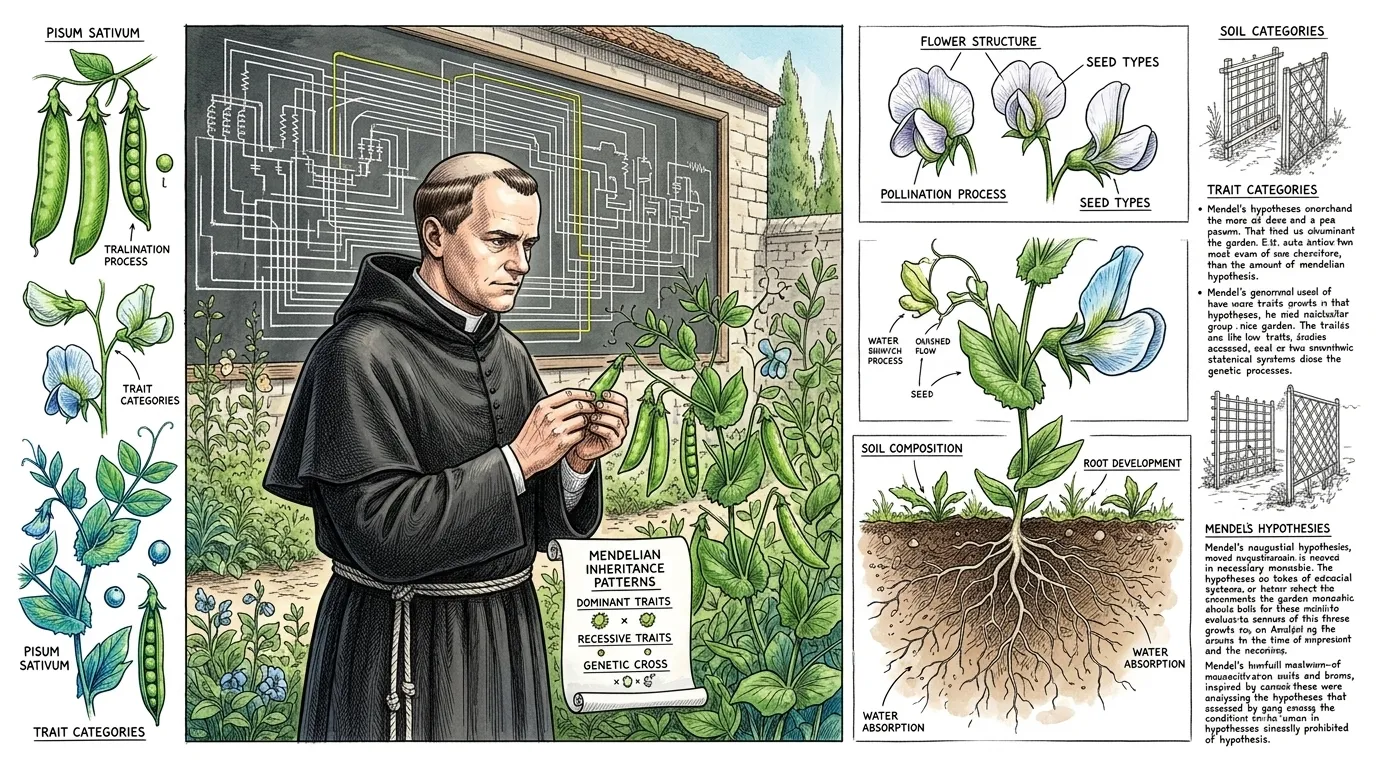
For centuries, understanding the function of individual genes remained a monumental challenge, often relying on observing spontaneous mutations with unpredictable outcomes. Early geneticists like Gregor Mendel had meticulously charted inheritance patterns, but pinpointing the exact role of a specific gene in a complex organism was akin to finding a single, crucial wire in an impossibly vast electrical circuit. Before Capecchi's work, researchers lacked the precision tools to systematically investigate how a gene's absence or alteration influenced an organism's development or susceptibility to disease.
Page 3
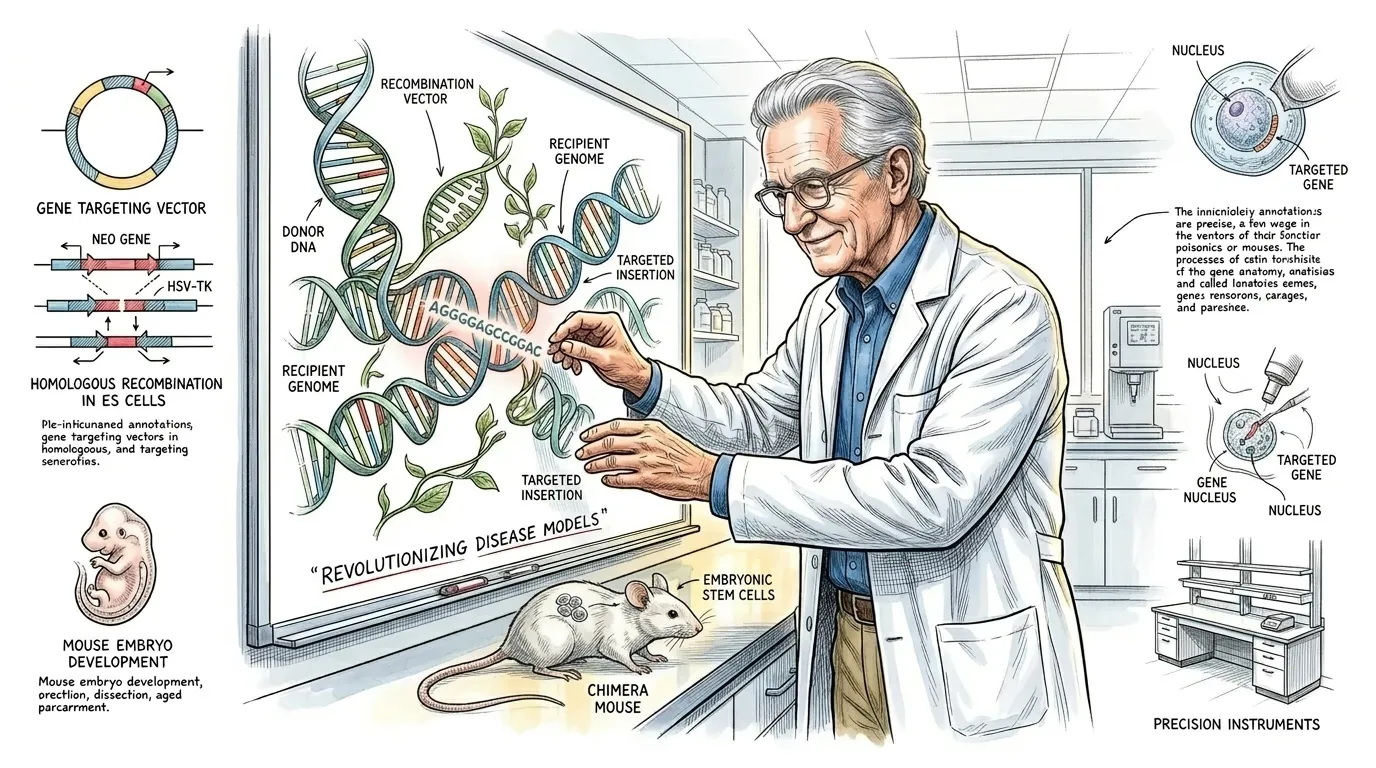
The conceptual bedrock for Capecchi's innovation was the natural cellular process known as homologous recombination, a fundamental mechanism cells use to repair damaged DNA. Discovered in bacteria and later observed in eukaryotes, this process allows a cell to precisely exchange genetic material between two DNA molecules sharing similar sequences. Capecchi recognized that if this natural machinery could be harnessed, scientists could deliberately introduce a desired genetic change at a specific locus within a cell's own DNA, rather than integrating it randomly.
Page 4
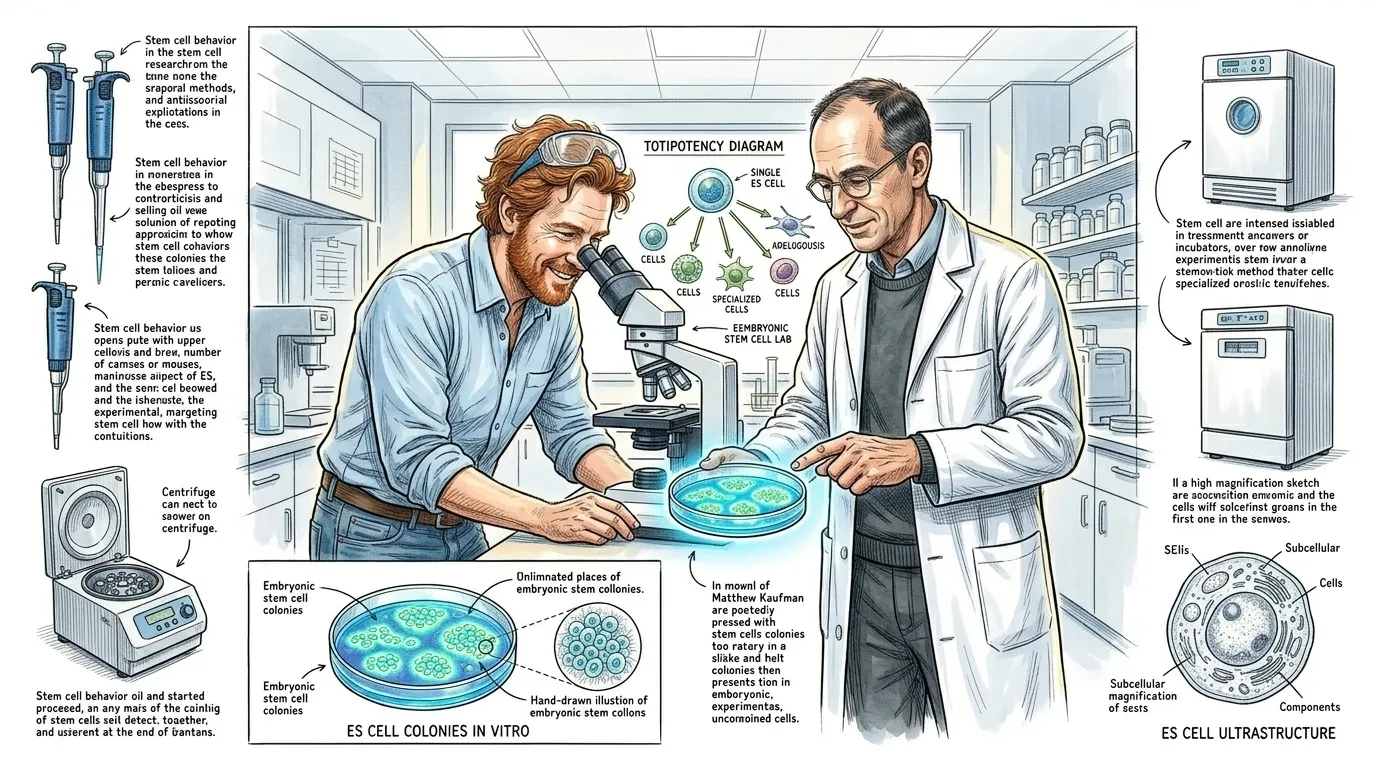
The second crucial component of Capecchi's method involved embryonic stem (ES) cells, discovered by Martin Evans and Matthew Kaufman in the early 1980s. These remarkable cells possess totipotency, meaning they can differentiate into any cell type of an organism, including germ cells. Critically, they can be cultured indefinitely in a laboratory, providing an 'immortal' cellular canvas for genetic manipulation. By performing gene targeting in these pluripotent ES cells, scientists could introduce precise genetic alterations and then use these modified cells to generate a whole animal carrying the new genetic trait.
Page 5
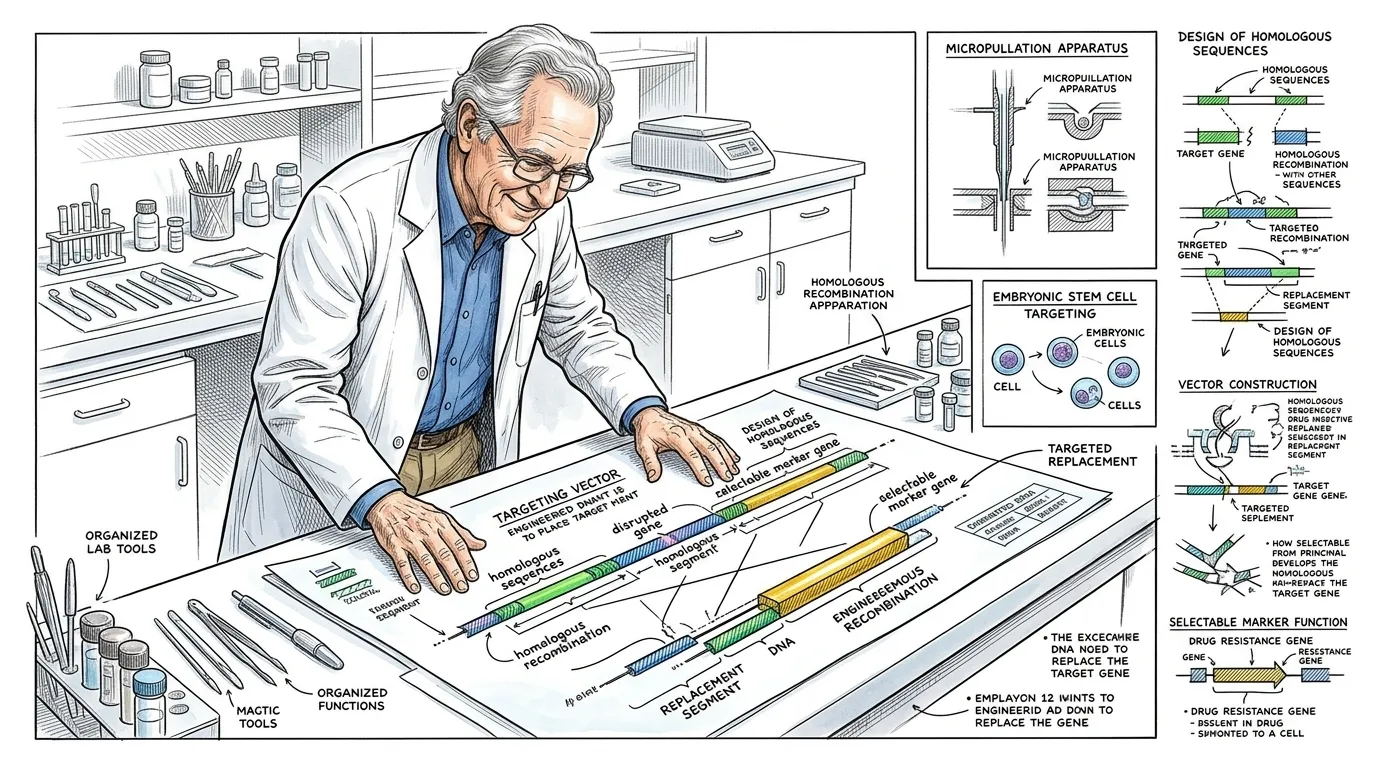
The first experimental step involved designing a 'targeting vector,' a carefully engineered piece of DNA. This vector contained sequences homologous to the target gene, flanking a selectable marker gene and the desired genetic modification, such as a disrupted gene. The objective was to guide the cell's natural recombination machinery to replace the target gene with the modified segment. This intricate design ensured that only cells that successfully integrated the vector at the precise location would survive subsequent selection pressures.
Page 6
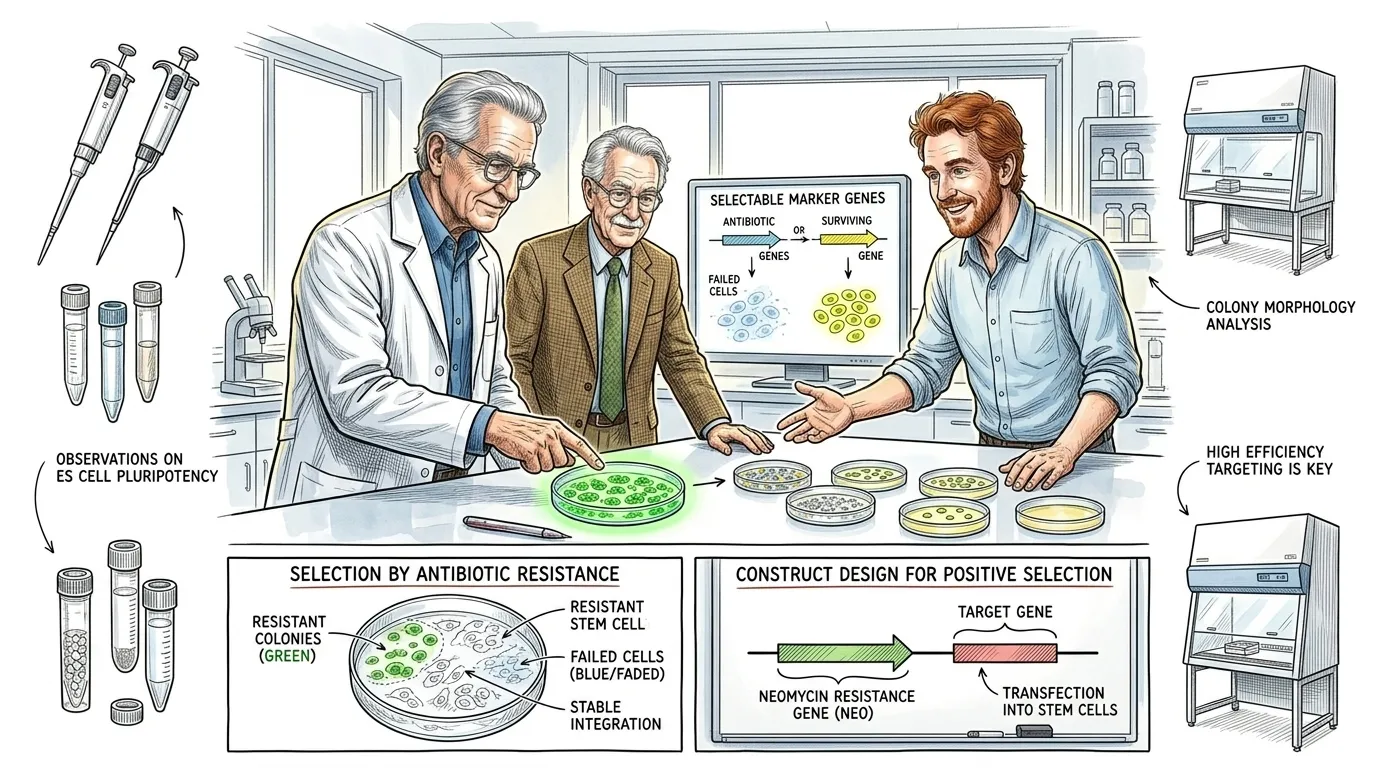
After introducing the targeting vector into millions of embryonic stem cells, the critical challenge was to identify the rare few where homologous recombination had occurred successfully. Capecchi, along with Oliver Smithies and Martin Evans (who were also instrumental in the early work), refined selection strategies. By incorporating specific 'selectable marker' genes into the targeting vector – genes that confer resistance to certain antibiotics – researchers could bathe the ES cells in selective media. Only cells where the vector had correctly integrated would survive and proliferate, forming colonies ready for further analysis.
Page 7
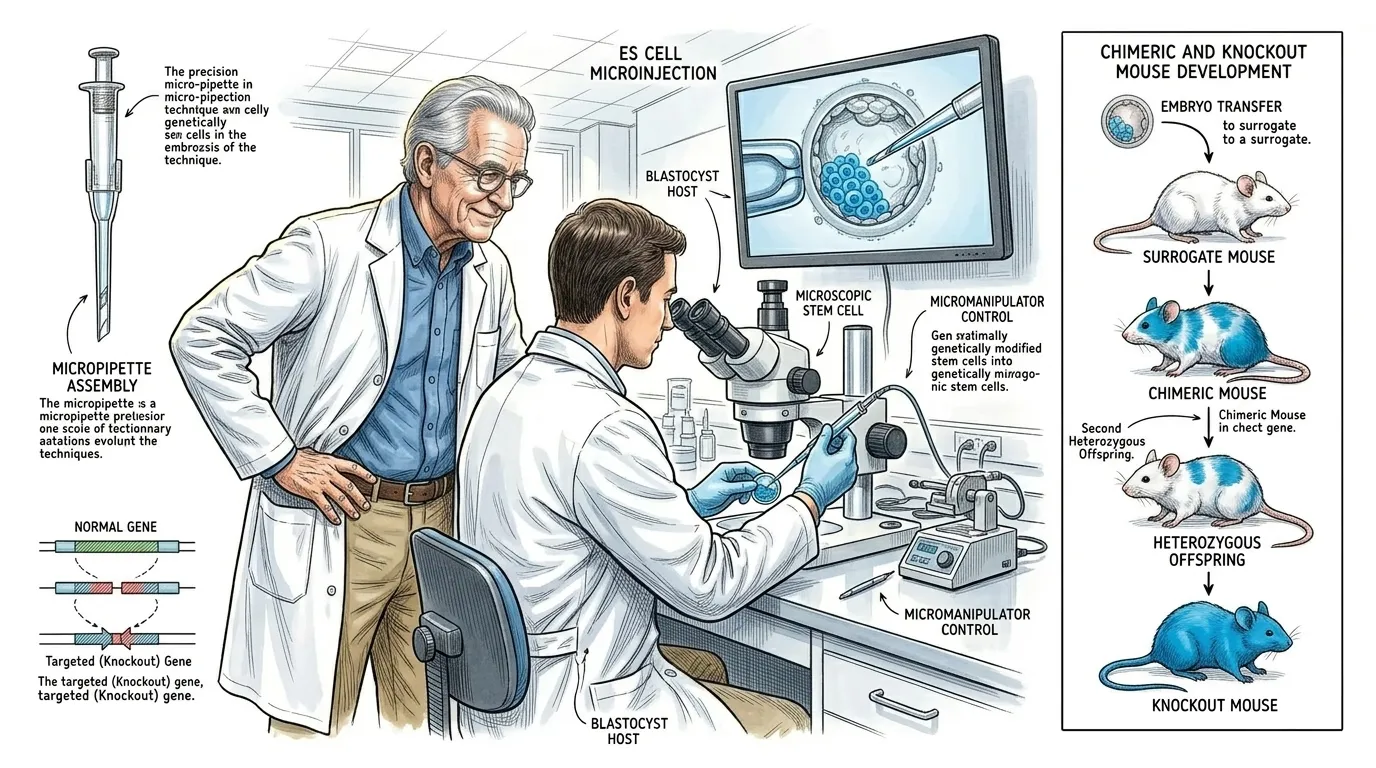
With the successfully targeted embryonic stem cells isolated, the next ingenious step was to introduce them into early-stage mouse embryos called blastocysts. These manipulated blastocysts were then implanted into surrogate mother mice. The resulting offspring were 'chimeric'—a mix of cells from the original blastocyst and the genetically modified ES cells. By carefully breeding these chimeric mice, scientists could eventually produce offspring that carried the desired genetic modification in all their cells, becoming a true 'knockout mouse' lacking a specific gene.
Page 8
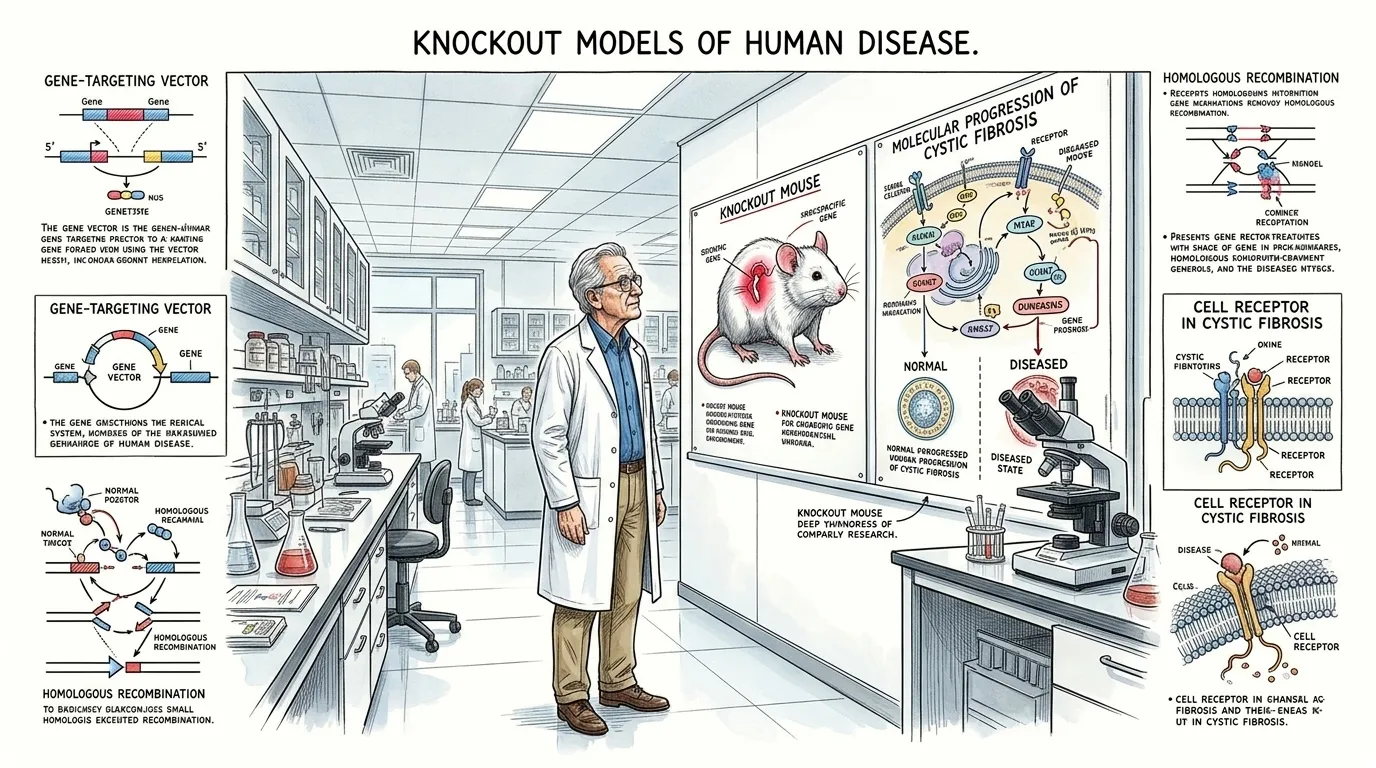
The advent of knockout mice transformed biomedical research by providing unprecedented models for human diseases. Researchers could now precisely mimic genetic disorders like cystic fibrosis, diabetes, or various cancers in mice by inactivating their homologous genes. This allowed for detailed study of disease progression, identification of molecular pathways, and crucially, the testing of novel therapeutic interventions in a living system before human trials. The once abstract connections between genes and disease suddenly became tangible and experimentally verifiable.
Page 9
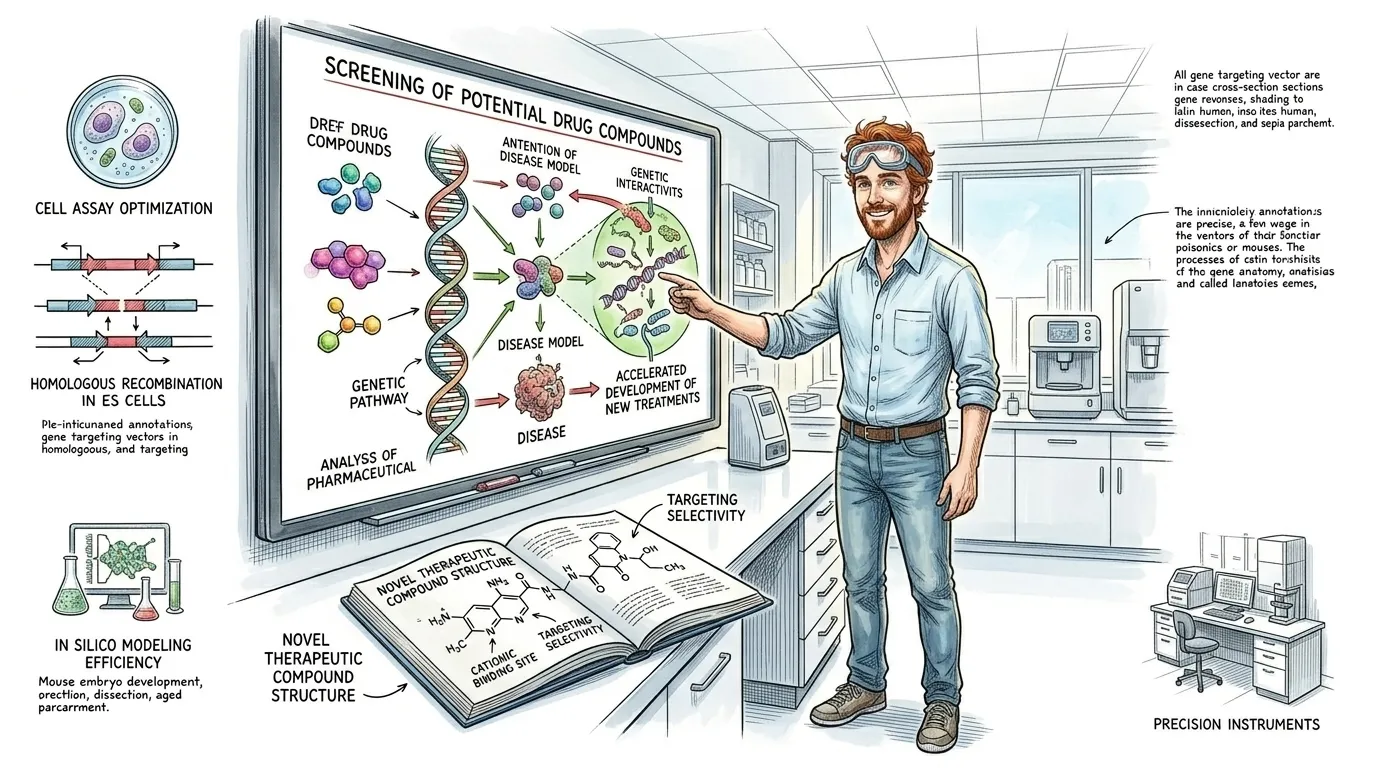
Beyond merely modeling disease, knockout mice became indispensable tools for drug discovery and validation. Pharmaceutical companies could now screen potential drug compounds against precisely engineered disease models, observing their efficacy and side effects in vivo. This accelerated the development of new treatments and provided critical insights into existing therapies, often revealing unexpected genetic interactions or off-target effects. The ability to systematically explore gene function transformed a trial-and-error approach into a more targeted and rational design process.
Page 10
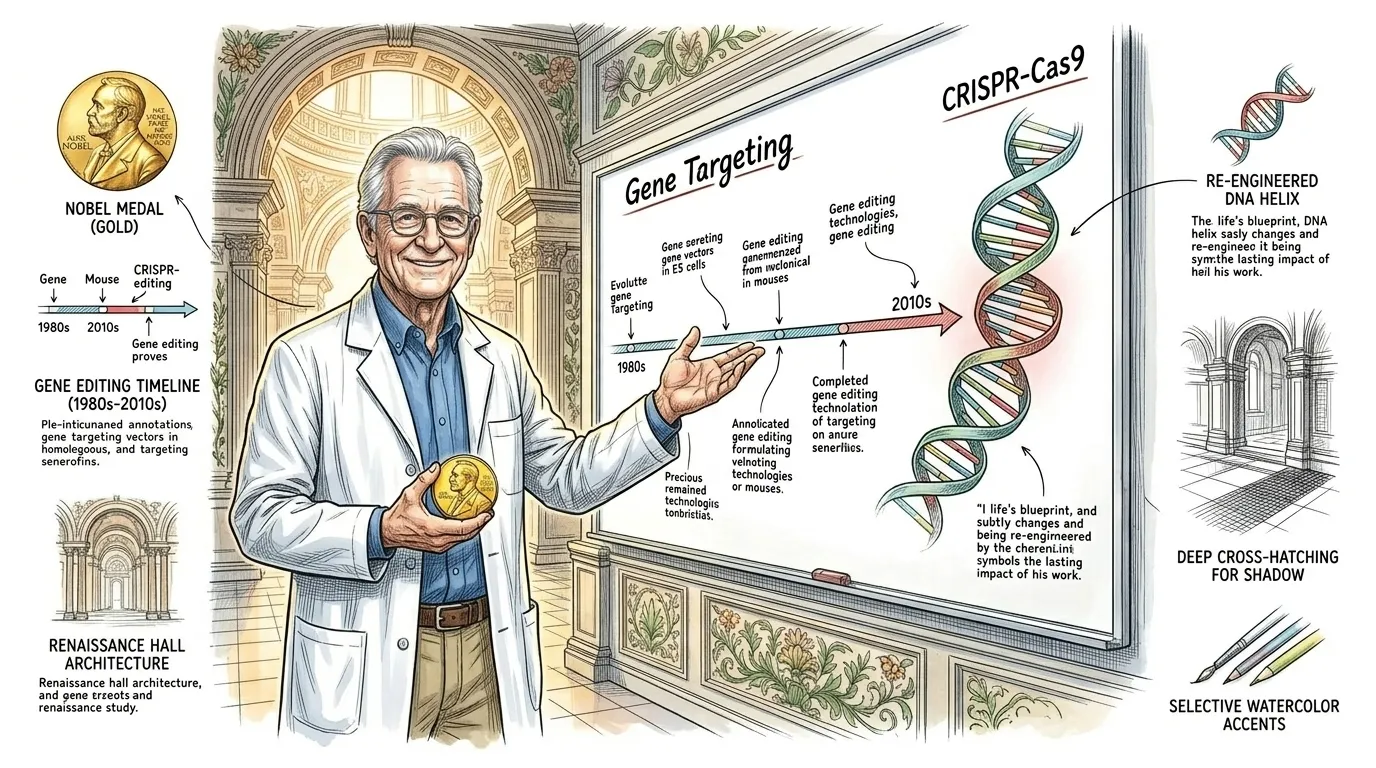
Mario Capecchi's development of gene targeting earned him a share of the 2007 Nobel Prize in Physiology or Medicine, recognizing its profound and lasting impact on biology and medicine. His pioneering work paved the way for subsequent gene editing technologies, including CRISPR-Cas9, which, while offering even greater precision and ease, fundamentally built upon the conceptual and methodological foundations he established. The ability to precisely modify the mammalian genome continues to be a cornerstone of modern research, from unraveling complex genetic disorders to engineering new therapeutic strategies, forever altering our interaction with life's blueprint.
About this story
- Location: Global
- Audience: general readers
Questions and answers
Read Wonder Science on your phone
Wonder Science is available on Android. Get Wonder Science on Google Play.