Mary-Claire King
Mary-Claire King — an illustrated science story, set in Global. 10 illustrated pages, free to read on Wonder Science.
Page 1
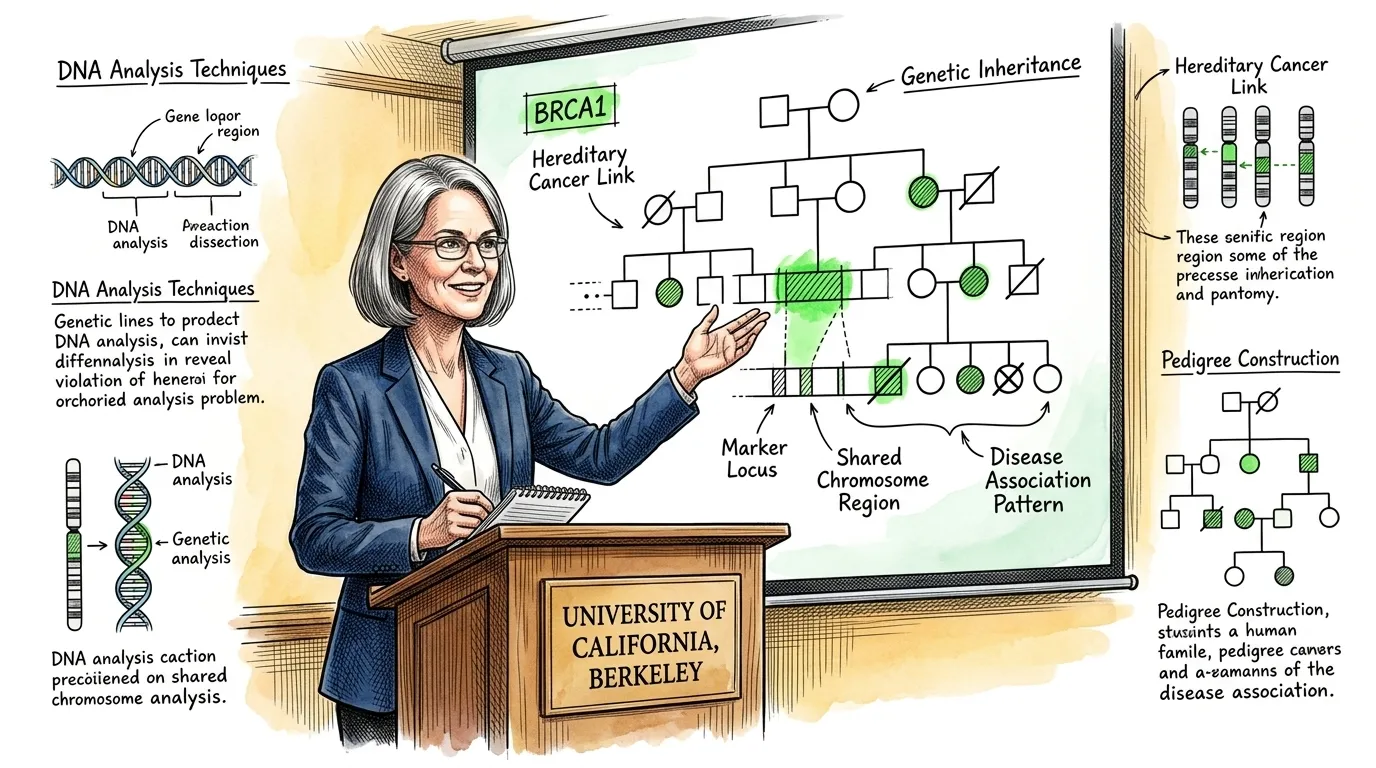
In 1990, a groundbreaking announcement reverberated through the scientific community. At the University of California, Berkeley, geneticist Mary-Claire King presented compelling evidence of a gene, later named BRCA1, responsible for a significant proportion of hereditary breast and ovarian cancers. This discovery marked a profound shift, moving beyond the prevailing view of cancer as primarily an environmental disease to firmly establish a direct genetic inheritance for specific forms. Her meticulous work, spanning decades, pieced together complex family histories and genetic markers, culminating in the identification of a gene that offered both a deeper understanding of cancer's origins and a pathway toward prevention and personalized treatment.
Page 2
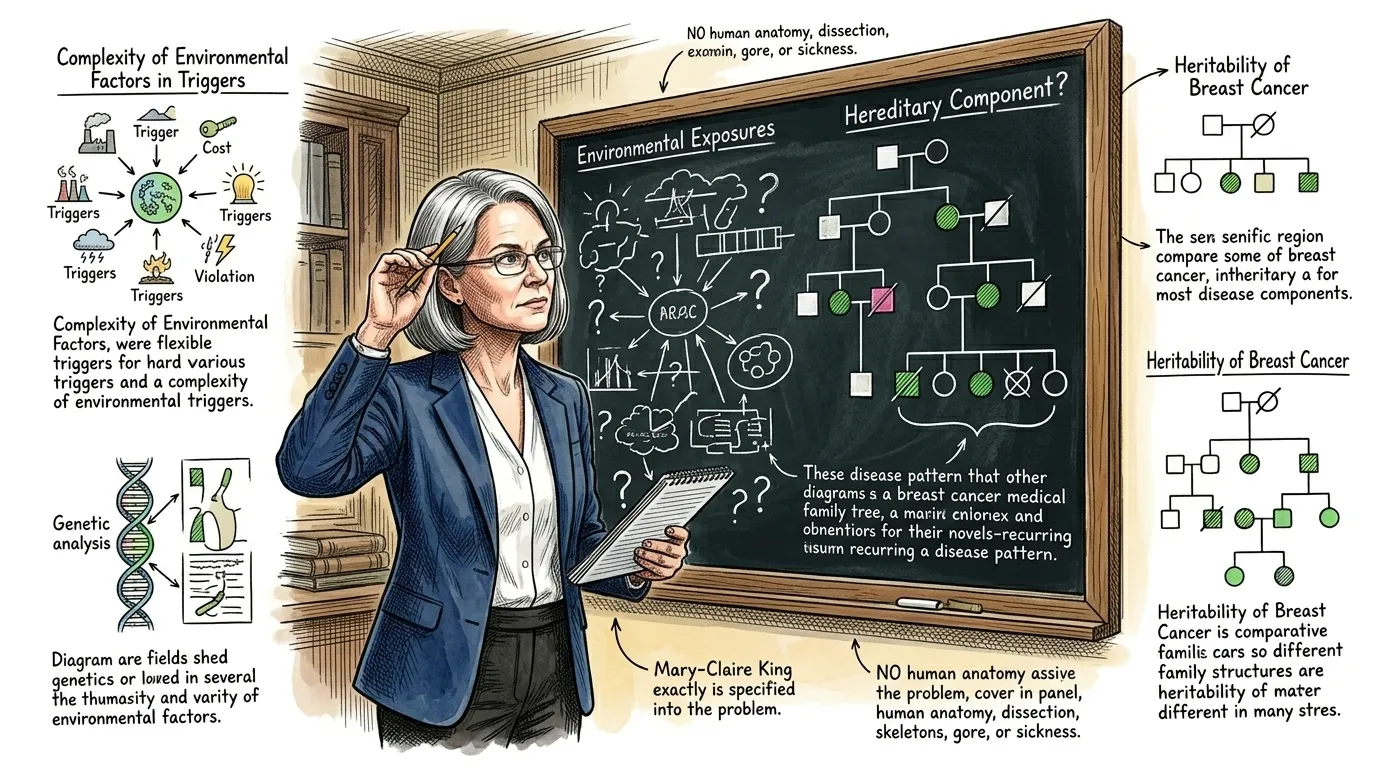
For centuries, breast cancer remained a devastating enigma, its causes poorly understood. While some physicians and families noted patterns of the disease recurring across generations, the prevailing medical consensus often attributed such clusters to shared environmental exposures or mere coincidence, overlooking a deeper hereditary component. The complexity of cancer, with its myriad forms and potential triggers, made isolating specific genetic culprits an immense challenge. Traditional approaches struggled to distinguish between sporadic cases and those with an underlying inherited predisposition, leaving countless families without answers to the persistent question of why their loved ones faced such a high risk.
Page 3
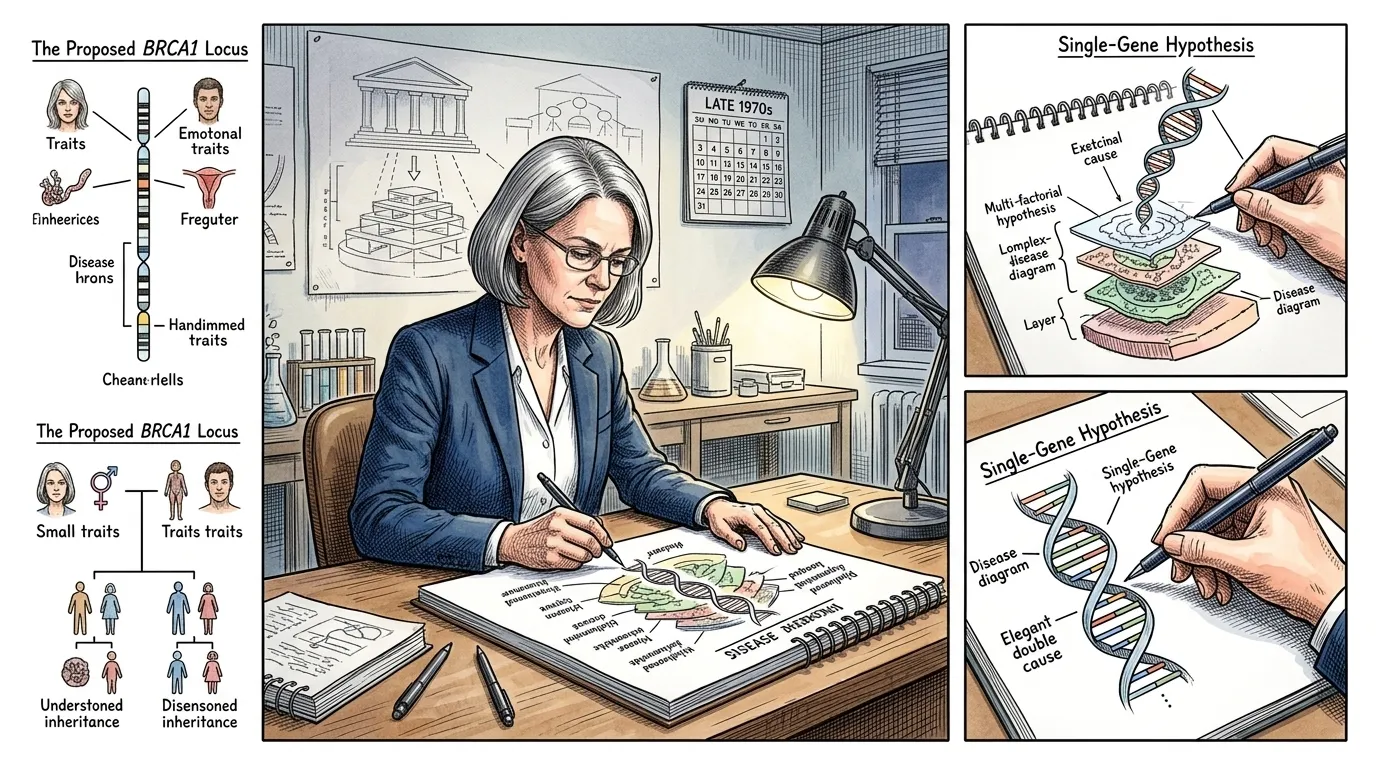
Amidst this uncertainty, Mary-Claire King dared to propose a revolutionary idea: that a single, dominant gene could be responsible for hereditary breast cancer. This concept challenged the established paradigm that common, complex diseases like cancer would involve many genes, each contributing a small, incremental risk. King's hypothesis, formed in the late 1970s and early 1980s, required an audacious commitment to gathering extensive family data. She envisioned a future where understanding a specific genetic vulnerability could empower individuals with knowledge, enabling proactive screening, prevention, and ultimately, saving lives, transforming a statistical observation into actionable biology.
Page 4
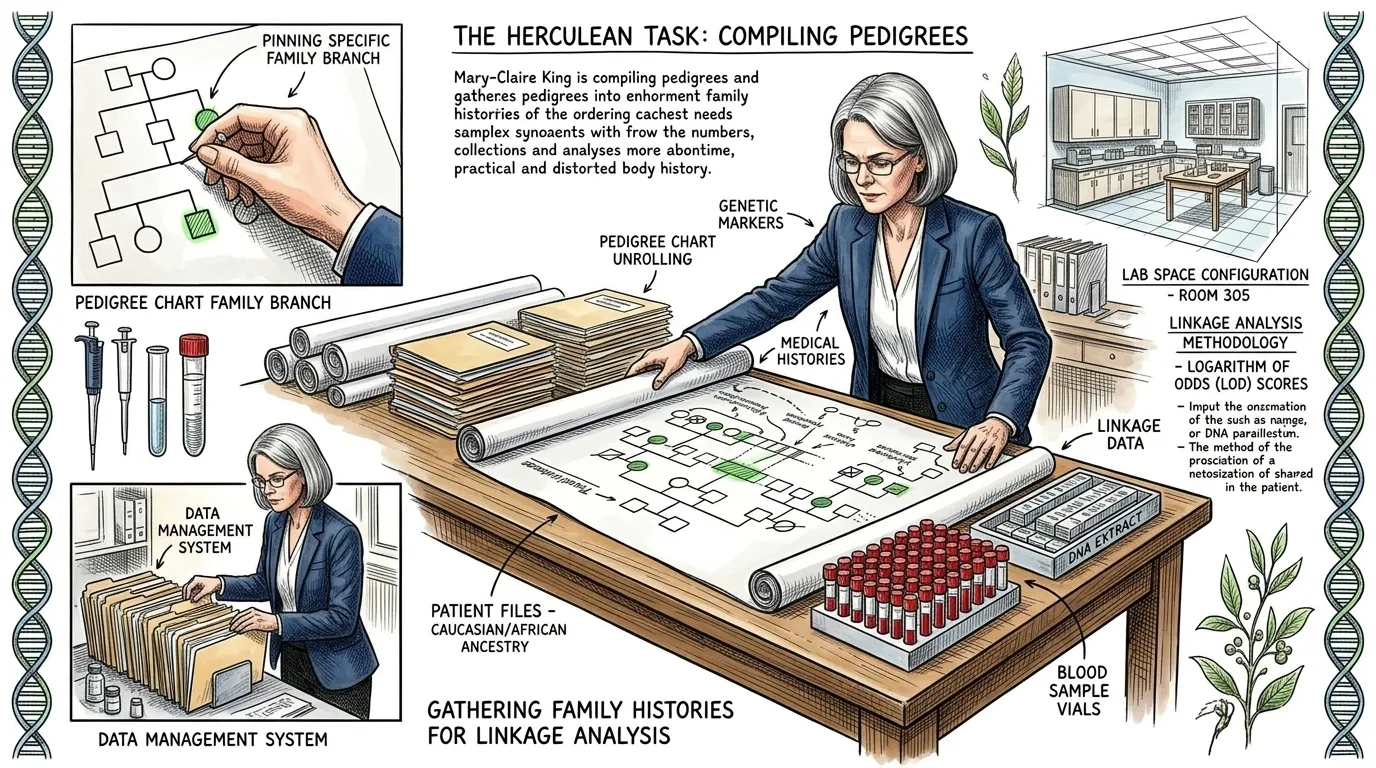
The challenge was immense: how to find one specific gene among the billions of base pairs in the human genome, especially when lacking any direct biochemical clue about its protein product. King's strategy was 'linkage analysis,' a statistical method that tracks the co-inheritance of a disease with known genetic markers across generations within large families. This required collecting blood samples and detailed medical histories from hundreds of individuals from families with multiple breast cancer cases, building expansive pedigrees that stretched back decades. It was a Herculean task of patient recruitment, data collection, and meticulous laboratory work, pushing the boundaries of what was technically feasible at the time.
Page 5
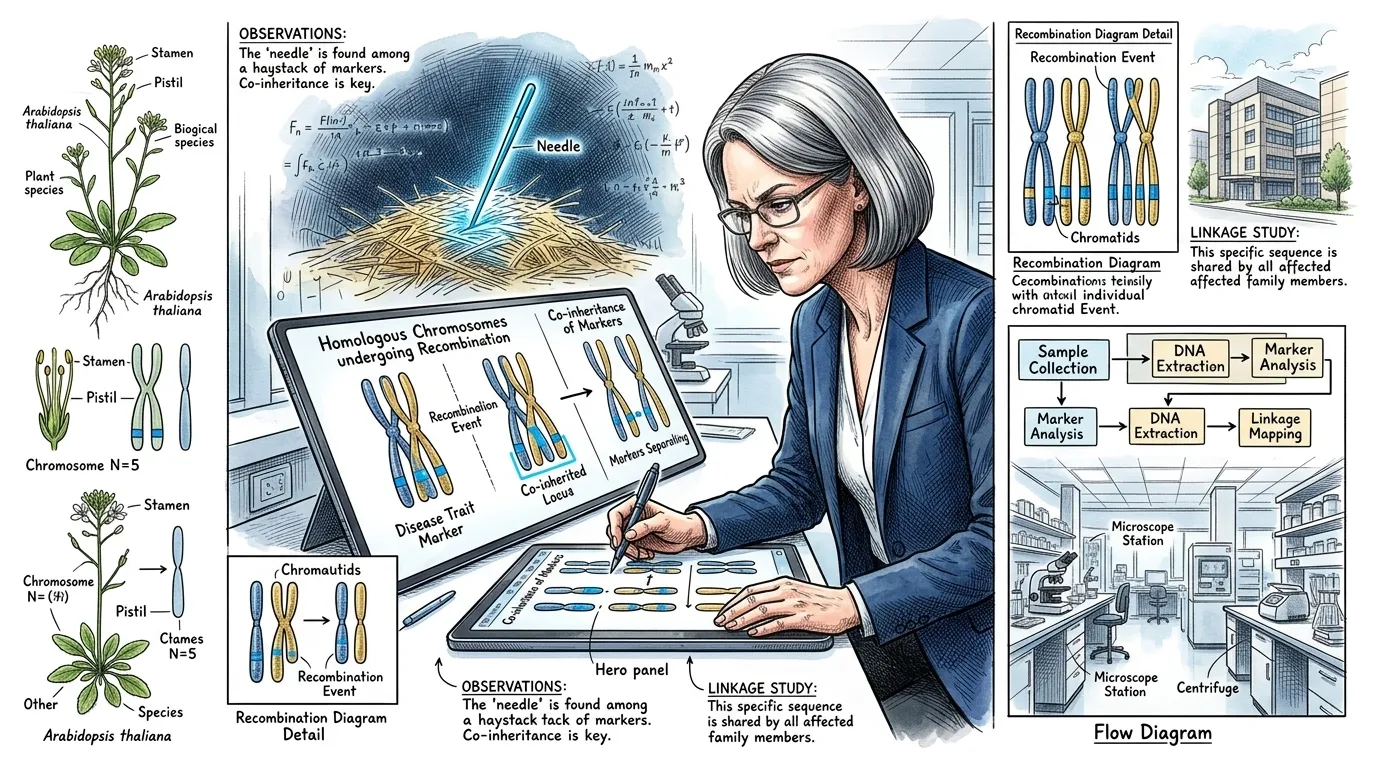
Linkage analysis operates on a simple principle: if a genetic marker consistently travels with a disease trait through a family, they are likely located close together on the same chromosome. The closer they are, the less likely they are to be separated by recombination during meiosis. King and her team systematically analyzed hundreds of genetic markers across the entire human genome, scanning for any significant co-inheritance with breast cancer. This was akin to searching for a specific needle in a cosmic haystack, requiring sophisticated statistical models to discern meaningful patterns from random genetic noise. Each 'marker' was a tiny signpost, slowly narrowing down the search area.
Page 6
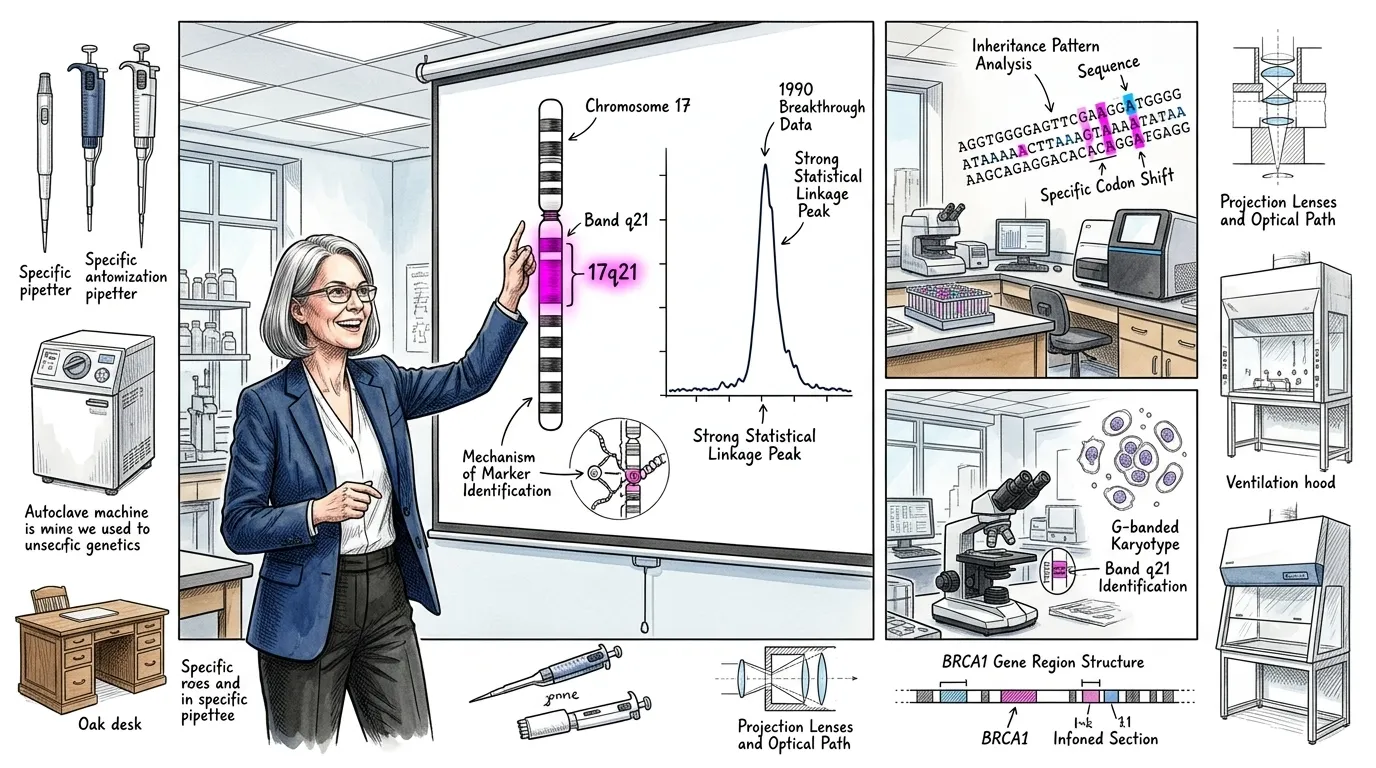
After years of tireless effort, the breakthrough arrived. By painstakingly analyzing genetic data from over 20 extended families, King's team identified a strong statistical linkage between inherited breast cancer and markers on the long arm of chromosome 17, specifically region 17q21. This was the 'eureka moment' – the precise chromosomal address for the elusive gene. The probability of this linkage occurring by chance was incredibly low, signaling a definitive connection. This discovery provided a crucial roadmap, directing future research to pinpoint the exact gene sequence, paving the way for its isolation and characterization, a monumental triumph in human genetics.
Page 7
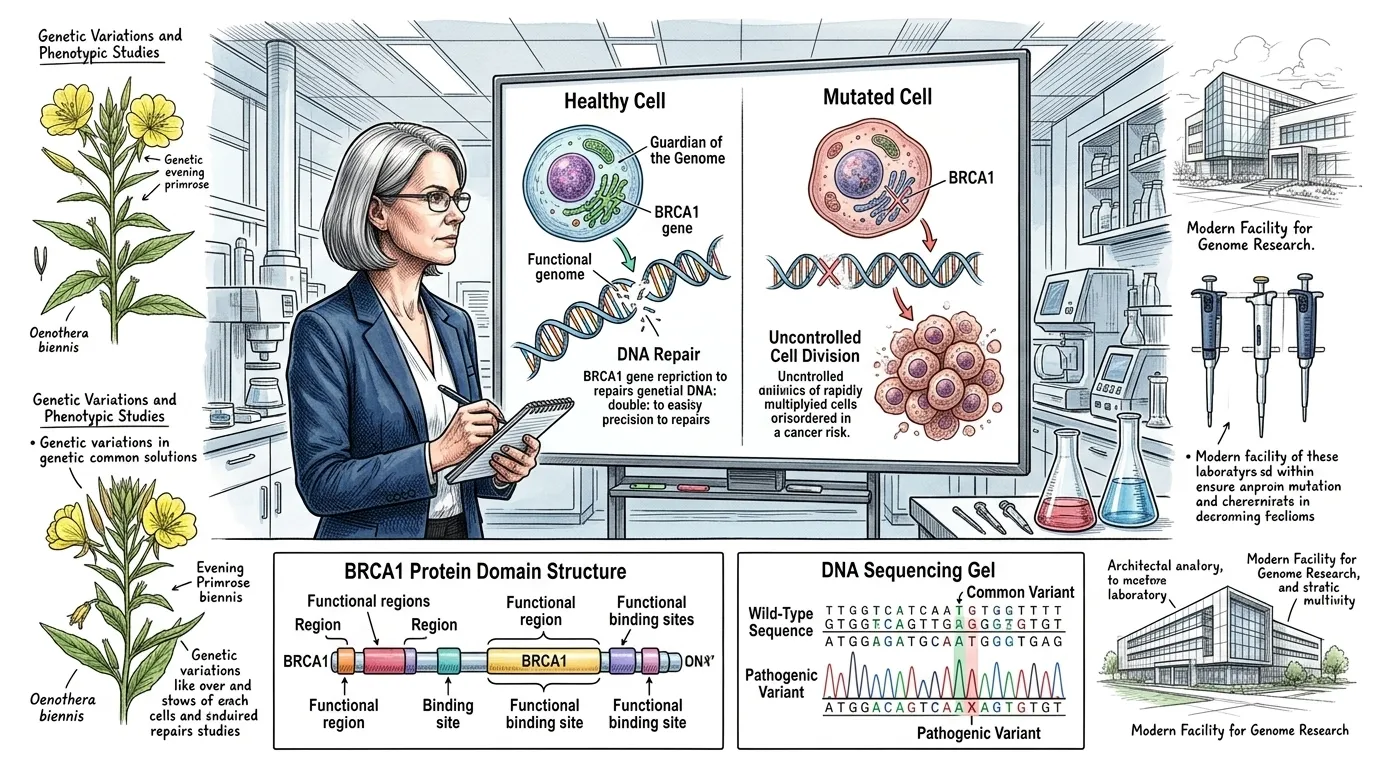
The discovery of BRCA1 (and later BRCA2 by other teams, following King's lead) revealed these genes to be tumor suppressor genes. Their normal function is to repair damaged DNA and regulate cell growth, acting as critical 'guardians of the genome.' When these genes carry inherited mutations, their ability to perform these essential functions is compromised, leading to an increased risk of uncontrolled cell division and cancer development, particularly in breast and ovarian tissues. Understanding this fundamental mechanism offered a clear biological explanation for the previously mysterious inheritance patterns, providing a profound insight into cellular processes and cancer pathophysiology.
Page 8
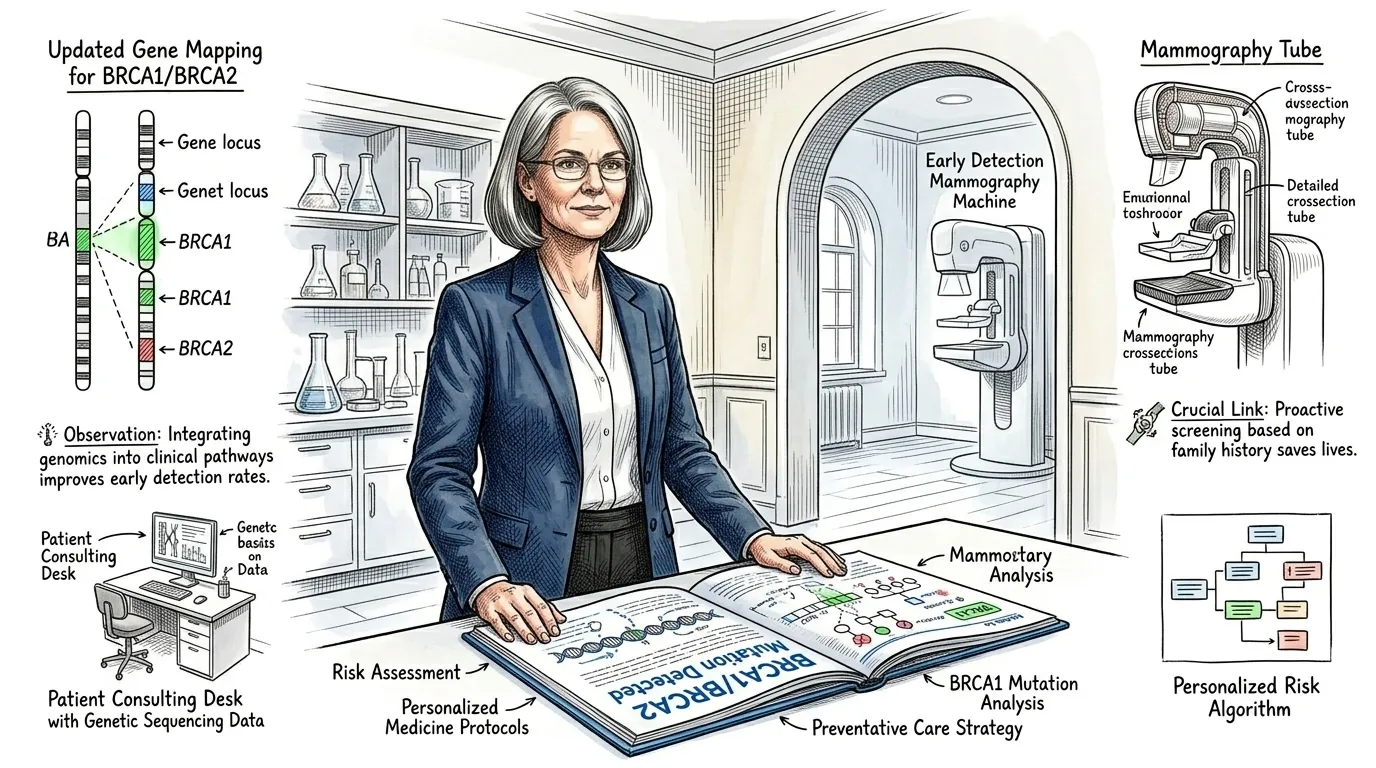
The identification of BRCA1 and BRCA2 mutations revolutionized cancer risk assessment and clinical management. Soon after the genes were cloned, commercial genetic tests became available, allowing individuals with a family history of breast or ovarian cancer to ascertain their genetic predisposition. For the first time, people could confront a precise, inherited risk factor, enabling proactive medical decisions such. This ushered in a new era of personalized medicine, moving beyond generalized screening to risk-stratified interventions, fundamentally altering the landscape of cancer prevention and early detection for thousands.
Page 9
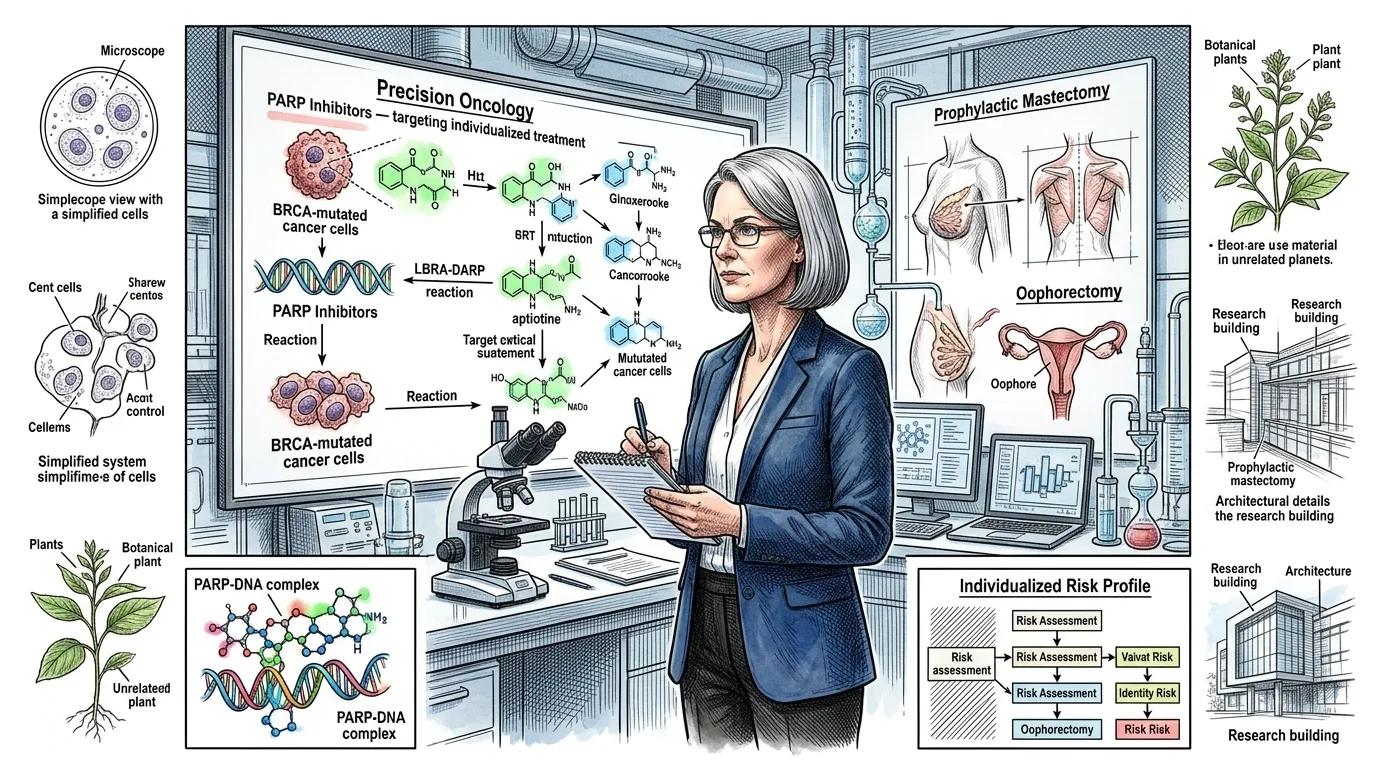
The knowledge gleaned from BRCA gene discoveries extended far beyond risk assessment. It fueled the development of targeted therapies, such as PARP inhibitors, which exploit the DNA repair deficiencies in BRCA-mutated cancer cells. Furthermore, for individuals with identified mutations, prophylactic surgeries (like mastectomy or oophorectomy) offered significant risk reduction, transforming the prognosis for many at high genetic risk. Mary-Claire King's work laid the foundation for precision oncology, demonstrating how understanding specific genetic vulnerabilities could inform highly effective, individualized treatment and prevention strategies, moving the fight against cancer into a new, more hopeful phase.
Page 10
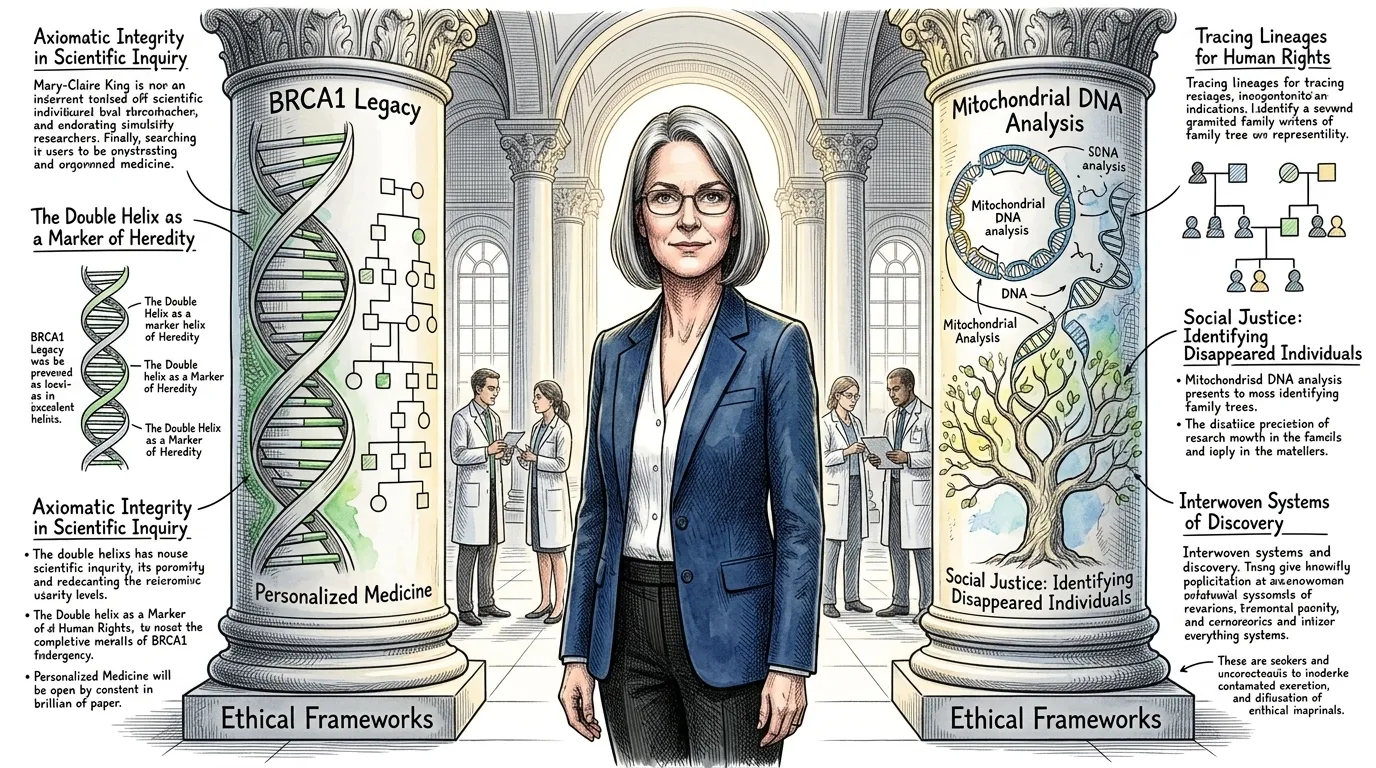
Mary-Claire King's legacy transcends the groundbreaking discovery of BRCA1. Her relentless pursuit of genetic truths extended into human rights, famously pioneering the use of mitochondrial DNA analysis to identify disappeared individuals and reunite families in Argentina and other conflict zones. Her work fundamentally altered our understanding of cancer genetics, propelled personalized medicine, and established new ethical frameworks for genetic testing. She embodied the scientist as a force for both discovery and social justice, demonstrating the profound impact when scientific rigor is applied with deep human empathy. Her contributions continue to inspire new generations of researchers to explore the intricate dance between our genes, our health, and our shared humanity.
About this story
- Location: Global
- Audience: general readers
Questions and answers
Read Wonder Science on your phone
Wonder Science is available on Android. Get Wonder Science on Google Play.