What are the 12 main gods of Egypt?
While there isn't a definitive list of 12 'main' Egyptian gods, some deities were consistently more prominent. Learn about them here.
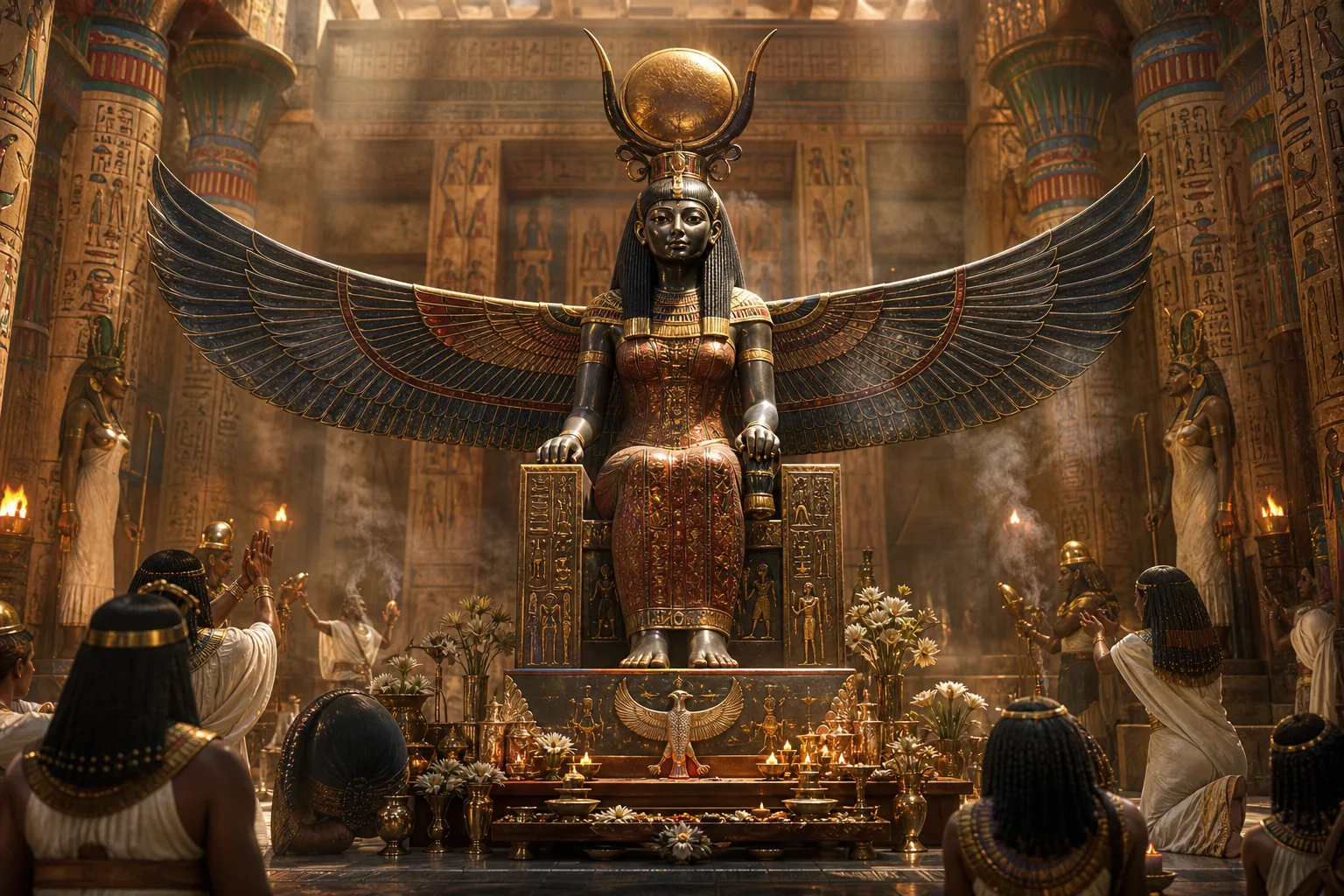
The idea of a fixed pantheon of 12 main gods, similar to the Greek Olympians, is a common misconception about ancient Egyptian religion. While certain deities held significant power and were widely worshipped, their prominence could shift over time and across different regions. However, if we were to identify the most consistently influential and recognized gods and goddesses throughout much of Egyptian history, a list would certainly include Ra, Osiris, Isis, Horus, Set, Thoth, Anubis, Hathor, Sekhmet, Ptah, Geb, and Nut.
- Ancient Egypt had a fixed pantheon of 12 main gods.
- The most important gods were always worshipped in the same way across all of Egypt.
- All Egyptian gods were benevolent and protected humanity.
- The pharaoh was considered a living god, equal to the other deities.
Man fears time, but time fears the pyramids.
The Fluidity of Egyptian Deities
Unlike some other ancient religions with a clearly defined ruling council of gods, Egyptian mythology was much more fluid. The gods and goddesses worshipped varied greatly depending on the time period, the specific city or region, and even the reigning pharaoh's preferences. For example, Amun rose to immense power during the New Kingdom, especially in Thebes, almost merging with Ra to become Amun-Ra. Our story Amun, the Hidden One explores this powerful and often mysterious deity.
Isis, and the Goddess Who Outlived Egypt
Among the most enduring and universally beloved deities was Isis. Her worship spread far beyond Egypt's borders, even reaching the Roman Empire. She was revered as a powerful magician, protector, and mother figure, often associated with healing and rebirth. Her story, filled with magic and resilience, is told in Isis, and the Goddess Who Outlived Egypt. She is a prime example of a deity whose influence only grew stronger over millennia, demonstrating the evolving nature of religious belief.
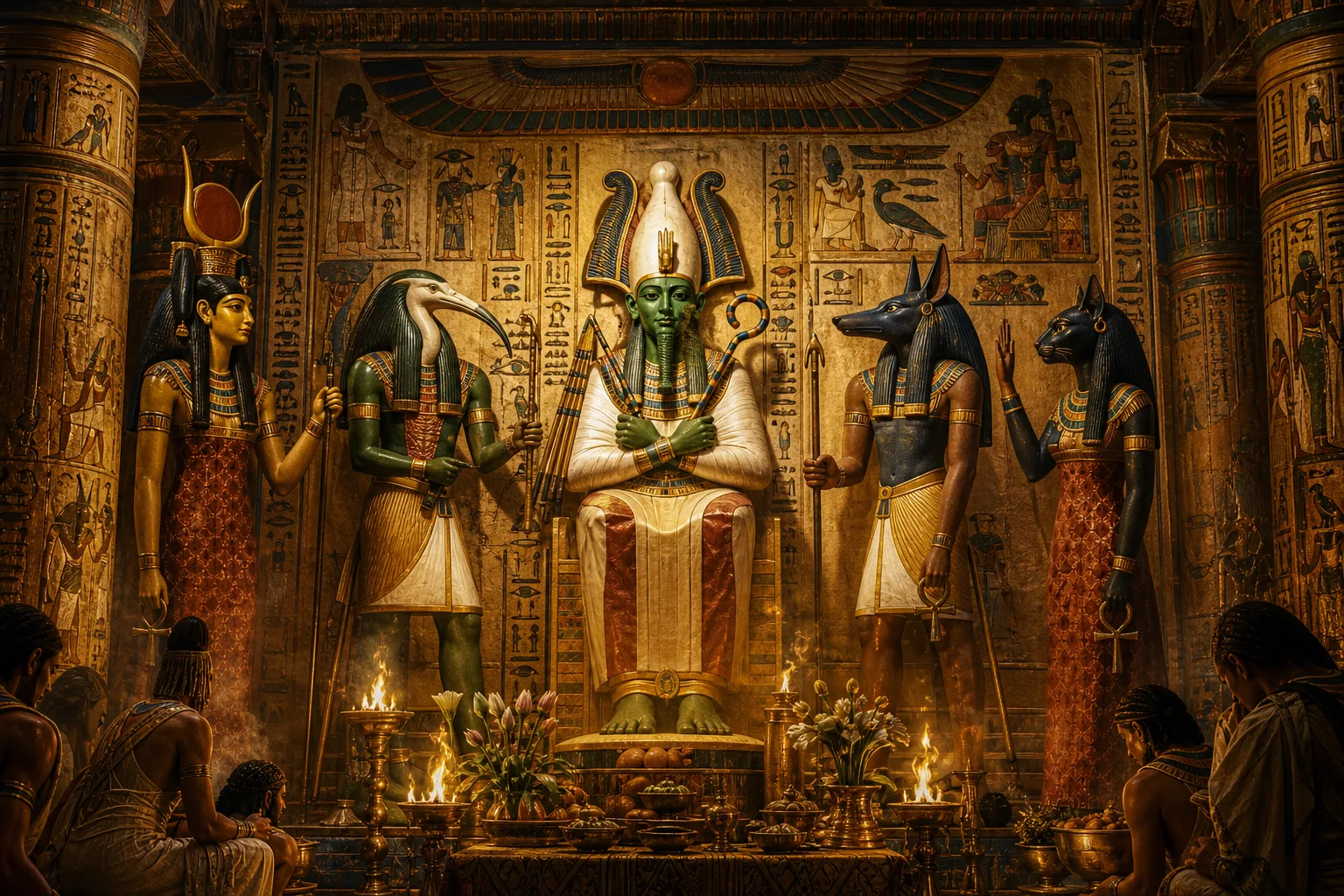
Osiris and the Court of the Dead
Osiris, Isis's husband and brother, was another central figure, particularly as the ruler of the underworld and god of resurrection. His myth, involving betrayal and rebirth, was fundamental to Egyptian beliefs about the afterlife. The intricate rituals and beliefs surrounding death and the journey to the afterlife are explored in Osiris and the Court of the Dead. This narrative also highlights the importance of judgment in the afterlife, a concept vividly depicted in the famous scene of the Weighing of the Heart.
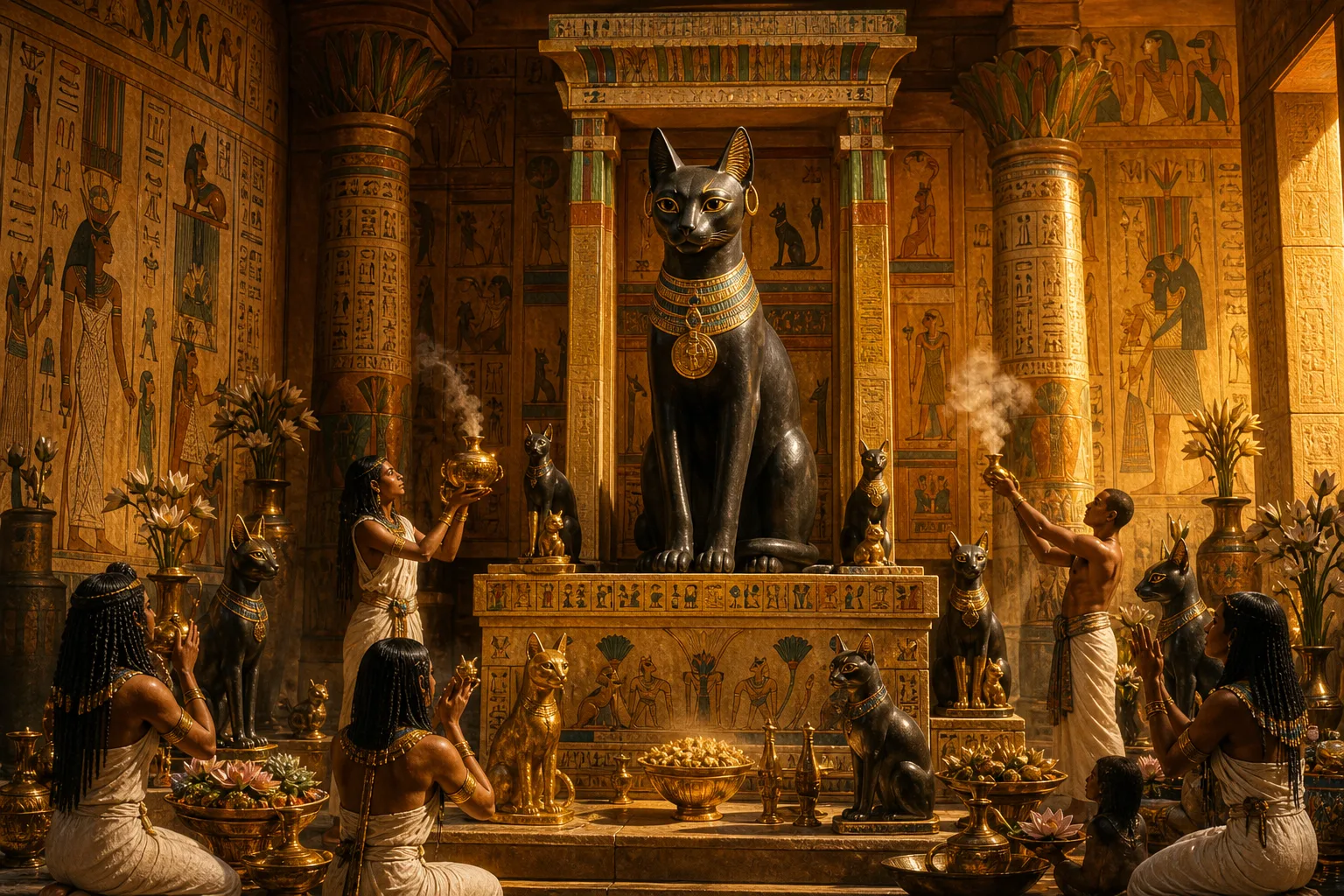
The Cats of Bastet
While not always considered one of the 'top' gods, Bastet, the cat goddess, held a special place in the hearts of many Egyptians. Her worship was widespread, particularly in Bubastis, and she was seen as a protector of homes, women, and childbirth. The reverence for cats in ancient Egypt, and Bastet's role in it, is beautifully depicted in The Cats of Bastet. Her story reminds us that even seemingly lesser deities played crucial roles in daily life and religious practice. For a deeper dive into the world of ancient Egyptian beliefs, you can explore the collection available through Wonder Egypt.
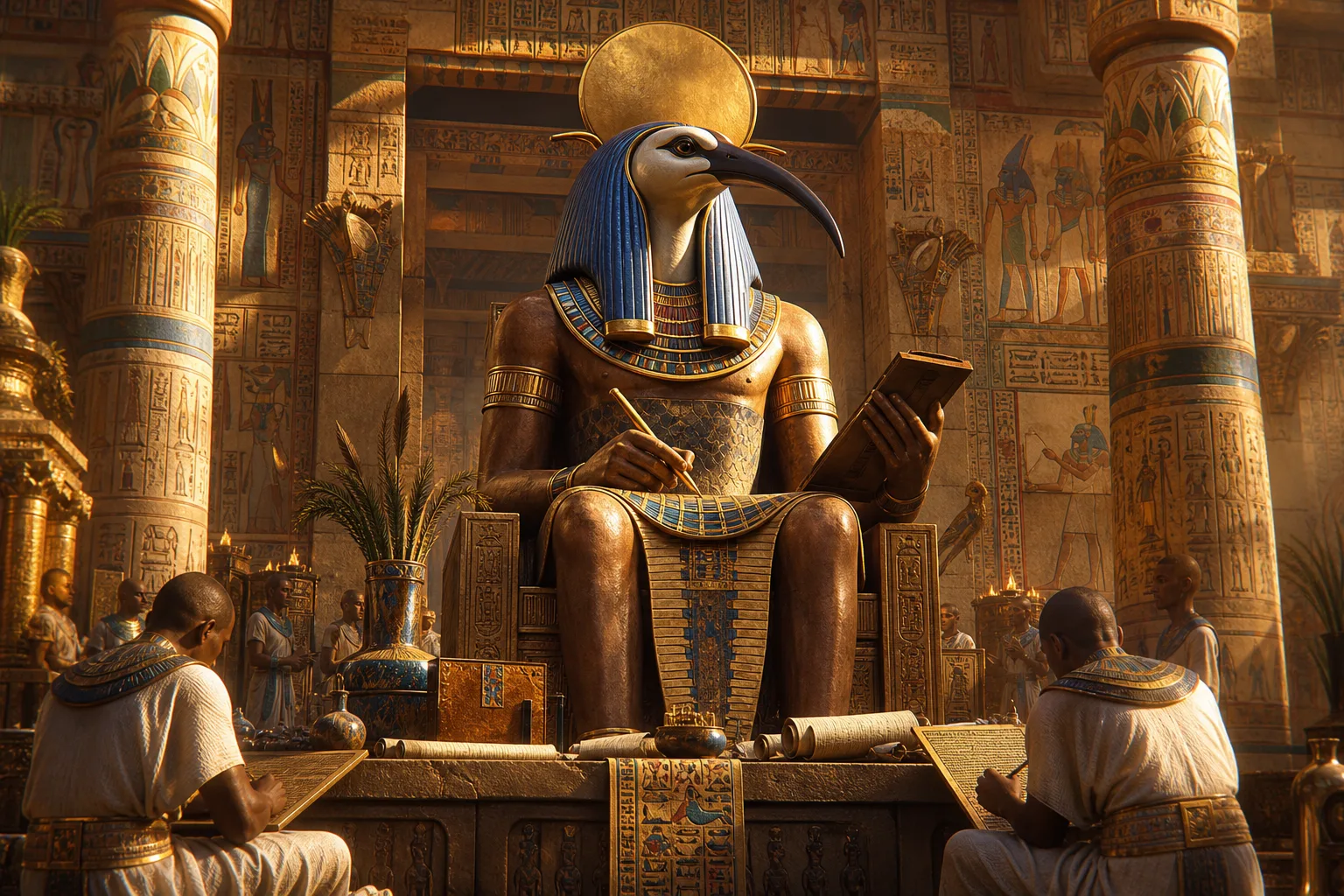
Thoth, and the God Who Kept the Records
Thoth, the god of wisdom, writing, magic, and the moon, was another consistently important deity. He was often depicted with the head of an ibis or a baboon and was believed to have invented writing and kept the records of the gods. His role as a scribe and arbitrator is detailed in Thoth, and the God Who Kept the Records. He was also central to the judgment of the dead, recording the outcome of the heart weighing, a pivotal moment in the afterlife journey. You can learn more about this specific ritual in The Weighing of the Heart.
Frequently Asked Questions
Did Egyptians believe in one god at any point?
Yes, there was a brief period during the reign of Akhenaten when the worship of one god, Aten (the sun disk), was enforced. This monotheistic experiment, documented in The Year Egypt Had One God, was a radical departure from traditional polytheism and was largely reversed after Akhenaten's death.
Were all Egyptian gods depicted with animal heads?
No, while many prominent gods like Horus (falcon), Anubis (jackal), and Thoth (ibis or baboon) were often shown with animal heads, others were depicted in human form, such as Osiris and Isis. The animal representations often symbolized specific attributes or powers of the deity.
How did the ancient Egyptians worship their gods?
Worship involved a variety of practices, including daily rituals performed by priests in temples, offerings of food, drink, and precious goods, and festivals celebrated by the general population. Personal devotion was also common, with individuals praying to deities at home or at small shrines.