Isis, and the Goddess Who Outlived Egypt
Isis, and the Goddess Who Outlived Egypt — an illustrated history story. 10 illustrated pages, free to read on Wonder Egypt.
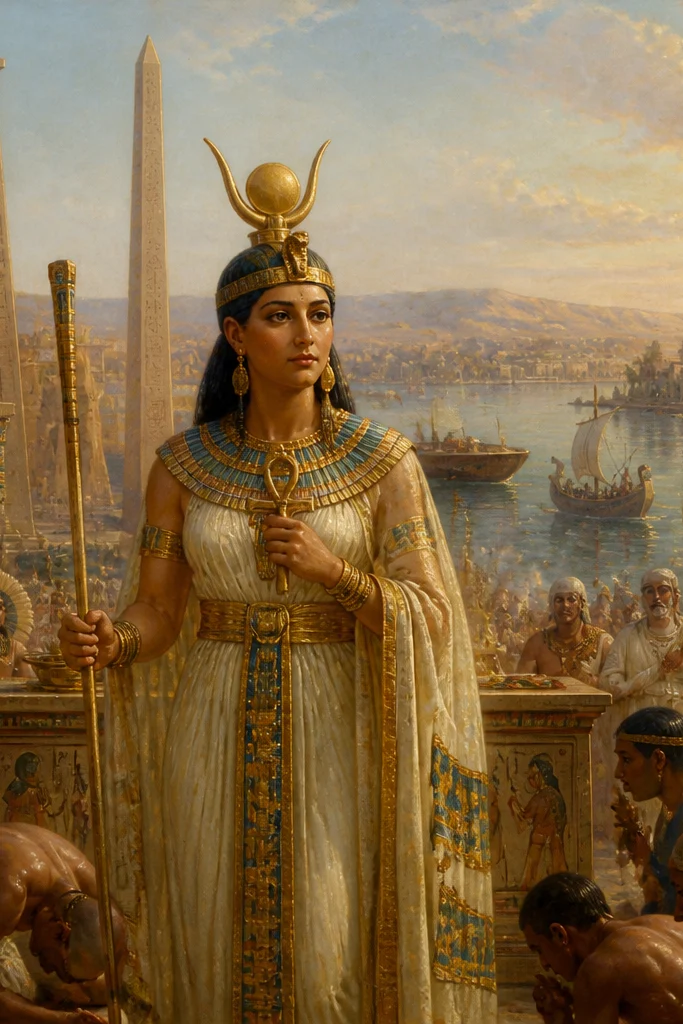
Page 1 — The Rise of Isis
In an age that spanned from around 2400 BC to AD 537, the goddess Isis ascended from a local deity of the Nile Valley to the most venerated figure across the Roman empire. Originally one among many gods, she became the embodiment of themes such as motherhood, magic, and protection—each deeply entwined with the lives and beliefs of ancient Egyptians. As empires rose and fell, her influence expanded far beyond her origins. By the Greco-Roman period, temples in her honor stood not only in Philae but also in distant lands like Rome and even London. The priests of Philae were the last to record hieroglyphs, inscribing them upon stone as late as AD 394. Her worship endured long past the era of the pharaohs, until the reign of Emperor Justinian, who decreed the final closure of her temple, signifying the end of a tradition that lasted millennia.
Priest of Philae: 'Her power extends beyond the Nile. Even the Romans seek her wisdom.'
Page 2 — The Temple of Philae
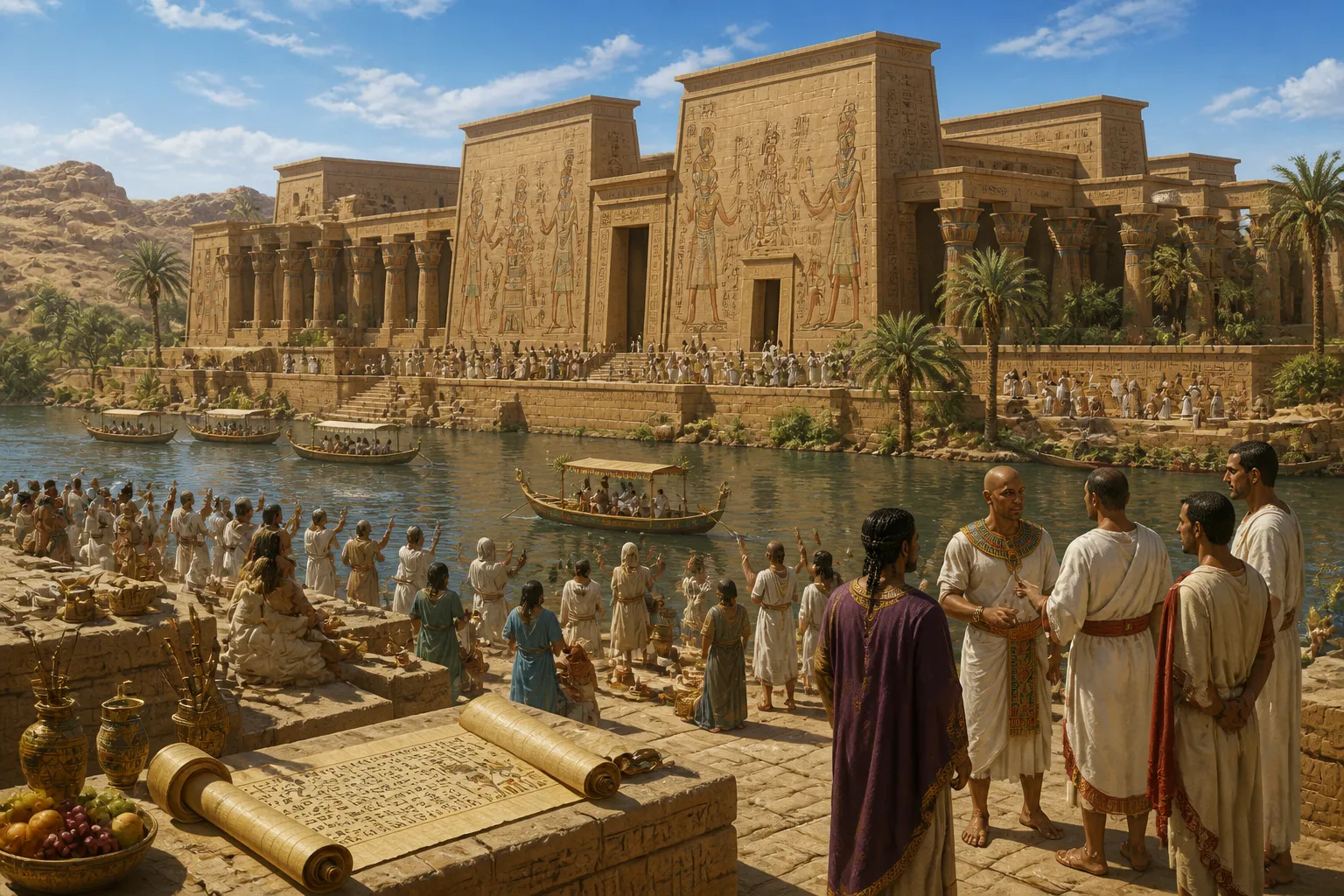
Philae's temple rises with majesty from the waters of the Nile, its presence a testament to reverence for the goddess Isis, set apart on this sacred isle. Constructed during the era of the Ptolemaic dynasty, the temple served as a sanctuary for those seeking the goddess's divine protection and favor. More than a mere religious center, it stood as a crossroads of cultural exchange, where ancient Egyptian beliefs intertwined with Greco-Roman influences. The temple's walls, embellished with intricate carvings, narrate the myths of Isis, blending tradition with evolving cultural interpretations. Its grand halls and towering columns speak of a legacy resilient against the upheavals reshaping the external world, drawing pilgrims from distant lands.
High Priest of Philae: 'This temple is the heart of Isis's power, uniting all who come under her protection.'
Page 3 — Worship and Ritual
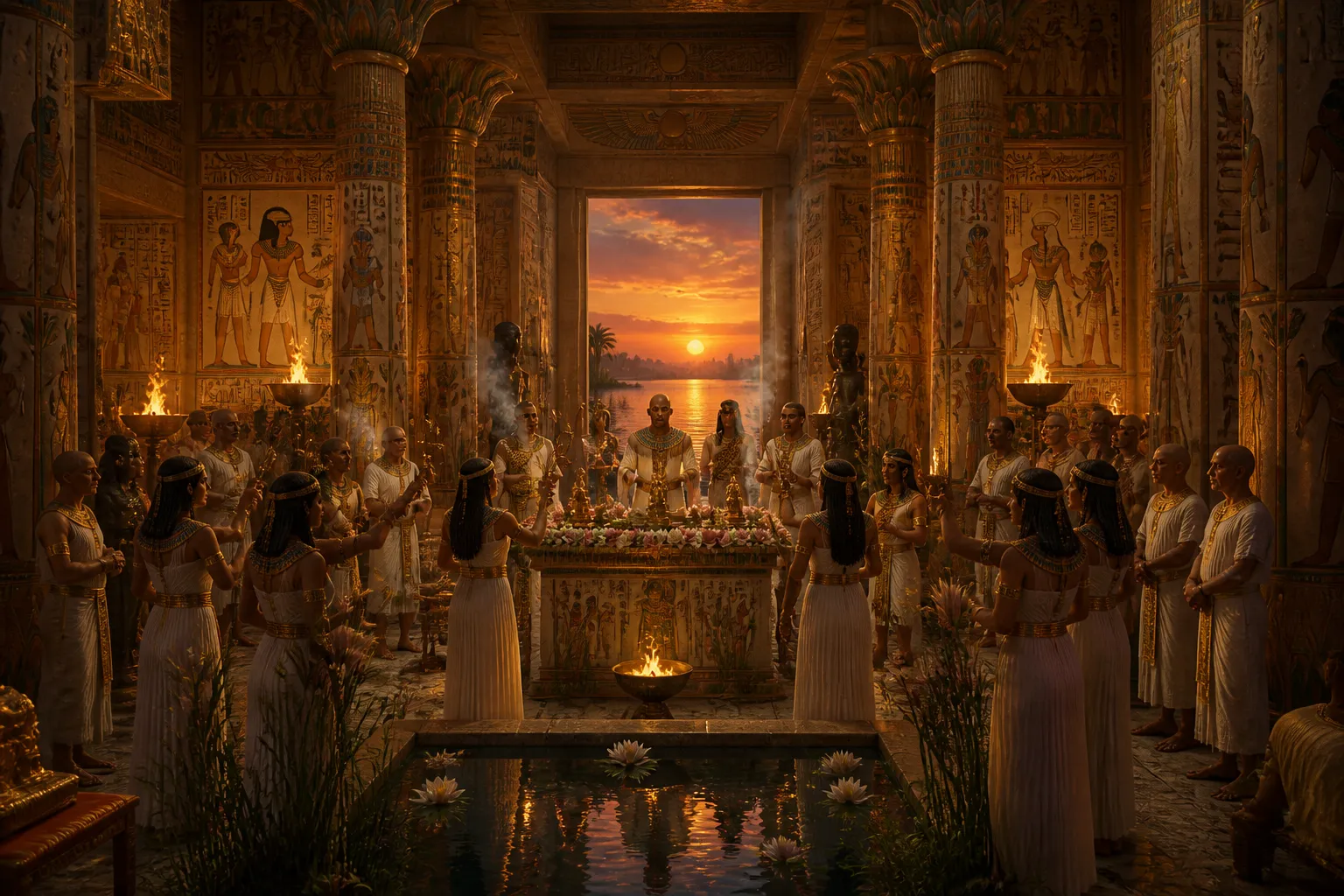
Central to the worship of Isis were elaborate rituals infused with tradition and mysticism. The clergy of Philae, consisting of both priests and priestesses, orchestrated ceremonies that blended music, dance, and offerings. The sounds of sistrum rattles and melodic chants filled the air, as devotees invoked the goddess's protection and wisdom. These rituals took place in grand halls adorned with vivid murals and were integral to community life, weaving the divine seamlessly into daily existence. Within the inner sanctum of the temple, sacred symbols, such as the ankh, held great reverence. The magical and healing powers attributed to Isis attracted followers from distant regions, making these rituals not only religious duties but also a testament to the enduring power of faith.
Priestess of Isis: 'With each offering, we renew our vow to the goddess, seeking her grace and protection.'
Page 4 — The Isis Mysteries
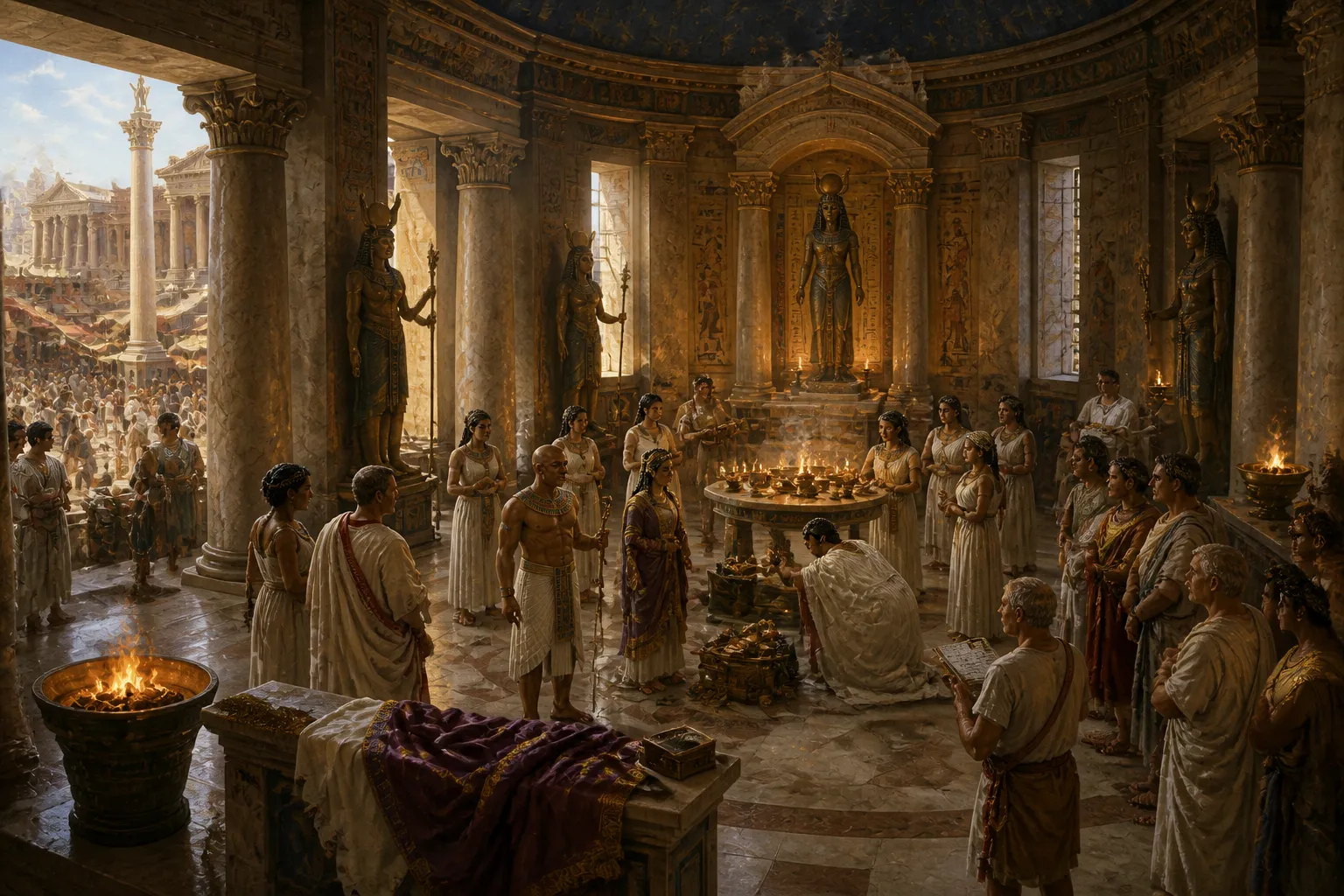
The worship of Isis expanded beyond the borders of Egypt, captivating the imagination of the Roman populace with her mysteries. Initiates partook in secretive rites, rituals believed to impart wisdom and the promise of immortality, aligning closely with the revered Greek Eleusinian mysteries. Isis emerged as a universal mother and protector, appealing to individuals throughout the Roman Empire. Her temples found new homes in cities such as Rome, Pompeii, and London, serving as centers of both spiritual engagement and social interaction. This widespread reverence underscores a deep syncretism between Egyptian tradition and Greco-Roman culture, illustrating how a deity from the Nile resonated powerfully in distant lands, binding diverse communities together.
Roman Initiate: 'In the mysteries of Isis, we find unity and enlightenment, beyond the borders of nations.'
Page 5 — The Last Hieroglyphs
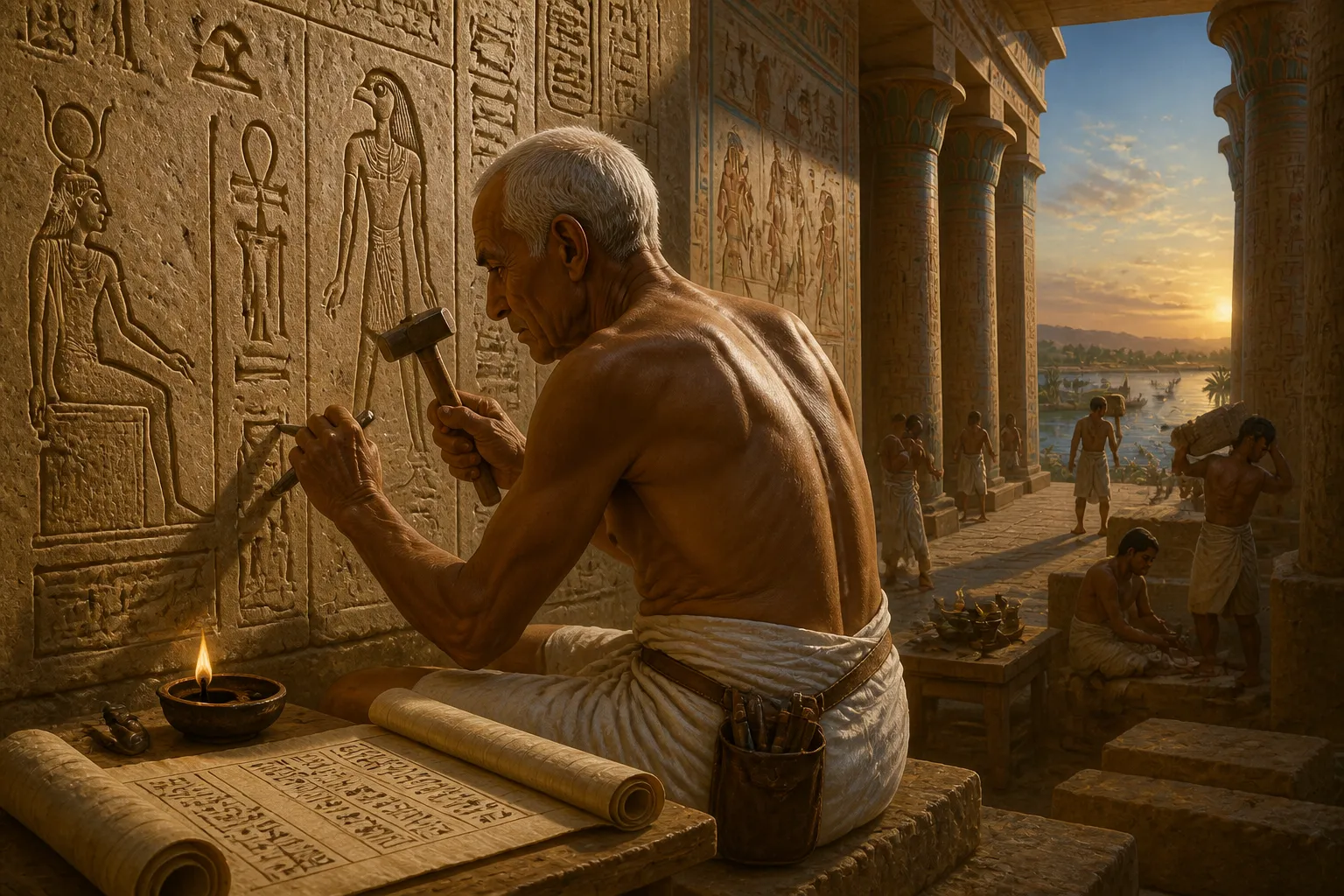
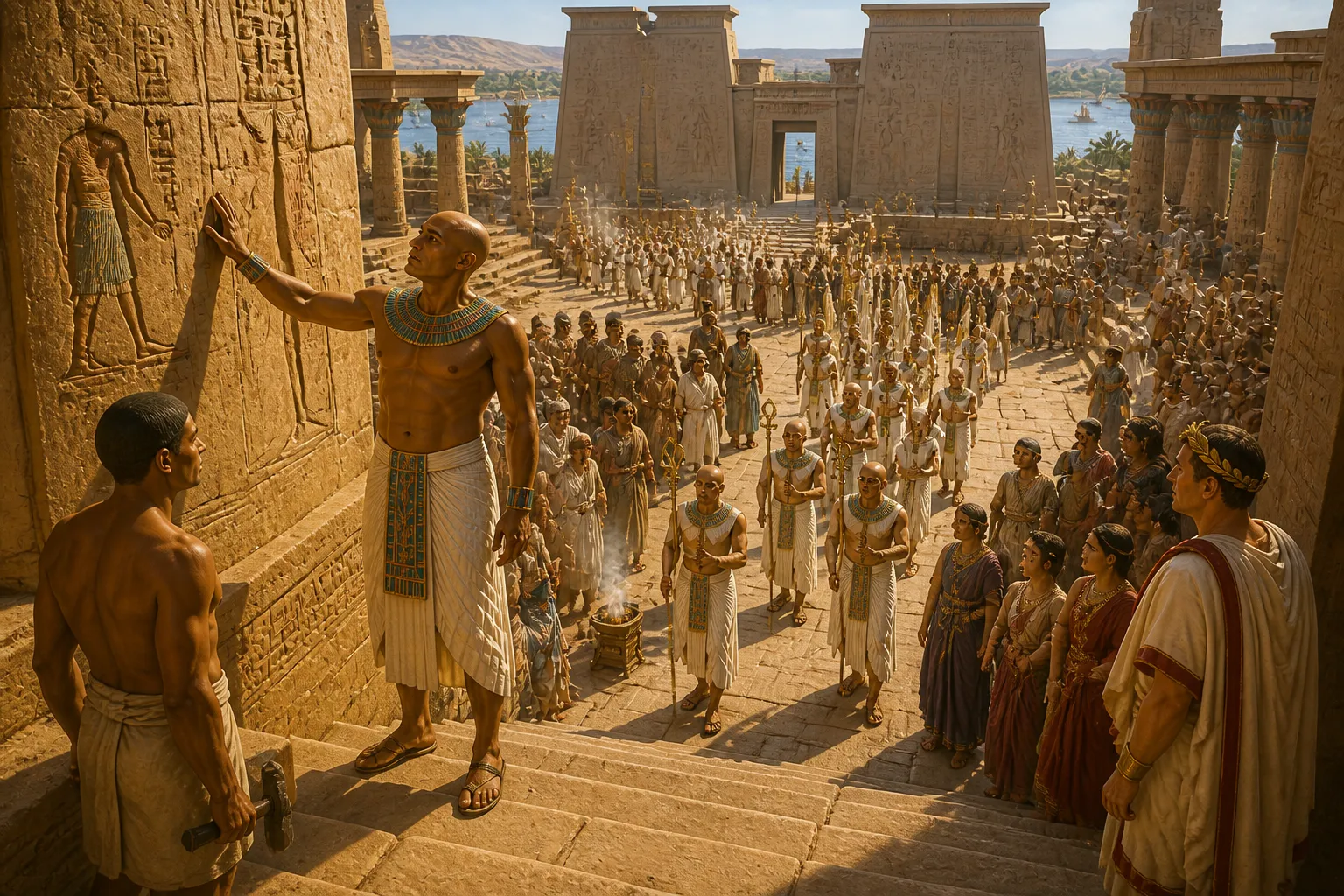
Amidst the tranquil surroundings of Philae Island, during the declining years of the Roman Empire, AD 394 marked a significant historical chapter. It was within these sacred confines that the last known hieroglyphic inscription was meticulously carved into stone, marking the end of a millennia-old tradition. The priests of Philae, dressed in simple linen garments, continued their sacred duties, inscribing tales of Isis and her divine lineage, perhaps unaware of their crucial role in history. This final inscription not only highlighted their unwavering devotion but also served as a bridge connecting the ancient civilization of the pharaohs with the emerging Roman world, amid the carved columns and resonant chants of piety.
Scribe of Philae: 'Let this be a record of our devotion, etched for eternity, even as the world changes around us.'
Page 6 — Faith Under Roman Rule
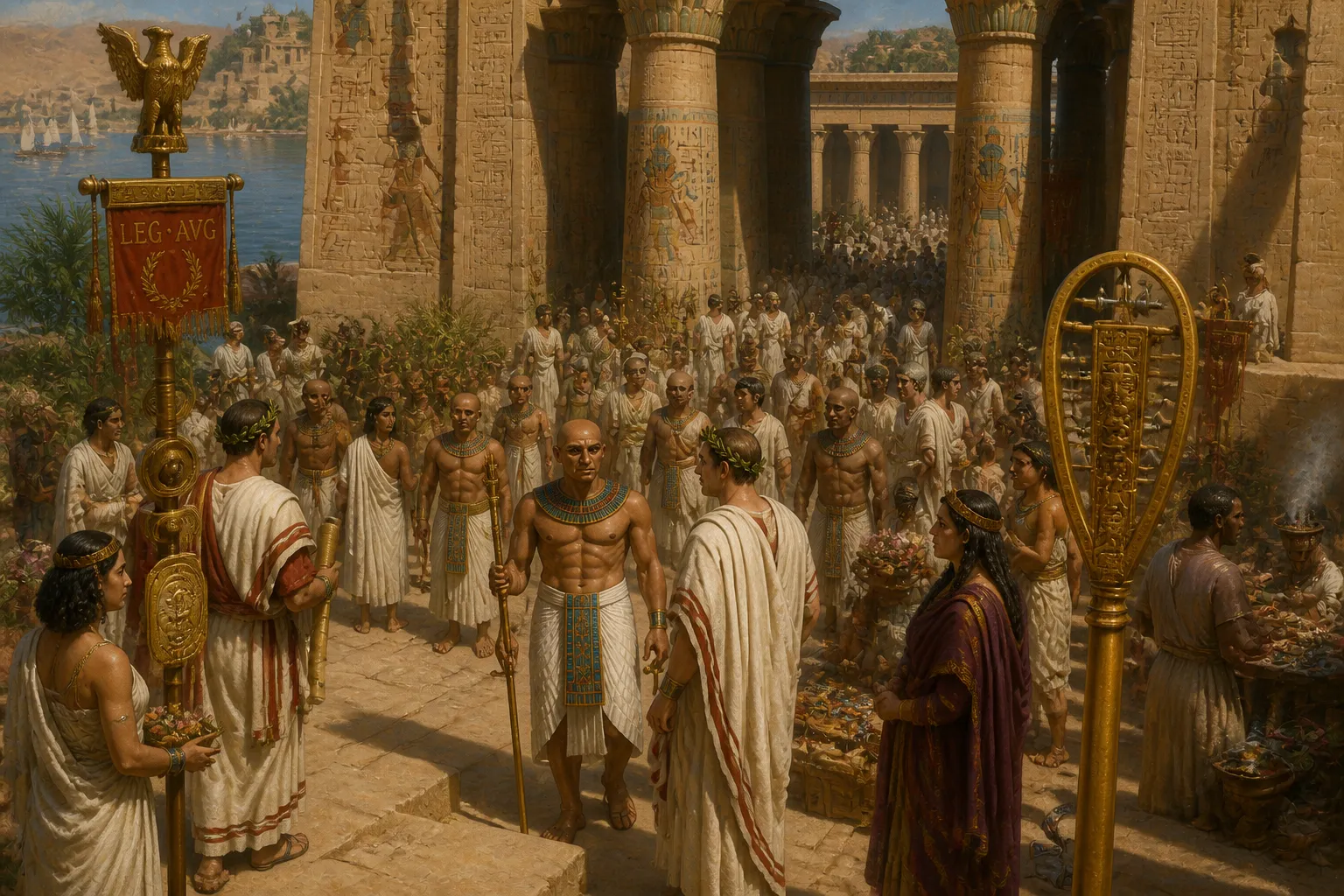
As Roman rule solidified over Egypt, the worship of Isis adapted to new cultural dynamics. The goddesses of Egypt continued to be honored, but the Roman pantheon introduced new deities, challenging traditional beliefs. However, Isis retained her prominence, revered by both Egyptians and Romans alike. Her rites continued to be performed, even as imperial decrees sought to incorporate Roman customs. This cultural syncretism underscored the resilience and adaptability of Isis worship, serving as a metaphorical bridge between ancient traditions and the new Roman order. Philae's temple stood as a bastion of continuity, where diverse worshippers gathered in shared reverence.
Roman Official: 'Though our gods differ, the reverence for Isis binds us in shared devotion and understanding.'
Page 7 — An Empress's Devotion
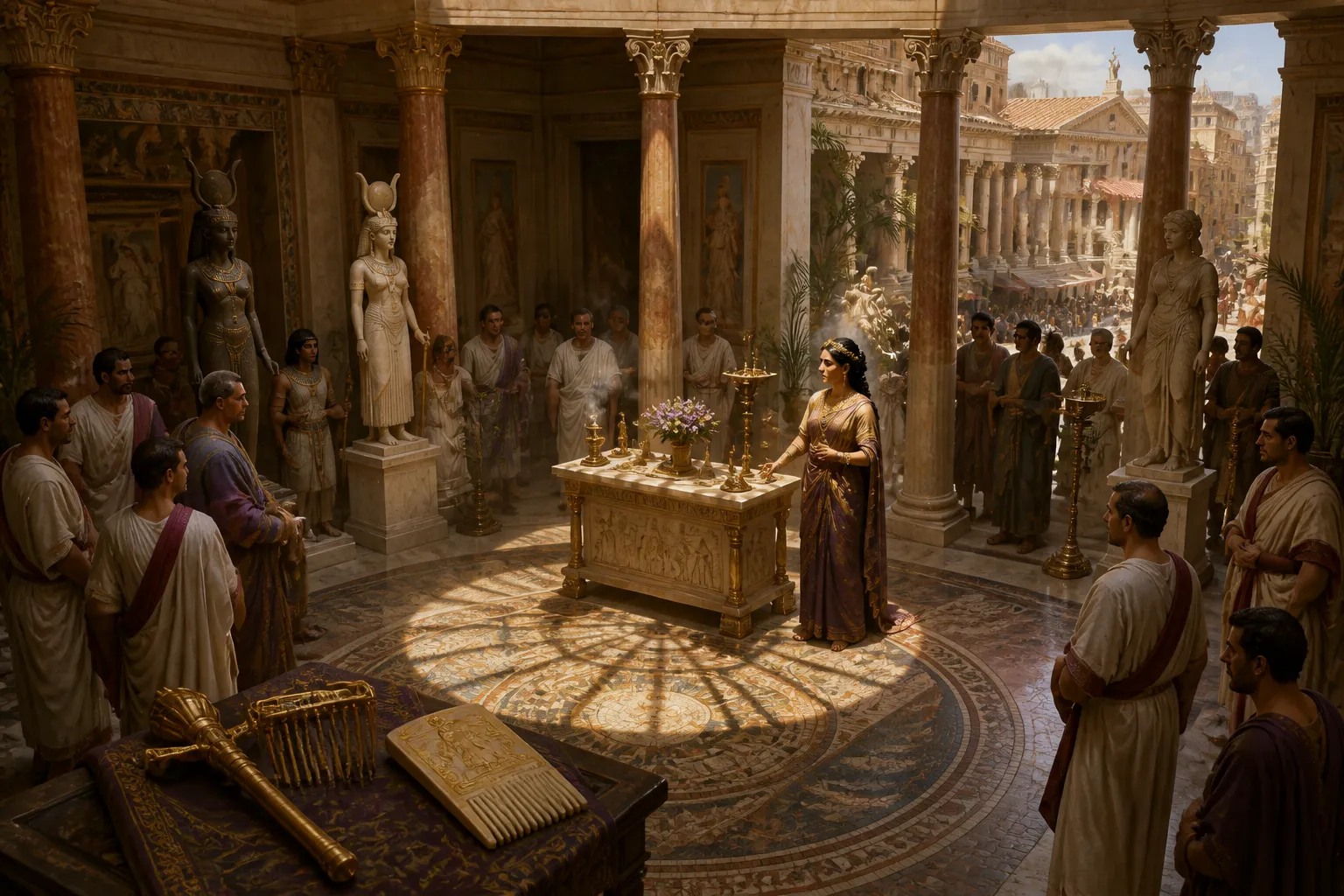
Within the opulent world of the Roman elite, the veneration of the Egyptian goddess Isis found unexpected and influential champions. A notable advocate was a distinguished empress, cherished for her rich Syrian heritage, whose own devotion to Isis elevated the goddess's stature across the sprawling empire. Through her patronage, temples dedicated to Isis, bathed in vibrant hues and adorned with intricate carvings, became thriving centers of both spiritual and societal life. Her support was not solely personal; it symbolized a bridging of cultures, intertwining Eastern mysticism with longstanding Roman traditions. In doing so, she championed Isis as a nurturing maternal figure and protective entity, providing comfort and resilience during an age of uncertainty.
Empress Julia: 'Through Isis, I find solace and strength, a guiding light in the empire's shadows.'
Page 8 — The End of Pagan Worship
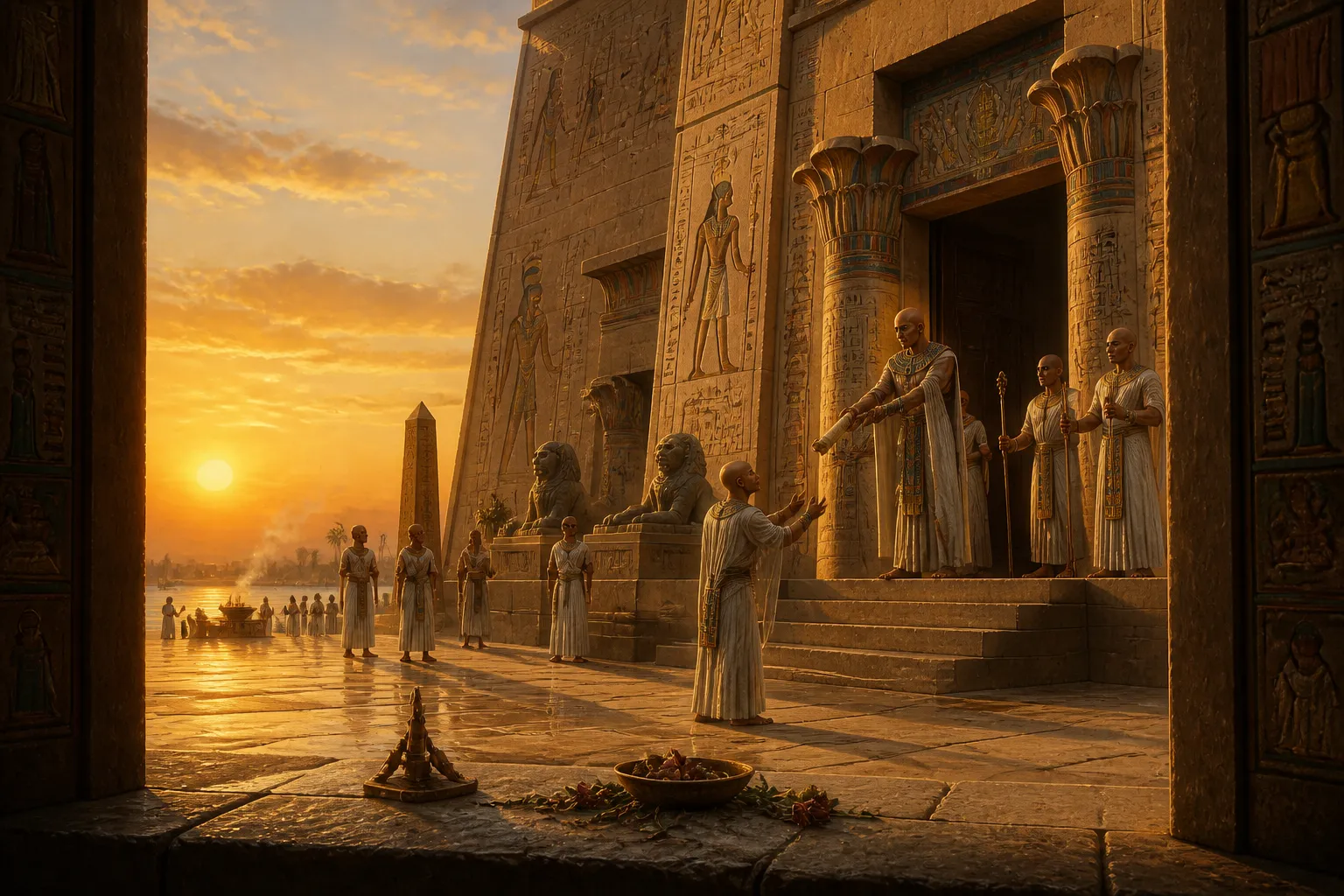
By the sixth century, the ascendant tide of Christianity brought with it a wave of repression against the ancient pagan practices. Under the decree of Emperor Justinian, a fervent advocate for Christian hegemony, the revered temples across the empire, including the cherished sanctuary at Philae, were ordered to close. As shadows lengthened, the last loyal priests of Isis solemnly conducted their final rites. The heavy doors of the temple swung shut, marking the end of an era of vibrant worship. This closure was more than a religious shift; it signified a profound cultural and historical transformation. As the island's silence deepened, it echoed the transition of Egypt from its ancient roots into a new epoch, where the old gods persisted only in the quiet remembrance of stone and memory.
Last Priest of Isis: 'In silence, we honor the goddess. May her spirit endure beyond these walls.'
Page 9 — Legacy of the Goddess
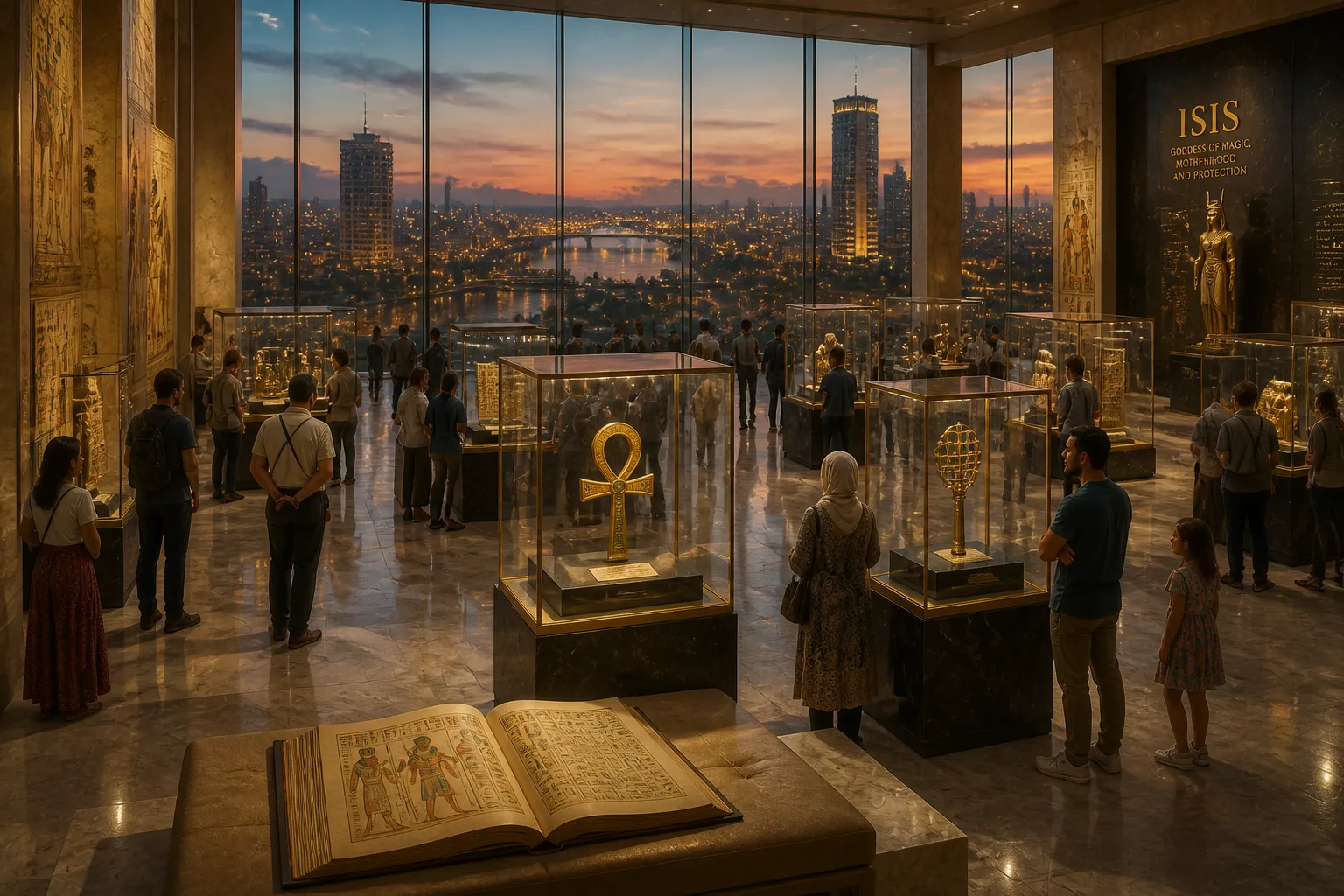
The worship of Isis, while diminished, left behind an indelible mark that resonates through history and faith. Even as the goddess's formal veneration waned, her essence subtly infused Christian iconography, with the Virgin Mary often echoing attributes of the Egyptian deity. In art and literature, the image of Isis endured, symbolizing themes of motherhood, magic, and protection. Her enduring legacy transcended religious boundaries, epitomizing the strength of cultural syncretism. The final hieroglyphs etched meticulously on Philae’s sacred walls continue to whisper her narrative across time, inviting scholars and pilgrims alike to ponder her lasting impact. Isis's journey from the banks of the Nile to a global consciousness serves as a powerful testament to enduring belief.
Scholar of Antiquities: 'In the tales and symbols, the spirit of Isis still speaks, bridging the past and present.'
Page 10 — What Remains
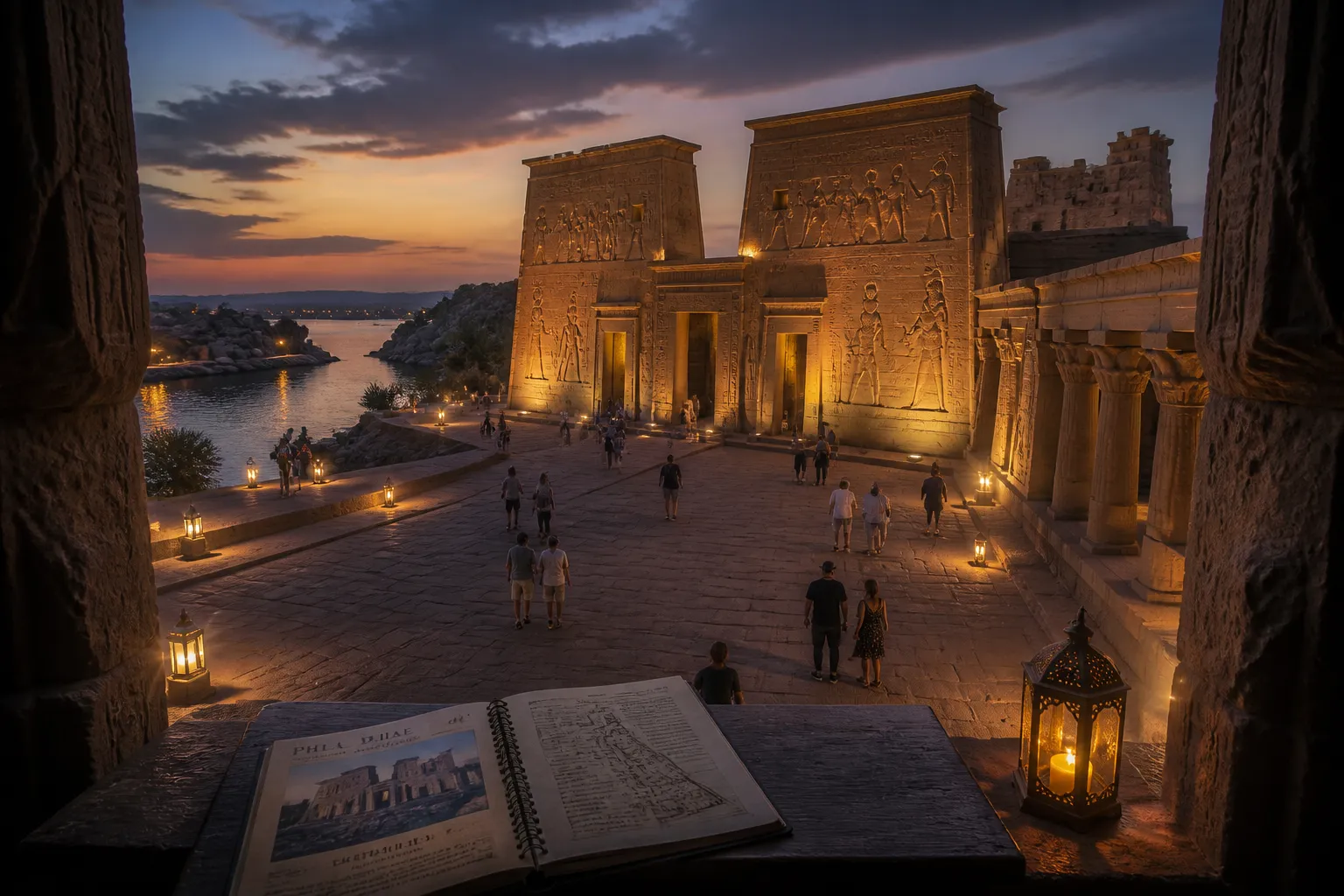
On the sanctified grounds of Philae, the temple's ancient stones persist as silent custodians of the devotions and ceremonies that once animated its sacred halls. Now a UNESCO World Heritage site, Philae draws visitors from all over the world, each seeking connection to the mysteries of the past. The temple's final hieroglyphs, carefully chiseled in AD 394, stand as proud testaments to a civilization's enduring faith. These venerable stones, though weathered by time, remain steadfast, narrating tales of transformation and continuity, of deities and empires long past. As the sun dips below the horizon over the Nile, the temple seems to glow with the waning light, inviting reflection on the lasting legacy of the ancient world. Here, the spirit of Isis continues to resonate, bridging the ages.
Tour Guide: 'These walls have witnessed the ebb and flow of history, standing testament to human faith and resilience.'
About this story
- Audience: general readers
Read Wonder Egypt on your phone
Wonder Egypt is available on Android. Get Wonder Egypt on Google Play.