What are the 20 most popular paintings of all time?
This article ranks 20 of the most popular paintings ever created, based on their widespread recognition, historical impact, and enduring cultural significance.
Determining the "most popular" paintings of all time involves considering a blend of factors: global recognition, historical impact, critical acclaim, and the sheer number of people who have seen them, either in person or through reproductions. This list presents 20 such artworks, acknowledging that popularity can be subjective but aiming for a consensus of those pieces that have undeniably captured the world's imagination and left an indelible mark on art and culture. From ancient cave art to modern masterpieces, these works have transcended their original contexts to become universal symbols of human creativity.
Art washes away from the soul the dust of everyday life.
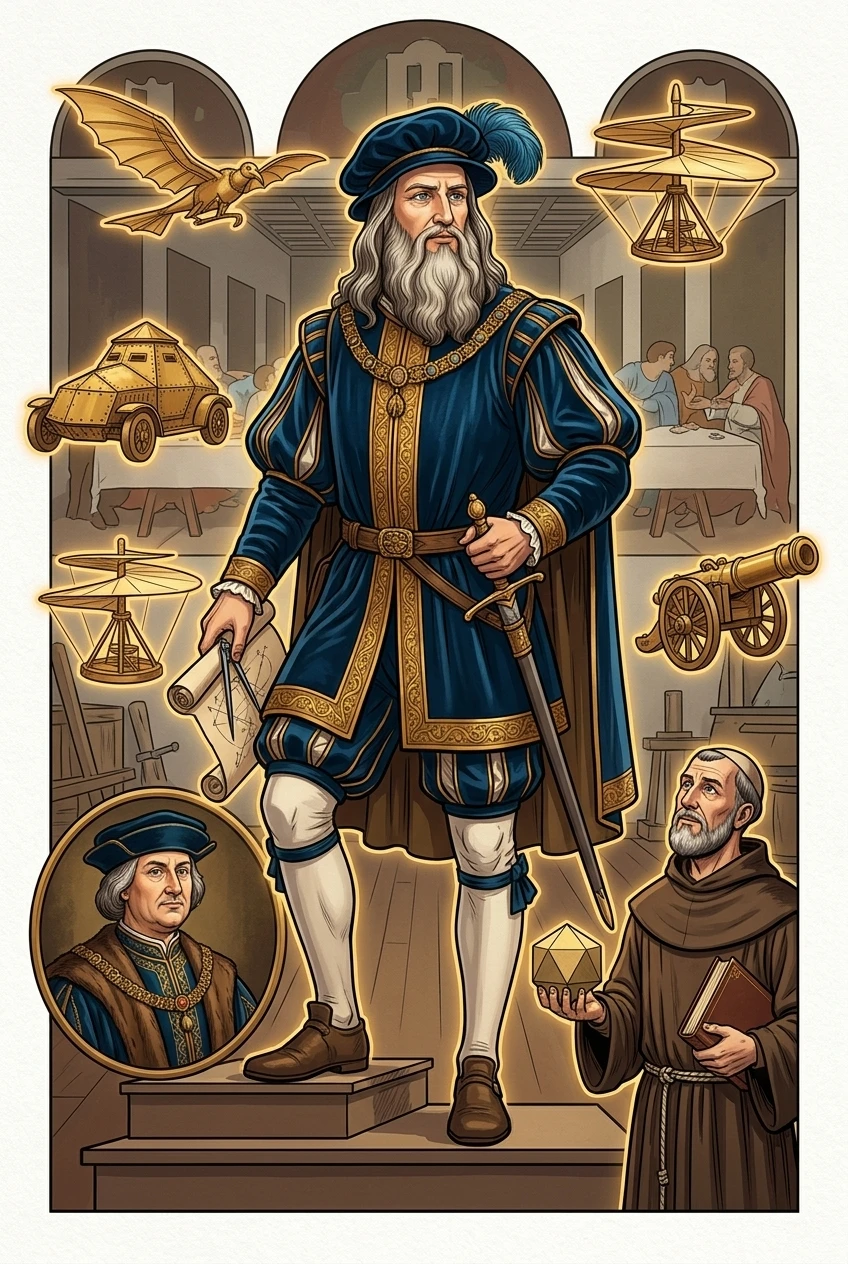
1. Mona Lisa by Leonardo da Vinci (c. 1503-1519)
Housed in the Louvre Museum in Paris, Leonardo da Vinci's Mona Lisa is arguably the most famous painting in the world. Its enigmatic smile has fascinated viewers for centuries, prompting endless speculation about the sitter's identity and the artist's intentions. The painting's technical mastery, particularly the sfumato technique used to create soft, blended transitions, contributes to its enduring allure. Millions flock to see it each year, solidifying its place at the pinnacle of artistic popularity.

2. The Last Supper by Leonardo da Vinci (1495-1498)
Another masterpiece by Leonardo da Vinci, The Last Supper is a monumental mural painting depicting the final meal of Jesus with his apostles. Located in the Santa Maria delle Grazie convent in Milan, Italy, its dramatic composition captures the moment Jesus announces one of his disciples will betray him. The painting's emotional intensity, innovative perspective, and historical significance have made it one of the most reproduced religious artworks in history. Its popularity stems from both its artistic genius and its profound narrative.
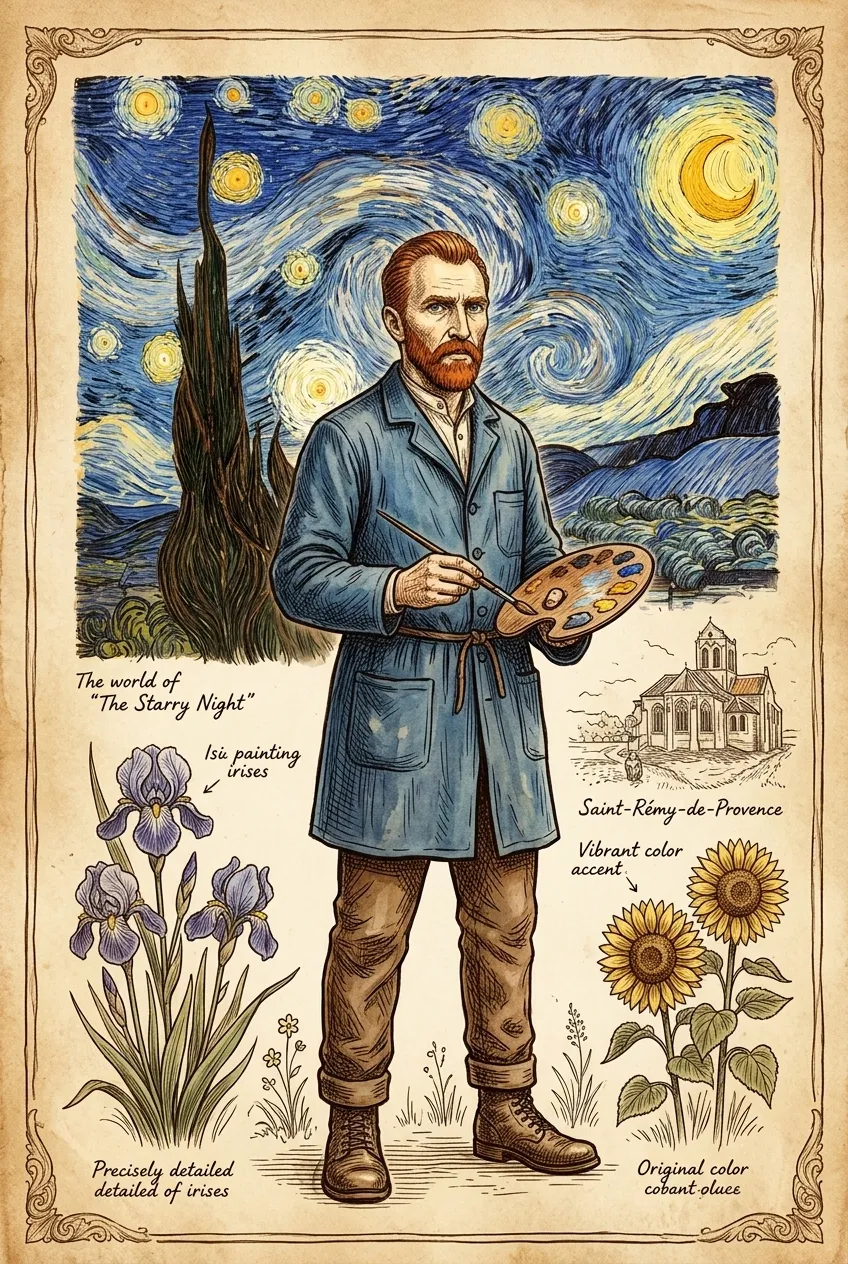
3. The Starry Night by Vincent van Gogh (Saint-Rémy-de-Provence, France — 1889)
Vincent van Gogh's The Starry Night is an iconic representation of post-impressionist art, characterized by its swirling celestial forms and vibrant, expressive brushstrokes. Painted during his stay at an asylum, it captures a view from his east-facing window just before sunrise, with an idealized village. This painting is celebrated for its emotional depth and its unique visual language, making it instantly recognizable and deeply resonant with audiences worldwide. It remains one of the most frequently reproduced and discussed artworks, a testament to its enduring popularity. You can explore the context of this masterpiece through the Wonder Arts library title, The Starry Night by Vincent van Gogh (Saint-Rémy-de-Provence, France — 1889).
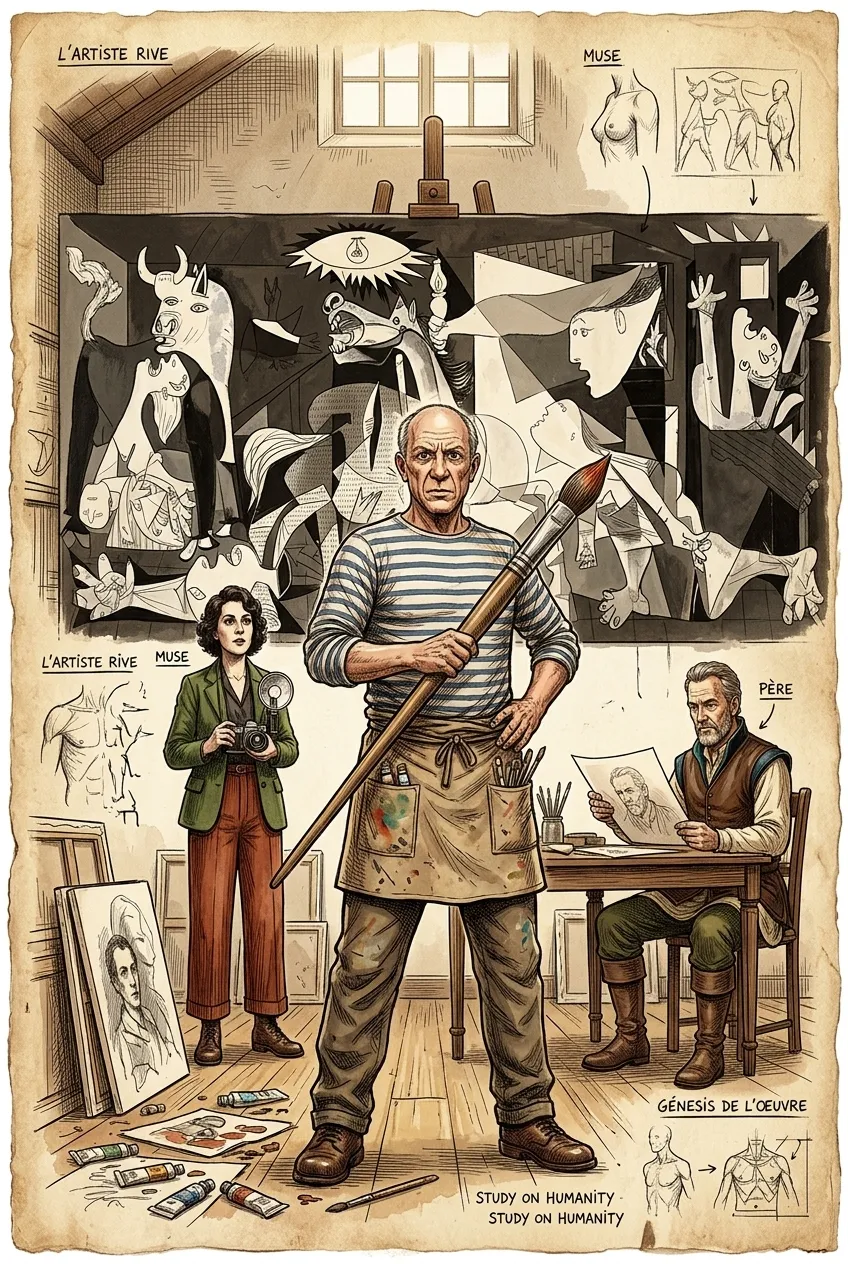
4. Guernica by Pablo Picasso (1937)
Pablo Picasso's Guernica is a powerful anti-war statement, created in response to the bombing of Guernica, a Basque Country town in northern Spain, by Nazi Germany and Fascist Italy at the request of the Spanish Nationalists during the Spanish Civil War. Its stark, Cubist style, monochromatic palette, and fragmented figures convey the suffering and chaos of war. This monumental work has become a universal symbol of peace and a protest against brutality, ensuring its prominent place in global consciousness and art history.
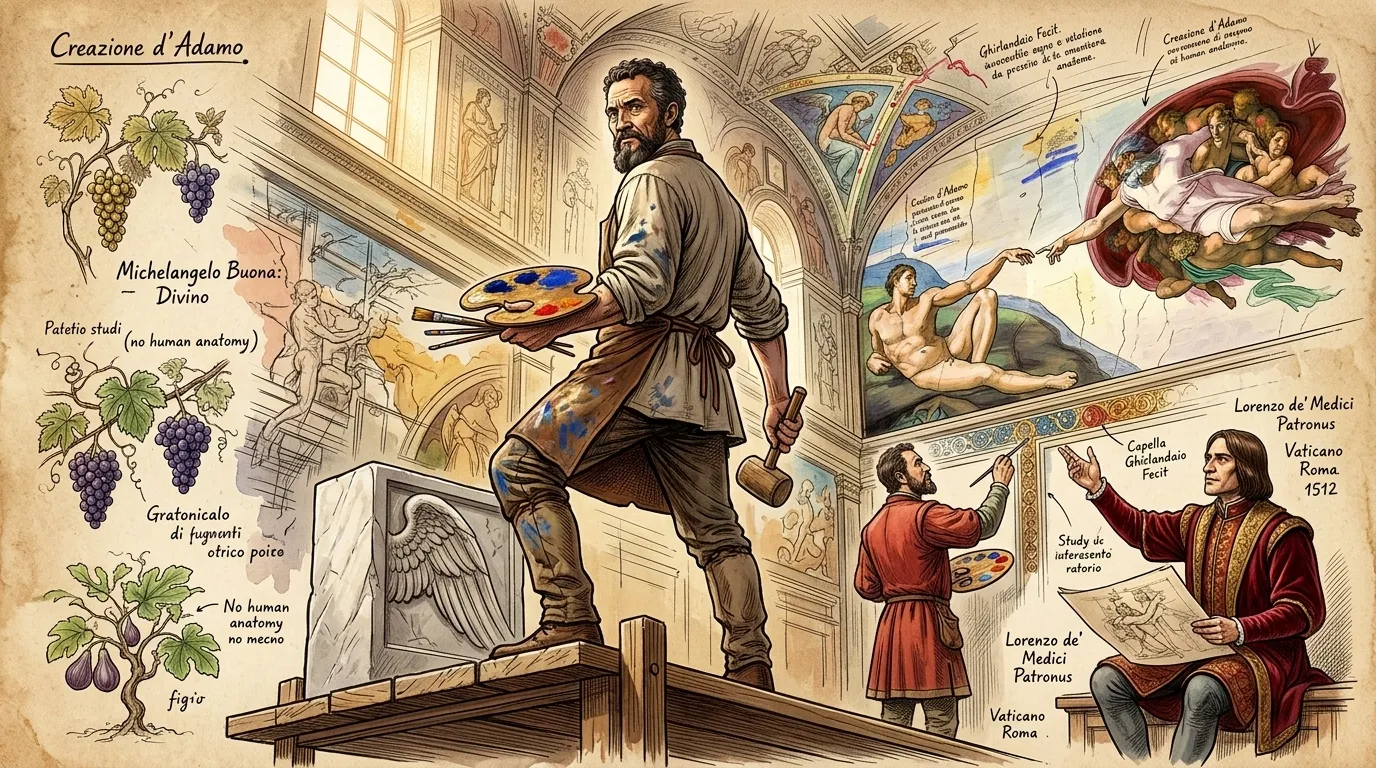
5. The Creation of Adam by Michelangelo (c. 1508-1512)
Part of the Sistine Chapel ceiling in the Vatican City, Michelangelo's The Creation of Adam depicts God giving life to Adam. The iconic image of two hands reaching towards each other has become one of the most famous and frequently parodied motifs in art. Its grandeur, emotional power, and theological significance have cemented its status as a cornerstone of Renaissance art and a universally recognized masterpiece. While not a standalone painting, its prominence within the chapel makes it an undeniable entry on this list. Another significant work from the same period, Pietà by Michelangelo (Vatican City, Rome — 1499), showcases the sculptor's profound skill and emotional depth, reflecting the artistic ferment of the era.
Frequently Asked Questions
What makes a painting 'popular'?
A painting's popularity is often a mix of factors including its historical significance, the artist's renown, its emotional impact, its visual appeal, and how widely it has been reproduced and discussed. Sometimes, a unique story or mystery surrounding the artwork also contributes to its fame.
Are there other important paintings not on this list?
Absolutely. This list focuses on global recognition and cultural impact. Many other incredible paintings, such as Jan van Eyck's Arnolfini Portrait, Johannes Vermeer's Girl with a Pearl Earring, or Gustav Klimt's The Kiss, are also incredibly famous and significant but didn't make this particular top 20 based on the criteria of widespread, almost universal, recognition. The world of art is vast and rich with masterpieces.
How can I learn more about these famous paintings?
Many museums worldwide house these masterpieces, offering opportunities to see them in person. Additionally, numerous art history books, documentaries, and online resources provide in-depth analysis. For an illustrated journey through art history, the Wonder Arts library offers titles like Dutch Golden Age by various masters (Netherlands — c. 1620) and Romanticism Rises by Goya (Europe — c. 1800), providing engaging ways to explore different periods and movements in art.