What are the most famous artifacts in the Egyptian Museum?
The Egyptian Museum holds countless treasures, but a few stand out, including Tutankhamun's Mask, the Narmer Palette, and the Rosetta Stone.
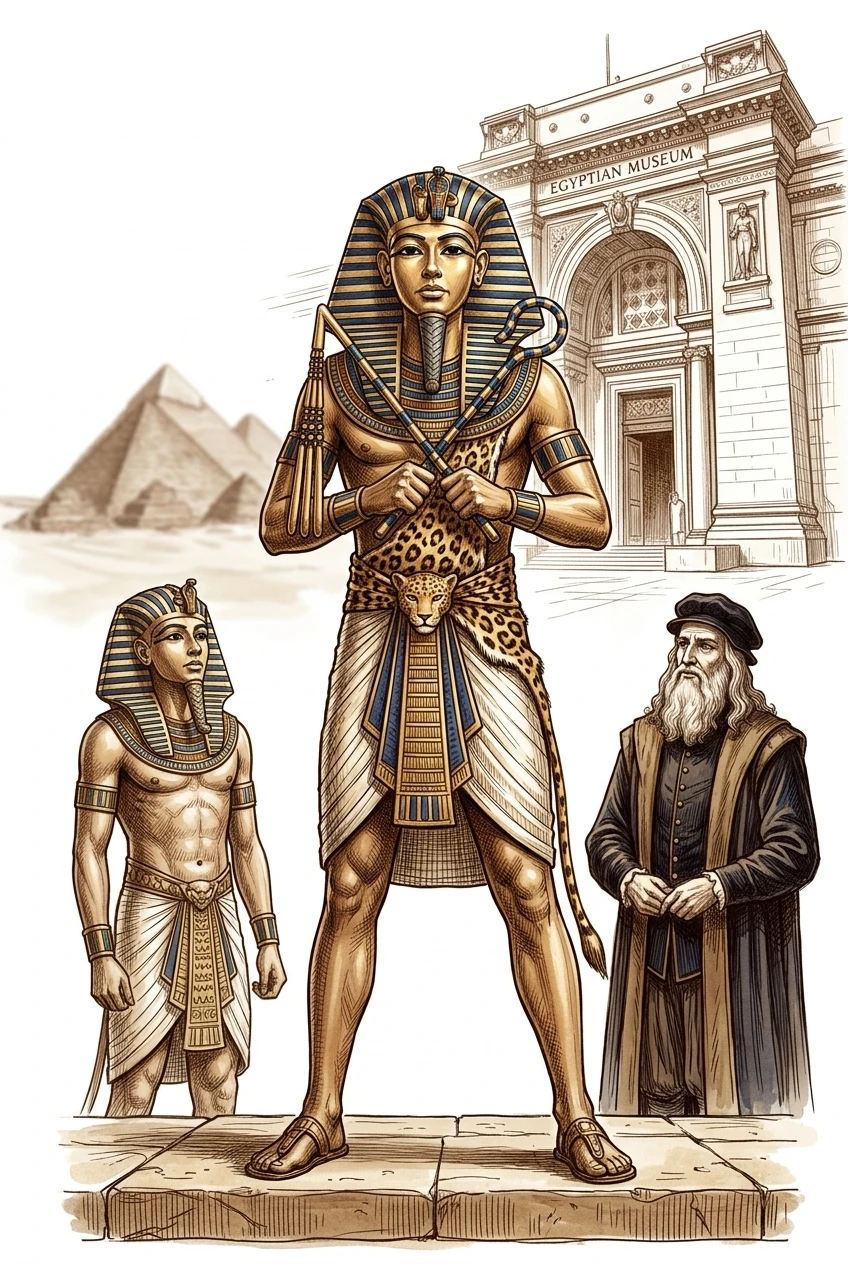
When thinking about the Egyptian Museum, many people conjure images of glittering gold, intricately carved stone, and countless relics from an ancient civilization. It's a place synonymous with discovery and the enduring mystery of pharaohs, pyramids, and powerful deities. The sheer volume of artifacts can be overwhelming, making it difficult to pinpoint the most significant or well-known pieces that truly define the collection.
- The museum is primarily known for items from Tutankhamun's tomb.
- Many believe the Rosetta Stone is housed there.
- People often think all major Egyptian finds are in one place.
- The Bust of Nefertiti is a key exhibit in the Egyptian Museum.
The Mask of Tutankhamun and the Treasures of His Tomb
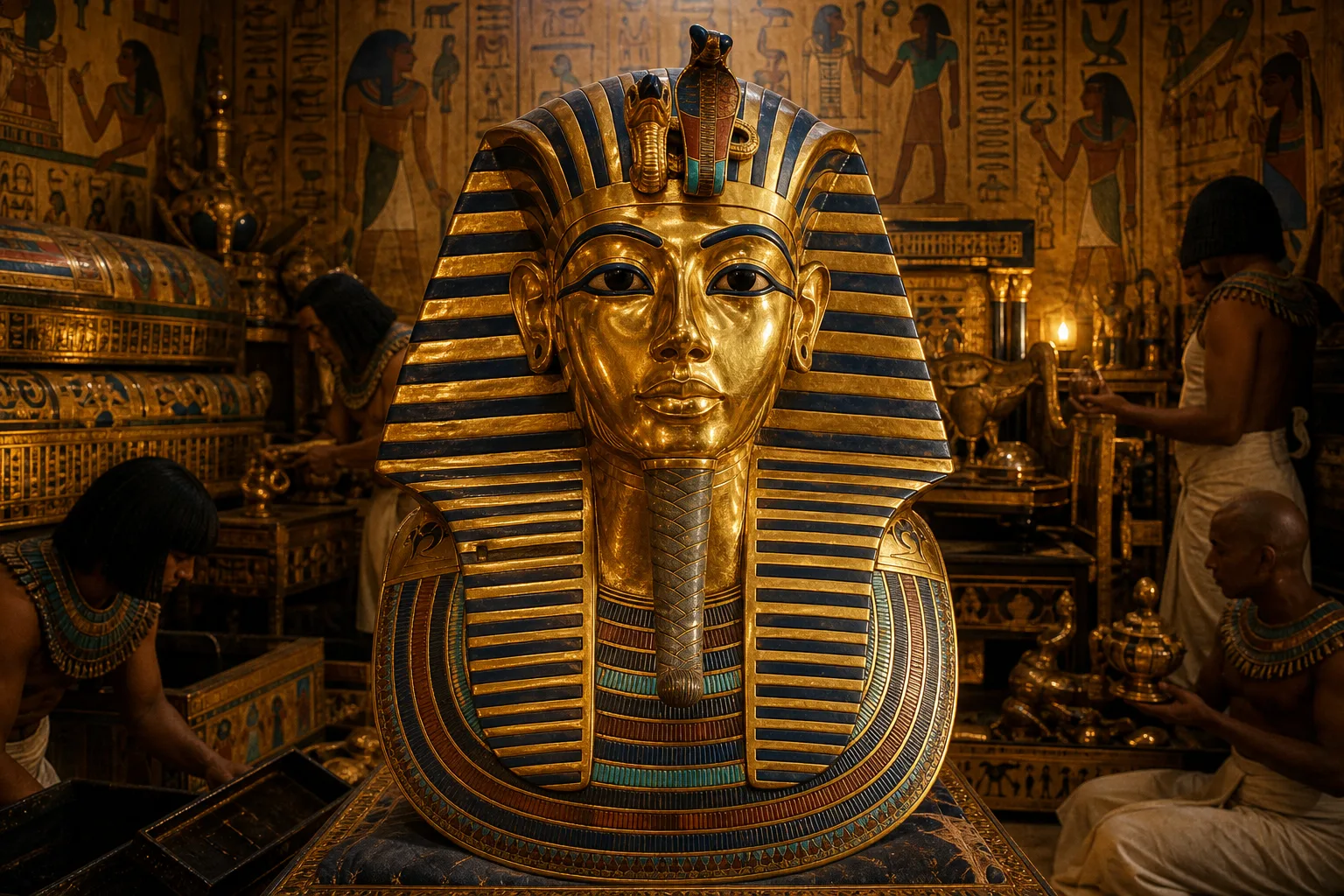
It is largely true that the Egyptian Museum's fame is heavily tied to the incredible treasures recovered from the tomb of the pharaoh Tutankhamun. Discovered in 1922 by Howard Carter, this largely intact tomb yielded thousands of artifacts, many of which are displayed prominently. The undeniable centerpiece is the Mask of Tutankhamun, a breathtaking funerary mask made of solid gold, inlaid with lapis lazuli and other semi-precious stones. This iconic piece, along with his sarcophagi, jewelry, and furniture, paints a vivid picture of royal life and death in ancient Egypt. While these are certainly some of the most famous artifacts, they represent only a fraction of the museum's vast collection, which spans millennia of Egyptian history.
We had found a king, and all his treasure.
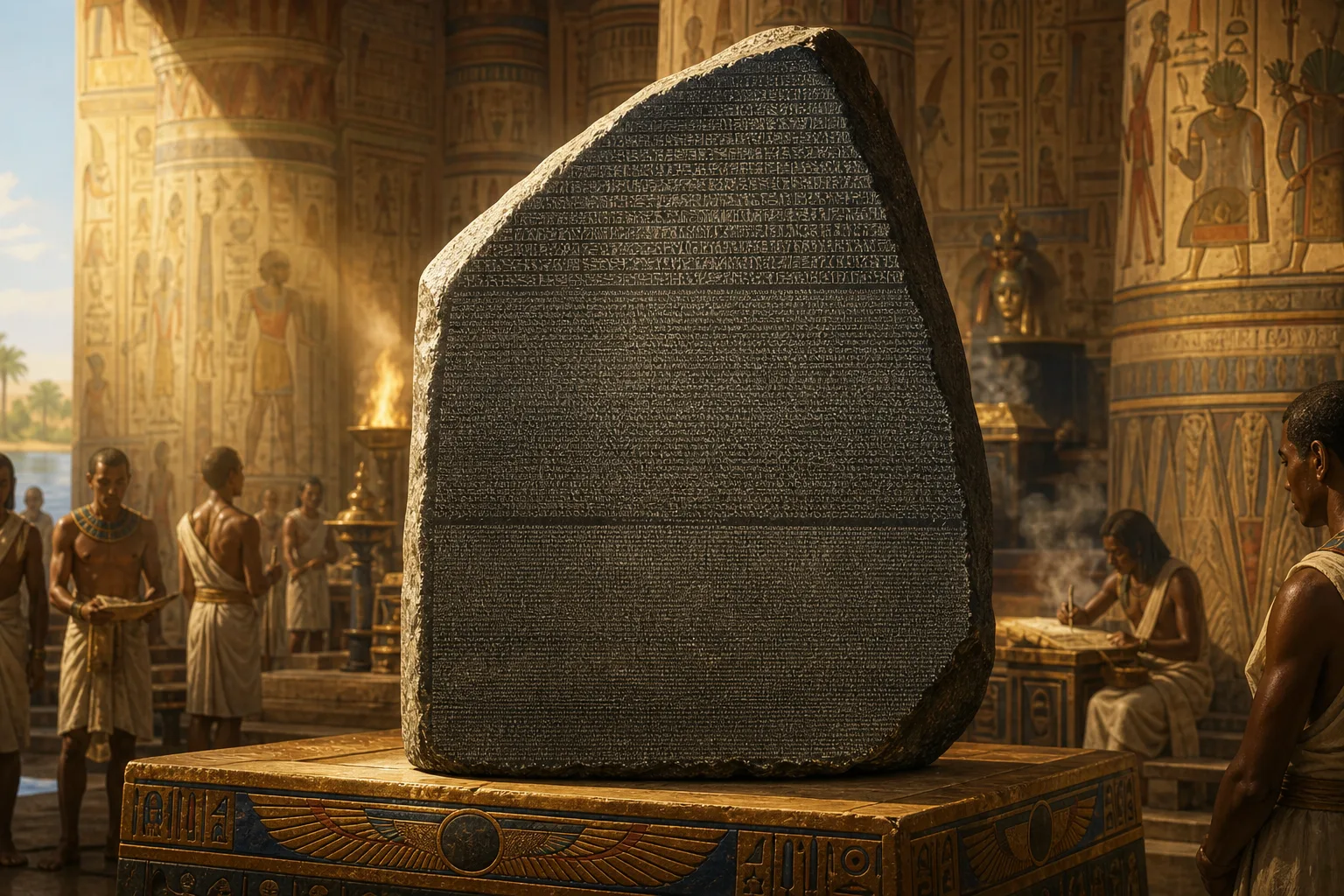
The Rosetta Stone: Found at Rashid
A common misconception is that the Rosetta Stone is a prime exhibit in the Egyptian Museum. While undeniably one of the most crucial artifacts for understanding ancient Egypt, it is not housed there. The Rosetta Stone was discovered in 1799 during Napoleon's Egyptian campaign and has been in the collection of the British Museum in London since 1802. Its significance lies in its trilingual inscription, which provided the key to deciphering Egyptian hieroglyphs, unlocking centuries of previously unreadable texts. Its story, however, is a fascinating one, and you can explore its discovery and impact with the Wonder Egypt story The Rosetta Stone: Found at Rashid.
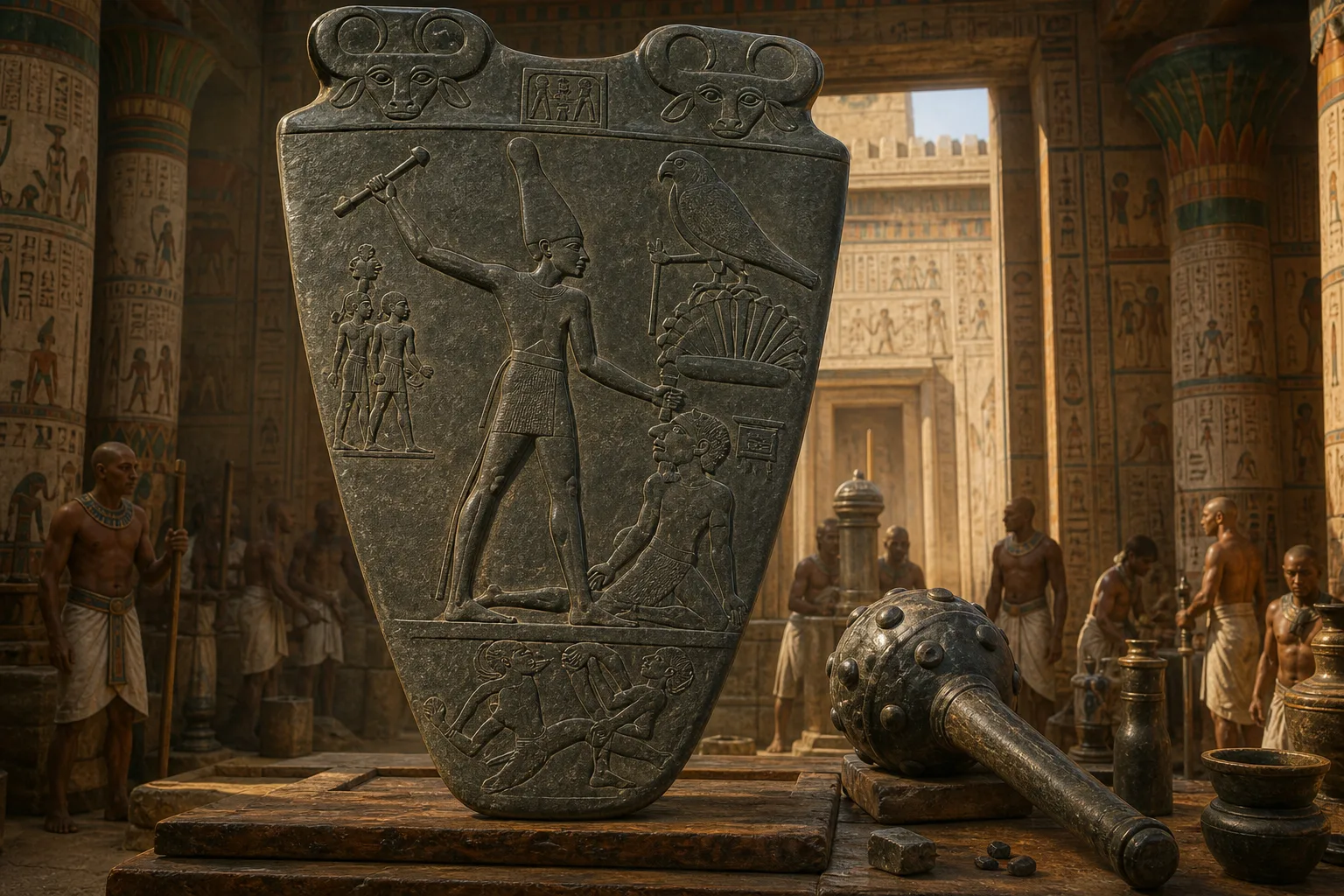
The Narmer Palette and Early Dynastic Art
Among the truly iconic pieces that are housed in the Egyptian Museum is The Narmer Palette. This ancient cosmetic palette, dating back to around 3100 BCE, is considered one of the earliest historical documents in the world. It depicts the unification of Upper and Lower Egypt under King Narmer, making it a crucial artifact for understanding the very beginnings of pharaonic rule. Its detailed carvings offer insights into early Egyptian art, religious beliefs, and political structure, predating many of the more famous New Kingdom treasures by over a thousand years. Its presence underscores the museum's comprehensive coverage of Egyptian history, not just its most glittering periods.
Beyond the Gold: Other Treasures and Where to Find Them
While Tutankhamun's artifacts certainly draw crowds, the Egyptian Museum (and indeed, other major collections worldwide) holds many other artifacts of immense historical and artistic value. For instance, The Bust of Nefertiti, a masterpiece of ancient Egyptian art, is not in Cairo but in the Neues Museum in Berlin. Other significant artifacts found in the Egyptian Museum include The Seated Scribe, a remarkably lifelike statue, and objects from the Karnak Cachette, a vast hoard of statues and offerings. The Papyrus of Ani, a beautifully illustrated Book of the Dead, offers insights into ancient Egyptian beliefs about the afterlife. For those interested in the broader scope of Egyptian history and its artifacts, exploring resources like the Wonder Egypt collection can offer deeper insights into these and many other wonders, such as The Amarna Letters or The Colossi of Memnon. The museum's collection is constantly being re-evaluated and re-displayed, with many objects now moving to the Grand Egyptian Museum (GEM) near the Giza pyramids, promising new ways to experience these ancient marvels. You can discover more about ancient Egypt and its rich history at Wonder Egypt.
What to Remember About Egyptian Museum Treasures
The Egyptian Museum in Cairo is home to an unparalleled collection of ancient Egyptian artifacts, with the treasures of Tutankhamun's tomb being arguably the most famous. However, the museum's significance extends far beyond these gold objects, encompassing pieces like The Narmer Palette that illuminate the very origins of Egyptian civilization. It's important to remember that not every famous Egyptian artifact is in Cairo; some, like the Rosetta Stone or The Bust of Nefertiti, reside in other major museums around the world, contributing to a global understanding of this ancient culture. The ongoing transition to the Grand Egyptian Museum will also reshape how these incredible pieces are presented to the public.
Frequently Asked Questions
Is the Egyptian Museum in Cairo the only place to see major Egyptian artifacts?
No, while the Egyptian Museum (and soon the Grand Egyptian Museum) holds the largest collection, many significant Egyptian artifacts are housed in museums globally, including the British Museum in London and the Neues Museum in Berlin. These international collections offer diverse perspectives on ancient Egyptian culture.
What is the Grand Egyptian Museum (GEM)?
The Grand Egyptian Museum, often called the GEM, is a new, much larger museum located near the Giza pyramids. It is designed to house a vast number of artifacts, including the complete Tutankhamun collection, and aims to provide a more modern and comprehensive visitor experience. Many items from the old Egyptian Museum are being transferred there.
How many artifacts are in the Egyptian Museum's collection?
The Egyptian Museum in Cairo houses over 120,000 artifacts, spanning thousands of years of ancient Egyptian history. This vast collection includes everything from monumental statues to intricate jewelry, papyri, and everyday objects, making it one of the most comprehensive collections of its kind in the world.