What are the 20 Visual Arts?
While there isn't a universally agreed-upon list of exactly 20 visual arts, they generally encompass fine arts, decorative arts, and contemporary forms.
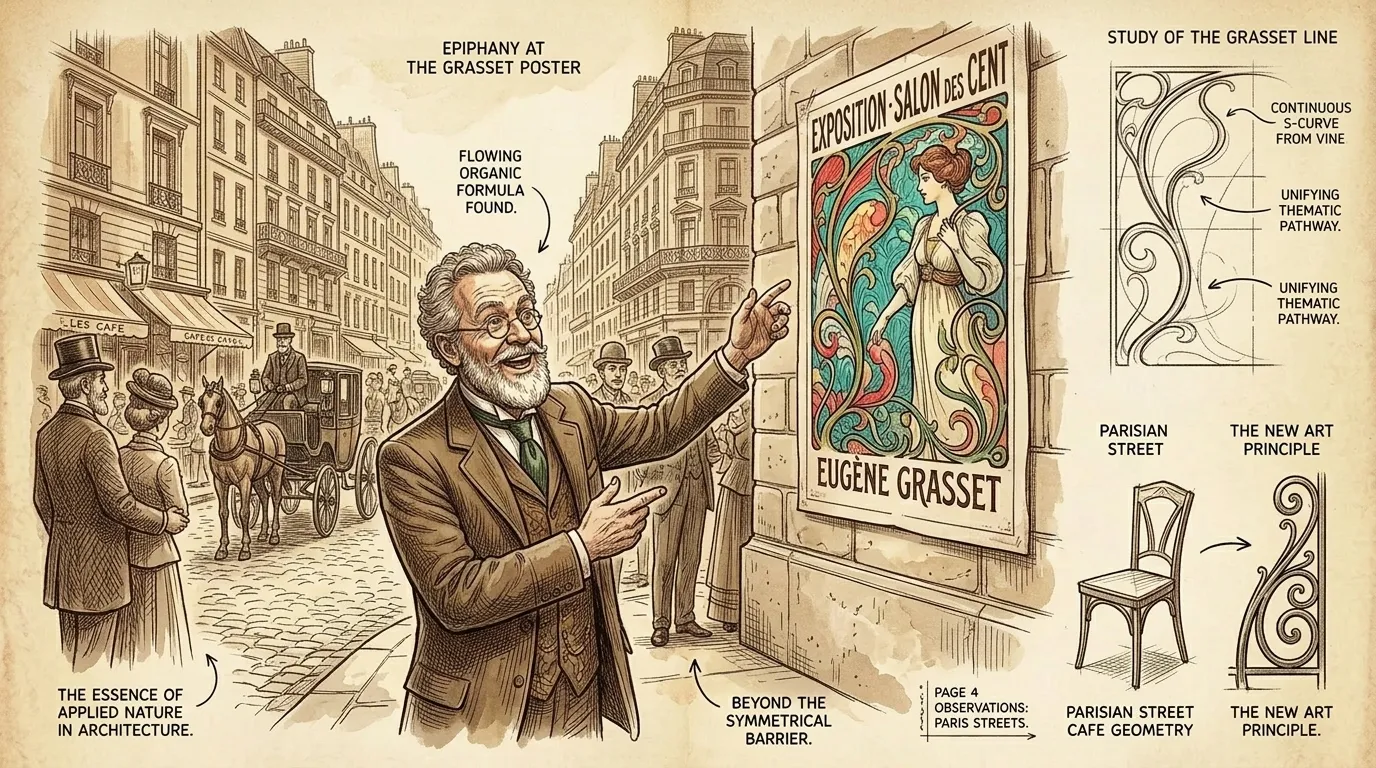
The question of listing exactly 20 visual arts highlights a common desire to categorize and understand the vast world of creative expression. While no single, definitive list of precisely 20 visual arts exists, the field broadly covers traditional fine arts like painting and sculpture, applied arts such as architecture and design, and newer media like photography and digital art. These categories often overlap and evolve, reflecting human ingenuity across centuries and cultures.
The Core Disciplines: Painting, Sculpture, and Architecture
At the heart of the visual arts lie painting, sculpture, and architecture. These forms have been practiced for millennia, shaping civilizations and reflecting societal values. Painting uses color and line on a surface to create images, ranging from abstract compositions to realistic portraits. Sculpture involves shaping materials into three-dimensional forms, like the classical marble figures or modern installations. Architecture, often considered both an art and a science, designs and constructs buildings and other physical structures. Consider the monumental Burj Khalifa in Dubai, a towering example of modern architectural ambition, or the enduring legacy of the Forbidden City in Beijing, which showcases centuries of intricate design and construction.
Expanding the Canvas: Drawing, Printmaking, and Photography
Beyond the foundational three, other significant visual arts include drawing, printmaking, and photography. Drawing is fundamental to many artistic practices, using lines and marks to create images. Printmaking involves transferring an image from a matrix onto another surface, allowing for multiples of an artwork. Photography, emerging in the 19th century, captures images through light, revolutionizing how we record and perceive the world. These mediums often serve as preparatory steps for larger works or stand as complete artistic expressions in themselves. For instance, the detailed sketches of figures found in the Vatican City, Rome, that led to works like The Creation of Adam by Michelangelo, demonstrate the power of drawing, while early photographic techniques paved the way for the vivid realism seen in works like Rain, Steam and Speed by J.M.W. Turner, even if that particular painting predates widespread photography, it evokes a similar sense of captured movement.
Applied and Decorative Arts: Crafting Beauty and Function
The visual arts also encompass a range of applied and decorative arts, where aesthetics meet functionality. These include ceramics, textile arts (like weaving and embroidery), jewelry design, graphic design, interior design, and fashion design. While often serving a practical purpose, these disciplines involve significant artistic skill and aesthetic consideration. Think of the elaborate tapestries and furnishings within the Palace of Versailles, where decorative arts elevate functional objects into works of beauty. Even more broadly, the design principles applied to objects in daily life, from a simple chair to a complex user interface, are part of this expansive category. Many forms of art contribute to our visual culture, often intertwining in unexpected ways.
Art enables us to find ourselves and lose ourselves at the same time.
Contemporary and Interdisciplinary Forms: New Expressions
In the modern era, the definition of visual arts has expanded to include contemporary and interdisciplinary forms. These embrace video art, installation art, performance art (when visually oriented), digital art, animation, and even street art. These newer forms often challenge traditional boundaries, incorporating technology, audience participation, and diverse materials. For example, the dynamic and immersive experiences offered by digital art or the site-specific creations of installation artists represent the cutting edge of visual expression. The evolving nature of art means that new forms are constantly emerging, blurring lines and pushing creative boundaries, inviting viewers to engage with art in novel ways. The story of art is continuously being written, with each new medium offering fresh perspectives and possibilities for expression, much like the diverse narratives found in Wonder Arts' collection of illustrated stories.
Why Categorizing Visual Arts Matters
While an exact count of 20 visual arts might be elusive, the act of categorization helps us appreciate the breadth and depth of human creativity. Understanding these various forms allows us to better analyze artistic movements, historical contexts, and cultural influences. From the ancient wonders like the estimated Colossus of Rhodes to the emotional depth of Pietà by Michelangelo, each art form offers a unique lens through which to view the world and express human experience. It also helps us recognize that art is not static; it is a living, breathing entity that adapts and evolves with society. Exploring these different classifications can deepen our appreciation for the skill, vision, and thought behind every piece of art, whether it's a painting, a sculpture, or a digital creation. The sheer variety underscores that visual arts are fundamental to how we communicate, interpret, and enrich our lives, making them a cornerstone of human culture across all ages and regions, from the The Taj Mahal in India to the Empire State Building in New York City. You can explore more about different art forms, including A Burial at Ornans by Gustave Courbet (France — 1849) and others, to see how artists use diverse mediums.
Frequently Asked Questions
Are 'fine arts' and 'visual arts' the same thing?
No, 'fine arts' is a subset of 'visual arts.' Fine arts traditionally refer to art forms primarily created for aesthetic or intellectual expression, such as painting, sculpture, and drawing. Visual arts encompass a much broader range, including fine arts, applied arts, decorative arts, and contemporary media like photography and digital art.
Why is architecture considered a visual art?
Architecture is considered a visual art because it involves the aesthetic design and construction of structures that are experienced visually and spatially. Architects use principles of composition, form, texture, and light to create environments that are not only functional but also evoke emotions and convey cultural meaning, much like a sculpture or painting.
Do performing arts count as visual arts?
Performing arts, such as dance, theater, and music, are distinct from visual arts because their primary mode of expression is through performance over time, rather than through static visual objects. However, some forms of performance art or set design for performing arts can have strong visual elements, blurring the lines between the categories.