The Four Seasons by Antonio Vivaldi (Venice, Italy — 1725)
The Four Seasons by Antonio Vivaldi (Venice, Italy — 1725) — an illustrated arts story, set in Italy. 10 illustrated pages, free to read on Wonder Arts.
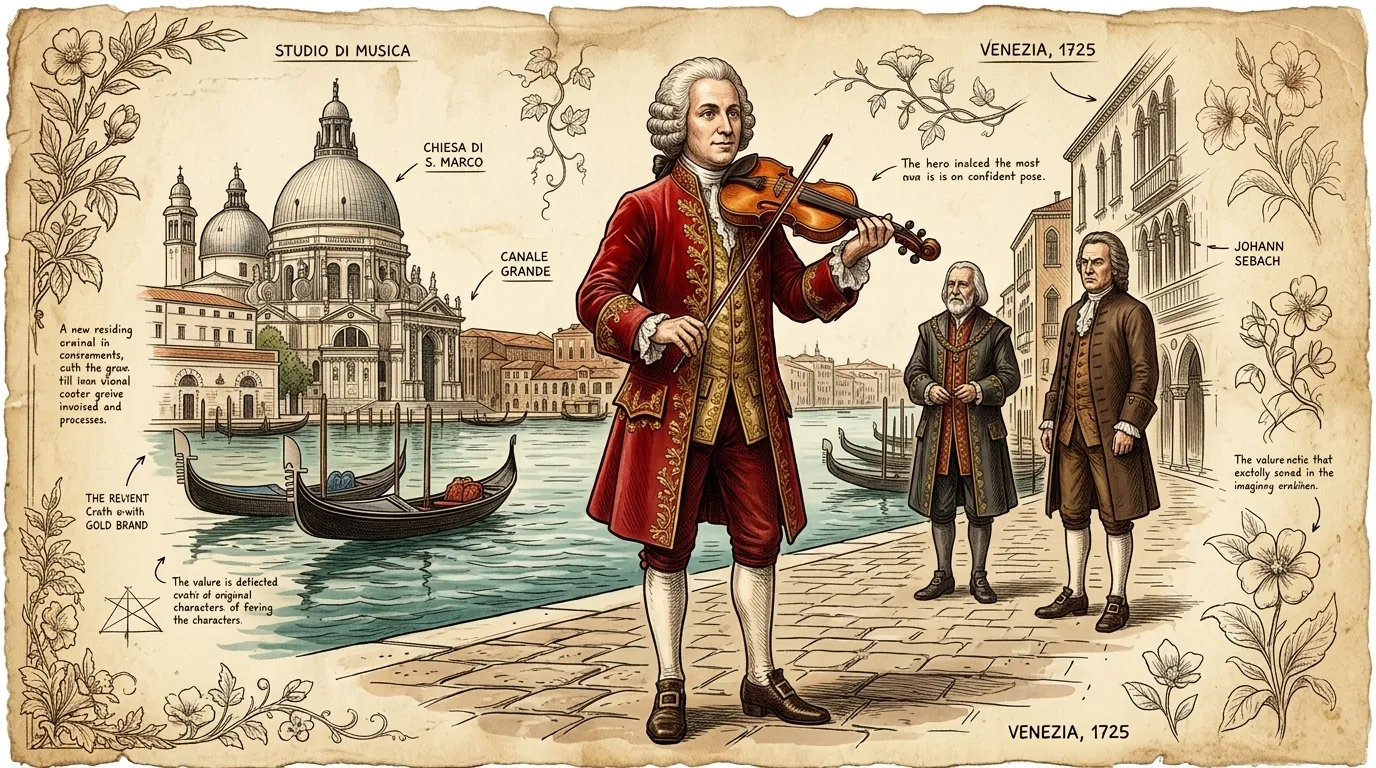
Page 1
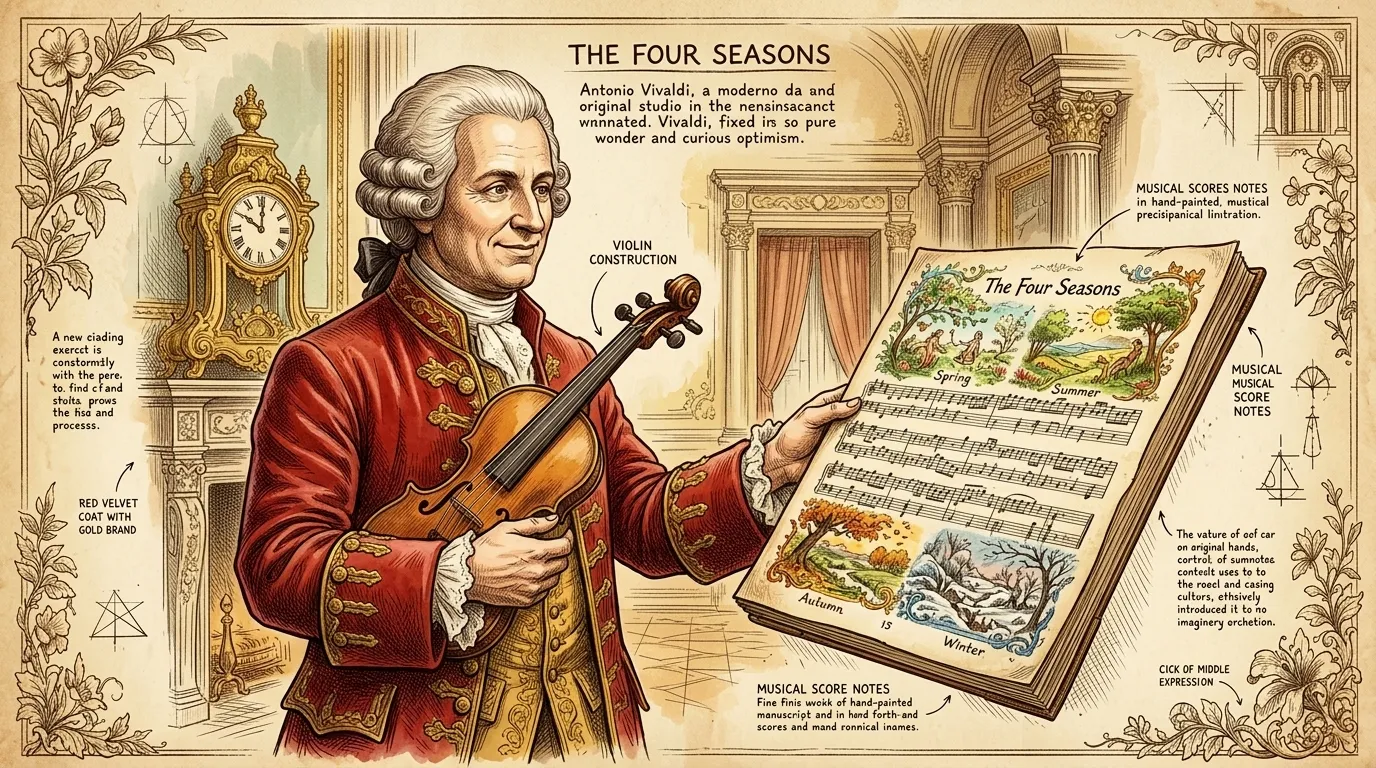
Antonio Vivaldi, standing before his masterpiece, The Four Seasons, in Venice, 1725. Each concerto, a vibrant painting in sound, captured the essence of spring, summer, autumn, and winter. The collection, each concerto about 40 minutes, remains one of the most popular pieces of Baroque music ever composed, each movement evoking vivid imagery.
""These melodies," Vivaldi mused, his gaze sweeping across the painted manuscript, "are the voice of nature itself.""
Art Fact: Vivaldi's The Four Seasons, composed in 1725, is a set of four violin concertos, each giving musical expression to a season of the year. Its enduring popularity has made it a cornerstone of classical music.
Page 2
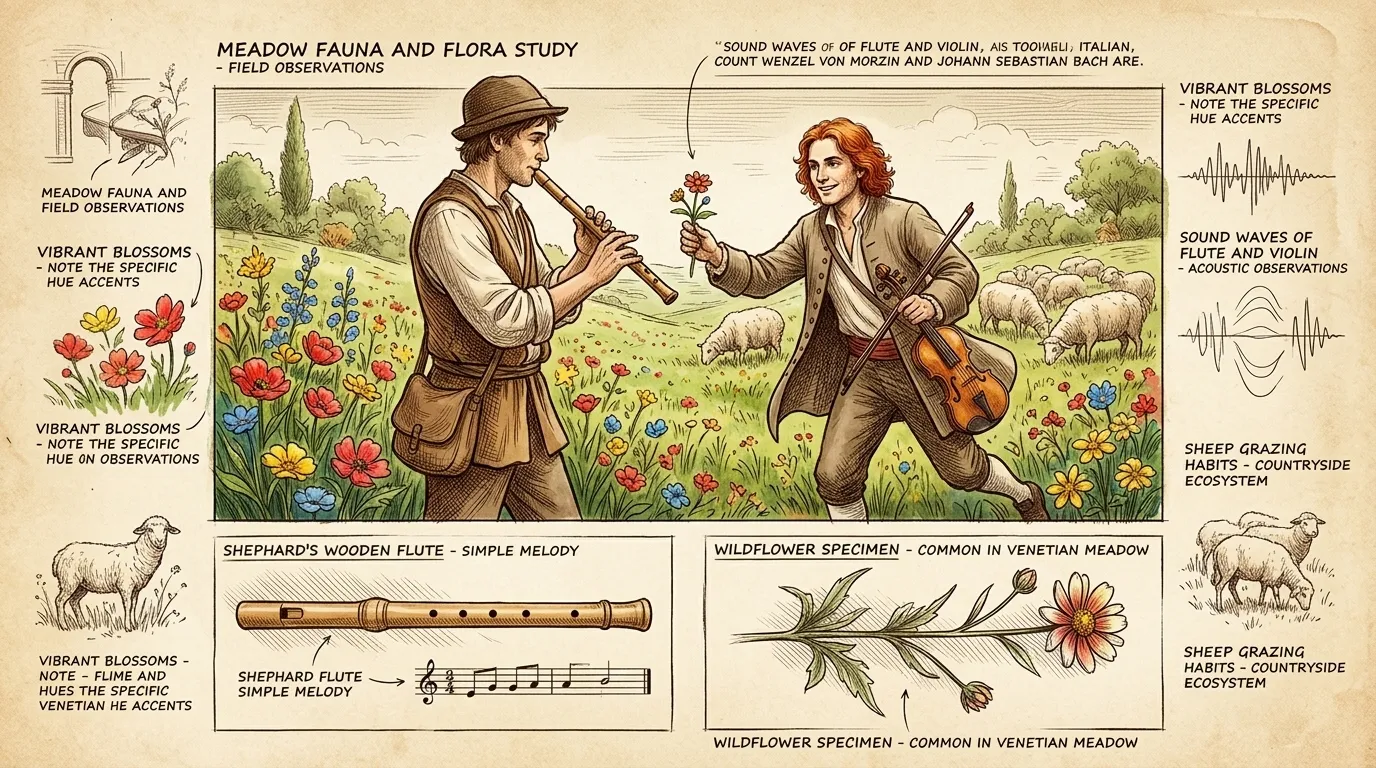
Young Vivaldi, a fiery redhead, visited the Venetian countryside. The vibrant colors of the blooming meadows, alive with the sound of birdsong, filled his senses. A local shepherd, tending his flock, played a simple tune on his flute, its melody echoing through the valley. This scene became the inspiration for the 'Spring' concerto.
""Maestro," the shepherd said, handing Vivaldi a wildflower, "listen to the music of the earth. It speaks to those who understand.""
Art Fact: The 'Spring' concerto's opening movement, 'Allegro,' bursts with the energy and joy of nature's awakening, mirroring the sounds of birds, streams, and gentle breezes.
Page 3
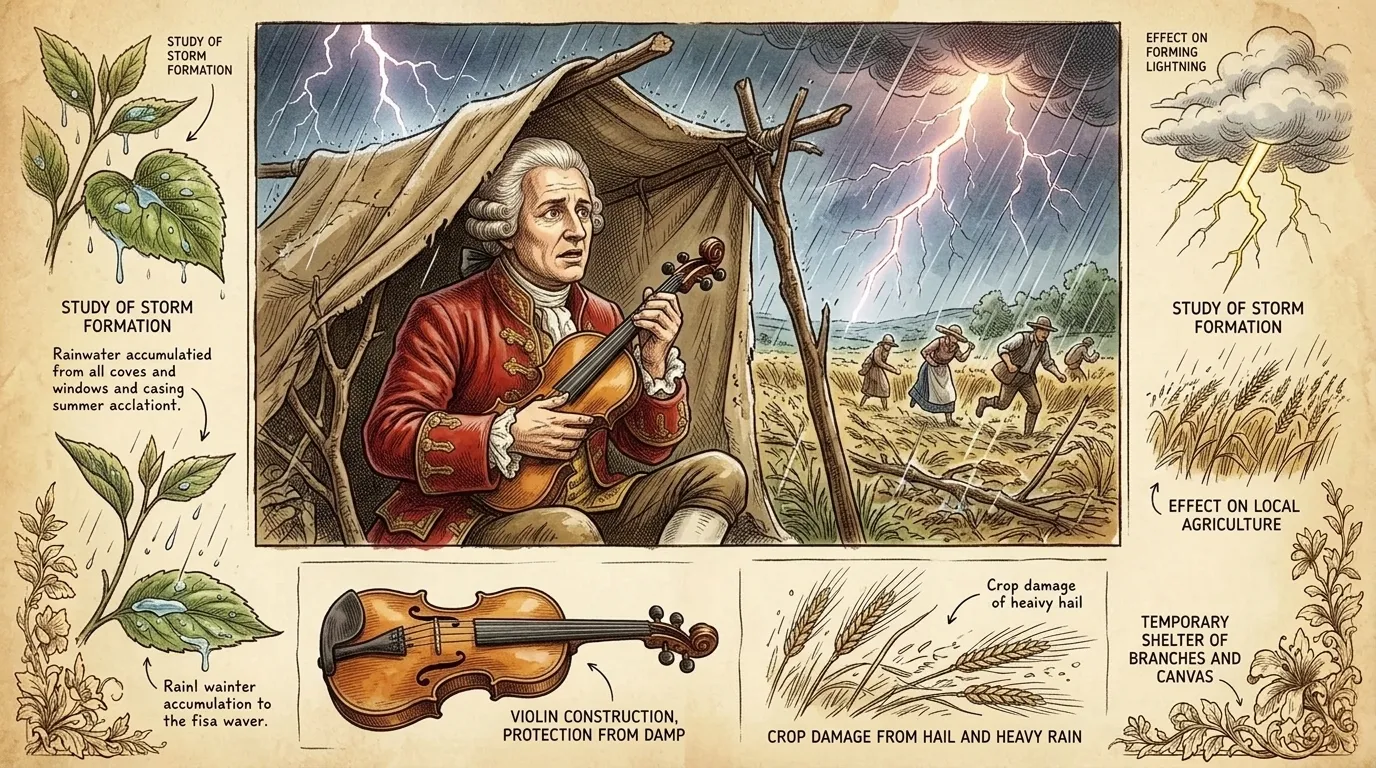
Vivaldi found himself caught in a summer storm, the relentless sun replaced by crashing thunder and blinding rain. Farmers sought shelter, their crops battered by the tempest. From this experience, he crafted the intense, dramatic movements of the 'Summer' concerto, a testament to nature's raw power.
""Nature," Vivaldi thought, huddled under a makeshift shelter, "is not always gentle. It can be a force of destruction as well as beauty.""
Art Fact: The 'Summer' concerto vividly depicts the scorching heat, sudden thunderstorms, and the overall intensity of the summer season in the Venetian region.
Page 4
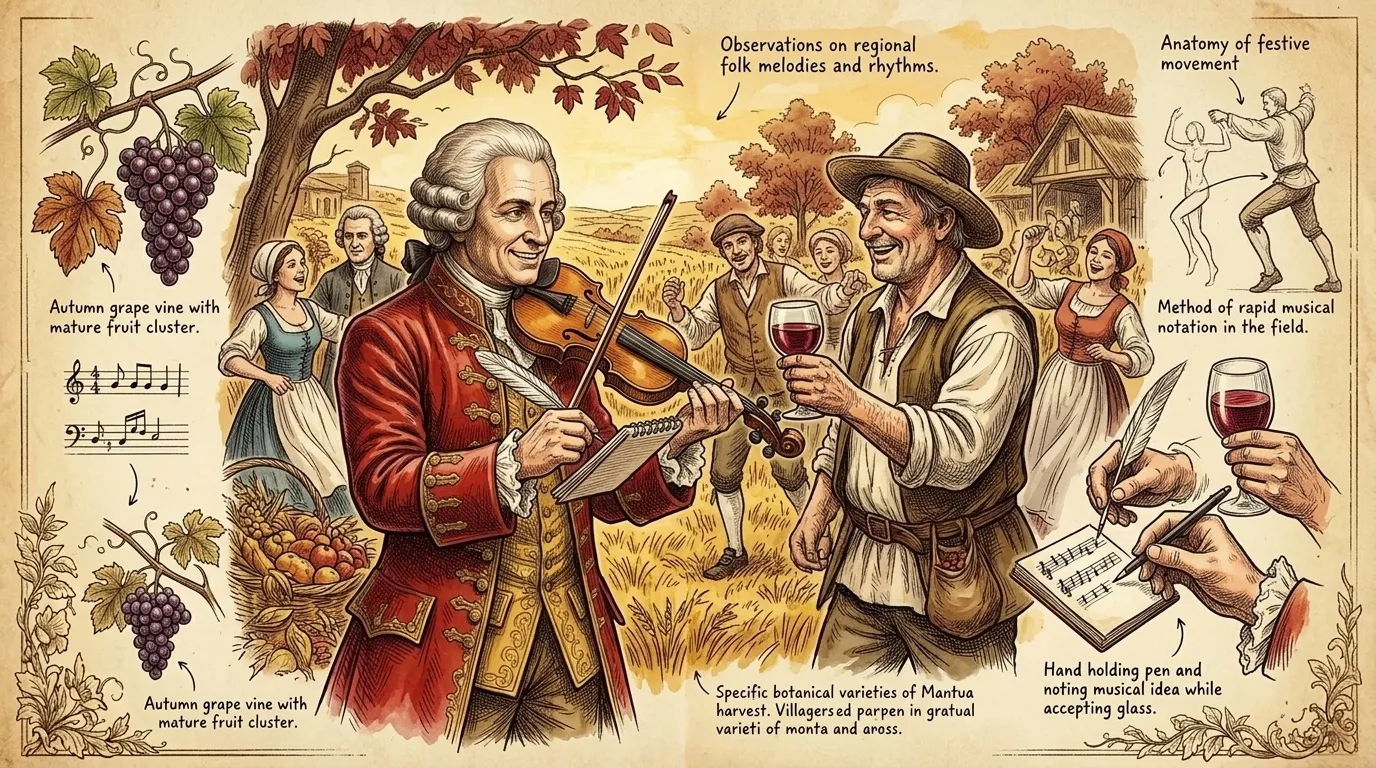
Visiting a harvest festival near Mantua, Vivaldi witnessed the celebration of the season's bounty. Villagers danced and sang, their faces flushed with wine and laughter. The colors of autumn – gold, red, and brown – filled his vision, inspiring the joyful, rustic melodies of the 'Autumn' concerto. He jotted down notes, capturing the spirit of the revelry.
"A jovial farmer offered Vivaldi a glass of wine, saying, "Maestro, drink! Celebrate the fruits of our labor!""
Art Fact: The 'Autumn' concerto evokes images of the harvest season, with its cheerful melodies, rustic dances, and the overall celebratory atmosphere.
Page 5
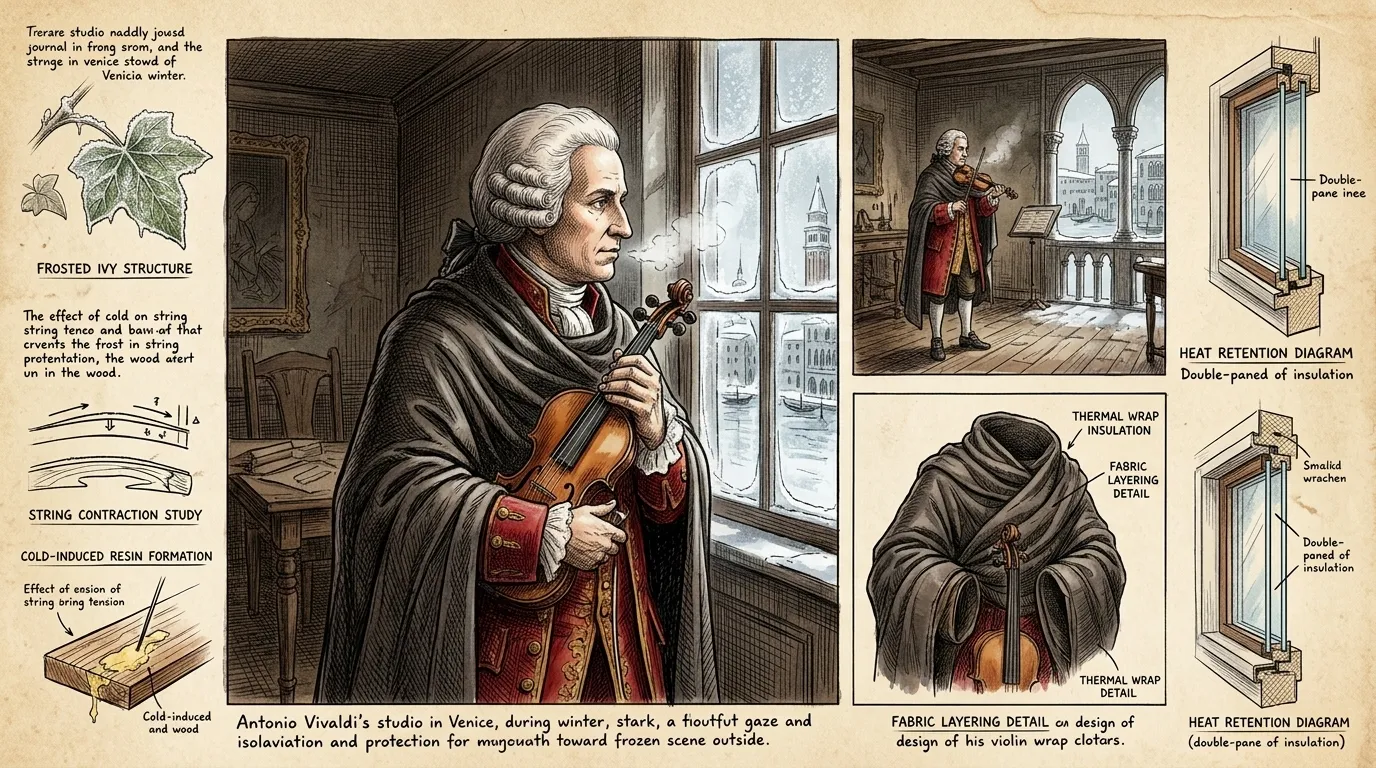
Confined to his studio during a harsh Venetian winter, Vivaldi felt the bite of the cold. He imagined the frozen landscape, the biting wind, and the shivering bodies of those exposed to the elements. This isolation and stark imagery fueled the creation of the 'Winter' concerto, a haunting portrait of nature's most unforgiving season.
""Winter's chill," Vivaldi muttered, his breath misting in the cold air, "is a stark reminder of our vulnerability.""
Art Fact: The 'Winter' concerto portrays the harshness of the season with its depiction of shivering figures, biting winds, and the overall sense of isolation and cold.
Page 6
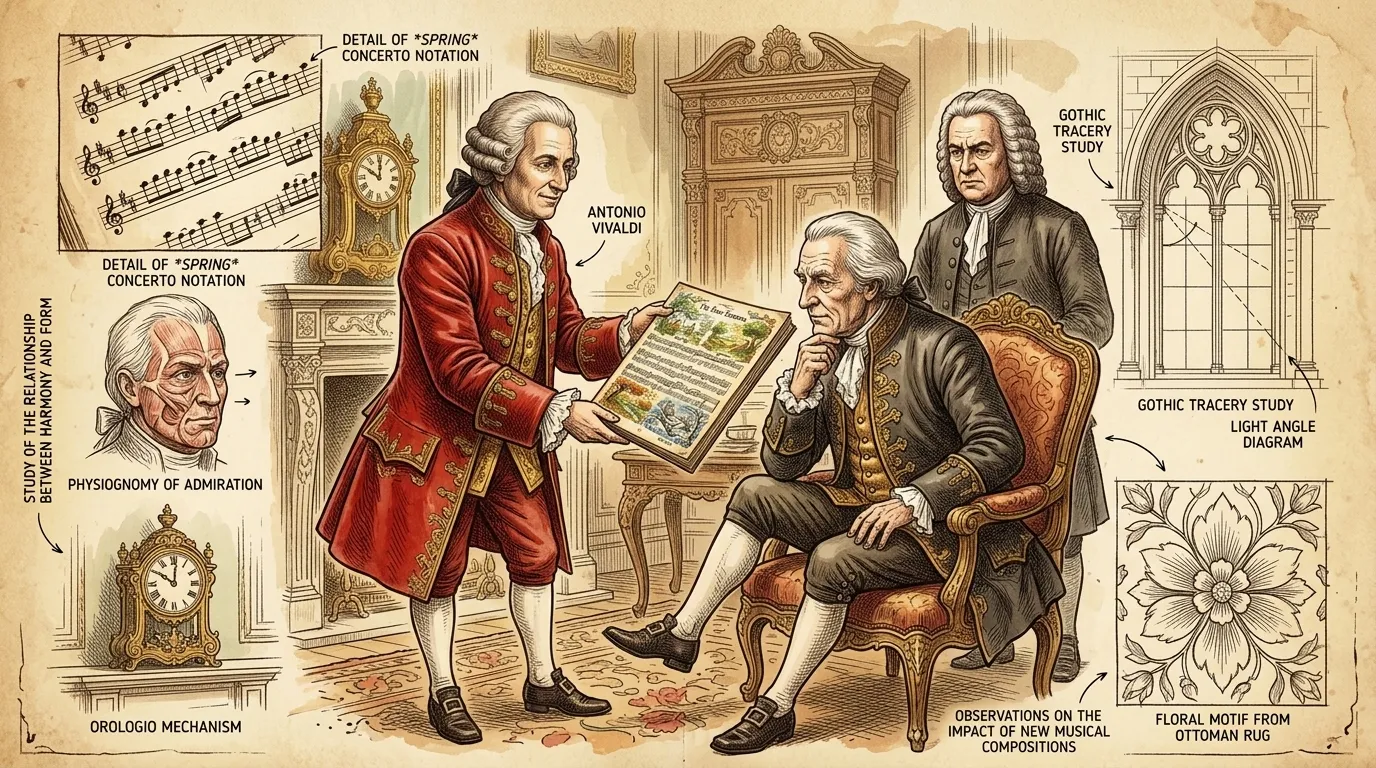
Vivaldi presented The Four Seasons to Count Wenzel von Morzin, a nobleman known for his patronage of the arts. The count, initially skeptical of the composer's novel approach, was soon captivated by the vibrant imagery and emotional depth of the music. His endorsement opened doors for Vivaldi's work to be performed across Europe.
""Maestro Vivaldi," Count Morzin declared, "your music is a revelation! It paints pictures with sound!""
Art Fact: Count Wenzel von Morzin's patronage played a crucial role in the dissemination and popularization of Vivaldi's The Four Seasons.
Page 7
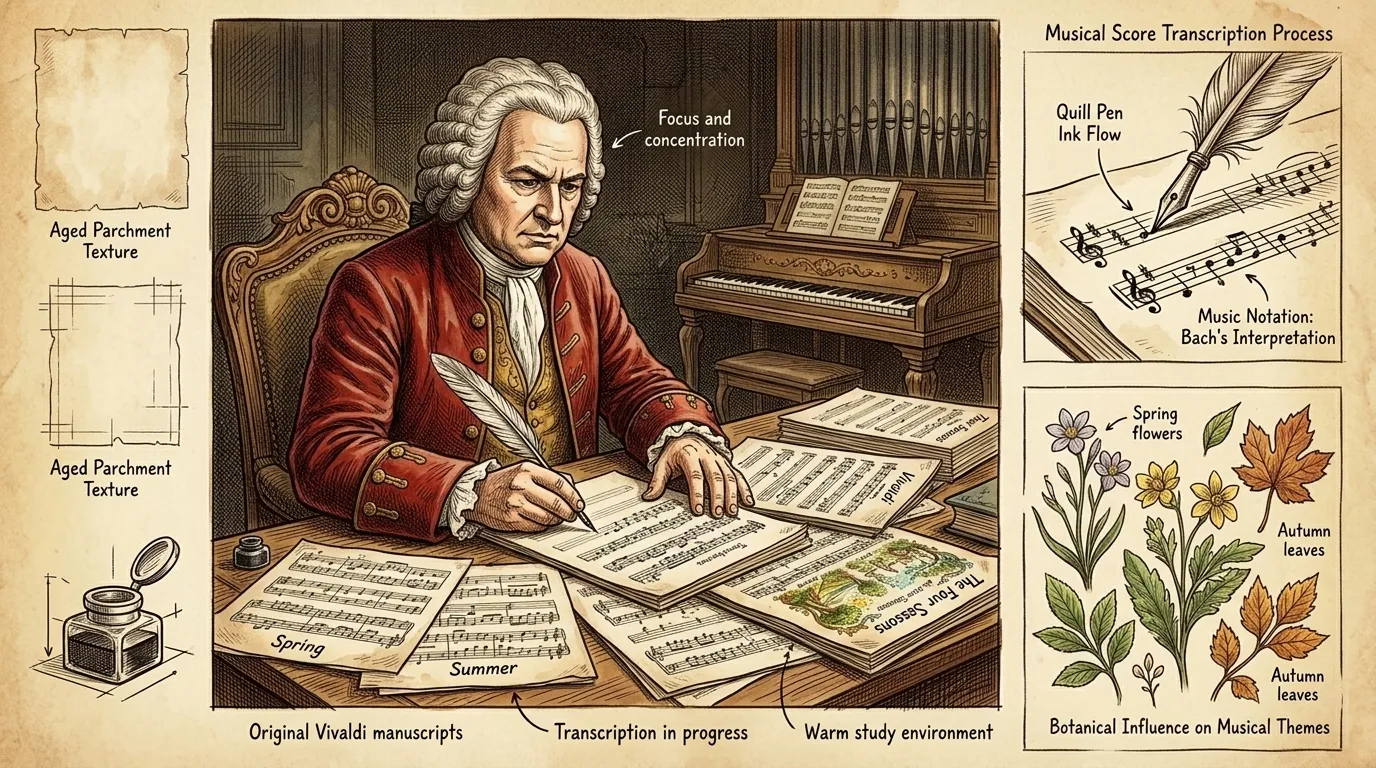
News of Vivaldi's innovative work reached Johann Sebastian Bach. Bach, a master of counterpoint and harmony, studied The Four Seasons intensely, transcribing several of the concertos for keyboard. This act of admiration solidified Vivaldi's place in the pantheon of great composers. The respect between them was known throughout Europe.
"Bach, upon completing his transcription, remarked, "Vivaldi's genius lies in his ability to capture the essence of life itself in his music.""
Art Fact: Johann Sebastian Bach's transcription of The Four Seasons highlights the importance and influence of Vivaldi's work in the development of Baroque music.
Page 8
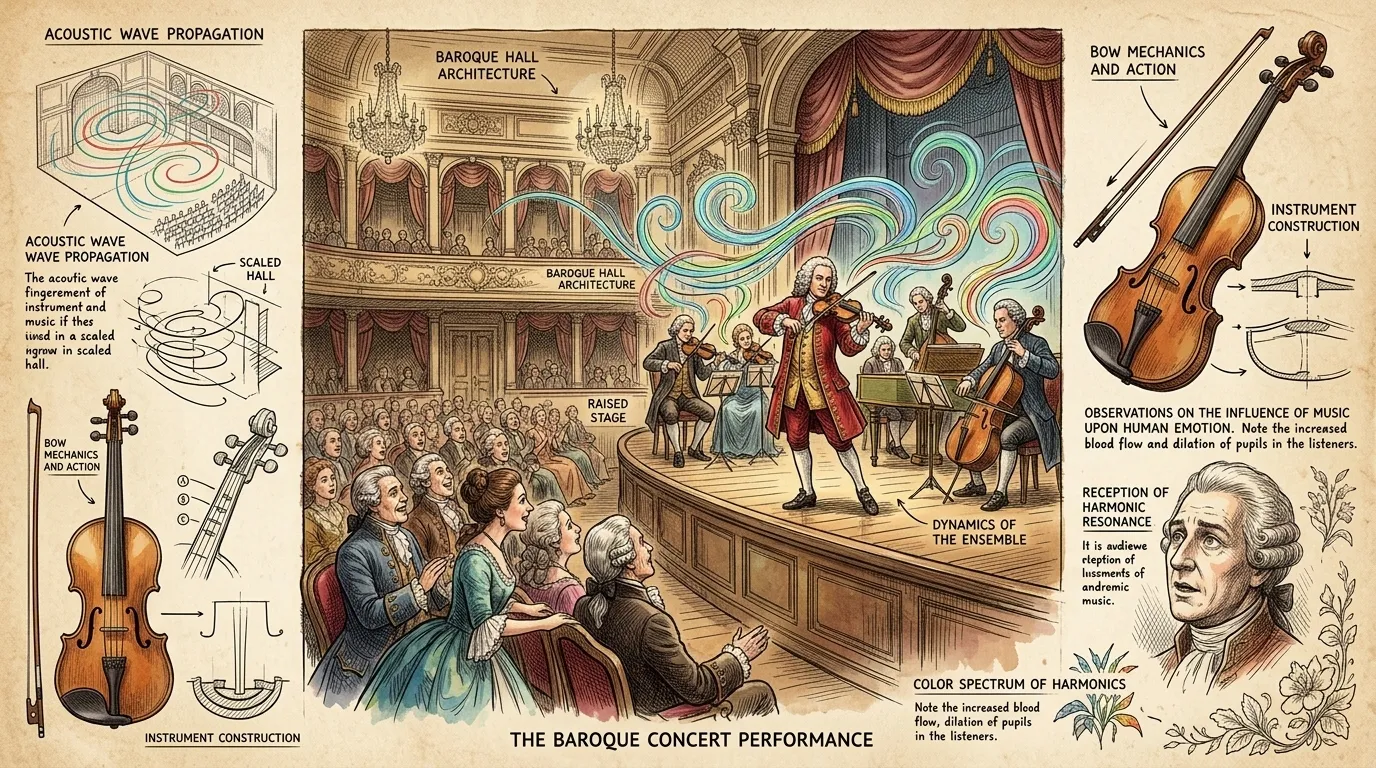
Decades after Vivaldi's death, The Four Seasons was rediscovered, captivating audiences with its timeless beauty and emotional depth. Performances of the concertos became increasingly popular, ensuring the composer's legacy would endure for centuries to come.
"As Vivaldi wrote: 'There is no remedy for love but to love more,' and thus it is with music – there is no remedy but to listen more."
Art Fact: The rediscovery of The Four Seasons and its subsequent popularity cemented Vivaldi's reputation as one of the most important composers of the Baroque era.
Page 9
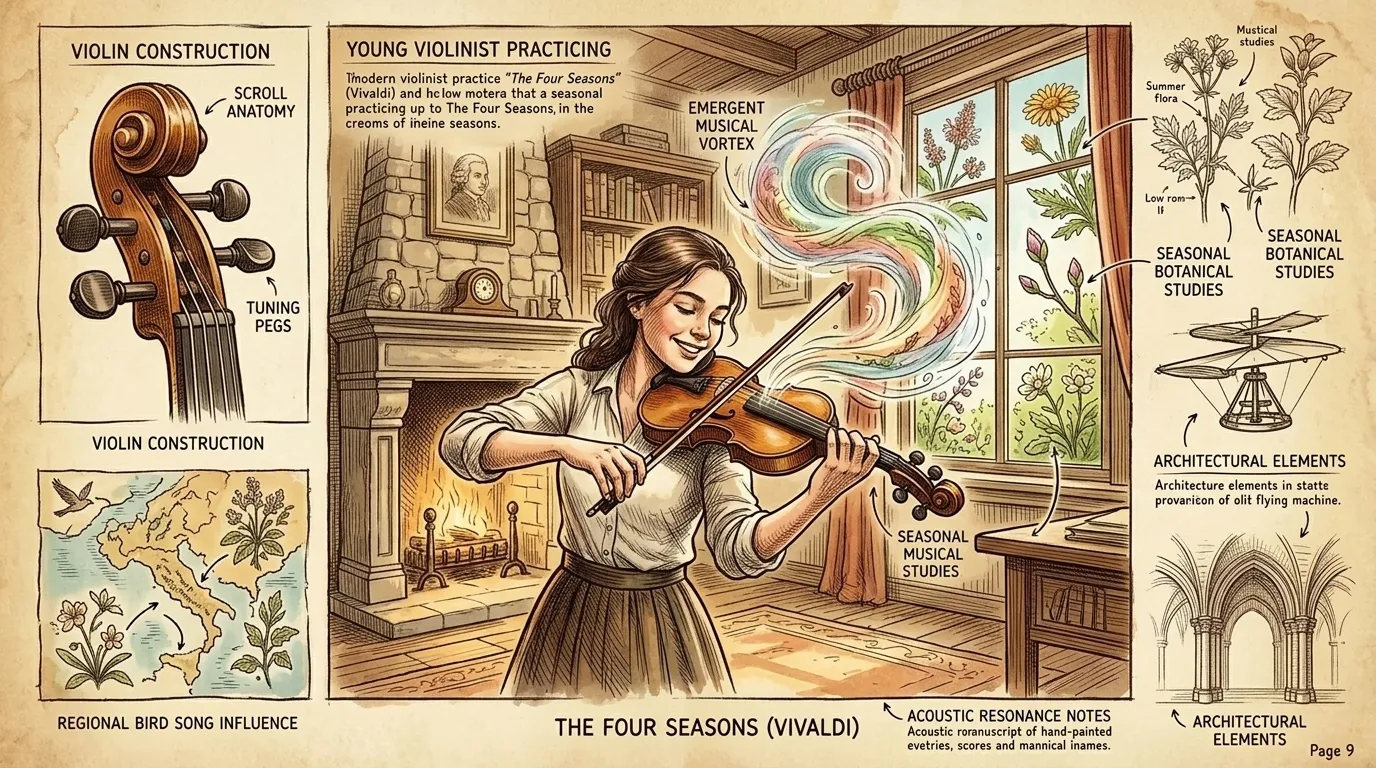
Today, The Four Seasons remains a beloved masterpiece, performed and enjoyed by millions around the world. Its vibrant melodies continue to evoke the beauty and power of nature, reminding us of the enduring genius of Antonio Vivaldi. The music transcended the borders of Venice.
"A young violinist, practicing The Four Seasons, exclaimed, "This music is alive! It speaks to me across the centuries!""
Art Fact: The Four Seasons continues to inspire musicians and audiences alike, serving as a testament to the power of music to transcend time and culture.
Page 10
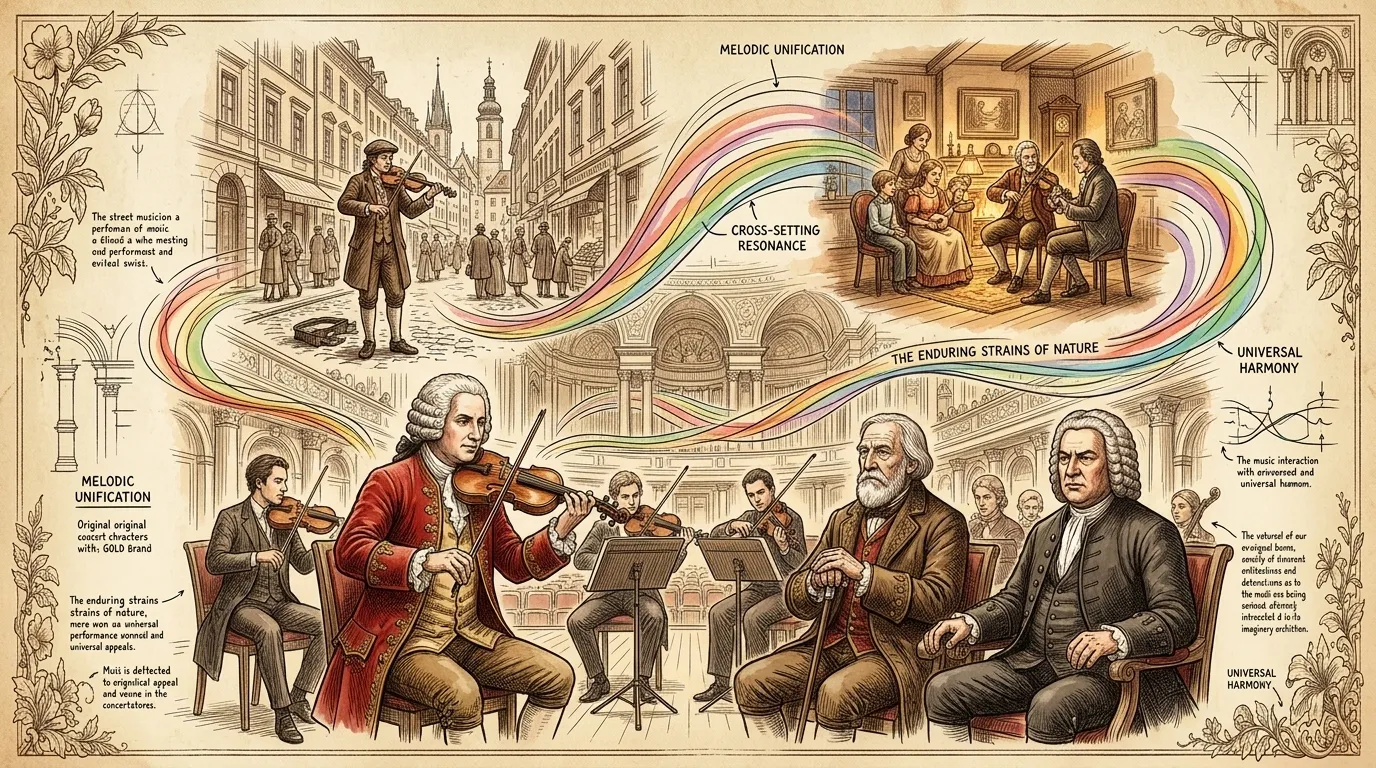
Vivaldi's The Four Seasons is performed countless times each year. From concert halls to street corners, its melodies echo through time. His music survives because, like the seasons themselves, it speaks to the universal human experience of change, growth, and renewal. His artistry is a mirror of the human soul, as true today as it was centuries ago.
""His legacy," a music historian says, "is not just a collection of notes, but a window into the soul of nature itself.""
Art Fact: The legacy of The Four Seasons endures, captivating audiences worldwide with its timeless beauty and vivid depiction of the natural world.
About this story
- Location: Italy
- Audience: general readers
Questions and answers
Questions and answers about The Four Seasons by Antonio Vivaldi (Venice, Italy — 1725)
Read Wonder Arts on your phone
Wonder Arts is available on Android and iPhone and iPad. Get Wonder Arts on Google Play · Get Wonder Arts on the App Store.
More Wonder Arts stories
- The Garden of Earthly Delights by Hieronymus Bosch (Madrid, Spain — c. 1505)
- The Gleaners by Jean-François Millet (Paris, France — 1857)
- The Great Wall of China (Northern China — 7th Century BC–1644 AD)
- The Gulf Stream by Winslow Homer (USA — 1899)
- The Hay Wain by John Constable (London, UK — 1821)
- The Horse Fair by Rosa Bonheur (Paris, France — 1853)