The Cuban Missile Crisis
Thirteen days in October 1962 when the world came closest to nuclear war, ended by a negotiated settlement 10 illustrated pages, narrated, free to read on Wonder History.
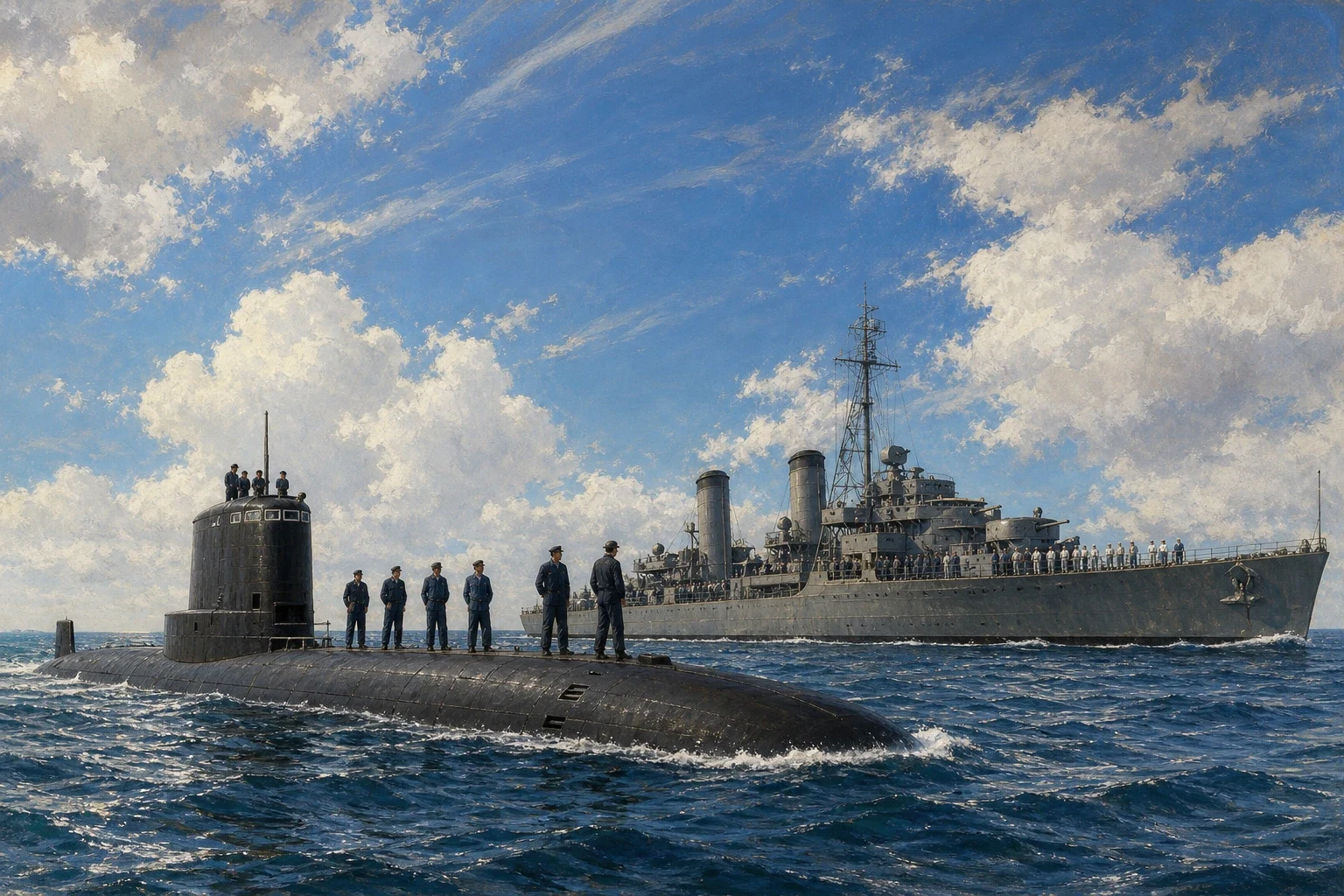
Page 1
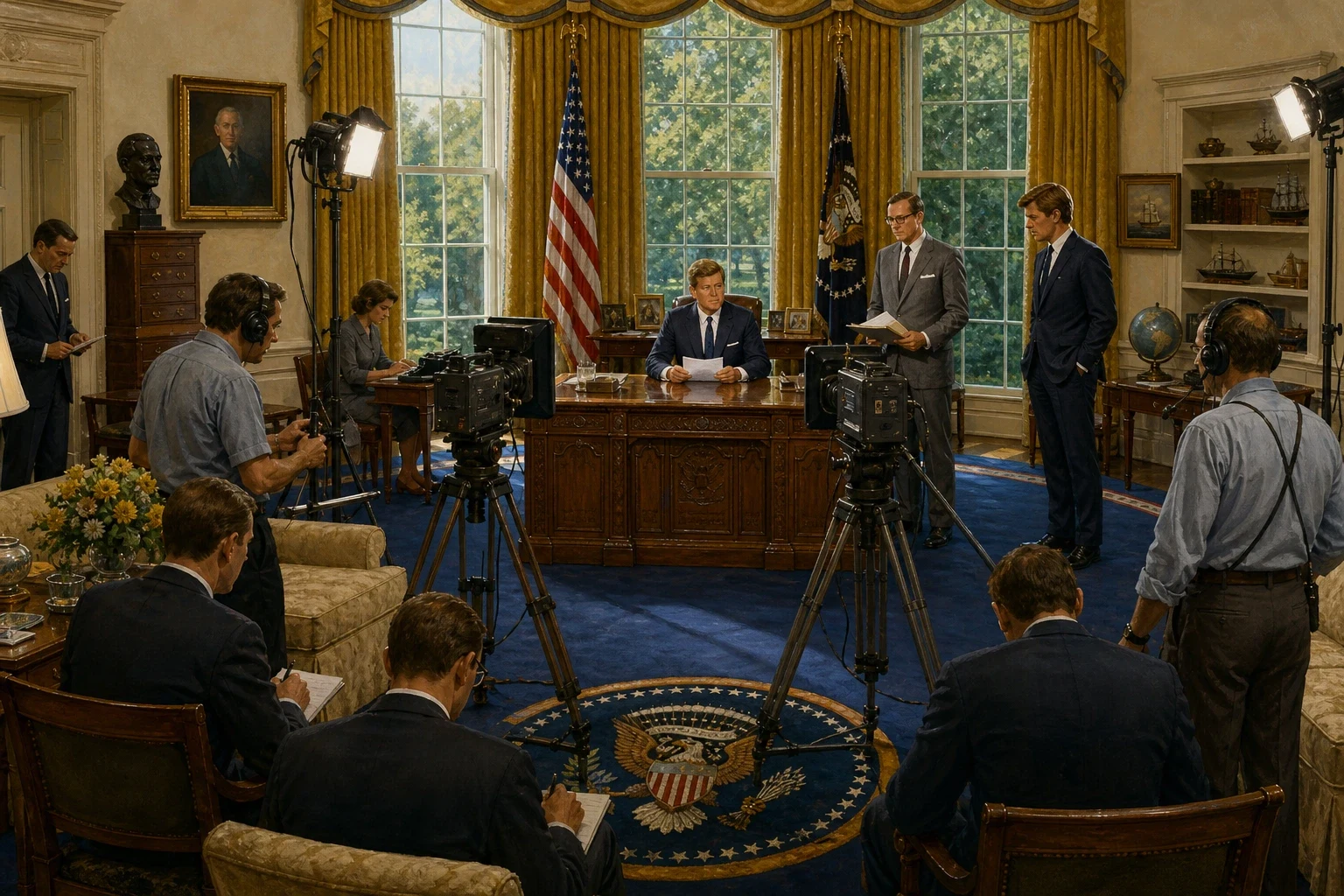
It is 7:00 p.m. on 22 October 1962. In the Oval Office in Washington, D.C., President John F. Kennedy sits at the Resolute desk before television cameras and tells the nation that Soviet offensive missiles are being installed in Cuba. He announces a naval quarantine of the island. His brother Robert F. Kennedy, the Attorney General, and Robert McNamara, the Secretary of Defense, have helped shape the decision over the past week. Soviet Ambassador Anatoly Dobrynin has been told only shortly before the broadcast. In Moscow, Premier Nikita Khrushchev awaits the text. In Havana, Prime Minister Fidel Castro has put Cuban forces on alert. Adlai Stevenson, U.S. Ambassador to the United Nations, will carry the American case to New York. Within days, Soviet submariner Vasili Arkhipov and U-2 pilot Major Rudolf Anderson will stand at the sharpest edge of the crisis.
Page 2
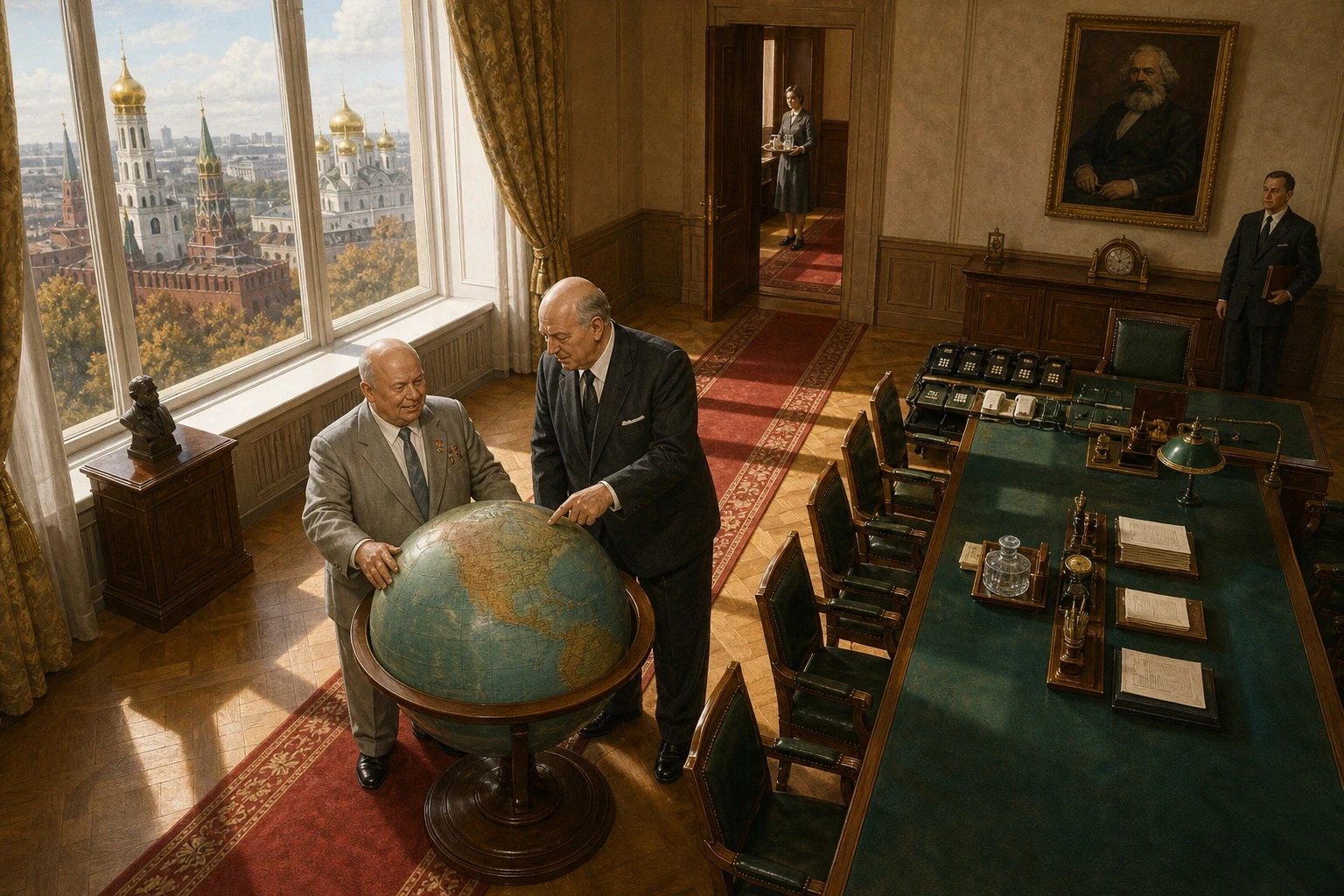
Autumn 1962 finds the Cold War at one of its tensest points. The Soviet Union and the United States each hold nuclear arsenals, and Europe is divided, with the Berlin Wall standing since August 1961. In Cuba, Fidel Castro's revolution took power in January 1959 and has since moved close to Moscow. In April 1961, a CIA-backed landing of Cuban exiles at the Bay of Pigs collapsed within days, a bitter defeat for Kennedy's young administration. Castro expects the United States to try again. Meanwhile the United States has deployed Jupiter missiles in Italy and Turkey, within range of Soviet territory, and holds a clear lead in long-range nuclear weapons. In Moscow, Nikita Khrushchev, head of the Communist Party and the Soviet government, watches Washington with deep suspicion. Both leaders answer to military commanders and political critics at home.
Page 3
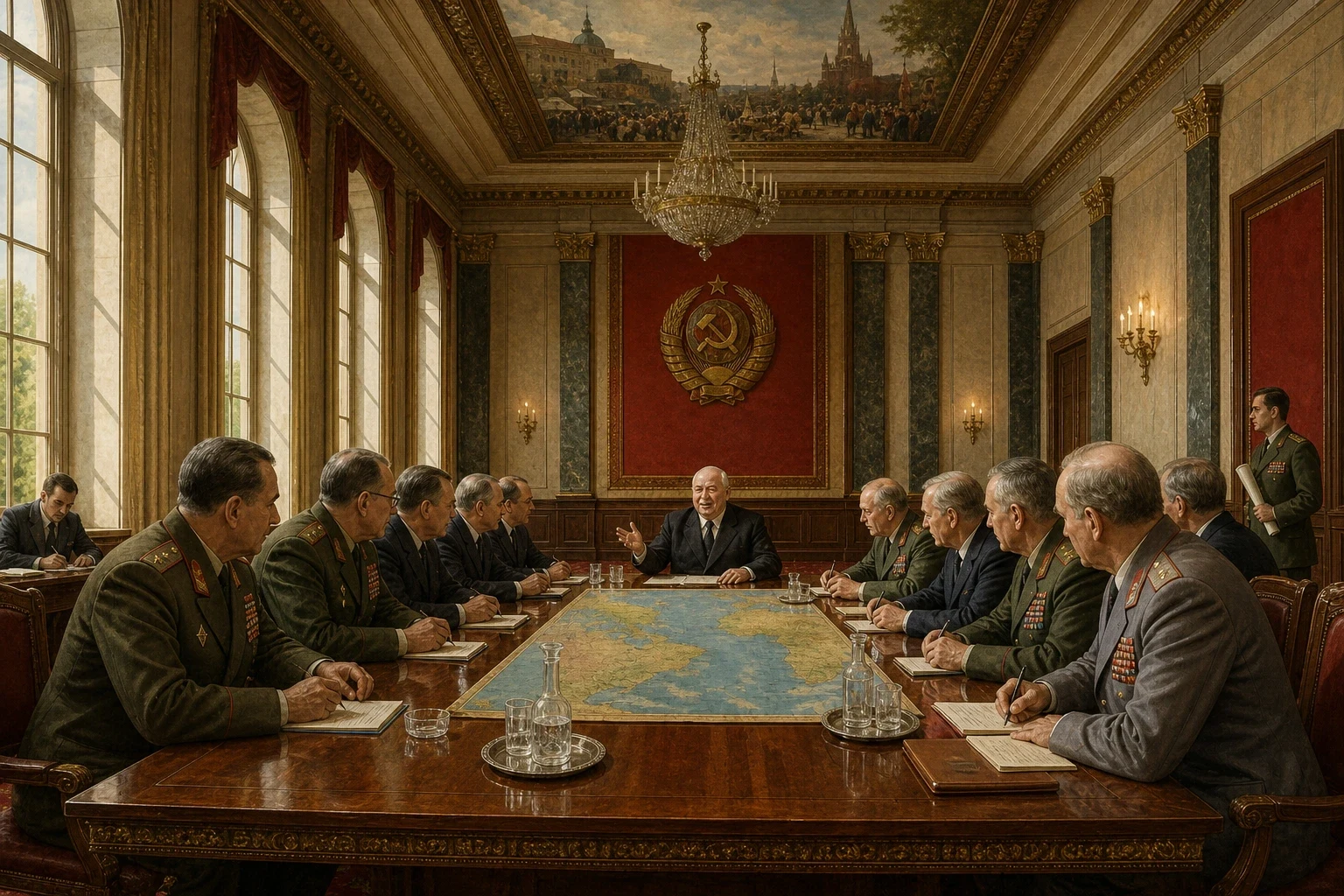
In 1962, Khrushchev settles on a bold plan: to place Soviet nuclear missiles in Cuba. His later memoirs and Soviet records give his aims as defending Cuba against invasion and narrowing the American advantage in nuclear arms. Castro agrees to accept the weapons after a Soviet delegation visits Havana. The operation, code-named Anadyr, sends ships across the Atlantic carrying missiles, equipment and, as later documents show, more than 40,000 Soviet troops. In Washington, President Kennedy, aged 45, warns on 4 September that the United States will not tolerate offensive weapons in Cuba. Soviet officials, including Ambassador Anatoly Dobrynin, continue to relay Moscow's assurances that only defensive arms are being sent. The two governments now hold sharply different pictures of what is happening on the island ninety miles from Florida.
Page 4
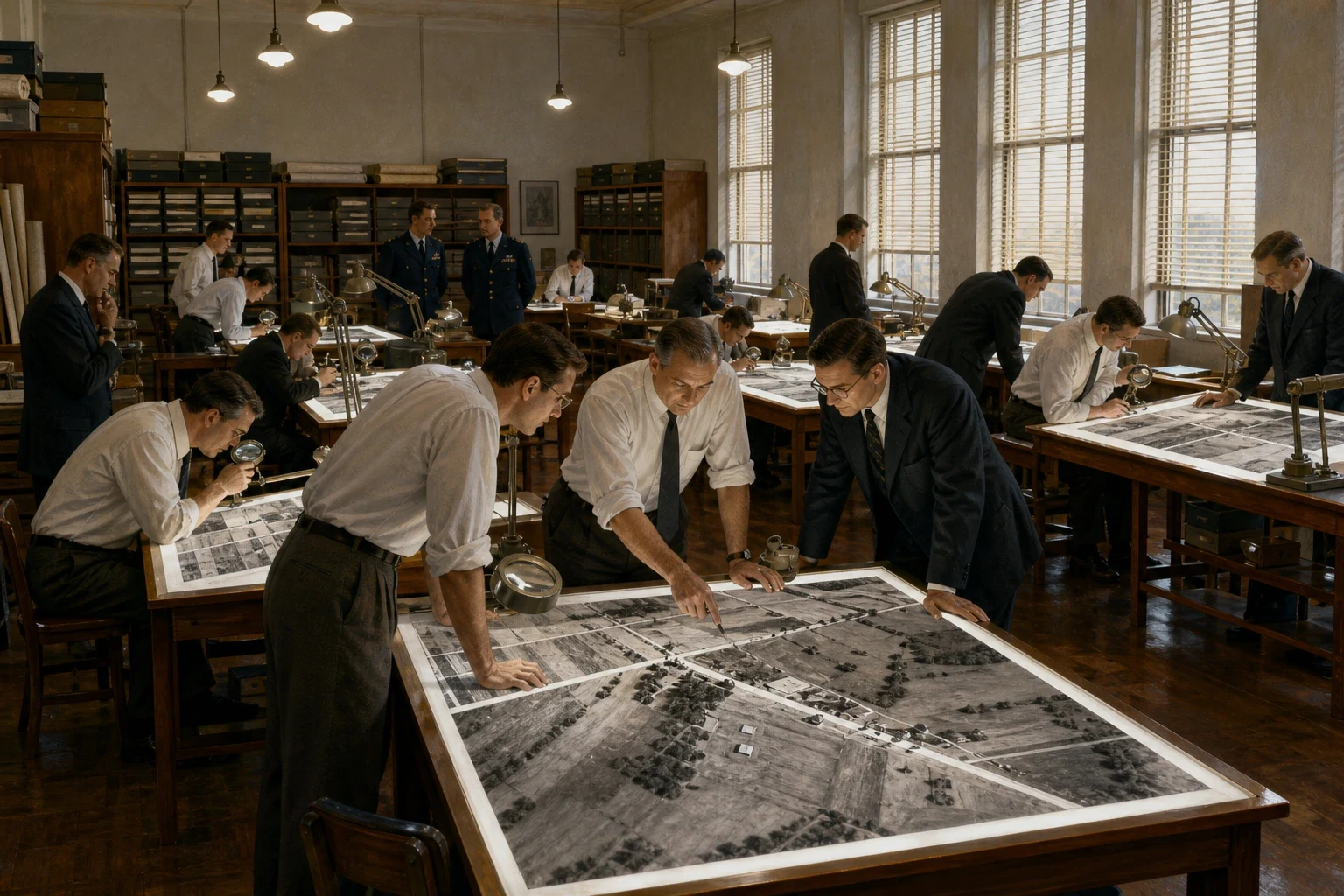
On 14 October 1962, a U-2 reconnaissance plane flies high over western Cuba. Its film shows the shapes of Soviet medium-range missile sites. Analysts study the photographs over the following day. On the morning of 16 October, National Security Adviser McGeorge Bundy brings the evidence to President Kennedy. The President assembles a group of senior advisers, later called the Executive Committee, or ExComm, that includes his brother Robert F. Kennedy and Defense Secretary Robert McNamara. They meet in the Cabinet Room of the White House, and the President tapes many of the sessions. The options include an air strike, an invasion and a naval blockade. On 18 October, Soviet Foreign Minister Andrei Gromyko visits the White House, and Kennedy does not reveal what he knows. For nearly a week, the decision remains secret from the public.
Page 5
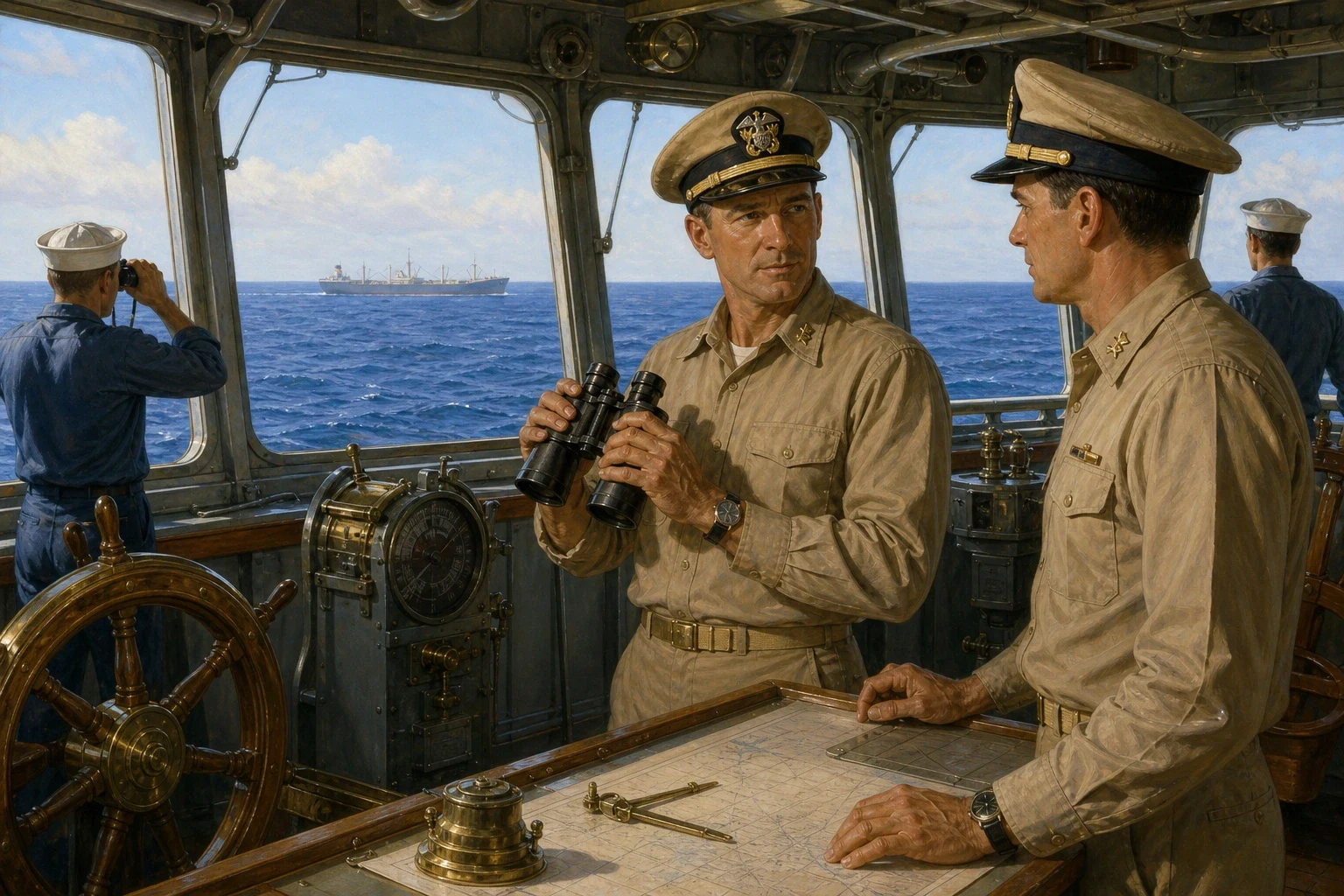
After the 22 October address, the quarantine is set to begin at 10:00 a.m. on 24 October. The administration uses the word quarantine for what is in effect a naval blockade, partly for legal reasons, and draws its line 500 nautical miles from Cuba. American warships and aircraft take position in the Atlantic. The Strategic Air Command is raised to DEFCON 2, its highest alert level of the crisis. Secretary McNamara visits the Navy's operations center at the Pentagon to follow the movements of ships. Soviet vessels bound for Cuba approach the line. Reports reach the White House that some have stopped or turned back, and Kennedy's advisers wait to see what follows. In Moscow, Khrushchev answers Kennedy's messages firmly. Across the Atlantic and the Caribbean, two navies and two air forces hold their positions.
Page 6
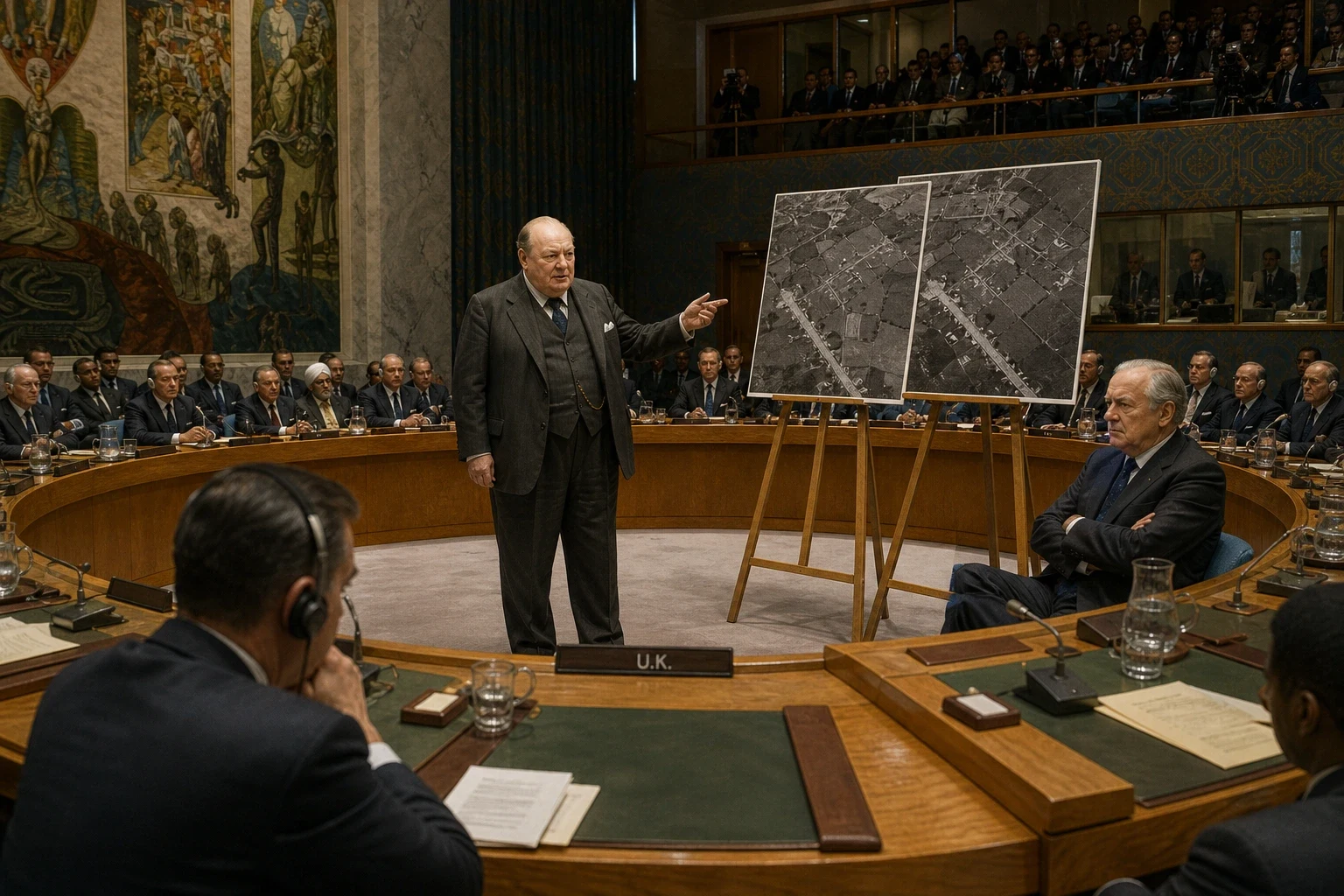
On 25 October 1962, the United Nations Security Council meets in New York. Ambassador Adlai Stevenson sits across from Soviet Ambassador Valerian Zorin, who presides over the council that month. Stevenson presents enlarged aerial photographs of the missile sites on easels for the delegates and the world to see. He presses Zorin to say whether the Soviet Union has placed missiles in Cuba. Zorin does not give a direct answer and says he is not in an American courtroom. The exchange is carried by television and press around the world. In Washington, the President's advisers watch the reaction. Meanwhile the quarantine holds in the Atlantic, and work on the Cuban missile sites continues, according to American surveillance. The crisis has now moved from private briefings to open diplomacy before the world.
Page 7
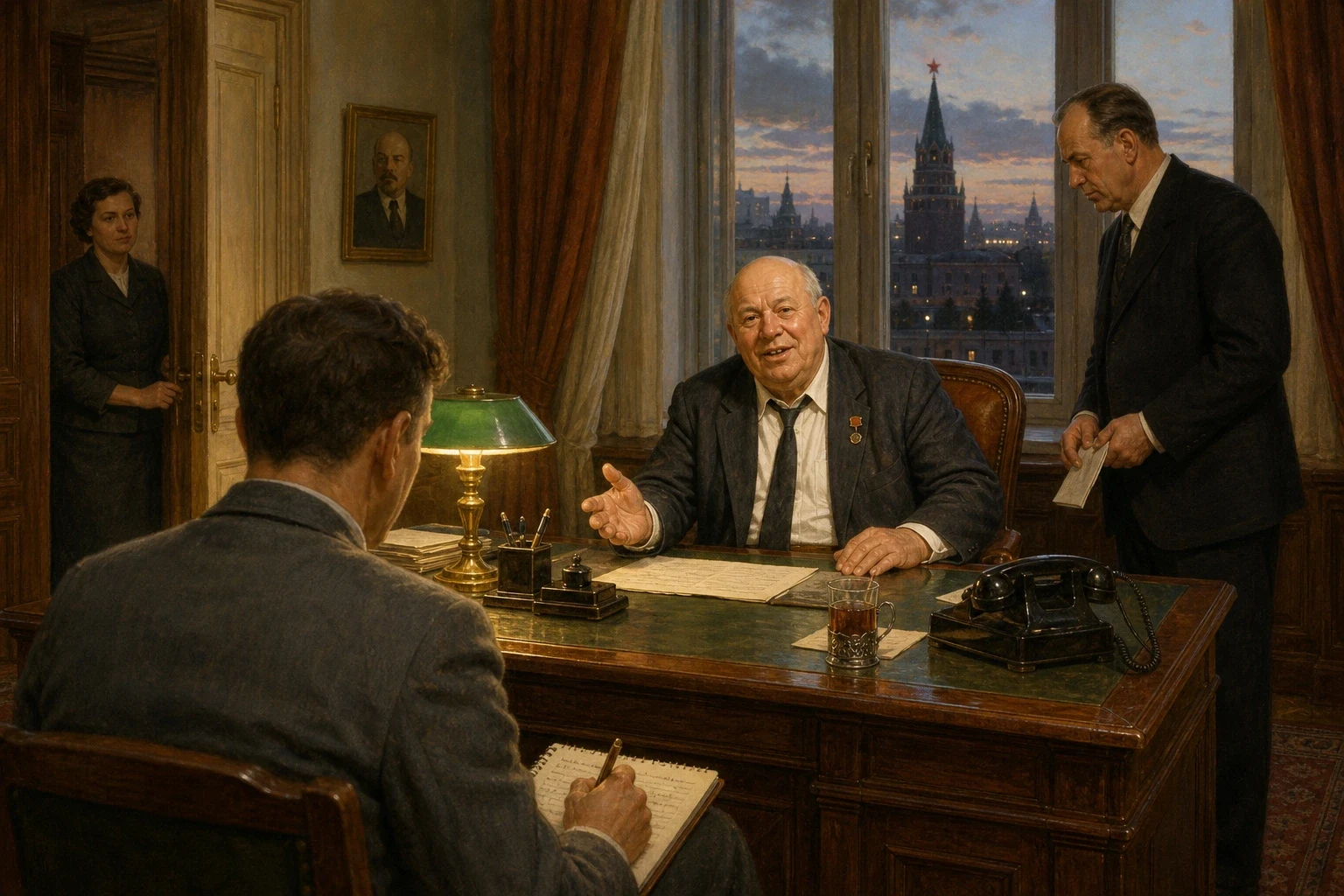
On the evening of 26 October 1962, a long, personal letter from Khrushchev reaches Washington. In it he proposes to remove the missiles if the United States pledges not to invade Cuba. He writes of the danger of war and of a knot that both sides must untie. The next day, 27 October, Radio Moscow broadcasts a second, more formal letter. It proposes a different exchange: Soviet missiles out of Cuba in return for American Jupiter missiles out of Turkey. At the White House, the ExComm debates how to respond to two different offers. Robert F. Kennedy and others argue for answering the first letter and setting aside the second. Dobrynin in Washington remains the channel between the two governments. In Havana, Castro, who was not consulted on these proposals, watches events unfold.
Page 8
Saturday, 27 October 1962, is the most dangerous day of the crisis. Over Cuba, a Soviet surface-to-air missile shoots down the U-2 flown by Major Rudolf Anderson of the U.S. Air Force. He is killed, the only combat death of the crisis. The news reaches Kennedy and his advisers at the White House. The President chooses not to order immediate retaliation. Far out in the Atlantic, near the quarantine line, American destroyers drop practice depth charges to force the Soviet submarine B-59 to surface. Aboard is Vasili Arkhipov, chief of staff of the submarine flotilla. According to accounts later gathered by historians, the submarine carried a nuclear torpedo, and Arkhipov opposed its use. B-59 surfaces. Neither event brings an order to fight, but the margin has been very thin.
Page 9
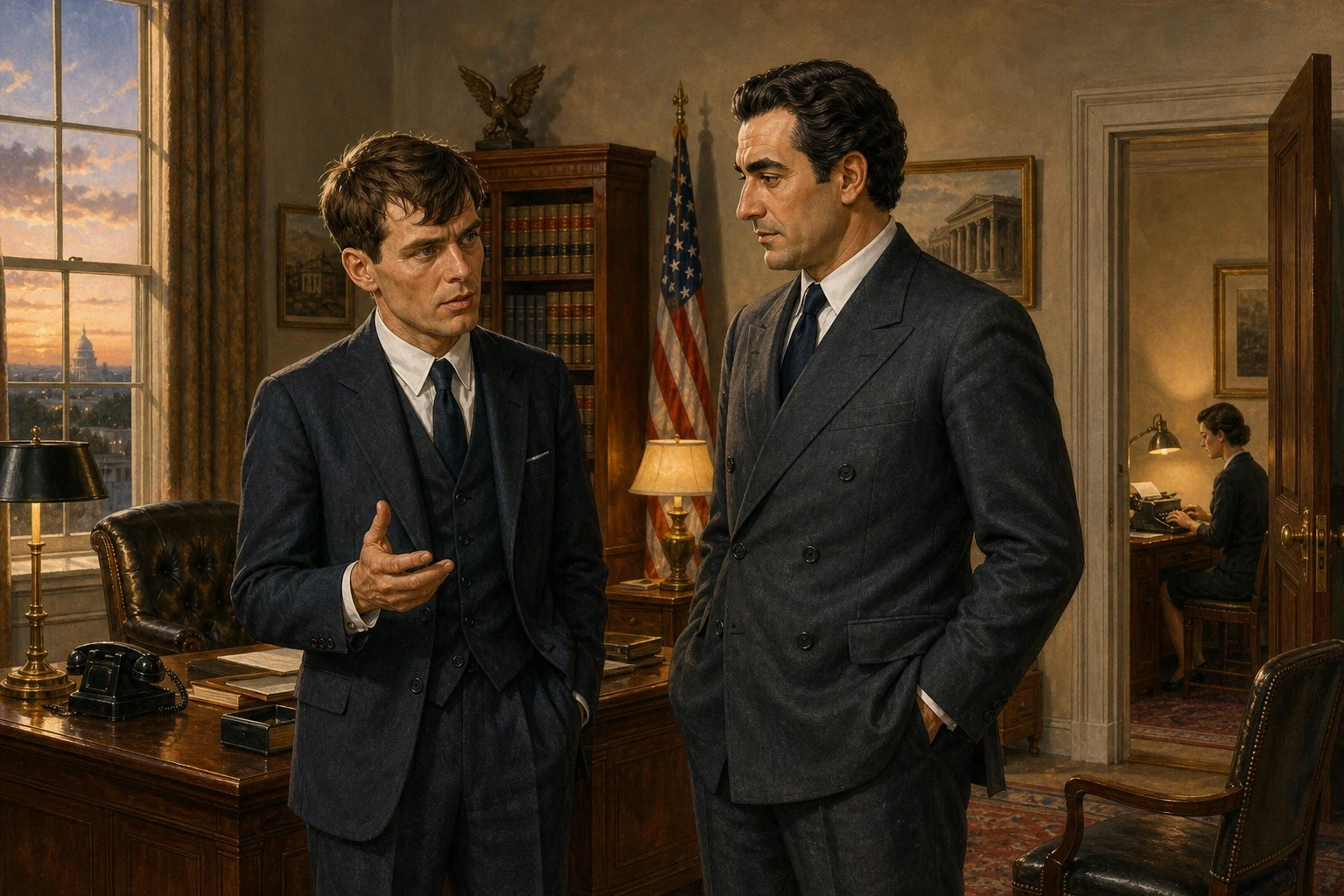
On the evening of 27 October 1962, Robert F. Kennedy meets Ambassador Anatoly Dobrynin at the Department of Justice in Washington. He conveys the President's position: the United States will pledge not to invade Cuba if the missiles are removed. He also says privately that the Jupiter missiles in Turkey will be removed within a short time after the crisis, though this cannot be announced as a deal. The President sends a reply to Khrushchev's first letter accepting its terms. On the morning of 28 October, Washington time, Radio Moscow broadcasts Khrushchev's answer. The Soviet Union will dismantle the missiles and return them home. Kennedy welcomes the decision publicly. Thirteen days after the first ExComm meeting, the immediate danger of war has passed.
Page 10
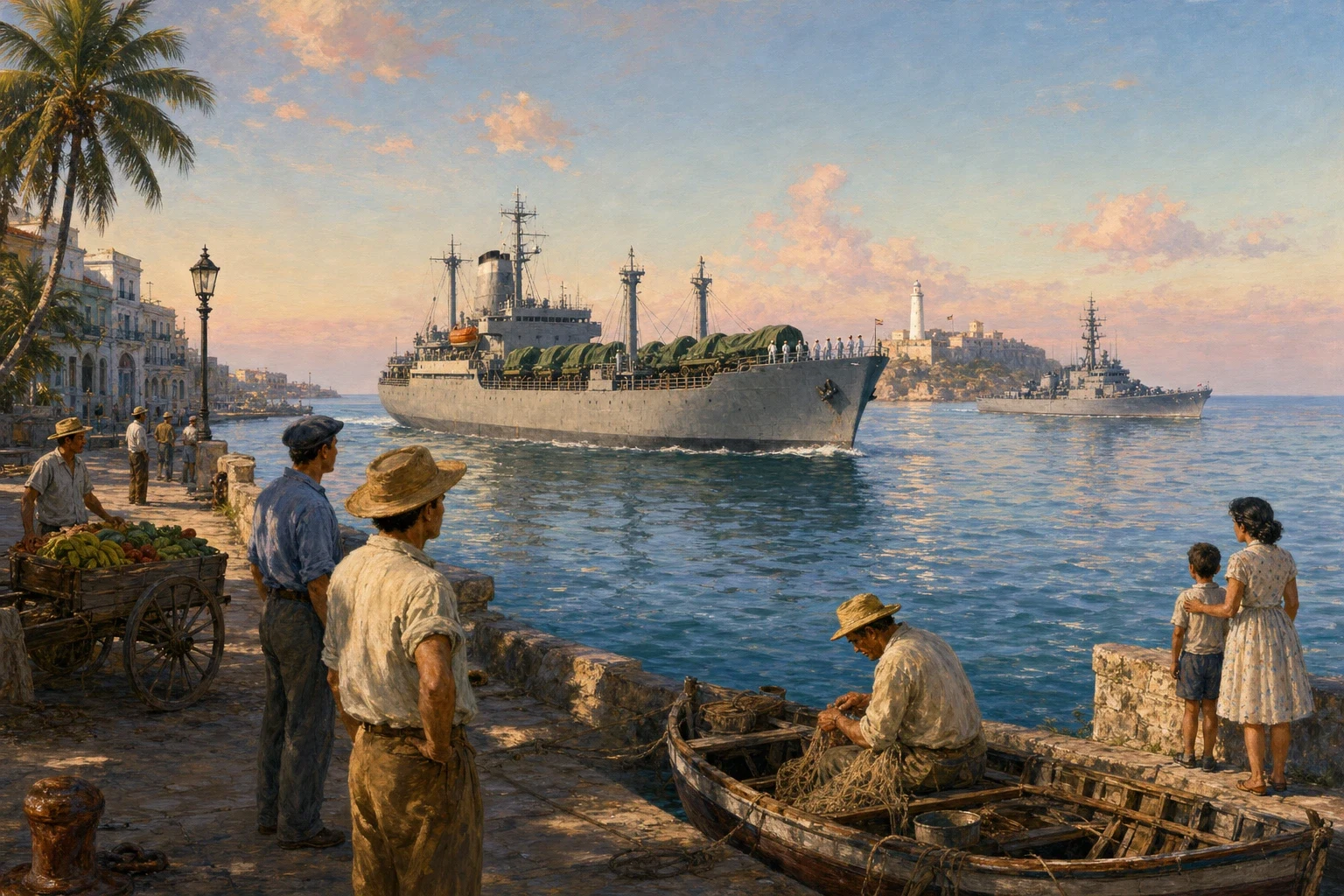
In the weeks after 28 October 1962, the Soviet Union dismantles its missiles in Cuba, and the quarantine is lifted on 20 November. The Jupiter missiles leave Turkey in 1963. Castro, who had not been consulted on the settlement, resents it and issues demands of his own. Both Kennedy and Khrushchev have seen how close the world came to nuclear war. In June 1963 the two governments agree to set up a direct communications link, the Moscow–Washington hotline. In August 1963 they sign the Partial Test Ban Treaty with Britain. Khrushchev leaves power in October 1964. Rudolf Anderson is awarded the Air Force Cross posthumously, the first person to receive it. Historians still study the crisis as a lesson in how leaders handle nuclear danger.
About this story
- Audience: general readers
- Format: 10 illustrated pages, narrated, free to read on Wonder History
Read Wonder History on your phone
Wonder History is available on Android and iPhone and iPad. Get Wonder History on Google Play · Get Wonder History on the App Store.