The Helsinki Accords (1975, United States)
The Helsinki Accords (1975, United States) — an illustrated history story, featuring Gerald Ford, Leonid Brezhnev, Augusto Pinochet, set in United States. 10 illustrated pages, free to read on Wonder History.
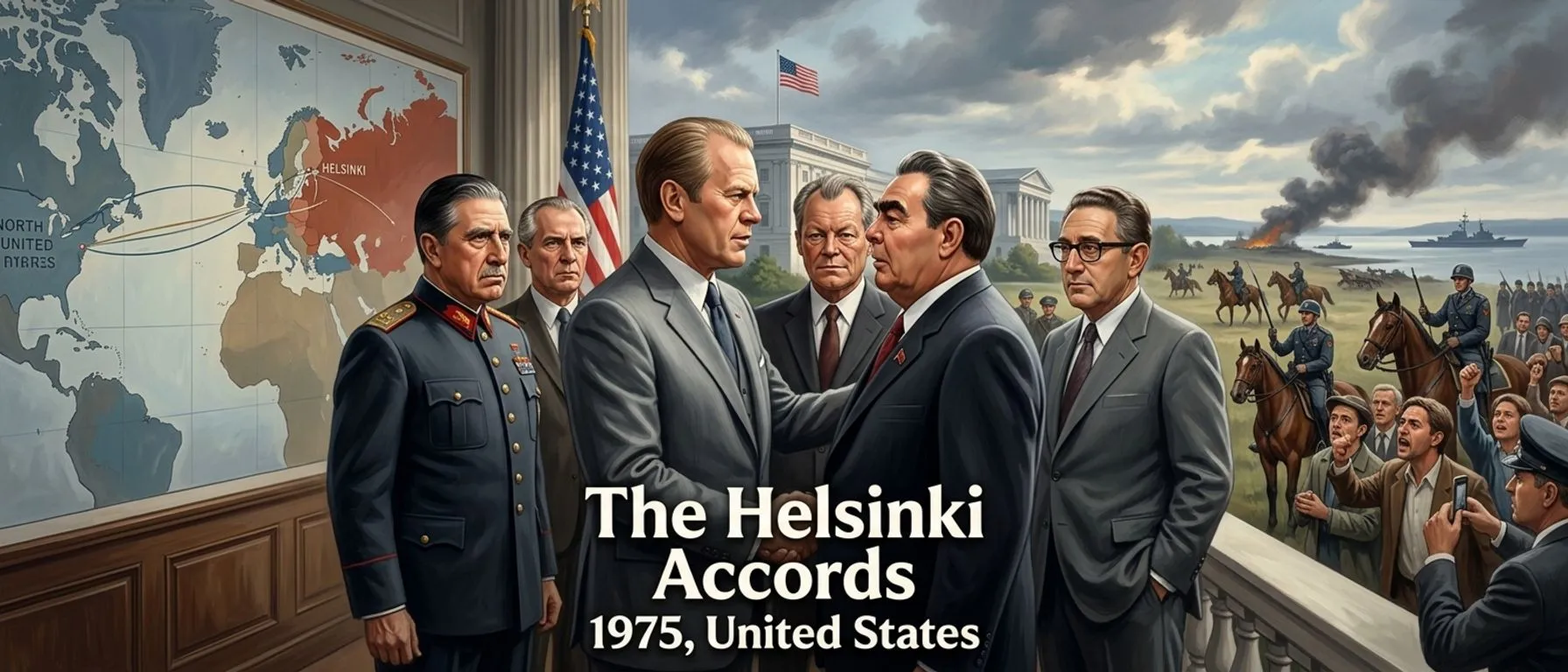
Page 1

October 1, 1975, Helsinki. The flags of 35 nations fluttered as Gerald Ford, the President of the United States, and Leonid Brezhnev, the General Secretary of the Communist Party of the Soviet Union, shook hands. This symbolic gesture masked deep divisions, but what led these leaders to this precarious moment of unity? The world watched, unaware of the compromises and tensions simmering beneath the surface.
Page 2
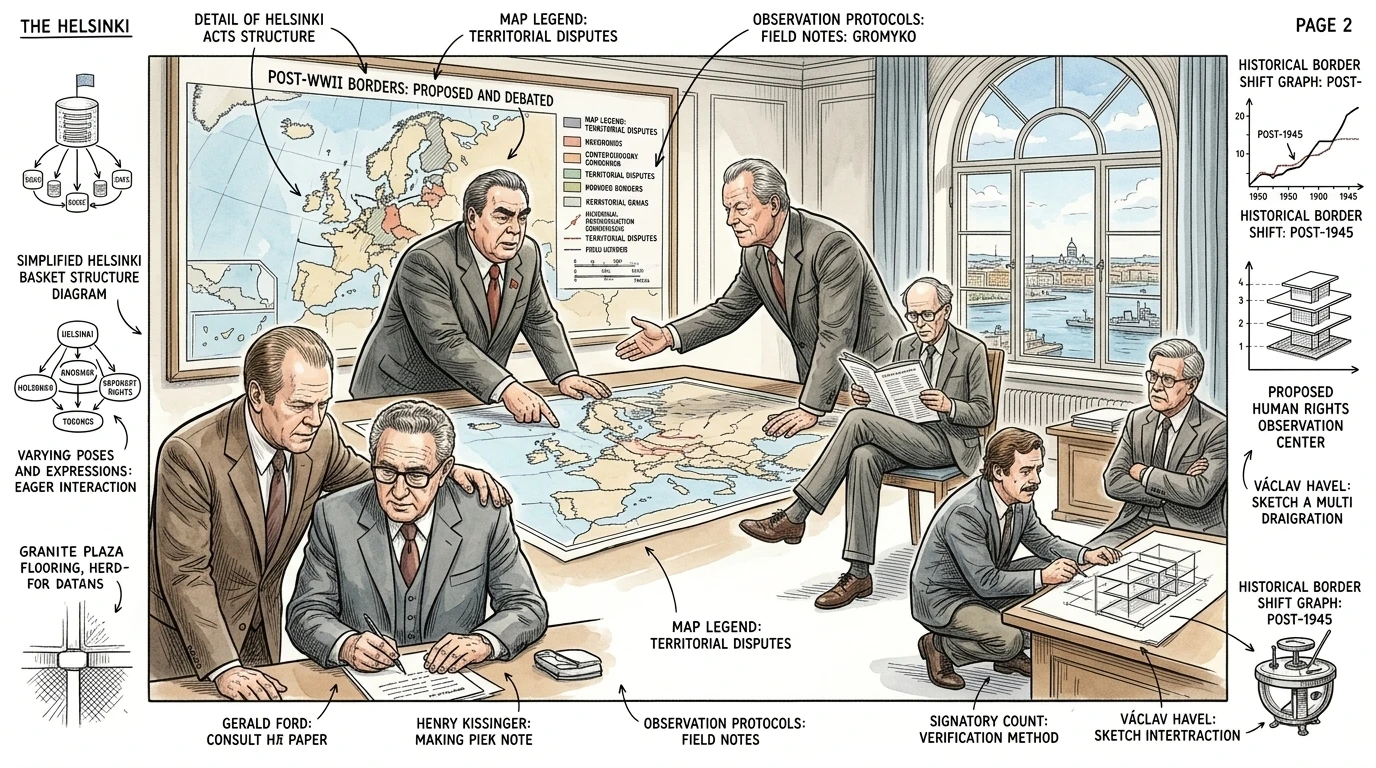
The seeds of the Helsinki Accords were sown in the Cold War's icy grip. The Soviet Union, under Leonid Brezhnev's firm control, sought recognition of its post-World War II borders. Willy Brandt, the Chancellor of West Germany, had begun his 'Ostpolitik,' seeking reconciliation with the East. The West, led by Gerald Ford and encouraged by Secretary of State Henry Kissinger, hoped to gain concessions on human rights.
Page 3
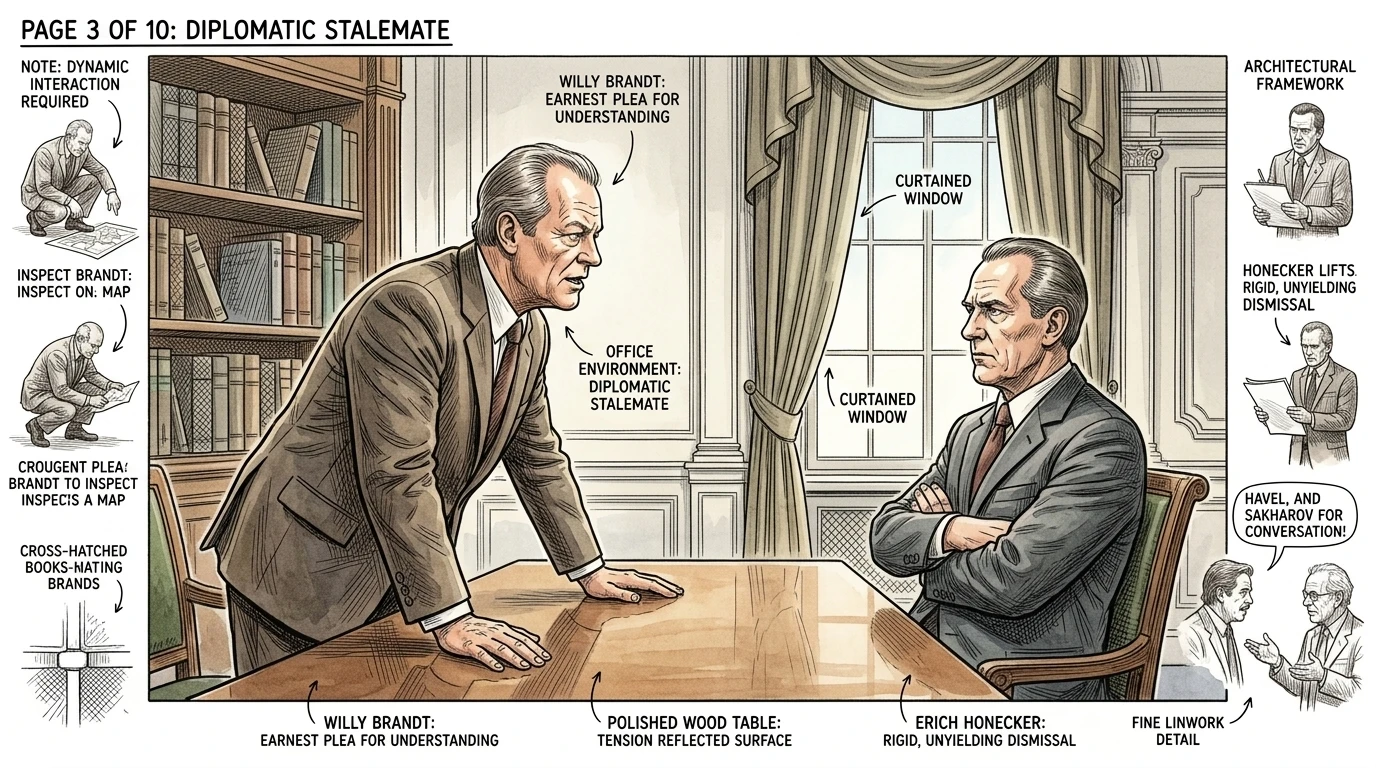
"We must try to mitigate the division of Europe," Willy Brandt argued during a tense meeting with Erich Honecker, the leader of East Germany. Honecker, a man with short dark hair and severe features, retorted sharply, "The borders are settled. There is nothing to discuss." Brandt leaned forward, his voice low, "Herr Honecker, the people yearn for reunification, but it looks impossible."
Page 4
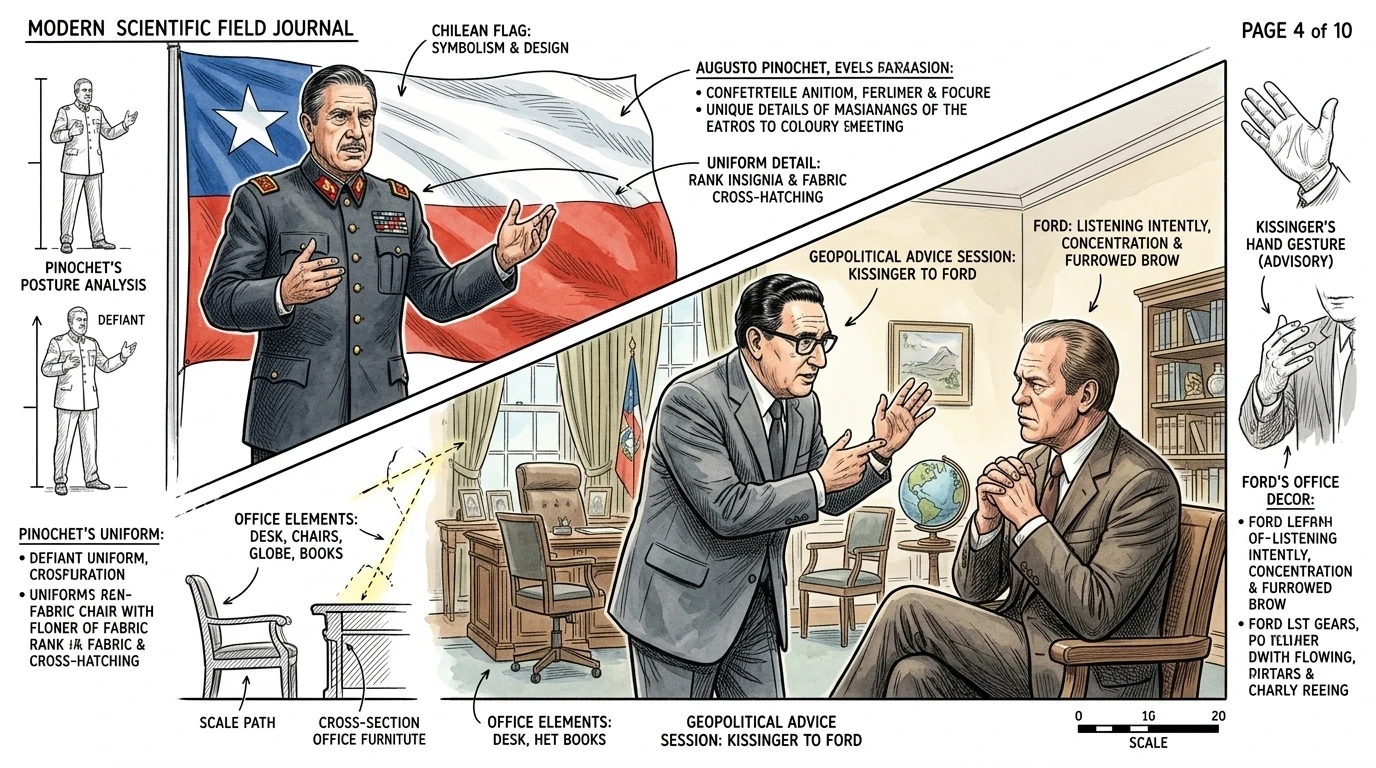
In Chile, Augusto Pinochet, a stern-faced man in a dark military uniform, had seized power in a bloody coup. His regime's human rights abuses became a major point of contention in the West. Gerald Ford, while seeking détente with the Soviets, faced mounting pressure to address these violations. Henry Kissinger, ever the pragmatist, advised, "Sign it, Mr. President. We are not signing this for Brezhnev's benefit. Put human rights in writing and every dissident from Moscow to Prague will have a document to hold his own government to."
Page 5
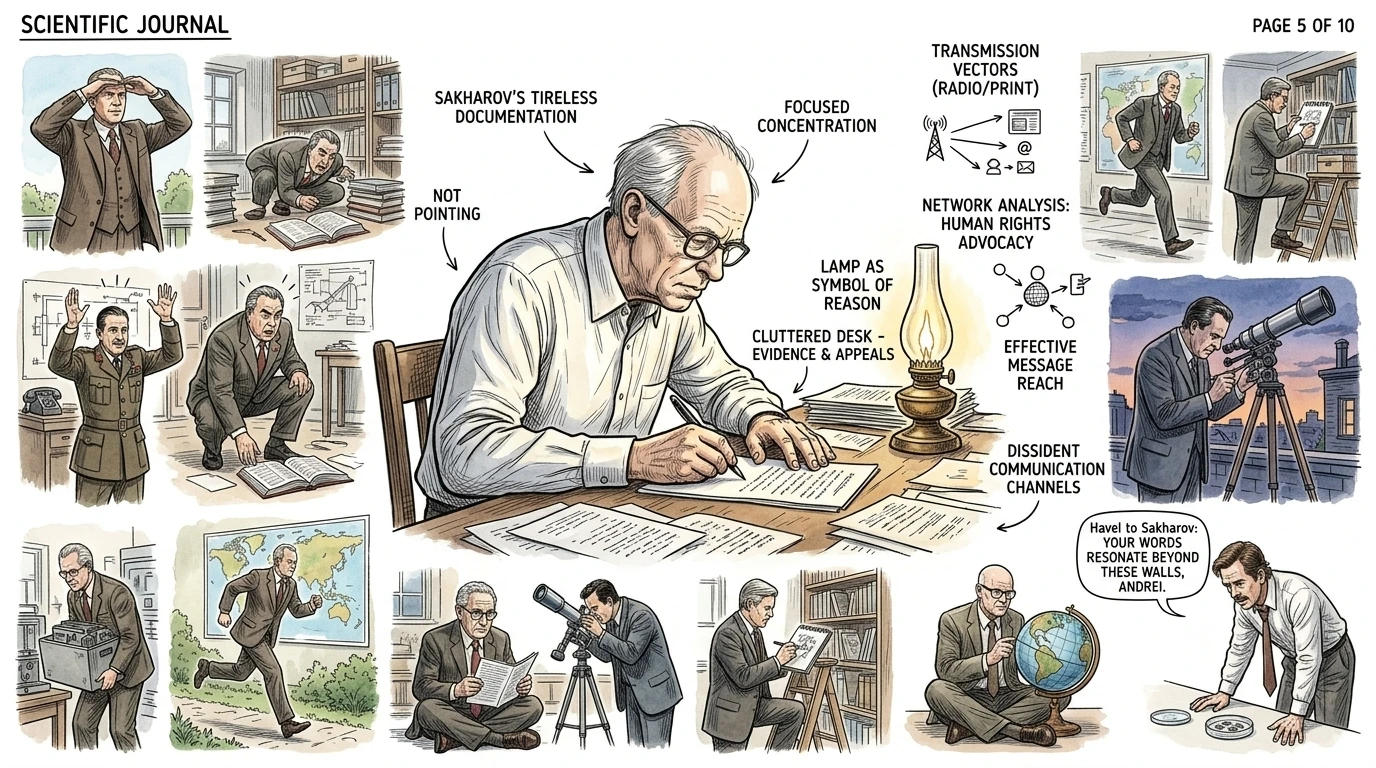
Andrei Sakharov, a tall, thin man with graying hair and glasses, tirelessly campaigned for human rights within the Soviet Union. His voice, though often silenced, resonated powerfully in the West.
Page 6
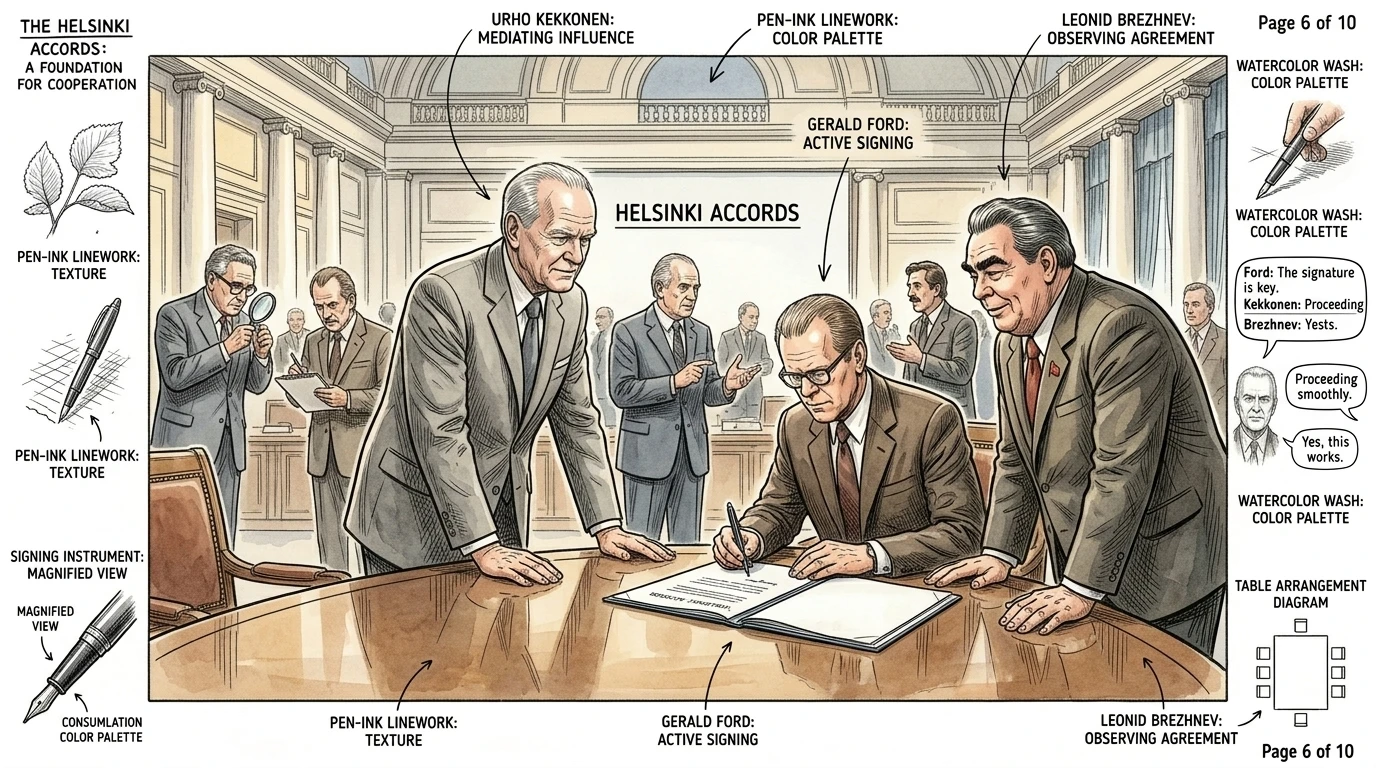
Back in Helsinki, the final agreements were being hammered out. Urho Kekkonen, the President of Finland, mediated tirelessly between the blocs. Gerald Ford signed the document, hoping to ease tensions. Leonid Brezhnev saw it as a seal of approval on the Soviet sphere of influence. Each leader had their own agenda, their own hopes, and their own fears.
Page 7
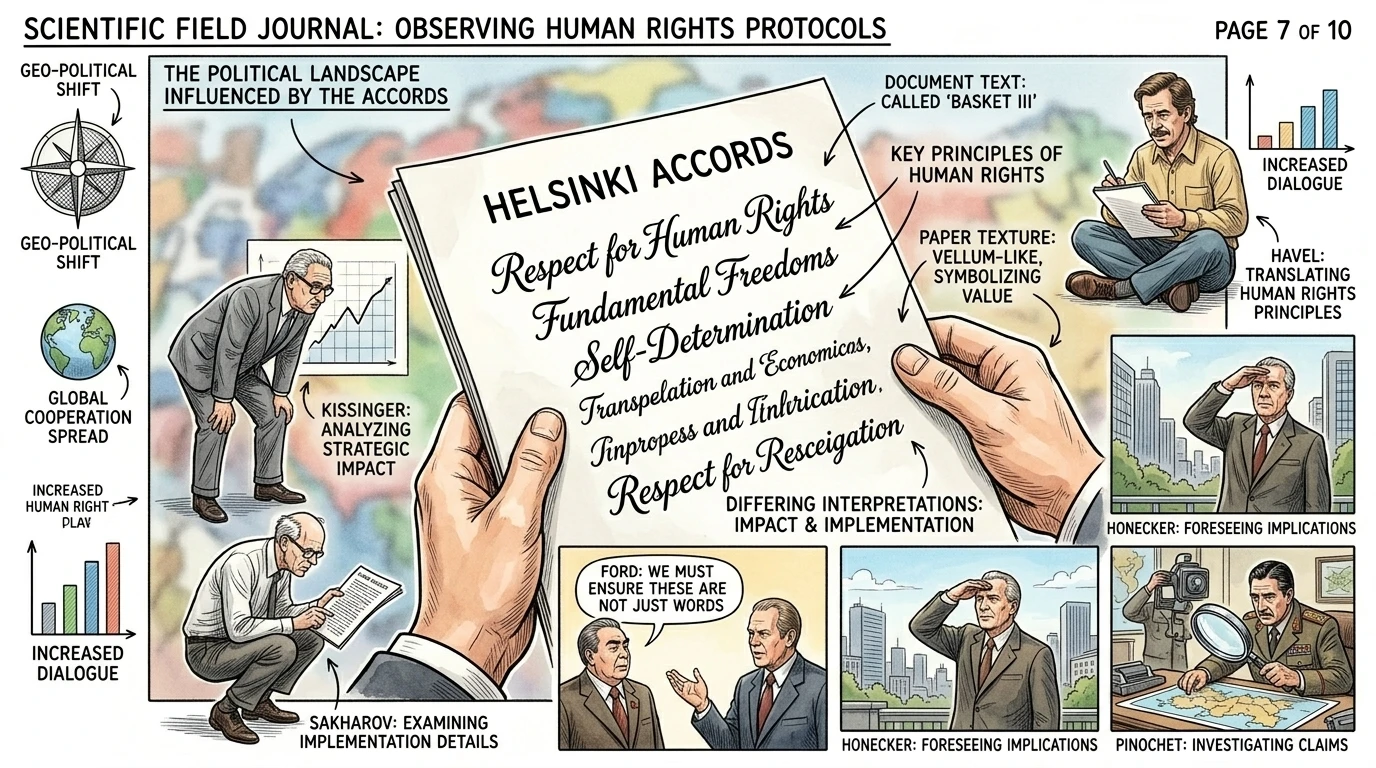
The Helsinki Accords, signed with immense fanfare in August 1975, immediately became a document of profound significance, particularly for its principles regarding human rights. Within its elegantly scripted articles lay the promise of increased freedom and respect for individuals, a vision eagerly embraced by dissidents and Western nations. Yet, its practical application and the extent of its influence were subject to immediate and often conflicting interpretations, as nations grappled with the implications of such unprecedented commitments. Thus, the Accords swiftly entered the global consciousness, a testament to both cooperation and the enduring divisions of the Cold War era.
Page 8
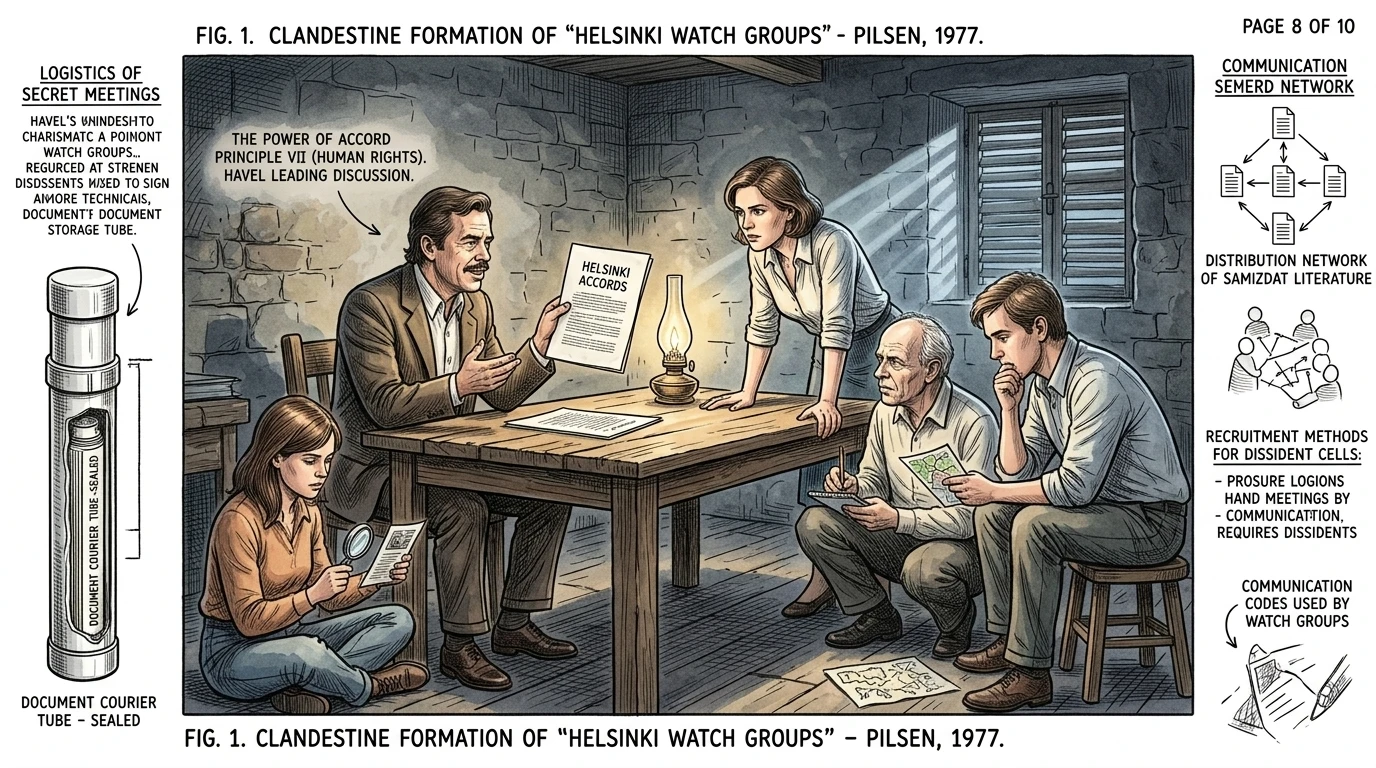
Václav Havel, a charismatic man with a mustache and dark hair, and other dissidents across Eastern Europe seized upon the Helsinki Accords as a tool. They formed 'Helsinki Watch Groups' to monitor human rights abuses. The Soviet bloc states had signed a document affirming these rights, and now they would be held accountable. Their actions sparked unrest and fueled resistance.
Page 9
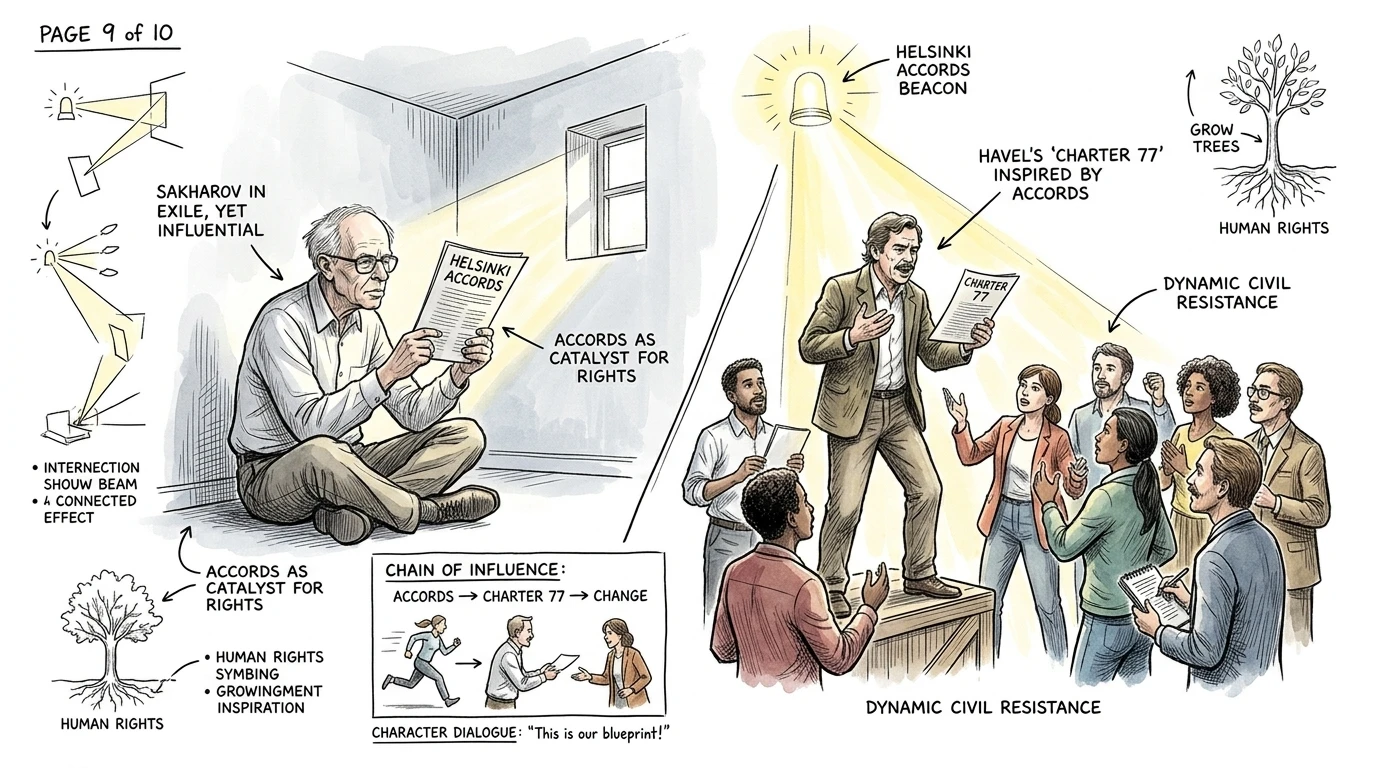
The Helsinki Accords did not prevent human rights abuses, but they provided a framework for challenging them. They empowered individuals and groups to demand accountability from their governments. Andrei Sakharov, even in exile, continued to cite the Accords. Václav Havel's Charter 77 drew its legitimacy from them. They became a beacon of hope.
Page 10

The Helsinki Accords are a testament to the power of diplomacy, even in the face of seemingly insurmountable divides. They demonstrated that words, even if imperfectly implemented, can have a profound impact on the course of history. The spirit of Helsinki continues to inspire those who strive for a more just and equitable world.
About this story
- Historical figures: Gerald Ford, Leonid Brezhnev, Augusto Pinochet
- Location: United States
- Period: Contemporary
- Audience: general readers
Questions and answers
Questions and answers about The Helsinki Accords (1975, United States)
Read Wonder History on your phone
Wonder History is available on Android. Get Wonder History on Google Play.
More Wonder History stories
- The Industrial Revolution (18th–19th Century, United Kingdom & Europe)
- The Maratha Empire Expansion — India (1761, India)
- The Meiji Restoration — Japan (1868, Japan)
- The Mongol Conquests — Asia & Europe (1241, Asia & Europe)
- The Norse Discovery of North America (1000, North America)
- The Opening of the Suez Canal (1869, Mediterranean)