The Warsaw Uprising (1944, Poland)
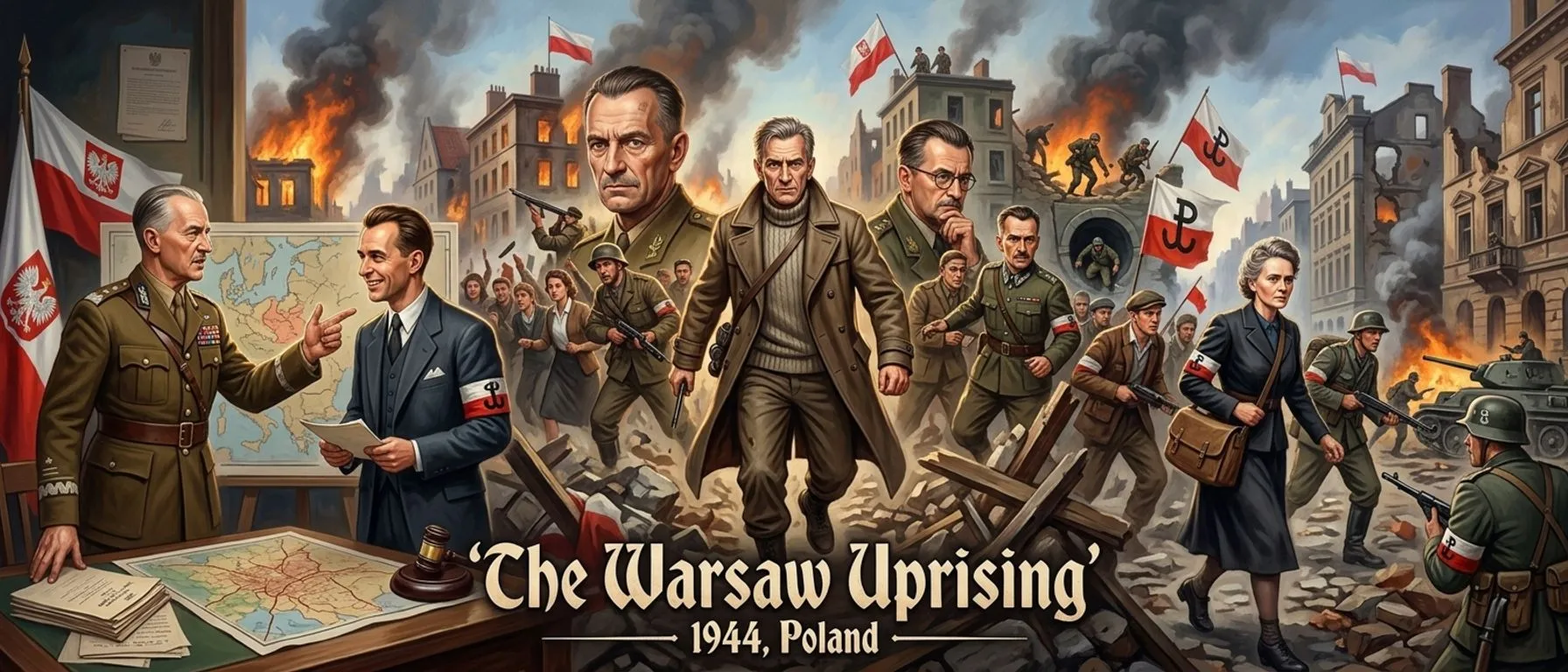
The Warsaw Uprising (1944, Poland) — an illustrated history story, featuring Tadeusz Bor-Komorowski, Władysław Bartoszewski, Maria Skłodowska-Curie, set in Poland. 10 illustrated pages, free to read on Wonder History.
Page 1
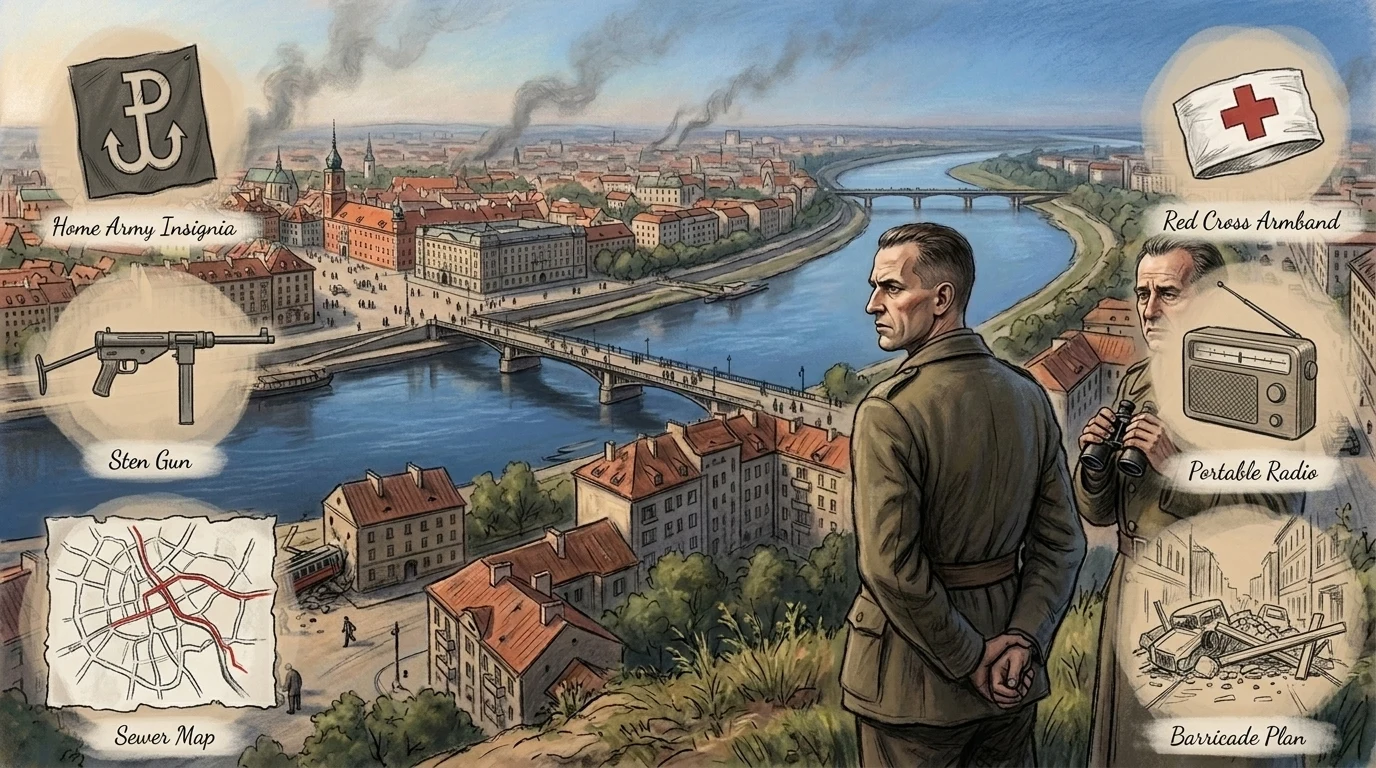
Warsaw burned. Antoni Chruściel, commander of Warsaw's district, watched from a hidden cellar as the city erupted in flames. Tadeusz Bór-Komorowski, the commander of the Warsaw Uprising, knew the odds were impossible, but the order had been given. The fight for Warsaw had begun, but would freedom ever come?
Page 2
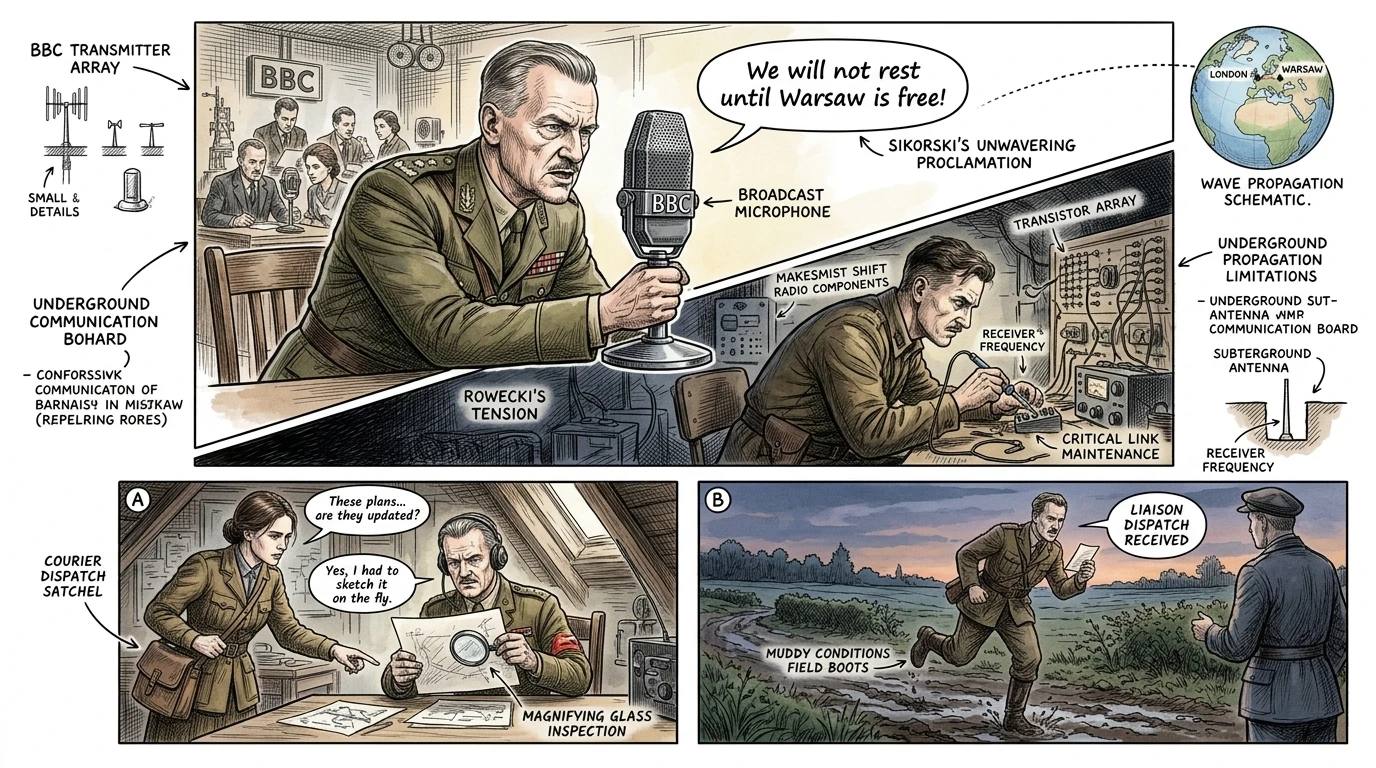
General Władysław Sikorski, leader of the Polish government in exile in London, broadcast a message of hope. "We will not rest until Warsaw is free!" he proclaimed over the BBC. In reality, the situation in Poland was dire. Stefan Rowecki, commander of the Home Army, struggled to maintain order amongst the scattered resistance cells.
Page 3
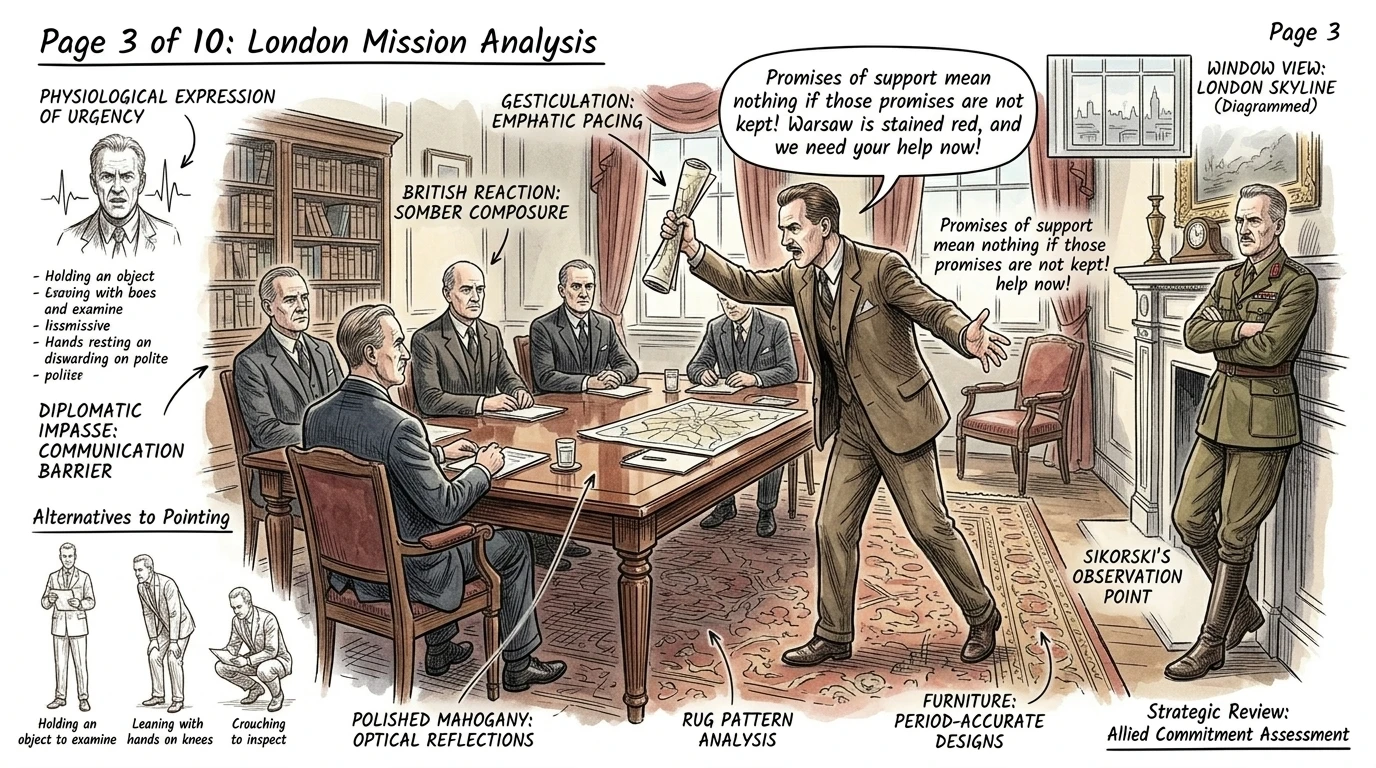
Jan Nowak-Jeziorański, a key liaison with the Allies, argued with British officials in London. "Promises of support mean nothing if those promises are not kept!" he exclaimed, pacing before them. "Warsaw is bleeding, and we need your help now!" The British offered polite condolences, but little practical assistance.
Page 4
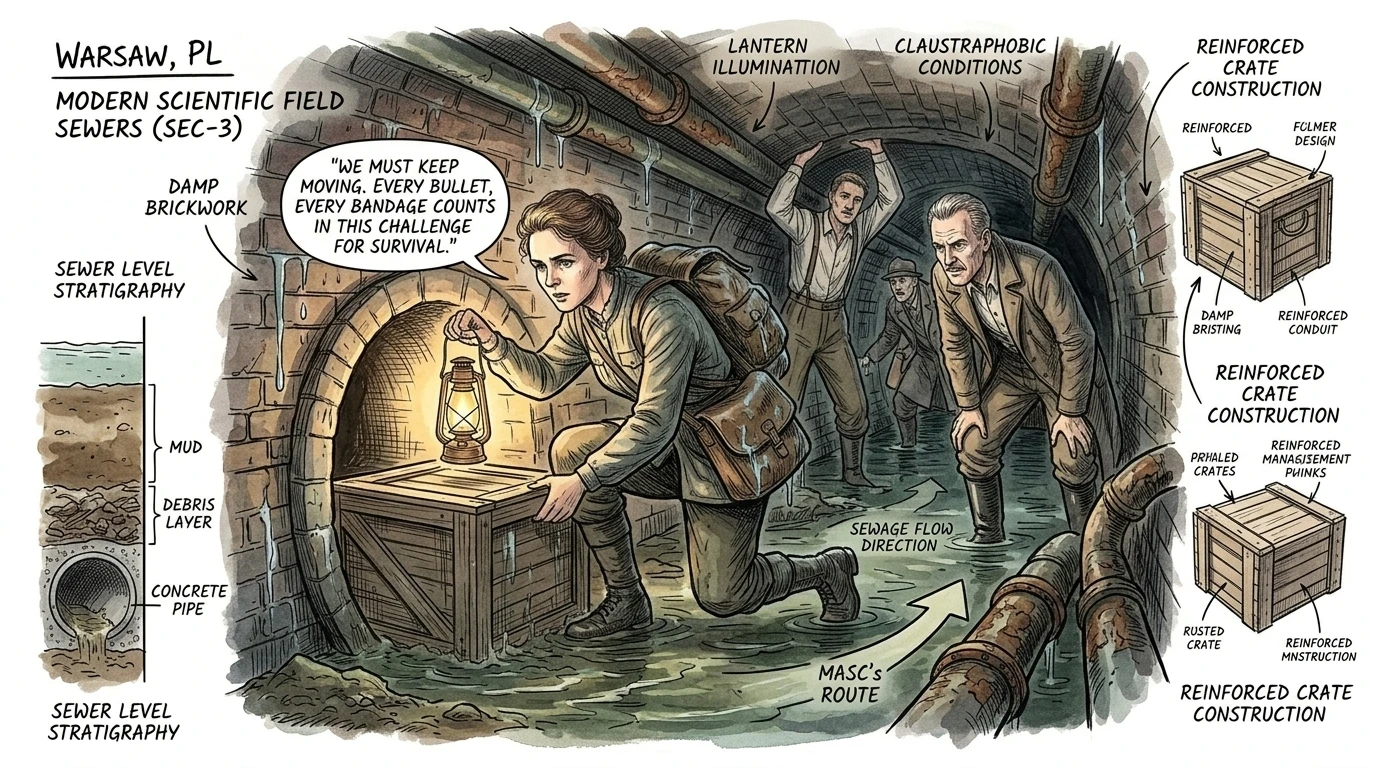
In the sewers beneath Warsaw, Maria Skłodowska-Curie, a courier for the resistance, delivered vital supplies. "We must keep moving," she urged her fellow fighters, her voice echoing in the tunnels. "Every bullet, every bandage counts in this fight for survival."
Page 5
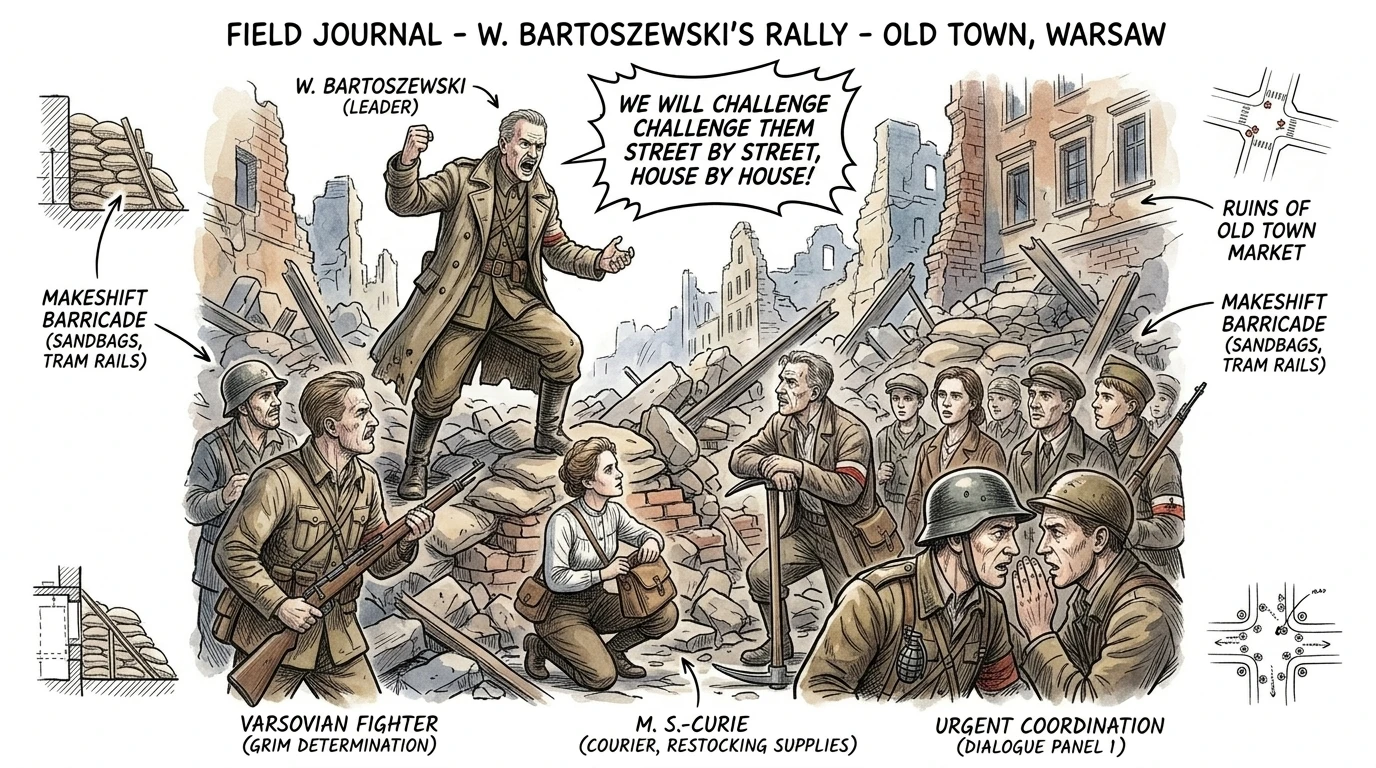
Władysław Bartoszewski, a leader of the Polish Underground, organized the defense of the Old Town. "We will fight them street by street, house by house!" he shouted to the assembled fighters. He knew the task was nearly impossible, but they had to make the enemy pay for every inch of Warsaw.
Page 6
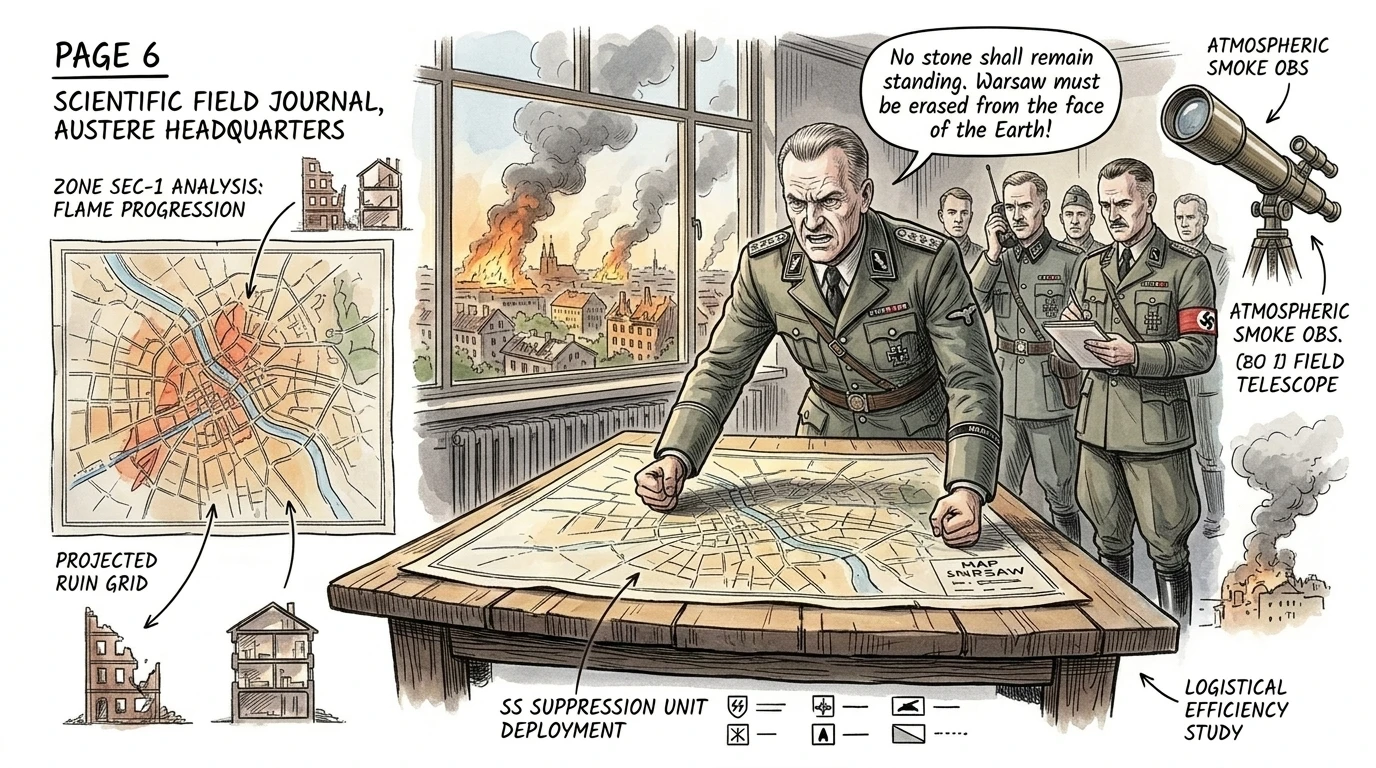
The brutal SS officer Erich von dem Bach-Zelewski oversaw the destruction from his headquarters. "No stone shall remain standing," he snarled, surveying the map. "Warsaw must be erased from the face of the Earth!" His orders were clear, and his men followed them with ruthless efficiency.
Page 7
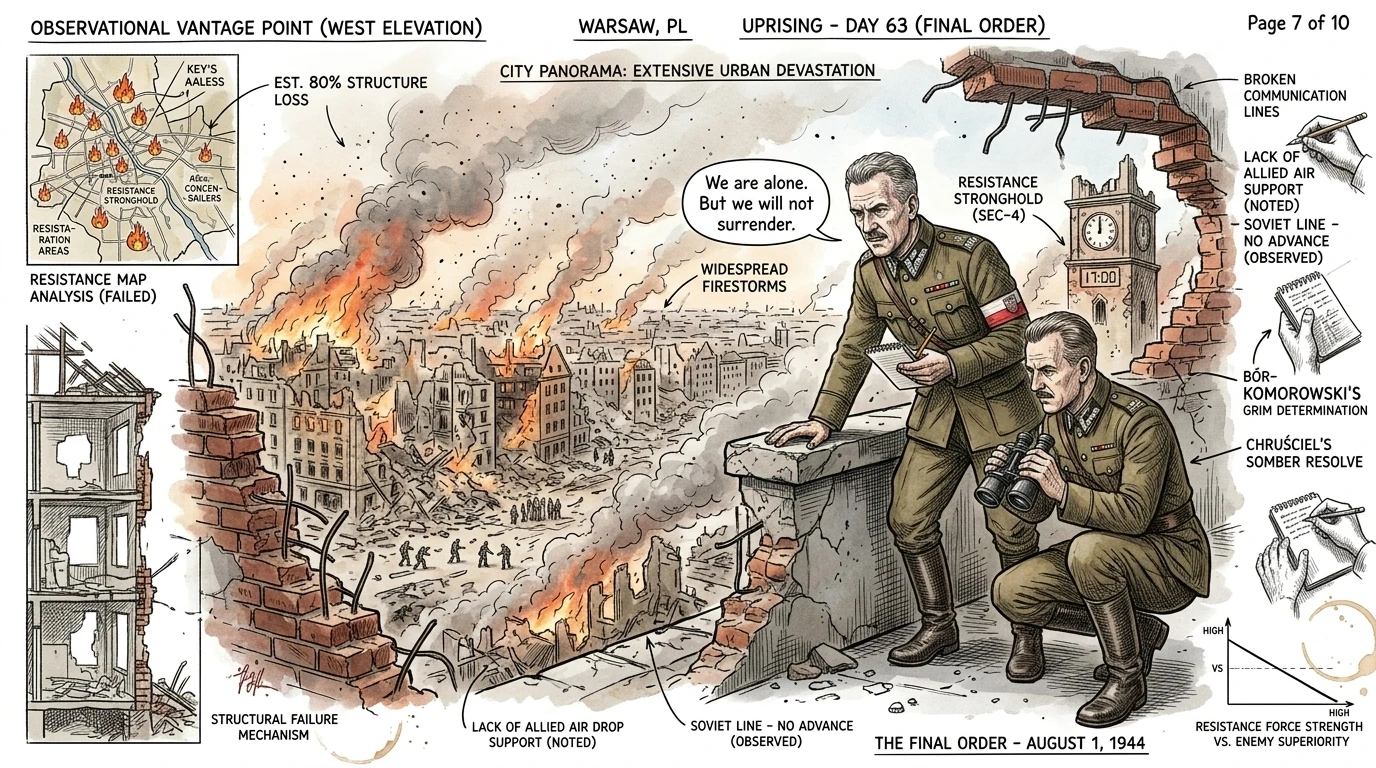
Tadeusz Bór-Komorowski watched as his city crumbled. He had hoped for Allied support, but it never came. "We are alone," he said grimly to Antoni Chruściel. "But we will not surrender. As Seneca said, 'Every new beginning comes from some other beginning's end.' This is not the end!"
Page 8
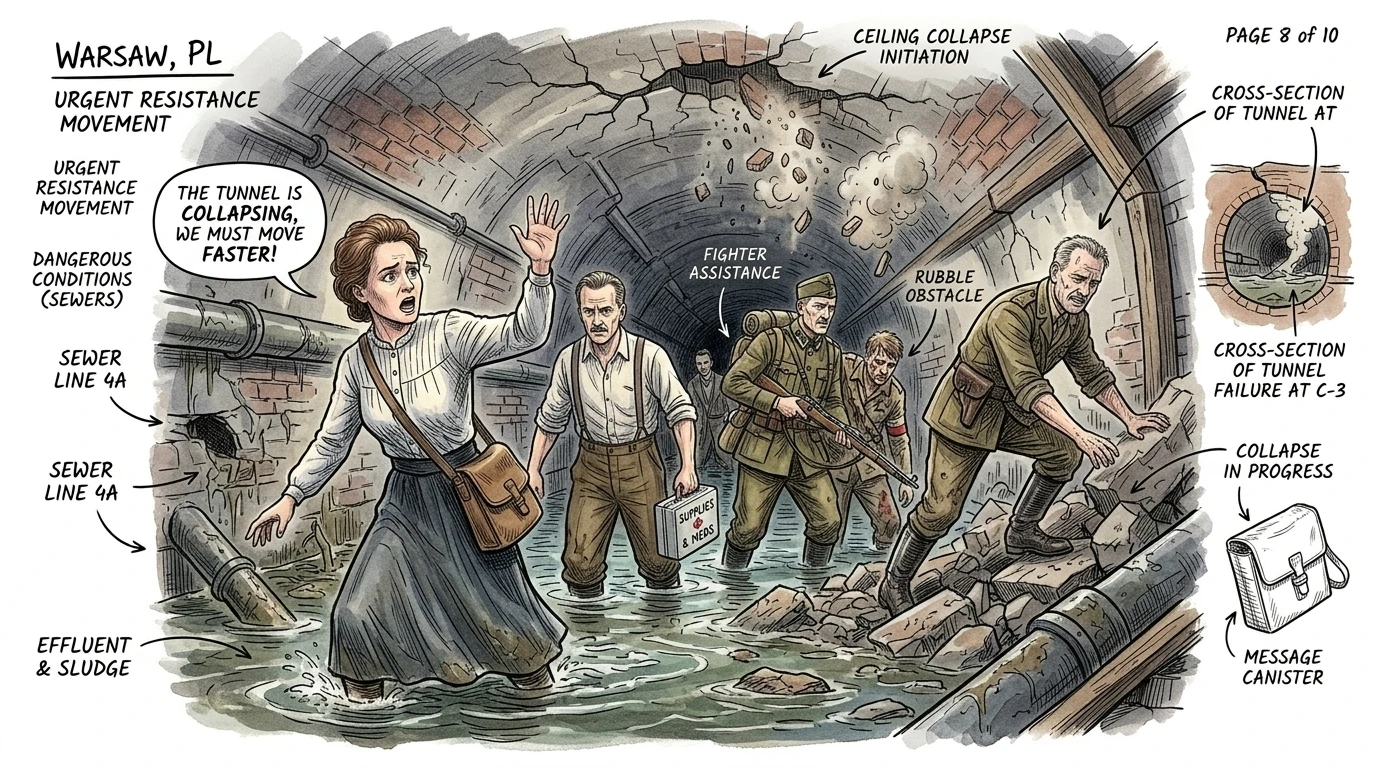
The sewers became a lifeline, but also a death trap. Maria Skłodowska-Curie led a group of wounded through the tunnels when disaster struck. "The tunnel is collapsing, we must move faster!" she cried as the sewer began to give way.
Page 9
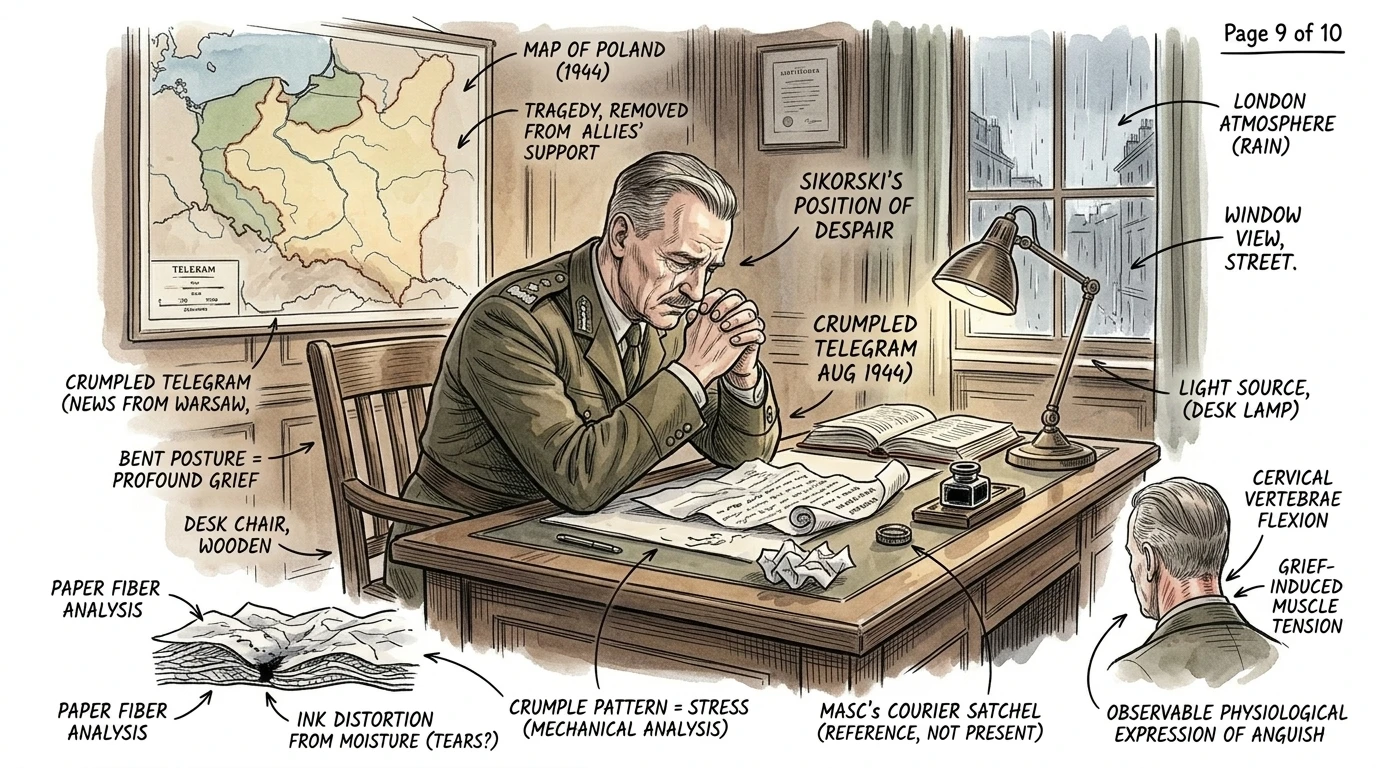
In London, General Sikorski received the news of Warsaw's impending surrender. He bowed his head in sorrow. The Polish government in exile could only watch as their homeland was destroyed. He knew history would remember the bravery of the Warsaw Uprising.
Page 10
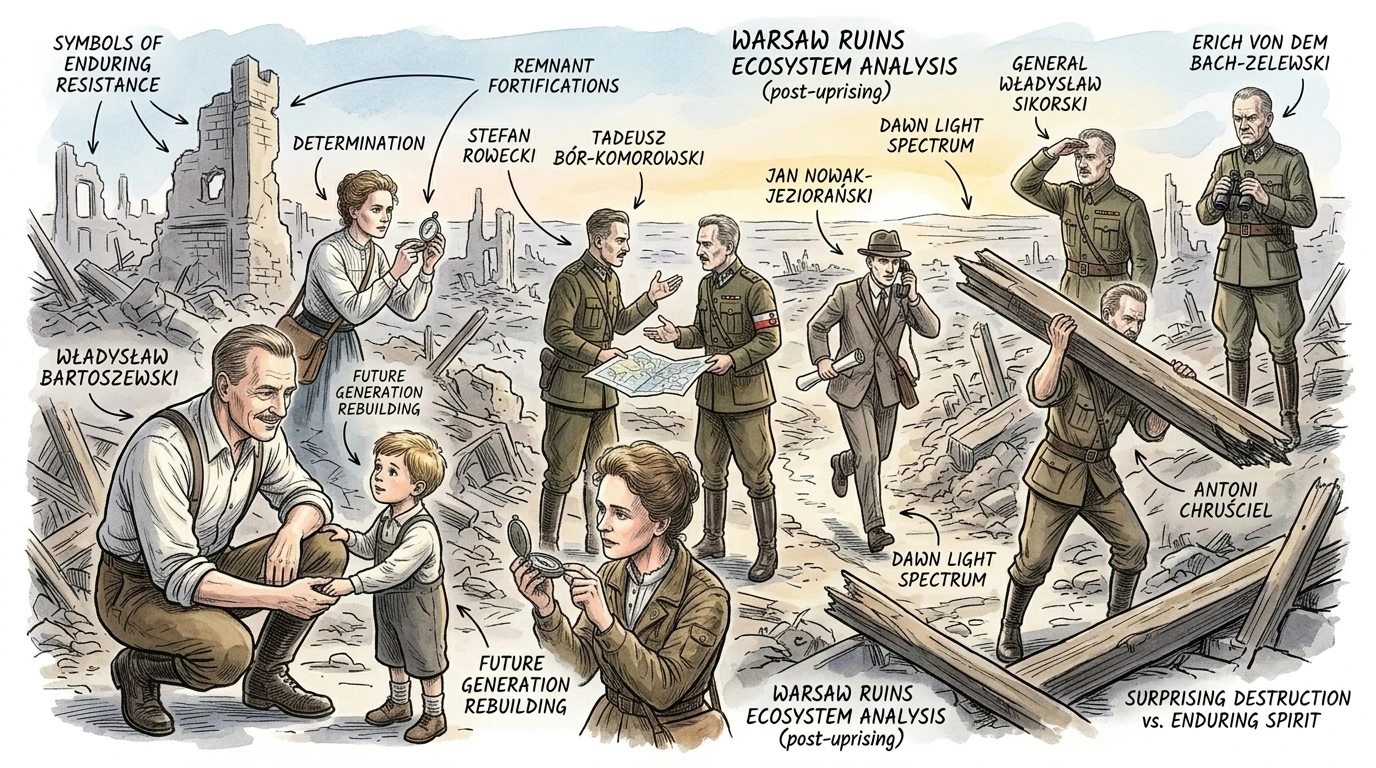
Warsaw was in ruins. Yet, the spirit of the Polish people could not be broken. The Warsaw Uprising, though crushed, became a symbol of resistance against oppression. It inspired future generations to fight for freedom, no matter the cost.
About this story
- Historical figures: Tadeusz Bor-Komorowski, Władysław Bartoszewski, Maria Skłodowska-Curie
- Location: Poland
- Period: Modern
- Audience: general readers
Questions and answers
Questions and answers about The Warsaw Uprising (1944, Poland)
Read Wonder History on your phone
Wonder History is available on Android. Get Wonder History on Google Play.