Airplane
Airplane — an illustrated inventions story, set in Global. 10 illustrated pages, free to read on Wonder Inventions.
Page 1
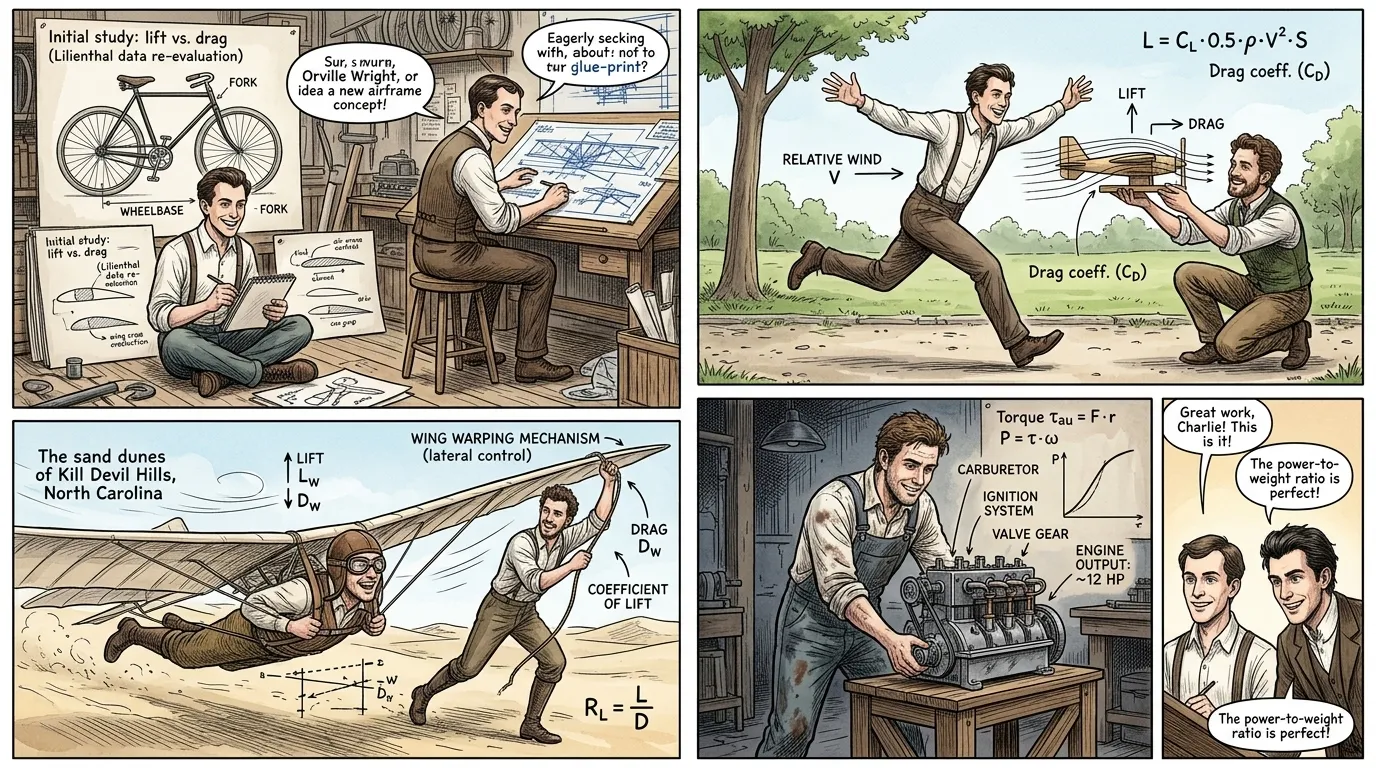
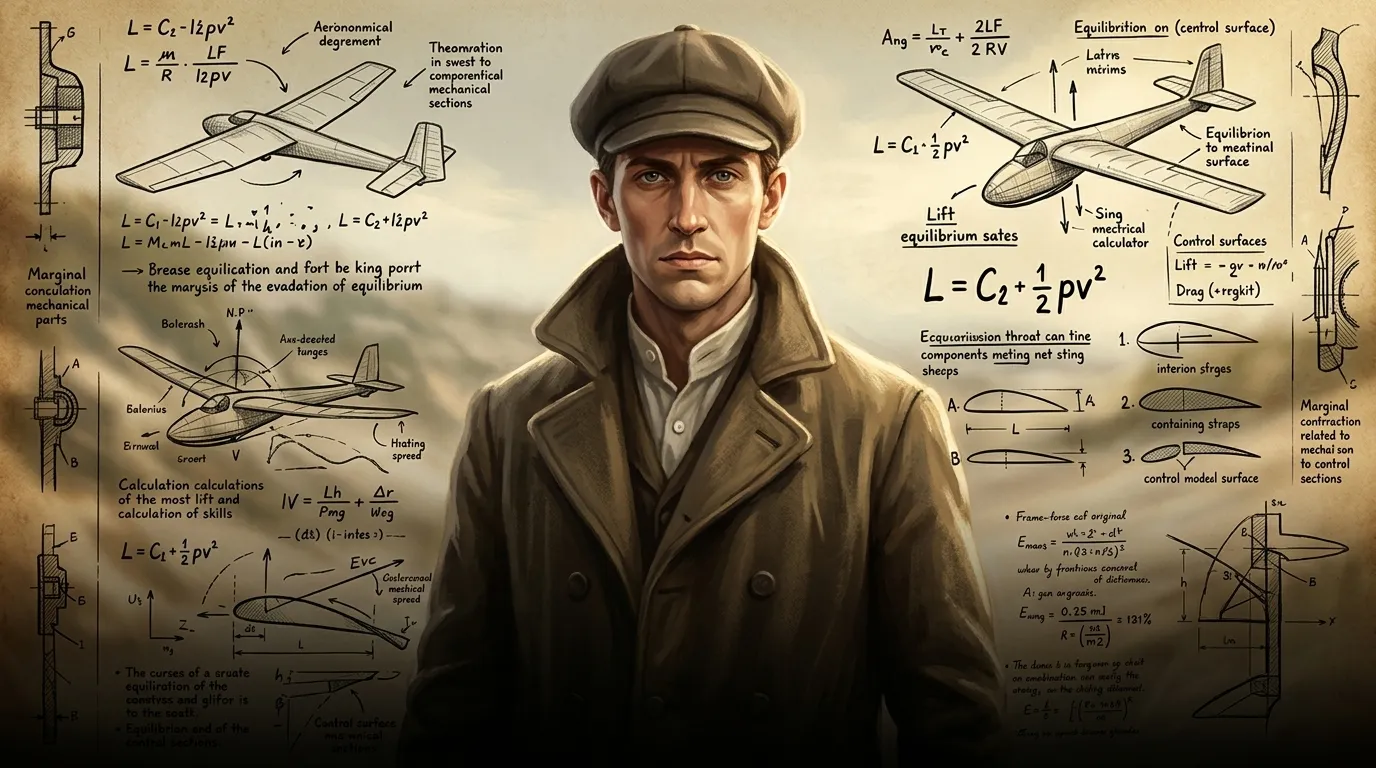
December 17, 1903, at Kill Devil Hills, North Carolina, marked an epochal moment in human endeavor. On this frigid morning, after years of relentless experimentation, Orville Wright lay prone in his delicate flying machine, its linen wings shimmering against the desolate dunes. With his brother Wilbur observing, the custom-built engine sputtered to life, propellers carving the biting wind.
"A short, sharp crackle broke the silence as the primitive engine caught. The machine trembled, then with an unexpected surge, began its brief, historic ascent."
Page 2
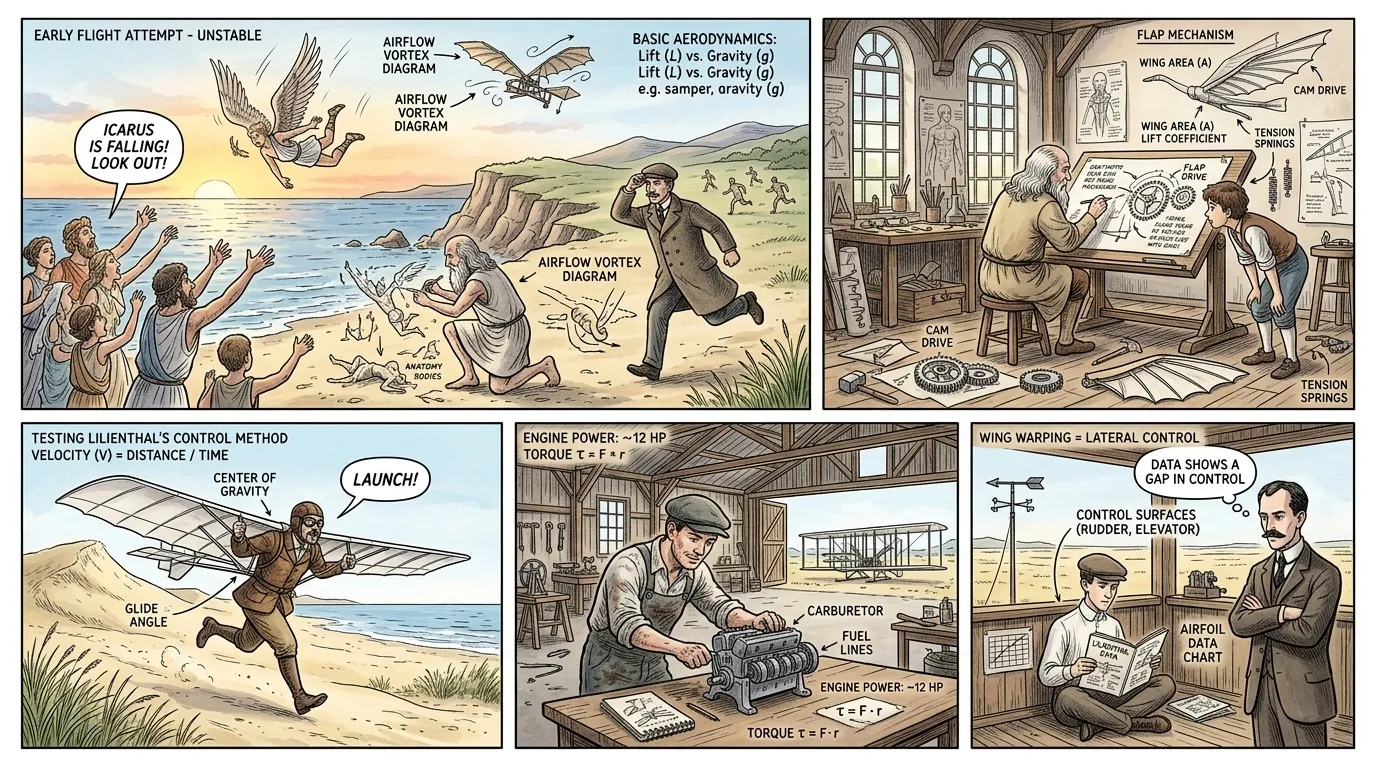
For millennia, humanity gazed skyward, dreaming of flight. Ancient myths spoke of Icarus, and Renaissance sketches by Leonardo da Vinci depicted ornithopters, yet the fundamental challenge remained: how to lift, propel, and control a heavier-than-air craft. Early attempts often focused solely on lift, neglecting the crucial elements of propulsion and dynamic stability, leading to predictable failures.
"The aspiration for flight was universal, but the scientific principles proved elusive. We sought to understand what made a bird soar, yet lacked the mechanical means to replicate it reliably."
Page 3
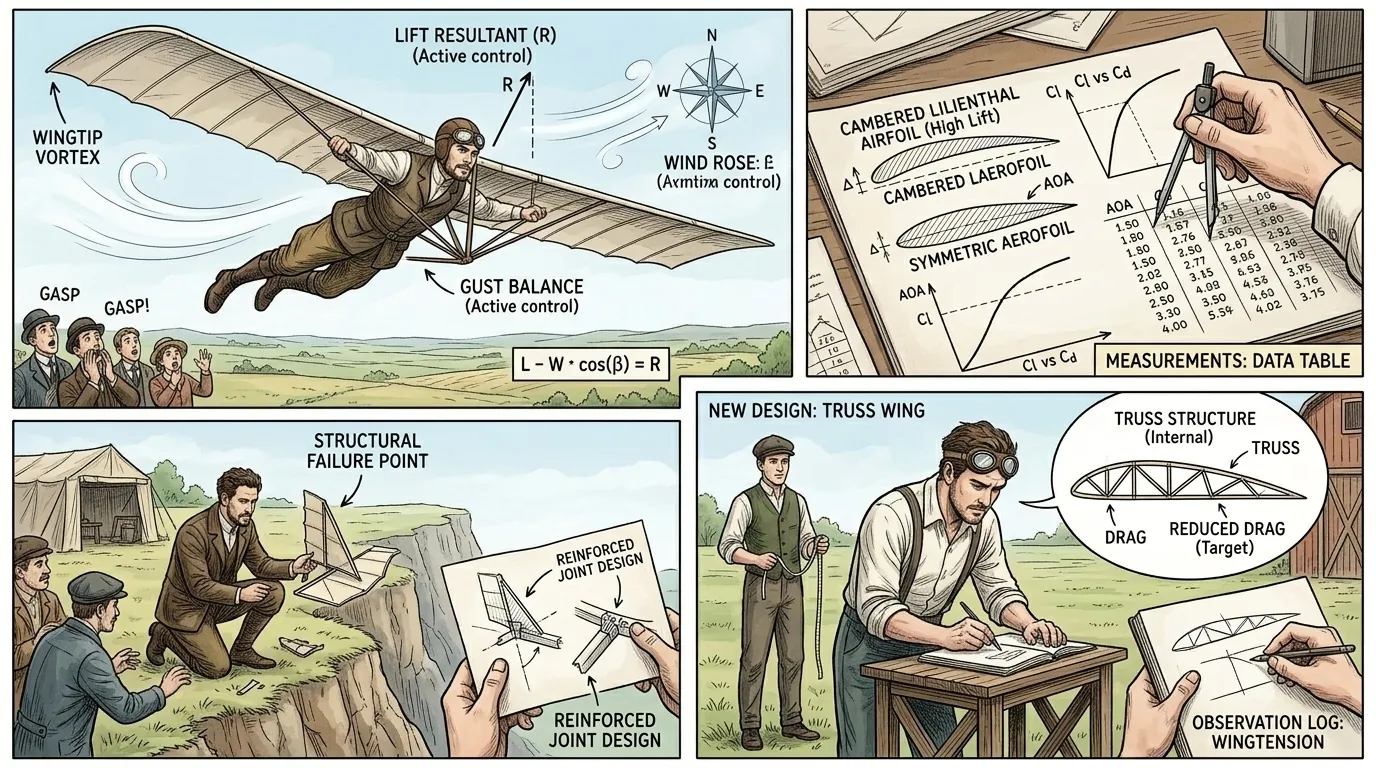
Before the Wrights, figures like Otto Lilienthal, the 'Glider King,' meticulously studied bird flight and aerodynamics, conducting thousands of manned glider flights in the late 19th century. His systematic approach provided invaluable data on lift and drag, meticulously documented in his scientific papers. Yet, control remained rudimentary, relying on body shifting to maintain balance, a method often inadequate against sudden wind gusts.
"As Otto Lilienthal himself remarked, 'To invent a flying machine is nothing; to build one is little; to fly one is everything.' His data was crucial, but the next step—mastering active control—remained a formidable challenge."
Page 4
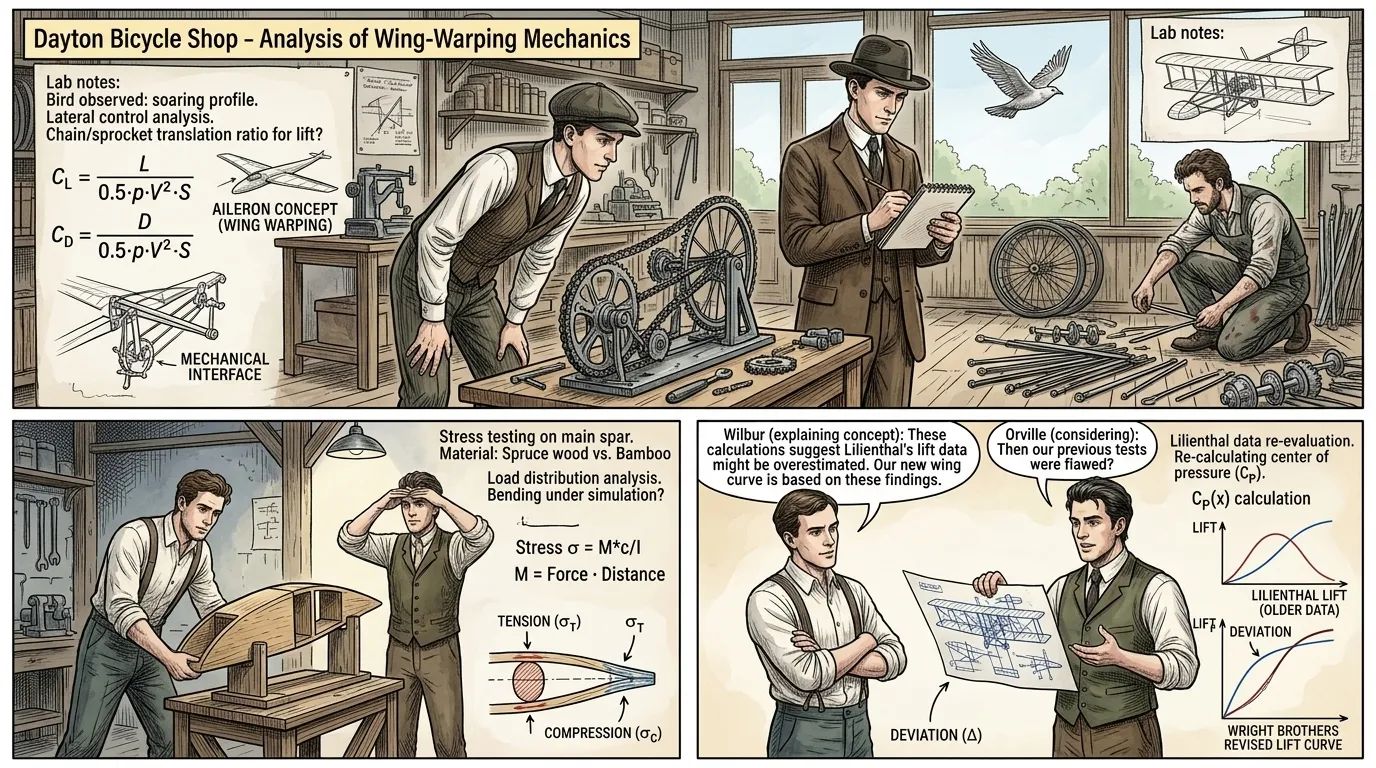
Brothers Orville and Wilbur Wright, bicycle manufacturers from Dayton, Ohio, approached the problem of flight with a unique blend of practical engineering and scientific inquiry. Intrigued by Lilienthal's work and his tragic demise, they recognized that the key was not just lift or propulsion, but active, three-dimensional control. Their bicycle shop provided the tools and the inventive mindset.
"Wilbur often stated, 'No bird ever soars in a calm. The wind is what lifts it, and the bird uses the wind to maintain its flight.' This understanding drove their rigorous experimentation."
Page 5
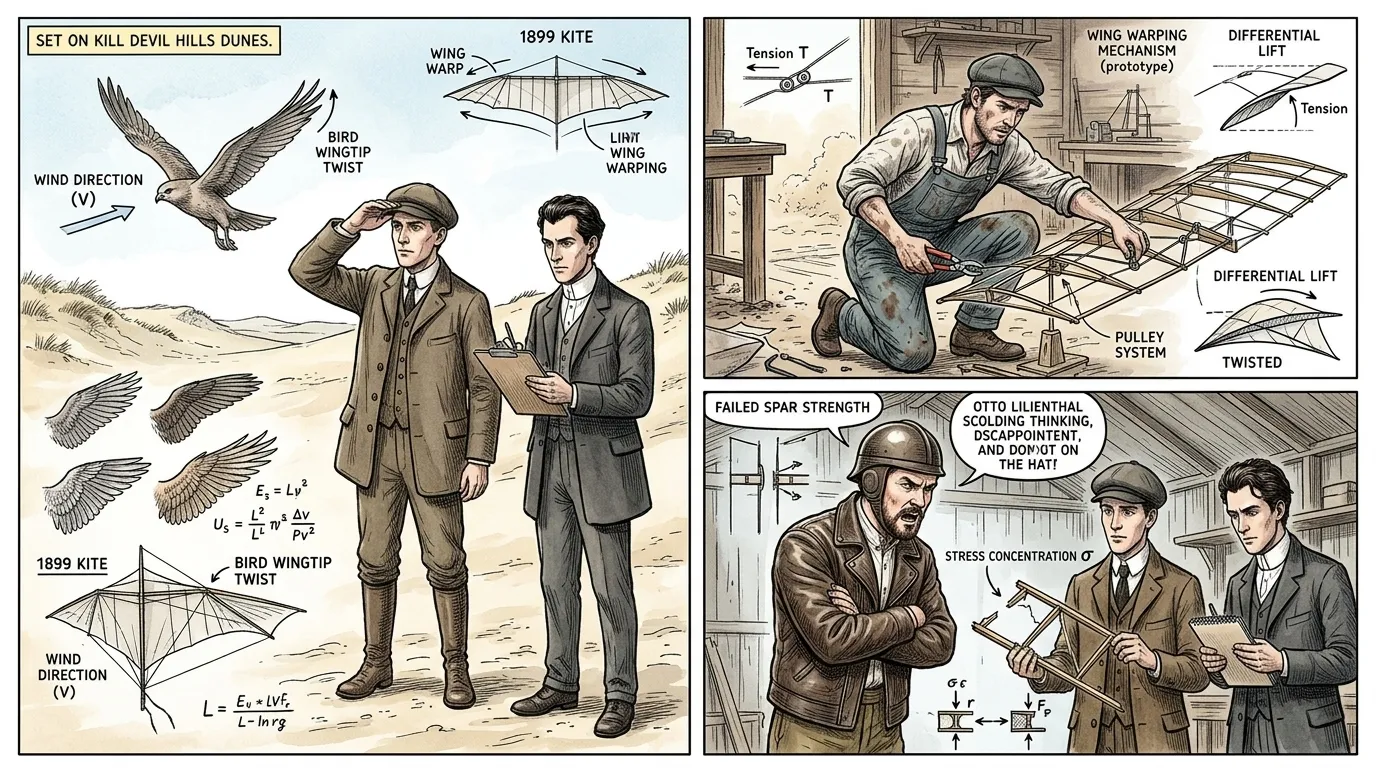
The Wrights' critical insight came from observing birds and noticing how they subtly twisted their wingtips to maintain balance. This led to the concept of 'wing warping,' a method to twist the trailing edges of the wings in opposite directions, thereby increasing lift on one side and decreasing it on the other. This differential lift created a rolling motion, allowing the pilot to bank the aircraft, a breakthrough in lateral control that no one else had effectively solved.
"Orville, reflecting on their progress, once mused, 'It is not a question of the size of the machine, but of the correctness of the principles on which it is built.' Wing warping embodied that principle."
Page 6
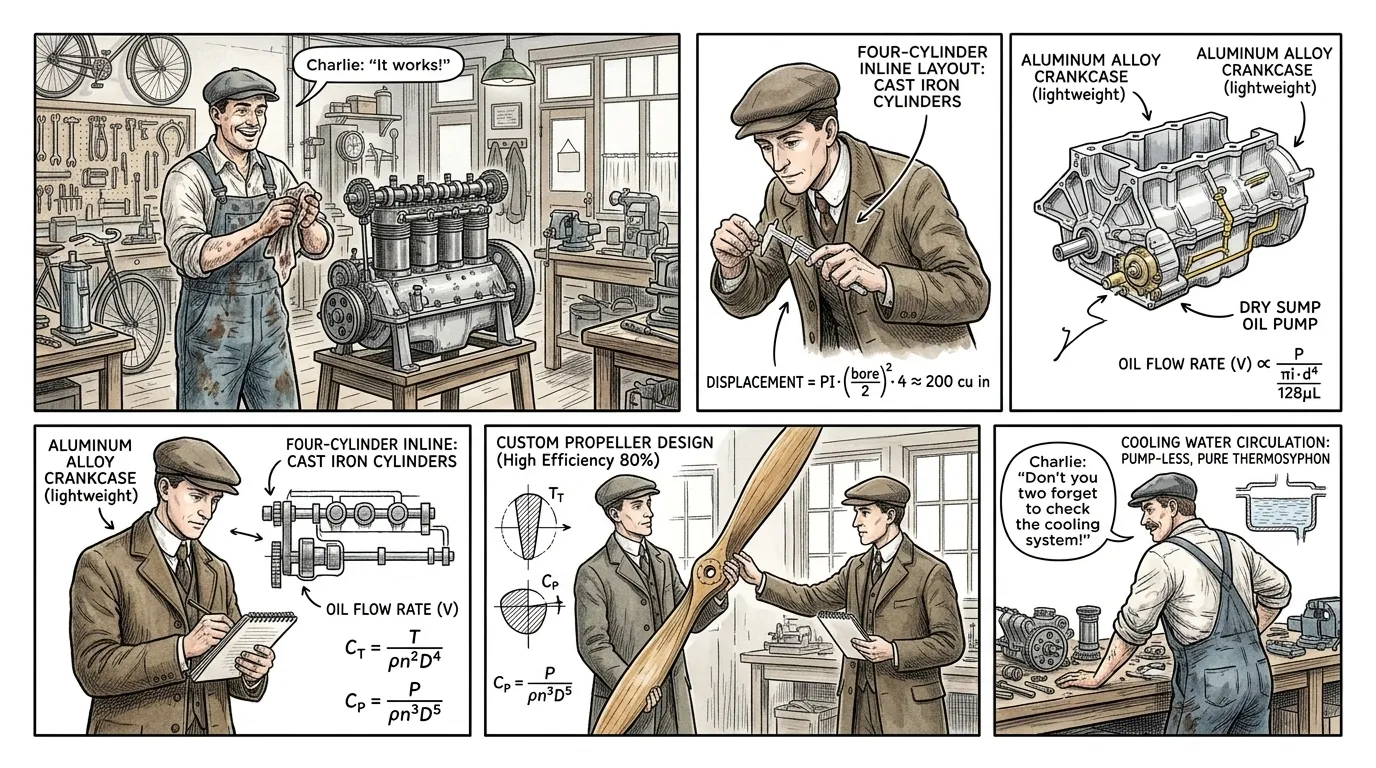
Beyond control, the Wrights needed propulsion. Unable to find a suitable lightweight engine on the market, they designed and built their own, with the assistance of their mechanic, Charlie Taylor. This four-cylinder, 12-horsepower engine, along with their meticulously designed propellers—which they understood as rotating wings—provided the necessary thrust. Their aerodynamic tables, derived from their wind tunnel experiments, informed the precise curvature of the wings for optimal lift.
"Charlie Taylor, wiping grease from his hands, remarked, 'Every detail counts. A single ounce too much, a single weakness, and the whole thing might fail.' This commitment to precision was critical for their success."
Page 7
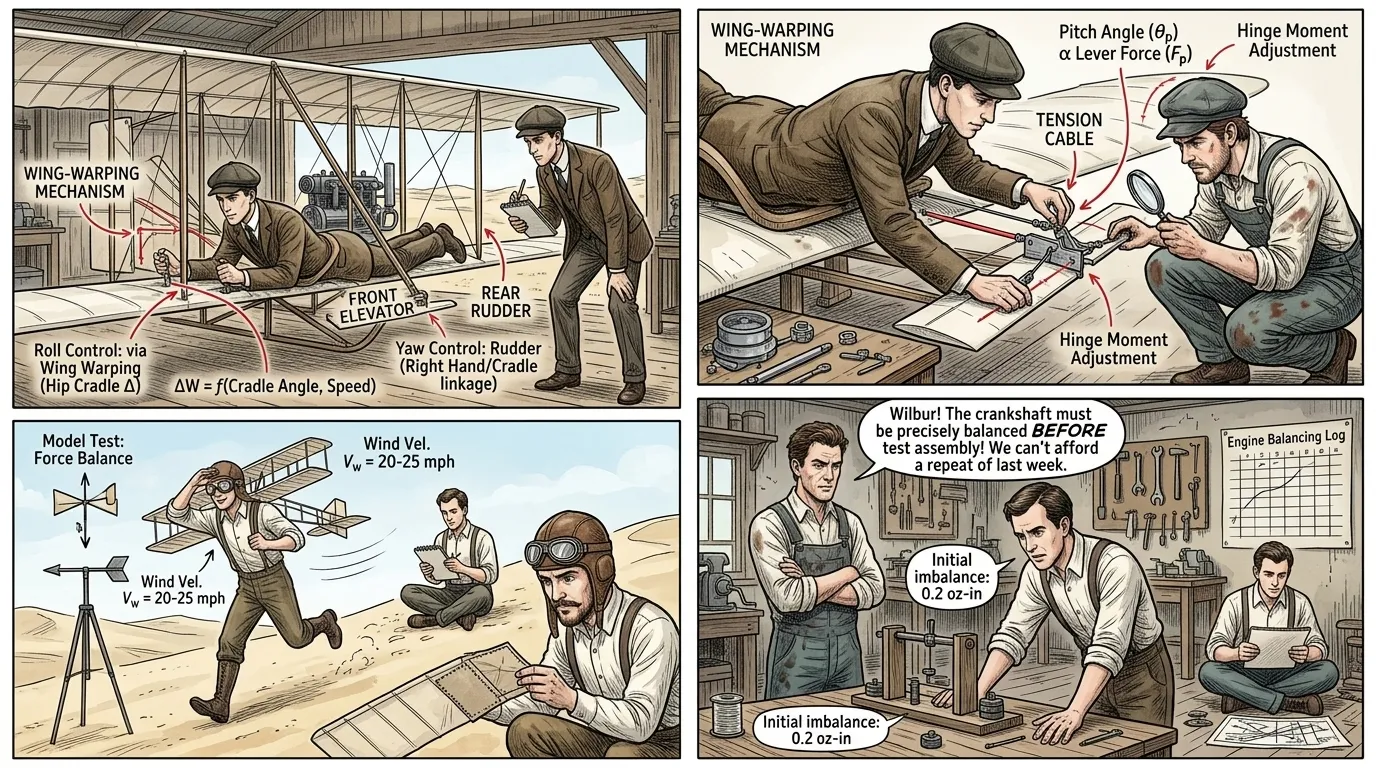
The genius of the Wright Flyer lay in its integrated three-axis control system: wing warping for roll (lateral movement), a front elevator for pitch (up and down movement), and a rear rudder for yaw (left and right steering). The pilot, lying in a hip cradle, simultaneously controlled roll and yaw, while a separate lever managed pitch. This interdependent system allowed for precise, coordinated maneuvers, a revolutionary departure from the crude, unstable machines of their predecessors.
"Wilbur often emphasized, 'The desire to fly is an idea handed down to us by our ancestors who, in their weary lives, looked enviously at the birds soaring freely through space.' Their system made that freedom tangible."
Page 8
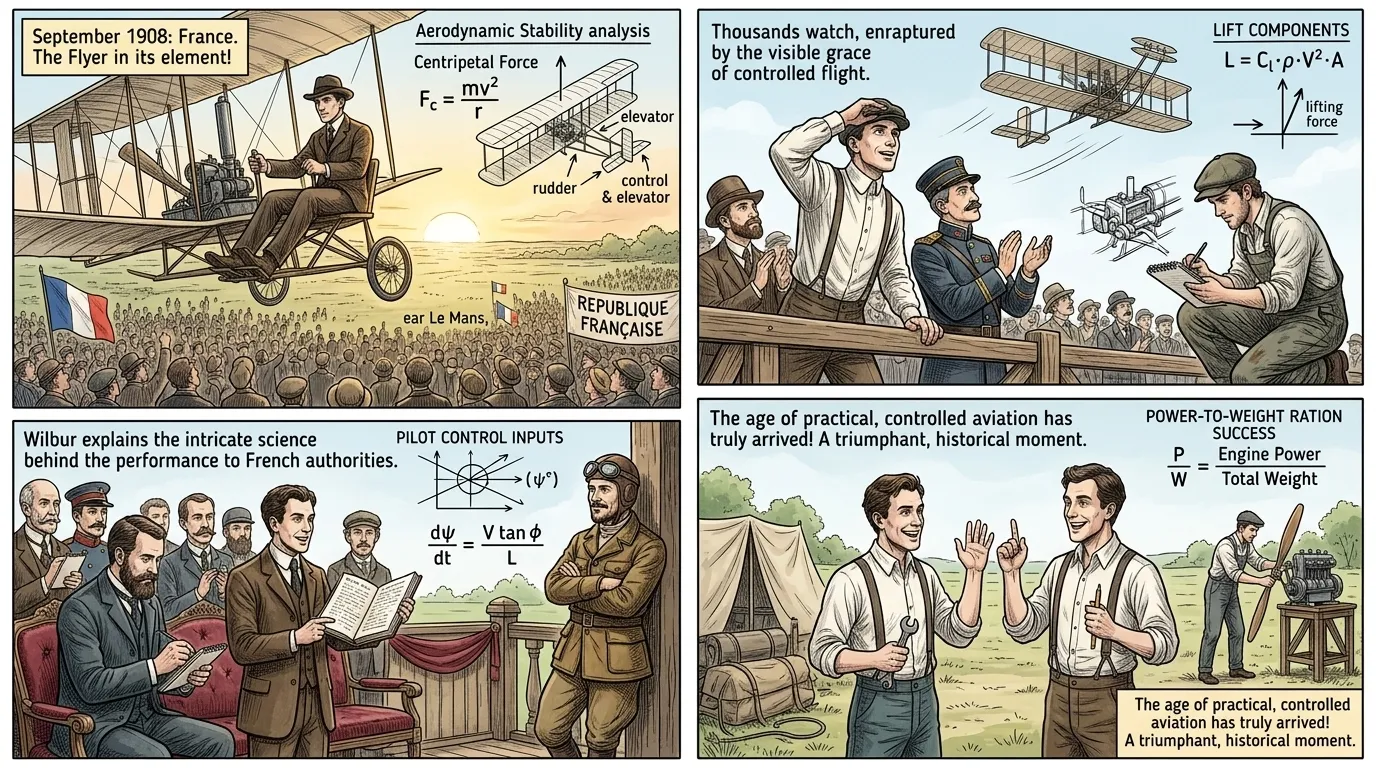
Initial skepticism surrounding the Wrights' claims persisted for years, especially in America. It wasn't until Wilbur's dazzling public demonstrations in France in 1908 that the world truly grasped the significance of their achievement. Performing figure-eights, tight turns, and sustained flights with undeniable grace, Wilbur captivated thousands, including royalty and engineers. The age of aviation had unequivocally arrived, transforming the impossible into an inspiring reality.
"Wilbur Wright, after one such demonstration, simply stated, 'The machine itself is nothing, it is the spirit of man which flies.' His words echoed the newfound human capacity to conquer the air."
Page 9
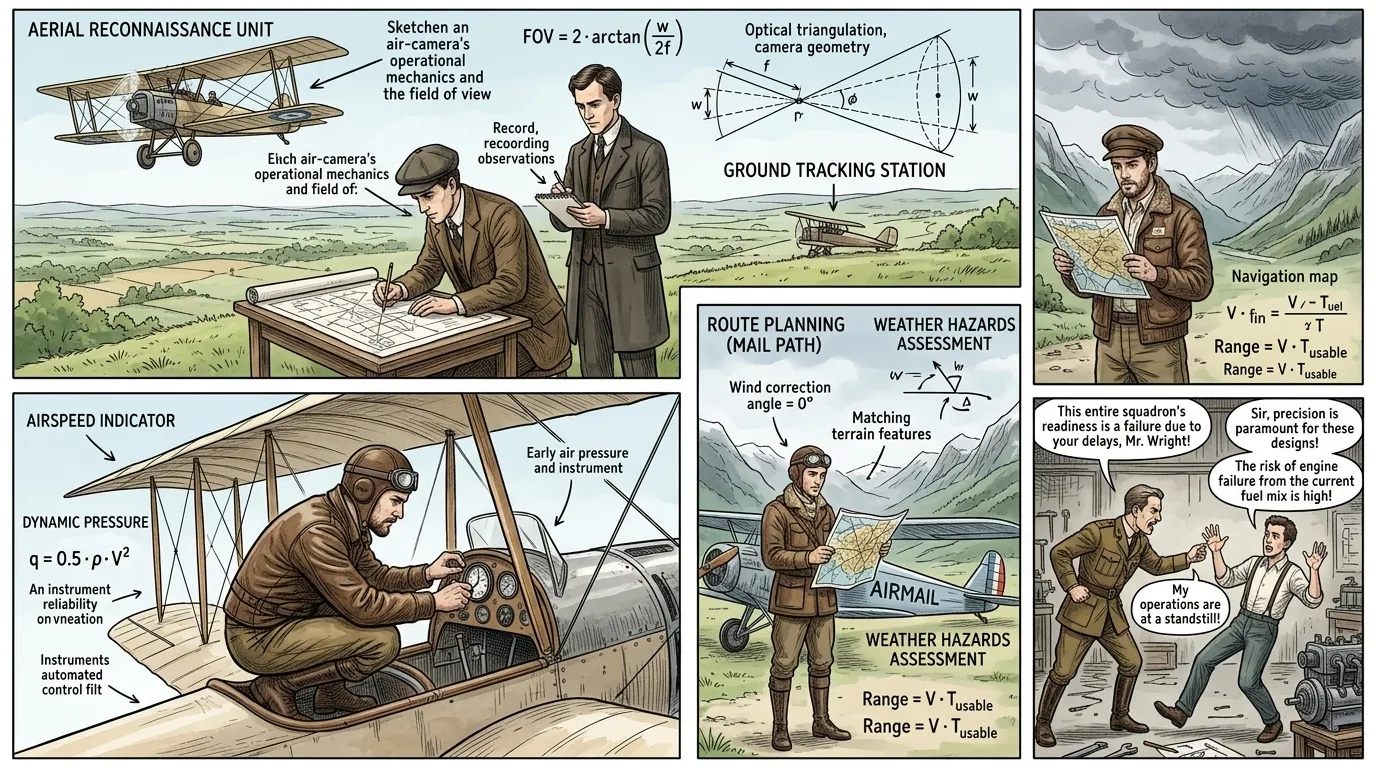
The military implications of the airplane were quickly recognized. From reconnaissance in World War I to strategic bombing, aviation reshaped warfare. Simultaneously, the airplane began to shrink distances for civilian purposes. Airmail services, though initially perilous, proved the potential for rapid transport of goods and information. This new dimension of travel opened up remote regions and fostered a globalized world, unimaginable just decades before.
"An early airmail pilot, reflecting on the challenges, once remarked, 'Every flight is a battle against the elements, but the reward is connecting the world.' This pioneering spirit drove the expansion of aviation."
Page 10
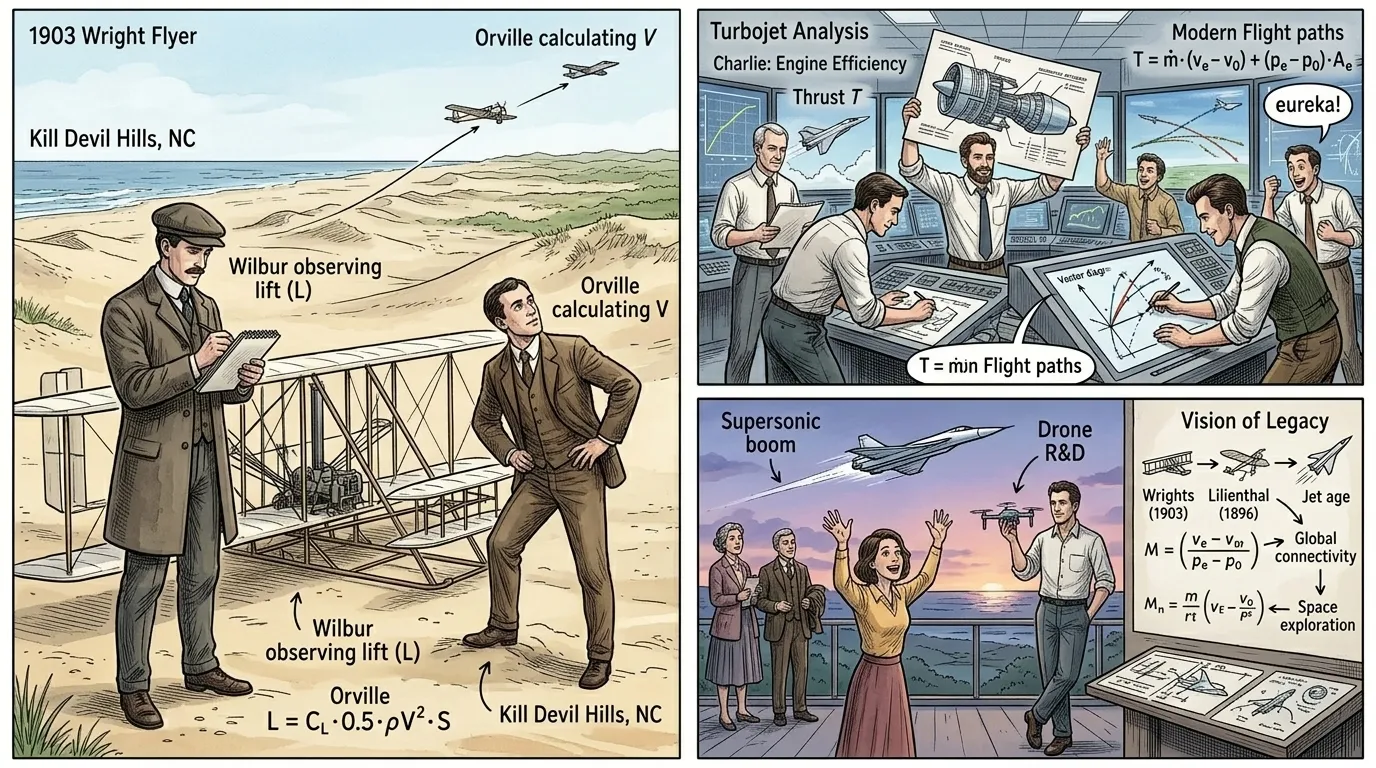
The principles of aerodynamics and three-axis control, meticulously developed by the Wright Brothers, remain foundational to every aircraft that takes to the sky today. From supersonic passenger jets to sophisticated drones and even spacecraft, their initial triumph at Kitty Hawk initiated a technological revolution. The airplane transcended its origins, forever altering human travel, trade, defense, and our very perception of the world's vastness, connecting continents and cultures in ways previously only dreamed.
"The story of the airplane reminds us that human ingenuity, perseverance, and a scientific approach can transform the most ambitious dreams into tangible realities."
About this story
- Location: Global
- Audience: general readers
Questions and answers
Read Wonder Inventions on your phone
Wonder Inventions is available on Android. Get Wonder Inventions on Google Play.