Middlemarch
A young woman who wanted a great life, a scholar who could not give her one, and a whole English town learning what its people are really made of
Page 1
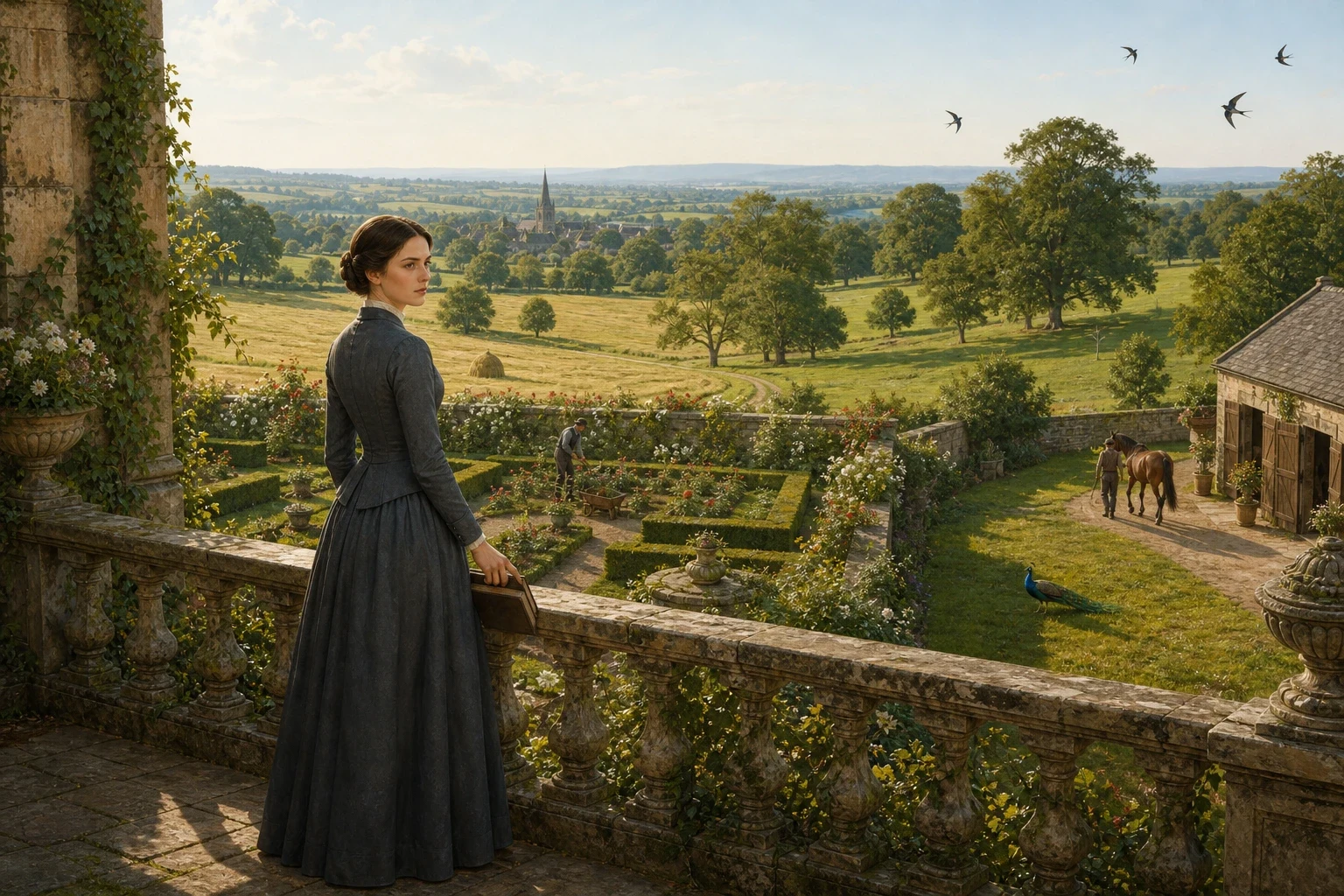
In the English county of Loamshire, on the grounds of her uncle's house, Tipton Grange, lived a young woman named Dorothea Brooke. She was clever, serious, and impatient with small things. She did not want pretty trinkets or an easy husband who would only admire her; she wanted a great and useful life, and she believed a truly great mind might show her how to live one. Her younger sister Celia liked bonnets and ordinary pleasures, and the neighbouring gentleman, Sir James Chettam, was kind and plainly in love with her, but Dorothea found him dull beside the ideas she carried in her head. She had begun to notice, instead, the Rector of the next parish, Mr. Casaubon, a scholar said to be writing a vast work that would explain the meaning of every myth and religion that had ever existed. She thought that to help such a man would be worth more than any ordinary marriage.
Page 2
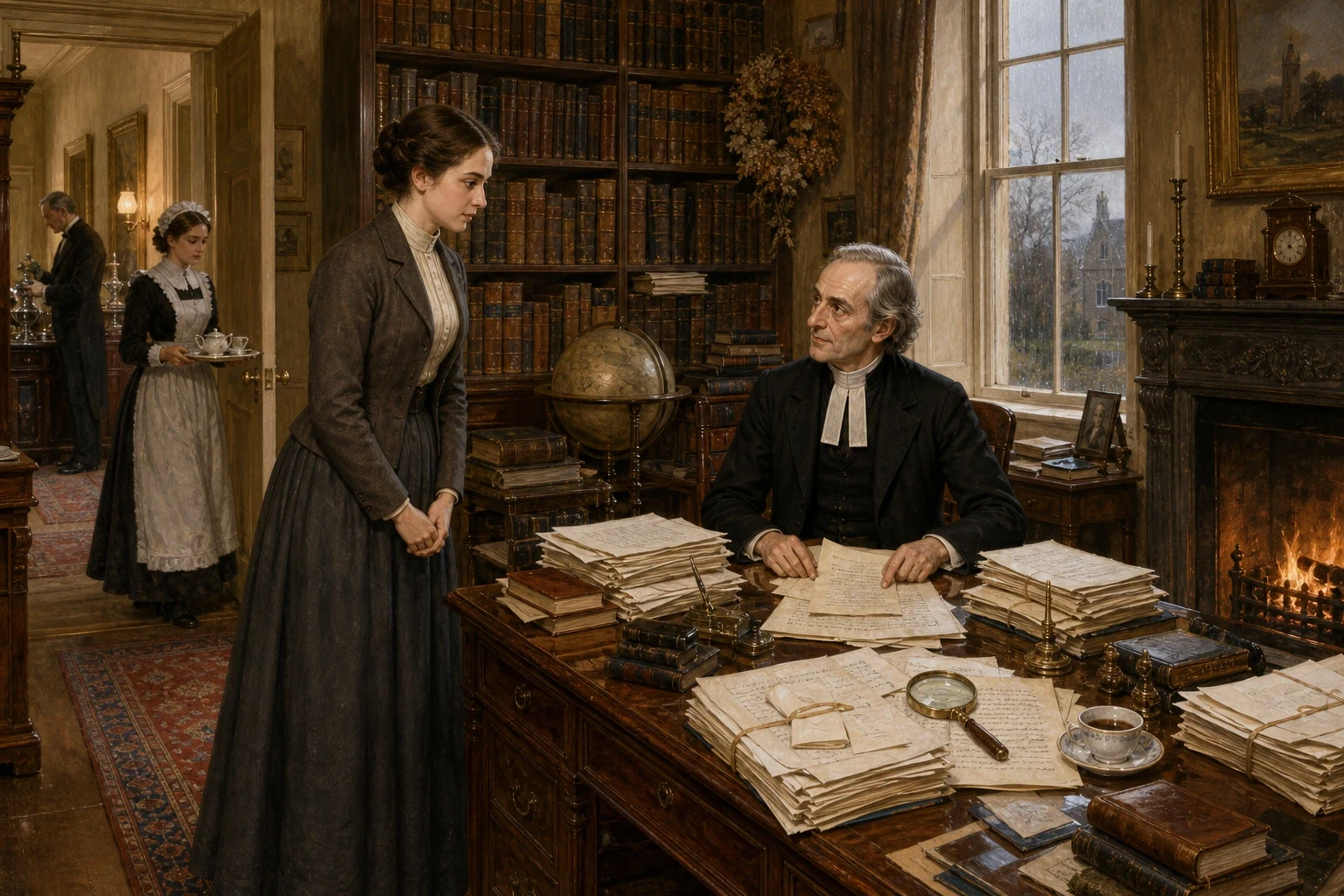
Dorothea visited Lowick Rectory often that winter, and each time she saw Mr. Casaubon's great study, crowded floor to ceiling with notes toward his lifelong project, a book he called the Key to All Mythologies, meant to show that every old story and god that mankind had ever believed in was really one single buried truth. She thought it the noblest work a mind could attempt, and imagined herself useful to it, copying his notes, learning languages to help him, living always close to something larger than herself. When his letter came asking for her hand, written in careful, formal, rather cold sentences, she did not hesitate, though her uncle and her sister were troubled by the match. She believed she was choosing a life devoted to real knowledge, and she accepted him.
Page 3
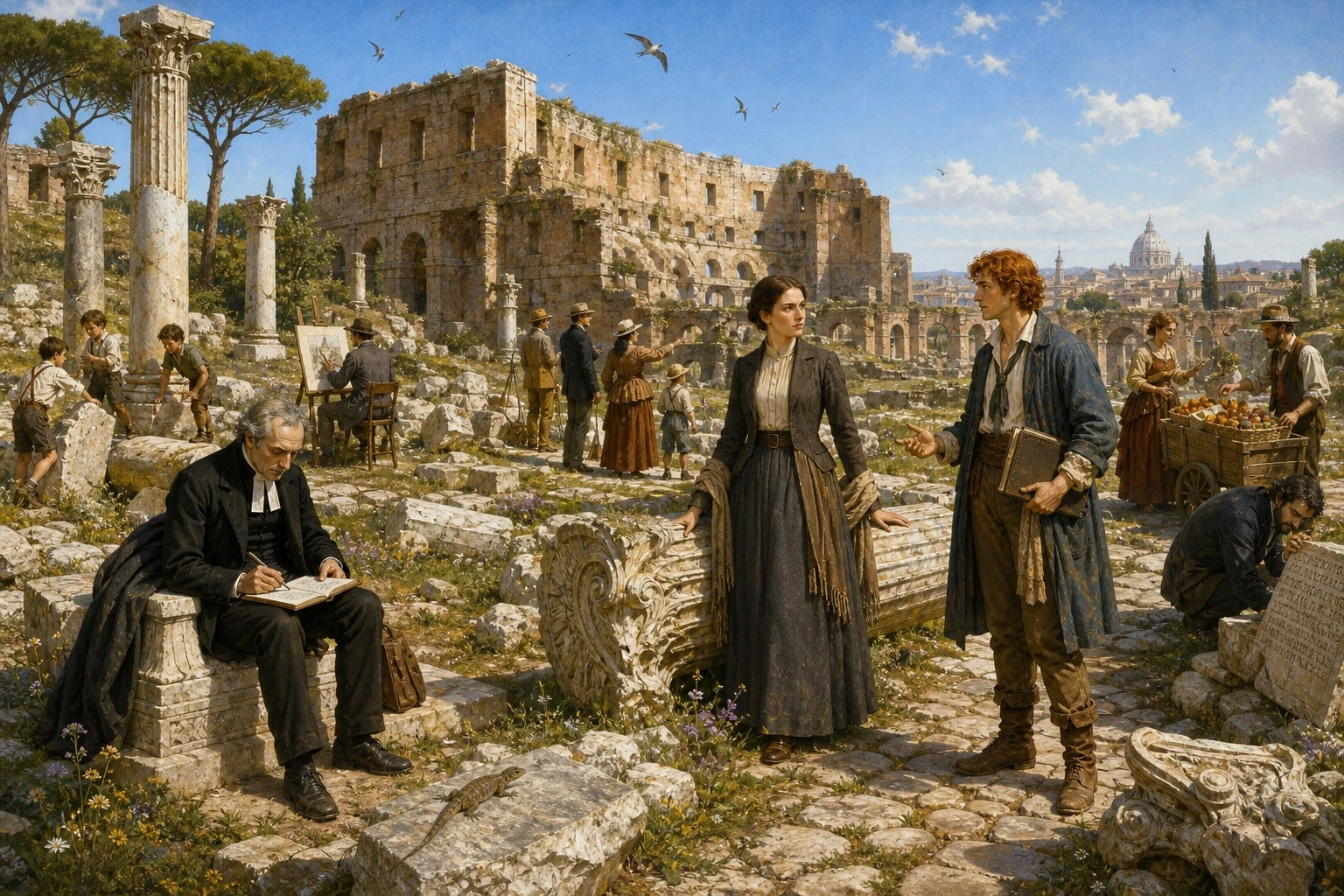
They went to Rome for their wedding journey, and there Dorothea's hopes began quietly to fail her. Mr. Casaubon spent his days buried in dim libraries copying notes for his great book, and had little time or warmth left over for his young wife, who wandered the ruined city feeling, for the first time, how alone such a marriage could be. It was there she met Will Ladislaw again, Mr. Casaubon's young cousin, who was studying painting in Rome and who found Dorothea's seriousness charming rather than strange. He teased her gently about caring only for her husband's footnotes, and in his easy, living interest in the world around them she felt, without quite naming it, how much she had been missing.
Page 4
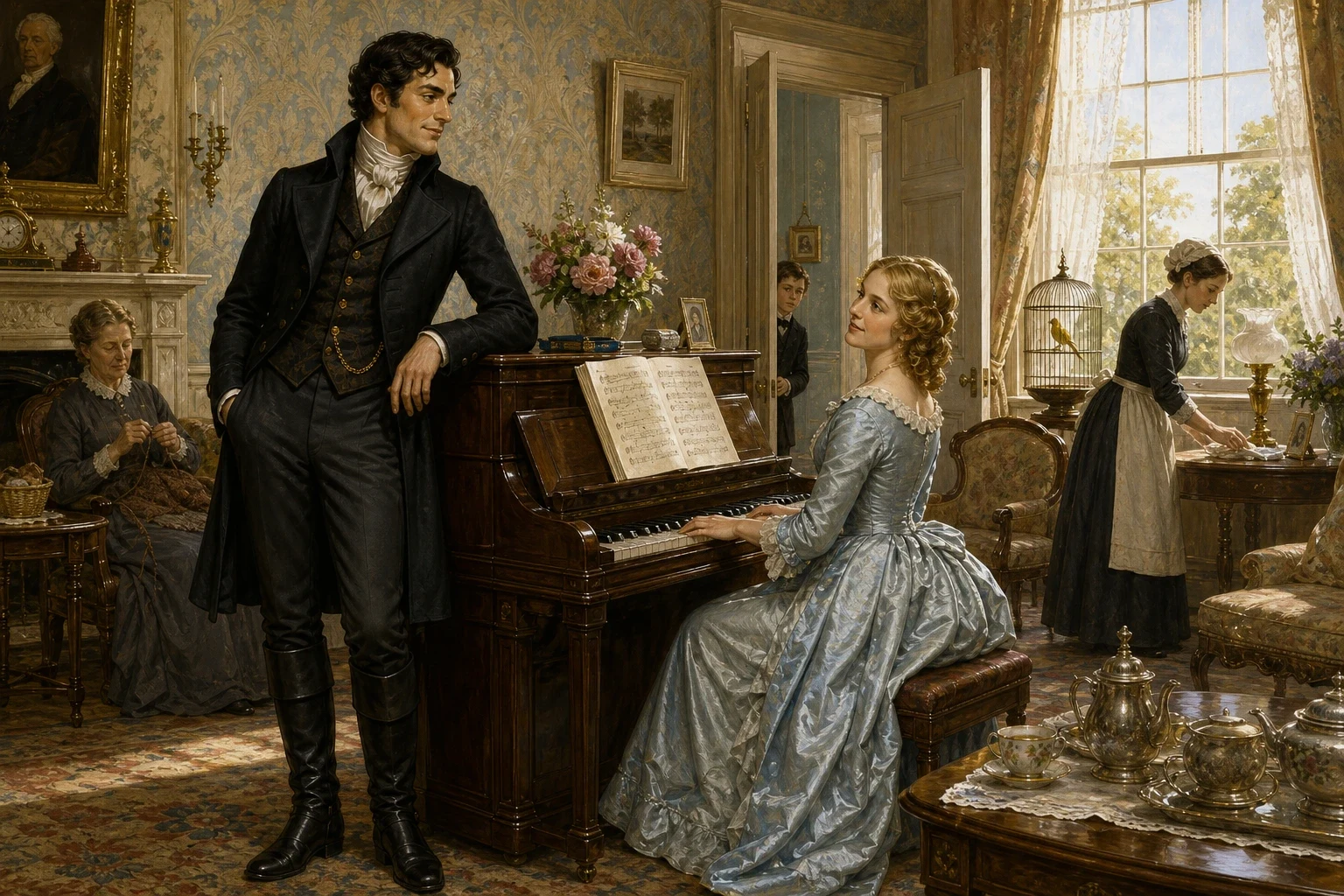
In the town of Middlemarch itself, a new doctor named Tertius Lydgate had arrived with grand ideas about reforming medicine and building a proper hospital, certain he could rise above the ordinary ambitions of other men. He began calling often at the house of Mr. Vincy, the mayor, where the daughter of the house, Rosamond, played the piano beautifully and listened to Lydgate's plans with flattering attention. She was pretty, accomplished, and had quietly decided, long before he had, that she meant to marry him. Lydgate told himself he had no time for falling in love, and told himself so right up until he had fallen entirely, without noticing the exact moment it happened.
Page 5
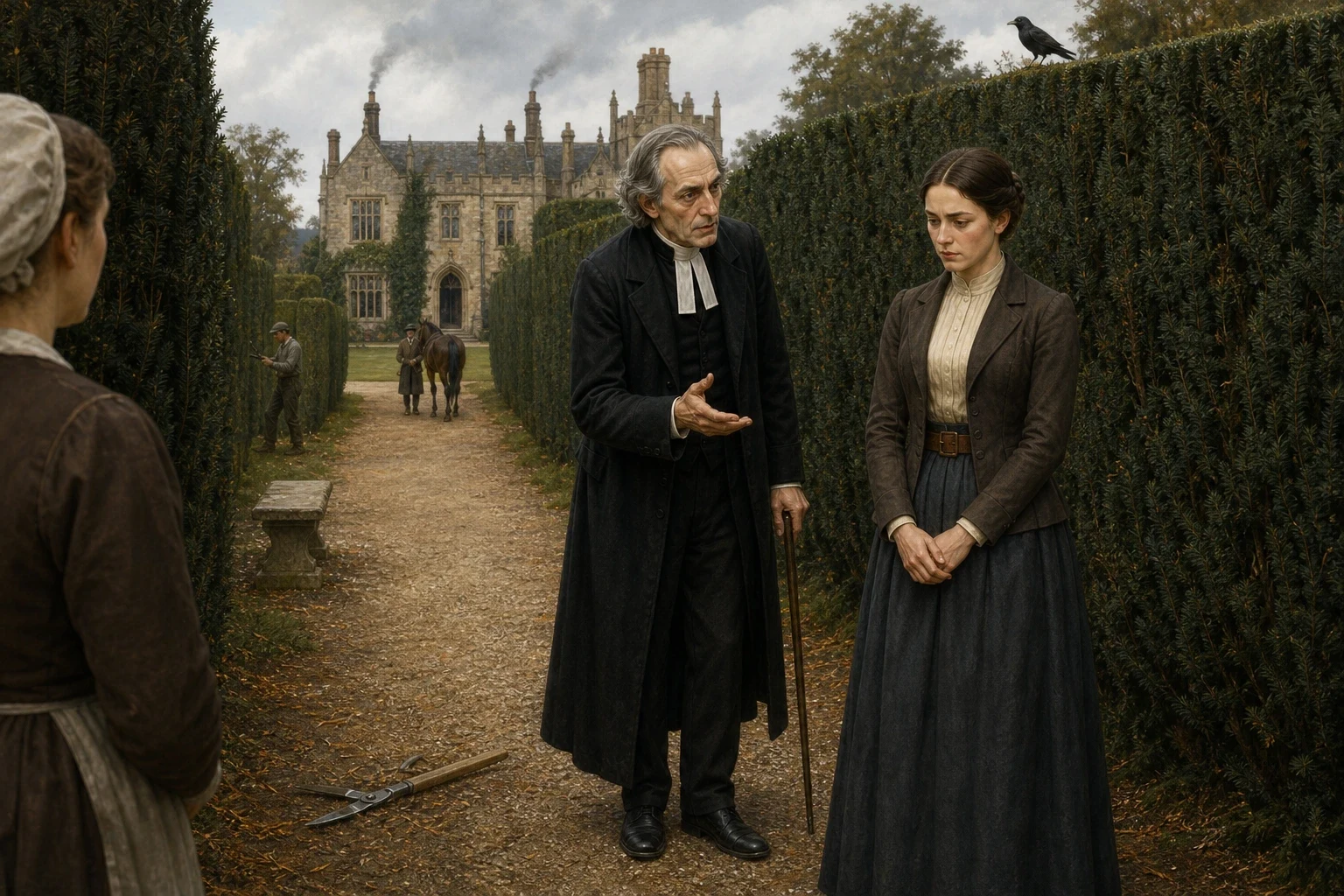
Back at Lowick Manor, Mr. Casaubon's health was failing, and he knew it better than anyone let on to him. Walking slowly beside Dorothea along the dark yew-tree avenue near the house, he asked her to promise him something: that whatever she might learn of his wishes after his death, she would carry them out faithfully. He would not say plainly what the wishes were. Dorothea, troubled by the strangeness of being asked to promise blindly, asked for a little time before she answered, wanting to understand what she was binding herself to. She told herself she would give her answer the next morning. But when morning came, Mr. Casaubon was found dead in the garden, and the promise was never given, and never refused.
Page 6
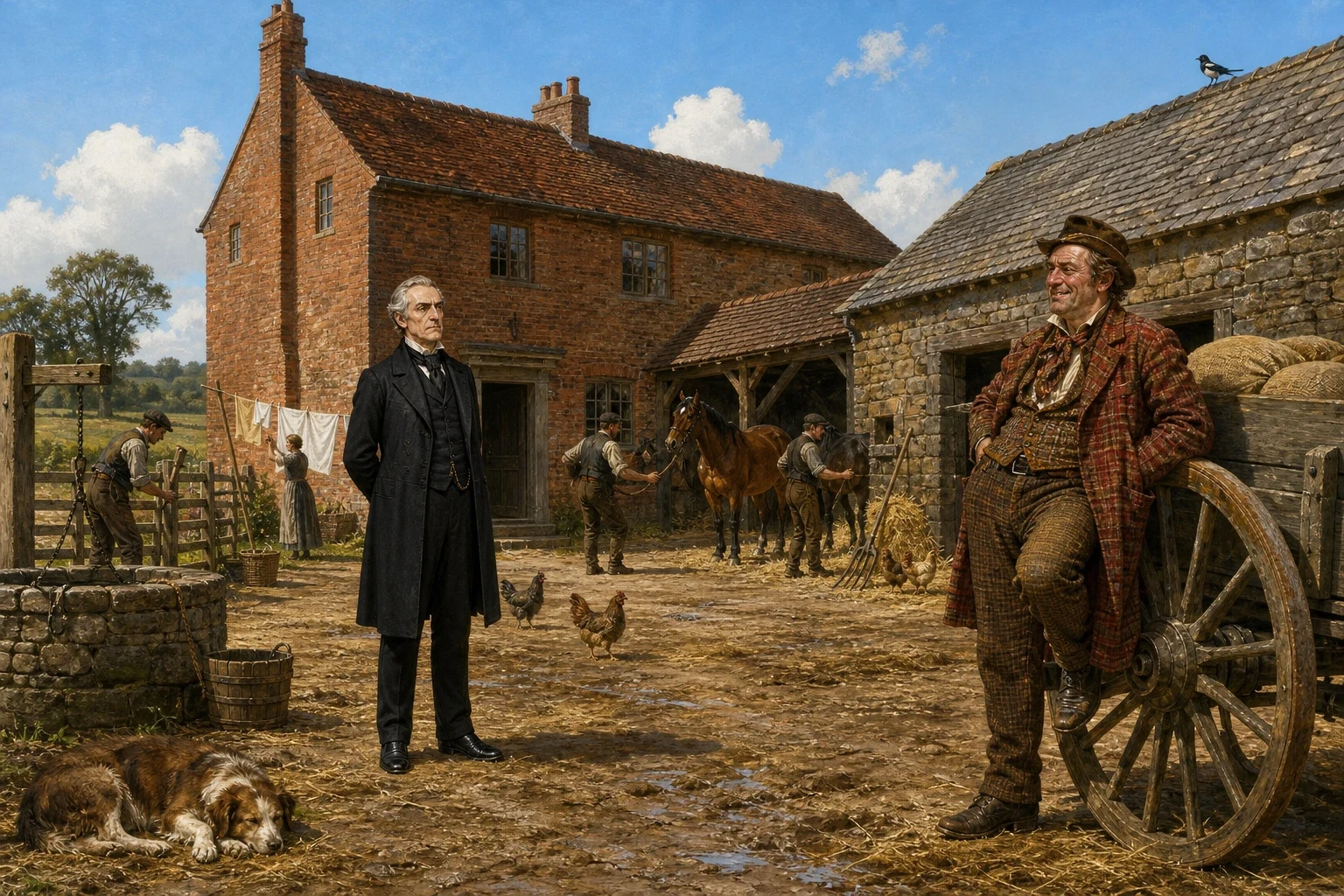
At Stone Court, the farm Mr. Bulstrode had come to own, a man named Raffles arrived uninvited one afternoon. Years before, in a different town under a different name, Bulstrode had built his fortune through means he had buried deep and hoped forgotten, and Raffles had known him then. Now, shabby and pleased with himself, Raffles made it clear he remembered everything, and that his silence from now on would cost Bulstrode a steady income. Bulstrode, a man who had spent decades appearing devout and respectable before the whole of Middlemarch, stood rigid in his own farmyard and understood that his carefully built life could be undone by this one grinning, unwelcome visitor.
Page 7
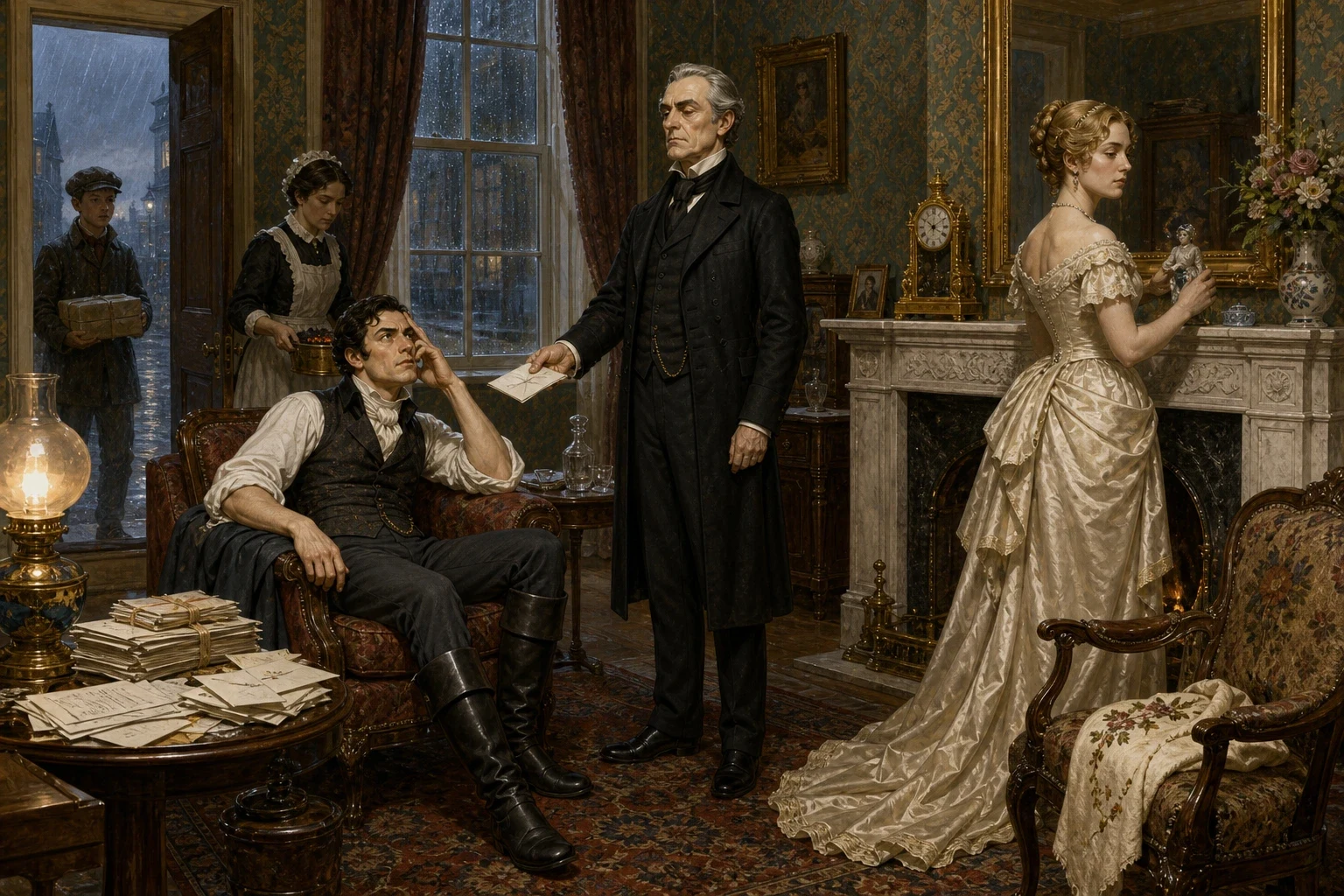
Lydgate's hospital plans had cost more than he earned, and Rosamond's taste for fine furniture and fine living had cost more still; between the two of them, debts had piled up that Lydgate saw no honest way to clear. Rosamond, when he tried to explain their situation, blamed him coldly for failing to provide what she had expected, and would not hear of giving anything up. Into this household came Mr. Bulstrode, who needed a friend he could rely on and who offered Lydgate a loan large enough to settle everything at once. Lydgate, worn down and ashamed, accepted it, not knowing how closely his name was about to be tied to Bulstrode's.
Page 8
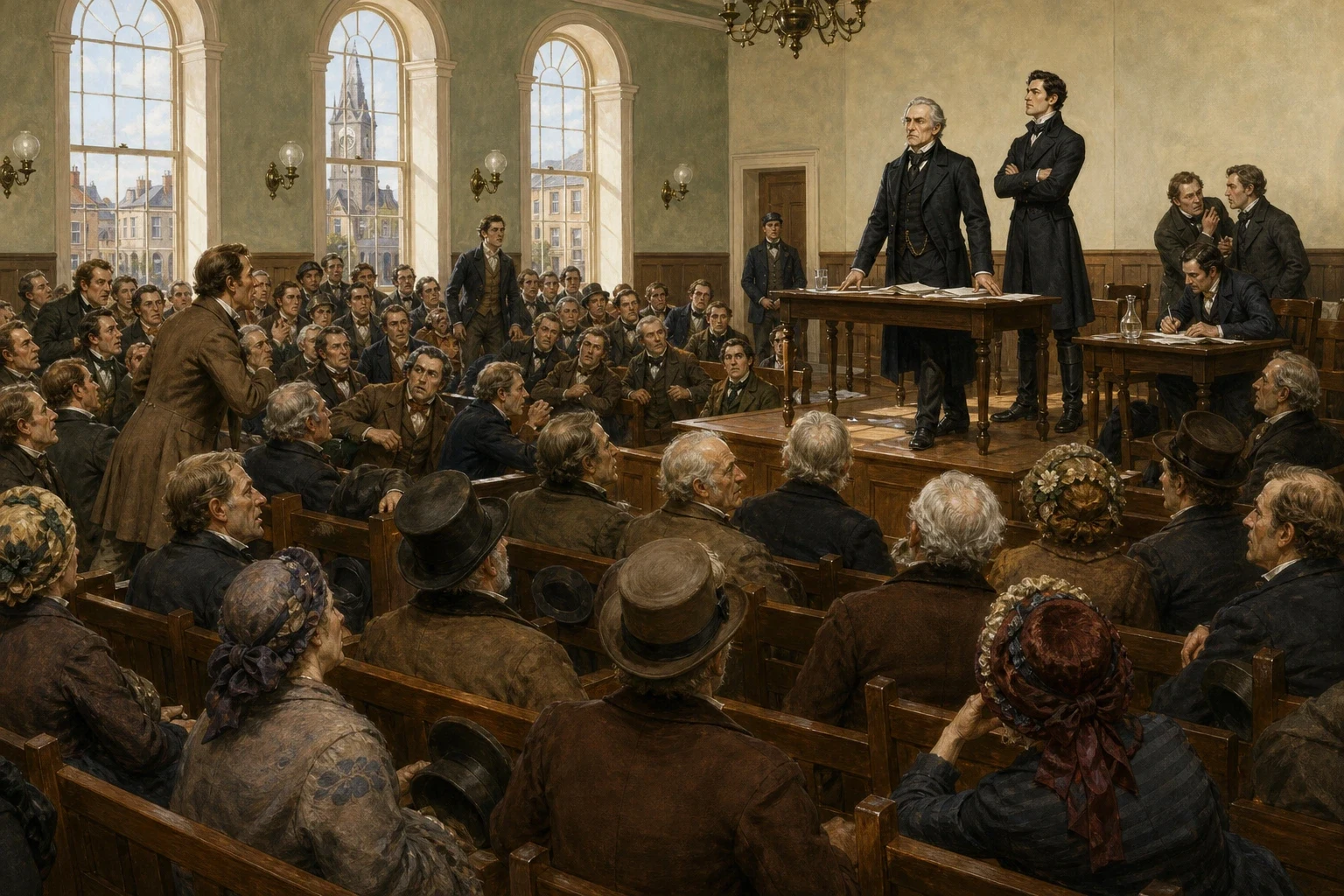
Raffles did not live long after his visit to Stone Court; weakened by drink, and never properly cared for under Bulstrode's roof, he died there quietly, and before long the whole shameful story of Bulstrode's past began to spread through Middlemarch, carried by men who had their own grudges against him. At a public meeting called to discuss hospital business, Bulstrode was accused openly, in front of the whole assembled town, of having bought his respectability over the bones of an ugly secret, and of having let a dying man go unwatched at the very moment it suited him. He left the hall disgraced beyond recovery. Lydgate, who had taken Bulstrode's money at exactly the wrong hour, stood beside him and found his own good name tainted by a debt he could not explain away, though he had done no wrong himself.
Page 9
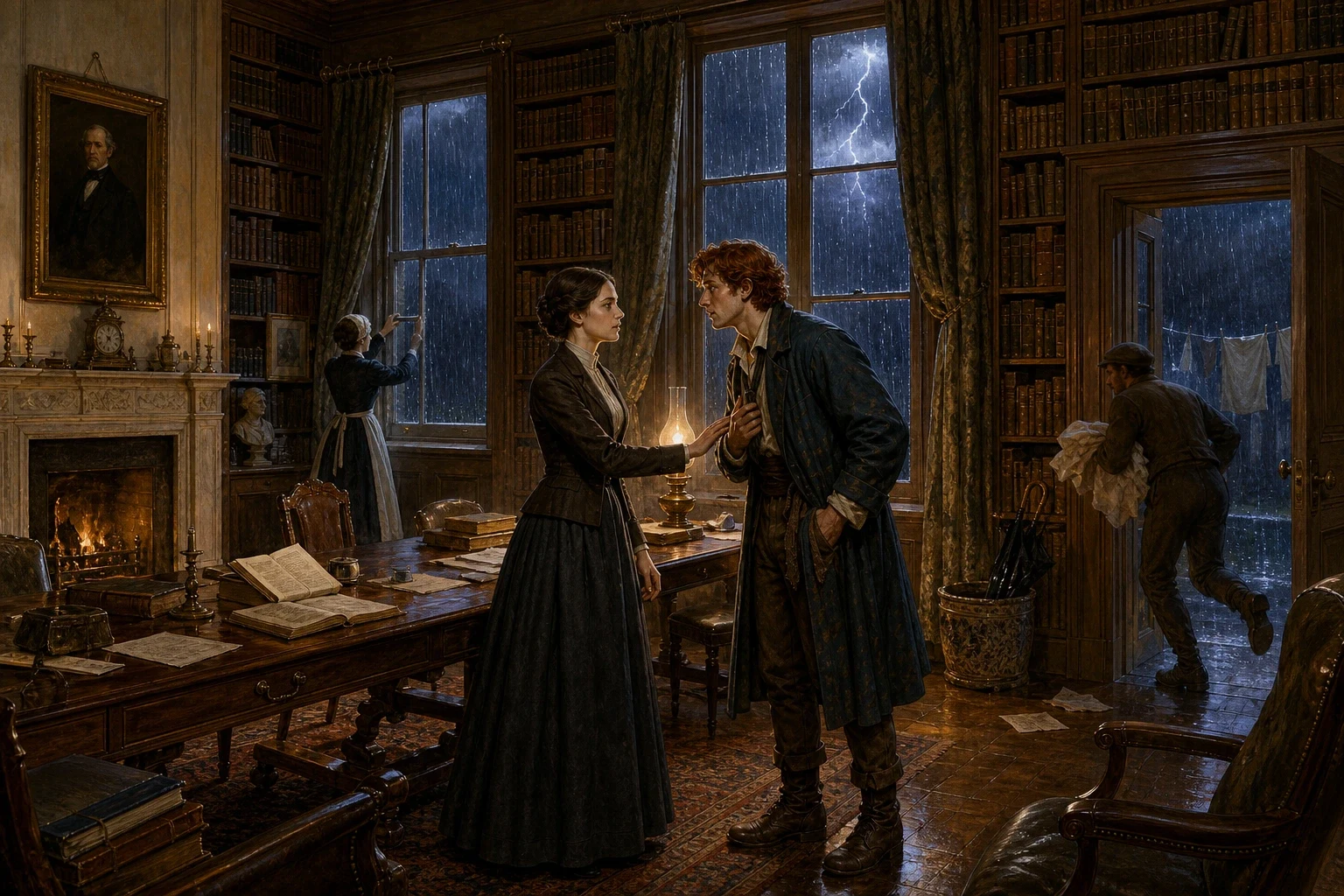
Will came to Lowick Manor one last time, believing himself finally beyond any hope of Dorothea, certain that the scandal now touching Bulstrode's name, and his own uncertain position as Mr. Casaubon's poor relation, had closed every door between them for good. He meant only to say goodbye. A storm broke outside as they stood together in the library where Mr. Casaubon's books still lined the walls, and in the flash of the lightning, with the rain streaming down the tall windows, Will finally said plainly what he had never dared say before. Dorothea, who had spent a whole marriage and a whole widowhood weighing what a great life was supposed to look like, chose, in that one moment, to give up Casaubon's fortune rather than give up Will.
Page 10
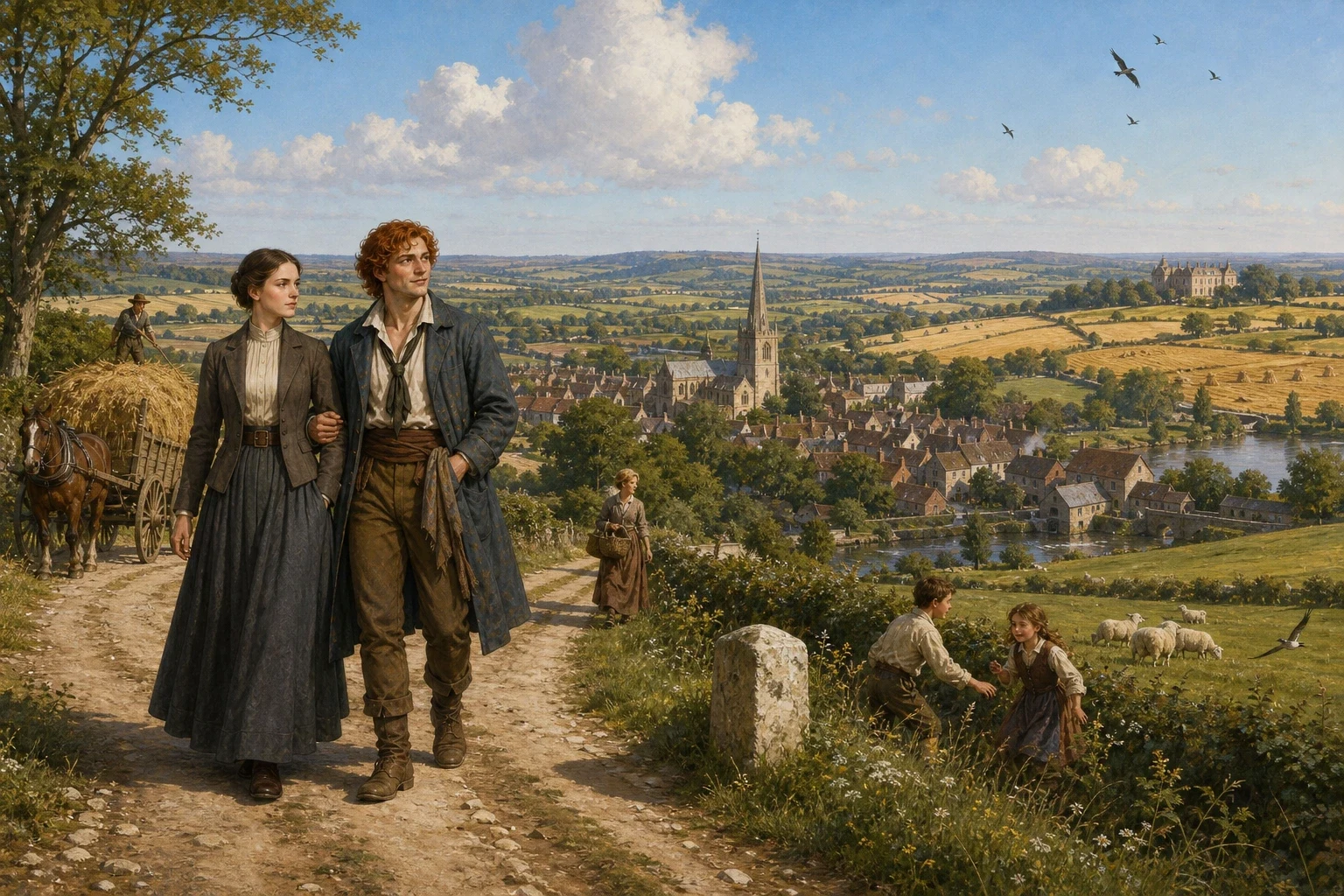
Dorothea married Will Ladislaw, giving up Mr. Casaubon's fortune to do it, and the grand, history-making life she had once imagined for herself never quite arrived; instead she lived a smaller, quieter life than either of them had dreamed of as young people, and found it a true one. Lydgate's own ambitions were worn down by debt and disgrace until he gave up his great plans for medicine altogether, and he died still young, believing himself a failure, while Rosamond, in time, married again. Dorothea's own name was remembered by few beyond her own fireside; but the book closes by saying plainly that the world is better for such hidden, ordinary, faithful lives as hers, even when no monument is ever built to them.
About this story
- Audience: general readers
Read Wonder Novels on your phone
Wonder Novels is available on Android. Get Wonder Novels on Google Play.