Quo Vadis
Quo Vadis — an illustrated literature story. 10 illustrated pages, free to read on Wonder Novels.
Page 1
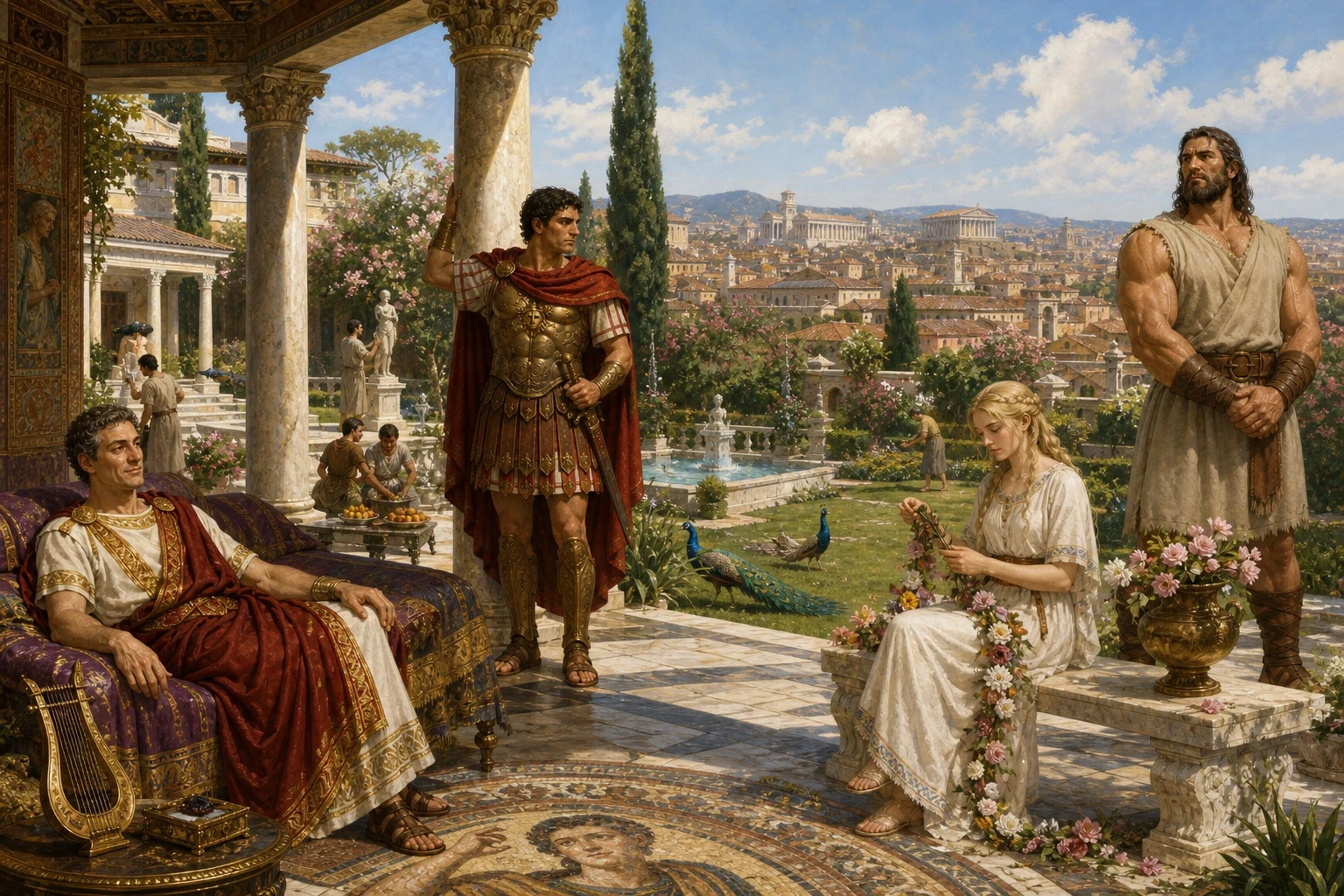
Marcus Vinicius, a proud and successful Roman commander, returned to Rome from his campaigns. Seeking rest and diversion, he visited his esteemed uncle, Petronius, known as the 'Arbiter of Elegance' in Nero's court. Petronius's villa was a marvel of taste and luxury, a haven from the city's bustle. Here, Vinicius’s eyes fell upon Lygia, a young Lygian princess held as a hostage, now living under the care of the venerable Christian general Aulus Plautius. Lygia's quiet grace and striking beauty instantly captivated Vinicius, stirring a fierce desire in his heart. He saw her as an object to be possessed, not a person with her own will. Petronius, ever the strategist, observed his nephew's infatuation with a cynical amusement, already devising a plan to help him acquire the girl.
Page 2
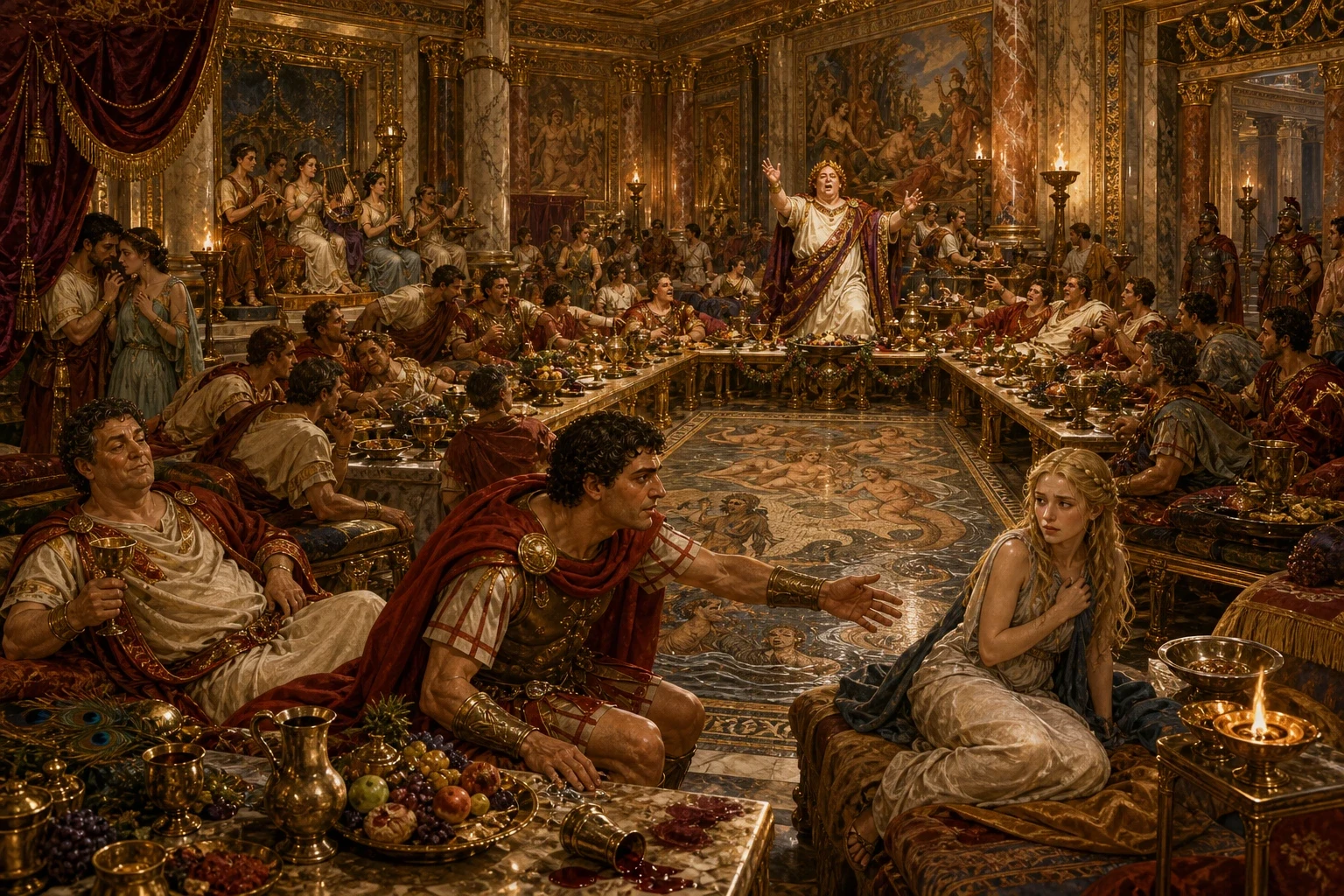
Through Petronius’s influence, Nero was persuaded to summon Lygia to his opulent Golden House, ostensibly to serve as a companion for the Empress Poppaea, but in truth, to enable Vinicius to claim her. The banqueting hall shimmered with gold and precious stones, filled with the loud revelry of Rome’s elite. Nero, bloated and theatrical, presided over the feast, indulging in wine and song. Vinicius, emboldened by drink and desire, pressed his suit aggressively, attempting to seize Lygia amidst the decadent chaos. Lygia, a devout Christian, was overwhelmed by the pagan excess and the emperor's depraved court. Her gentle spirit recoiled from the vulgarity and Vinicius's forceful advances, filling her with profound dread and a desperate longing for escape from the Golden House.
Page 3
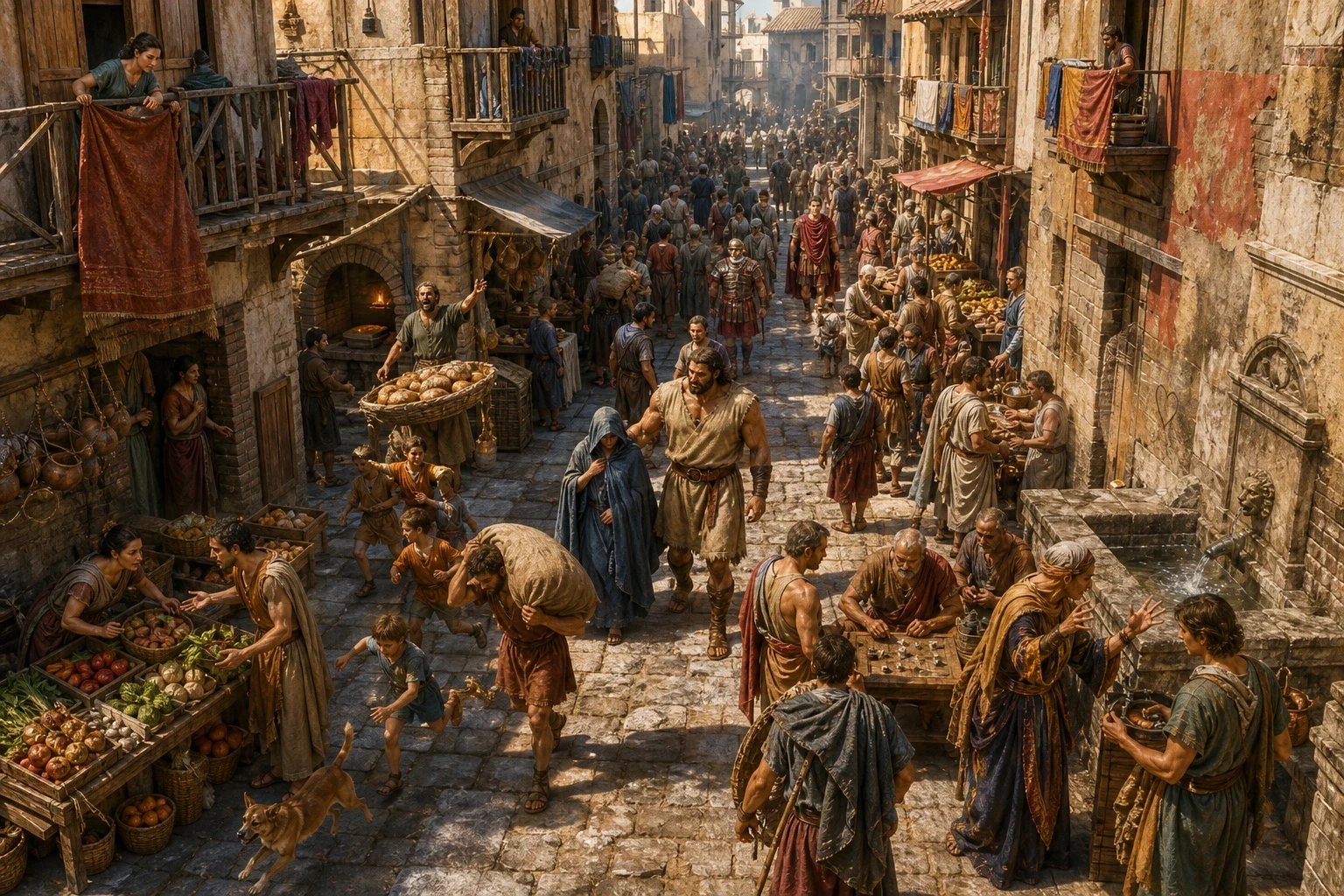
Terrified by the prospect of being seized by Vinicius and trapped in Nero’s corrupt court, Lygia, aided by her devoted bodyguard Ursus and other Christian sympathizers, made a daring escape from the Golden House. They vanished into the labyrinthine alleys and crowded marketplaces of Rome’s Subura district, a teeming hive of common folk and hidden lives. Vinicius, infuriated and humiliated by her disappearance, immediately launched a frantic search, dispatching his servants and guards throughout the city. His desire for Lygia now mingled with wounded pride, driving him relentlessly through the bustling streets, convinced he would reclaim her. He was determined to find her, unaware of the strength of the hidden Christian community that now shielded her. The noisy, vibrant chaos of the Subura swallowed Lygia and her protectors, making their pursuit through the dense populace a daunting task for Vinicius and his increasingly frustrated men. Every turn of a corner brought new faces, new shadows, and new challenges to his search.
Page 4
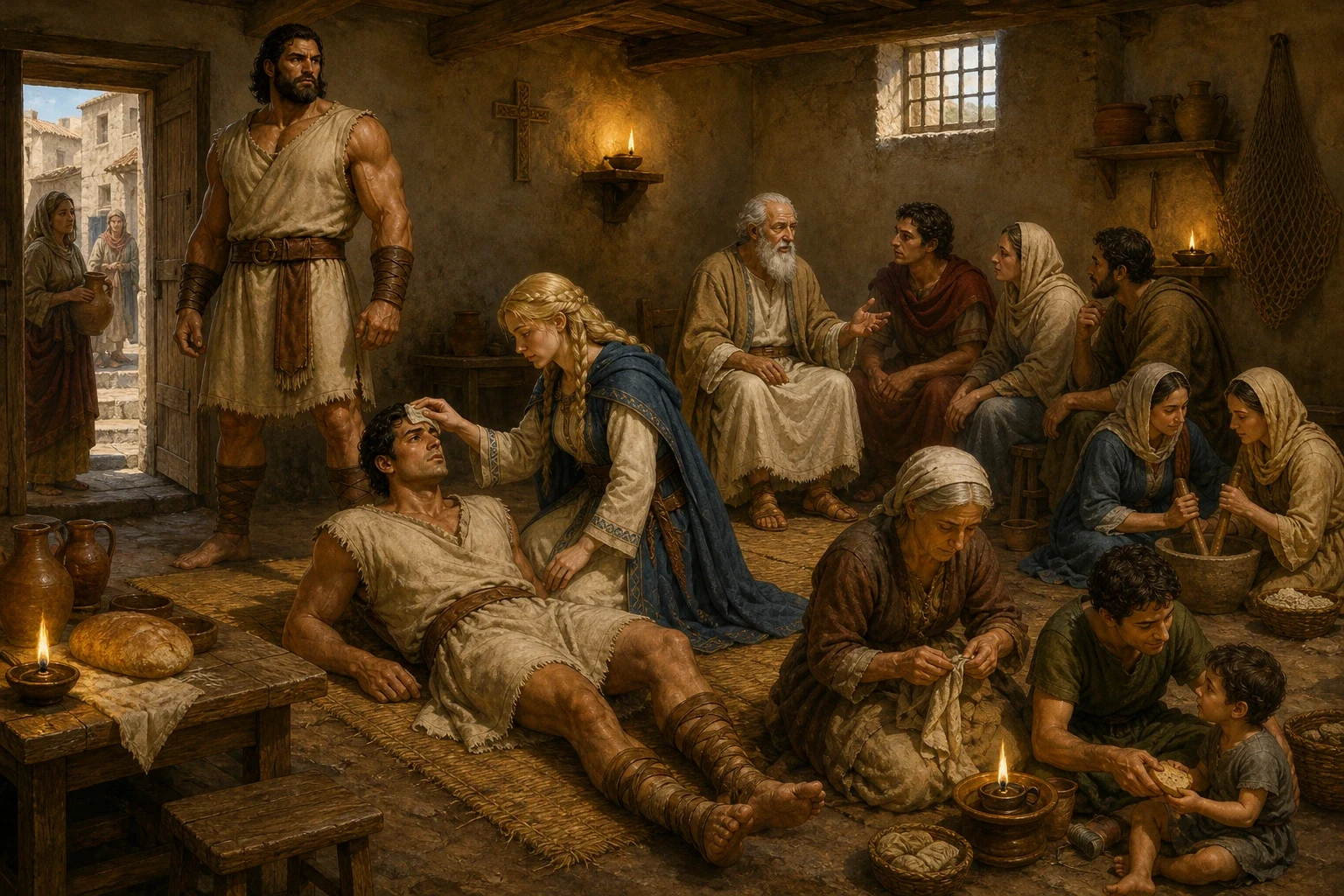
Vinicius, through cunning and disguise, eventually tracked Lygia to a humble Christian community in Trastevere. In a desperate attempt to abduct her, he cornered Lygia, but Ursus, her loyal and powerful protector, intervened. In the struggle, Ursus powerfully threw Vinicius against a wall, knocking him unconscious and severely injuring him. Instead of leaving him to die, Lygia and the Christians, demonstrating their faith’s compassion, nursed Vinicius back to health. He awoke to find himself cared for by the very people he had sought to harm, including the venerable Apostle Peter. This unexpected kindness, so alien to his Roman upbringing, began to stir profound questions within Vinicius about his own life and beliefs. He saw Lygia not as a prize, but as a gentle soul, and his desire transformed into a deeper, more respectful affection, paving the way for his spiritual awakening. The simple devotion he witnessed was a powerful counterpoint to the decadent Roman world he knew.
Page 5
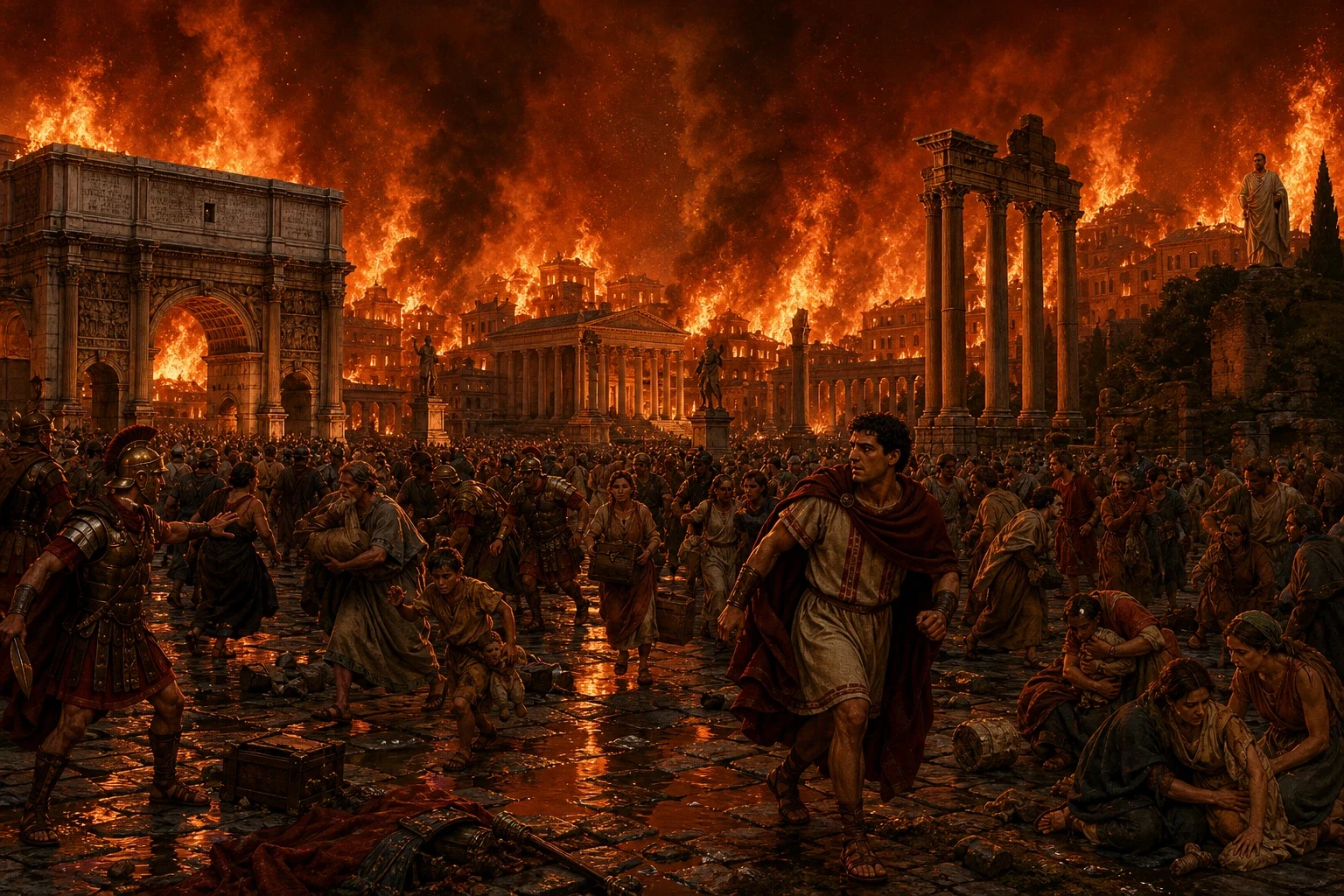
Rome was suddenly plunged into unimaginable horror as a great fire erupted, spreading rapidly through the wooden tenements and consuming vast swathes of the city. The sky glowed with an ominous red, and the air was thick with smoke and the cries of the terrified populace. Vinicius, now deeply changed, desperately searched for Lygia amidst the chaos, fearing for her safety above all else. From a distant, elevated position, Nero watched the conflagration with a strange, artistic fascination, reportedly playing his lyre and reciting verses about the burning of Troy. As the city smoldered, Nero, needing a scapegoat, maliciously turned public sentiment against the Christians, blaming them for the catastrophic blaze. This decree ignited a wave of brutal persecution, transforming the city's terror into a hunt for a new, vulnerable enemy, sealing the fate of many innocent lives.
Page 6
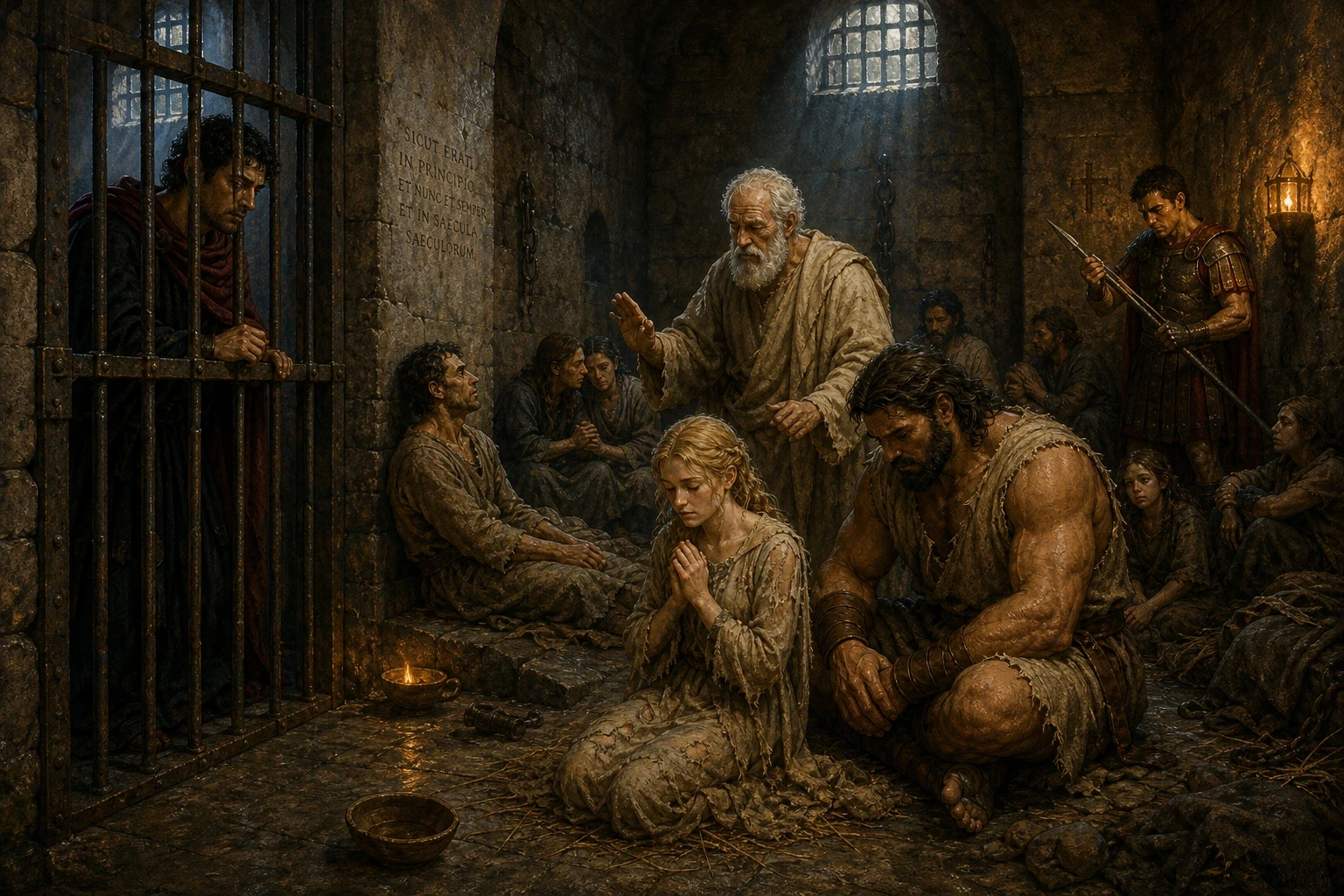
Following Nero's decree, Christians across Rome were rounded up and cast into prisons, their faith deemed a crime against the state. Among them was Lygia, arrested despite Vinicius's desperate attempts to protect her. He found her confined within the chilling depths of the Mamertine Prison, a dark, damp, and despair-ridden place. Vinicius, heartbroken, used all his influence to try and reach her, witnessing firsthand the brutal reality of their persecution. He saw Peter, the Apostle, comforting the suffering, his aged face radiating strength and peace amidst the despair. Ursus, too, was imprisoned, steadfast in his faith and his loyalty to Lygia. The sight of his beloved Lygia, frail but unwavering in her belief, solidified Vinicius's own commitment to Christianity and his determination to save her, whatever the cost.
Page 7
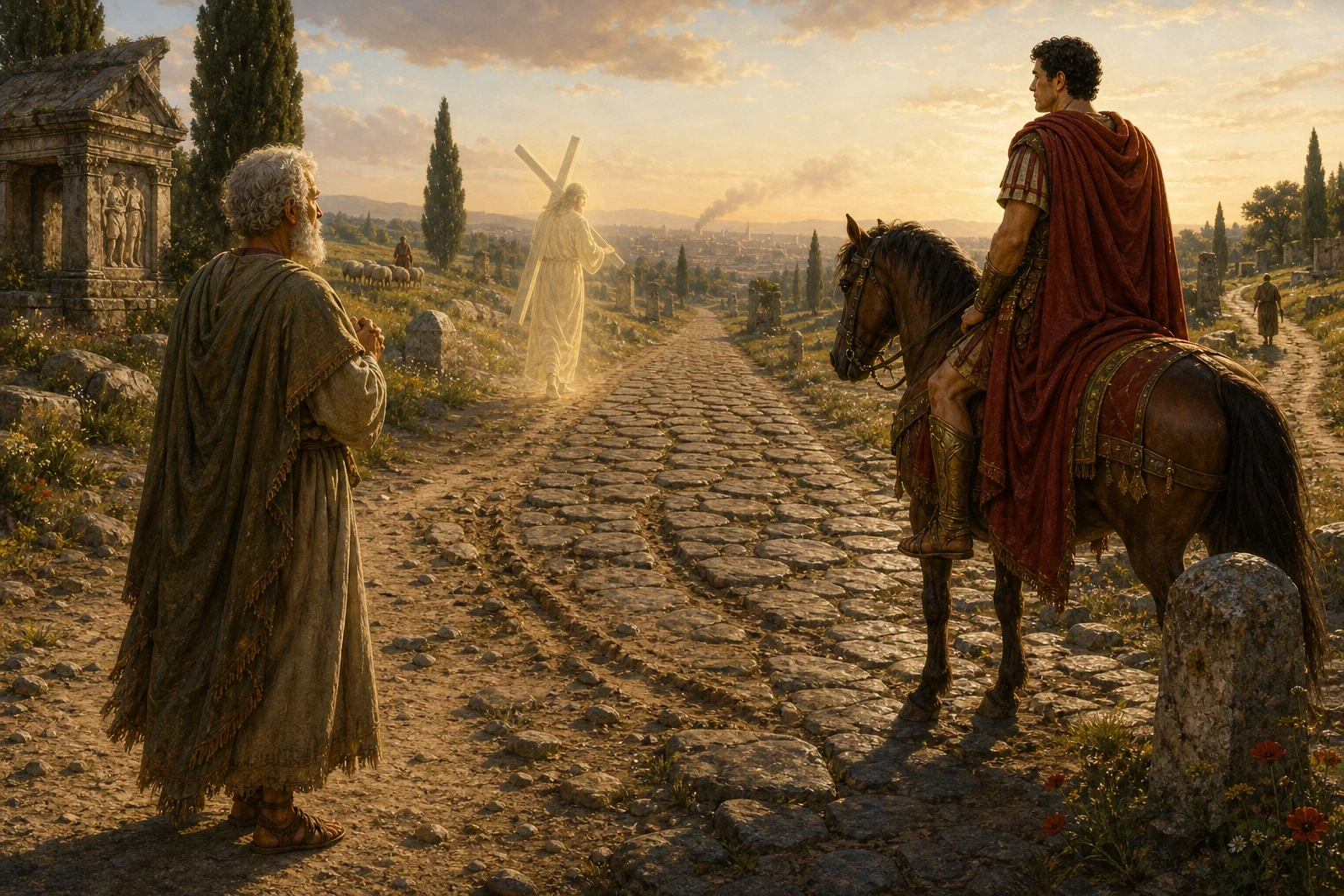
As the persecutions intensified, the Christian community urged Peter to flee Rome, to save himself and continue his mission elsewhere. Heavy-hearted, Peter reluctantly set out on the Appian Way, leaving the suffering city behind. But as he walked, at a lonely crossroads, he was met by a profound vision: the figure of Christ appeared before him, carrying his cross, walking towards Rome. "Domine, quo vadis?" Peter asked, 'Lord, where are you going?' Christ replied, "I am going to Rome to be crucified again." Overcome with shame and renewed purpose, Peter understood. He turned back, resolutely choosing to face his fate with his flock in Rome. Meanwhile, the arena games, fueled by Nero's cruelty, continued unabated, mocking the suffering of the imprisoned Christians, including Lygia and Ursus.
Page 8
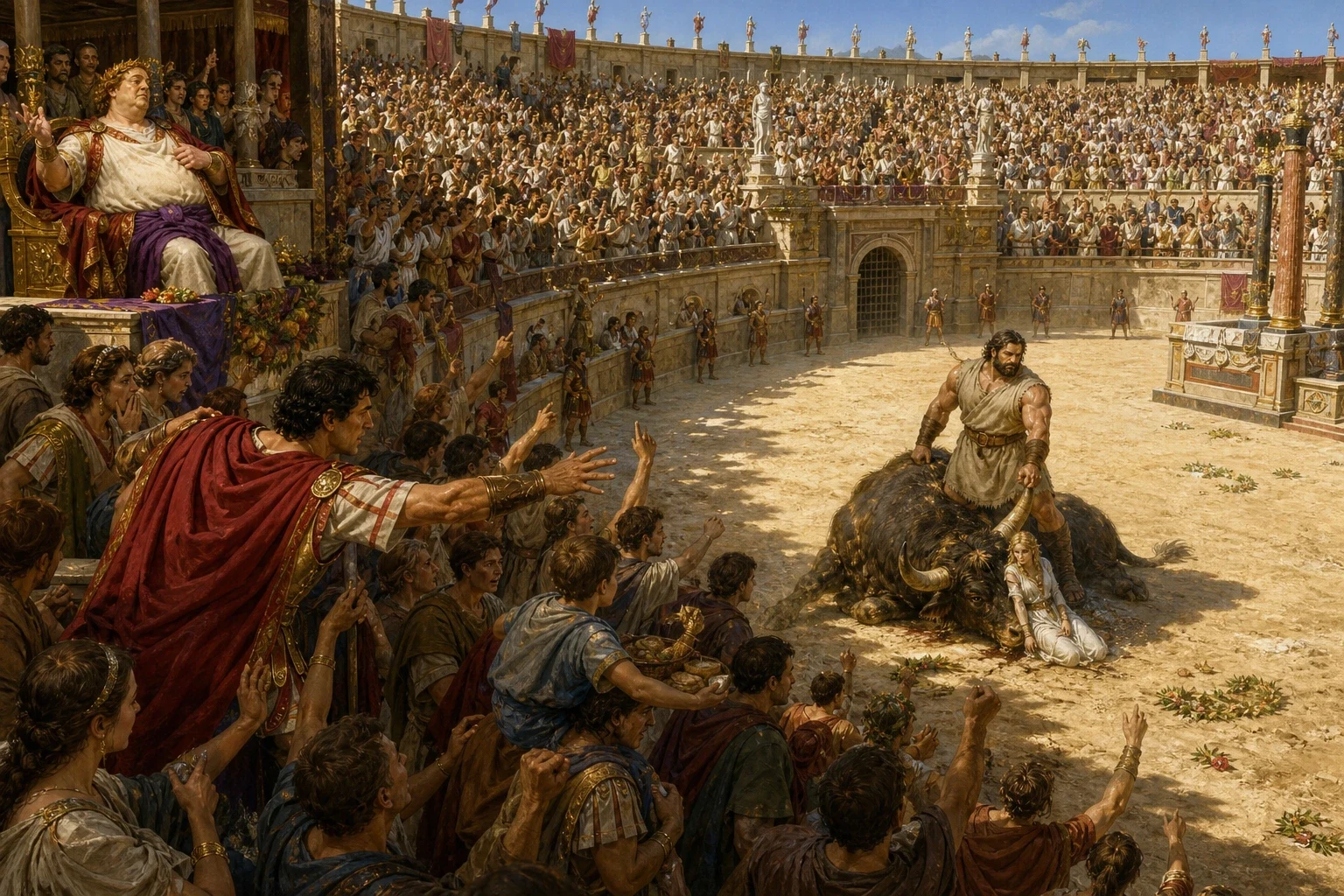
The culmination of Nero's cruelty arrived in the Circus Maximus, where Christians were subjected to horrific spectacles. Lygia was brought into the arena, tied to the horns of an enormous aurochs, a wild bull, destined to be trampled and gored for the entertainment of the Roman populace. A wave of horror rippled through the crowd, and even some hardened Romans were moved to pity. Just as the beast charged, Ursus, Lygia’s faithful giant, sprang forward. In an astonishing display of superhuman strength, he grappled with the enormous animal, holding its head, struggling mightily until he overpowered it. The beast collapsed onto the sand, defeated. The crowd, stunned by this incredible feat, erupted in a roar of awe and demanded Lygia's release, effectively swaying Nero through their sheer will.
Page 9
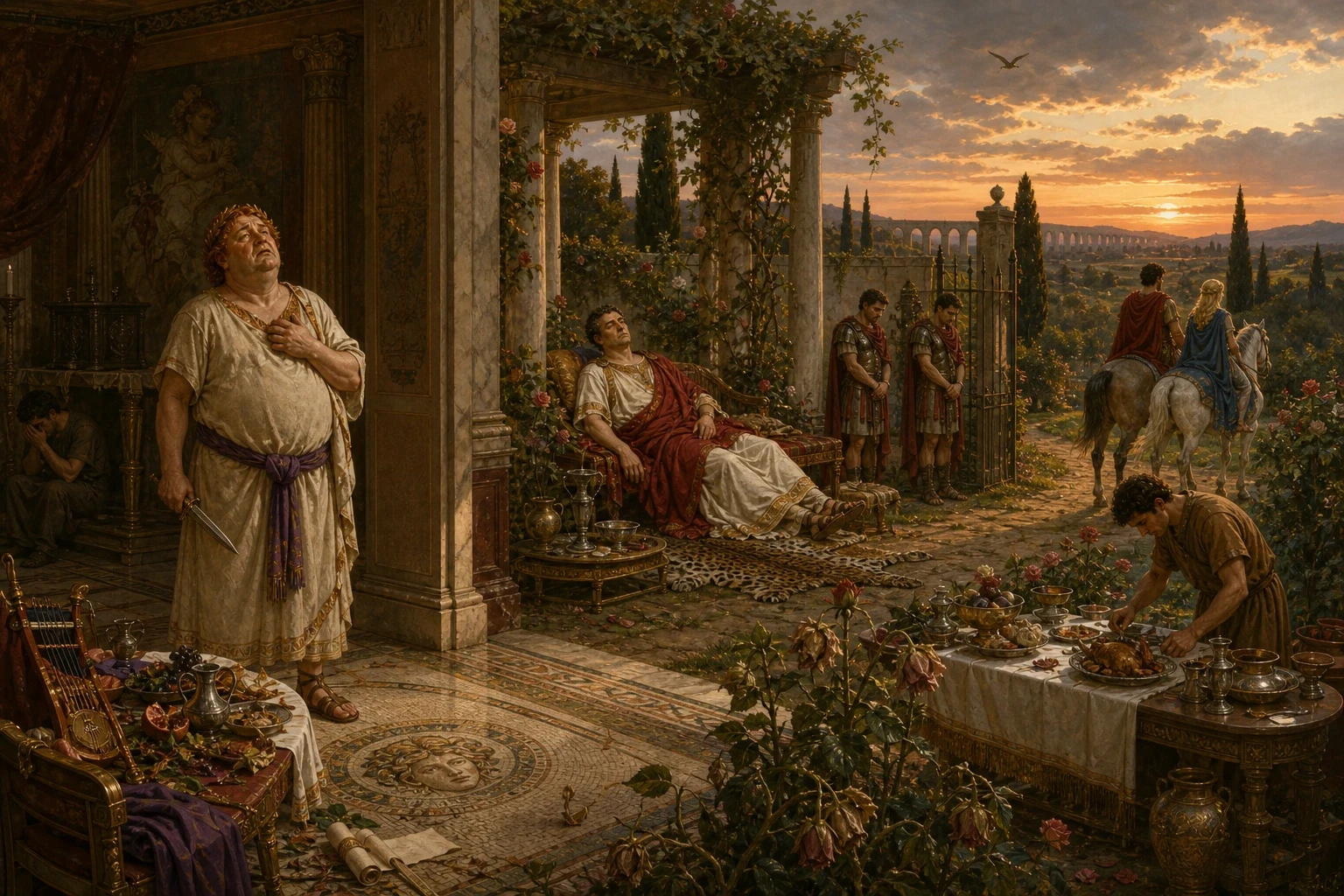
The people of Rome, swayed by the spectacle of Ursus and the mounting evidence of Nero's depravity, finally turned against their emperor. Abandoned by his court, betrayed by his guards, and facing inevitable capture and a humiliating death, Nero retreated to a secluded villa outside the city. In his final, pathetic moments, deserted by all but a few loyal freedmen, he took his own life, uttering a famous lament about the loss of an artist. Meanwhile, Petronius, choosing death over dishonor, had already departed this life with elegant dignity. With Nero’s reign of terror ended, Vinicius and Lygia, now free and united in their faith, could finally begin their life together, their love having survived the darkest trials of imperial Rome.
Page 10

Having survived the horrors of Nero's reign and the fiery crucible of persecution, Marcus Vinicius and Lygia found their peace far from the strife of Rome. They settled in a beautiful villa on the sun-drenched Sicilian coast, nestled among ancient olive groves and the endless blue of the Mediterranean Sea. Their love, forged in suffering and deepened by shared faith, blossomed into a quiet, enduring happiness. The cruelties of the past faded, replaced by days filled with serenity and devotion. Their lives became a testament to the power of love and the enduring strength of the Christian spirit, a symbol of hope rising from the ashes of imperial tyranny, forever looking towards a brighter dawn. Here, they built a life free from fear and filled with profound contentment.
About this story
- Audience: general readers
Read Wonder Novels on your phone
Wonder Novels is available on Android. Get Wonder Novels on Google Play.