Johann Sebastian Bach
Johann Sebastian Bach — an illustrated biography story, set in Global. 10 illustrated pages, free to read on Wonder People.
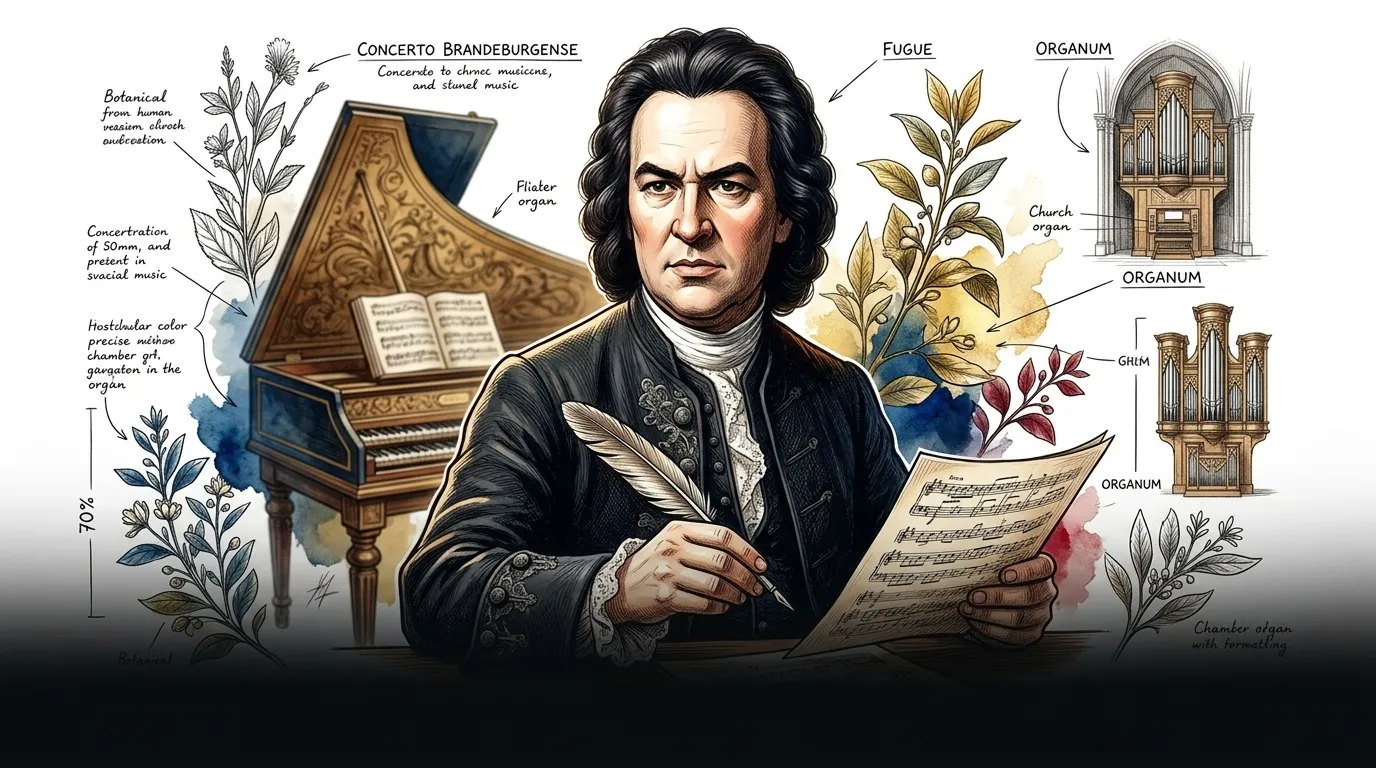
Page 1
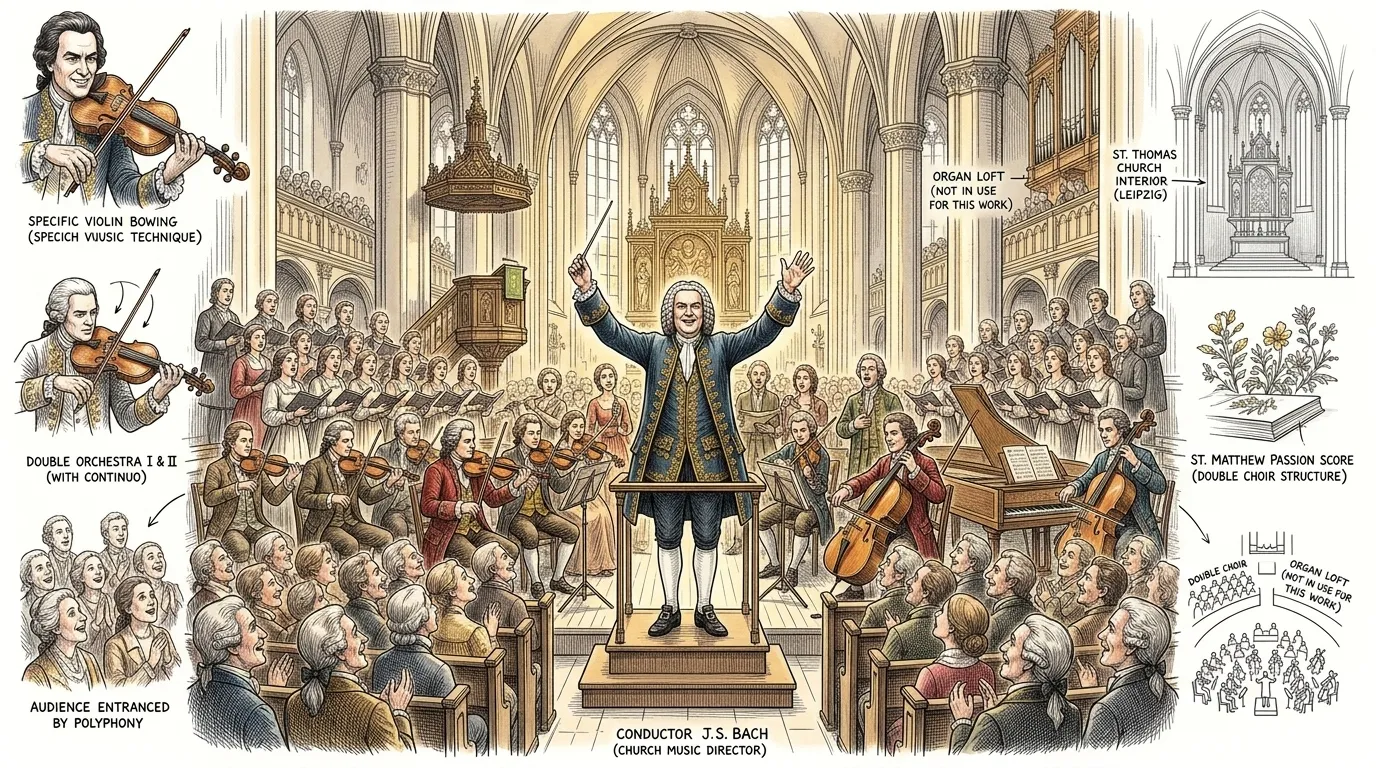
On Good Friday, April 11, 1729, within the hallowed confines of St. Thomas Church in Leipzig, Cantor Johann Sebastian Bach stood at the apex of his creative power. Before an assembly of devout citizens and dignitaries, he conducted the complete performance of his monumental St. Matthew Passion. This work, a profound musical exegesis of Christ's final hours, harnessed a double choir, double orchestra, and an array of soloists, creating an overwhelming sonic tapestry that redefined sacred music and remains one of history's most ambitious choral compositions.
Page 2
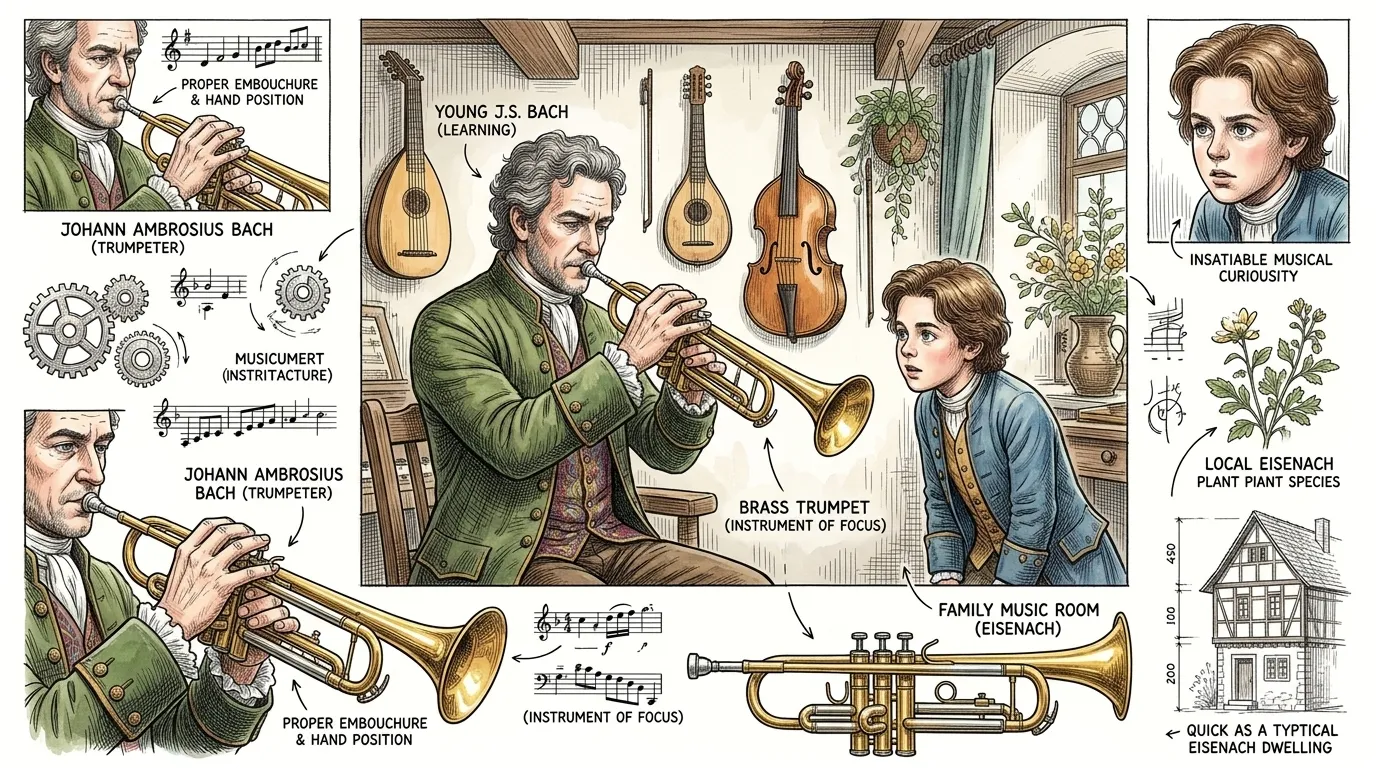
Born into a lineage stretching back generations of musicians, young Johann Sebastian Bach, by 1685, found himself in the heart of Eisenach, Thuringia, a town steeped in his family's craft. From an early age, he observed his father, Johann Ambrosius Bach, serving as the town trumpeter and court musician, diligently practicing and teaching. The air of the Bach household constantly vibrated with melodies, harmonies, and the precise rhythms of instruments, laying the inescapable foundation for a destiny woven deeply into sound.
Page 3
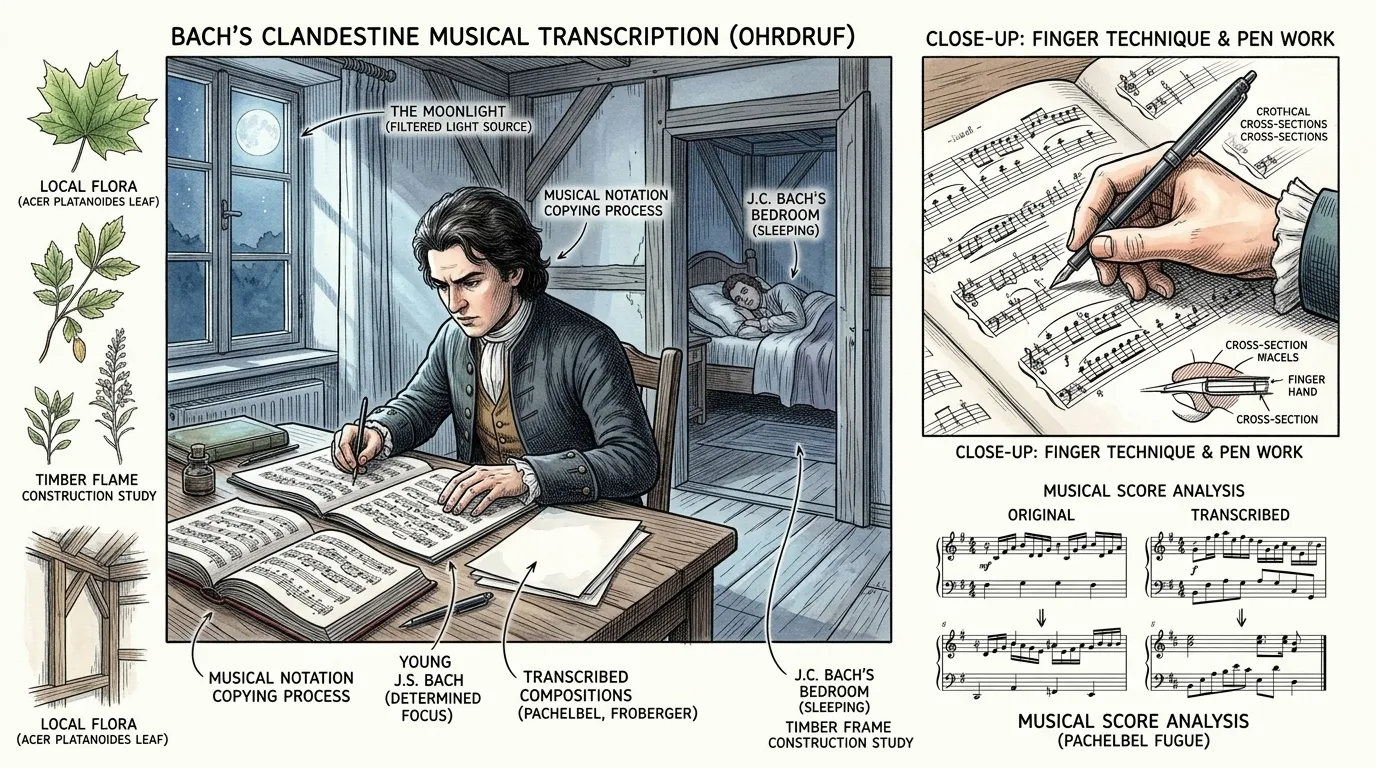
Orphaned by age ten, Bach moved to Ohrdruf to live with his elder brother, Johann Christoph Bach, a church organist. There, a profound drive seized him. Despite his brother's protective caution against excessive study, the young Johann Sebastian secretly transcribed complex scores by moonlight—works by Pachelbel, Froberger, and Böhm. This arduous, self-directed act of copying forged his understanding of structure, harmony, and counterpoint, pushing his formative talent far beyond conventional instruction.
Page 4
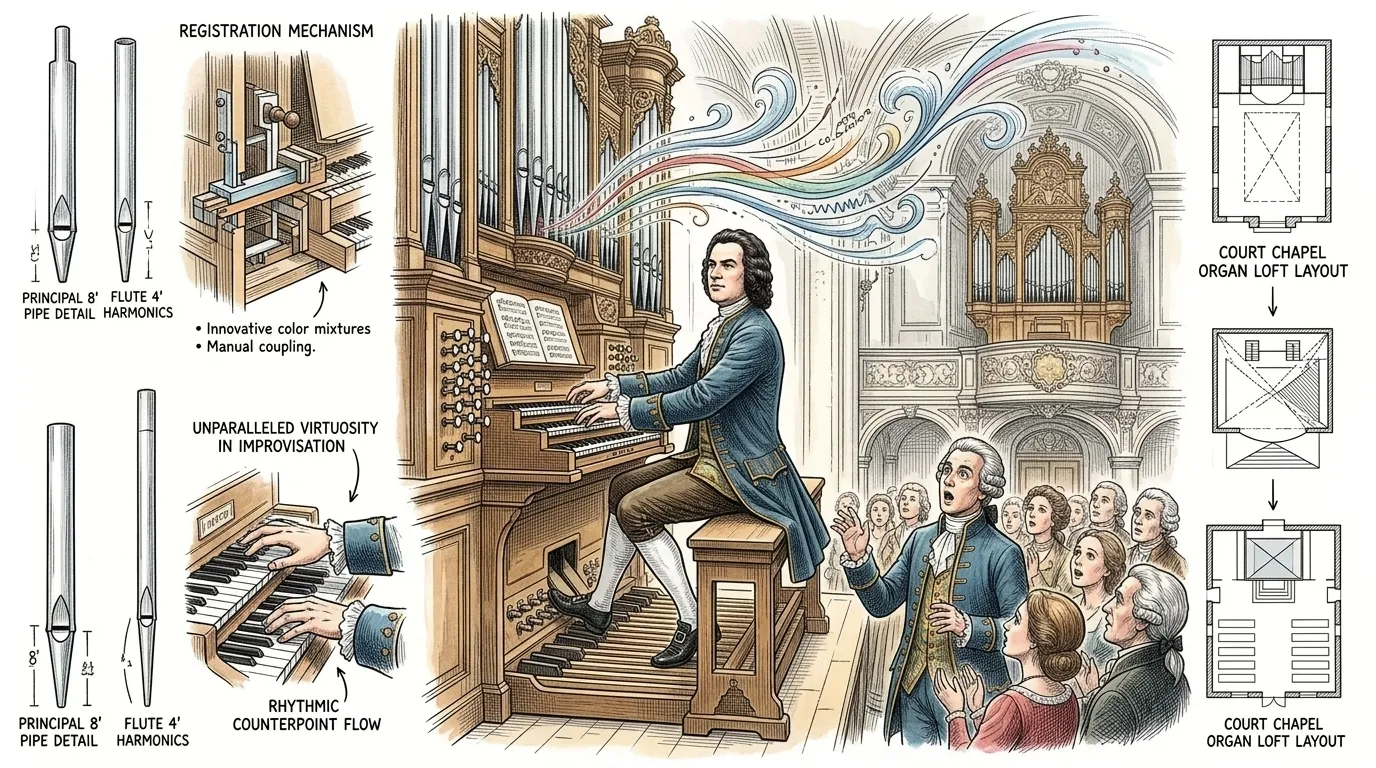
By 1708, Johann Sebastian Bach ascended to the prestigious position of court organist and chamber musician to Duke Wilhelm Ernst in Weimar. It was here that his reputation as an unrivaled organ virtuoso exploded. Bach's improvisations were legendary, blending intricate counterpoint with thrilling displays of technical prowess. Audiences, accustomed to traditional church music, were mesmerized by his innovative use of the instrument, as he masterfully drew out unheard colors and textures from the organ's pipes, creating an entirely new sonic landscape.
Page 5
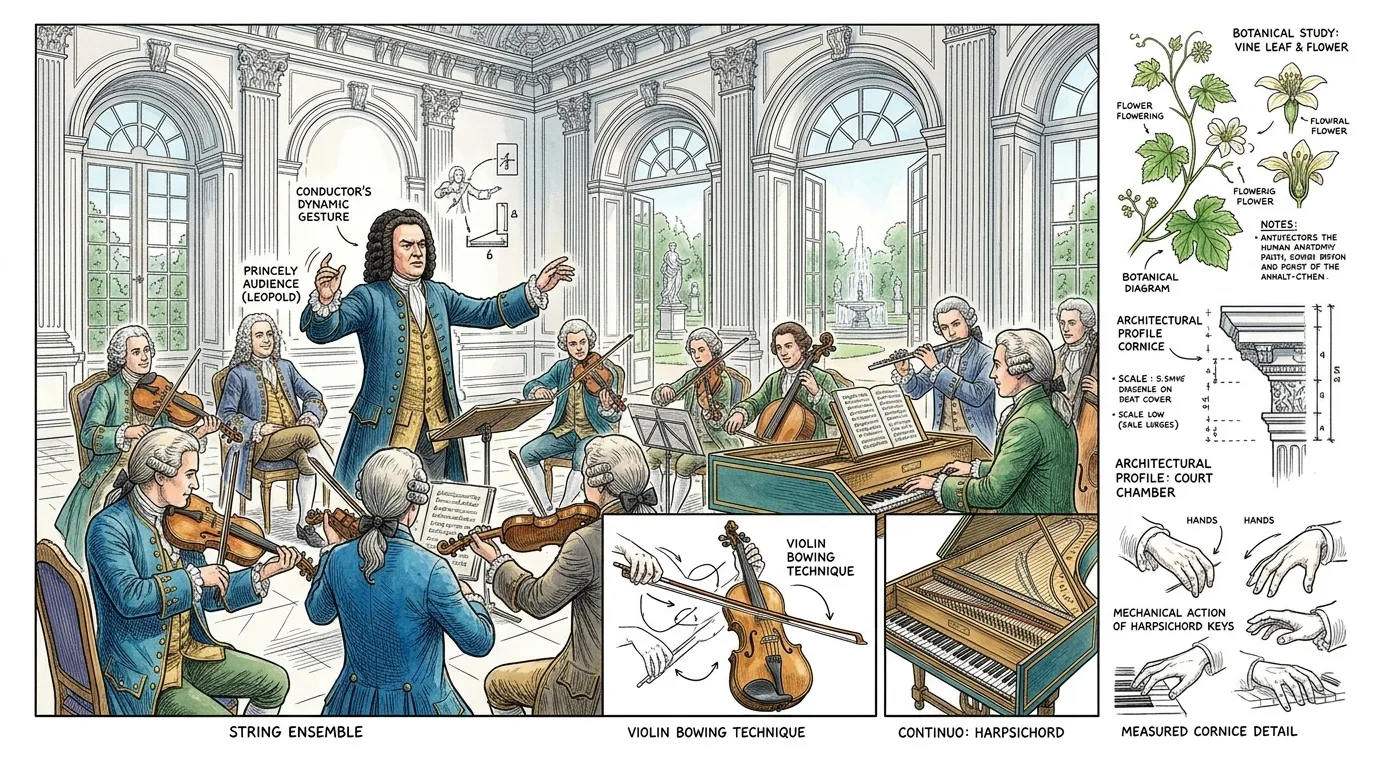
In 1717, Bach secured the position of Kapellmeister at the court of Prince Leopold of Anhalt-Cöthen, a cultured and music-loving patron. This period marked a shift towards secular instrumental music, allowing Bach to compose some of his most joyful and complex orchestral works, notably the Brandenburg Concertos. He directed a skilled ensemble, pushing the boundaries of Baroque form and instrumentation. These works, vibrant and innovative, defined a new standard for orchestral composition, showcasing his mastery of diverse instrumental voices.
Page 6
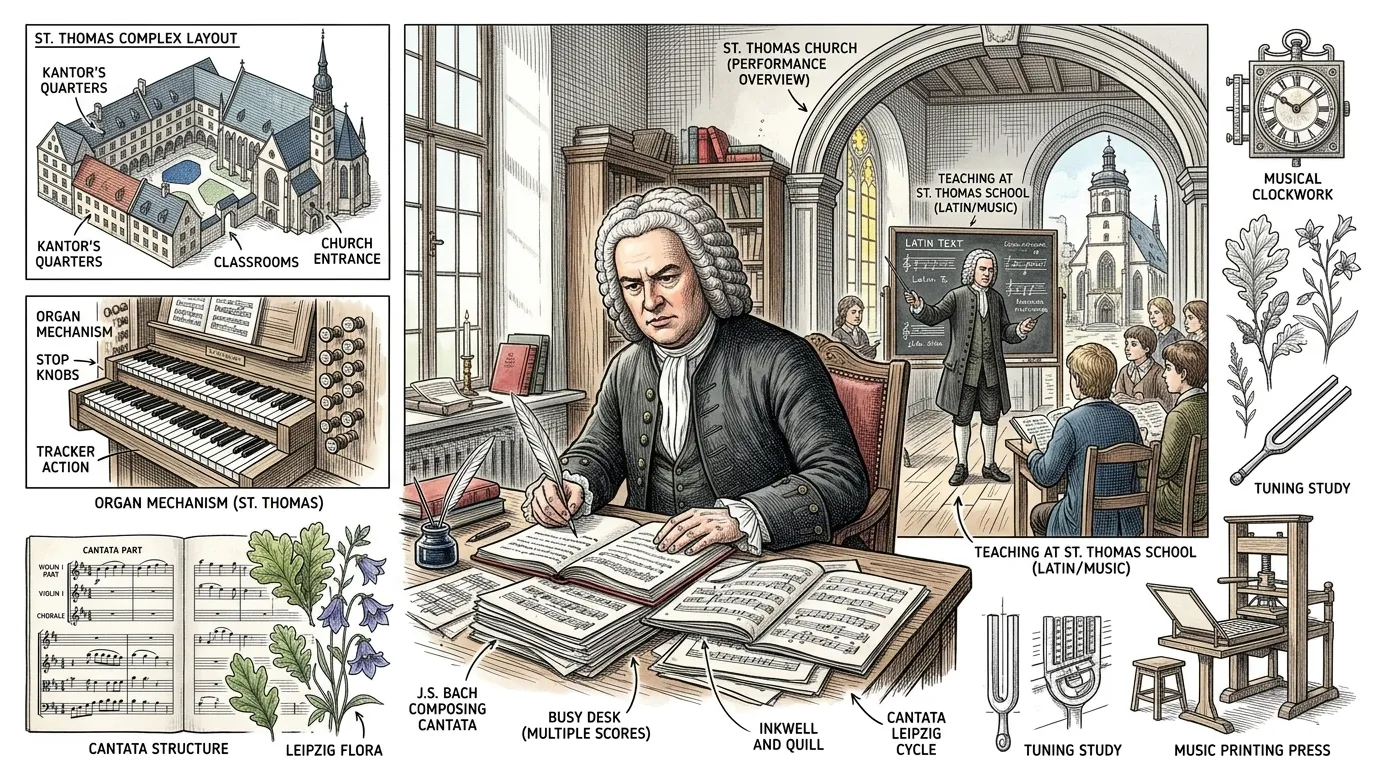
In 1723, Bach accepted the arduous post of Cantor at St. Thomas Church and Director of Music for the City of Leipzig. This position, while prestigious, burdened him with immense responsibilities: composing a new cantata almost every week, teaching Latin and music at the St. Thomas School, and overseeing musical performances in four churches. He navigated a complex civic and ecclesiastical bureaucracy, relentlessly producing a vast repertoire of sacred music while striving for the highest artistic standards amidst incessant demands.
Page 7
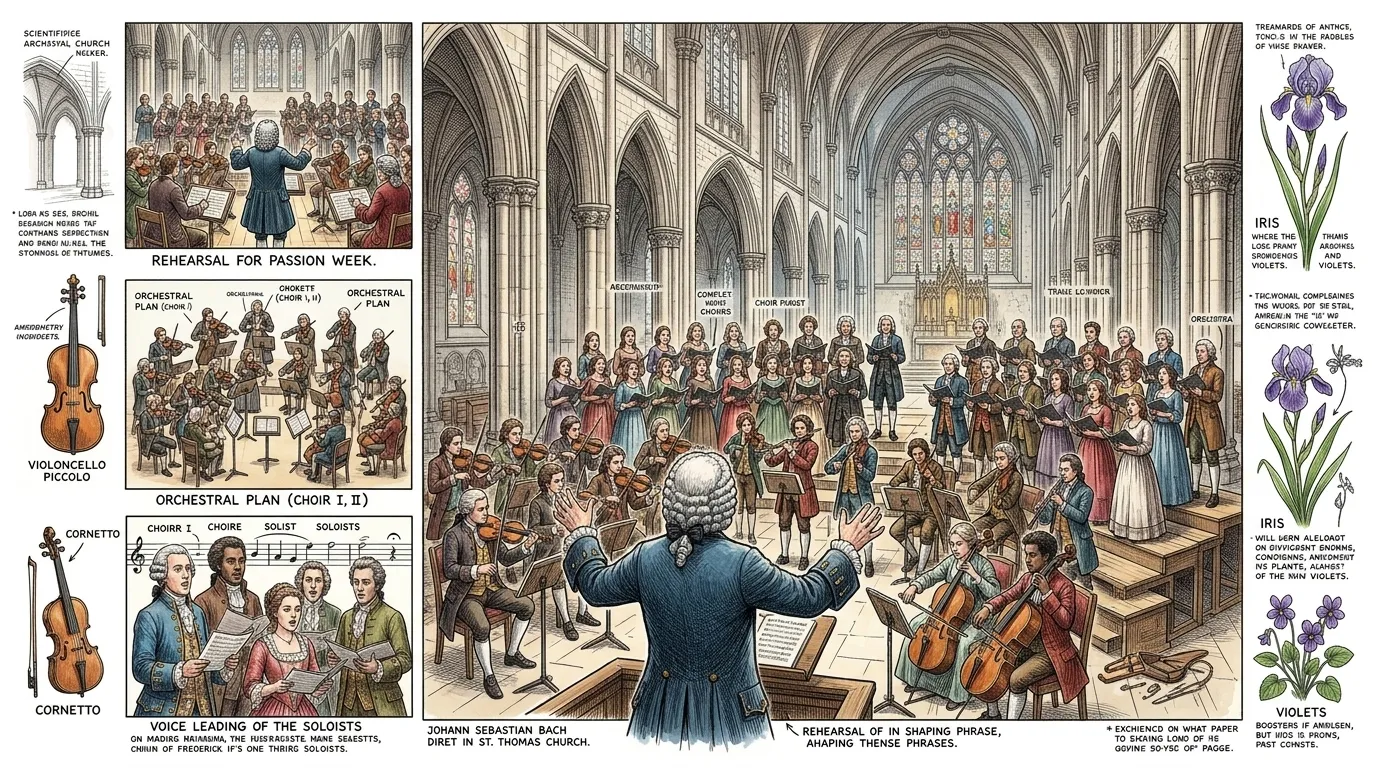
Building towards the definitive St. Matthew Passion, Bach dedicated himself to its composition with an intensity that transcended mere duty. Within the vast, echoing nave of St. Thomas Church, he directed focused rehearsals. The immense forces required — two distinct choirs, two orchestras, and a multitude of soloists — demanded meticulous coordination. Bach sculpted every phrase, every dramatic entry, preparing the musical epic that would resonate with unprecedented emotional and spiritual depth, solidifying his vision for sacred music.
Page 8
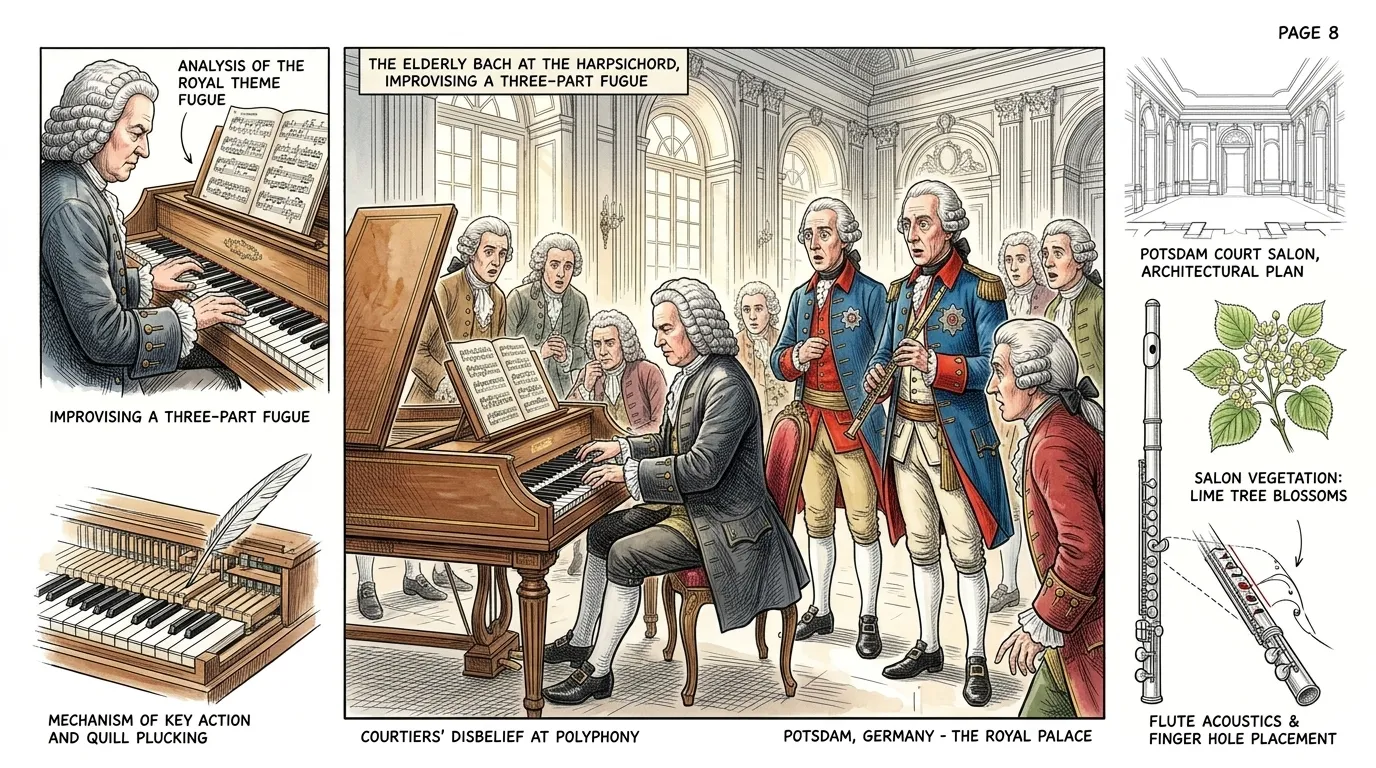
In 1747, the elderly Johann Sebastian Bach journeyed to Potsdam to visit Frederick the Great, King of Prussia, a skilled flutist and admirer of music. The King presented Bach with a notoriously difficult musical theme, challenging him to improvise a fugue. Bach astonished the court, immediately producing a three-part fugue on the royal theme. This encounter led to The Musical Offering, a complex collection of canons and fugues based on the 'royal theme,' demonstrating his unparalleled contrapuntal genius even in his twilight years, solidifying his reputation as the undisputed master of musical structure.
Page 9
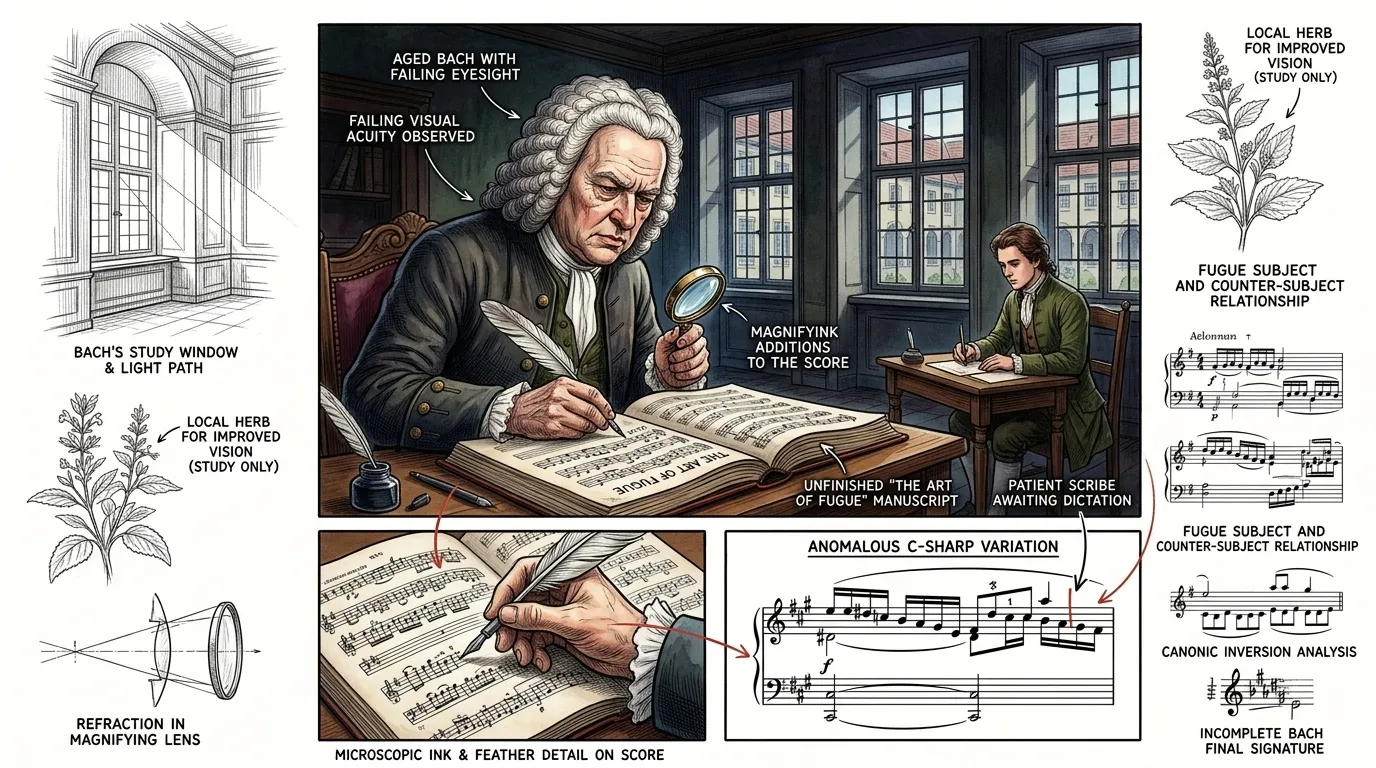
In his final years, plagued by failing eyesight and declining health, Bach embarked on The Art of Fugue, a monumental, abstract work exploring every facet of fugal composition. He worked meticulously, often dictating notes when his vision failed completely, crafting a cycle of fugues and canons based on a single, simple theme. This profound testament to his intellectual rigor and abstract musical thinking remained unfinished at his death in 1750, a poignant symbol of a mind still grappling with the deepest mysteries of musical architecture until its very last moments.
Page 10
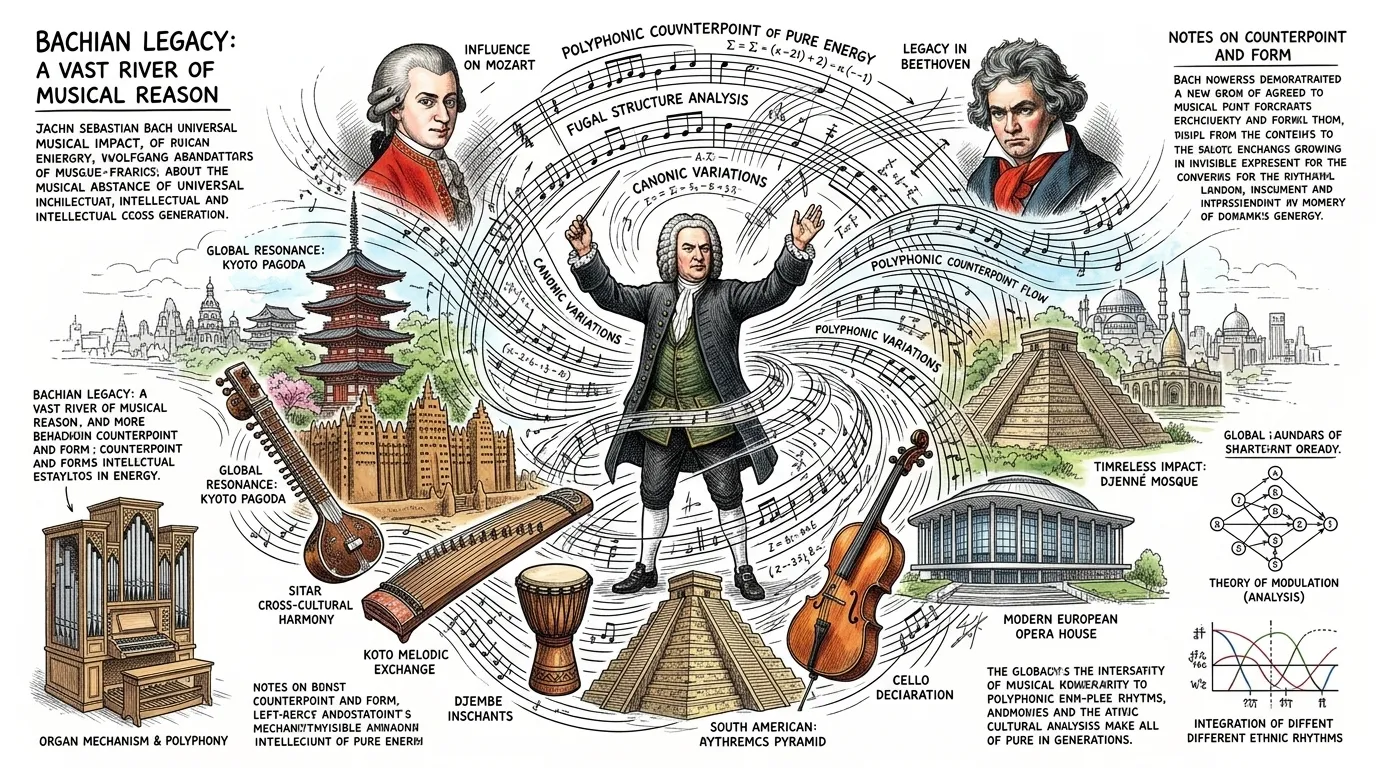
Johann Sebastian Bach, though largely forgotten for decades after his death, laid the foundational architecture for Western classical music. His unparalleled mastery of counterpoint, harmony, and form would later be rediscovered and championed, influencing giants from Mozart and Beethoven to subsequent generations. His music, once confined to church services and court performance, now resonates globally, a timeless testament to human ingenuity and spiritual depth, profoundly shaping our understanding of musical expression and intellectual rigor. He remains a colossal figure whose innovations continue to inspire and challenge musicians and listeners alike.
About this story
- Location: Global
- Audience: general readers
Questions and answers
Read Wonder People on your phone
Wonder People is available on Android. Get Wonder People on Google Play.