Oscar Wilde
Oscar Wilde — an illustrated biography story, set in Global. 10 illustrated pages, free to read on Wonder People.
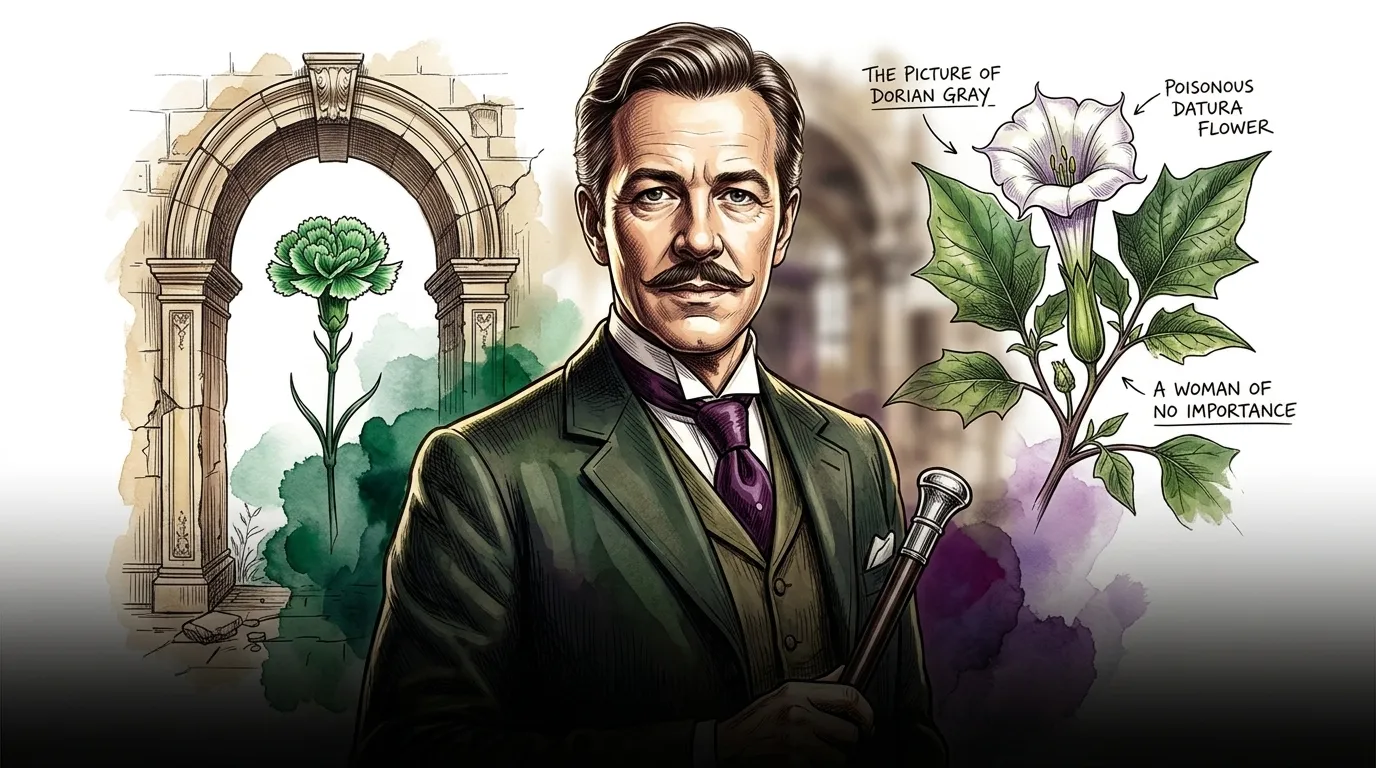
Page 1
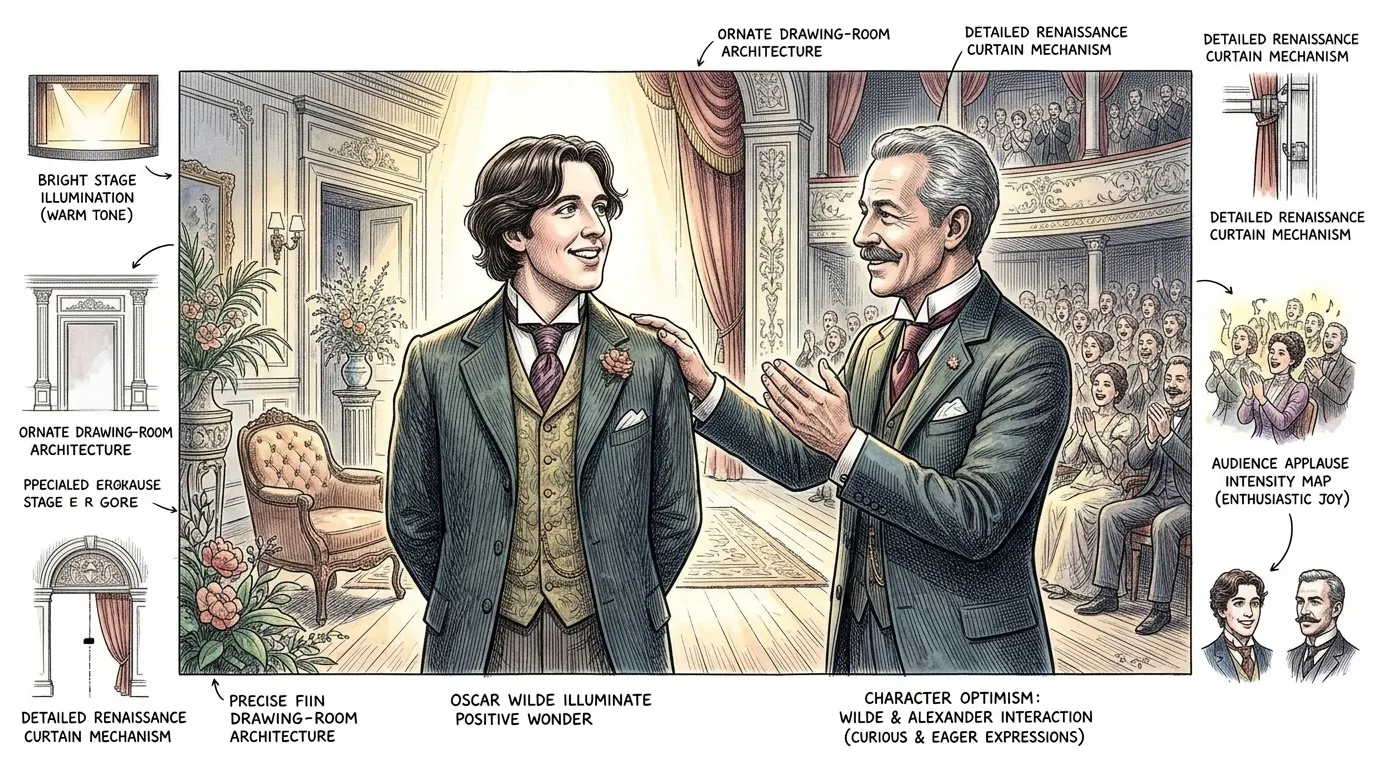
At the St. James's Theatre in London, on February 14, 1895, Oscar Wilde achieved his ultimate triumph. His newest play, The Importance of Being Earnest, premiered to rapturous applause, selling out every performance for weeks. This audacious farce cemented his reputation as the era's most brilliant and scandalous wit.
"Amidst the roar of the crowd, Wilde turned to actor-manager George Alexander and declared, 'The play is a success. The audience are enjoying themselves more than I expected.'"
Biographical Fact: The premiere of The Importance of Being Earnest was Wilde's greatest theatrical success, a comedic masterpiece that remains a cornerstone of English drama.
Page 2
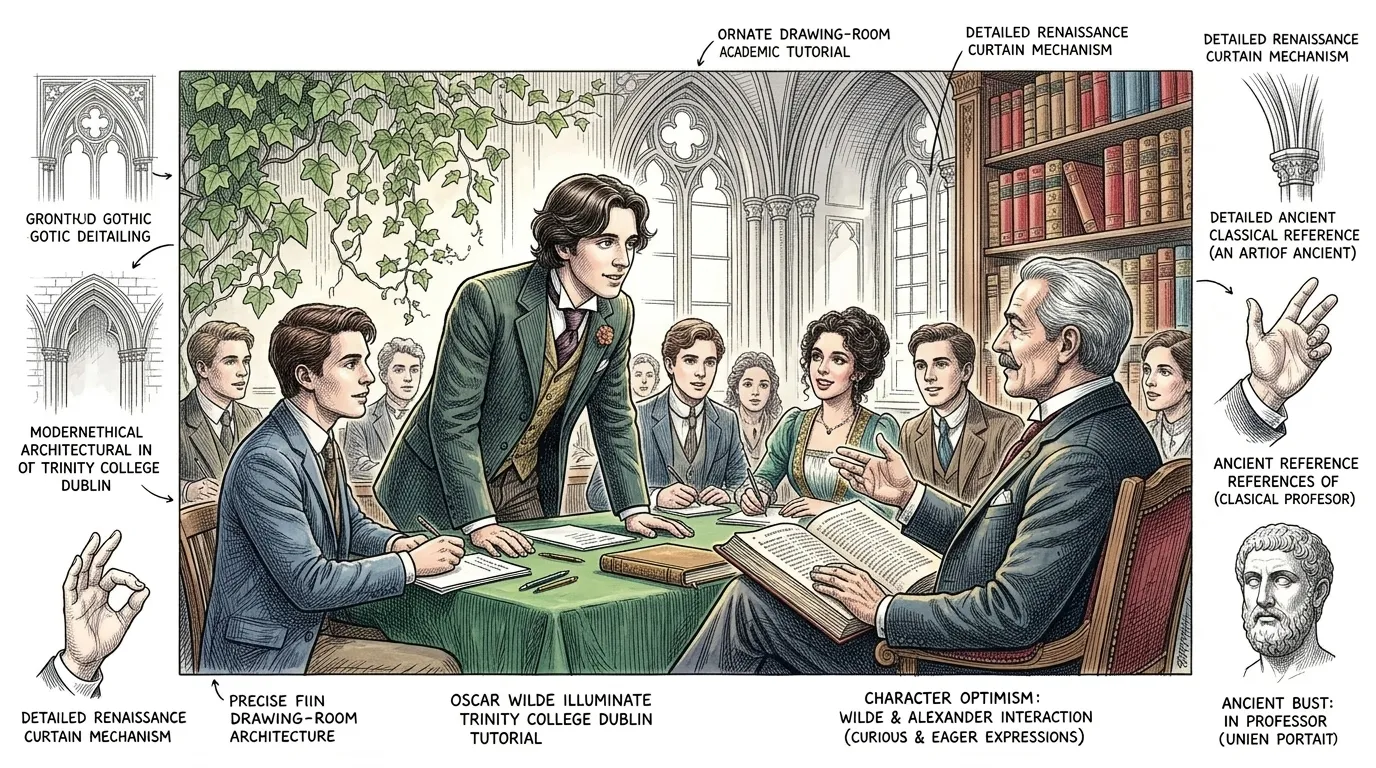
Years earlier, at Trinity College Dublin in the 1870s, a young Oscar Wilde honed his formidable intellect. He engaged deeply with classical philosophy, debating the essence of truth and the examined life. These formative discussions would shape his unyielding stance against societal hypocrisy.
"During a lively tutorial, Wilde challenged his classics professor, 'Sir, does not Socrates remind us that 'the unexamined life is not worth living'? Is it not our duty to question all accepted truths, however uncomfortable they may be?'"
Biographical Fact: Wilde's classical education instilled a deep appreciation for challenging conventional wisdom, a trait that would define his public and artistic life.
Page 3
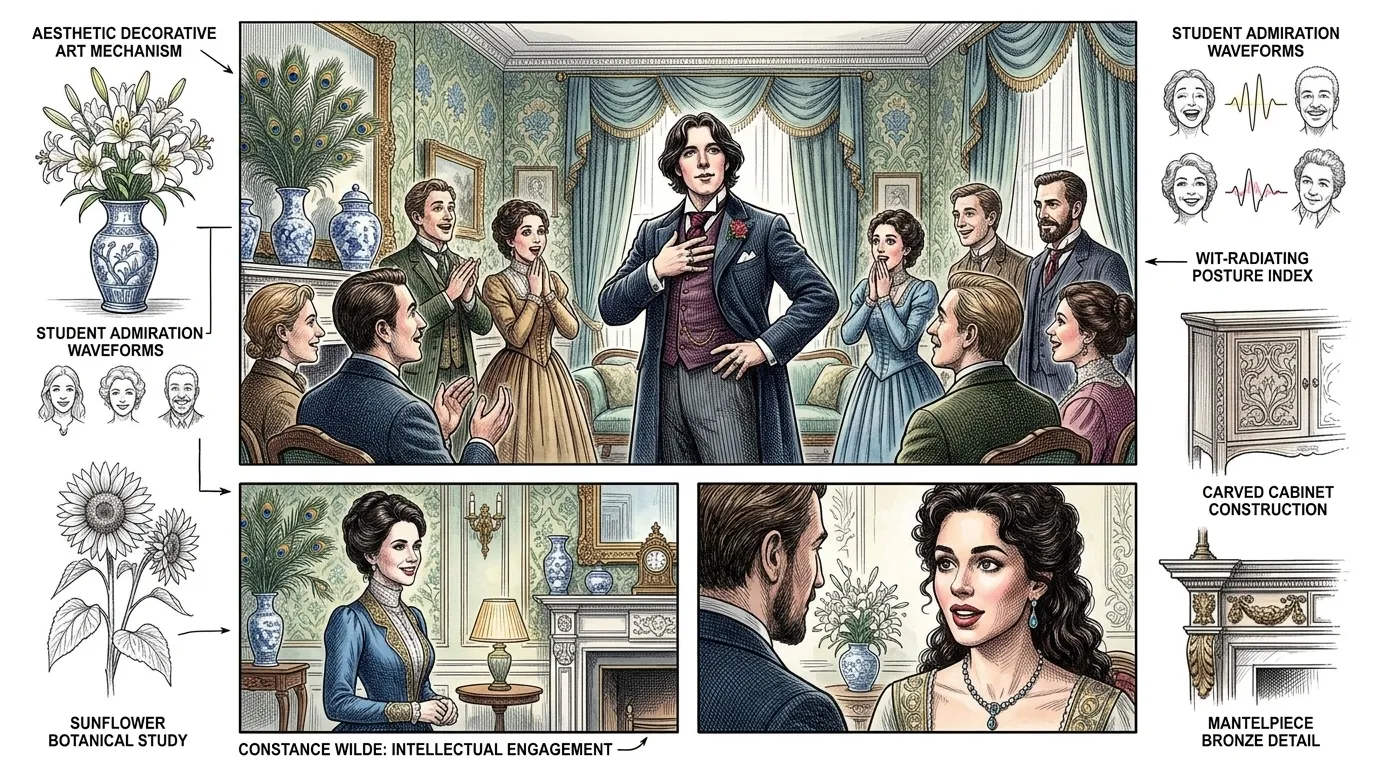
In the early 1880s, Oscar Wilde arrived in London, not merely to participate in society, but to redefine it. He deliberately crafted an extravagant public persona, becoming the embodiment of Aestheticism, an art movement prioritizing beauty over moral or social themes. His carefully curated image immediately captivated and scandalized the capital.
"Addressing a group of admiring students in a fashionable London drawing-room, Wilde proclaimed, 'I have nothing to declare except my genius!' His declaration, a deliberate performance, was met with gasps and knowing smiles."
Biographical Fact: Wilde used his wit and distinctive style to become a living work of art, popularizing Aestheticism in a society often resistant to new ideas.
Page 4
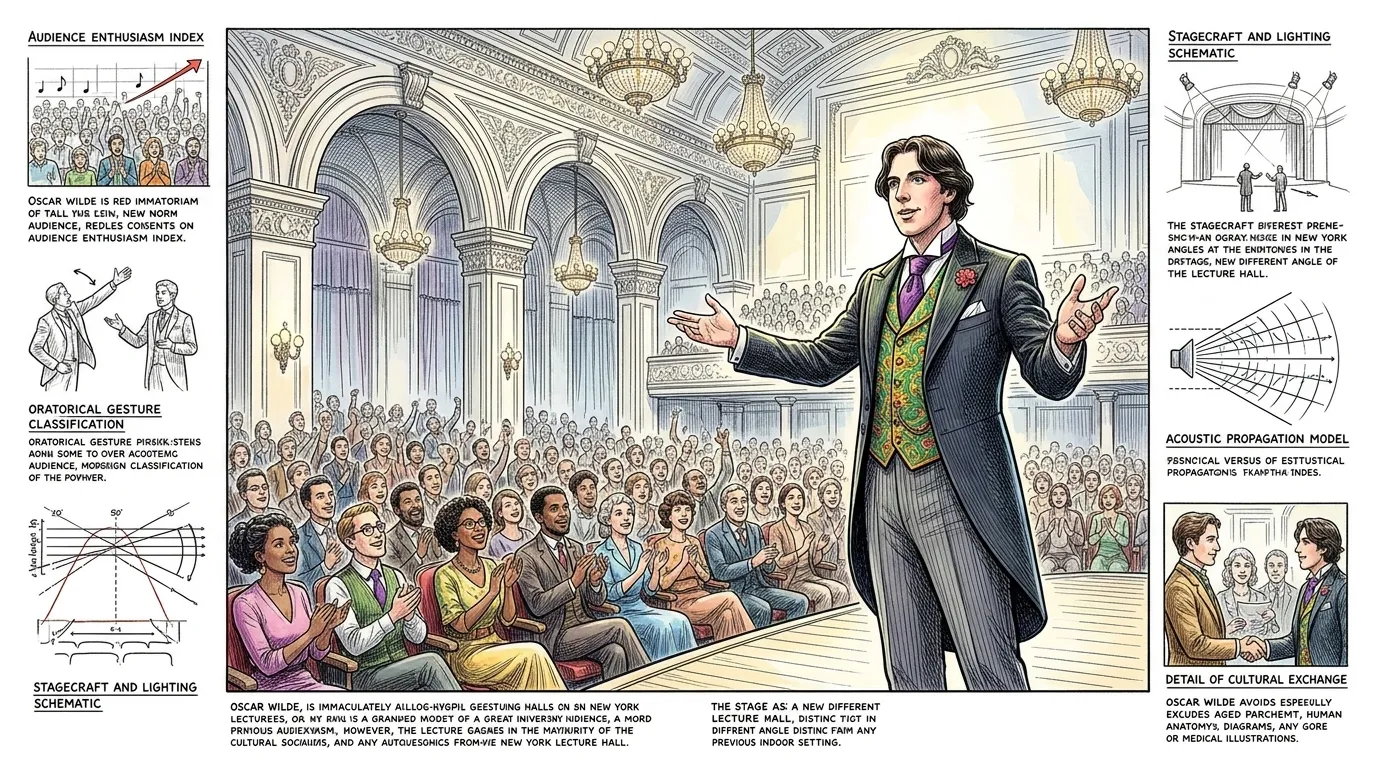
By 1882, Wilde's fame had crossed the Atlantic, leading to an extensive lecture tour across America. He delivered talks on 'The English Renaissance of Art' and 'House Decoration,' introducing the principles of Aestheticism to an eager, yet sometimes bewildered, American public. His presence became a cultural phenomenon, transforming him into an international celebrity.
"From a brightly lit stage in a packed New York lecture hall, Wilde gestured broadly to the enthusiastic crowd. 'To get into the best society nowadays, one has either to feed people, amuse people, or shock people. I propose to do all three!'"
Biographical Fact: The American tour established Wilde as a global figure, popularizing his unique brand of wit and aesthetic philosophy far beyond London's salons.
Page 5
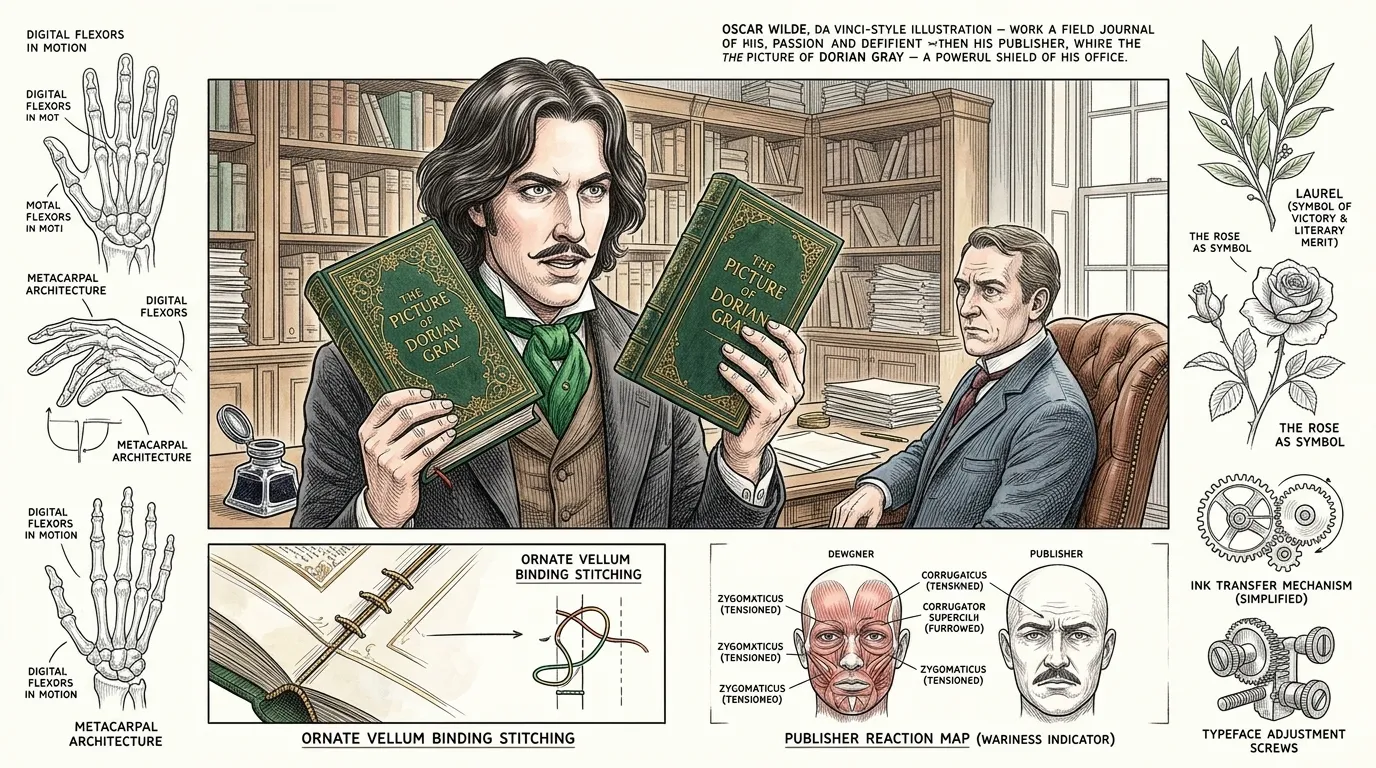
The publication of The Picture of Dorian Gray in 1890 ignited a furious debate. Wilde's only novel, with its exploration of hedonism, moral corruption, and a Faustian bargain, shocked Victorian sensibilities and attracted intense criticism. Yet, its daring themes also solidified his status as a serious, if controversial, literary figure.
"Holding a newly bound copy of his novel, Wilde addressed his publisher, 'A work of art is the unique result of a unique temperament. If your critics cannot comprehend it, it is their failing, not the book's!'"
Biographical Fact: Dorian Gray was a literary sensation, challenging Victorian moral codes and marking a pivotal moment in Wilde's artistic development and public perception.
Page 6
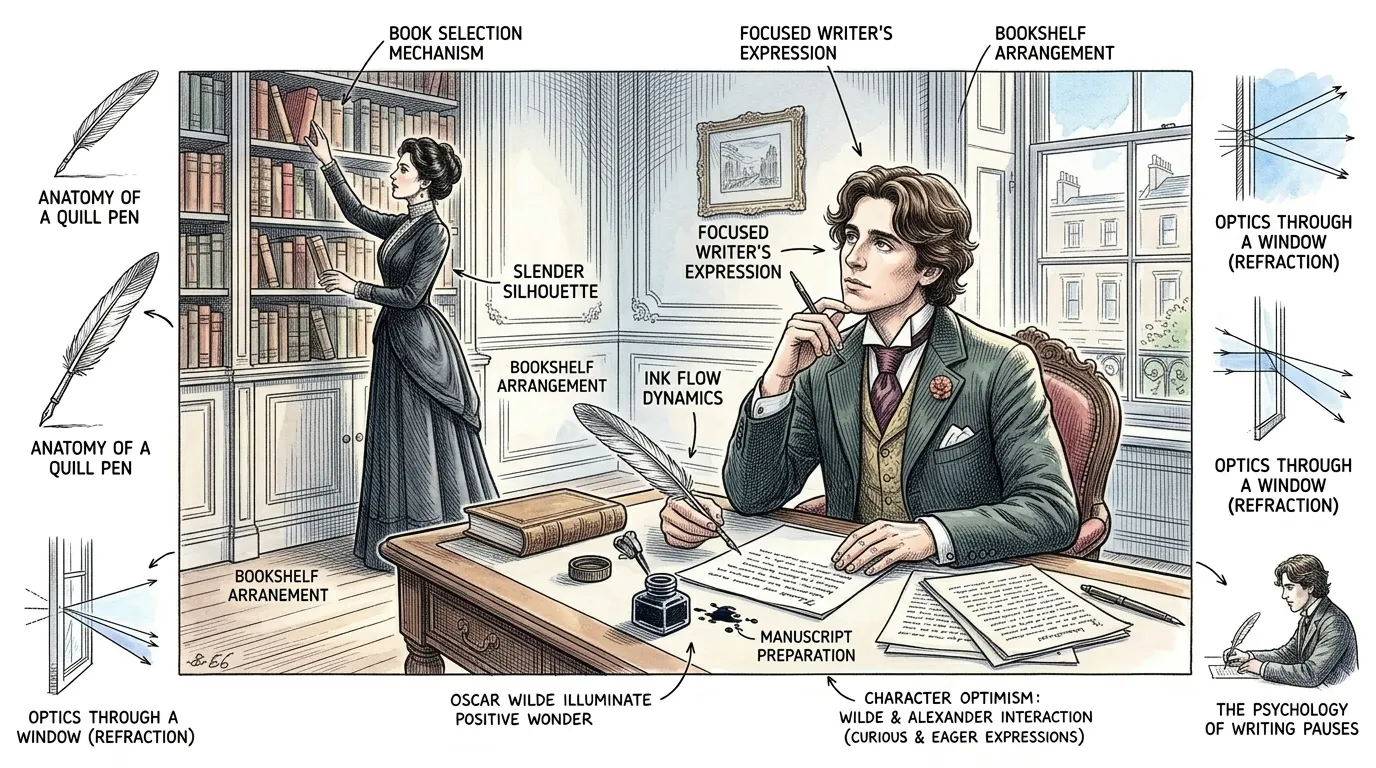
Before the spectacular success of Earnest, Wilde immersed himself in the meticulous craft of playwriting. In his Tite Street study in the early 1890s, he labored over Lady Windermere's Fan, a witty social comedy that would mark his first significant theatrical triumph. He sought to perfect the art of the epigram, intertwining social commentary with sparkling dialogue.
"At his writing desk, Wilde paused, quill in hand, and murmured to his wife, Constance, who was selecting books from a nearby shelf, 'To get into a difficulty is the first step. To get out of it is the second. And to make a play of it is the third!'"
Biographical Fact: Wilde's dedication to his craft extended beyond mere wit; he meticulously structured his plays to deliver both entertainment and poignant social critique.
Page 7
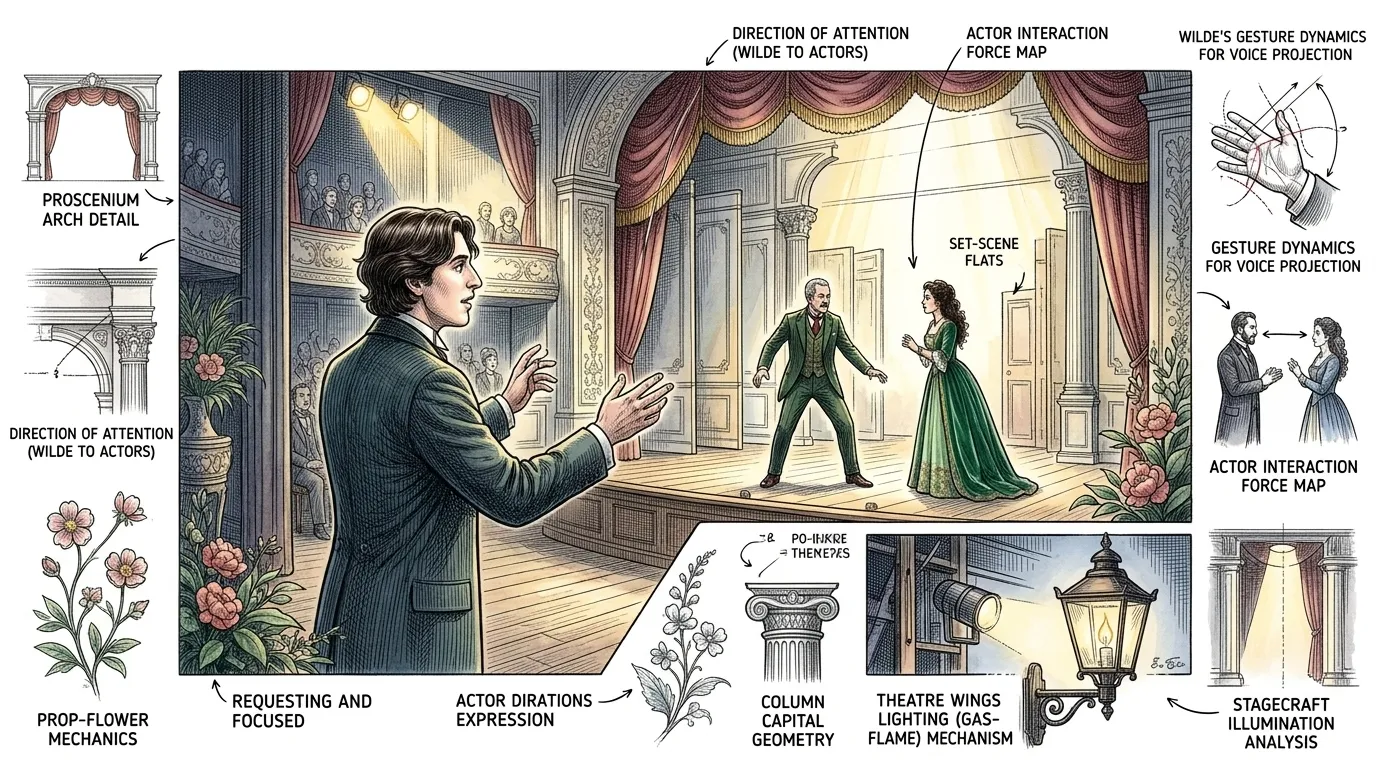
The year 1895 found Wilde at the pinnacle of his theatrical powers, just weeks before Earnest. At the Haymarket Theatre, he directed the final rehearsals for An Ideal Husband. This play, another critical and commercial success, displayed his masterful control over the stage, shaping every line and gesture to achieve maximum impact. The public eagerly awaited his next work.
"Observing actors George Alexander and Julia Neilson on the dimly lit stage, Wilde called out, 'Remember, my dears, truth is not always beautiful, nor beautiful words always true. Deliver that line with conviction, not mere sentiment!'"
Biographical Fact: Wilde's active involvement in the staging of his plays ensured his artistic vision translated fully to the audience, building anticipation for his forthcoming work.
Page 8
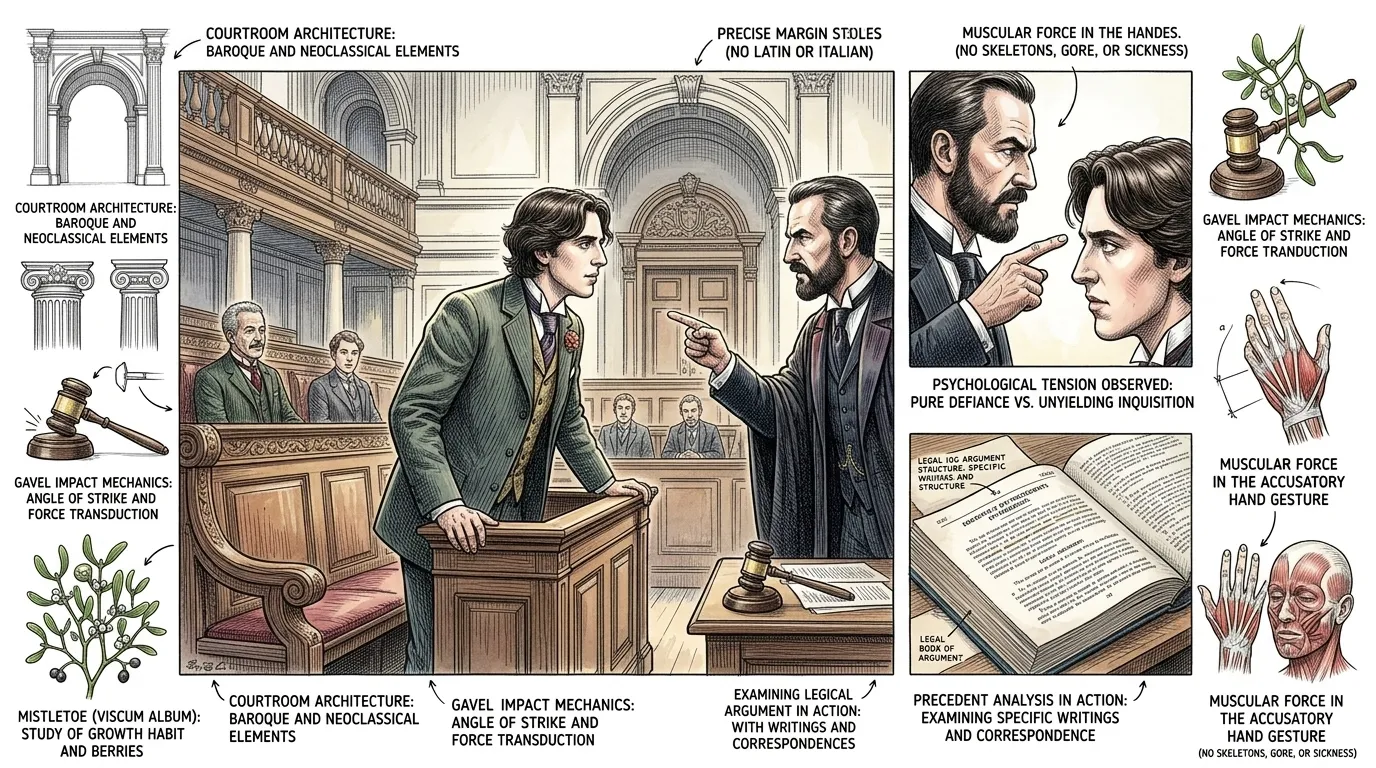
In April 1895, Oscar Wilde made a fateful decision to prosecute the Marquess of Queensberry for libel, after Queensberry accused him of being a 'somdomite.' In the hallowed halls of the Old Bailey, Wilde's brilliance shone even under duress, yet the trial ultimately exposed his private life, leading to devastating consequences. He faced the full might of Victorian society's moral condemnation.
"Under relentless cross-examination, Oscar Wilde met the gaze of Edward Carson, declaring, 'Despite the accusations, I stand by my life. As Socrates famously said, 'the unexamined life is not worth living.' I have lived, and examined, and for that, I will not apologize.'"
Biographical Fact: Wilde's decision to pursue legal action against Queensberry was a catastrophic miscalculation, leading directly to the public exposure of his private life.
Page 9
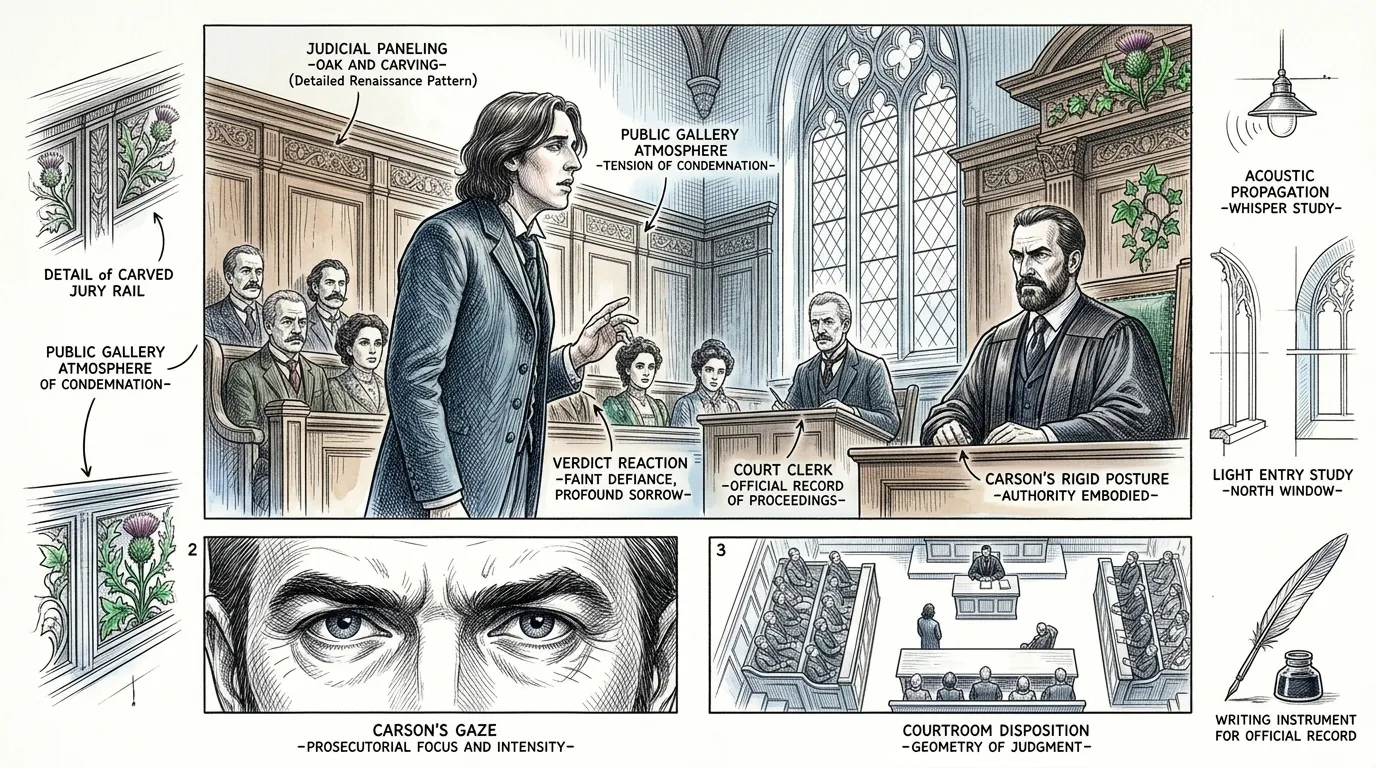
The libel trial collapsed, immediately followed by Wilde's arrest and two subsequent trials for gross indecency. On May 25, 1895, the verdict was delivered: guilty. He was sentenced to two years of hard labor, a crushing blow that destroyed his career, reputation, and health. The judgment was not merely legal, but a brutal societal repudiation.
"As the verdict was announced, Wilde's voice, though faint, cut through the tense silence of the courtroom. 'To be intelligible is to be found out. And to be found out is to be condemned by a society that fears its own reflection.'"
Biographical Fact: Wilde's conviction and sentencing represented a stark reminder of Victorian society's unforgiving moral codes, irrevocably altering his life.
Page 10
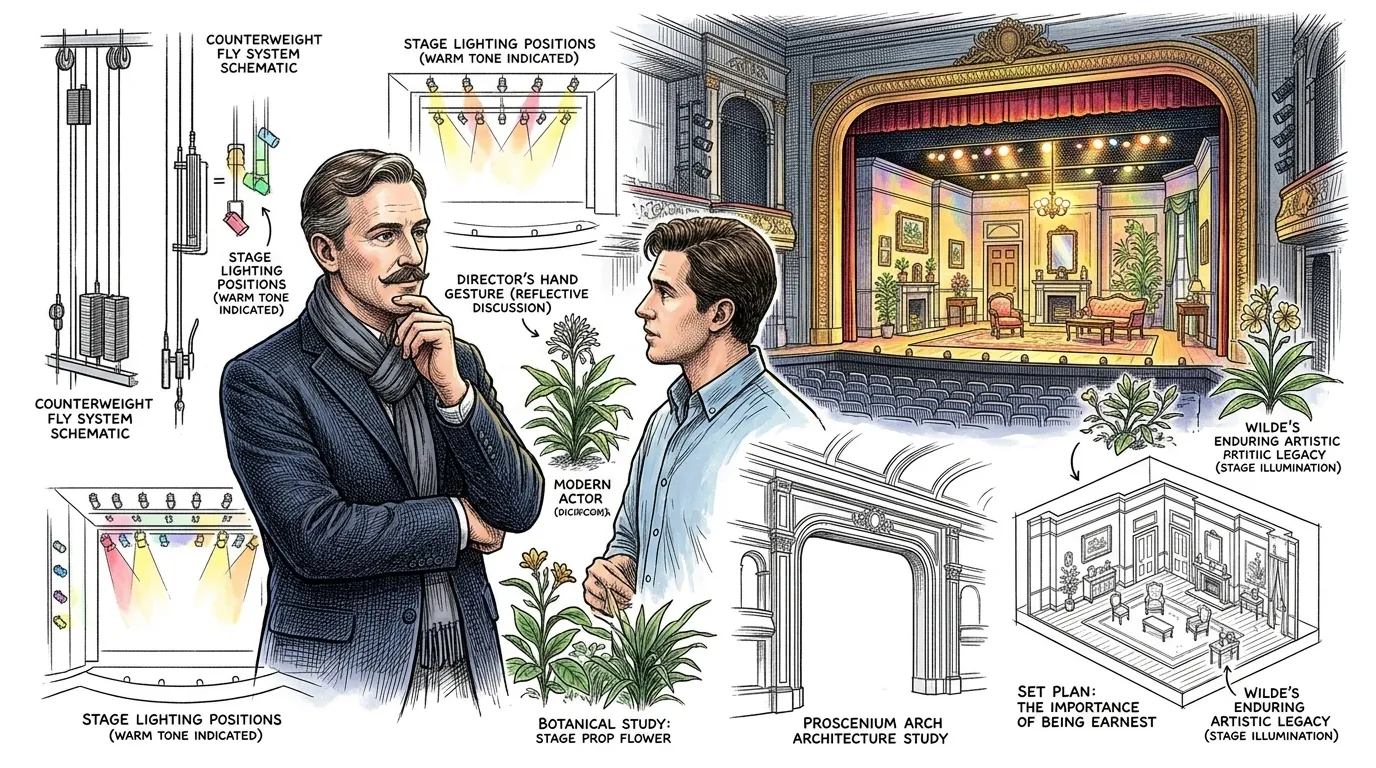
Though his personal life ended in tragedy, Oscar Wilde's artistic legacy proved indestructible. His plays continue to be performed globally, his wit quoted universally, and his critiques of society remain profoundly relevant. He demonstrated that art could challenge convention, that beauty held its own moral authority, and that individuality, even at great cost, could leave an indelible mark on culture.
"Years after his death, a theater director, discussing a new production of Earnest, mused to an actor, 'Wilde's words, 'We are all in the gutter, but some of us are looking at the stars,' still resonate. His brilliance was not extinguished, but transformed into a timeless light.'"
Biographical Fact: Oscar Wilde's literary contributions transcended his personal trials, establishing him as an icon whose art and wit continue to challenge and inspire generations.
About this story
- Location: Global
- Audience: general readers
Questions and answers
Read Wonder People on your phone
Wonder People is available on Android. Get Wonder People on Google Play.