Percy Spencer
Percy Spencer — an illustrated biography story, set in Global. 10 illustrated pages, free to read on Wonder People.
Page 1
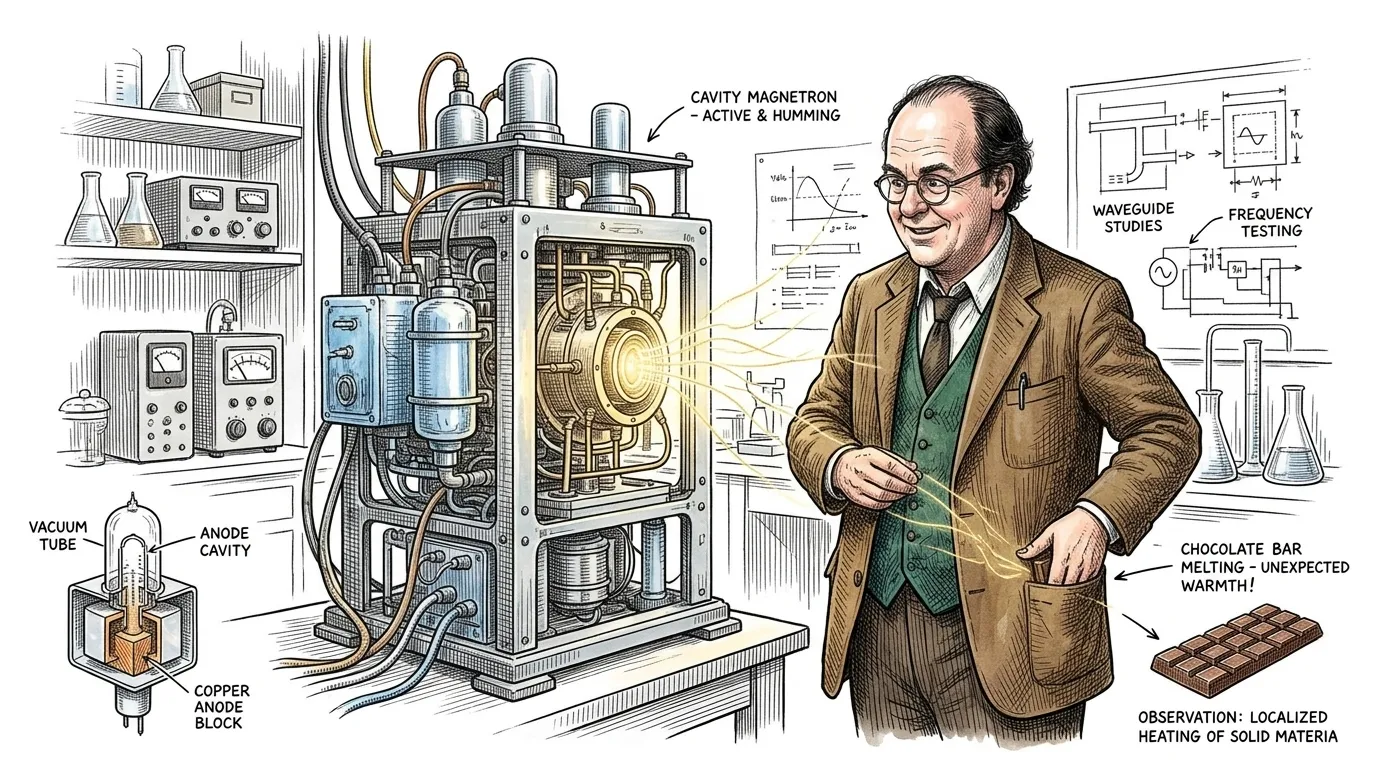
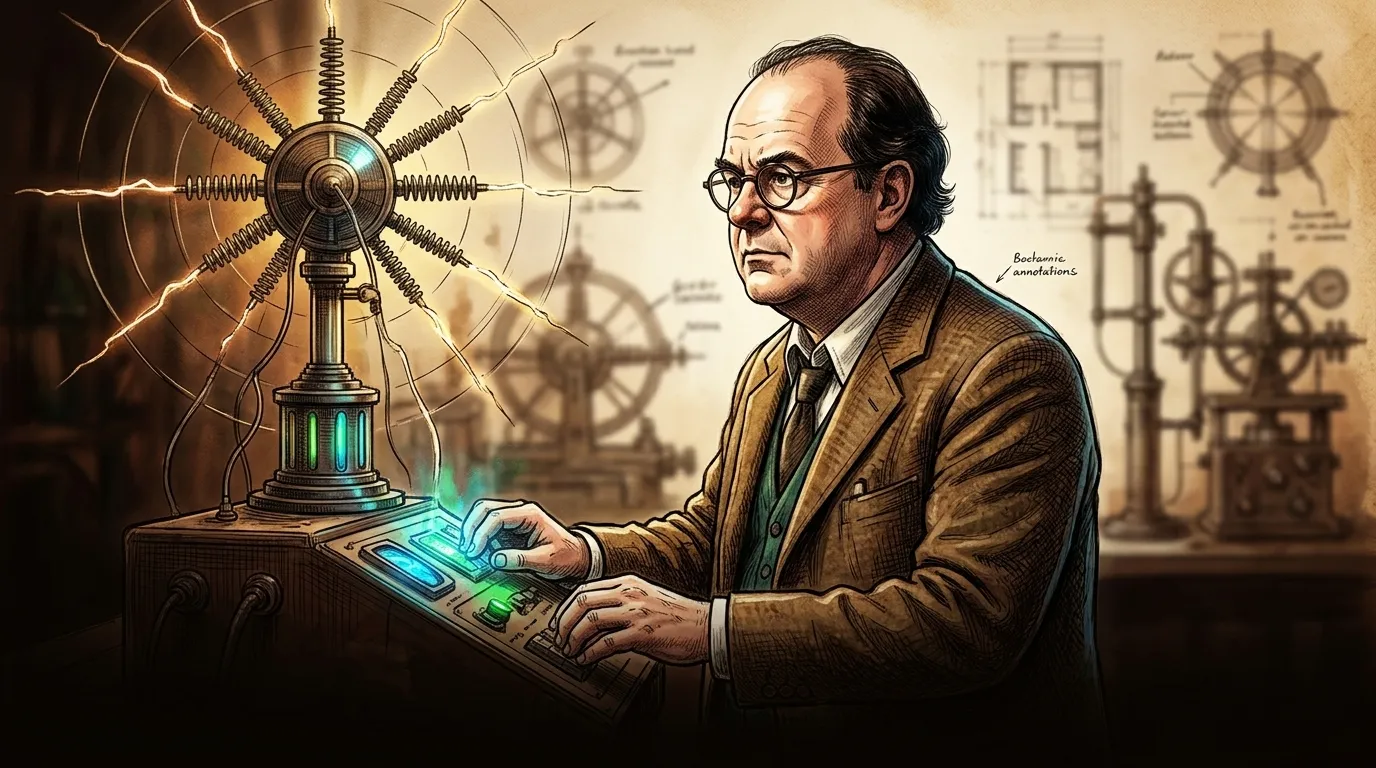
At Raytheon in Waltham, Massachusetts, in 1945, Percy Spencer stood beside an active magnetron. An ordinary chocolate bar in his pocket began to melt, not from ambient heat, but from an unseen force emanating from the radar component. This single, accidental observation by Spencer instantly ignited a revolution in how humanity would approach food, transforming a wartime technology into an everyday miracle.
Biographical Fact: Location: Raytheon Company, Waltham, Massachusetts. Date: 1945. Event: Accidental discovery of microwave heating while working on magnetron production. Impact: Laid the foundation for the invention of the microwave oven.
Page 2
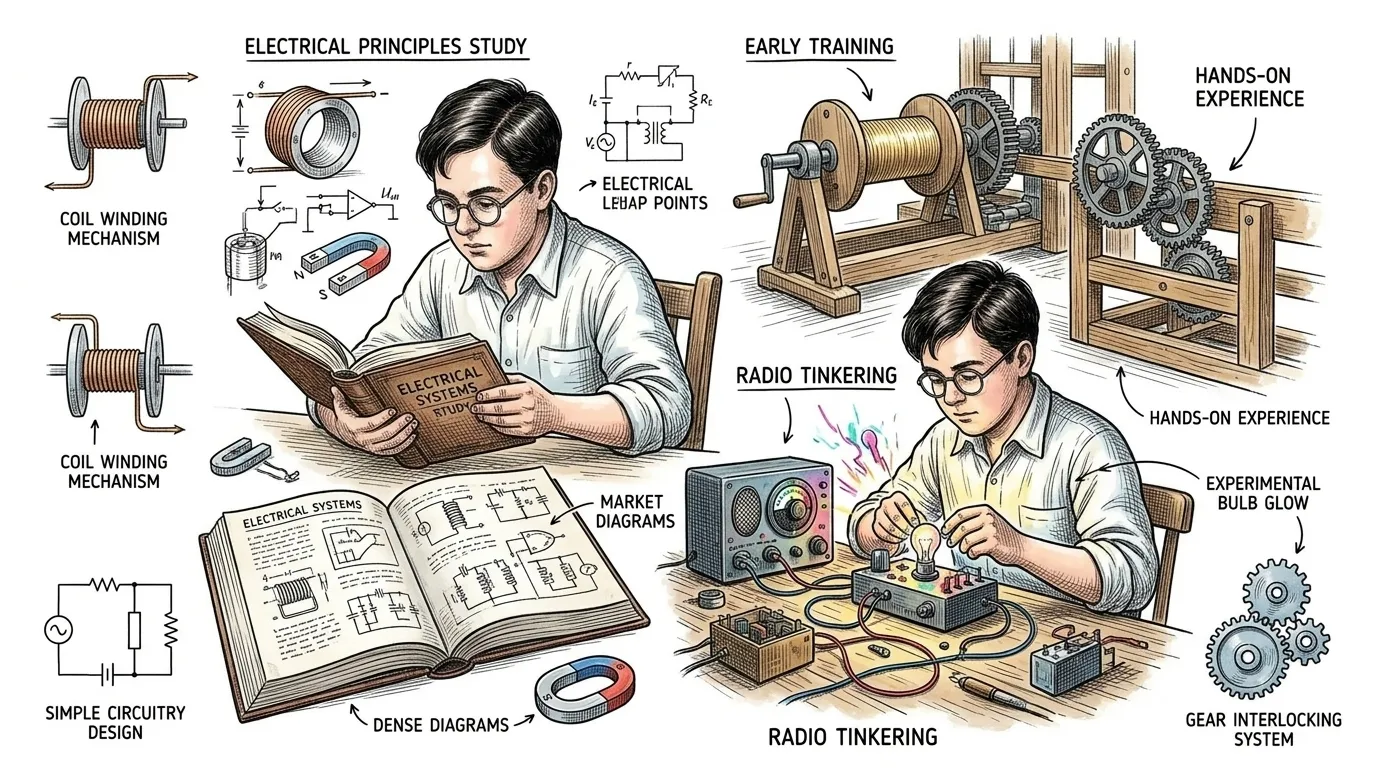
Orphaned at a young age in Howland, Maine, Percy Spencer's formal education concluded early; he never attended high school. Yet, his mind possessed an extraordinary intuitive grasp of complex electrical systems, which he cultivated through relentless self-study and on-the-job training in mills and as an amateur radio operator. His ambition was powered by an insatiable, practical curiosity.
Biographical Fact: Background: Orphaned early, Spencer was largely self-educated, working from age 12 in a spool mill and later a paper mill. This practical, hands-on learning shaped his inventive approach.
Page 3
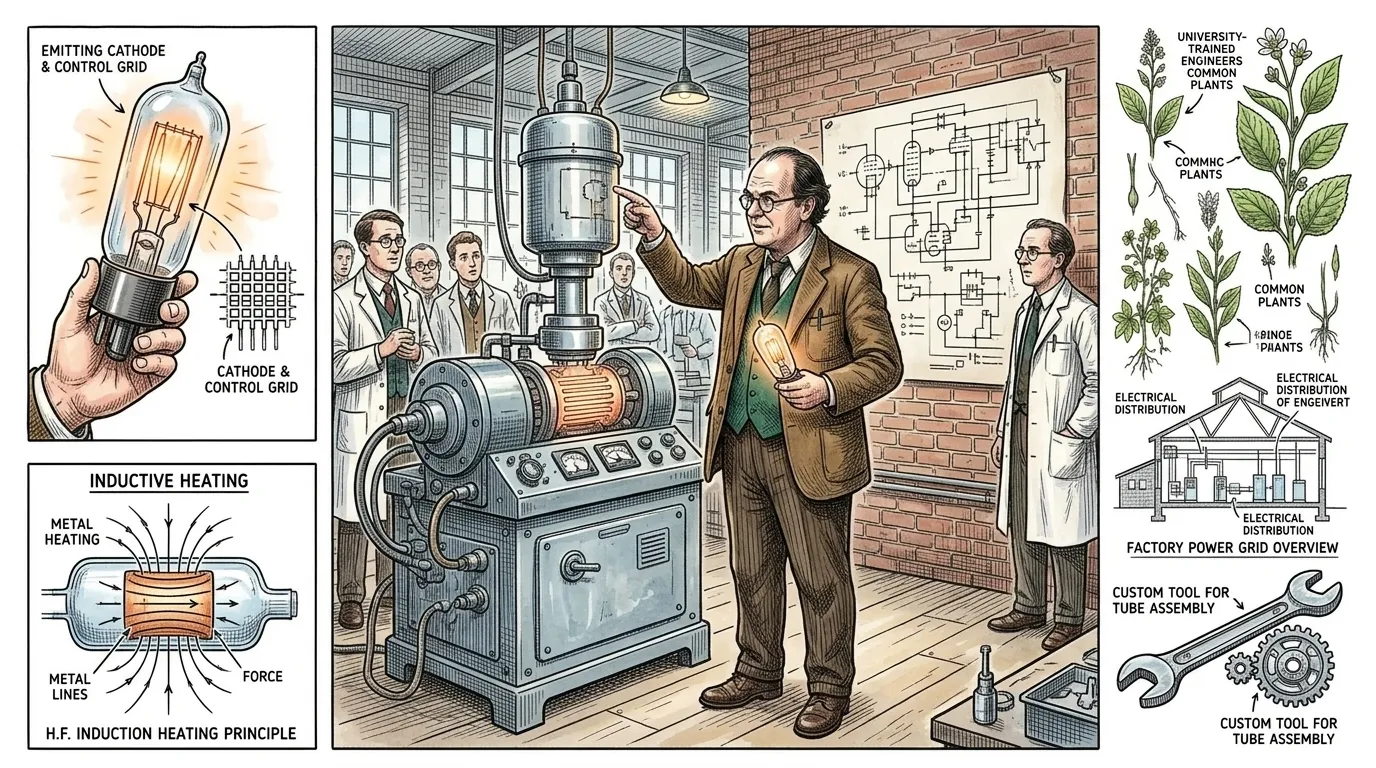
By the 1920s, Percy Spencer arrived at Raytheon, a burgeoning electronics company. He quickly distinguished himself, not through academic credentials, but by his unparalleled ability to analyze and solve problems related to vacuum tube technology. He routinely simplified complex manufacturing processes, improving efficiency and output in ways that baffled university-trained engineers.
Biographical Fact: Achievement: Spencer's innate understanding of electron tube design and manufacturing led to several patents and significant improvements in Raytheon's early radio tube production, despite his lack of formal education.
Page 4
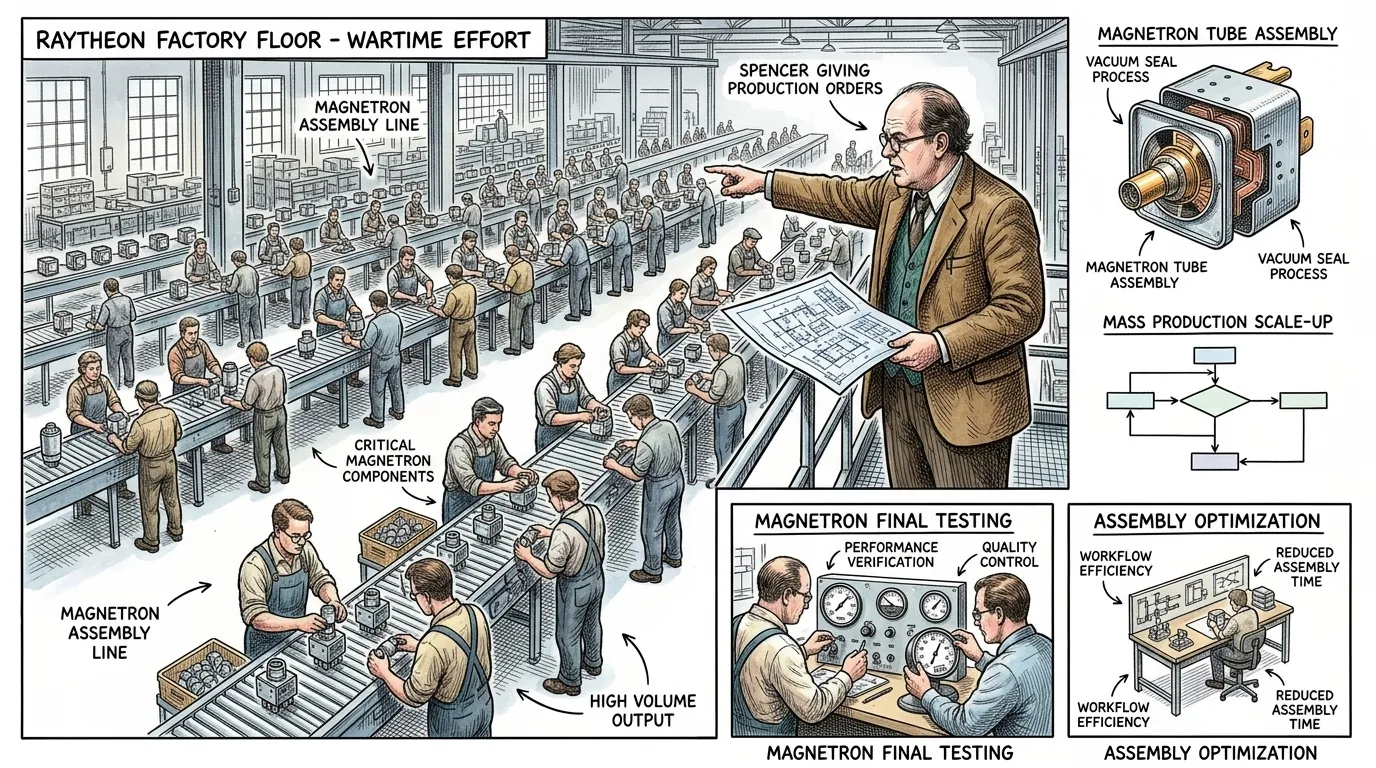
With the onset of World War II, the demand for radar technology, powered by magnetron tubes, exploded. Percy Spencer spearheaded the development and mass production of these critical components for Allied forces. His innovative manufacturing techniques dramatically increased output, allowing Raytheon to produce 2,600 magnetrons daily, up from a mere 100 before his intervention.
Biographical Fact: Role: As head of Raytheon's power tube division, Spencer's innovations in magnetron design and high-volume production were vital to the Allied war effort, enabling widespread deployment of radar.
Page 5
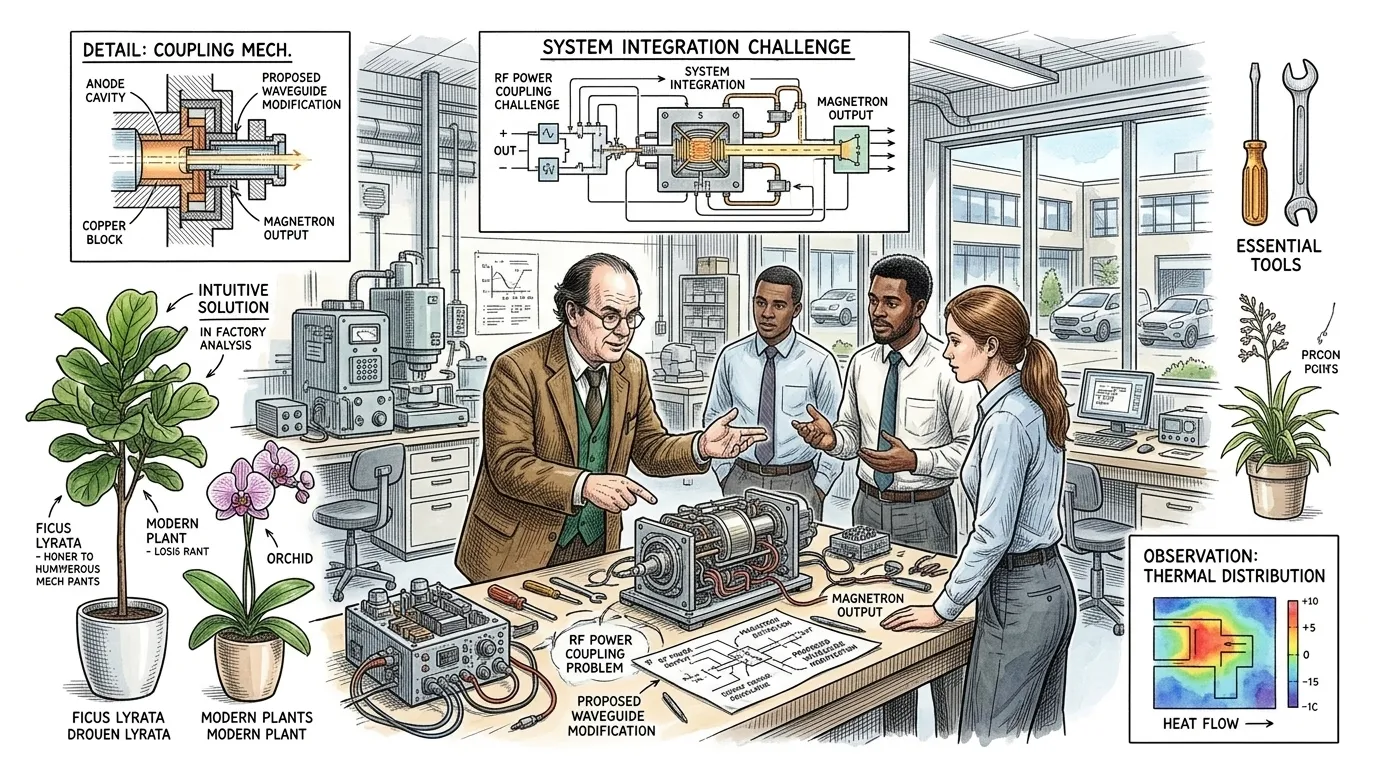
Spencer's leadership during the war extended beyond mere production figures. He fostered an environment of rapid experimentation and practical problem-solving. Engineers and factory workers alike brought their most perplexing challenges directly to him, relying on his unique ability to diagnose complex issues and devise elegant, often unconventional, solutions on the spot.
Biographical Fact: Method: Spencer was renowned for his hands-on approach and intuitive engineering. He often solved complex problems by direct observation and rapid prototyping, valuing practical results over theoretical formalism.
Page 6
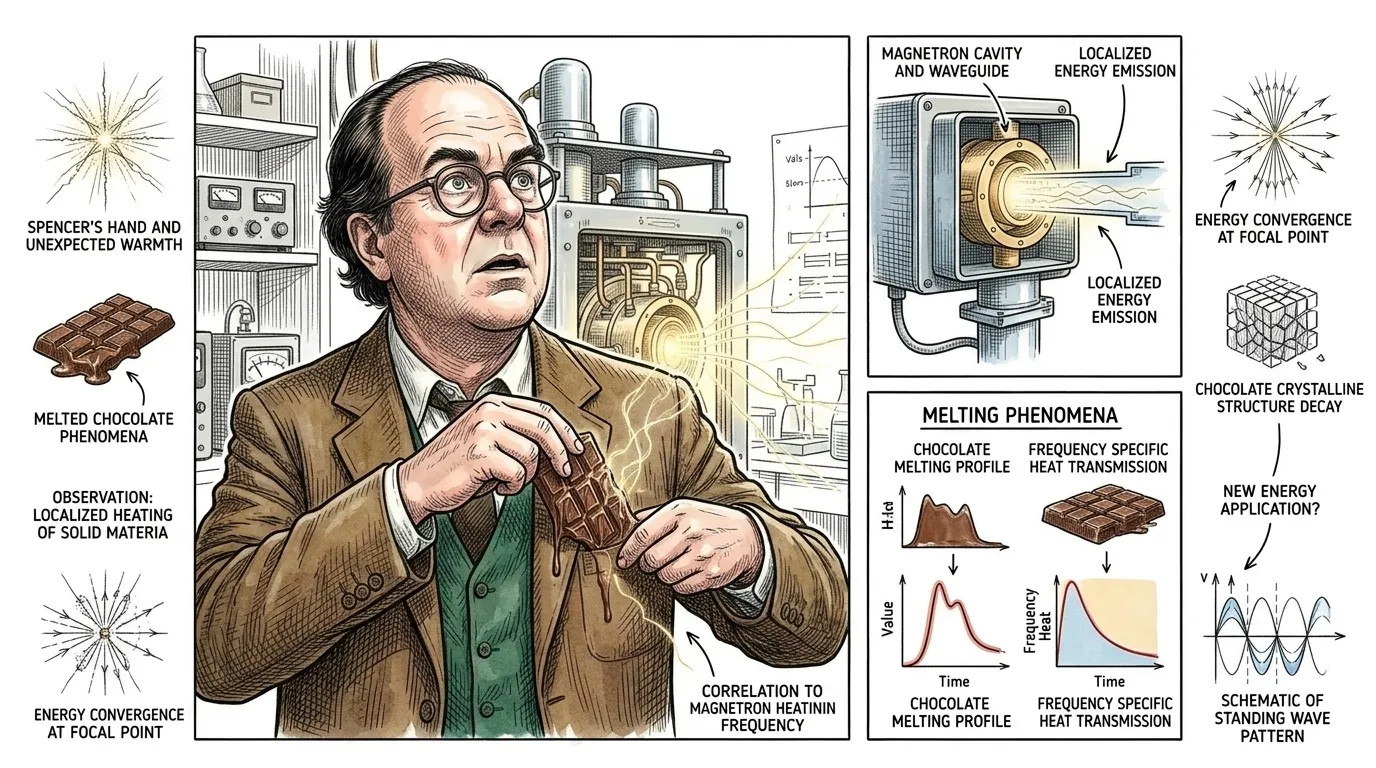
In 1945, while testing a new, powerful magnetron, Percy Spencer stood close to the active radar set. He noticed an unusual warmth in his pocket. Reaching in, he discovered the chocolate bar he carried had completely melted, not from ambient heat, but from an unseen energy field. It was an anomaly that others might have dismissed, but Spencer's intuitive mind immediately connected cause and effect.
Biographical Fact: Observation: Spencer's keen scientific observation allowed him to recognize the significance of a melted chocolate bar, directly linking it to the active magnetron and initiating a new field of inquiry into microwave energy.
Page 7
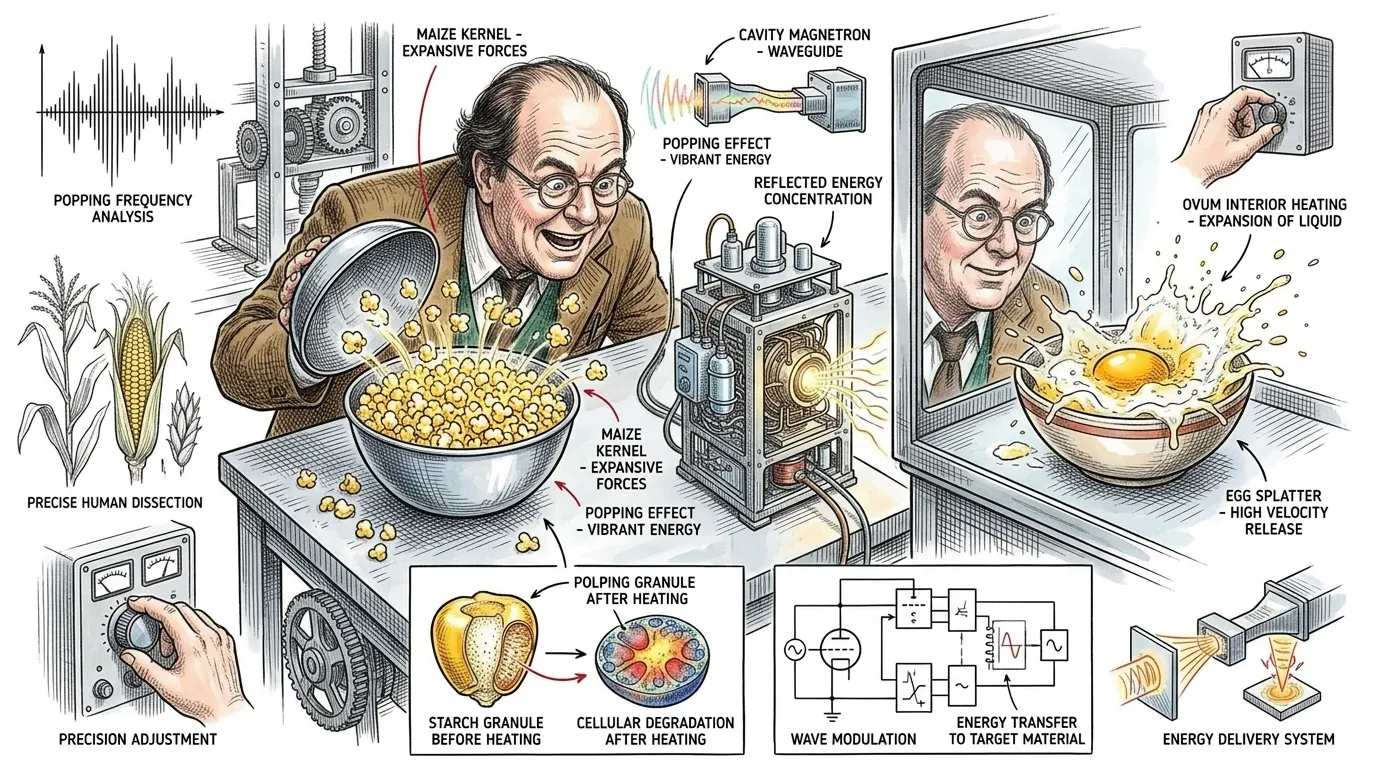
Spencer did not hesitate. The very next day, driven by an urgent scientific curiosity, he positioned popcorn kernels near the active magnetron. They crackled and popped. Then, with characteristic boldness, he placed an egg, which quickly cooked from the inside, splattering dramatically. These rapid, deliberate experiments instantly confirmed his hypothesis: the magnetron's microwaves could generate intense heat within food itself.
Biographical Fact: Validation: Spencer's immediate follow-up experiments with popcorn and an egg conclusively demonstrated the heating potential of microwave radiation, moving from accidental observation to scientific proof within hours.
Page 8
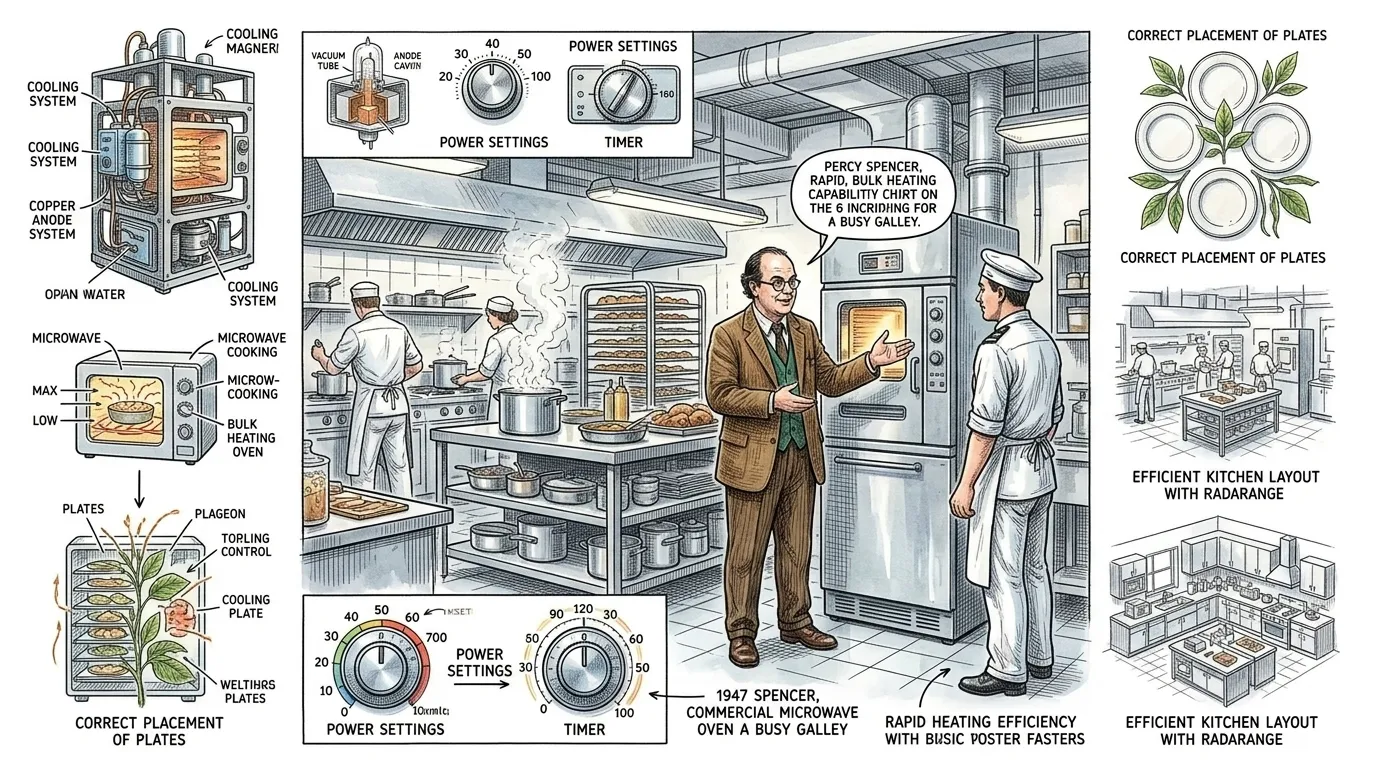
In 1947, Raytheon released the Radarange, the world's first commercial microwave oven. Standing nearly six feet tall and weighing over 750 pounds, it commanded a price of several thousands of dollars. Initially, its practical applications were limited to high-volume industrial settings like large restaurants, bustling train galleys, and ocean liners, where rapid, bulk food heating was a significant advantage.
Biographical Fact: Introduction: The first commercial microwave oven, the Radarange, was a massive, expensive appliance designed primarily for industrial and institutional use, marking the initial market entry of microwave cooking technology.
Page 9
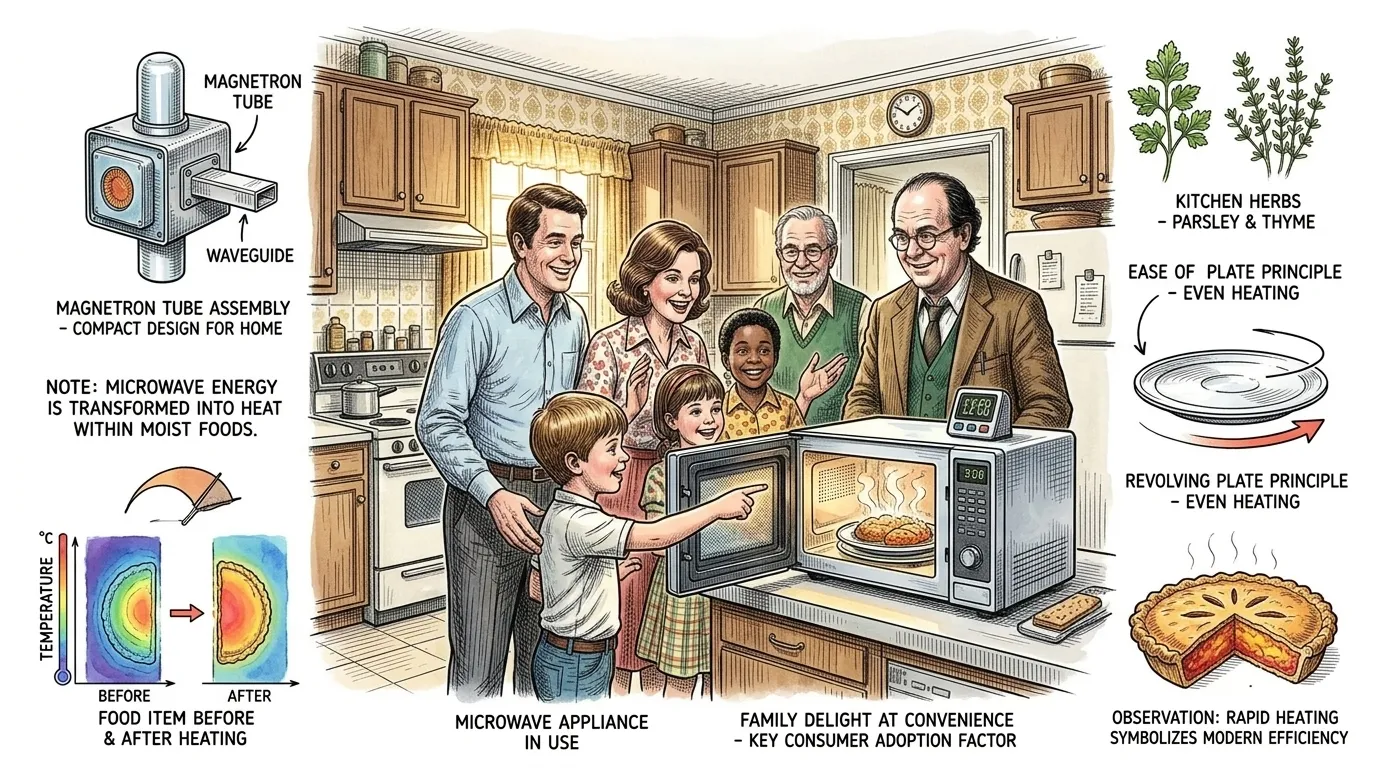
Decades later, through relentless engineering advancements and significant cost reduction, the microwave oven transitioned from an industrial curiosity to a household necessity. By the 1970s and 1980s, millions of smaller, more affordable countertop units filled kitchens globally, fundamentally altering cooking habits, meal preparation, and the very rhythm of daily life for families worldwide.
Biographical Fact: Adoption: Through continued engineering and design innovation, the microwave oven became an indispensable household appliance, dramatically changing global culinary practices and offering unparalleled convenience.
Page 10
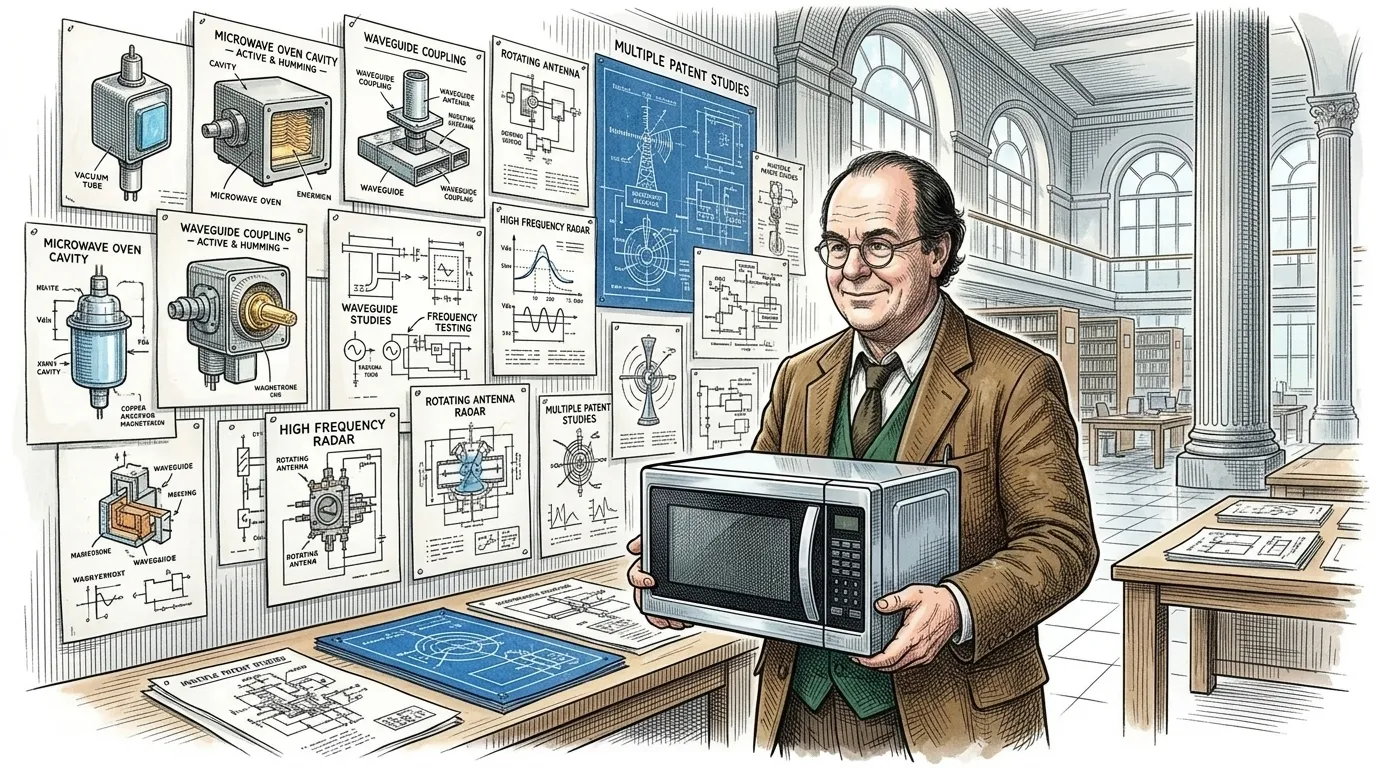
Percy Spencer, the self-taught genius, held over 300 patents by the end of his prolific life. His accidental discovery of microwave heating, born from simple observation and relentless experimentation, irrevocably altered how humanity prepares and consumes food. The humble microwave oven, found in nearly every kitchen globally, stands as a silent, ubiquitous monument to his practical brilliance and profound, enduring impact on modern society.
Biographical Fact: Enduring Impact: Percy Spencer's legacy is defined by his prolific inventiveness and the transformative power of the microwave oven, which continues to shape global food culture and convenience. He received numerous awards, including the Distinguished Public Service Award, and his inventive spirit remains an inspiration.
About this story
- Location: Global
- Audience: general readers
Questions and answers
Read Wonder People on your phone
Wonder People is available on Android. Get Wonder People on Google Play.