Robert Noyce
Robert Noyce — an illustrated biography story, set in Global. 10 illustrated pages, free to read on Wonder People.
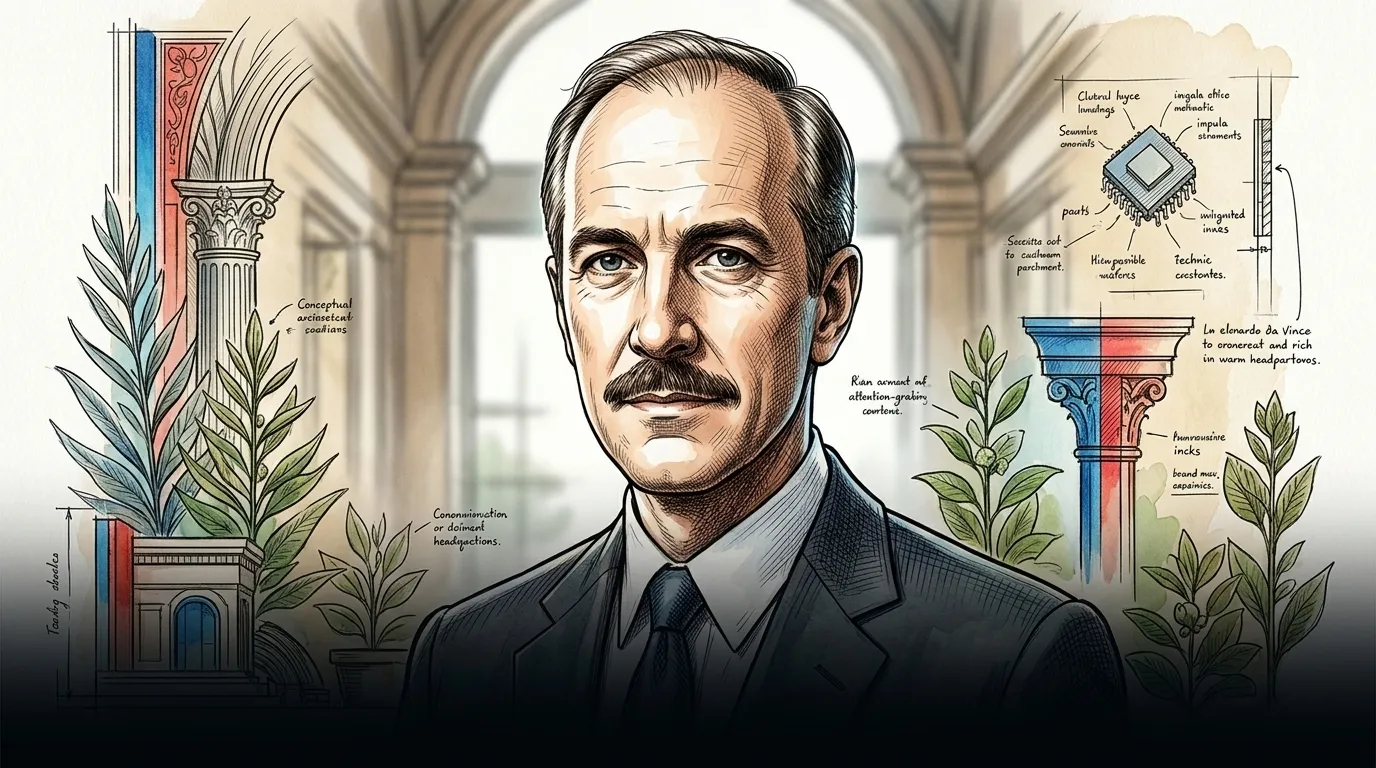
Page 1
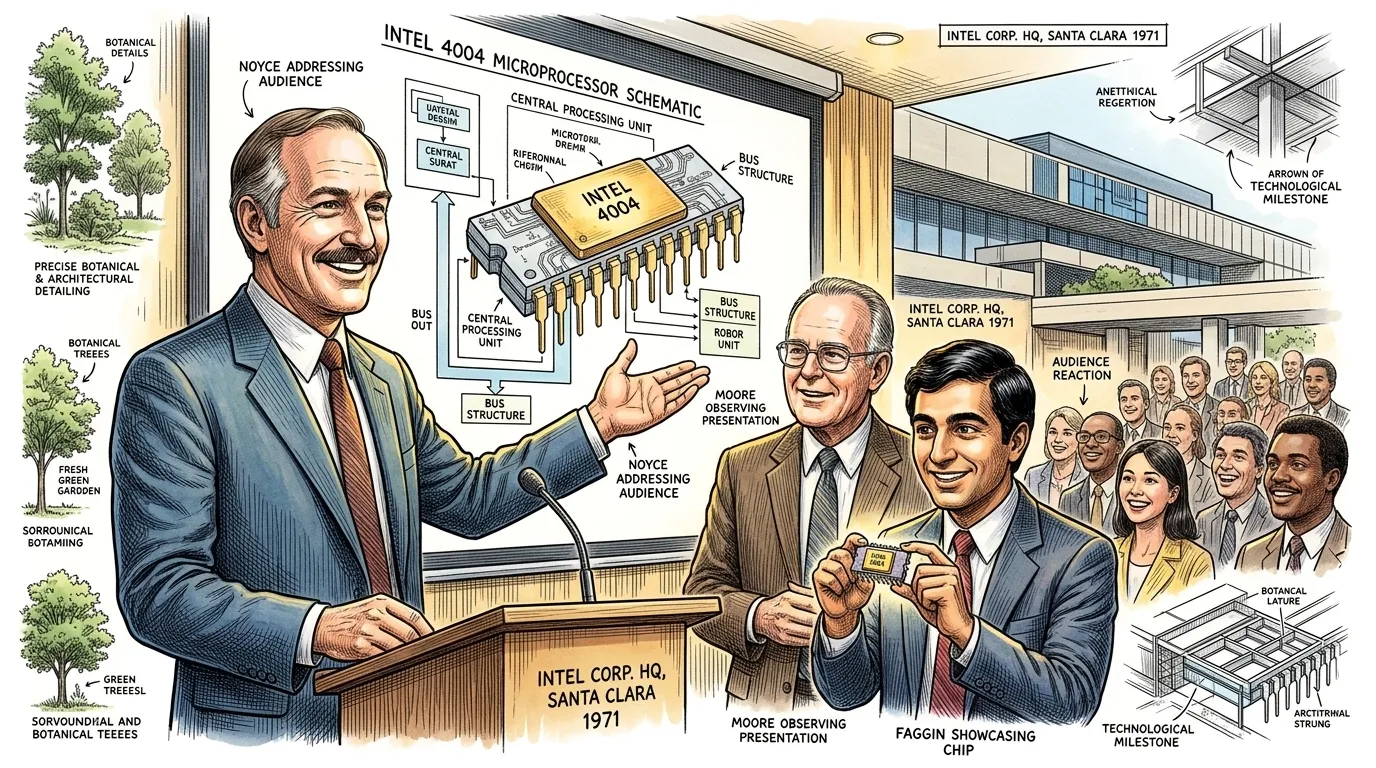
At Intel Corporation's Santa Clara headquarters in 1971, Robert Noyce stood before a gathering of engineers, investors, and eager journalists. Beside him, Gordon Moore, his co-founder, observed the momentous occasion, while Federico Faggin, the brilliant designer, held the physical manifestation of their audacious vision. Noyce, the architect of this new era, presented the Intel 4004, the world's first commercial single-chip microprocessor, an integrated circuit containing 2,300 transistors. This was not merely an invention; it was the genesis of a global transformation, an unseen engine that would redefine human interaction with technology and spark the digital revolution.
Page 2
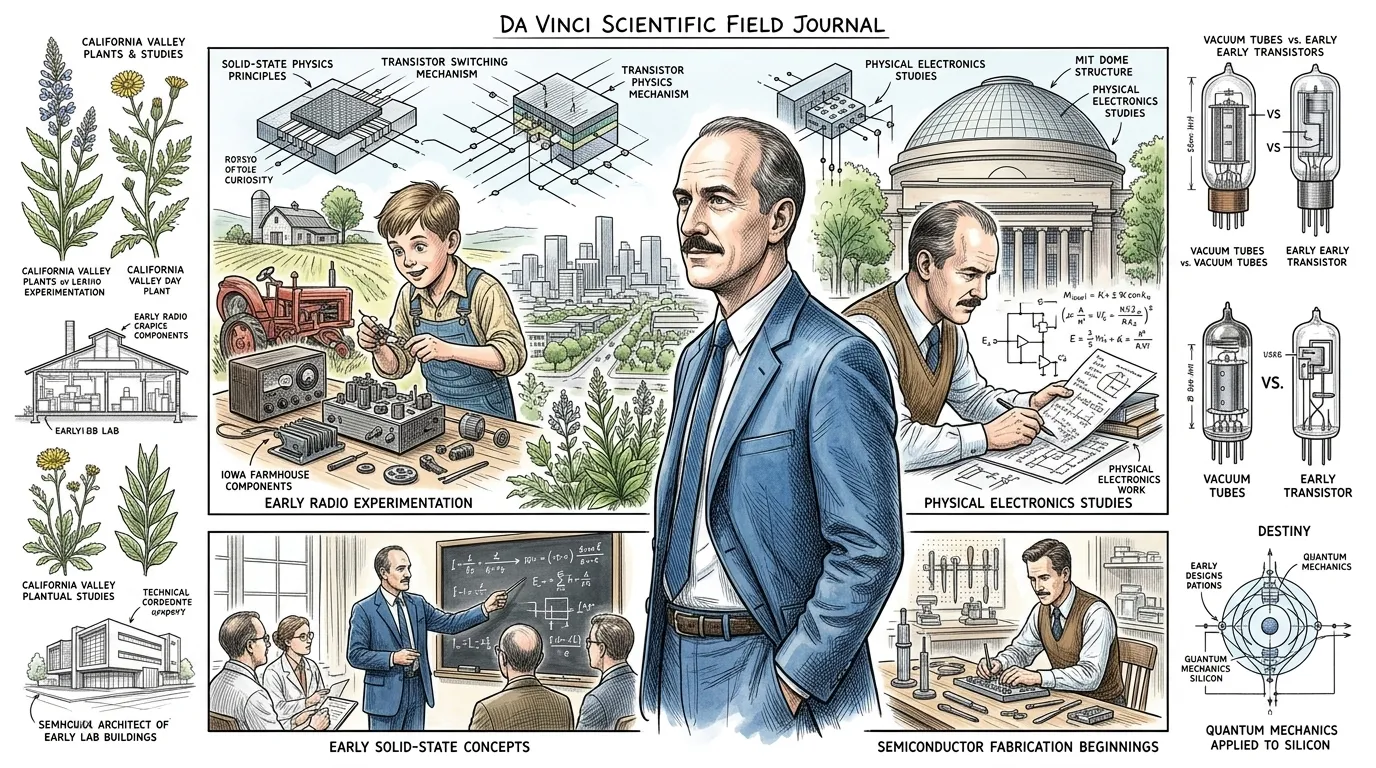
Robert Noyce's intellectual curiosity ignited early, fueled by a childhood tinkering with machinery and radios on his Iowa farm. This practical foundation merged with rigorous academic pursuit, culminating in a Ph.D. in physical electronics from MIT in 1953. In a world on the cusp of the transistor age, Noyce recognized the profound implications of solid-state physics, rejecting established norms to pursue groundbreaking advancements. His path began with a deliberate choice to move where the nascent semiconductor industry was forming, positioning himself at the very frontier of discovery.
Page 3
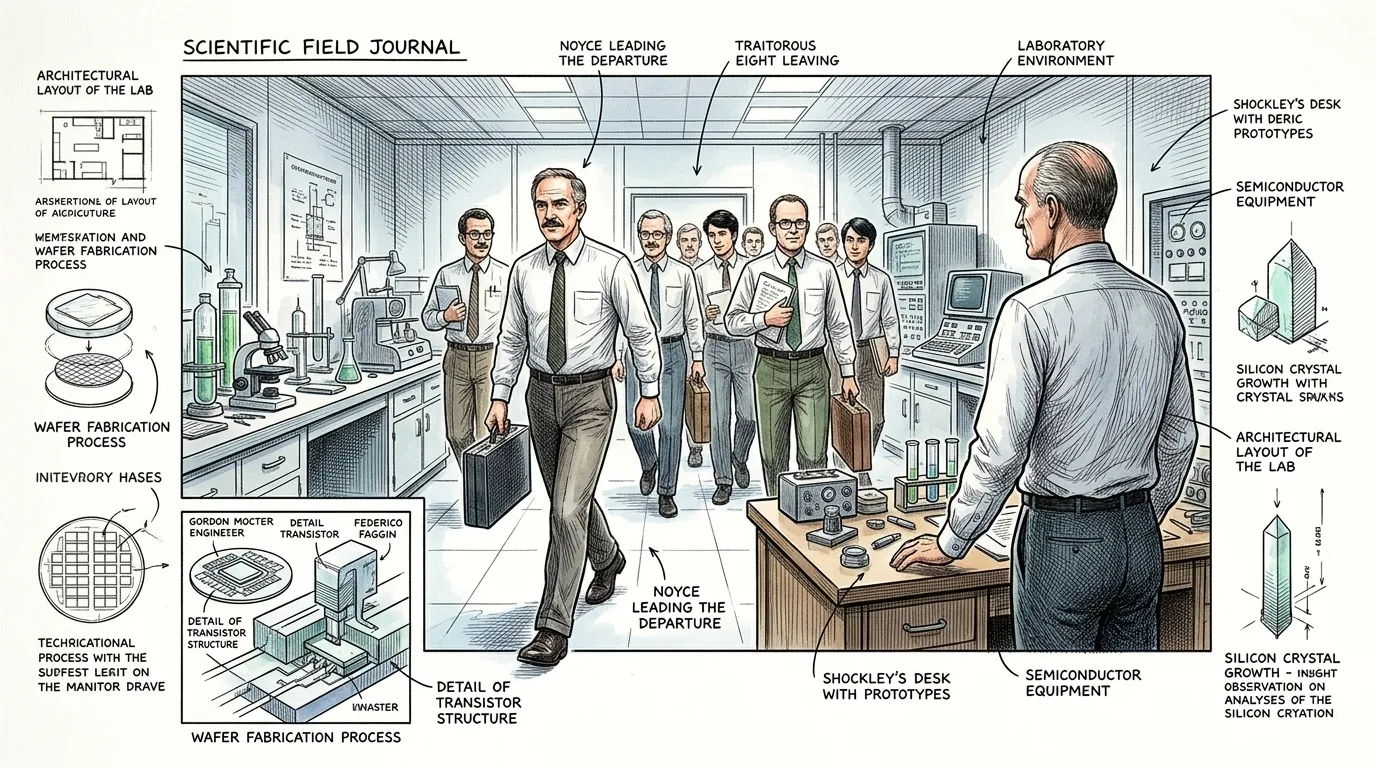
In 1957, William Shockley, Nobel laureate and co-inventor of the transistor, recruited Noyce to his new semiconductor laboratory in Mountain View, California. However, Shockley's management style proved autocratic, stifling innovation. Noyce, alongside seven other brilliant engineers—dubbed the 'Traitorous Eight'—made a bold and unprecedented decision: they collectively resigned. This mass exodus, led by Noyce, was a pivotal act of defiance against a stifling corporate structure, a direct assertion of their belief that progress demanded intellectual freedom.
Page 4
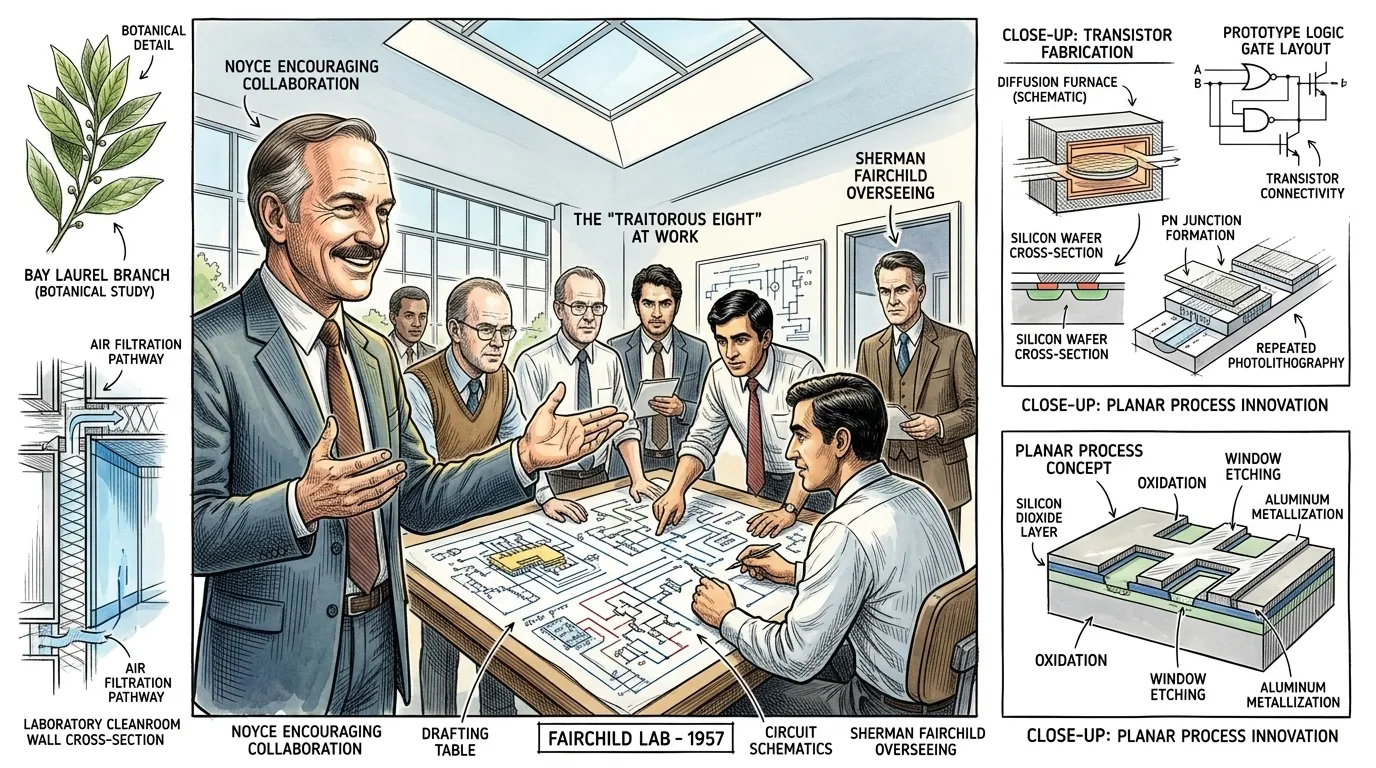
The 'Traitorous Eight,' with funding from Sherman Fairchild, immediately founded Fairchild Semiconductor in 1957. Robert Noyce swiftly took the helm, not just as a manager but as a visionary leader who fostered a culture of open collaboration and relentless innovation. This new enterprise was built on the principle that the collective brilliance of engineers, empowered and unburdened, could achieve feats impossible under restrictive hierarchies. Under Noyce's guidance, Fairchild Semiconductor rapidly became a crucible for semiconductor advancements, defining the nascent Silicon Valley ethos.
Page 5
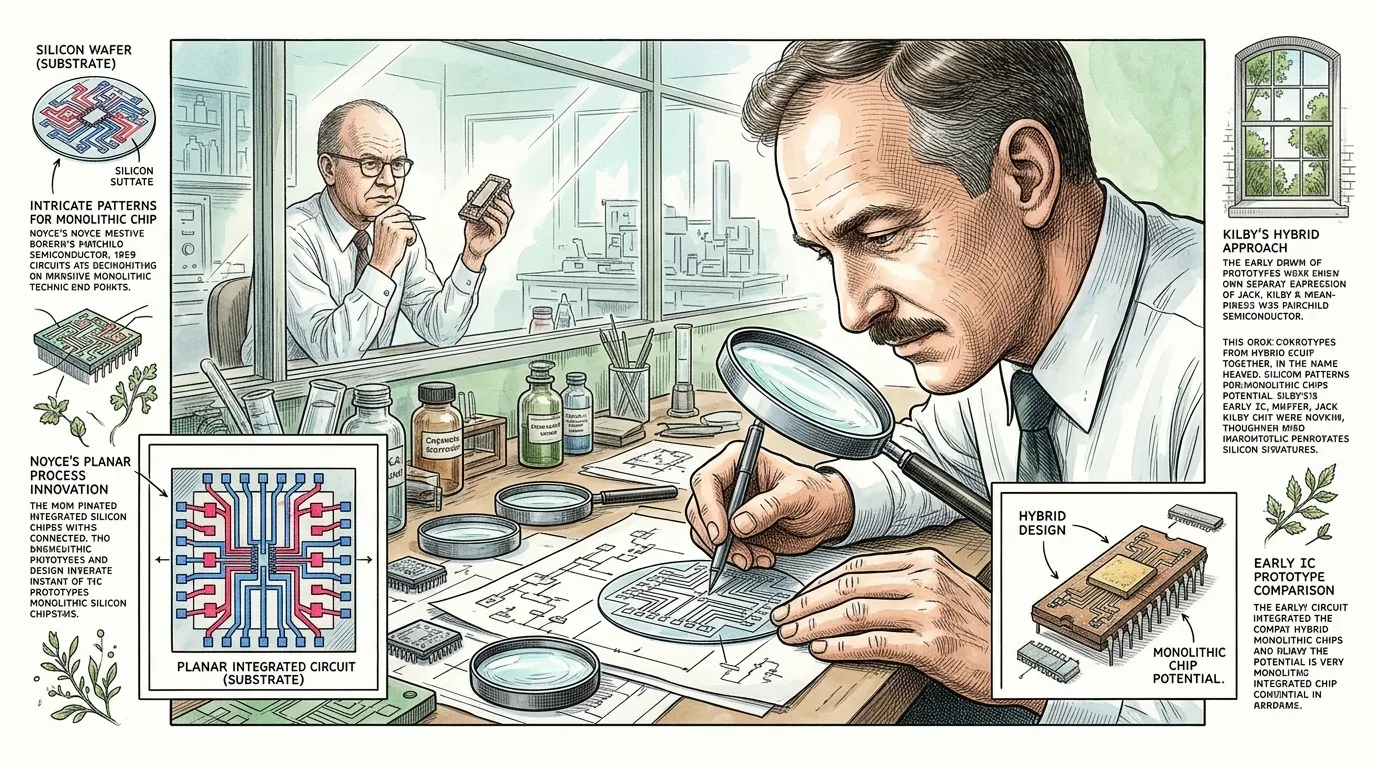
In 1959, Robert Noyce conceived of a solution to interconnect multiple transistors on a single silicon chip—the planar integrated circuit. While Jack Kilby independently developed a hybrid integrated circuit, Noyce's invention involved a monolithic silicon chip, integrating all components directly. This breakthrough, developed and patented at Fairchild, was not just an incremental improvement; it was a fundamental shift. Noyce's innovation made mass production feasible, dramatically reducing size and cost, and laying the essential groundwork for all future microelectronics. It marked the moment when true miniaturization became a commercial reality.
Page 6
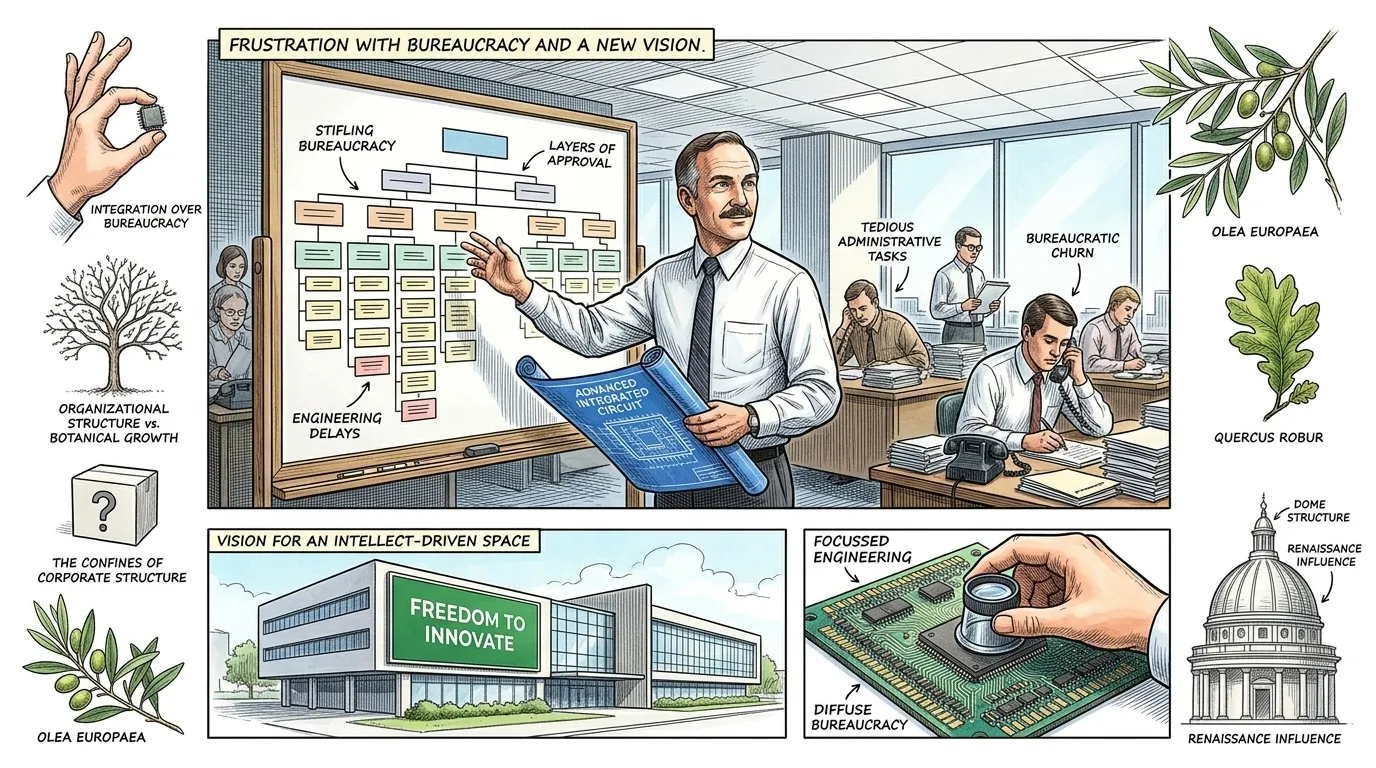
By the late 1960s, Fairchild Semiconductor, despite its immense success, began to suffer from internal strife and a growing bureaucracy. Robert Noyce, once the guiding force, found himself increasingly frustrated by the corporate structure that now stifled the very innovation he championed. He recognized that to achieve the next leap in computing power—to truly integrate more components onto a chip than ever before—a new kind of company was needed, one that prioritized engineering freedom and aggressive investment in research. This growing dissatisfaction forged a new resolve.
Page 7
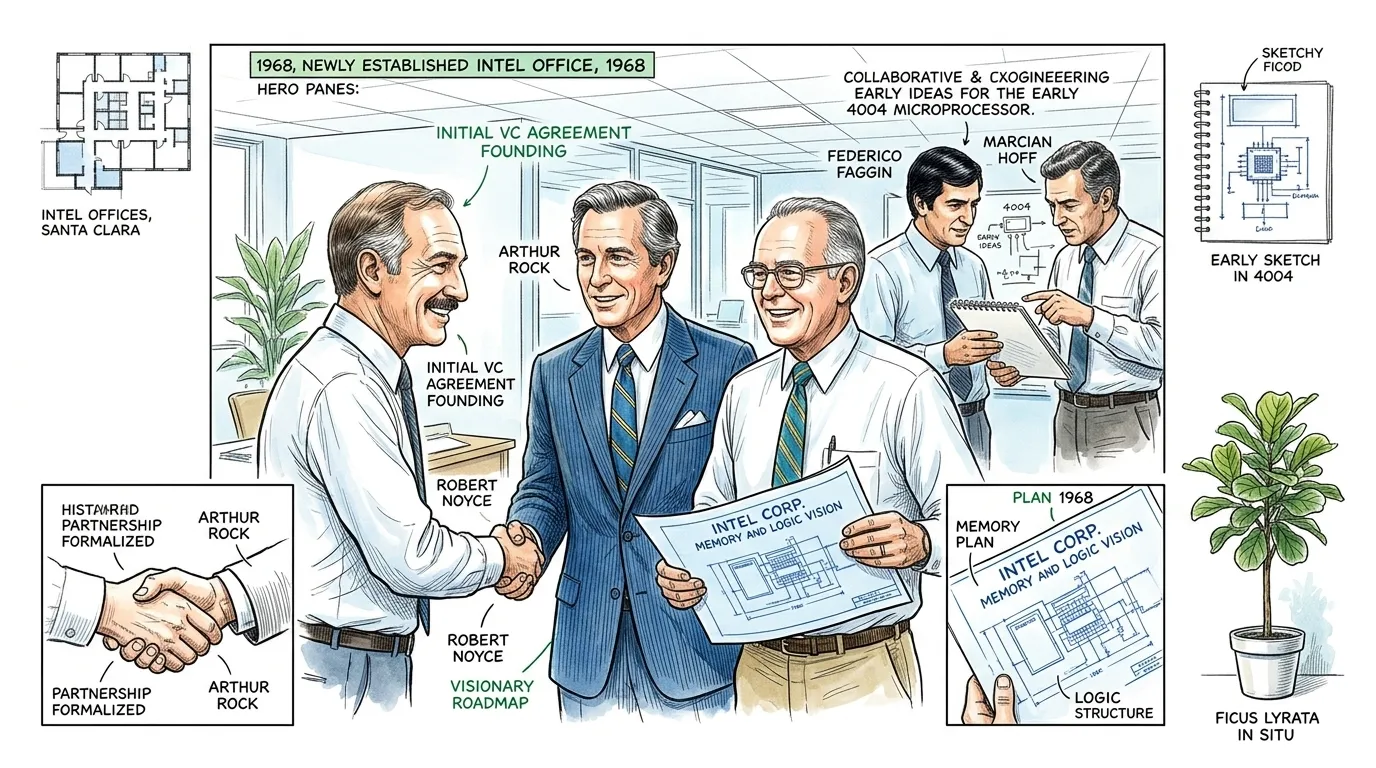
In 1968, Robert Noyce, alongside Gordon Moore, departed Fairchild Semiconductor, securing 2.5 million in venture capital from Arthur Rock. They established a new entity: Intel. Noyce envisioned a company dedicated solely to memory and logic, where engineers held sway and innovation was paramount. His leadership philosophy, a blend of technical expertise and entrepreneurial drive, attracted the industry's brightest minds, including Federico Faggin and Marcian Hoff, setting the stage for the revolutionary 4004 microprocessor. This act of founding Intel was a defiant statement, a commitment to a singular, focused pursuit of microelectronic advancement.
Page 8
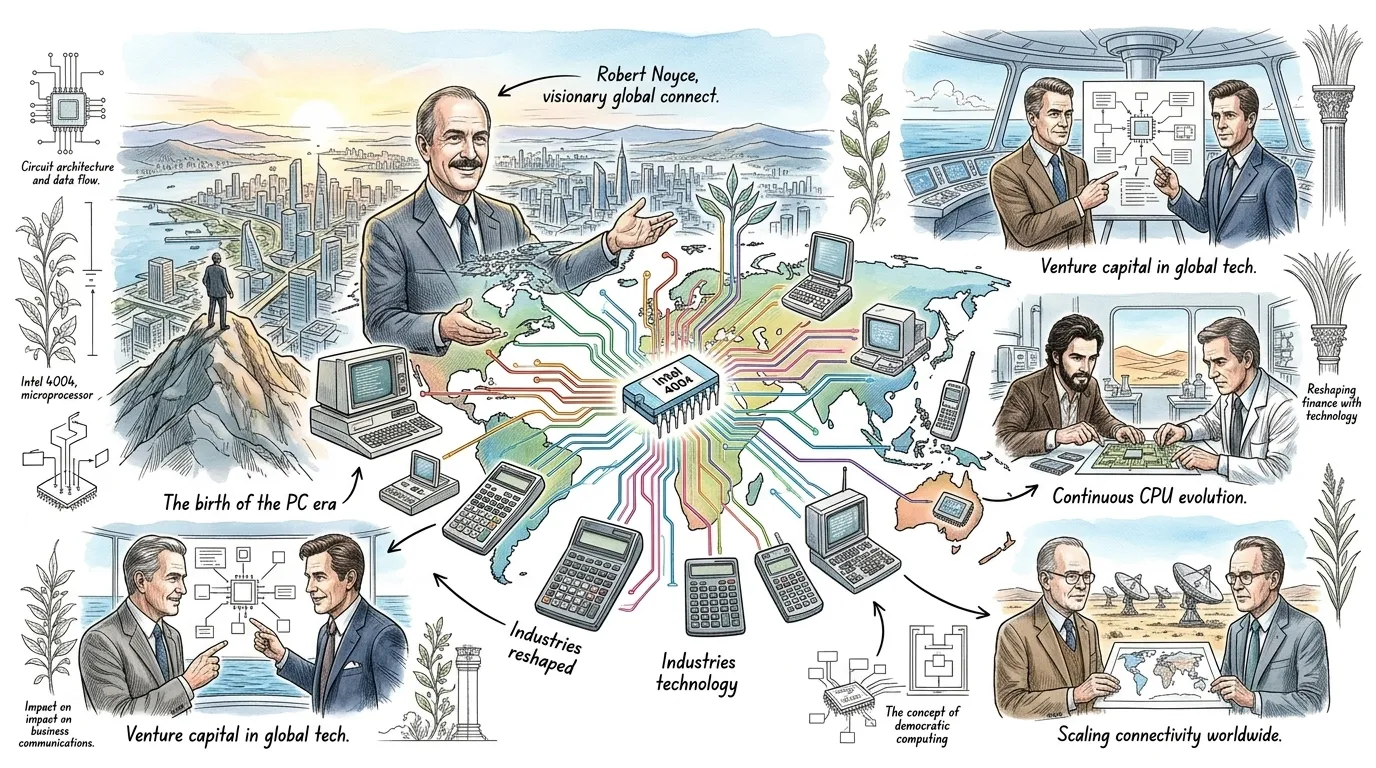
Following the Intel 4004's introduction, Robert Noyce's vision reshaped industries globally. The microprocessor became the unseen engine of an ever-expanding technological landscape. From calculators to early personal computers, the ability to embed significant processing power onto a single chip unleashed a torrent of innovation. Intel, under Noyce's strategic guidance, became the dominant force in this new market, continually pushing the boundaries of miniaturization and computational capacity, democratizing access to complex computing for an increasingly wider world. His early conviction paid monumental dividends.
Page 9
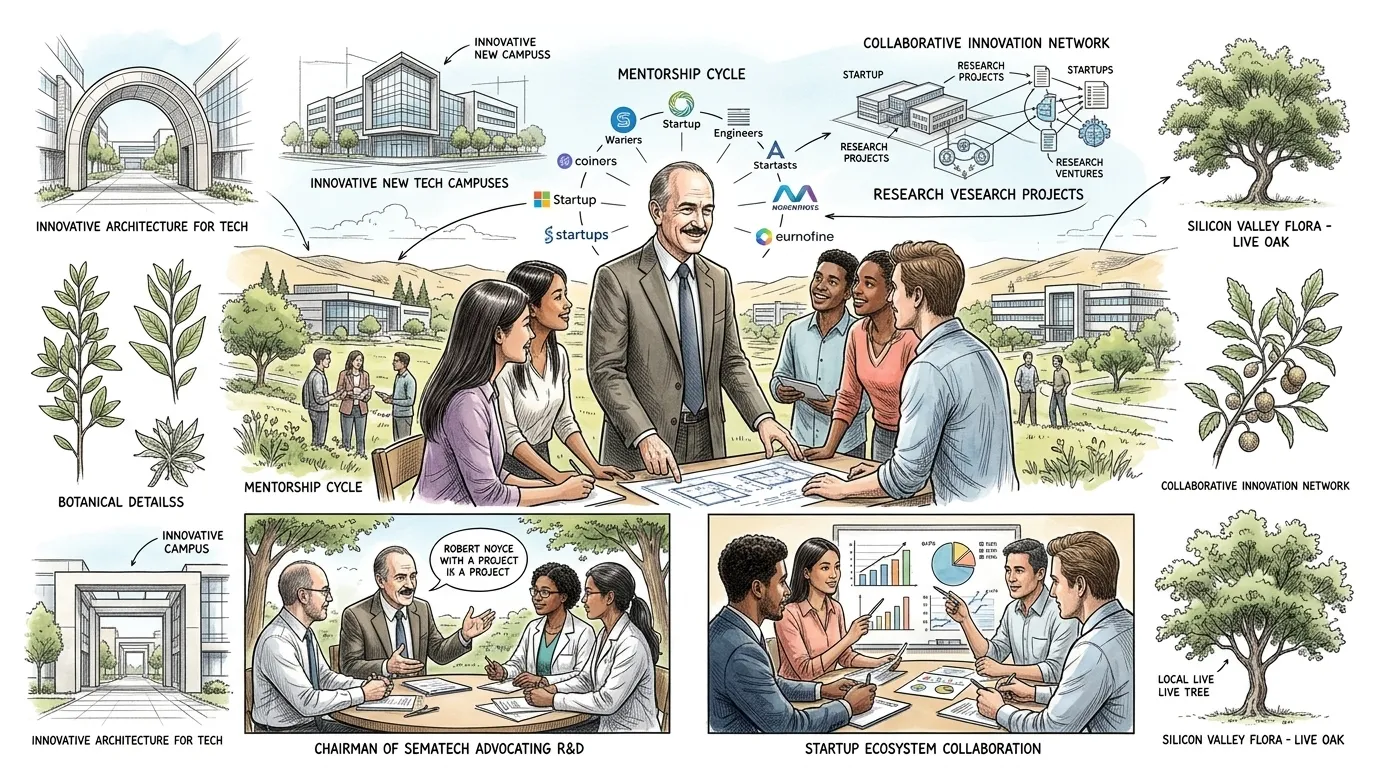
As Intel flourished, Robert Noyce's influence extended beyond his company. He became known as the 'Mayor of Silicon Valley,' a respected statesman and mentor who embodied the region's entrepreneurial spirit. He advocated for research and development, fostered collaboration, and inspired countless startups. Noyce's leadership was not just about profit; it was about building an ecosystem of innovation. He chaired Sematech, a government-industry consortium, demonstrating his commitment to ensuring American competitiveness in the semiconductor industry, even as fierce global competition mounted. His impact resonated throughout the burgeoning technology hub.
Page 10
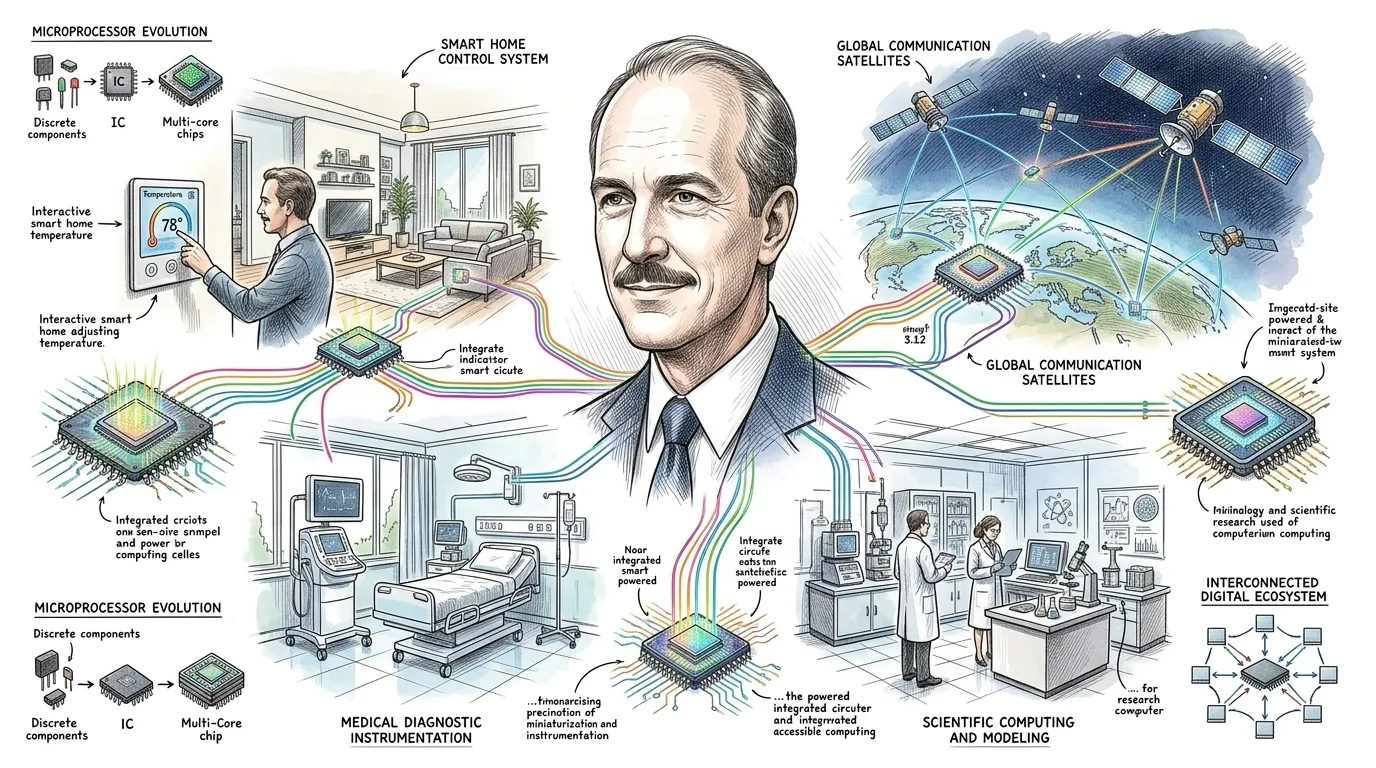
Robert Noyce passed away in 1990, but his legacy, the integrated circuit and the microprocessor, continued to expand its reach. He had not merely invented components; he had engineered the very foundation of the digital age. His vision for miniaturization and accessible computing permeated every facet of modern life, from communication and entertainment to scientific research and global commerce. The 'Mayor of Silicon Valley' left behind a world irrevocably transformed by the tiny silicon chips he championed, a testament to his profound and timeless impact on humanity's technological destiny.
About this story
- Location: Global
- Audience: general readers
Questions and answers
Read Wonder People on your phone
Wonder People is available on Android. Get Wonder People on Google Play.