Robert Oppenheimer
Robert Oppenheimer — an illustrated biography story, set in Global. 10 illustrated pages, free to read on Wonder People.
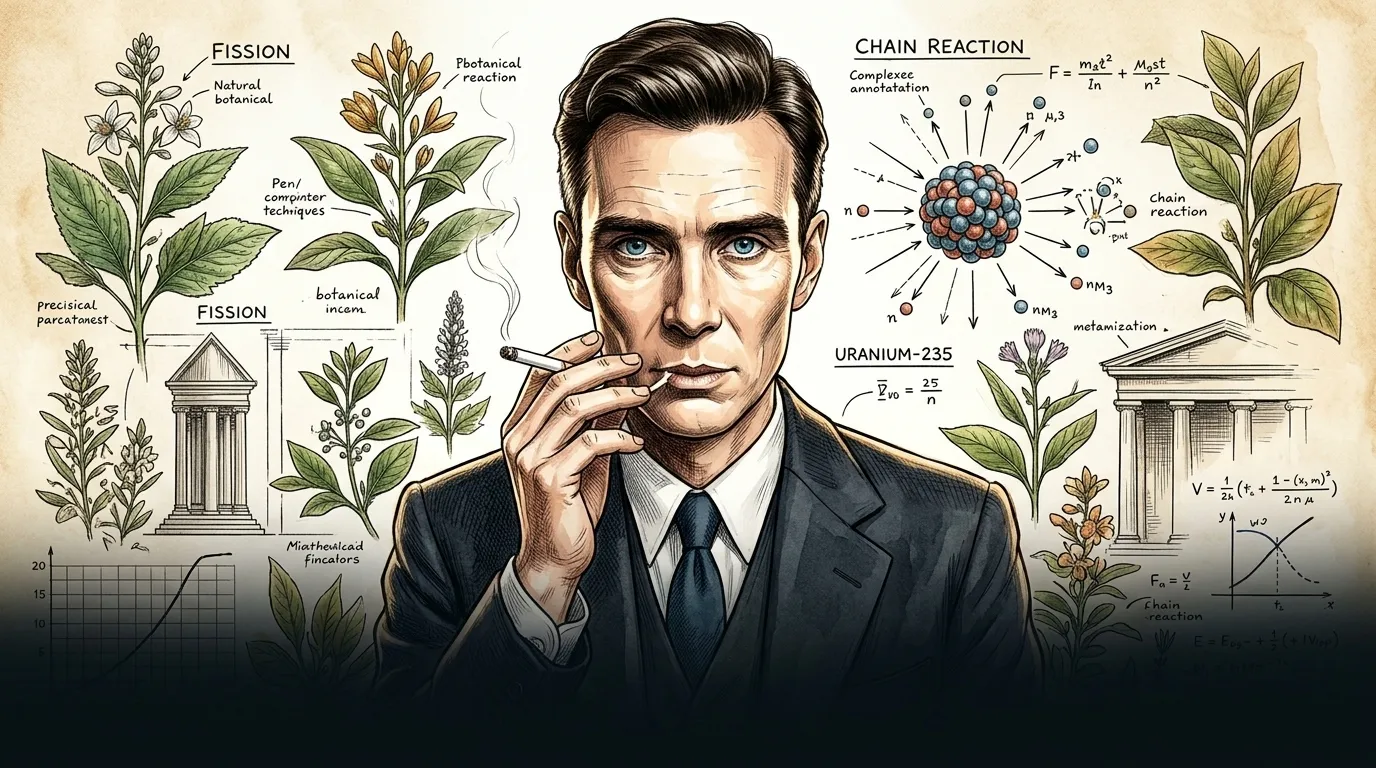
Page 1
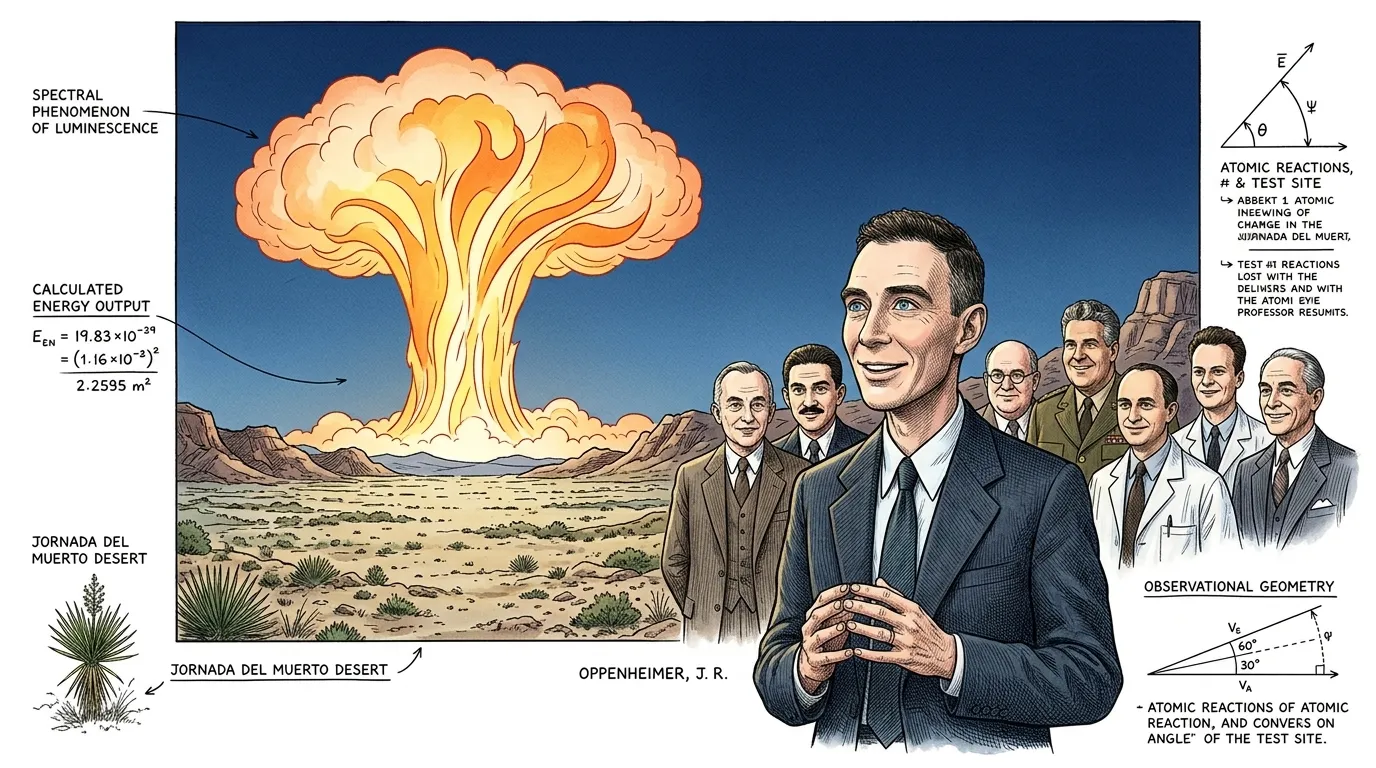
At 5:29:45 AM, July 16, 1945, in the remote Jornada del Muerto desert, New Mexico, J. Robert Oppenheimer watched the culmination of his life's work. A blinding flash engulfed the predawn darkness, followed by an inferno that ripped through the atmosphere. The world's first atomic bomb, 'The Gadget,' had detonated, unleashing an energy equivalent to 20 kilotons of TNT. In that instant, the course of human history irrevocably shifted, and Oppenheimer stood at its terrifying epicenter, his vision realized, his legacy forged in fire.
Biographical Fact: The Trinity Test was the first detonation of a nuclear weapon, a pivotal moment in human history and the defining event of Oppenheimer's career. The 'Gadget' was the codename for the test device.
Page 2
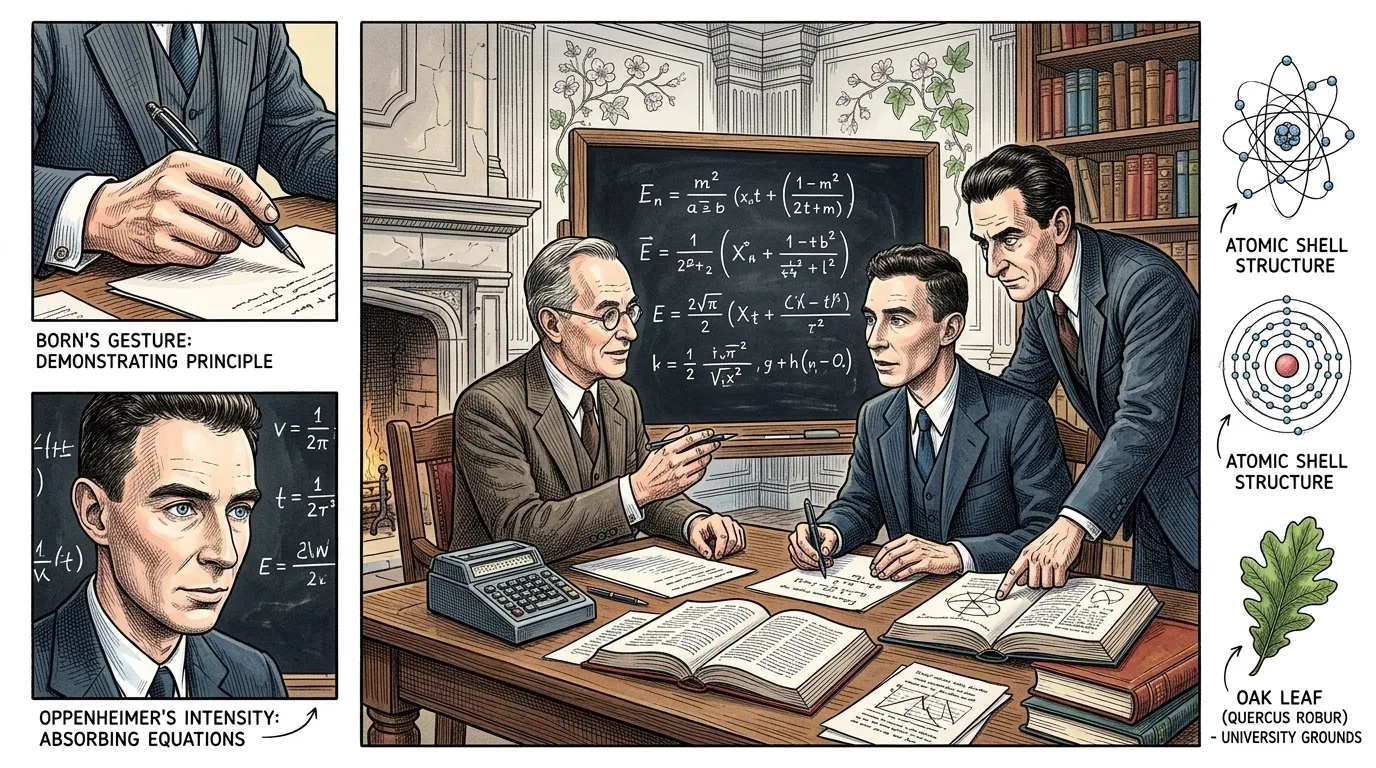
Born into a wealthy, secular Jewish family in New York City in 1904, J. Robert Oppenheimer was a child prodigy drawn to the intricate beauty of the physical world. His intellect, sharp and restless, propelled him through Harvard in three years, then across the Atlantic to the leading centers of quantum mechanics. He found his calling in the heady intellectual atmosphere of European universities, where theoretical physics was rapidly reshaping understanding of the universe. It was here, among the minds of Max Born and Paul Ehrenfest, that Oppenheimer honed the skills of abstract thought that would later define his leadership.
Biographical Fact: Oppenheimer studied at Cambridge, Göttingen, and Leiden in the 1920s, working with pioneering physicists like Max Born, who recognized his exceptional talent in theoretical physics.
Page 3
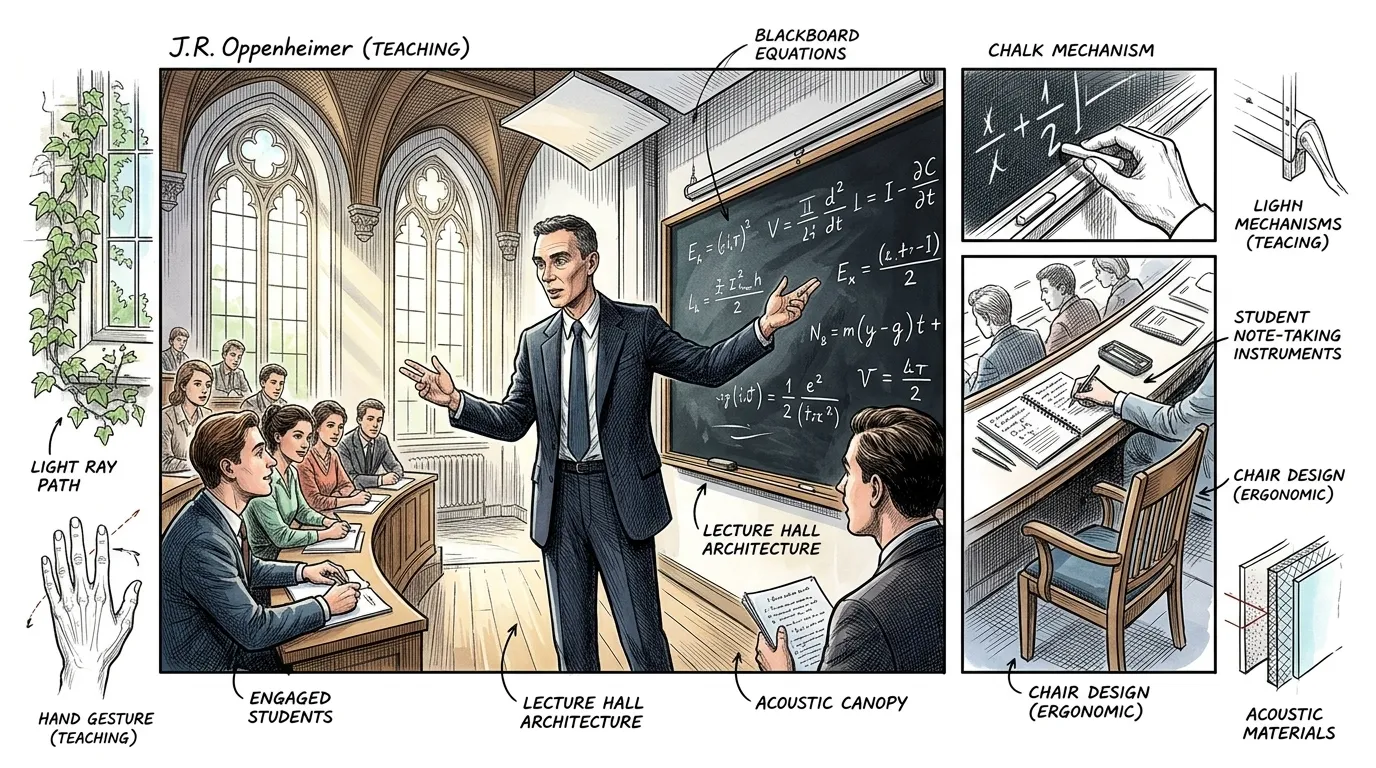
Returning to the United States in 1929, Oppenheimer accepted joint appointments at the University of California, Berkeley, and the California Institute of Technology. He embraced the role of mentor, attracting a brilliant generation of students with his charismatic lectures and profound insights. He cultivated a vibrant, demanding intellectual environment, transforming a nascent physics department into a world-renowned center for theoretical research. His ability to grasp complex problems and communicate them with clarity became legendary, establishing him as a preeminent figure in American science.
Biographical Fact: Oppenheimer established a leading school of theoretical physics at Berkeley, influencing a generation of physicists who would become key contributors to the Manhattan Project.
Page 4
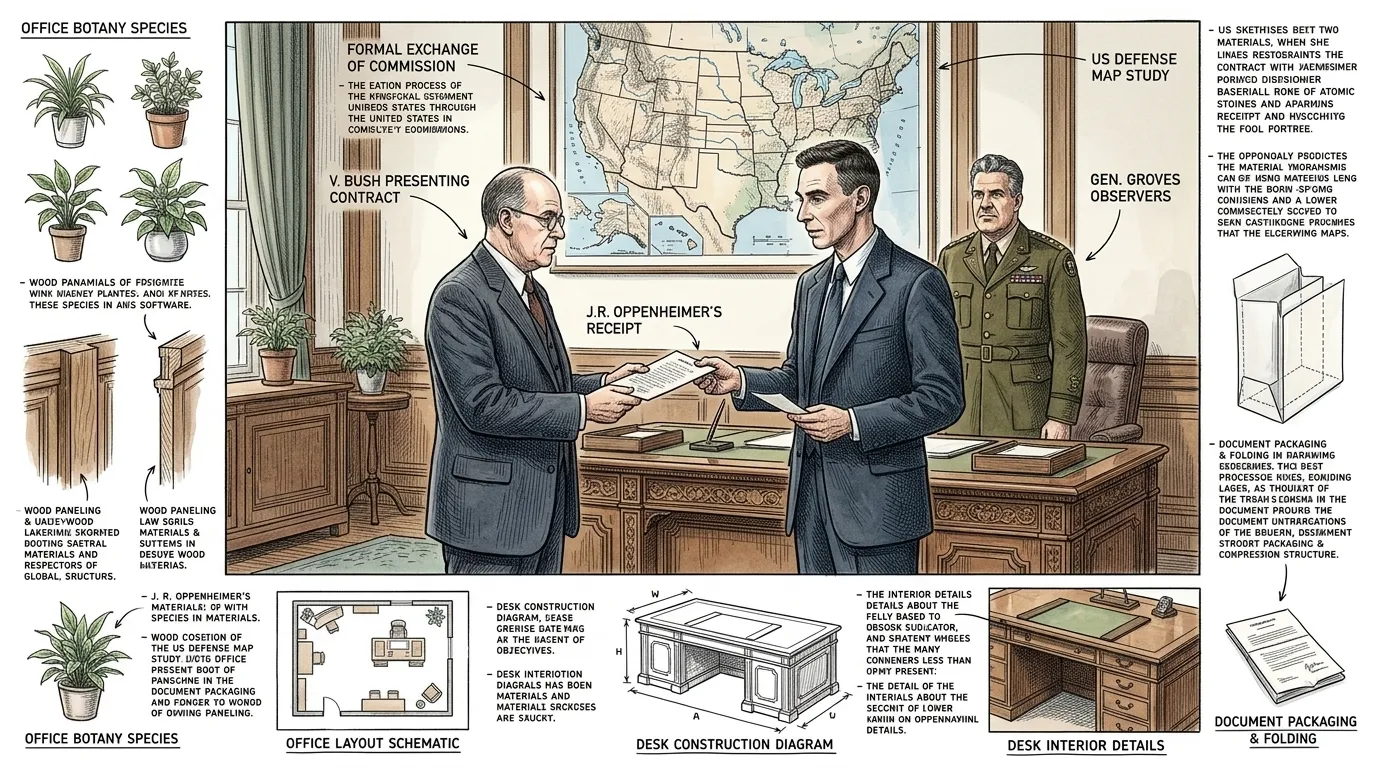
As the shadows of World War II lengthened, the potential for atomic weaponry became starkly clear. Dr. Vannevar Bush, head of the Office of Scientific Research and Development, and General Leslie Groves, the military leader of the burgeoning Manhattan Project, recognized Oppenheimer's unique blend of theoretical brilliance and administrative acumen. Despite his lack of administrative experience and prior political affiliations, Oppenheimer was offered the directorship of the secret Los Alamos Laboratory. It was a monumental decision, a pivot from pure science to urgent national defense, and Oppenheimer accepted the charge that would define his future.
Biographical Fact: General Leslie Groves, director of the Manhattan Project, appointed Oppenheimer as the scientific director of Los Alamos Laboratory in 1942, a controversial choice given Oppenheimer's background but one that proved pivotal.
Page 5
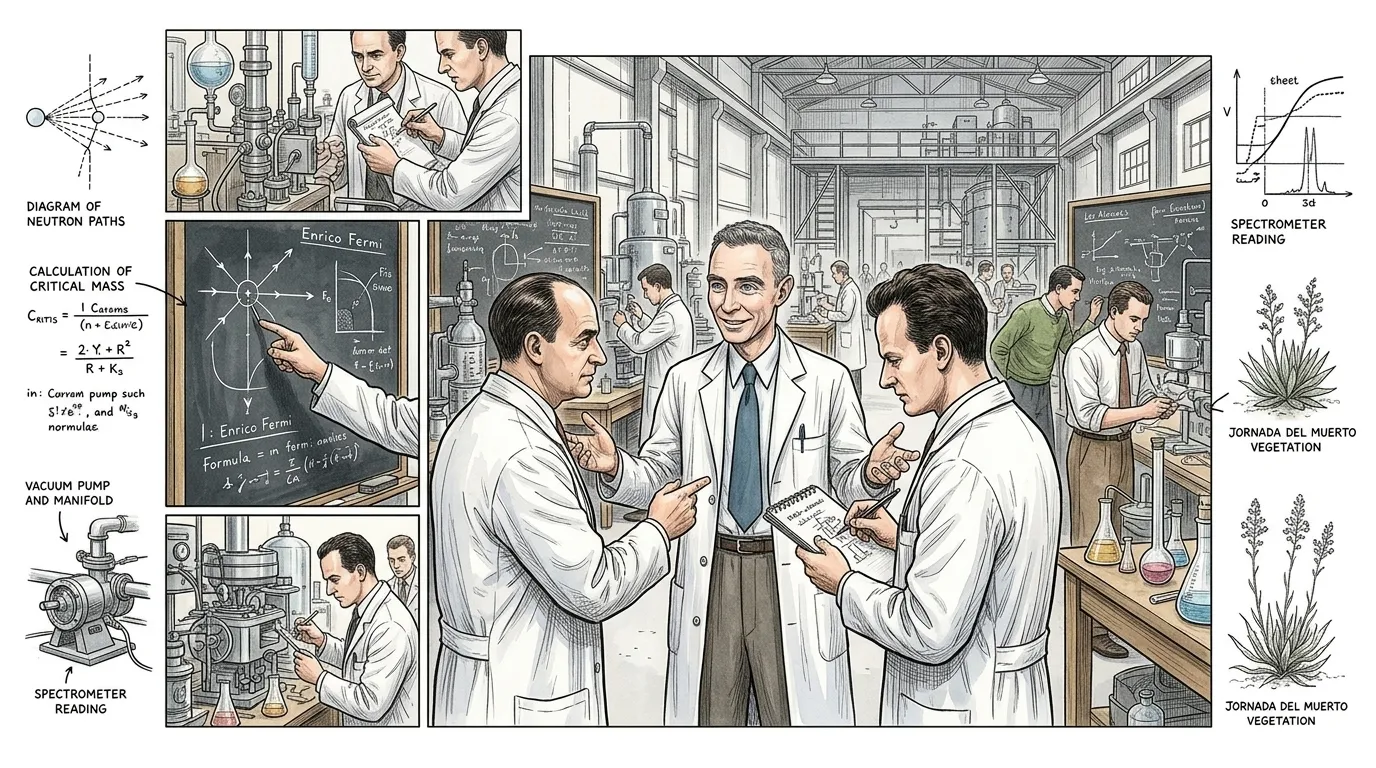
At Los Alamos, Oppenheimer faced unprecedented challenges. He gathered a diverse assembly of the world's greatest scientific minds, including Enrico Fermi and Hans Bethe, in the isolated desert. He fostered an atmosphere of intellectual freedom and intense collaboration, mediating disputes and driving progress at an impossible pace. Under his leadership, the theoretical and experimental groundwork for the atomic bomb rapidly coalesced. He transformed a collection of brilliant individuals into a cohesive team, all united by a singular, urgent mission: to build the atomic weapon before the enemy.
Biographical Fact: Oppenheimer excelled at Los Alamos, bringing together diverse scientific talents, including Nobel laureates like Enrico Fermi, and fostering an environment that rapidly advanced nuclear weapons research.
Page 6
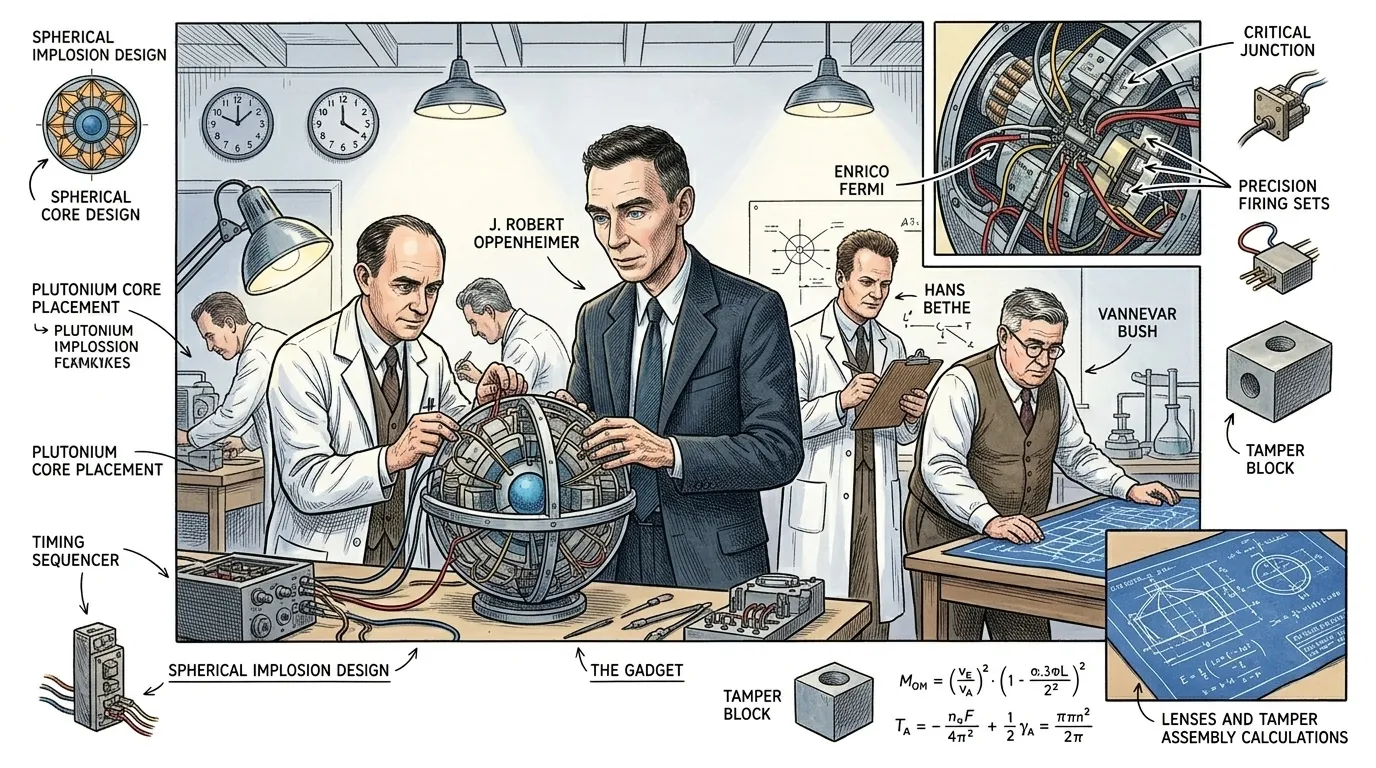
As the July 1945 deadline loomed for the Trinity test, the pressure at Los Alamos became immense. Oppenheimer meticulously oversaw every detail of 'The Gadget's' assembly and deployment, navigating logistical hurdles and technical uncertainties. Days blurred into nights as scientists worked without cease, refining calculations, testing components, and preparing for the unthinkable. Oppenheimer's calm demeanor under duress, combined with his unwavering focus, became the anchor for the entire project. The fate of the war, and potentially the world, rested on this single, colossal effort.
Biographical Fact: The final weeks before the Trinity test were marked by immense pressure. Oppenheimer's leadership was crucial in maintaining morale and focus among the thousands of scientists and engineers working on 'The Gadget'.
Page 7

The night before the Trinity test, Oppenheimer stood at the base of the 100-foot steel tower, 'Jumbo,' on which 'The Gadget' was being hoisted. The desert air crackled with anticipation and a profound sense of foreboding. He knew the theoretical risks, the astronomical unknowns, and the immense power about to be unleashed. The world awaited, unaware, as Oppenheimer absorbed the full, terrifying weight of the moment, carrying the burden of creation and destruction. His vision had brought them to this precipice, and now, he had to see it through.
Biographical Fact: The 'Jumbo' tower at Trinity was initially designed to contain the plutonium if the explosion failed, but was never used for that purpose. Oppenheimer's presence at the base underscored his personal responsibility for the test.
Page 8
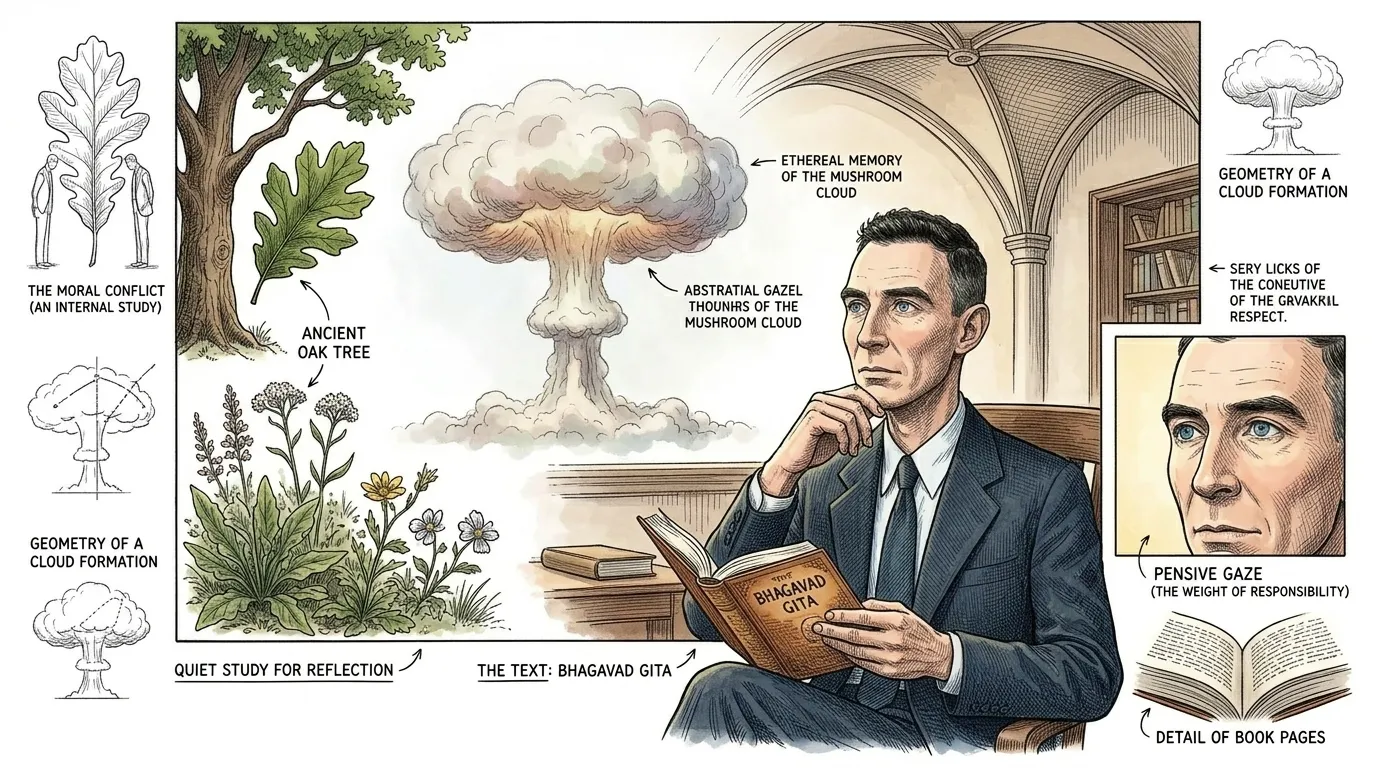
The bombings of Hiroshima and Nagasaki, three weeks after Trinity, brought a swift end to World War II, but ushered in an era of existential dread. Oppenheimer, initially exhilarated by the scientific success, quickly grappled with the moral implications of his creation. He famously recalled a line from the Bhagavad Gita: 'Now I am become Death, the destroyer of worlds.' He advocated for international control of nuclear energy, recognizing the immense danger of the arms race his work had initiated. The relief of victory was tempered by the terrifying knowledge of what humanity had unleashed.
Biographical Fact: Oppenheimer's famous quote, from the Bhagavad Gita, captured his profound moral conflict after witnessing the destructive power of the atomic bomb, driving his later advocacy for arms control.
Page 9

Oppenheimer's outspoken views on nuclear weapons and his past associations made him a target during the McCarthy era. In 1954, he faced a highly publicized security hearing, orchestrated by figures like Lewis Strauss, chairman of the Atomic Energy Commission. Stripped of his security clearance, Oppenheimer was effectively silenced from government scientific policy, a devastating personal and professional blow. The architect of the atomic age was now deemed a security risk, a stark illustration of the political consequences that followed his profound scientific achievement.
Biographical Fact: The 1954 security hearing, driven by political anxieties and personal rivalries, resulted in the revocation of Oppenheimer's security clearance, effectively ending his direct influence on U.S. nuclear policy.
Page 10
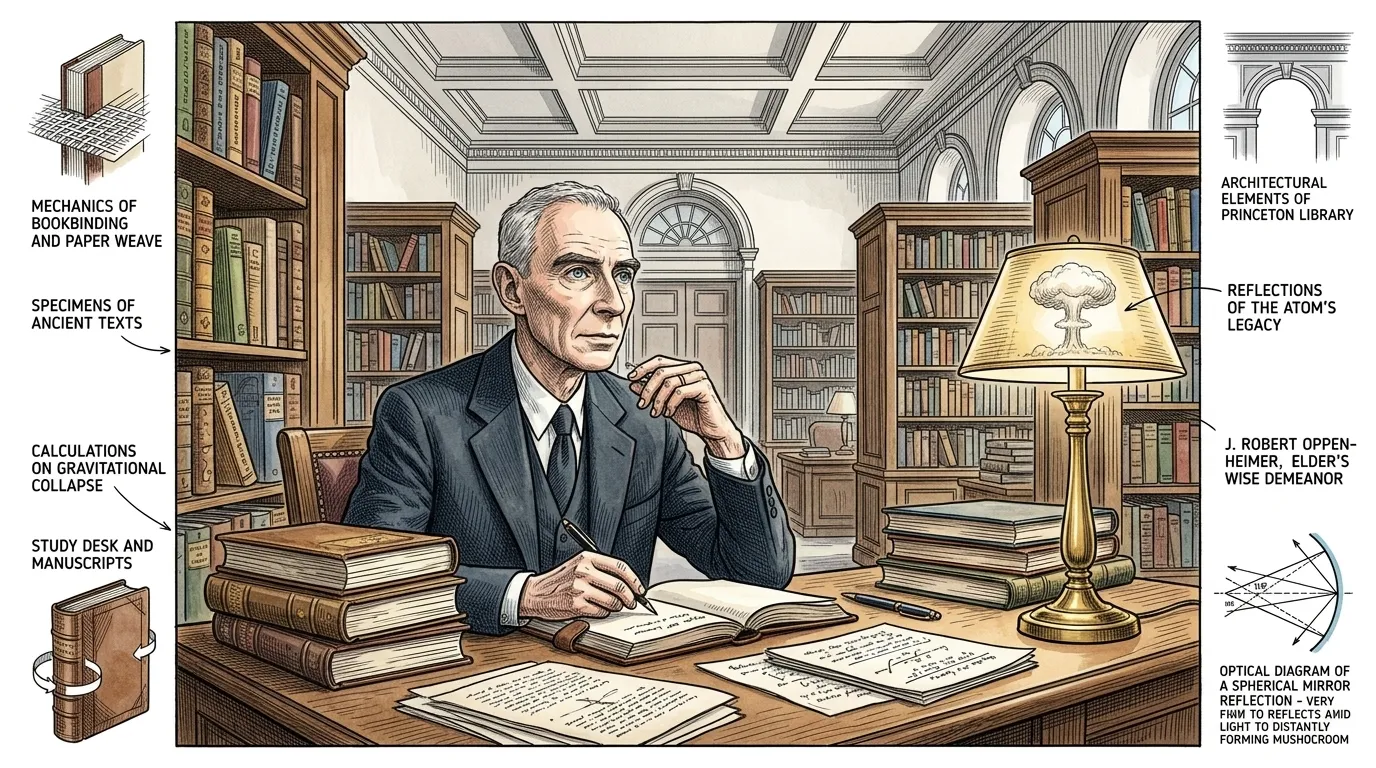
J. Robert Oppenheimer spent his later years at the Institute for Advanced Study in Princeton, a figure of profound intellectual authority but diminished public power. He continued to lecture and write, reflecting on the relationship between science, ethics, and society. His legacy remains complex: a scientific titan who unlocked unimaginable power, and a tormented figure who wrestled with its moral aftermath. The mushroom cloud he helped conjure continues to cast a long shadow over humanity, a testament to his singular, transformative, and often terrifying mark on the world.
Biographical Fact: Oppenheimer dedicated his post-Manhattan Project life to intellectual pursuits and advocacy for arms control. His struggle with the moral dimensions of nuclear weapons continues to define his complex legacy.
About this story
- Location: Global
- Audience: general readers
Questions and answers
Read Wonder People on your phone
Wonder People is available on Android. Get Wonder People on Google Play.