Queen Elizabeth I
Queen Elizabeth I — an illustrated biography story, set in Global. 10 illustrated pages, free to read on Wonder People.
Page 1
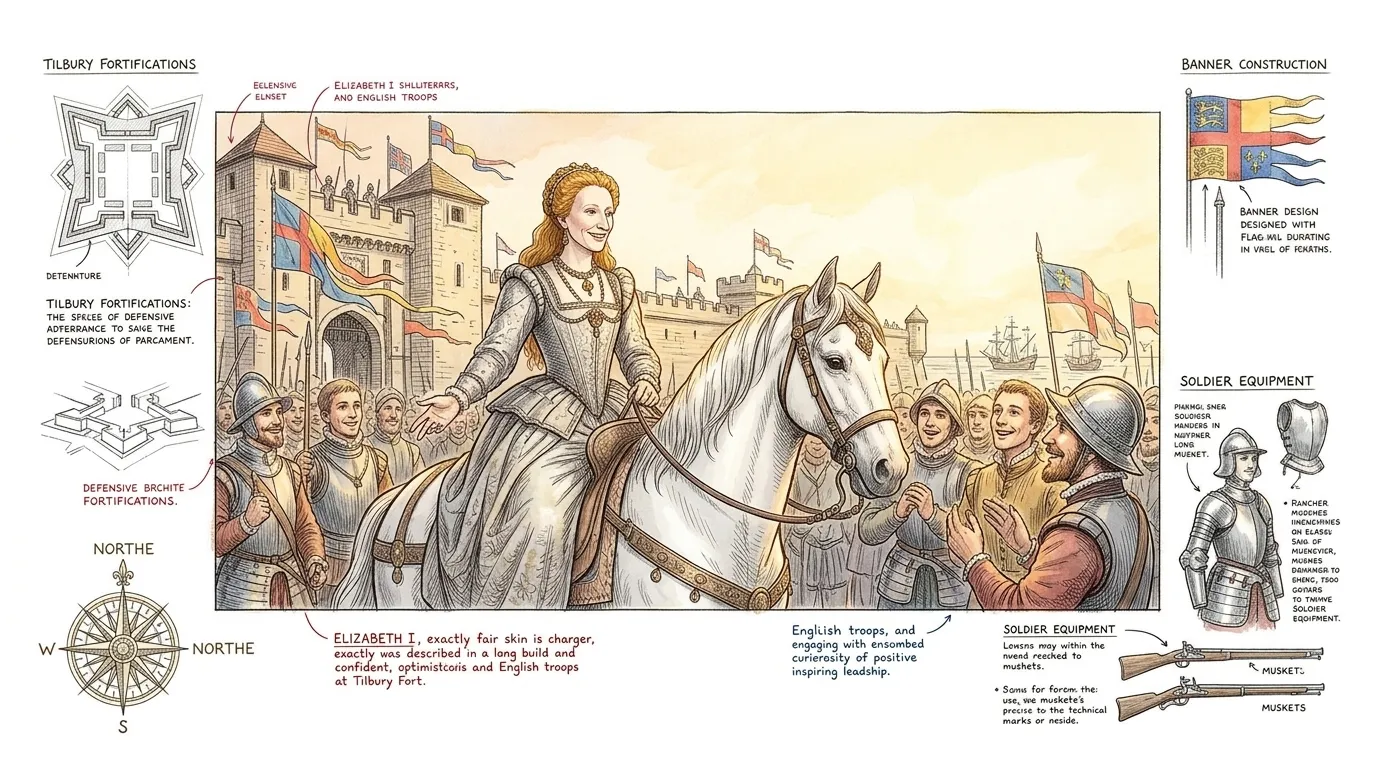
On August 9, 1588, facing imminent invasion from the Spanish Armada, Queen Elizabeth I arrived at Tilbury Fort in Essex. Astride a white charger, she moved among her assembled English troops, a decisive figure rallying a nation under existential threat. Her address, a declaration of unwavering commitment, ignited the resolve of 23,000 soldiers. In that moment, she transformed the course of English history, cementing her rule and securing England's future as an independent Protestant power against the might of Imperial Spain.
Page 2
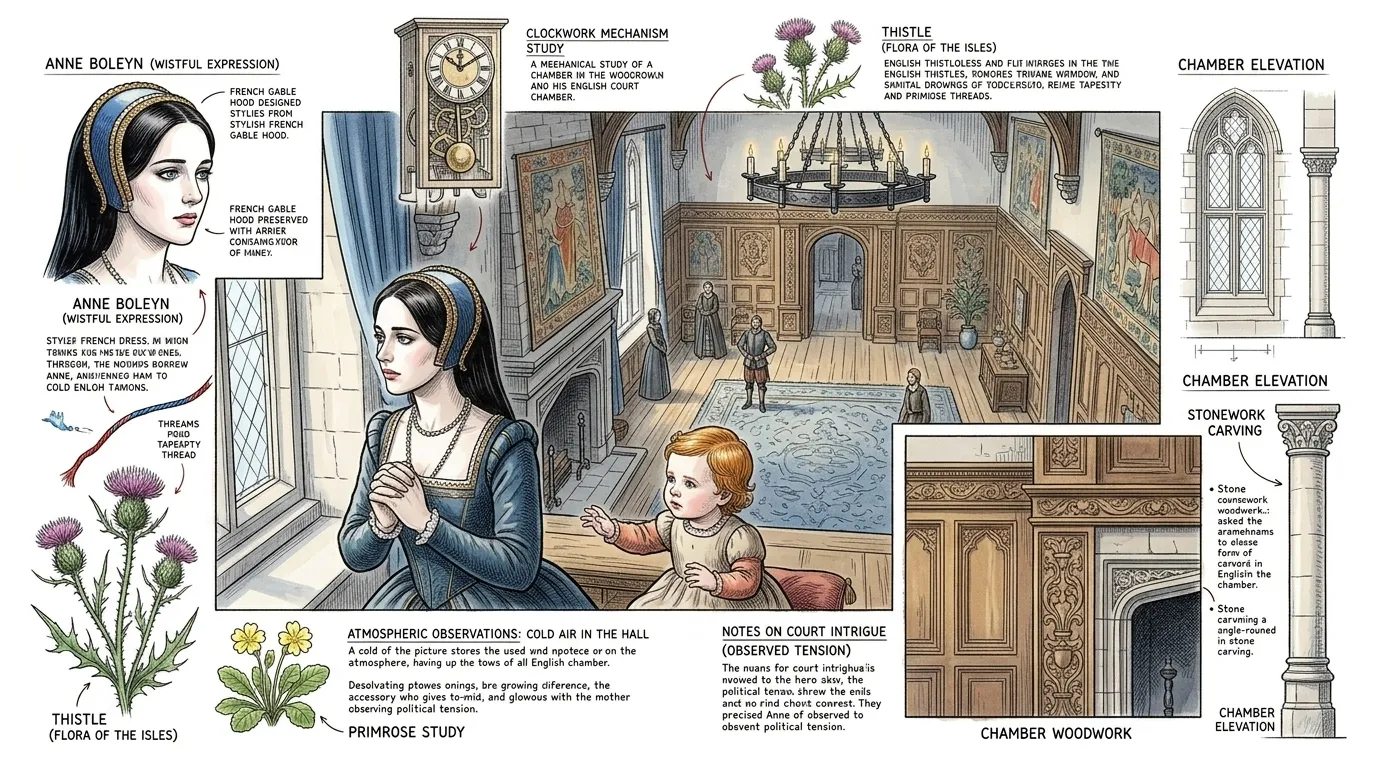
Born in Greenwich in 1533, Elizabeth Tudor entered a world of political intrigue and dynastic peril. Her mother, Anne Boleyn, was executed when Elizabeth was just two, instantly casting her as an illegitimate child in the eyes of many and removing her from the succession. This early abandonment and public rejection forged a formidable, cautious survivor, accustomed to navigating the treacherous currents of the English court where her very existence was a political weapon. Her status shifted constantly, a pawn in the battles for royal power.
Page 3
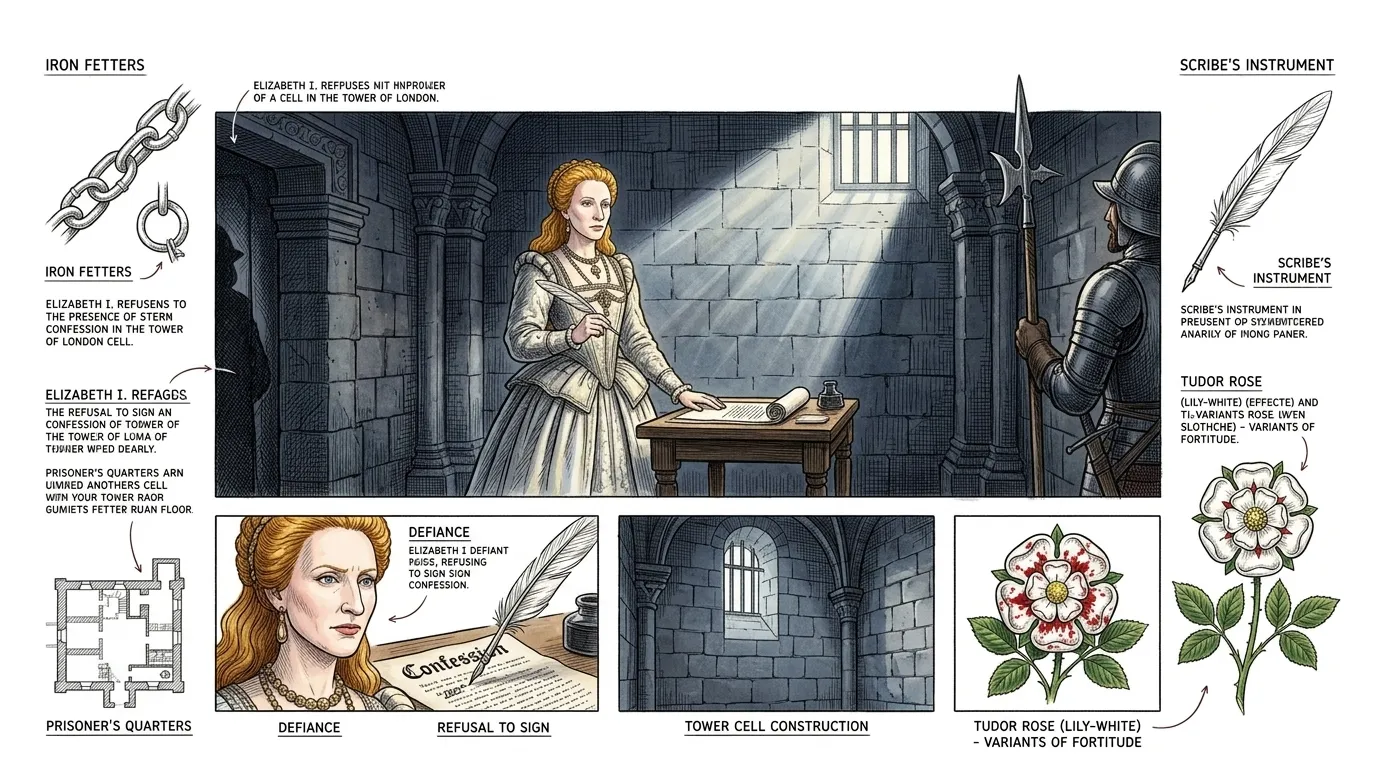
In 1554, with her half-sister Mary I on the throne, Elizabeth was arrested and imprisoned in the Tower of London under suspicion of treason, accused of complicity in Wyatt's Rebellion. Facing execution, she steadfastly denied all charges, refusing to sign a confession that would legitimize her demise. This act of iron will, under the shadow of the executioner's block, solidified her public image as a victim of injustice and a symbol of Protestant defiance. Her survival was a testament to her nascent political skill and unyielding spirit.
Page 4
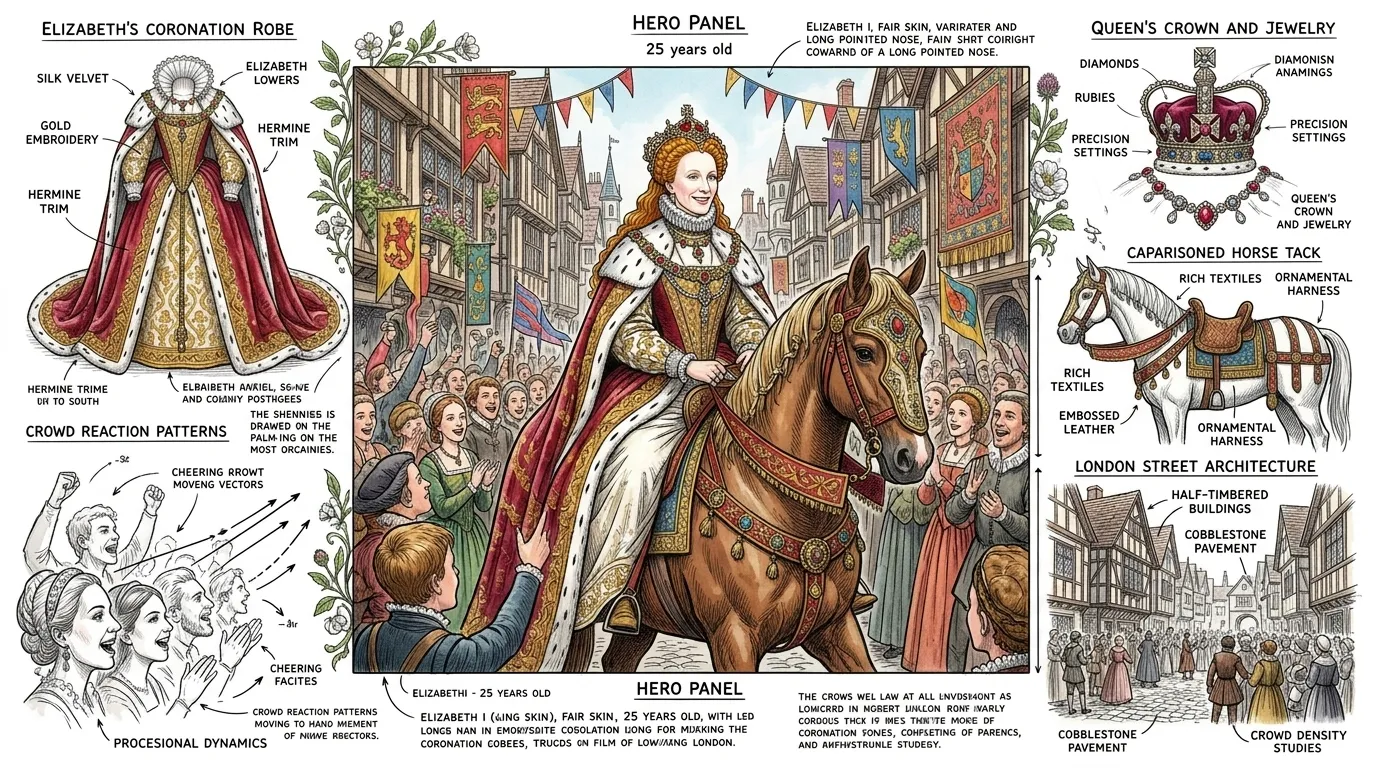
Upon Mary I's death in November 1558, Elizabeth, at 25, became Queen of England. Her procession through London for her coronation was met with ecstatic crowds, yearning for stability after years of religious persecution and political turmoil. She rode as a symbol of hope, a Protestant queen who promised a new era for the realm. Her entry into the capital marked not just a change of monarch, but a profound shift in the nation's direction, away from Rome and towards a distinct English identity.
Page 5
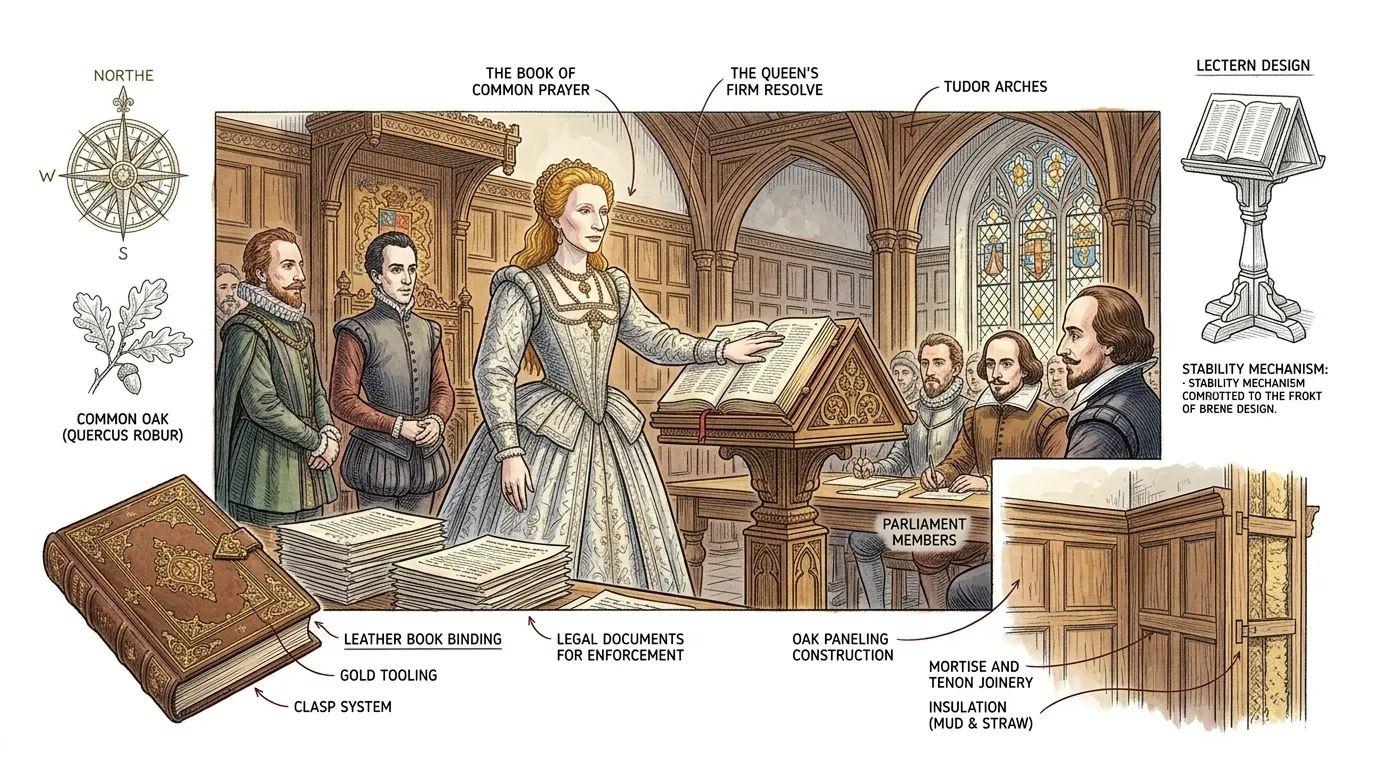
In 1559, Elizabeth moved decisively to establish religious order, steering a middle course between Catholic and radical Protestant factions. The Acts of Supremacy and Uniformity, passed through Parliament, declared her Supreme Governor of the Church of England and mandated a common prayer book. This moderate Anglican settlement defined England's religious future, preventing further civil war and consolidating her authority over both church and state. Her firm hand shaped the nation's spiritual landscape.
Page 6
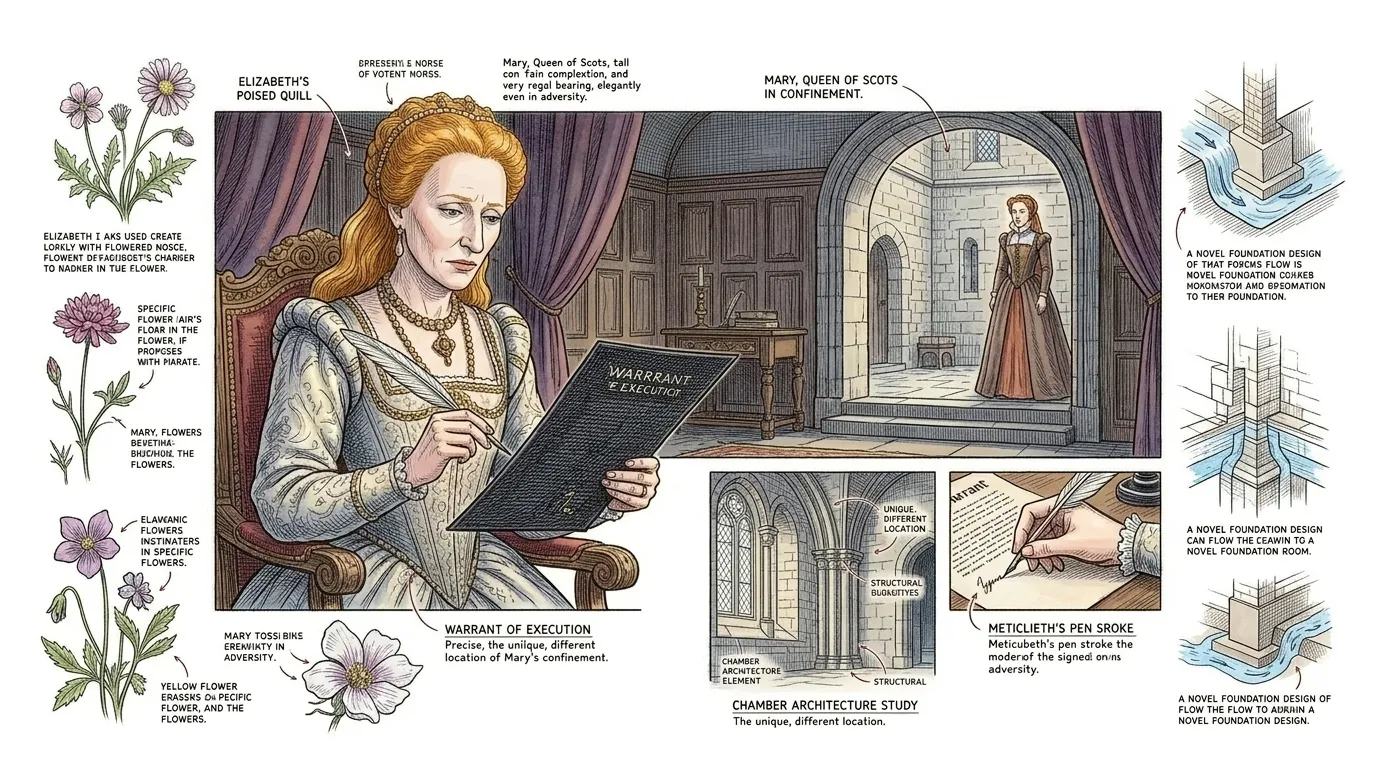
Mary, Queen of Scots, a Catholic claimant to the English throne, became a persistent threat to Elizabeth's reign. After fleeing Scotland in 1568, Mary spent nearly two decades imprisoned in England, becoming a focal point for Catholic plots against Elizabeth. The discovery of the Babington Plot in 1586, which explicitly targeted Elizabeth's life, forced her hand. Despite personal reluctance, Elizabeth signed Mary's death warrant, removing the most dangerous direct challenge to her crown. The act was a grim necessity for national security.
Page 7
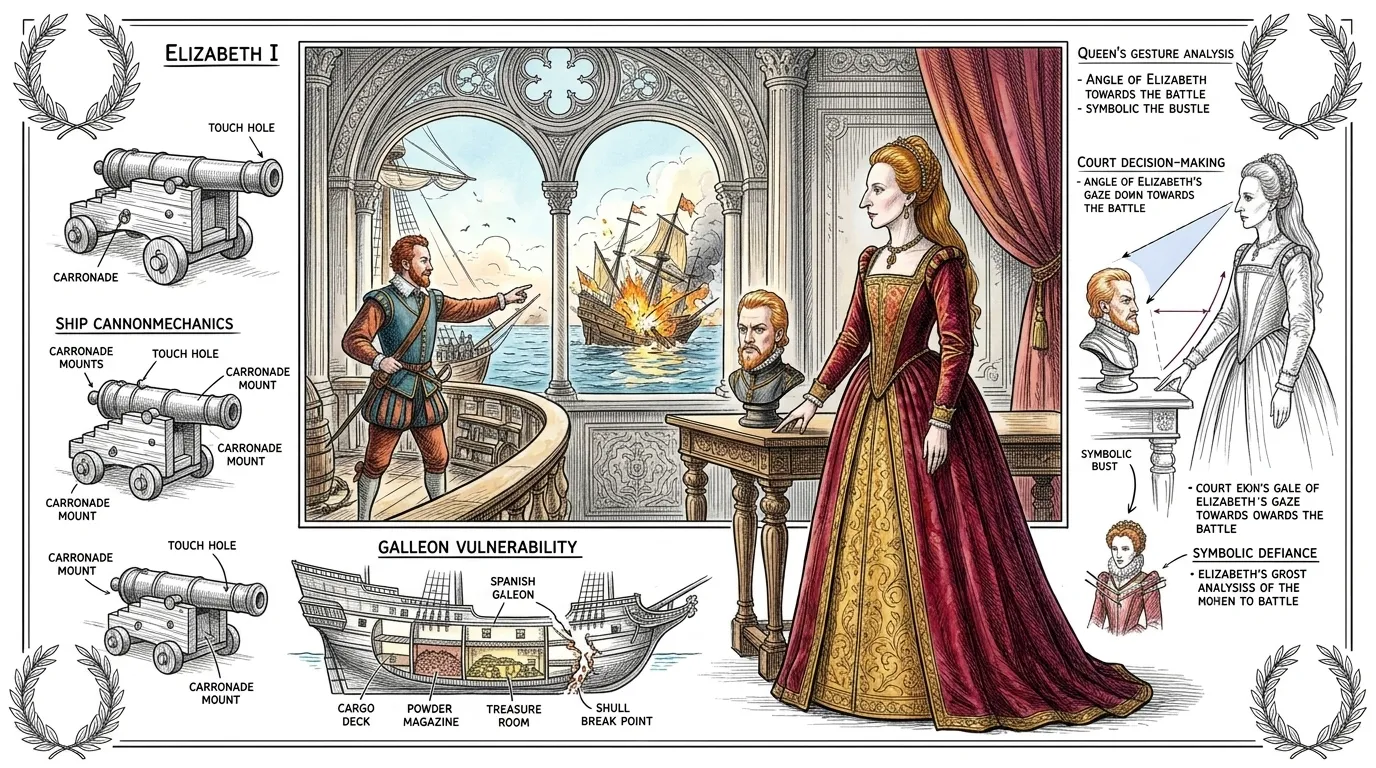
As Spain's power grew, King Philip II became Elizabeth's most formidable adversary, viewing her as a heretic usurper. English privateers, led by Sir Francis Drake, raided Spanish treasure fleets and ports with Elizabeth's tacit approval, seizing immense wealth and challenging Spanish maritime dominance. These daring actions provoked Philip, escalating tensions to an inevitable confrontation. Elizabeth's willingness to back these 'sea dogs' built England's naval strength and signaled her defiance against the mightiest empire of the age.
Page 8
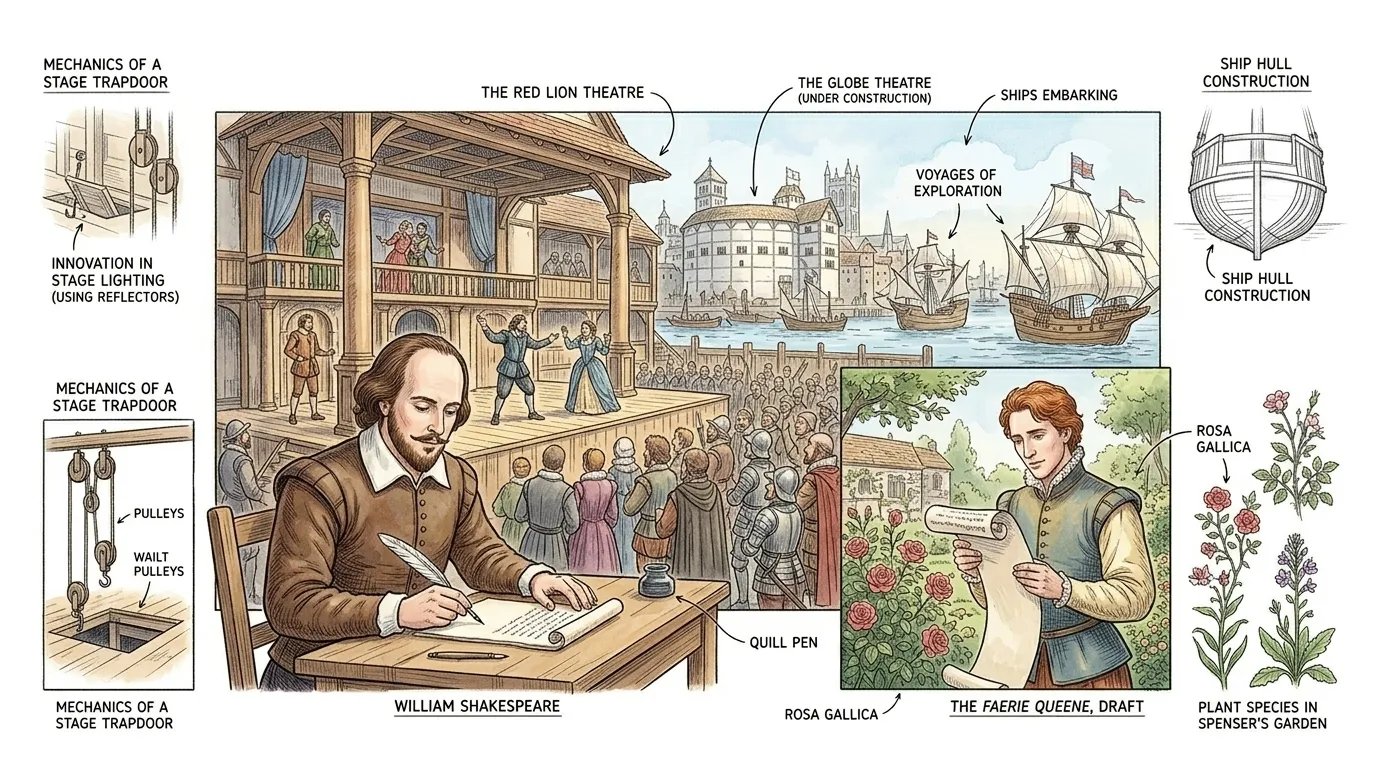
The defeat of the Spanish Armada ushered in a period of unprecedented national confidence and expansion. English exploration intensified, laying the groundwork for future colonies and global trade routes. The cultural flourishing of the Elizabethan era, marked by playwrights like William Shakespeare and poets like Edmund Spenser, captivated the nation. England, once a peripheral island, now stood as a formidable, independent power, its prestige and influence extending across continents under Elizabeth's steadfast leadership. Her triumph at Tilbury reverberated through every facet of English society.
Page 9
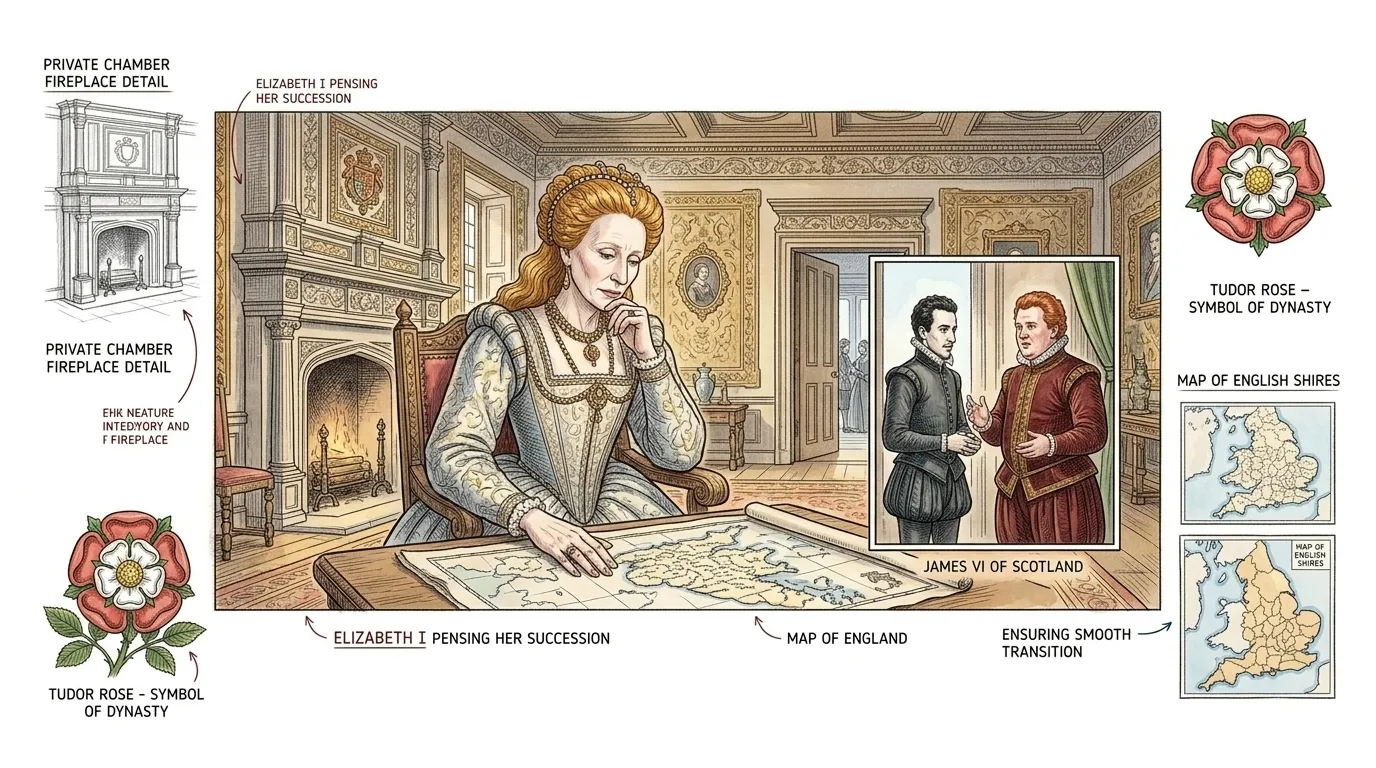
Throughout her long reign, Elizabeth consistently resisted marriage, famously proclaiming herself 'married to England.' This decision, while strengthening her political independence, created a constant anxiety about the succession. As she aged, the question of who would inherit her throne grew more pressing. Her most trusted advisor, Robert Cecil, secretly began negotiations with James VI of Scotland, Mary's son, to ensure a smooth transition. Elizabeth's personal sacrifice for her realm meant the end of the Tudor dynasty but ensured stability. She died having ruled for 44 years, having chosen her nation's future over a personal heir.
Page 10
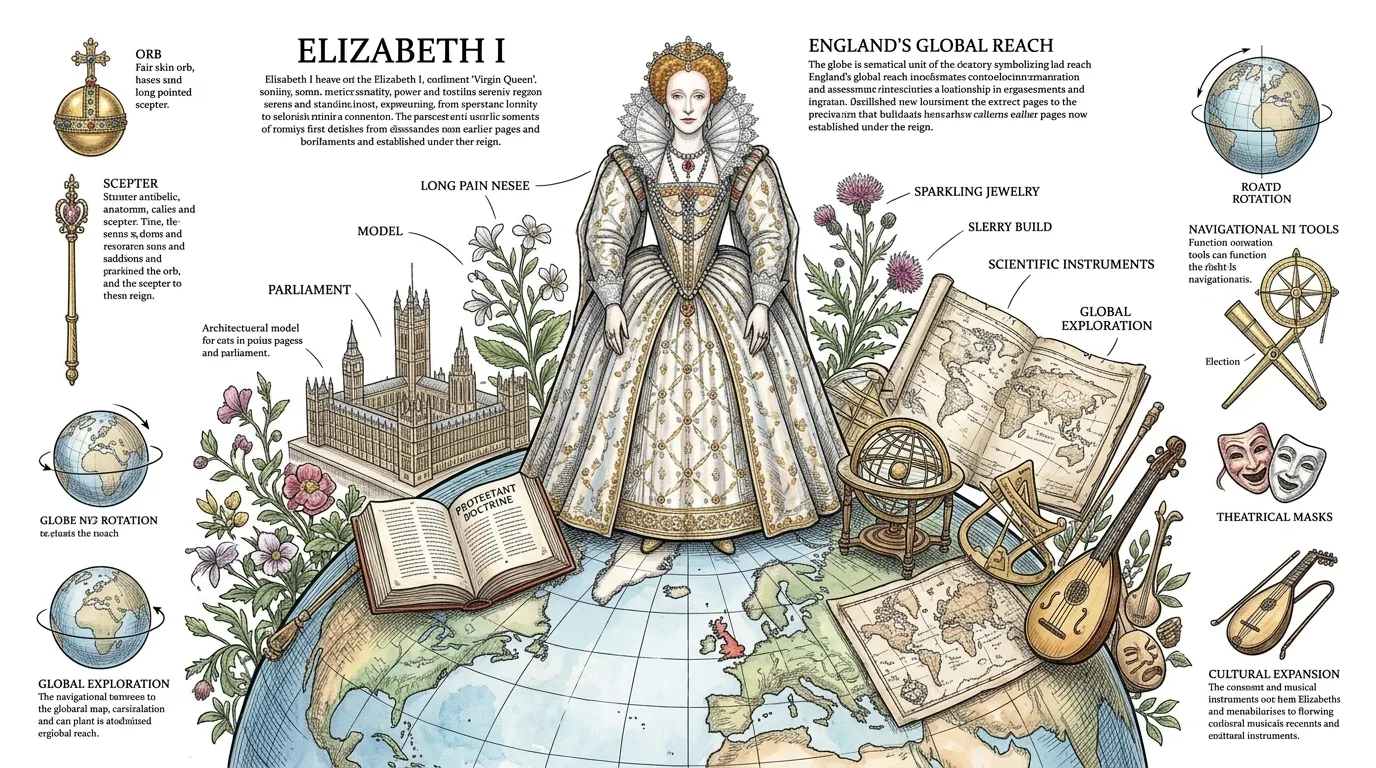
Elizabeth I forged a powerful national identity, transforming England into a major player on the European and global stage. Her reign established Protestantism, solidified parliamentary authority, and ushered in a period of unparalleled cultural and commercial expansion. She navigated a world dominated by men, proving a capable and inspiring leader who fiercely protected her sovereignty and her people. Her image as the 'Virgin Queen,' dedicated solely to her realm, became a timeless symbol of strength, cunning, and devotion, enduring as one of history's most iconic and impactful monarchs.
About this story
- Location: Global
- Audience: general readers
Questions and answers
Read Wonder People on your phone
Wonder People is available on Android. Get Wonder People on Google Play.