Christiane Nusslein-Volhard
Christiane Nusslein-Volhard — an illustrated science story, set in Global. 10 illustrated pages, free to read on Wonder Science.
Page 1
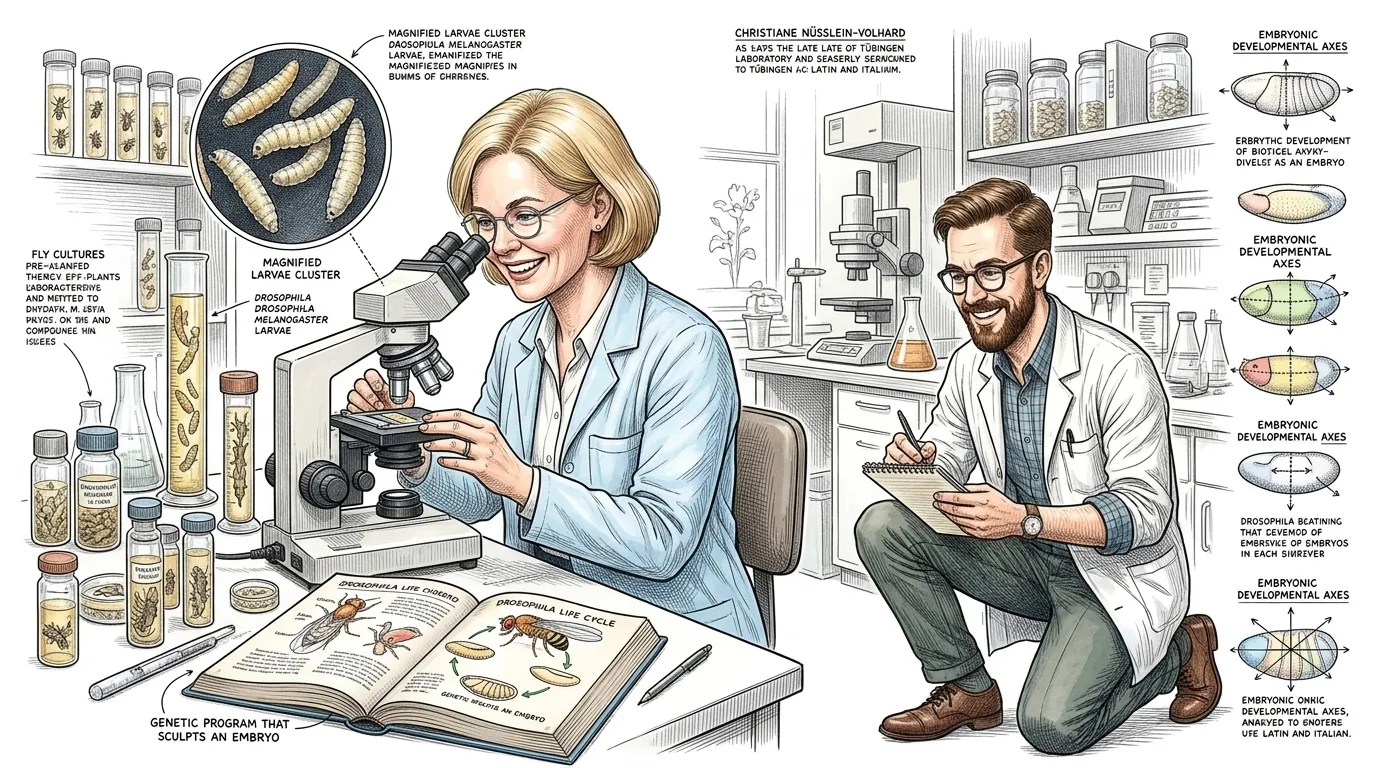
In the precision-driven laboratories of Tübingen, Germany, a pivotal question in biology was being rigorously addressed: how does a single cell orchestrate the complex symphony of development to form a complete organism? In the late 1970s and early 1980s, Christiane Nüsslein-Volhard, alongside her colleague Eric Wieschaus, embarked on an ambitious genetic screen using the fruit fly, Drosophila melanogaster, to unravel the genetic program that sculpts an embryo. Their meticulous work not only identified the fundamental genes controlling body plan formation but also revealed universal principles of development, profoundly reshaping our understanding of life itself.
Page 2
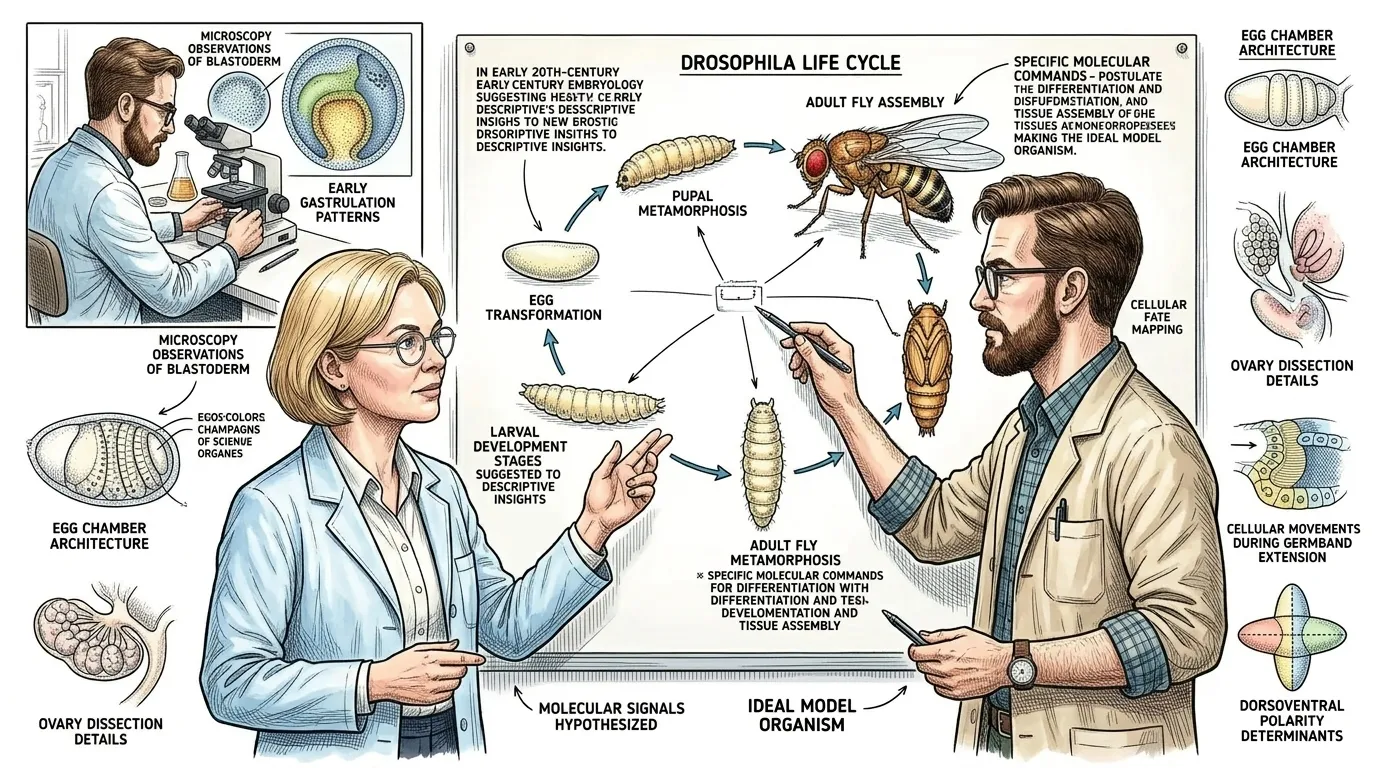
For centuries, the question of how a simple egg transforms into a complex creature remained one of biology's most profound mysteries. Early 20th-century embryology offered descriptive insights into morphological changes but lacked a mechanistic understanding of the underlying instructions. The challenge was to move beyond observation and identify the specific molecular commands that direct cells to differentiate, form tissues, and assemble into a coherent body plan. Drosophila melanogaster, with its rapid life cycle and well-understood genetics, emerged as an ideal model organism to dissect this intricate process.
Page 3
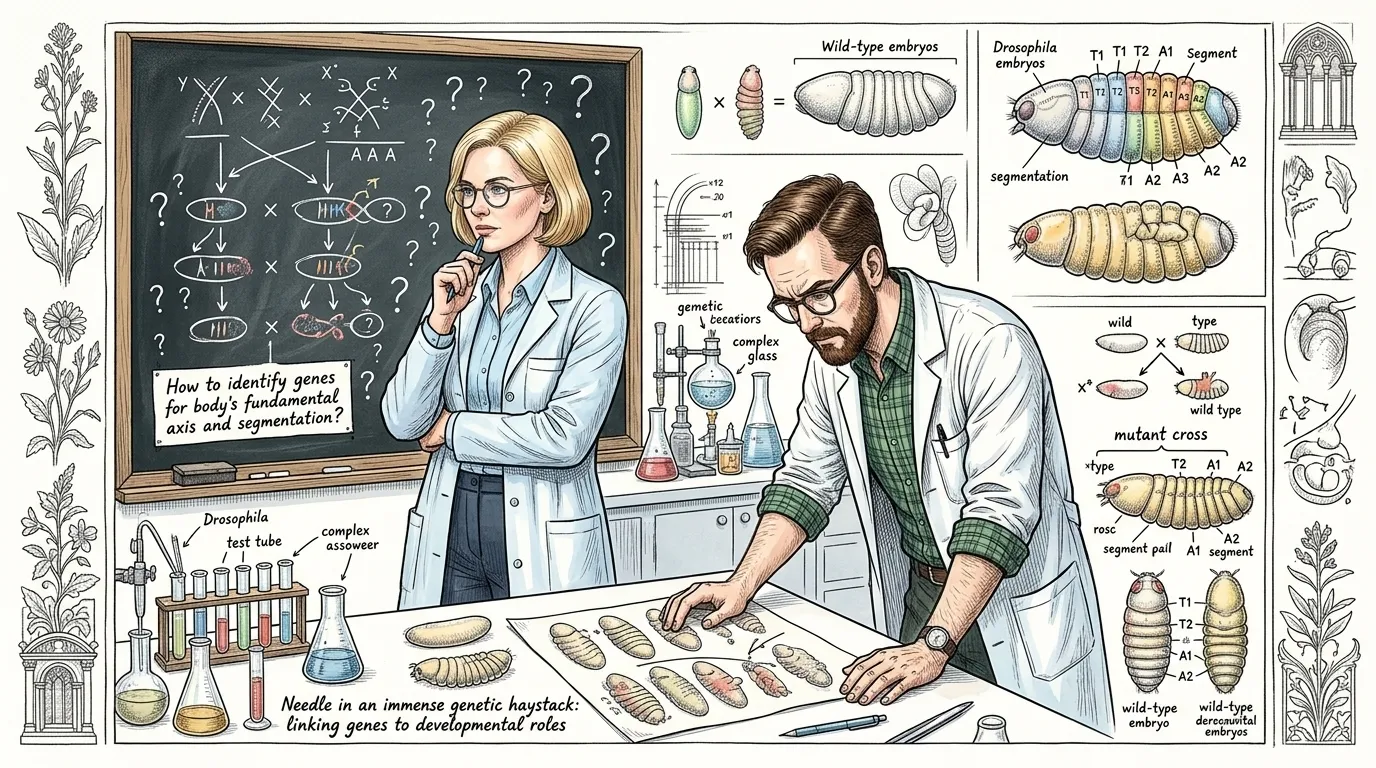
The problem was daunting: how to identify the specific genes responsible for establishing the body's fundamental axis and segmentation. Researchers knew that mutations could lead to developmental defects, but systematically linking a specific gene to a precise developmental role was like finding a needle in an immense genetic haystack. Prior genetic studies had primarily focused on easily observable traits; Nüsslein-Volhard and Wieschaus aimed for a comprehensive, unbiased screen to uncover all genes critical for early embryonic pattern formation. This required a novel and monumental experimental strategy.
Page 4
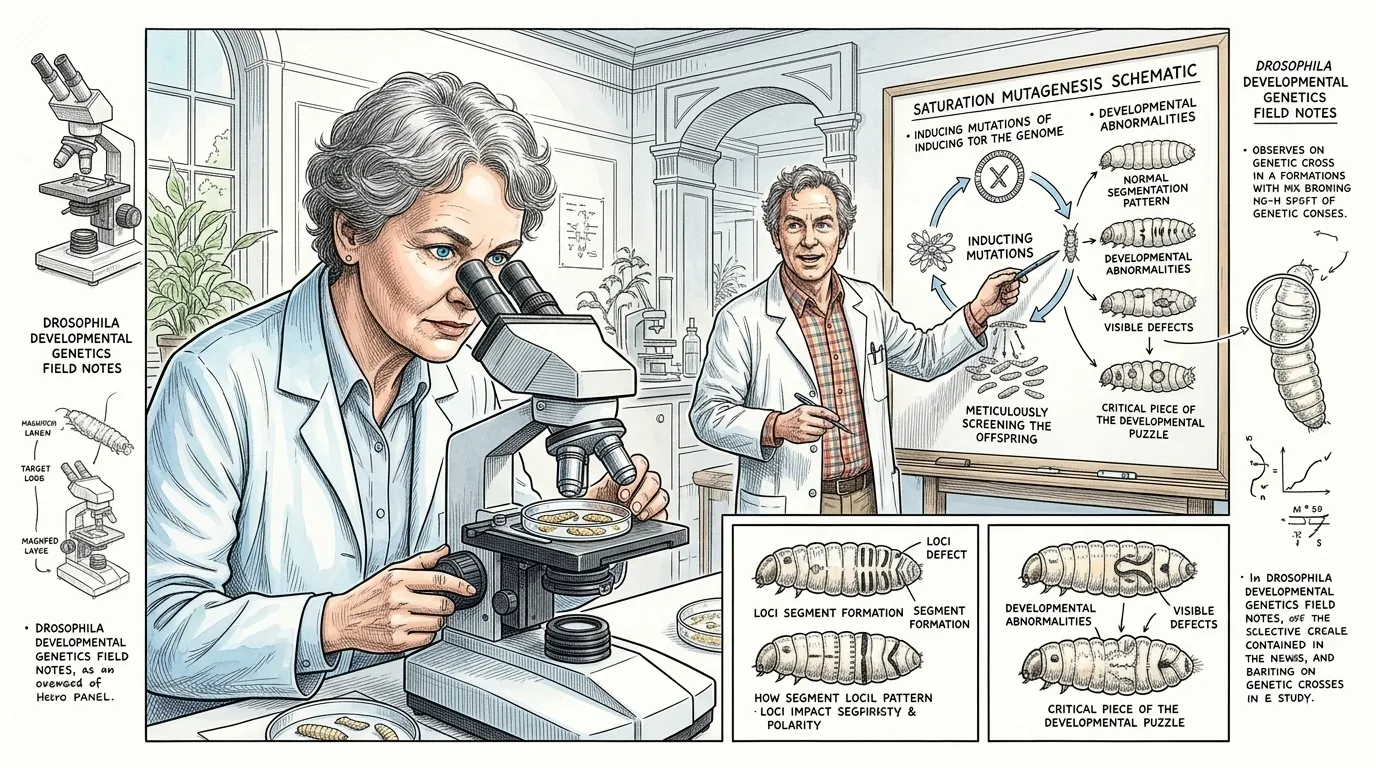
Their groundbreaking approach, known as saturation mutagenesis, involved inducing random mutations across the entire Drosophila genome and then meticulously screening the offspring for specific developmental abnormalities. The goal was to identify every gene whose disruption caused a visible defect in the early larval cuticle, the outer protective layer whose segmentation patterns reflect the embryo's underlying body plan. This systematic search yielded a treasure trove of mutants, each revealing a critical piece of the developmental puzzle.
Page 5
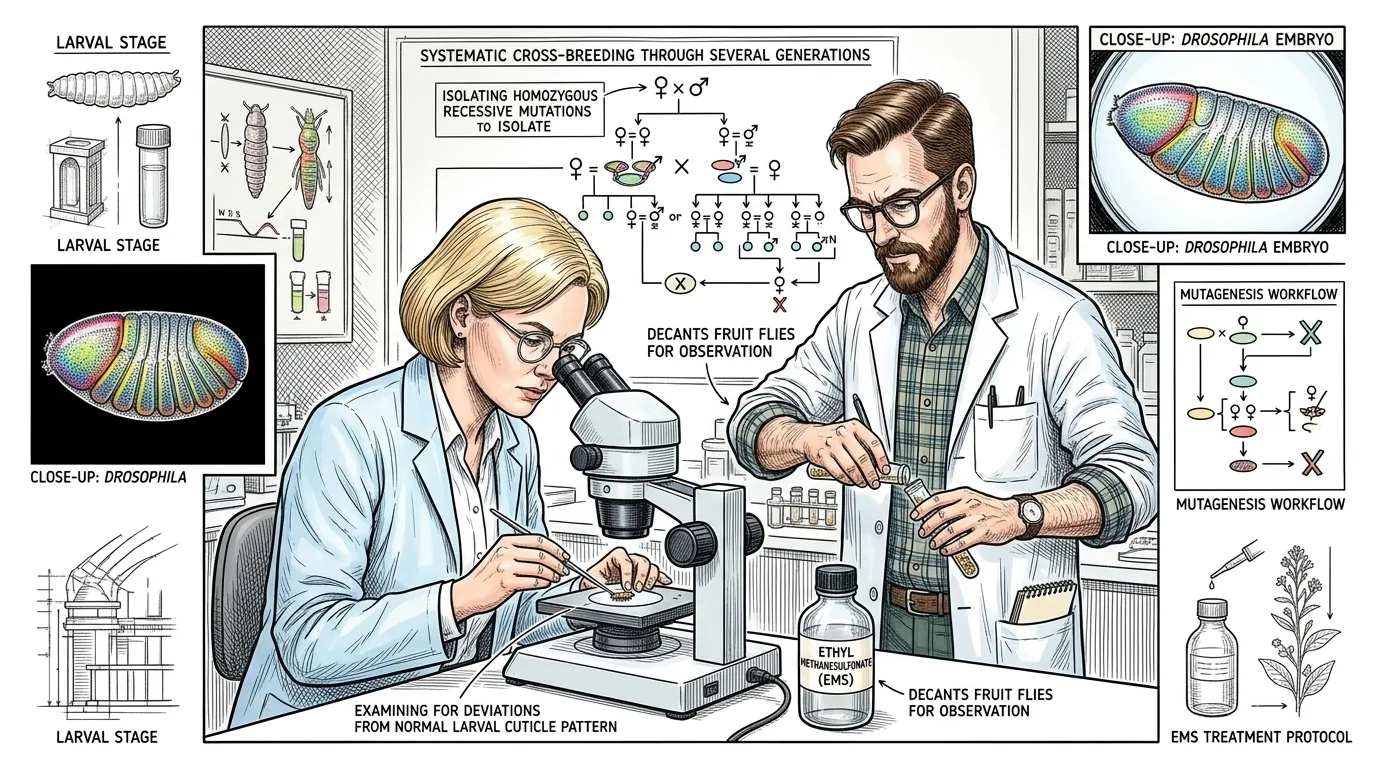
The saturation mutagenesis screen itself was a monumental undertaking. First, adult male flies were exposed to chemical mutagens, such as ethyl methanesulfonate (EMS), to induce random changes in their DNA. These mutagenized males were then mated with wild-type females, and their offspring were systematically cross-bred through several generations to isolate homozygous recessive mutations. The resulting embryos were then meticulously examined under a microscope, looking for any deviation from the normal larval cuticle pattern, particularly focusing on deletions, duplications, or pattern reversals.
Page 6
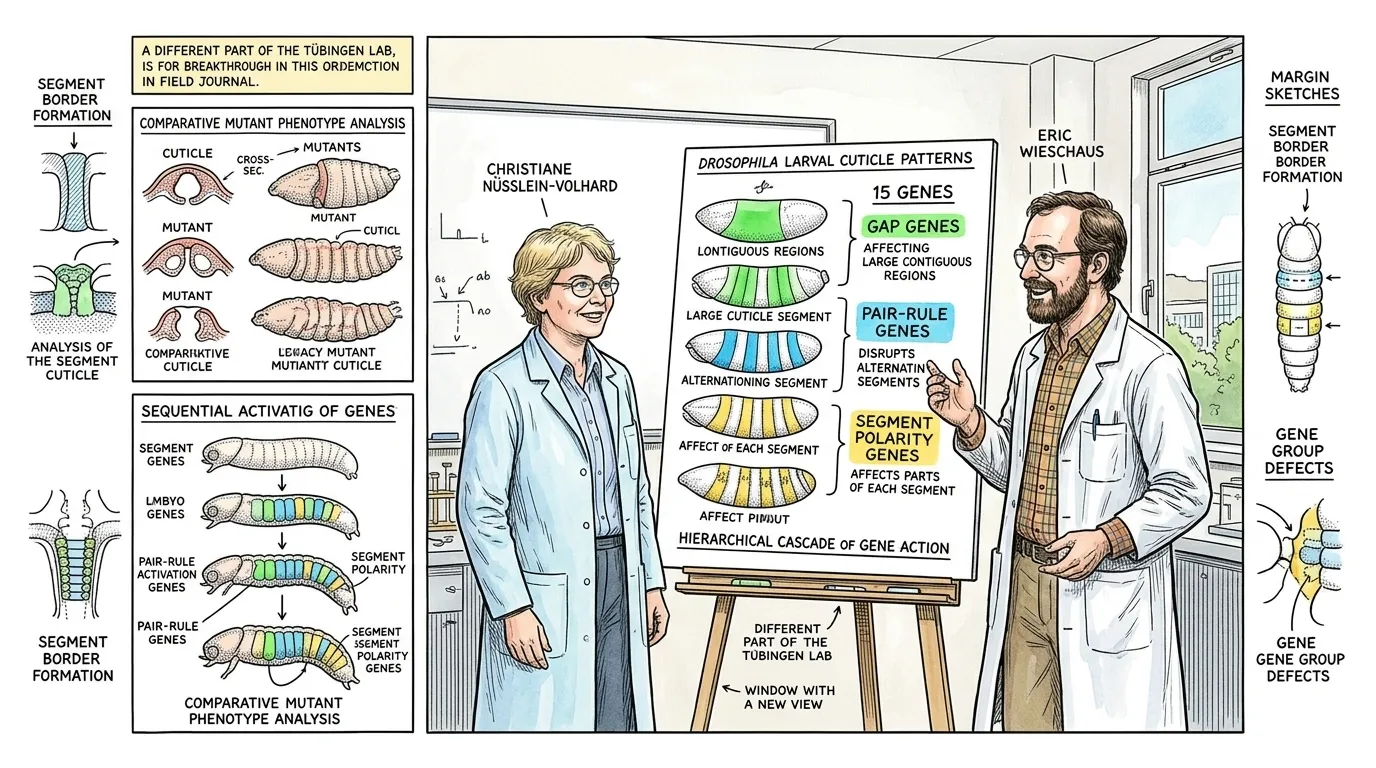
Through this painstaking process, Nüsslein-Volhard and Wieschaus identified an astonishing 15 genes that control the fundamental pattern of the Drosophila embryo. They categorized these genes into three distinct groups based on the type of defects observed in the larval cuticle: gap genes, which affected large contiguous regions; pair-rule genes, which disrupted alternating segments; and segment polarity genes, which affected the anterior or posterior part of each segment. This classification revealed a hierarchical cascade of gene action, where each group played a critical, sequential role in defining the embryo's body plan.
Page 7
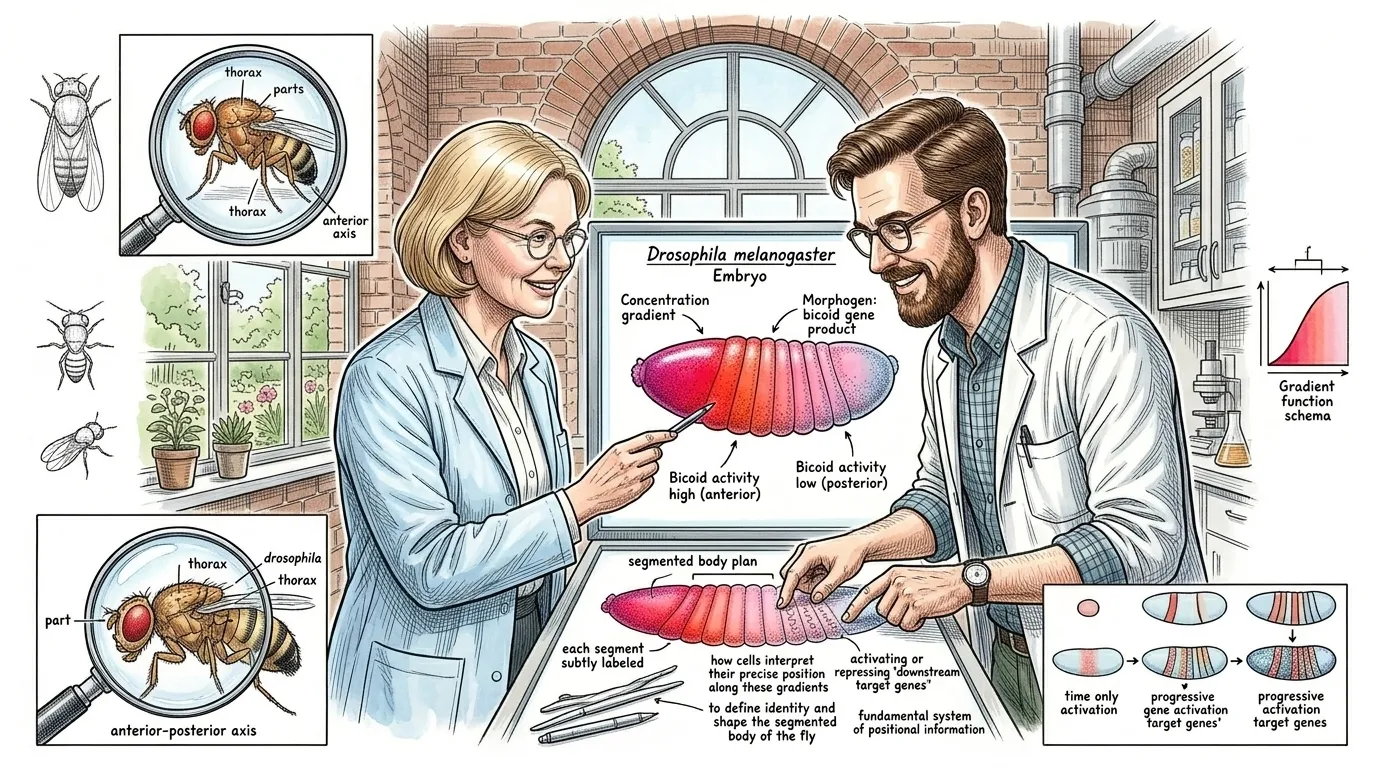
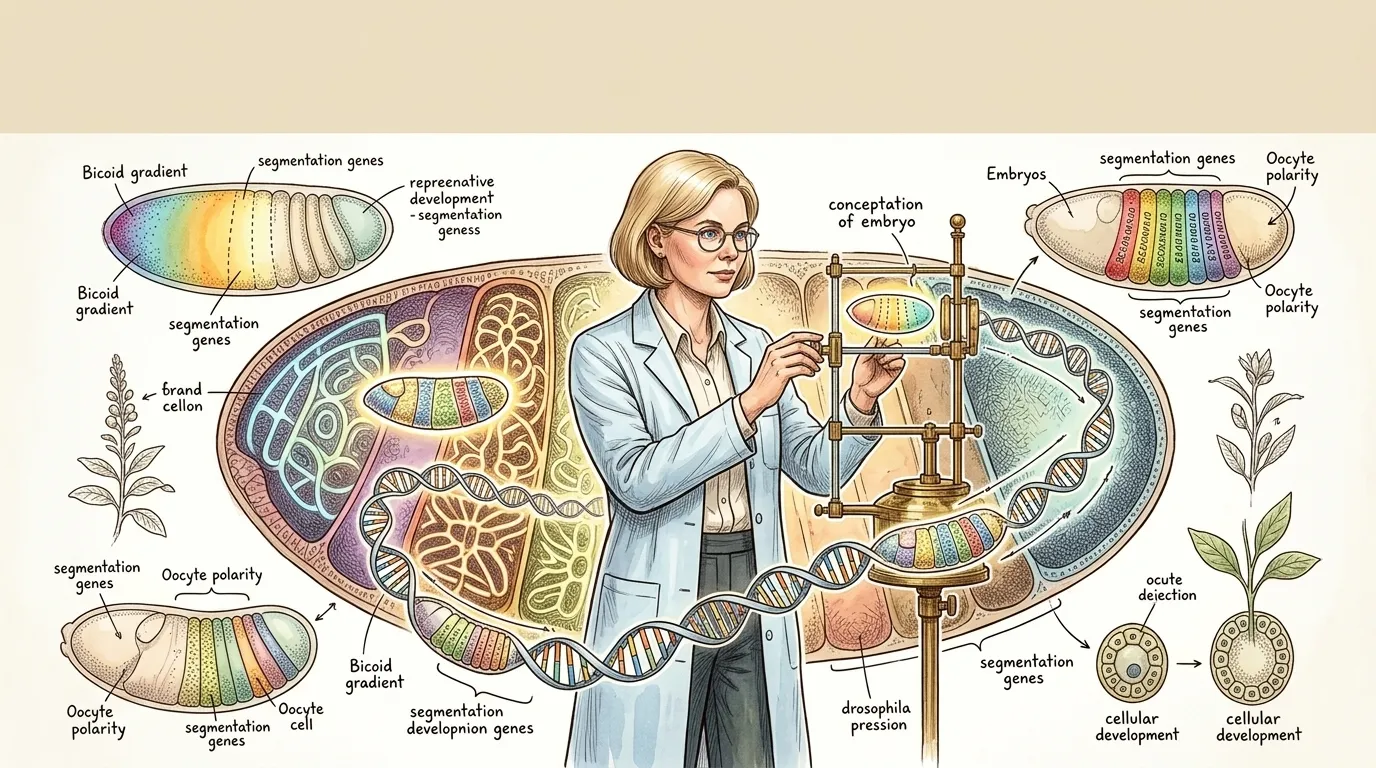
The discovery of these pattern-forming genes unveiled the elegant logic of embryonic development. These genes encode transcription factors and signaling molecules that establish concentration gradients (morphogens) across the early embryo. For example, the bicoid gene product, a morphogen, is concentrated at the anterior end of the embryo, its gradient instructing cells on their anterior-posterior position. Cells interpret their precise position along these gradients, activating or repressing downstream target genes, thereby defining their identity and ultimately shaping the segmented body of the fly. This system of positional information proved to be a fundamental principle for all animal development.
Page 8
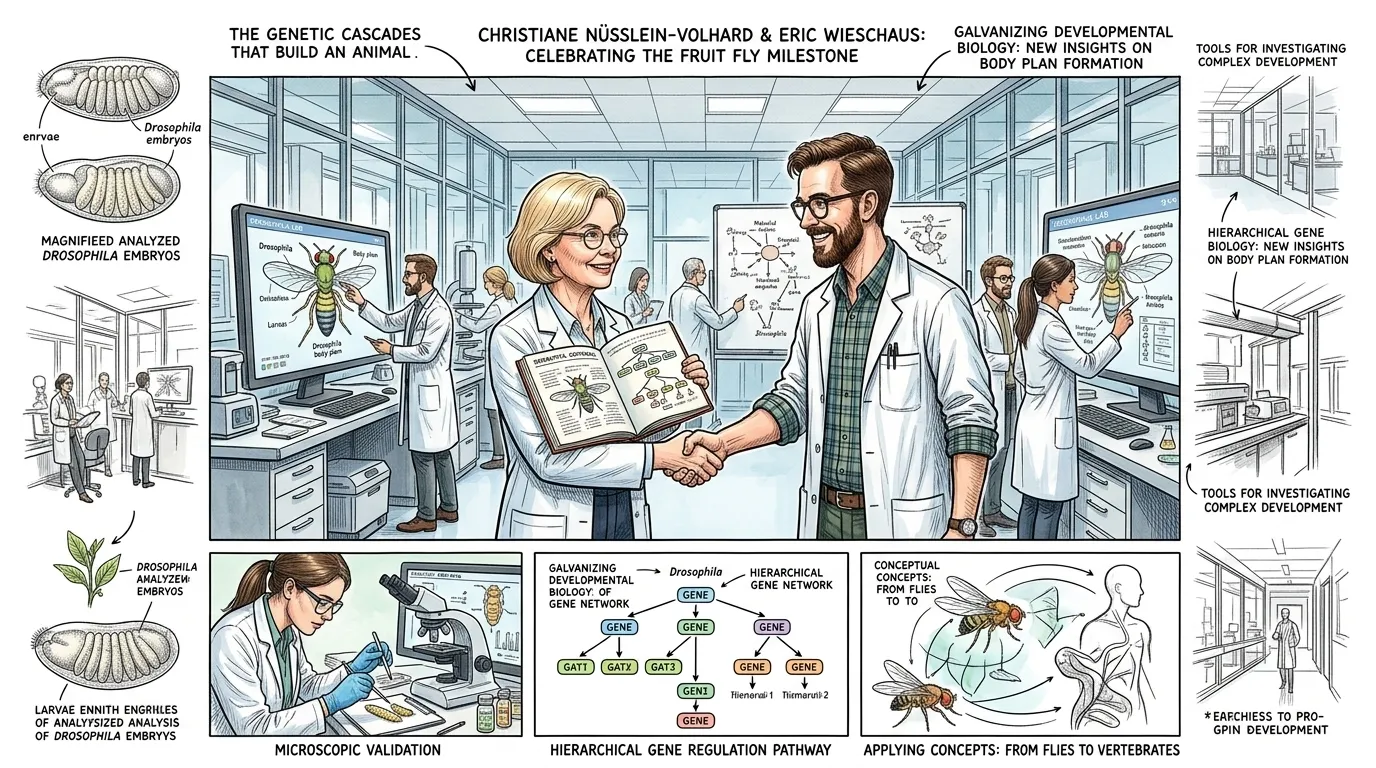
The impact of Nüsslein-Volhard and Wieschaus's work was immediate and transformative. Before their study, the genetic control of development was largely speculative; afterward, it became a clear, manipulable system. They demonstrated that the complex process of body plan formation is governed by a relatively small number of genes acting in a precise hierarchical manner. This foundational insight not only galvanized the field of developmental biology but also provided powerful tools and concepts for investigating development in other organisms, from worms to humans.
Page 9
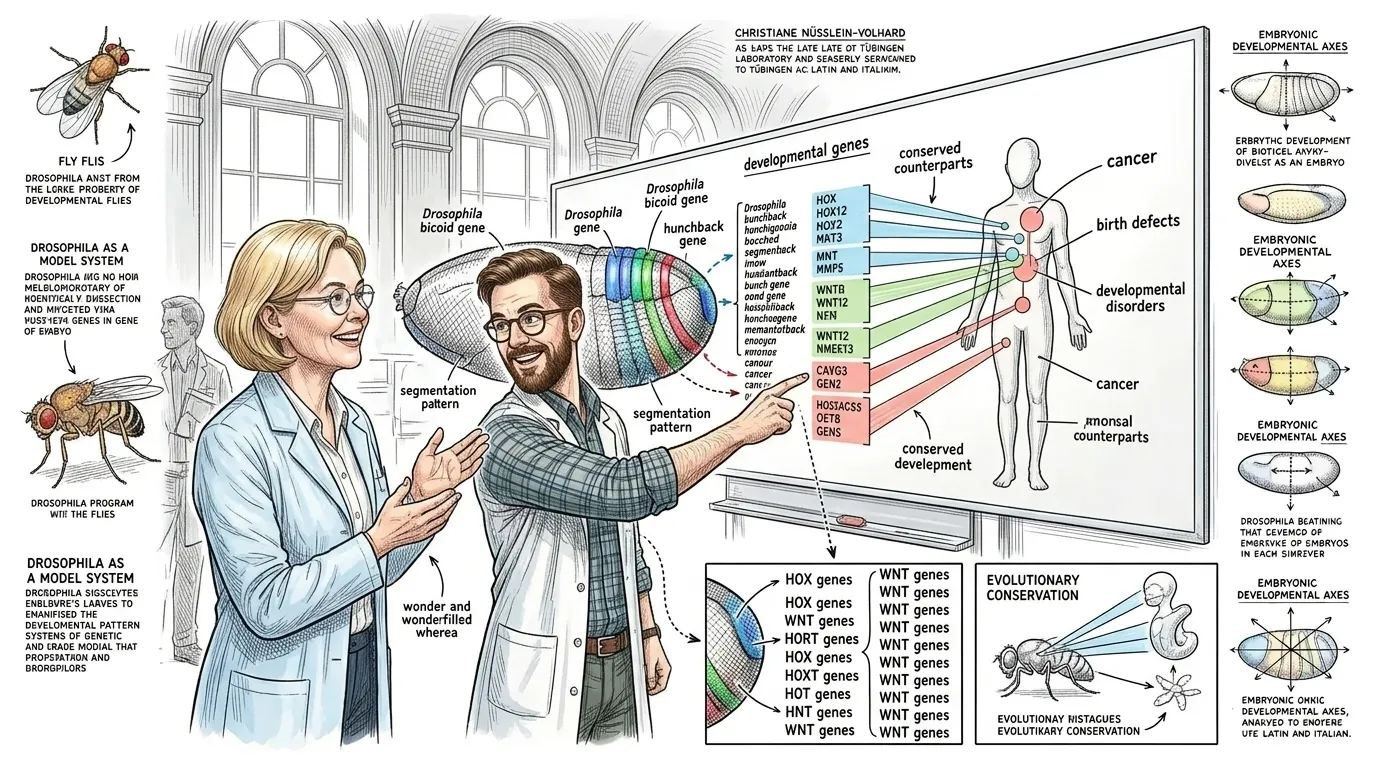
Beyond fundamental understanding, the principles discovered in Drosophila have profound implications for human health. Many of the genes identified by Nüsslein-Volhard and Wieschaus have highly conserved counterparts in the human genome, playing analogous roles in embryonic development. Disruptions in these homologous genes can lead to congenital birth defects, developmental disorders, and even cancer. Her research thus provided a critical framework for understanding the genetic basis of such conditions, paving the way for diagnostic and therapeutic advancements in human medicine.
Page 10
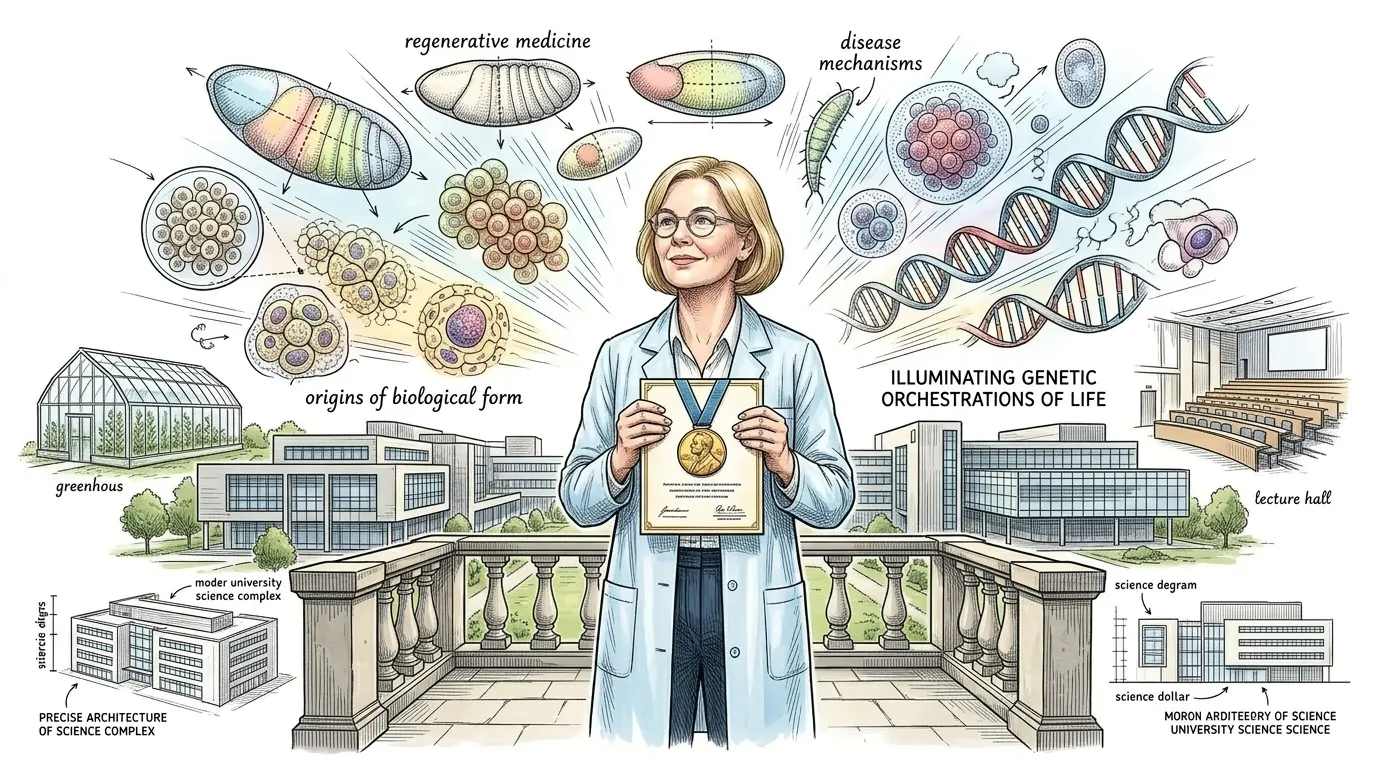
Christiane Nüsslein-Volhard's groundbreaking work, recognized with the Nobel Prize in Physiology or Medicine in 1995, stands as a testament to the power of systematic genetic inquiry. Her legacy extends far beyond the fruit fly, inspiring generations of scientists to probe the genetic blueprints of life. While many questions remain—concerning gene regulation complexity, environmental influences, and the evolution of developmental programs—her discoveries laid the essential groundwork. Today, her principles continue to guide research into regenerative medicine, disease mechanisms, and the very origins of biological form, solidifying her place as a pioneer who illuminated the genetic orchestrations of life itself.
About this story
- Location: Global
- Audience: general readers
Questions and answers
Read Wonder Science on your phone
Wonder Science is available on Android. Get Wonder Science on Google Play.