David Baltimore
David Baltimore — an illustrated science story, set in Global. 10 illustrated pages, free to read on Wonder Science.
Page 1
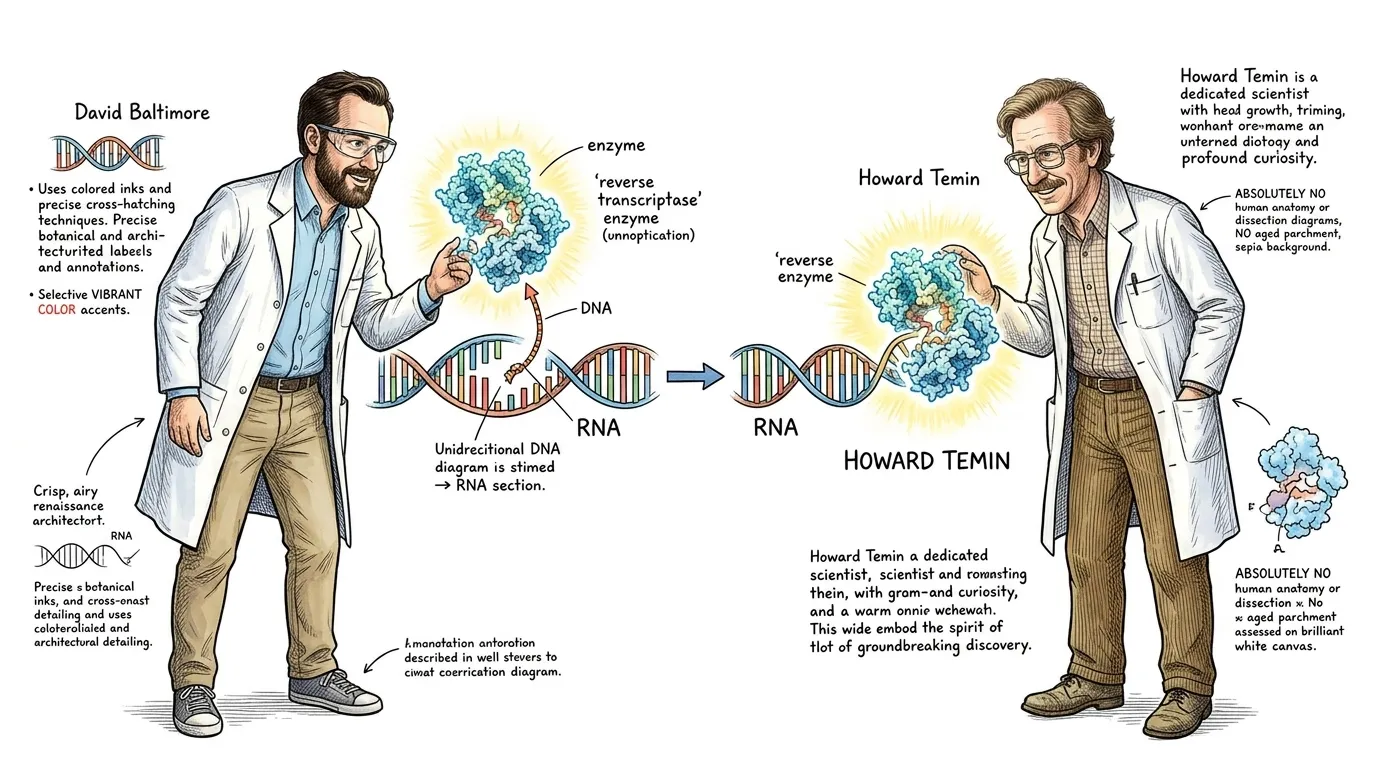
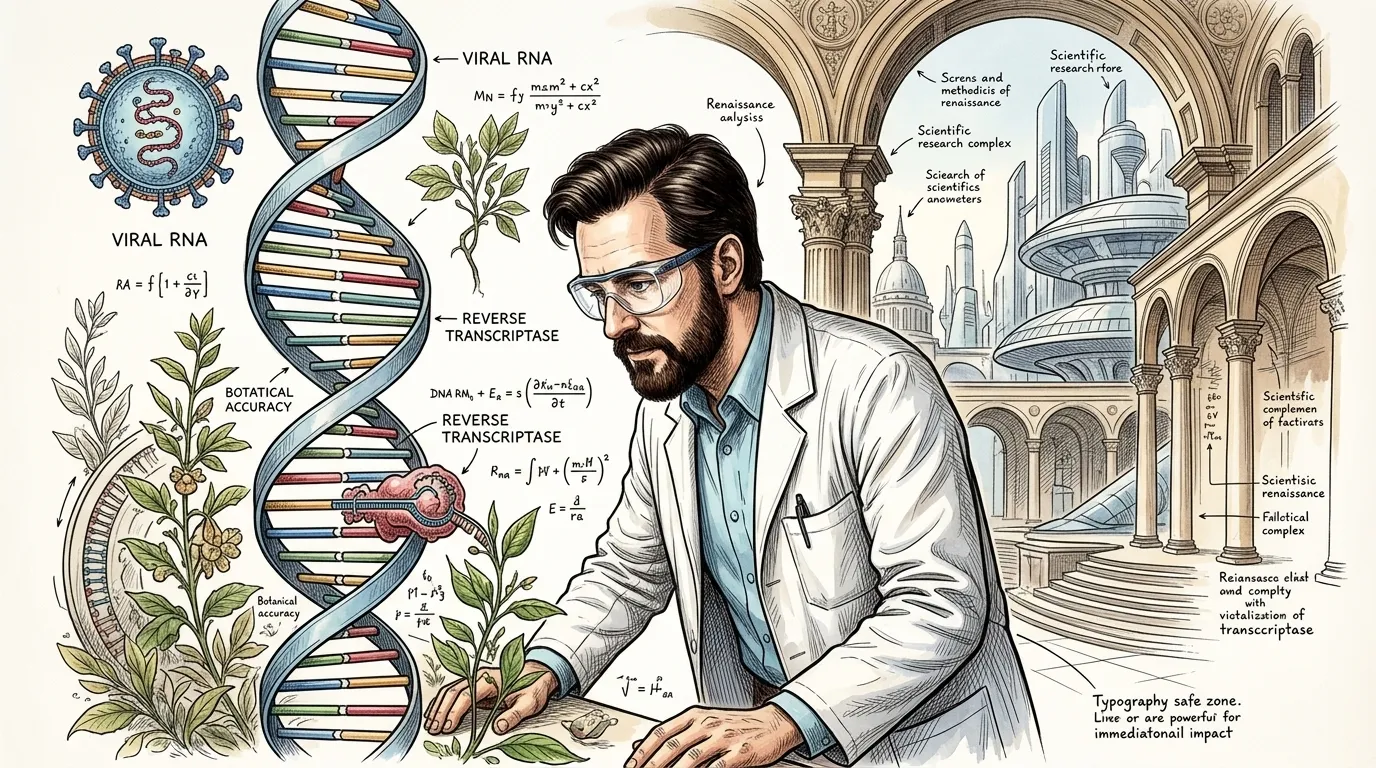
In 1970, a discovery in molecular biology challenged a foundational principle of life itself. David Baltimore, a young virologist at MIT, along with Howard Temin working independently, identified an enzyme that shattered the established 'Central Dogma' of genetic information flow. This breakthrough, known as reverse transcriptase, fundamentally altered our understanding of how genes are expressed and replicated, particularly in certain viruses.
Page 2
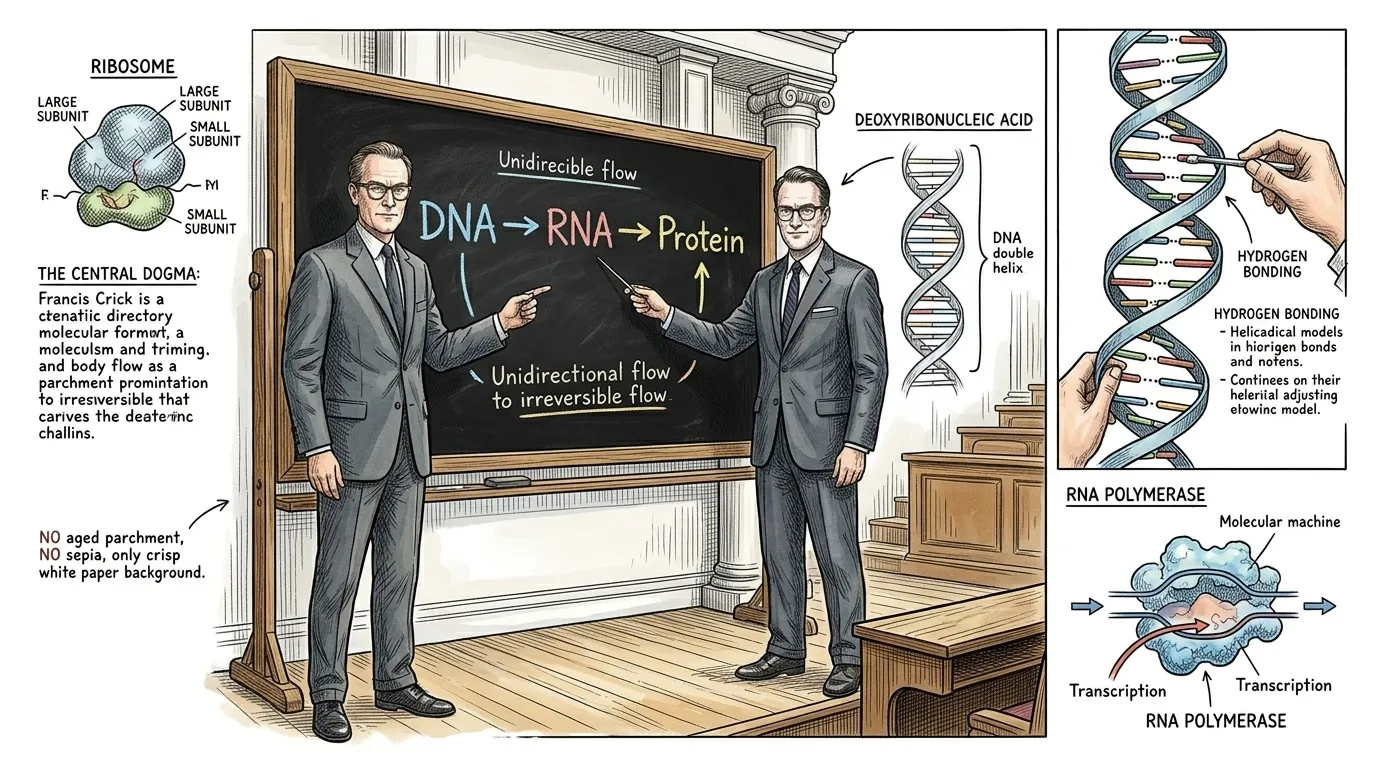
For decades, the scientific community operated under the unshakeable belief of the Central Dogma, a concept articulated by Francis Crick in 1957. This dogma posited an irreversible, unidirectional flow of genetic information: from DNA to RNA, and then from RNA to protein. It was the bedrock upon which the entire edifice of molecular biology was constructed, explaining how heredity and gene expression worked in all known organisms.
Page 3
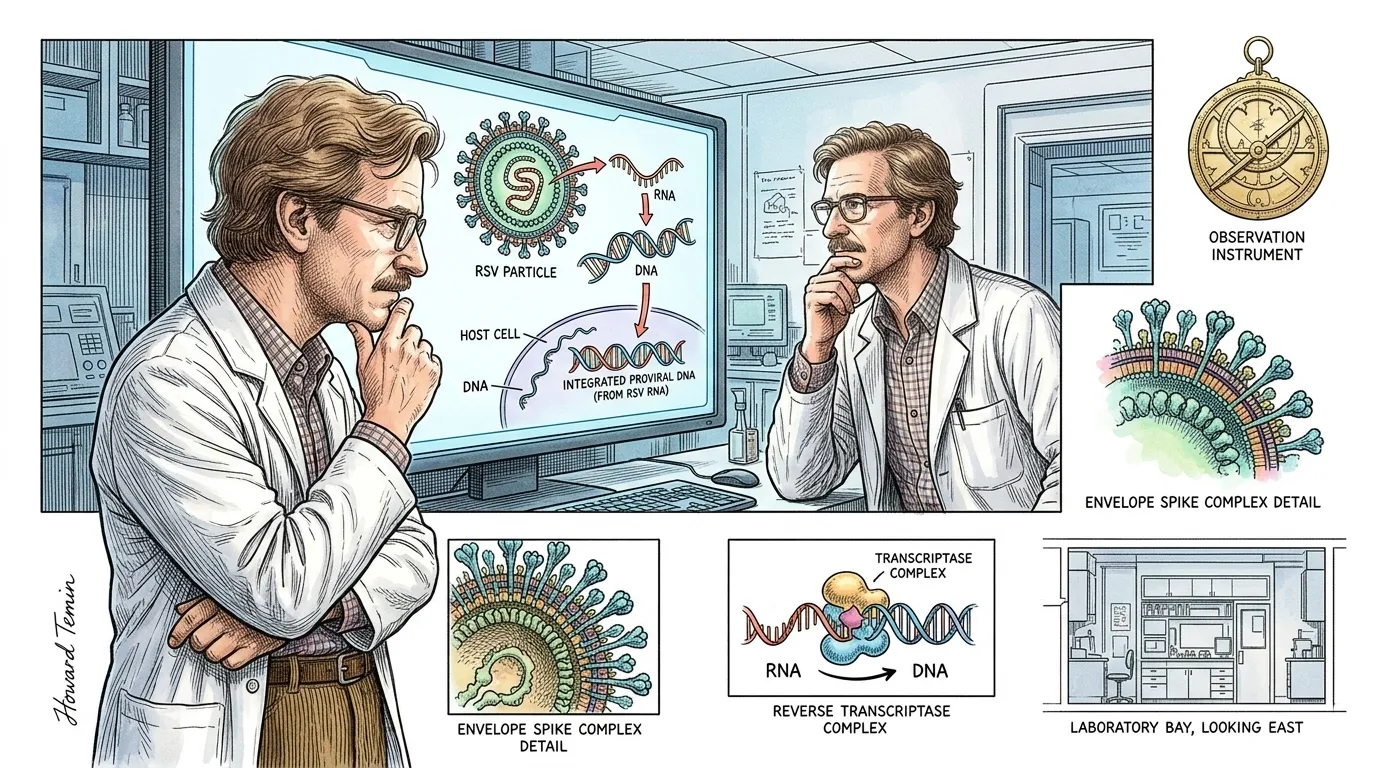
Yet, even as the Central Dogma solidified, a puzzling anomaly persisted: certain RNA viruses, specifically retroviruses, behaved in ways that seemed to contradict this fundamental principle. These viruses, like the Rous sarcoma virus studied by Howard Temin, possessed the uncanny ability to integrate their RNA genetic material directly into the host cell's DNA, establishing a permanent genomic presence. This process implied a reverse conversion, a scientific paradox that baffled researchers.
Page 4
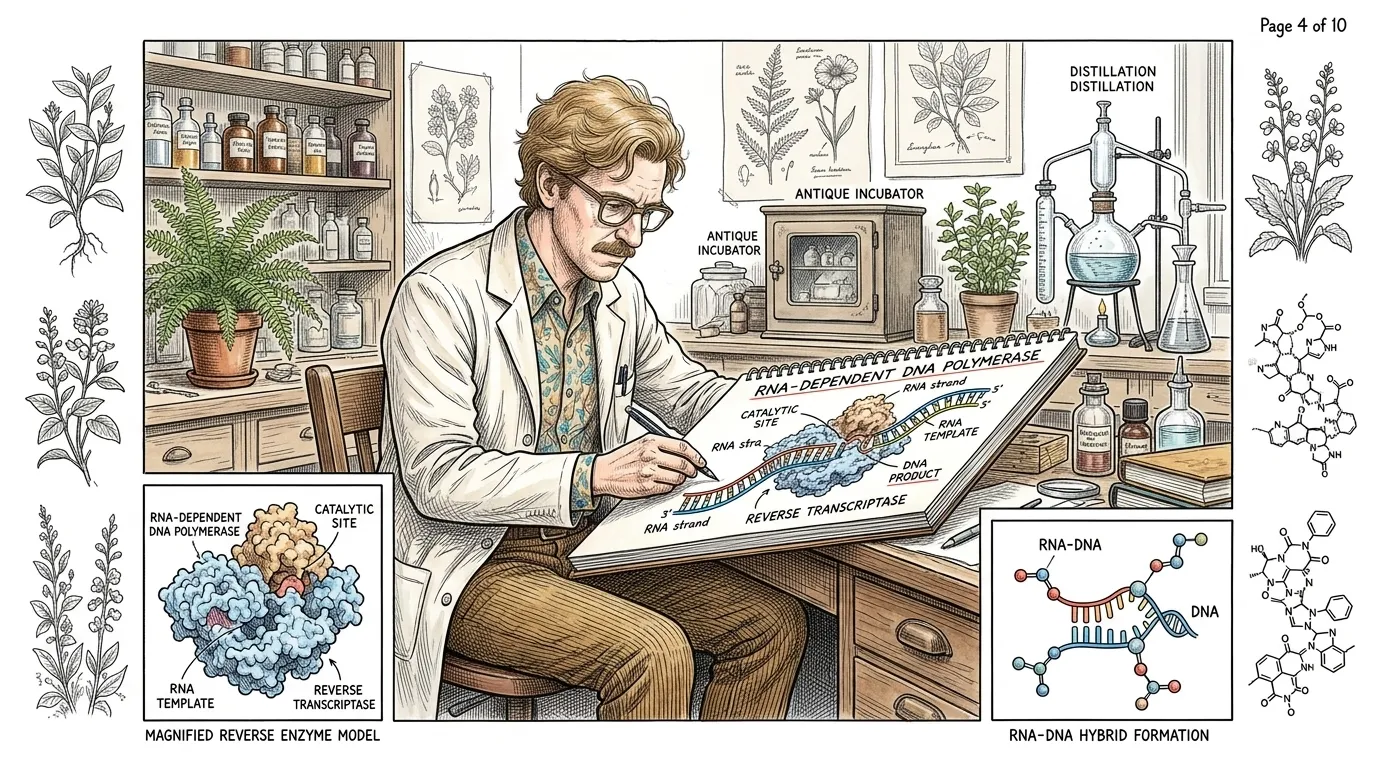
Faced with this genetic riddle, researchers like Howard Temin began to formulate a daring hypothesis. If retroviruses were indeed integrating their RNA into host DNA, then an enzyme must exist within these viral particles capable of catalyzing this seemingly impossible reverse reaction: synthesizing DNA from an RNA template. This 'reverse transcriptase' would be the key to understanding how these viruses commandeered cellular machinery for their own replication, marking a potential paradigm shift.
Page 5
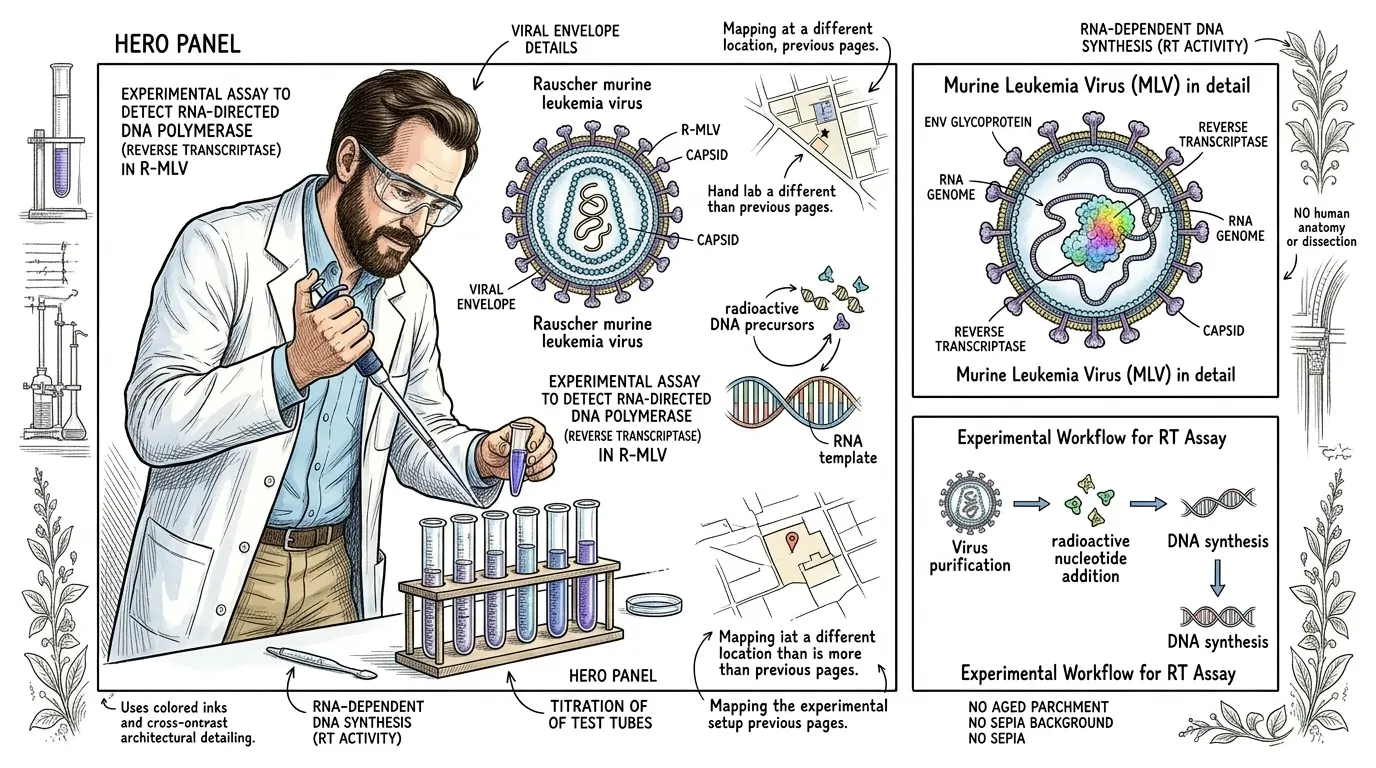
David Baltimore, independently pursuing similar questions at the Massachusetts Institute of Technology, set out to definitively test for this hypothesized enzyme. He devised an elegant experiment using Rauscher murine leukemia virus. By incubating viral particles with radioactive DNA precursors and an RNA template, he created conditions where only an RNA-dependent DNA polymerase could produce detectable results, searching for the tell-tale signature of newly synthesized DNA.
Page 6
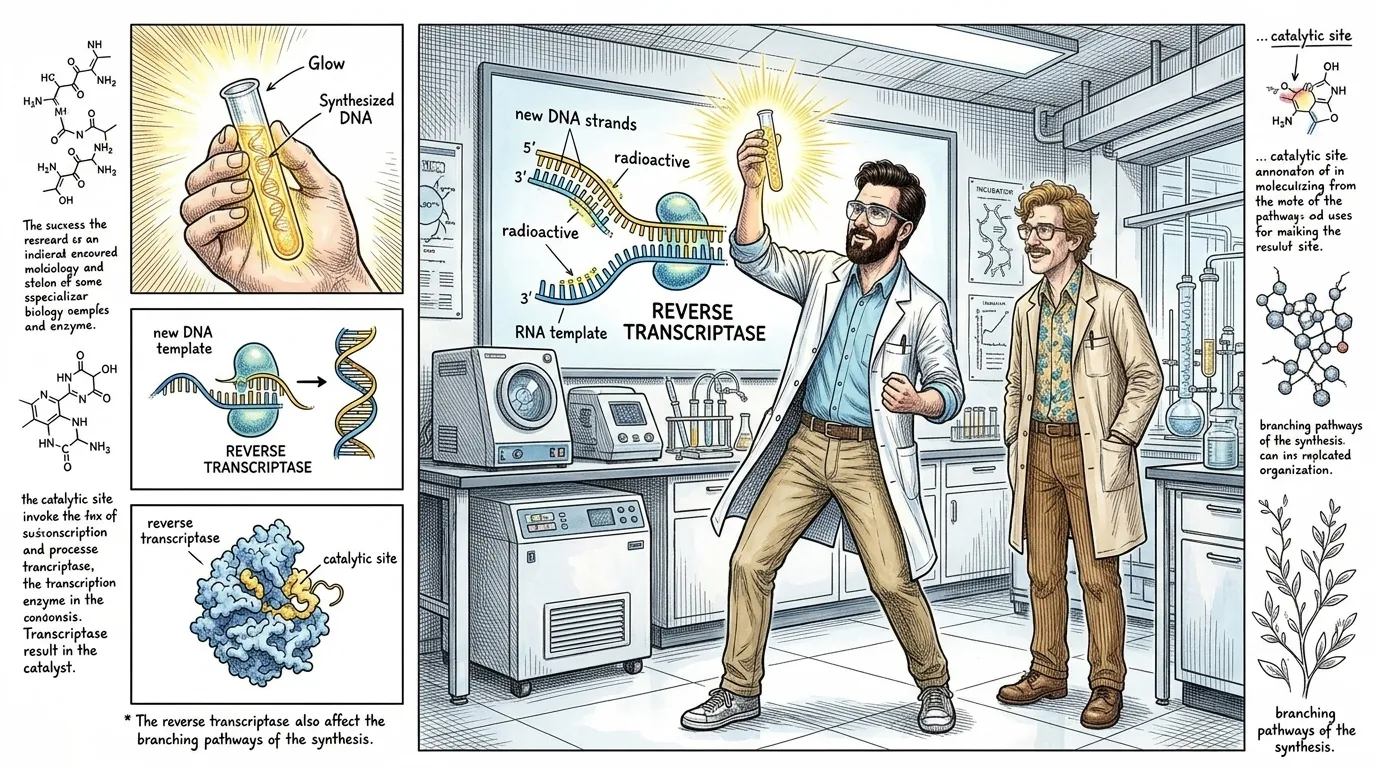
Baltimore's meticulous experiment yielded unequivocal results: the radioactive DNA precursors were indeed being incorporated into new DNA strands, templated directly from viral RNA. This confirmed the existence of the enzyme, which he named RNA-dependent DNA polymerase—now universally known as reverse transcriptase. This powerful enzyme allowed retroviruses to bypass the host's normal genetic replication, creating a DNA copy of their RNA genome, a pivotal step in their infection cycle.
Page 7
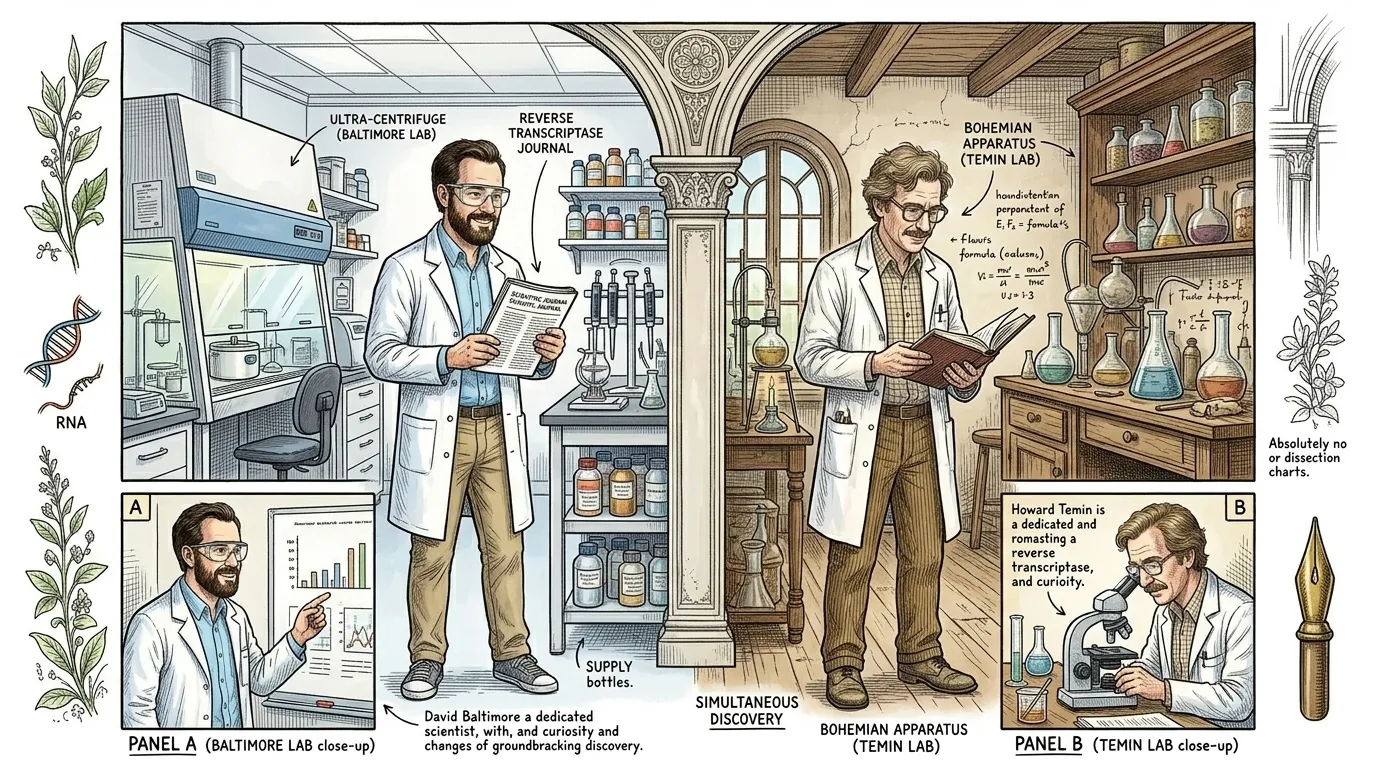
The year 1970 marked a pivotal moment in molecular biology, not only for Baltimore but also for Temin. Remarkably, Howard Temin's independent research group, studying Rous sarcoma virus, published their findings on reverse transcriptase almost simultaneously with Baltimore's work. This rare instance of independent, parallel discovery underscored the immense significance of the enzyme and its profound implications for understanding gene expression, viral replication, and the very flexibility of genetic information flow.
Page 8
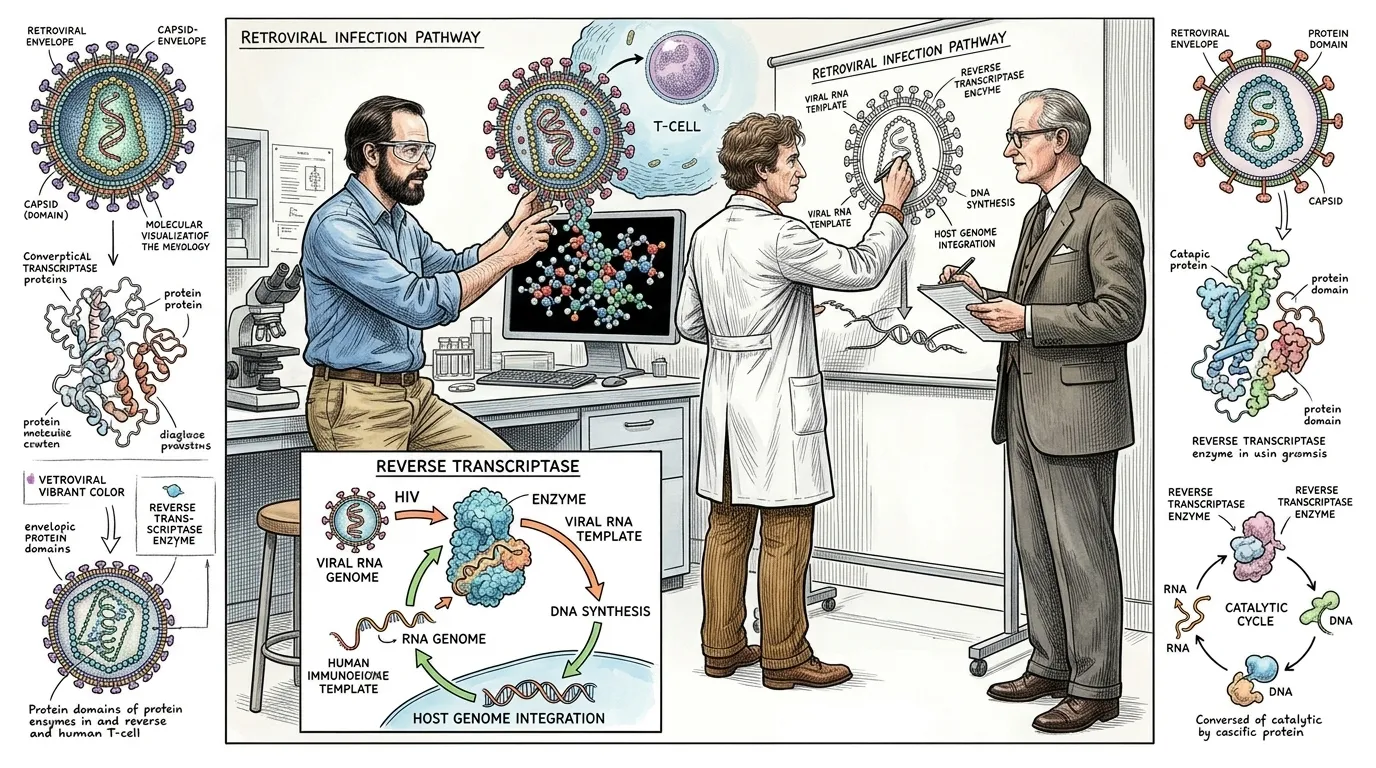
Decades after its discovery, reverse transcriptase took on a chilling new significance with the emergence of the global HIV/AIDS epidemic. The human immunodeficiency virus (HIV), the causative agent of AIDS, was identified as a retrovirus that relies critically on reverse transcriptase. Without this enzyme, HIV cannot convert its RNA genome into DNA, integrate into human T-cell DNA, or replicate, making the enzyme a prime target in the fight against a devastating disease.
Page 9
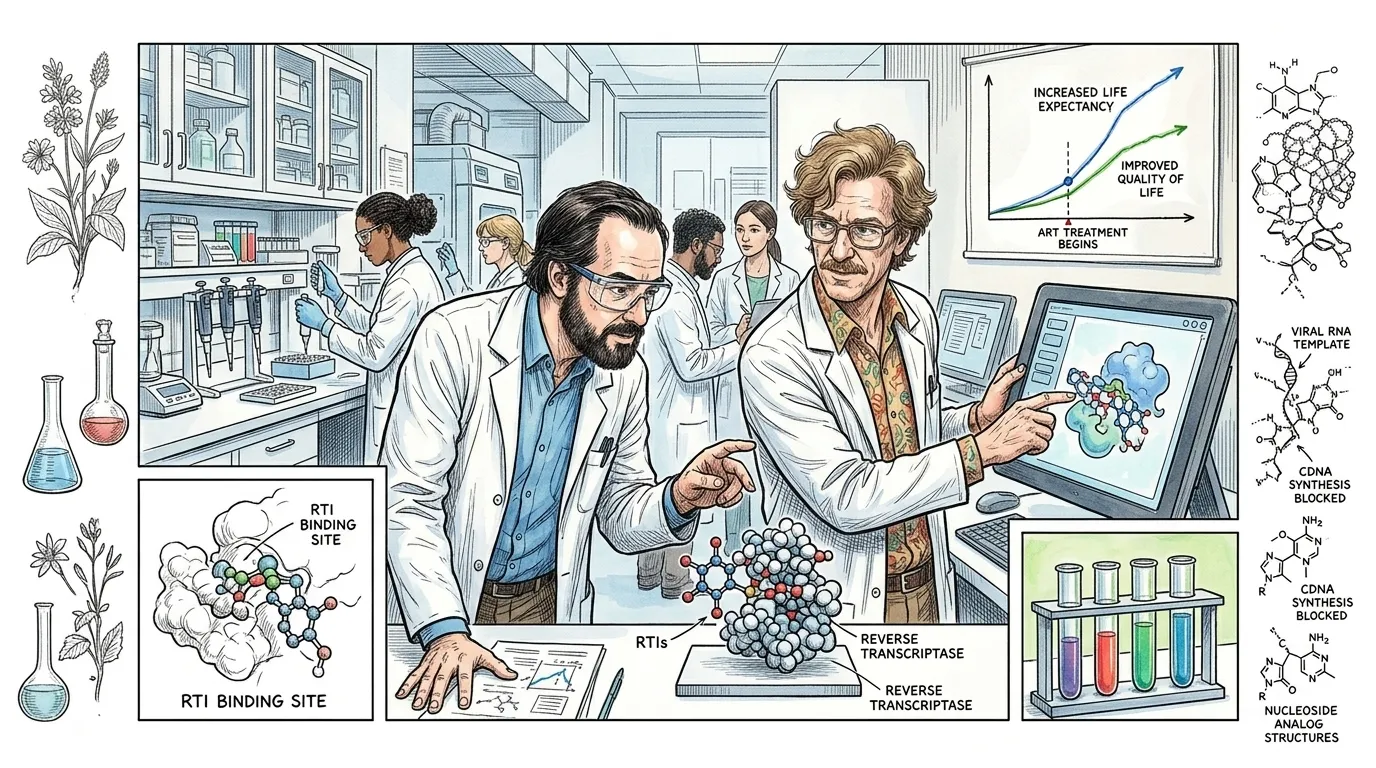
The fundamental understanding provided by Baltimore and Temin's discovery became the bedrock for developing life-saving antiretroviral therapies. Scientists quickly realized that if they could inhibit reverse transcriptase, they could stop HIV replication. This led to the development of reverse transcriptase inhibitors (RTIs), a class of drugs that physically block the enzyme's activity, effectively halting the viral life cycle. These therapies revolutionized HIV/AIDS treatment, transforming it from a rapidly fatal illness into a manageable chronic condition, dramatically extending and improving the lives of millions worldwide.
Page 10
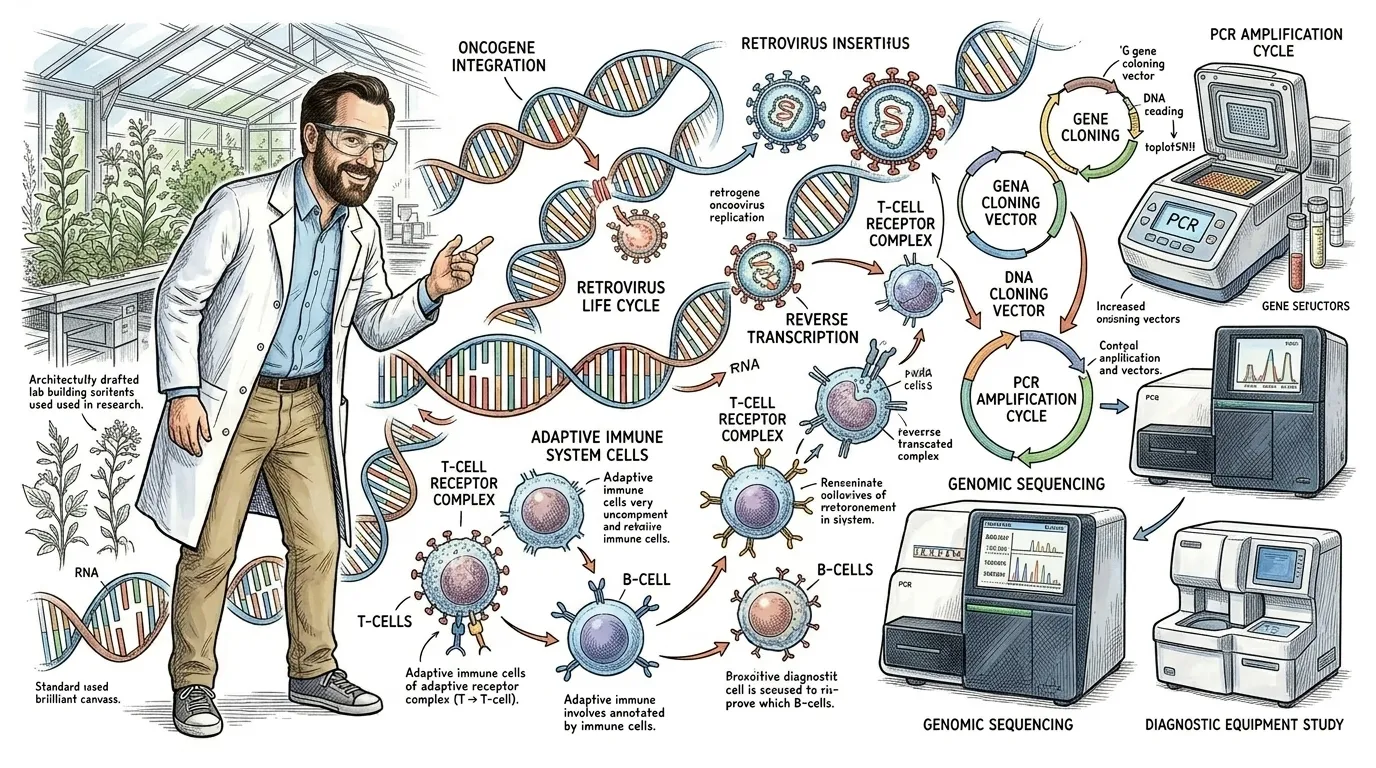
David Baltimore's profound impact on science extends far beyond the co-discovery of reverse transcriptase. His pioneering work on oncogenes shed light on the genetic basis of cancer, and his fundamental contributions to immunology deepened our understanding of the adaptive immune system. Throughout his career, he remained a prominent and often outspoken voice in science policy, advocating for ethical considerations in genetic engineering and championing open scientific discourse. The enzyme he identified remains an indispensable tool in molecular biology, integral to gene cloning, PCR, and countless diagnostic applications, ensuring his legacy continues to shape the future of medicine and biotechnology.
About this story
- Location: Global
- Audience: general readers
Questions and answers
Read Wonder Science on your phone
Wonder Science is available on Android. Get Wonder Science on Google Play.