Emmanuelle Charpentier
Emmanuelle Charpentier — an illustrated science story, set in Global. 10 illustrated pages, free to read on Wonder Science.
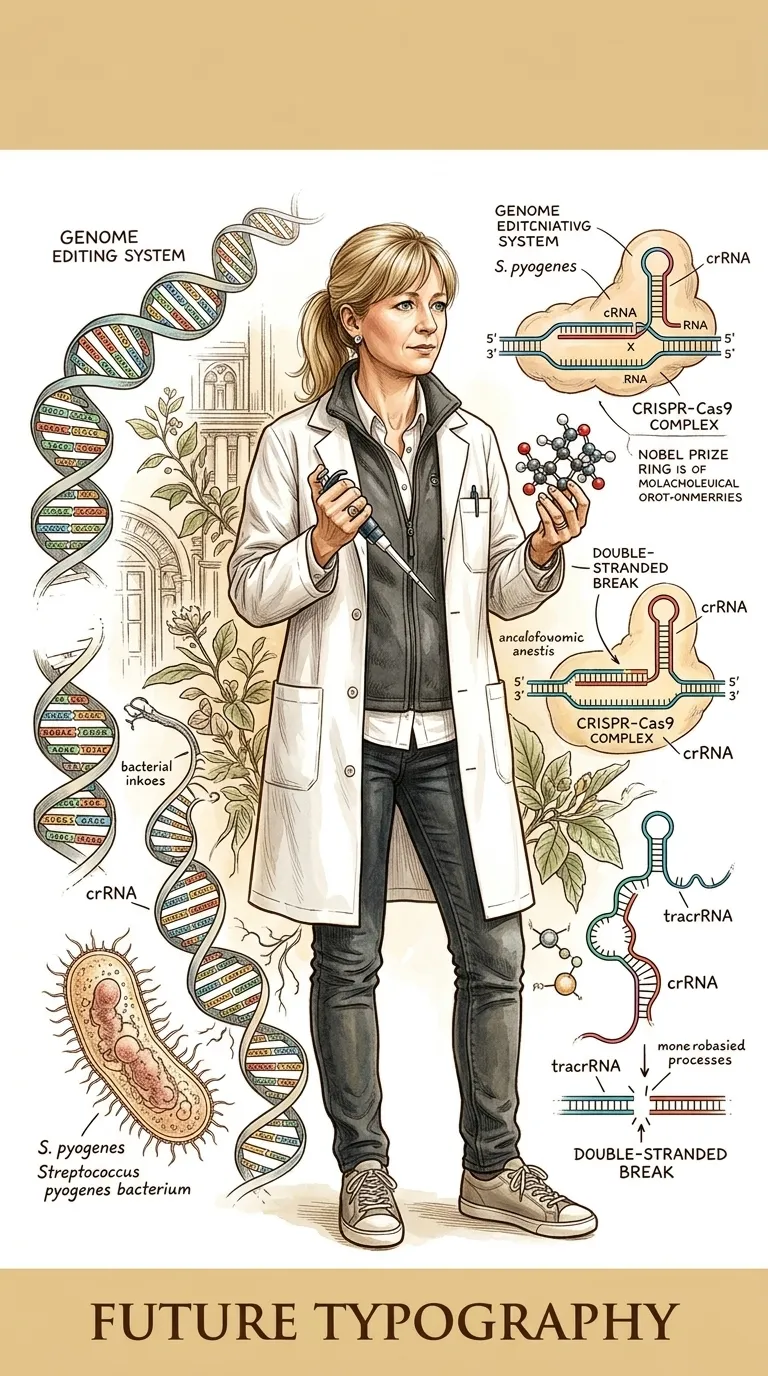
Page 1
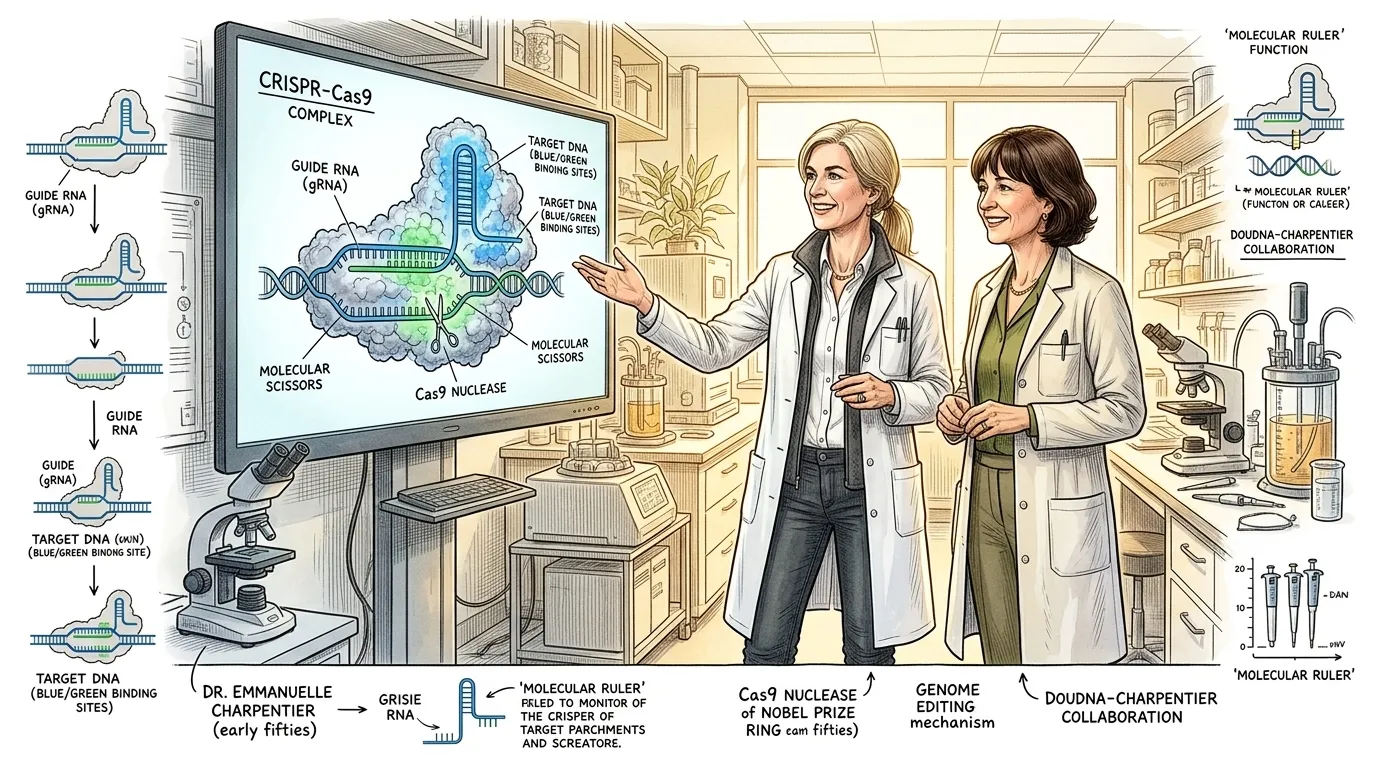
In 2012, within the quiet intensity of a laboratory, a pivotal discovery was about to reshape molecular biology. Dr. Emmanuelle Charpentier, then at Umeå University in Sweden, alongside her collaborator Jennifer Doudna, unveiled a mechanism that would become the most precise gene-editing tool known to science: CRISPR-Cas9. This was not merely an incremental step; it was a conceptual leap, revealing how a bacterial immune system could be repurposed to rewrite the very blueprint of life with unprecedented accuracy. The implications, for medicine and beyond, were instantaneous and profound.
Page 2
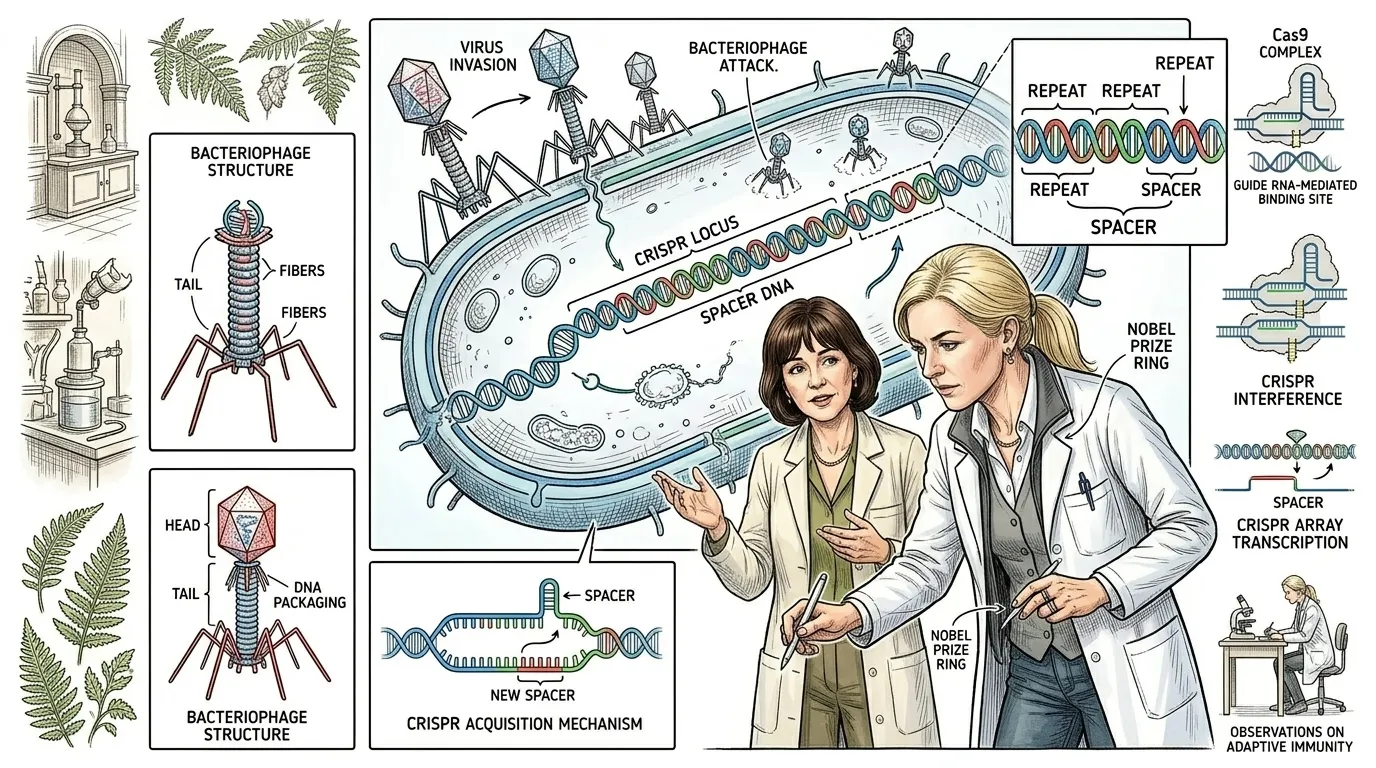
For billions of years, bacteria have waged a silent, relentless war against invading viruses known as bacteriophages. These viruses hijack bacterial cells, injecting their genetic material to replicate, often destroying the host. To survive, bacteria evolved ingenious defense mechanisms. One such system, first identified in the late 1980s, puzzled scientists with its repeating DNA sequences and associated genes, eventually named Clustered Regularly Interspaced Short Palindromic Repeats, or CRISPR, a phenomenon that would remain an enigma for decades.
Page 3
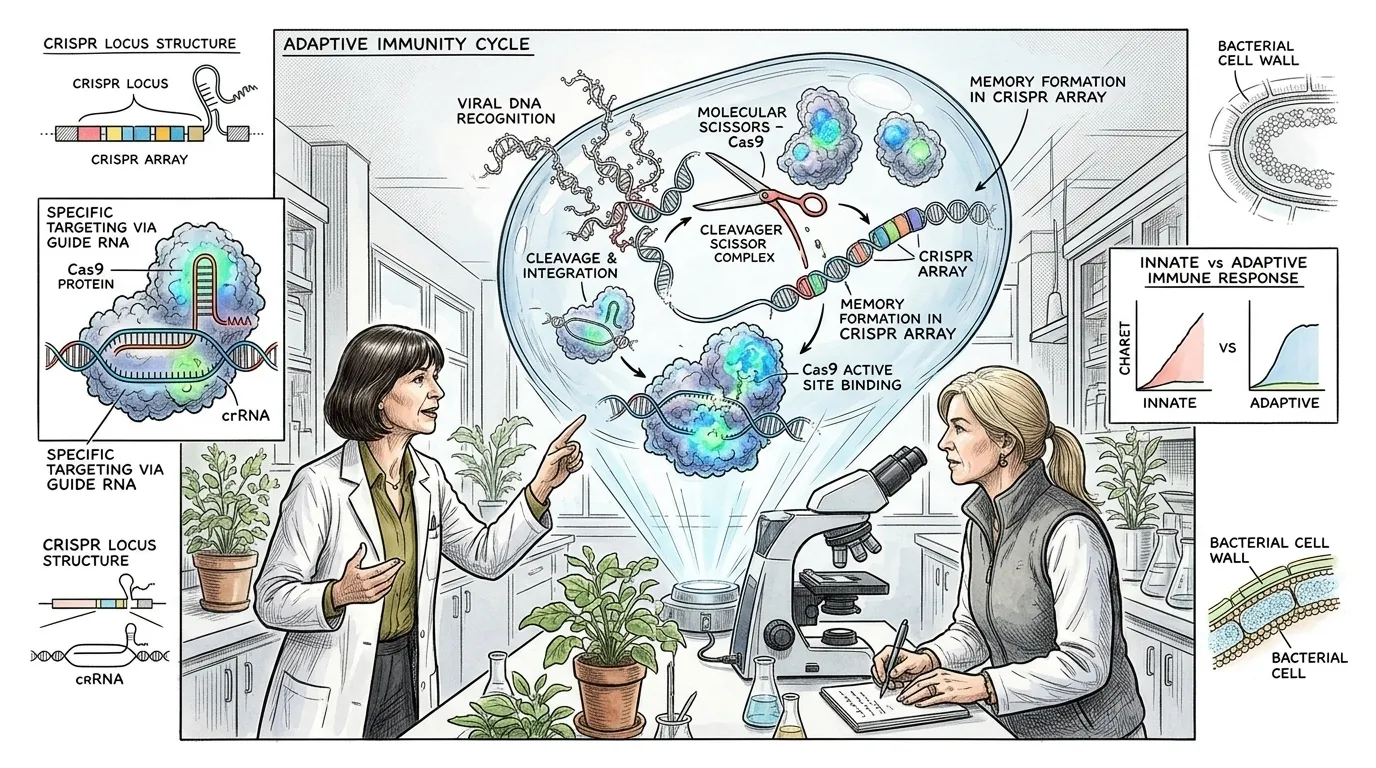
It was only in the early 2000s that researchers began to understand that CRISPR wasn't just mysterious genetic junk. It was a sophisticated adaptive immune system, capable of remembering past viral infections. When a bacterium survived a viral attack, it would snip a piece of the viral DNA and insert it into its own CRISPR array, creating a genetic 'memory'. This stored sequence would then serve as a template, guiding specific enzymes—CRISPR-associated (Cas) proteins—to identify and destroy future invading viral DNA that matched the stored memory.
Page 4
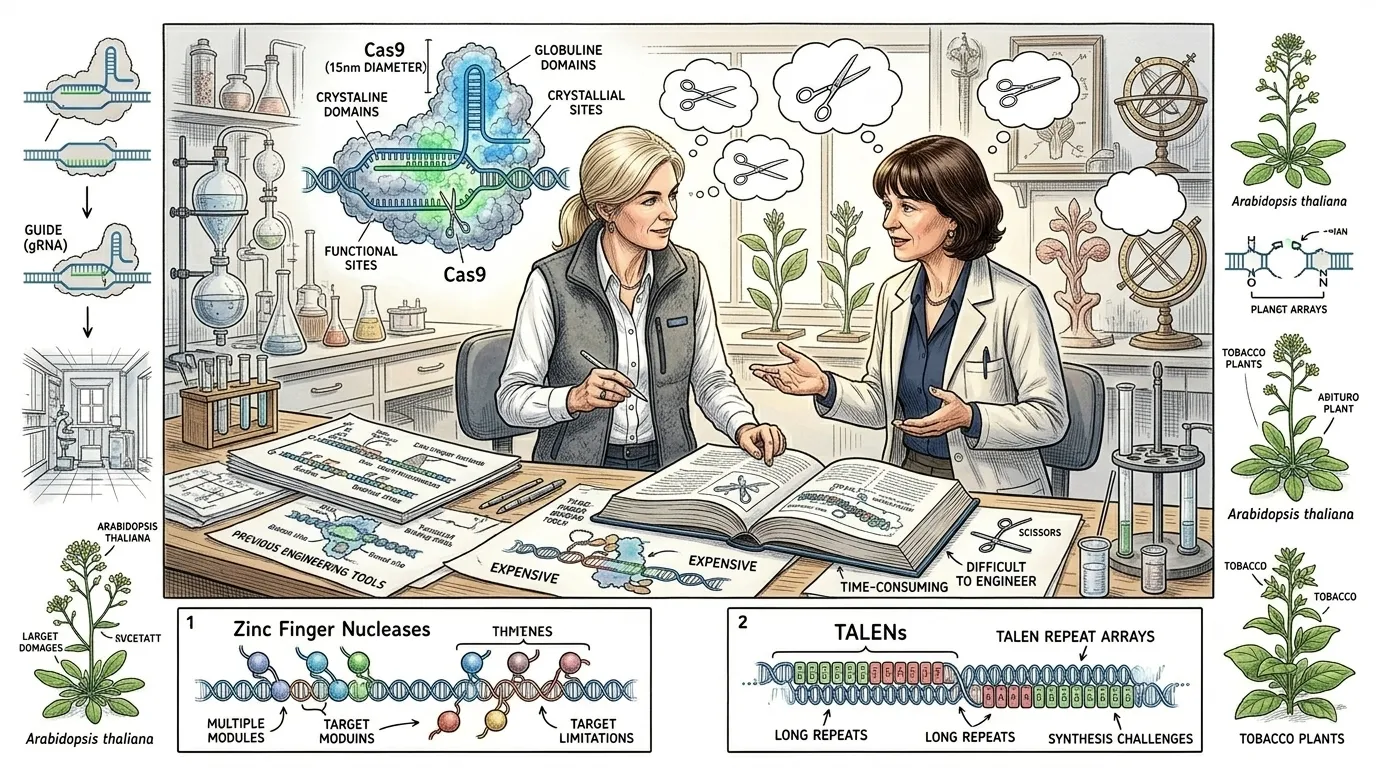
Before CRISPR, genetic engineering relied on less precise and often cumbersome methods to modify DNA. Researchers used techniques like zinc finger nucleases or TALENs, which were custom-designed proteins that could bind to and cut specific DNA sequences. However, these methods were expensive, time-consuming, and difficult to engineer for multiple targets. The scientific community yearned for a simpler, more efficient, and universally applicable molecular tool – a true 'genetic scissors' that could cut any DNA sequence with programmable precision.
Page 5
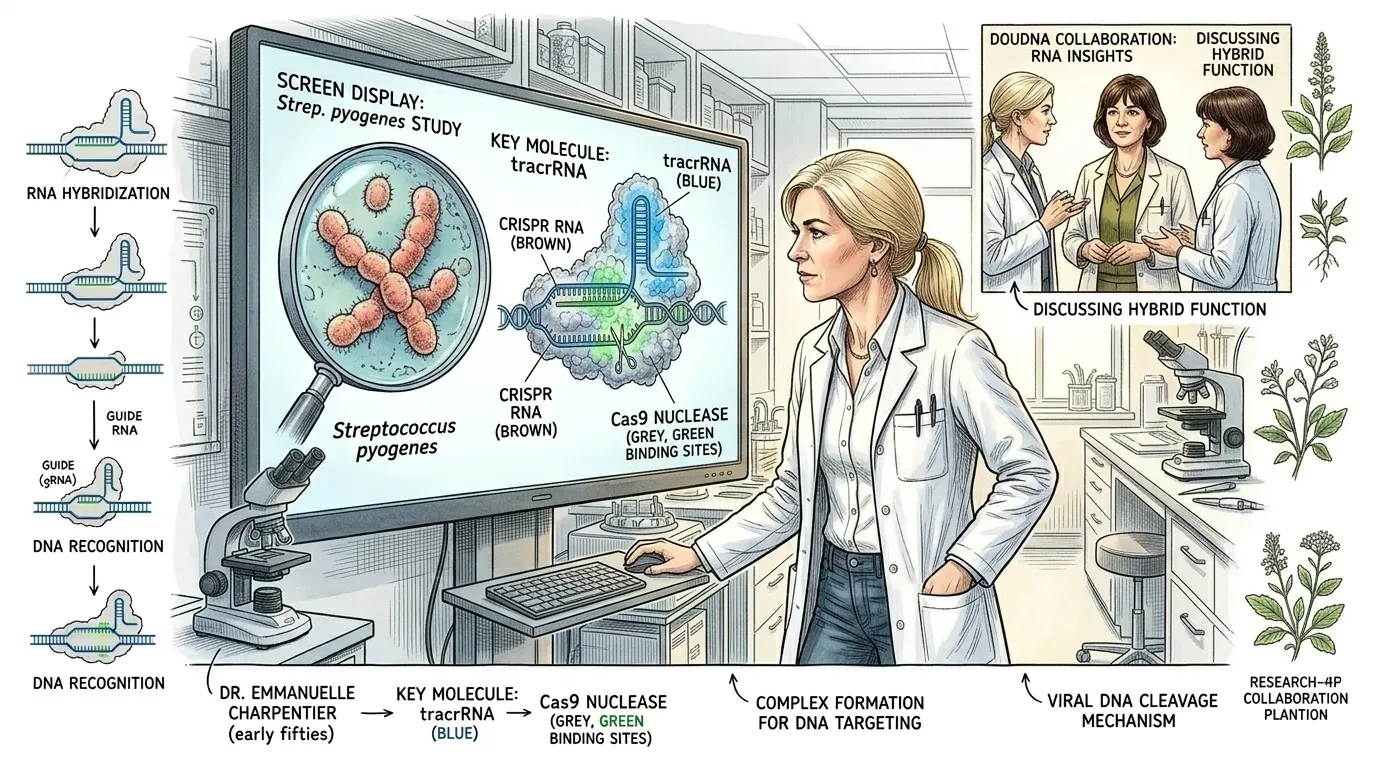
Emmanuelle Charpentier's crucial breakthrough came from her study of Streptococcus pyogenes, a bacterium responsible for strep throat. She focused on the bacterium's CRISPR system, specifically identifying a previously unknown molecule: tracrRNA (trans-activating CRISPR RNA). Her team discovered that this tracrRNA was essential for the maturation and function of the CRISPR RNA, forming a complex with it and the Cas9 protein. Without tracrRNA, the Cas9 enzyme could not effectively target and cleave viral DNA, revealing a critical piece of the bacterial defense puzzle.
Page 6
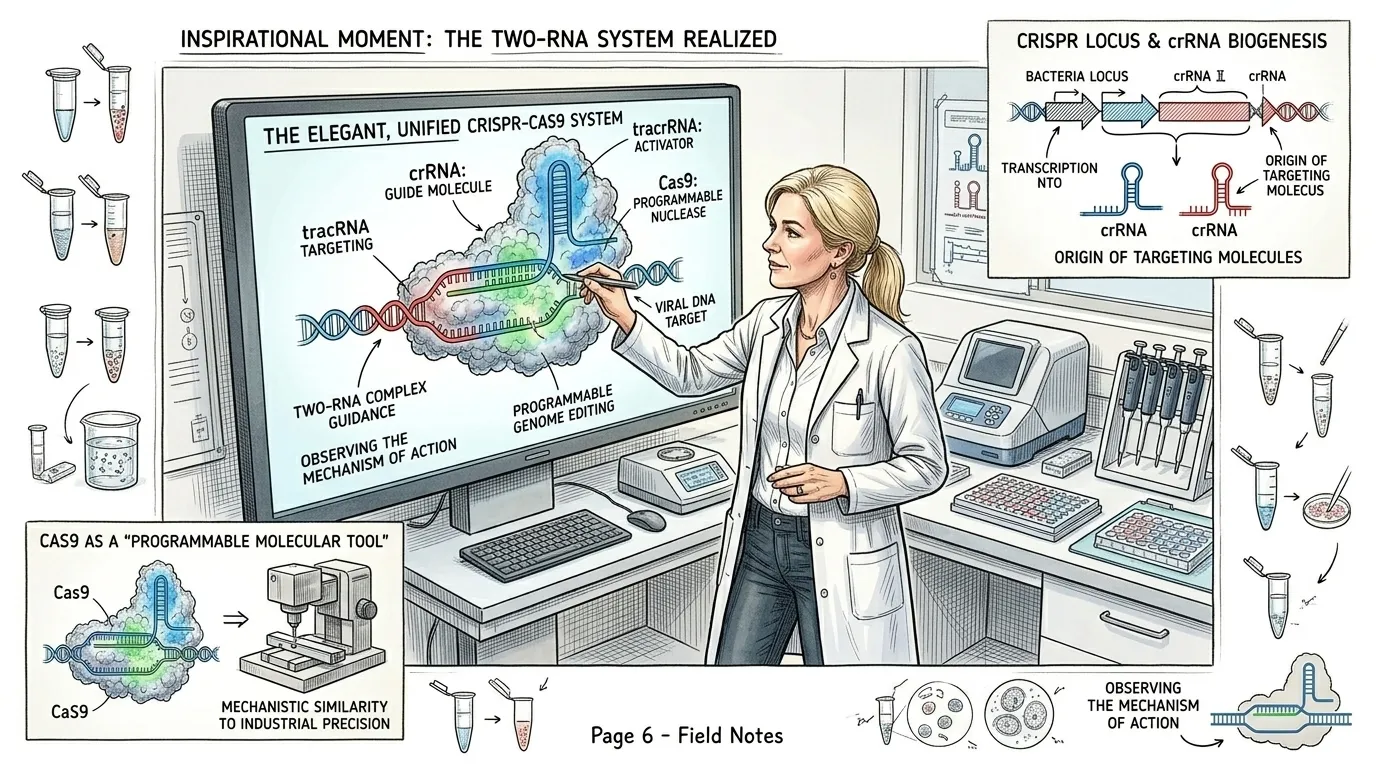
Charpentier realized that this two-RNA system—crRNA for targeting and tracrRNA for activating Cas9—was the key to the bacterial defense. She published her findings in 2011, detailing how these two RNA molecules, together with the Cas9 protein, formed a powerful antiviral complex. This elegant, unified system acted as a programmable guide, directing the Cas9 enzyme to precisely match and cut foreign genetic invaders. It was a mechanism of stunning simplicity and efficiency, ripe for adaptation.
Page 7
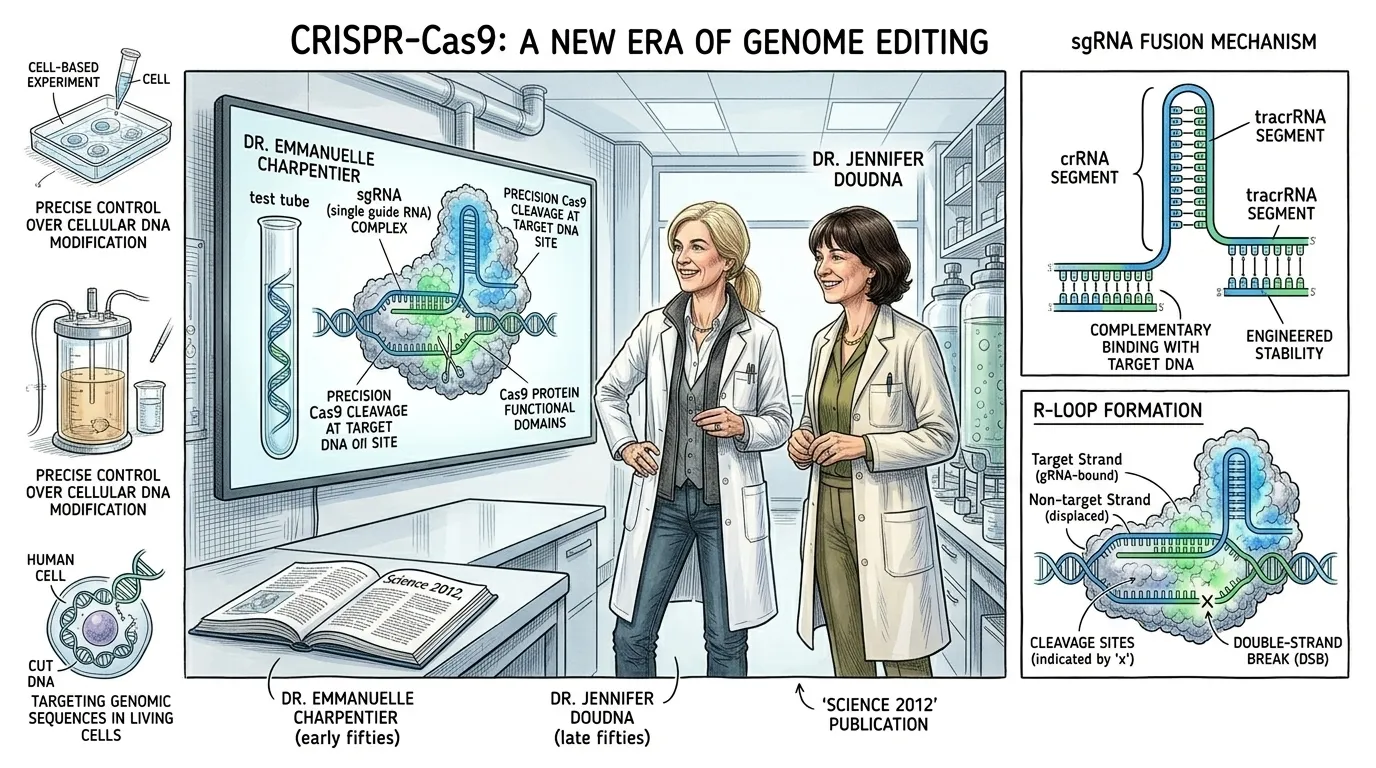
The crucial next step was to simplify this two-RNA system for human applications. Charpentier and Doudna hypothesized that the crRNA and tracrRNA could be fused into a single 'guide RNA' molecule. In their landmark 2012 Science paper, they demonstrated that this synthetic single guide RNA (sgRNA) could indeed direct Cas9 to make precise cuts in any target DNA sequence in a test tube. This breakthrough transformed a bacterial immune system into a universally programmable genetic engineering tool, a molecular scalpel for DNA.
Page 8
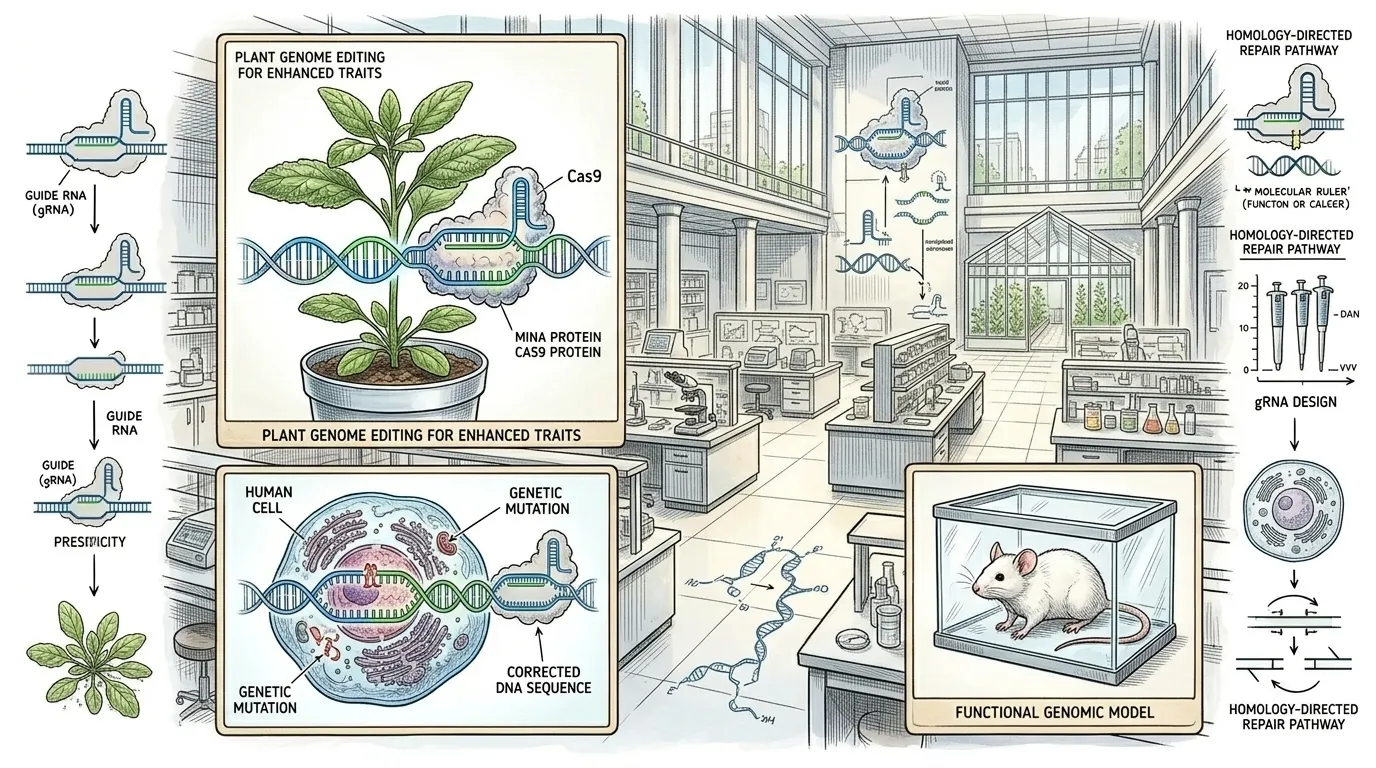
The discovery of programmable CRISPR-Cas9 rapidly cascaded into laboratories worldwide. Scientists quickly adopted this revolutionary tool to edit genes in human cells, plants, and animals with unprecedented ease and efficiency. This precision opened vast new avenues for research into genetic diseases, from cystic fibrosis and Huntington's disease to sickle cell anemia. The potential to correct genetic mutations at their source, rather than merely treating symptoms, heralded a new era in medicine, transforming the landscape of gene therapy.
Page 9
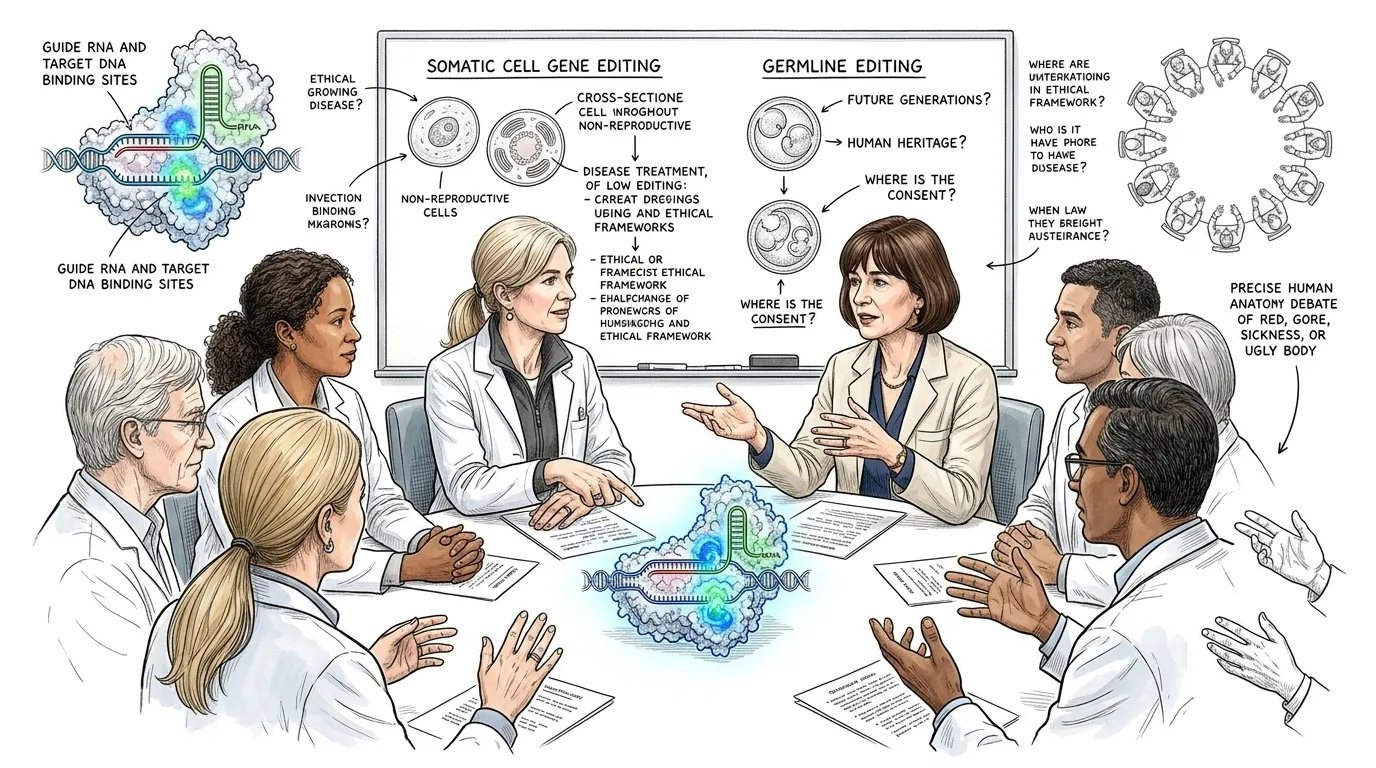
The power of CRISPR-Cas9 brought with it significant ethical discussions. While somatic cell gene editing (editing non-reproductive cells) holds immense promise for treating disease, germline editing (editing reproductive cells or embryos) raises profound questions about altering the human genetic heritage for future generations. Scientists, ethicists, and policymakers around the globe engaged in intense debates to establish responsible guidelines for its use, acknowledging both its transformative potential and its inherent societal implications. The technology continues to evolve, constantly pushing the boundaries of scientific and ethical inquiry.
Page 10
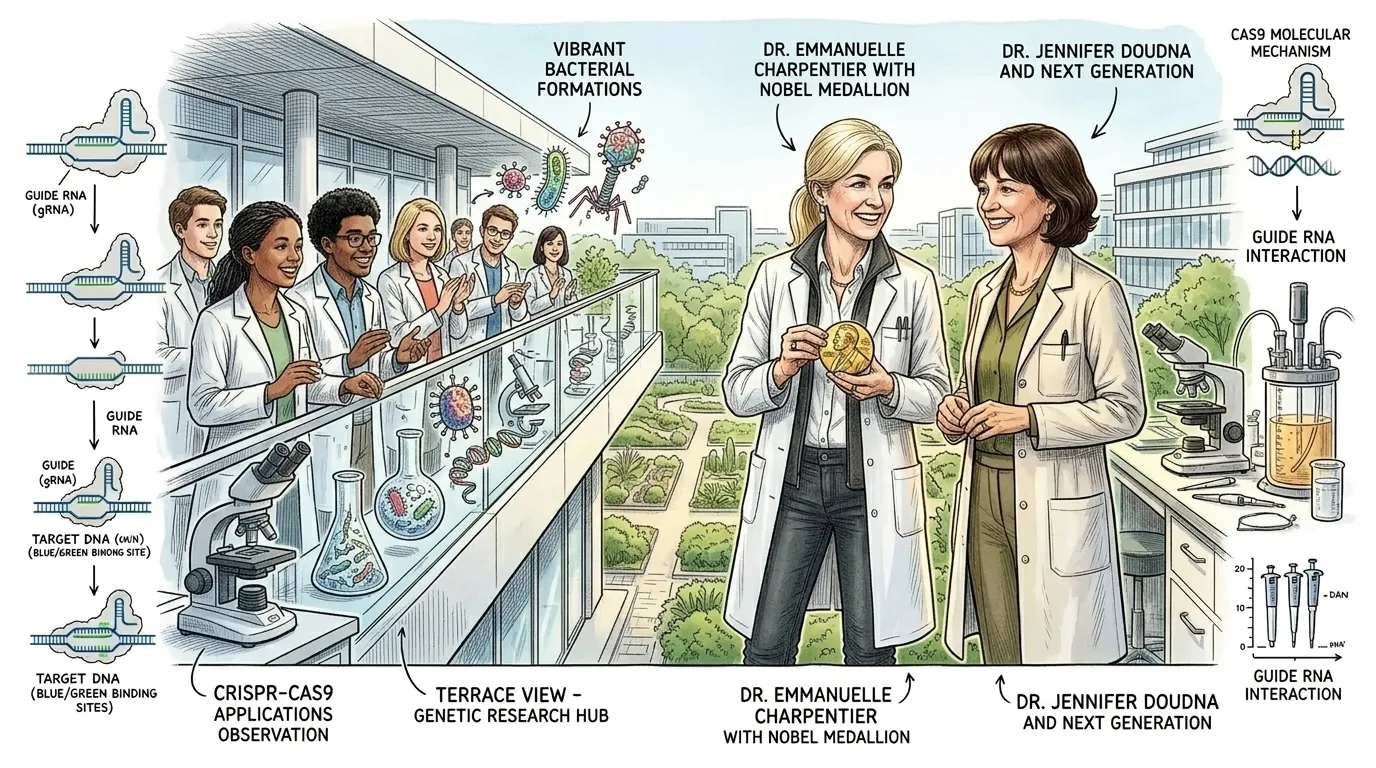
Emmanuelle Charpentier's foundational research, culminating in the co-development of CRISPR-Cas9 as a gene-editing tool, earned her, along with Jennifer Doudna, the Nobel Prize in Chemistry in 2020. This recognition underscored the immense scientific and societal impact of their work. From a bacterial defense mechanism to a revolutionary molecular instrument, CRISPR-Cas9 has not only transformed genetic research and therapeutic possibilities but has also inspired a new generation of scientists to explore the hidden wonders of microbiology, proving that even the simplest life forms hold the keys to profound scientific breakthroughs.
About this story
- Location: Global
- Audience: general readers
Questions and answers
Read Wonder Science on your phone
Wonder Science is available on Android. Get Wonder Science on Google Play.