Kalpana Chawla
Kalpana Chawla — an illustrated science story, set in Global. 10 illustrated pages, free to read on Wonder Science.
Page 1
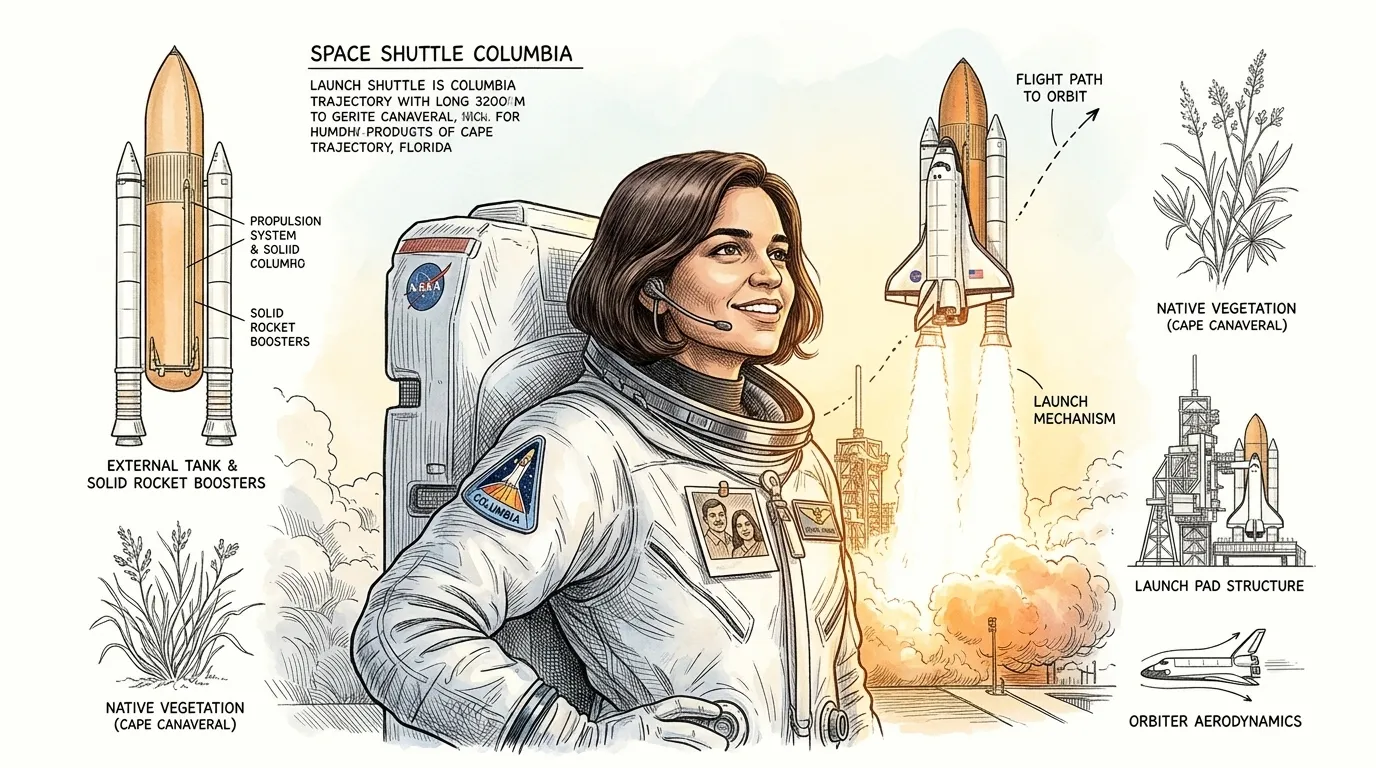
On January 16, 2003, a thunderous roar erupted from Cape Canaveral, Florida, as Space Shuttle Columbia, Mission STS-107, pierced the sky. Aboard this powerful vessel was Kalpana Chawla, an aerospace engineer and the first woman of Indian origin to journey into space twice. Her unwavering gaze toward the stars, cultivated since childhood, had propelled her through formidable academic and professional challenges. This mission, a dedicated science expedition, represented the zenith of human curiosity and engineering prowess, carrying invaluable experiments and the hopes of millions.
Page 2
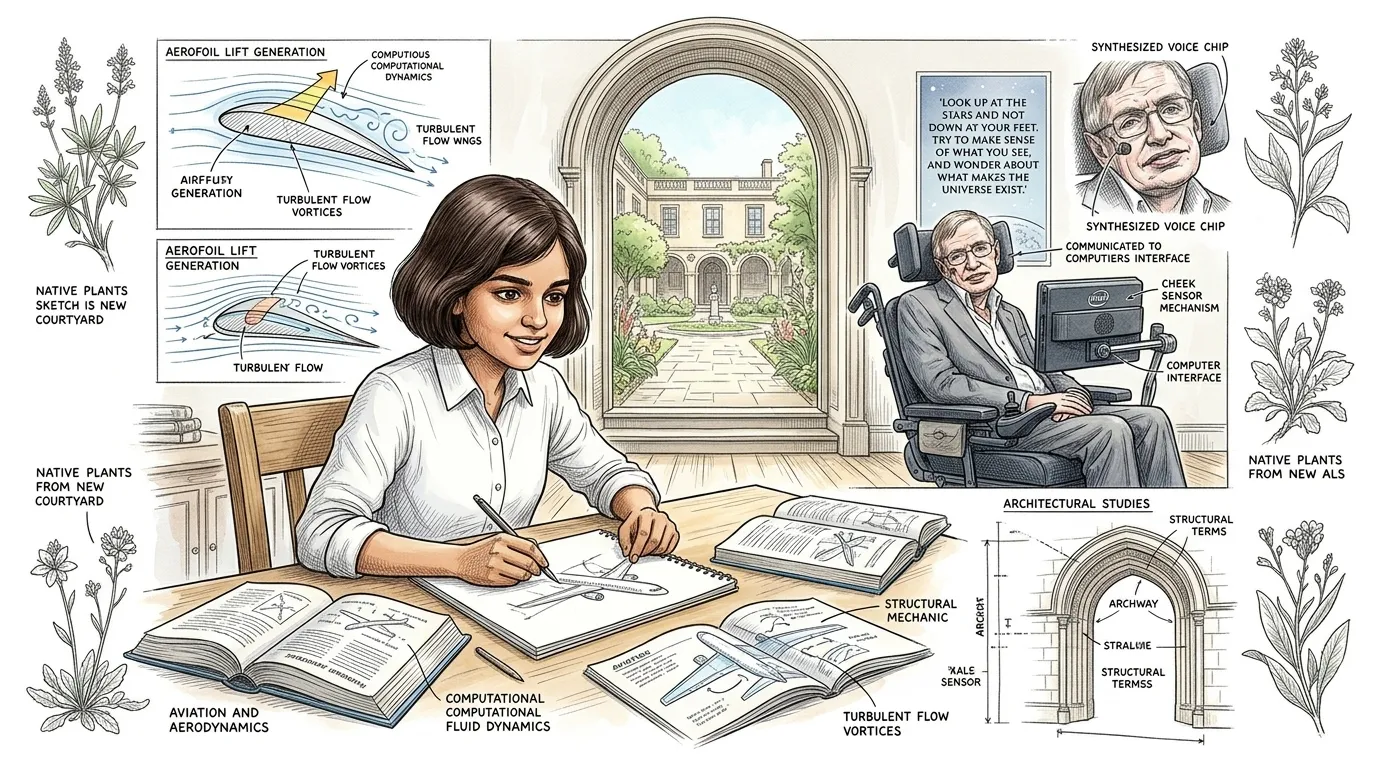
Born in Karnal, India, Kalpana Chawla harbored an early and profound fascination with flight, a dream that defied conventional paths for women in her era. Her formative years were marked by sketching airplanes and avidly reading about aviation, setting a course toward an improbable future. This deep-seated curiosity led her to pursue aeronautical engineering, laying critical groundwork in subjects like computational fluid dynamics and structural mechanics. As physicist Stephen Hawking once wisely stated, 'Look up at the stars and not down at your feet. Try to make sense of what you see, and wonder about what makes the universe exist.'
Page 3
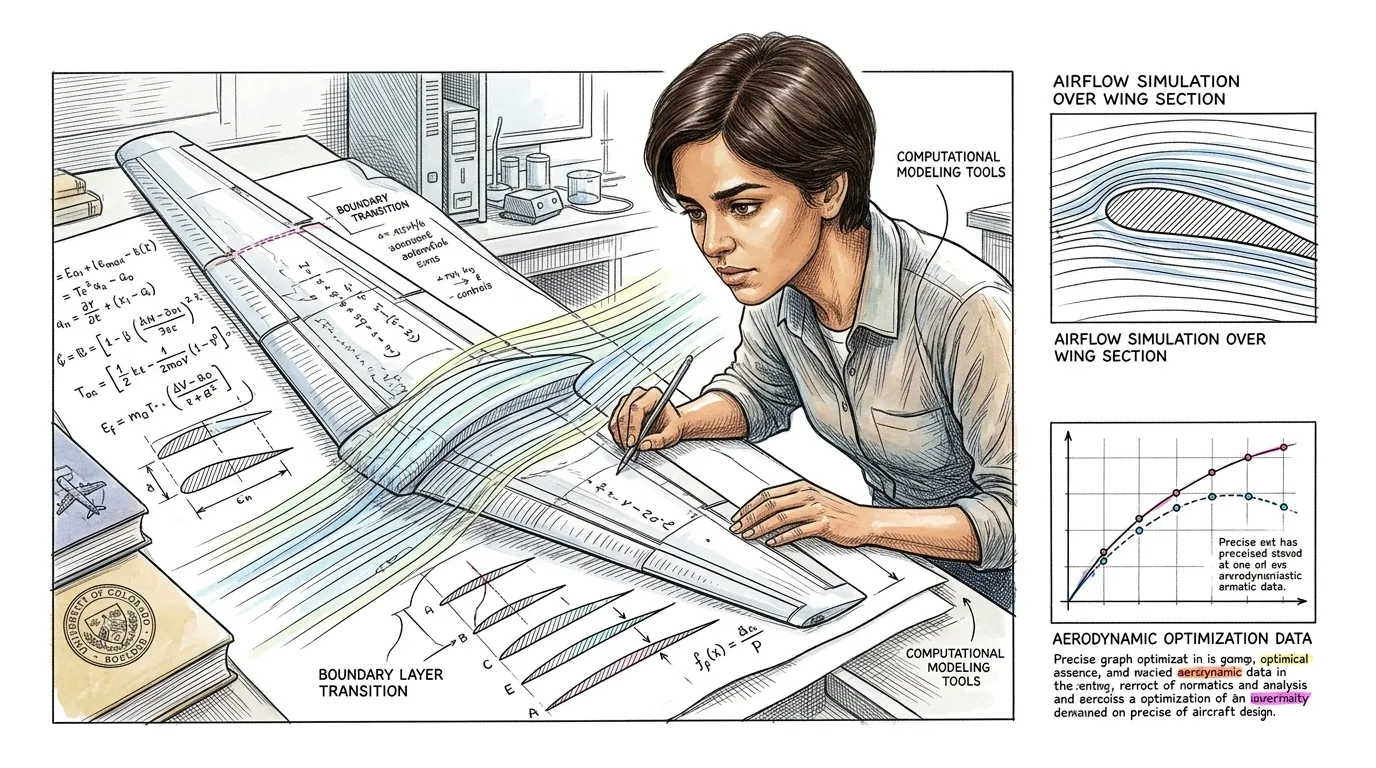
Chawla's academic journey took her to the United States, where she earned a Master of Science in aerospace engineering from the University of Texas at Arlington in 1984. Her relentless drive for deeper understanding culminated in a Ph.D. from the University of Colorado Boulder in 1988, specializing in aerospace engineering. This advanced research often involved complex simulations of airflow around aircraft, a crucial area for optimizing design and predicting performance. Her expertise in such intricate computational analysis would later prove invaluable for understanding the extreme dynamics of spacecraft.
Page 4
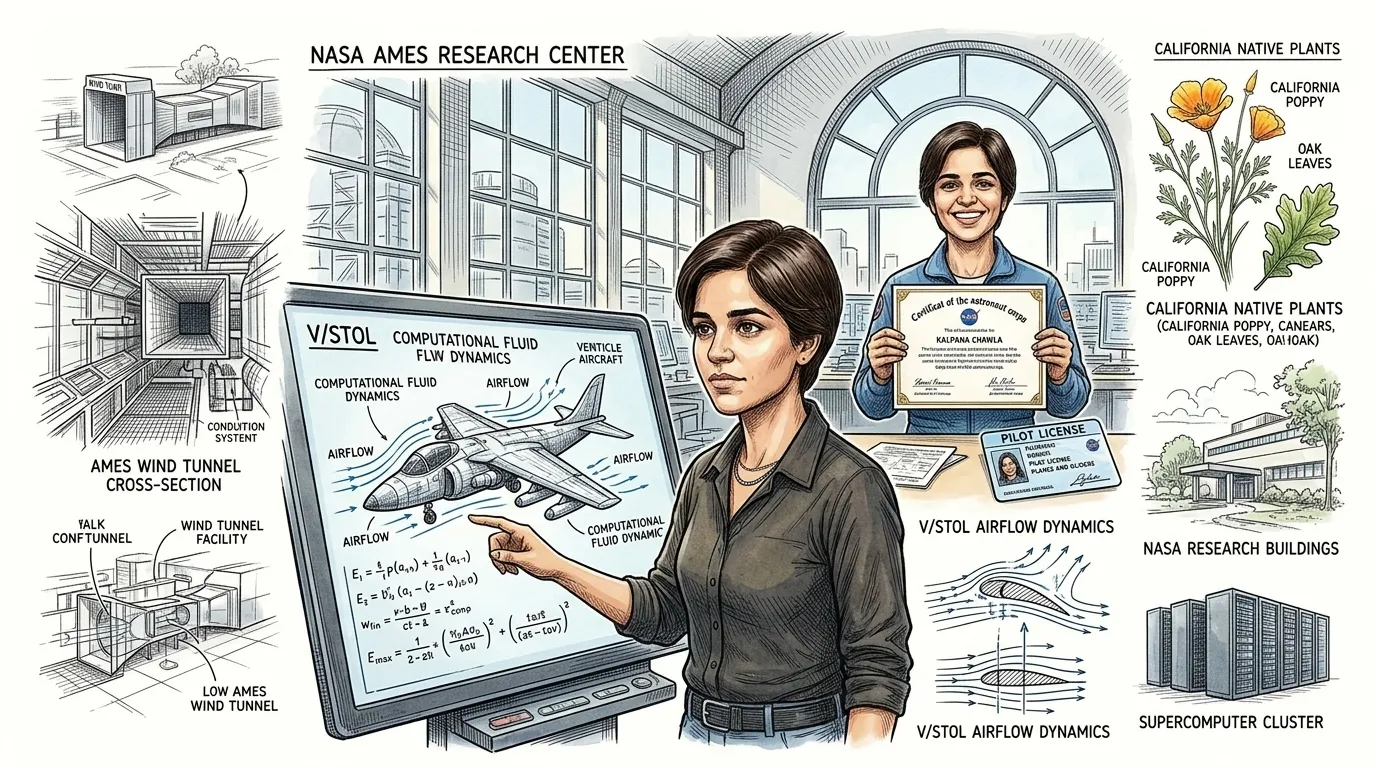
Following her doctoral studies, Chawla joined NASA Ames Research Center in 1988, where her work focused on powerful computational fluid dynamics for vertical and short takeoff and landing (V/STOL) concepts. This rigorous research into complex aerospace systems honed her analytical skills and deepened her understanding of flight mechanics under extreme conditions. Her exceptional resume, combining advanced engineering expertise with a pilot's license for planes and gliders, made her an ideal candidate for NASA's highly selective astronaut corps. In 1994, her lifelong dream coalesced into reality with her selection as an astronaut.
Page 5
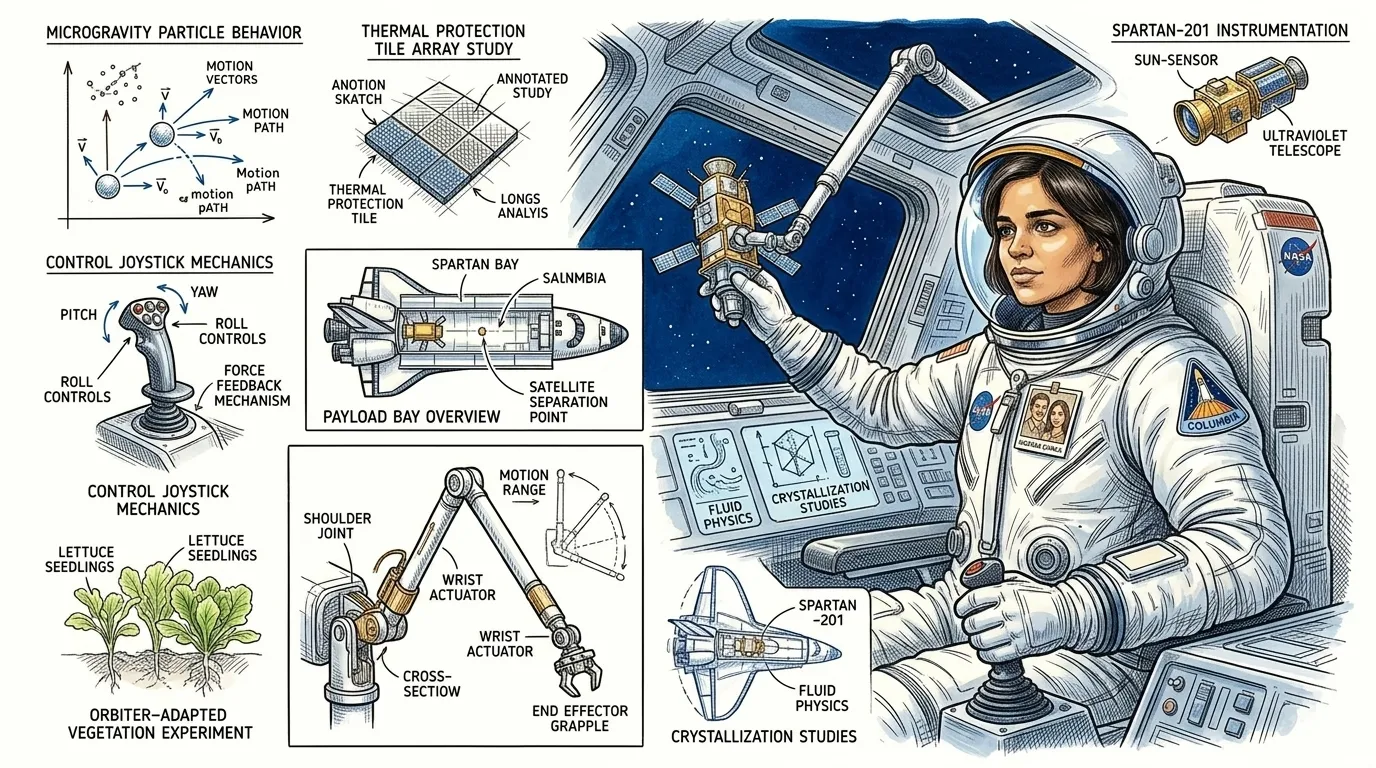
Kalpana Chawla's first spaceflight commenced on November 19, 1997, aboard Space Shuttle Columbia, on Mission STS-87. As a mission specialist, she was responsible for deploying the Spartan-201 satellite and operating the shuttle's robotic arm. This initial journey cemented her place in history as the first woman of Indian descent to travel to space. Her time in orbit was a testament to meticulous preparation and precise execution, conducting numerous microgravity experiments that broadened humanity's understanding of our universe and Earth's processes.
Page 6
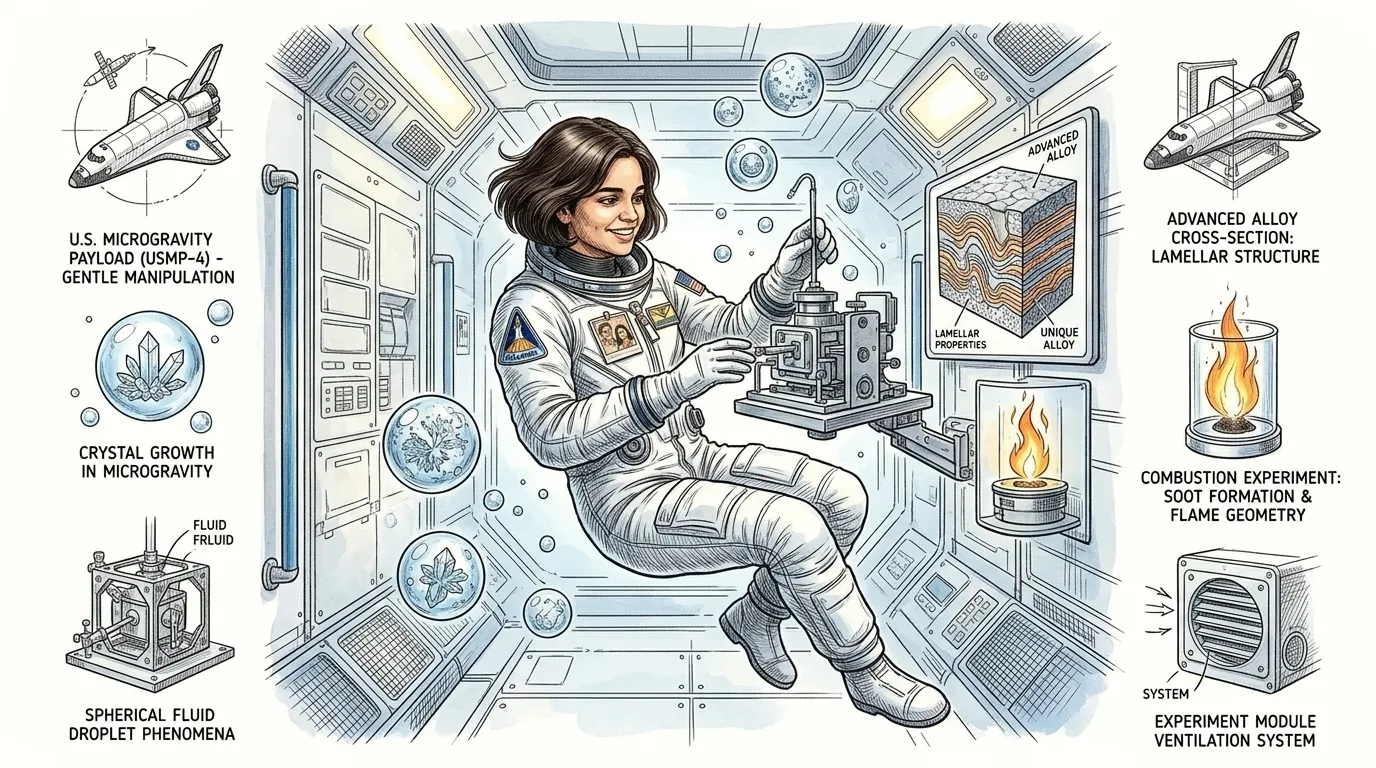
The microgravity environment of Earth orbit offers a unique laboratory where phenomena behave unlike anything observable on our planet's surface. On STS-87, Chawla and her crew conducted experiments across various disciplines, from materials science to fluid physics. For example, the U.S. Microgravity Payload (USMP-4) investigated the behavior of materials and fluids, allowing scientists to understand fundamental processes unimpeded by gravity's pull. Such research is crucial for developing advanced alloys, understanding combustion in space, and even improving crystal growth for electronics.
Page 7
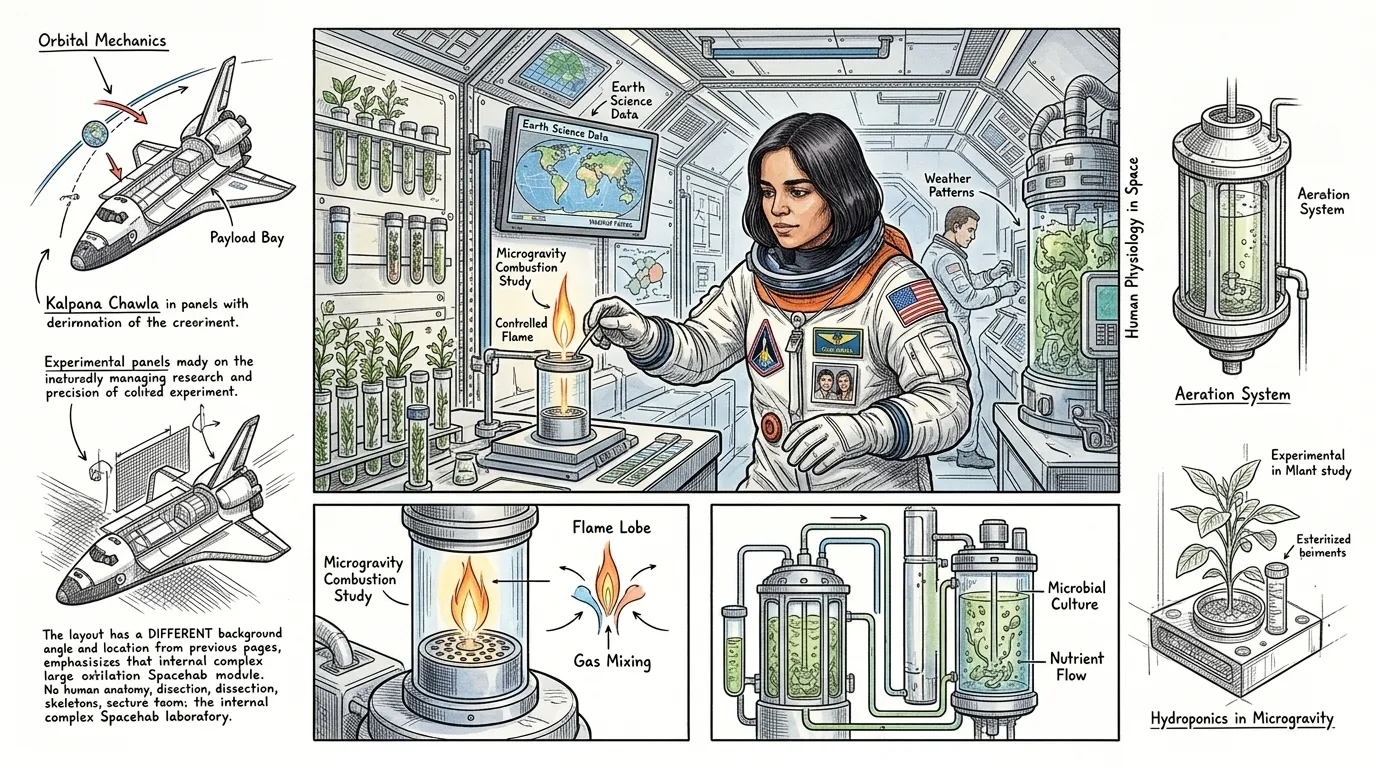
STS-107, Columbia's final mission, was entirely dedicated to scientific research, a true orbital laboratory. The crew, including Chawla, conducted over 80 experiments covering microgravity research, Earth and space science, and advanced technology development. Chawla's role, leveraging her deep engineering background, involved managing the intricate research operations within the Spacehab module. This intensive scientific agenda sought to unlock new understanding in areas from combustion dynamics to human physiology in space, extending the frontiers of knowledge for the benefit of life on Earth.
Page 8
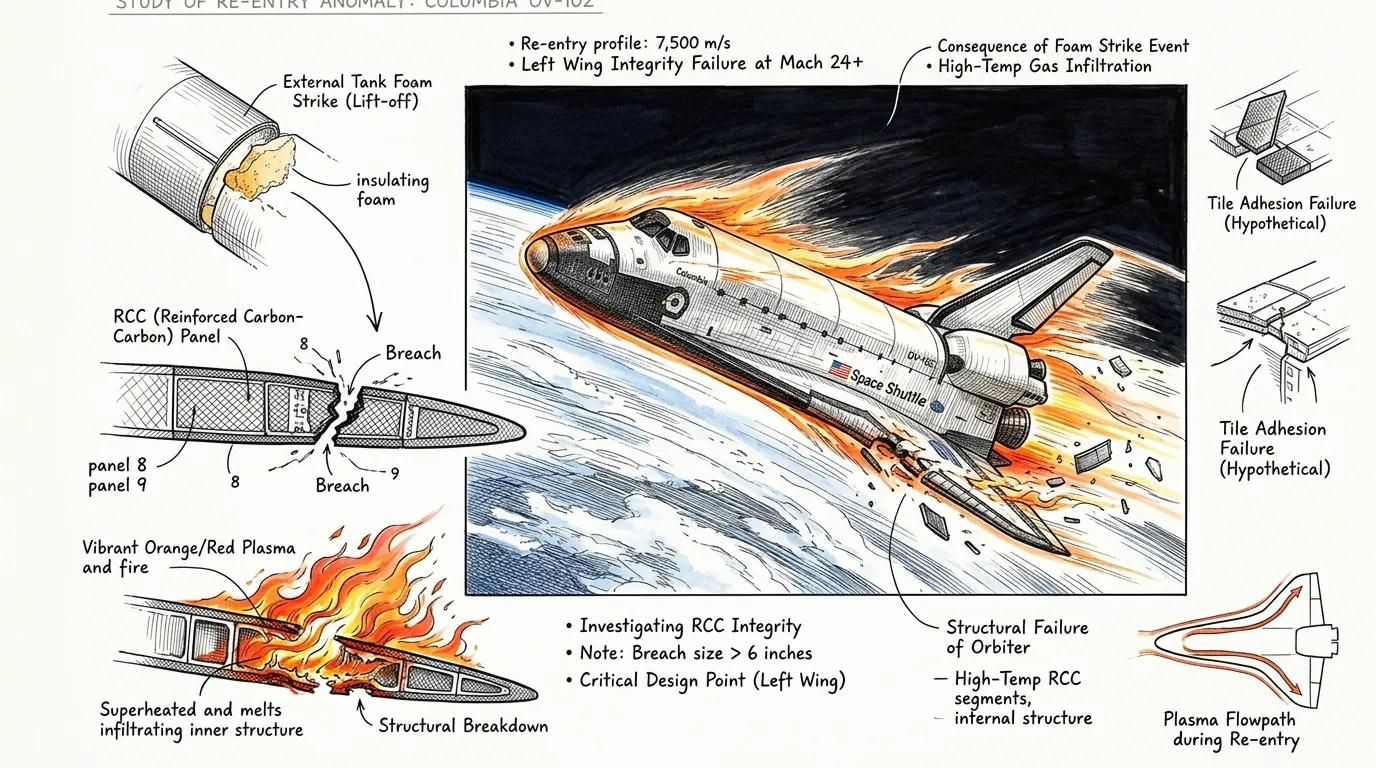
On February 1, 2003, as Space Shuttle Columbia re-entered Earth's atmosphere, tragedy struck. During launch 16 days prior, a piece of insulating foam had detached from the external tank, striking the shuttle's left wing. This seemingly minor impact, initially deemed non-critical, created a breach in the wing's leading edge reinforced carbon-carbon panel. During re-entry, superheated plasma infiltrated the compromised structure, leading to catastrophic failure. All seven astronauts, including Kalpana Chawla, perished, a profound loss that shook the world and underscored the immense risks inherent in space exploration.
Page 9
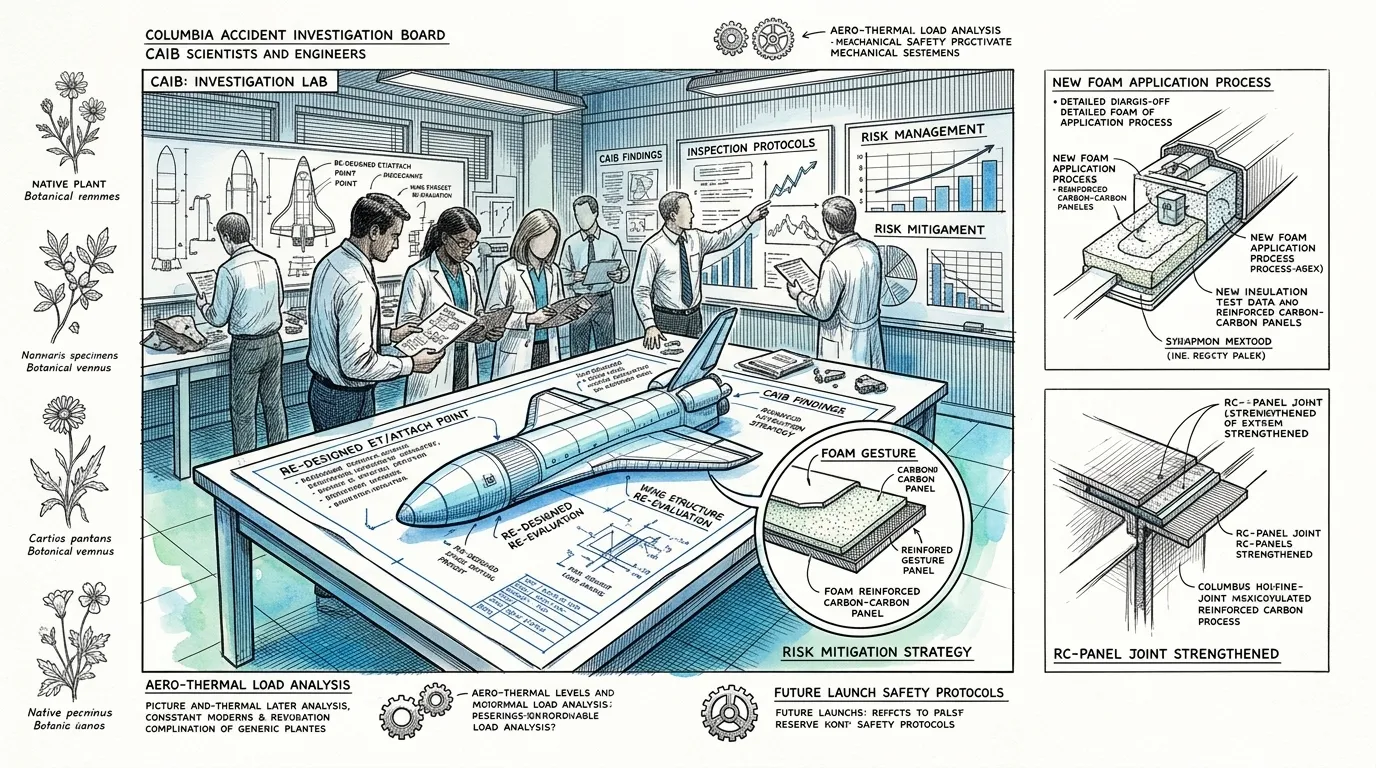
The Columbia Accident Investigation Board (CAIB) conducted an exhaustive inquiry, meticulously analyzing every fragment of evidence and every moment of the mission. Their findings unequivocally pointed to the foam strike as the physical cause, but also highlighted systemic issues within NASA's safety culture and communication. This investigation, a painful but essential process, led to fundamental redesigns in shuttle components, enhanced inspection protocols, and ultimately, the retirement of the shuttle fleet. The insights gained from this tragedy, particularly in structural integrity and risk management, continue to inform the design and operation of all subsequent human spaceflight endeavors, reinforcing the critical role of engineering in ensuring safety beyond Earth.
Page 10
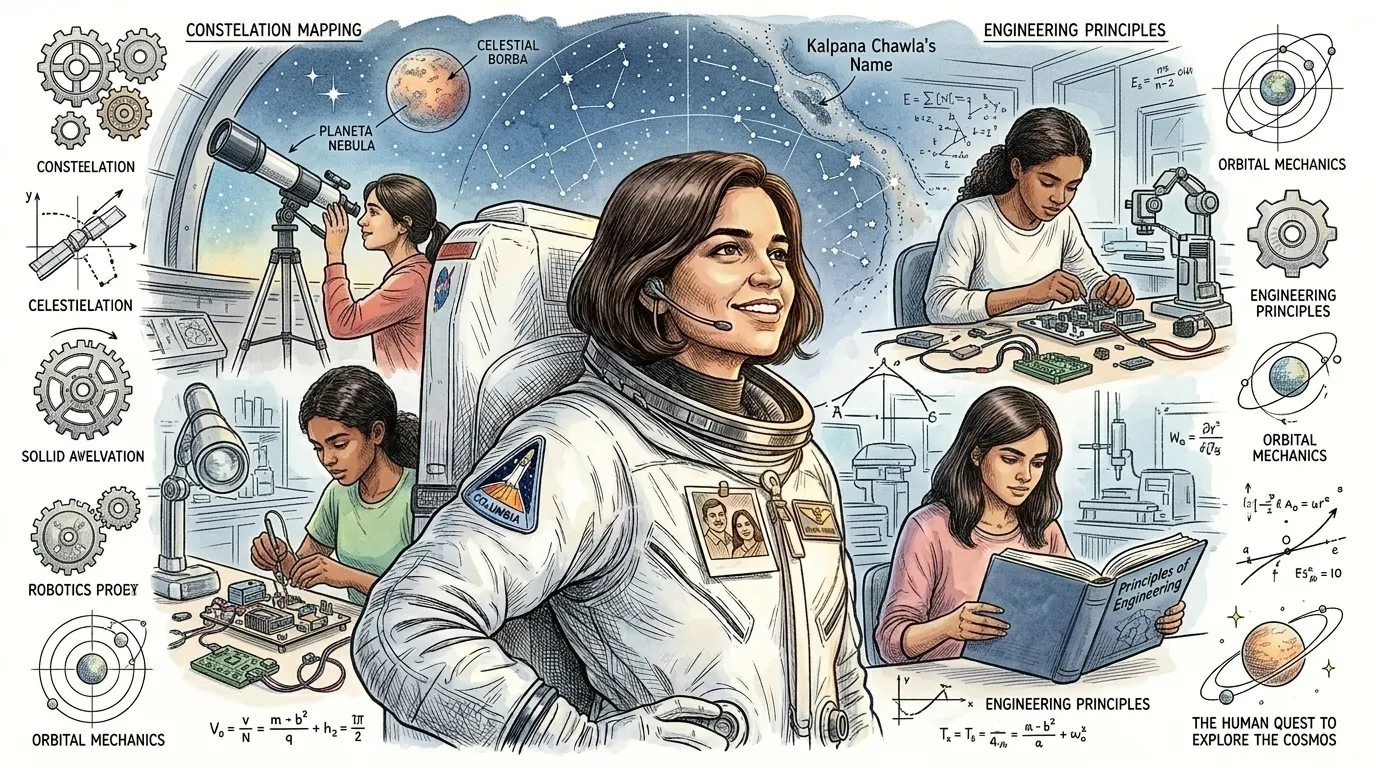
Kalpana Chawla's journey, though tragically cut short, left an indelible mark on both space exploration and global consciousness. Her pioneering spirit continues to inspire countless individuals, particularly young women in India and worldwide, to pursue careers in science, technology, engineering, and mathematics. Her name graces educational institutions, scholarships, and even celestial bodies, a permanent reminder of her courage and contributions. Chawla's legacy stands as a powerful testament to the pursuit of dreams and the enduring human quest to explore the cosmos, pushing the boundaries of what is possible, even in the face of profound adversity.
About this story
- Location: Global
- Audience: general readers
Questions and answers
Read Wonder Science on your phone
Wonder Science is available on Android. Get Wonder Science on Google Play.